
تمتد أسوار ثيودوسيوس البرية في إسطنبول، التي بدأ بناؤها في القرن الخامس، نحو 6.5 كم عبر المدينة القديمة. وأفضل المحطات قلعة يدي قولة، وأدرنة قابي مع خورا وقصر تكفور، وأطلال ستوديوس. امش على مقاطع وتحقق من إتاحة المواقع أولا.
حقائق أساسية
- تاريخ البناء: القرن الخامس (ثيودوسيوس الثاني)
- طول الأسوار البرية: نحو 6.5 كم
- أفضل محطة قلعة: قلعة يدي قولة (عثمانية، 1458)
- أفضل منطقة للفسيفساء: أدرنة قابي (كنيسة خورا)
- أقدم أطلال كنيسة: دير ستوديوس، نحو 450
- الحي: الفاتح
- التكلفة: مشاهدة الأسوار مجانية؛ راجع المواقع
What are the Byzantine walls of Istanbul?
The Byzantine walls of Istanbul are the Walls of Constantinople, a series of defensive stone walls built from the 5th century under Theodosius II. The land walls run about 6.5 km across the Fatih peninsula. They protected the city for centuries.
The walls were repaired and changed many times. Moreover, parts of them are still visible in Fatih today, and some gates are close to other major sights such as Chora and Yedikule. Therefore a half-day walk can combine defence, churches and mosques.
How we chose these stops
We chose stops that sit on or beside the land walls and that appear in public sources. Yedikule and Edirnekapı form the core. We do not accept payment for placement.
Opening rules and visitor access change, so check the place’s page or Google Maps before you go.
Which stops are worth visiting along the walls?
Seven stops give a clear picture: the wall itself, Yedikule Fortress, the Stoudios ruins, Tekfur Palace, Chora, Mihrimah Sultan Mosque and Pammakaristos. Each adds a layer of Byzantine or Ottoman history.
Start in the south at Yedikule and move north to Edirnekapı. In contrast, the Golden Horn end is quieter and less visited.
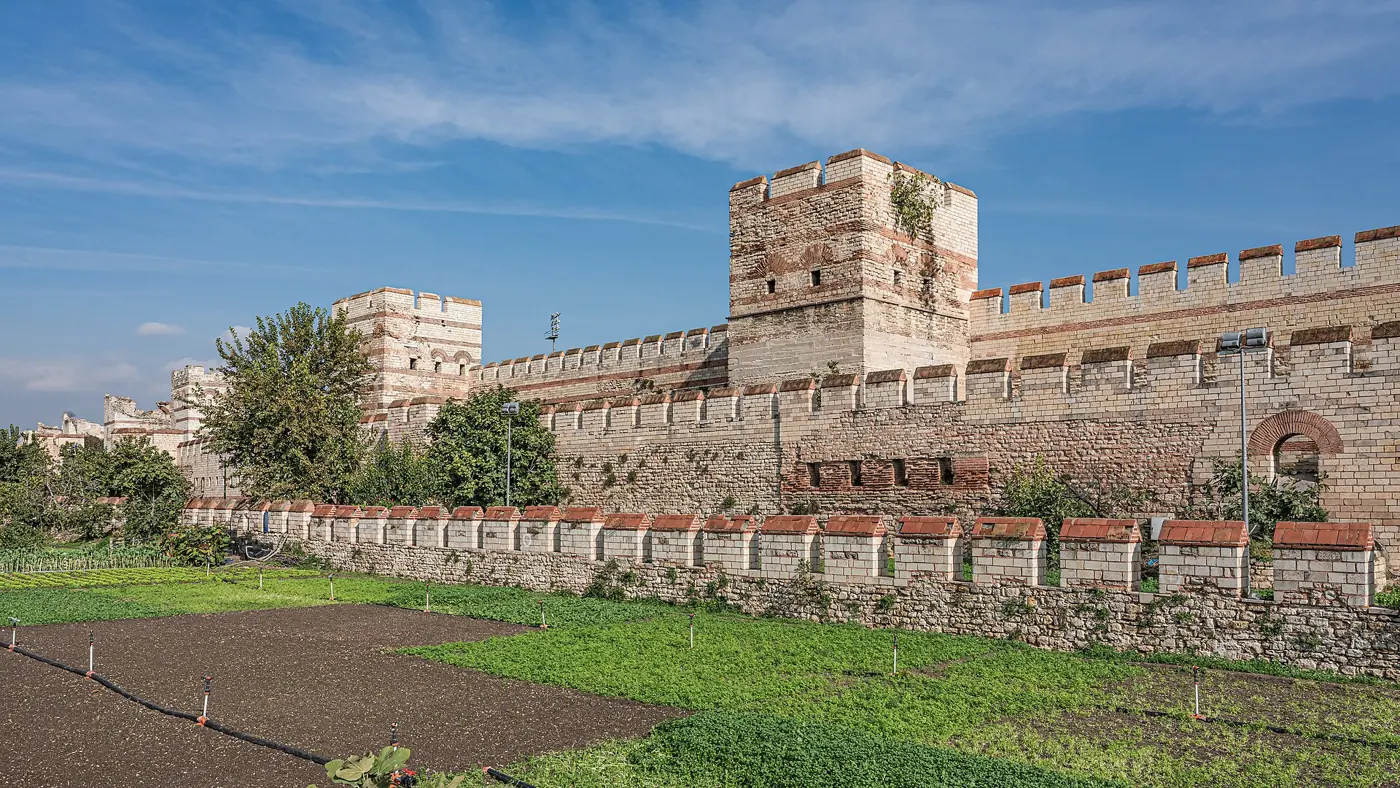
1 Konstantinopolis Surları
The walls themselves, built in the 5th century under Theodosius II. About 6.5 km of land walls survive. Walk a section on foot and look for towers and gates.
- Built: 5th century (Theodosius II)
- Length: About 6.5 km land walls
عرض الخريطة
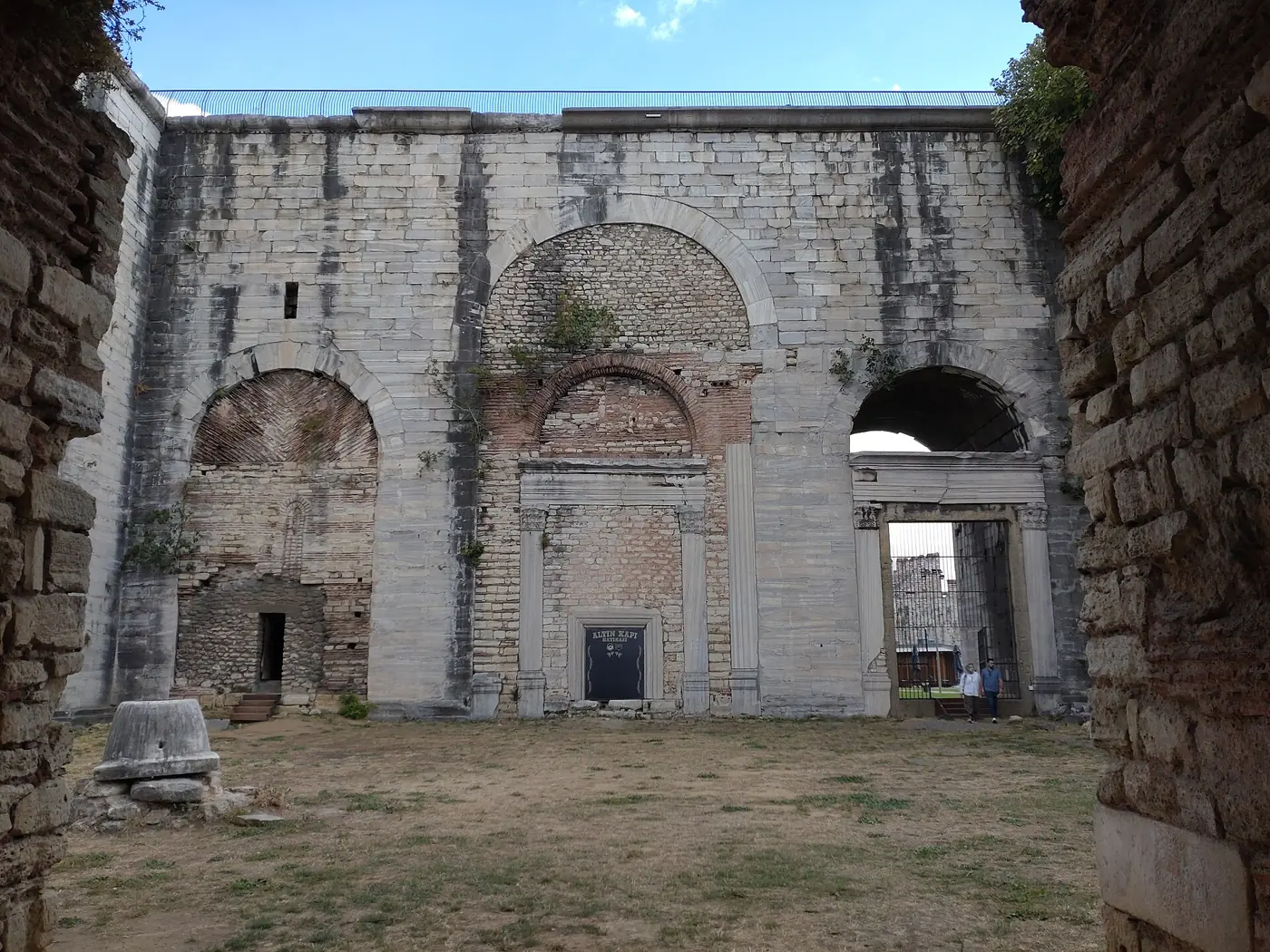
2 Yedikule Hisarı
An Ottoman fortress built in 1458 under Mehmed II that incorporates the Golden Gate of the old walls. It is the best southern anchor for your walk.
- Built: Ottoman, 1458 (Mehmed II)
- Walls: Incorporates the Golden Gate
عرض الخريطة
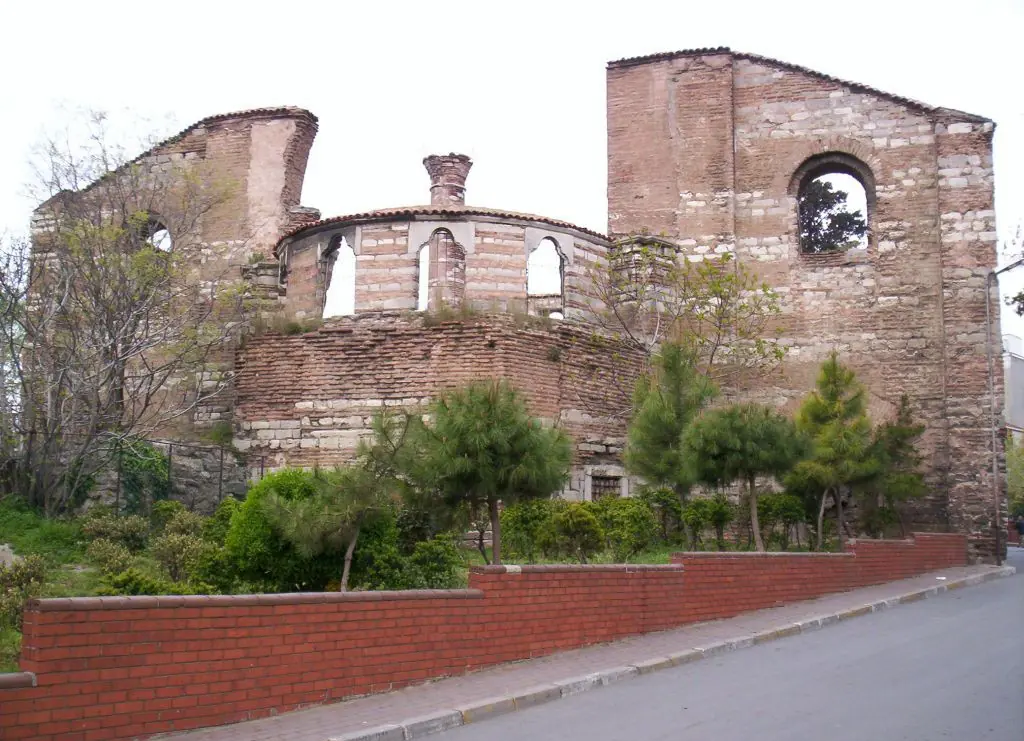
3 İmrahor İlyas Bey Camii
The ruined basilica of the Monastery of Stoudios, built around 450. It is the oldest surviving church building in Istanbul and an open-air site in Yedikule.
- Built: c. 450
- Status: Ruins, open-air site
عرض الخريطة
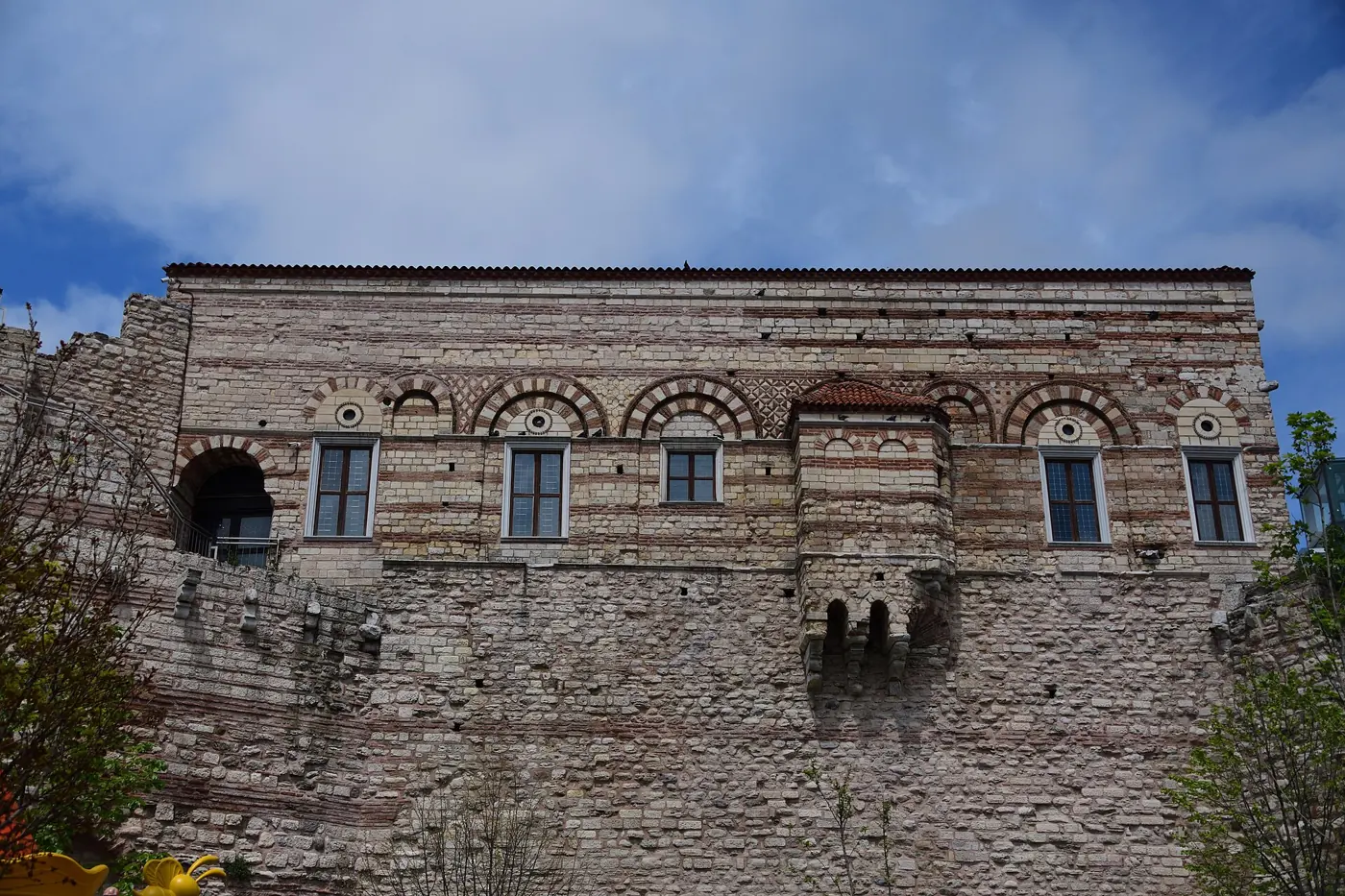
4 Tekfur Sarayı
A late 13th-century Byzantine palace ruin near the Theodosian Walls in Edirnekapı. It was later used as an Ottoman tile workshop.
- Era: Late 13th century Byzantine
- Location: Near the Theodosian Walls in Edirnekapı
عرض الخريطة
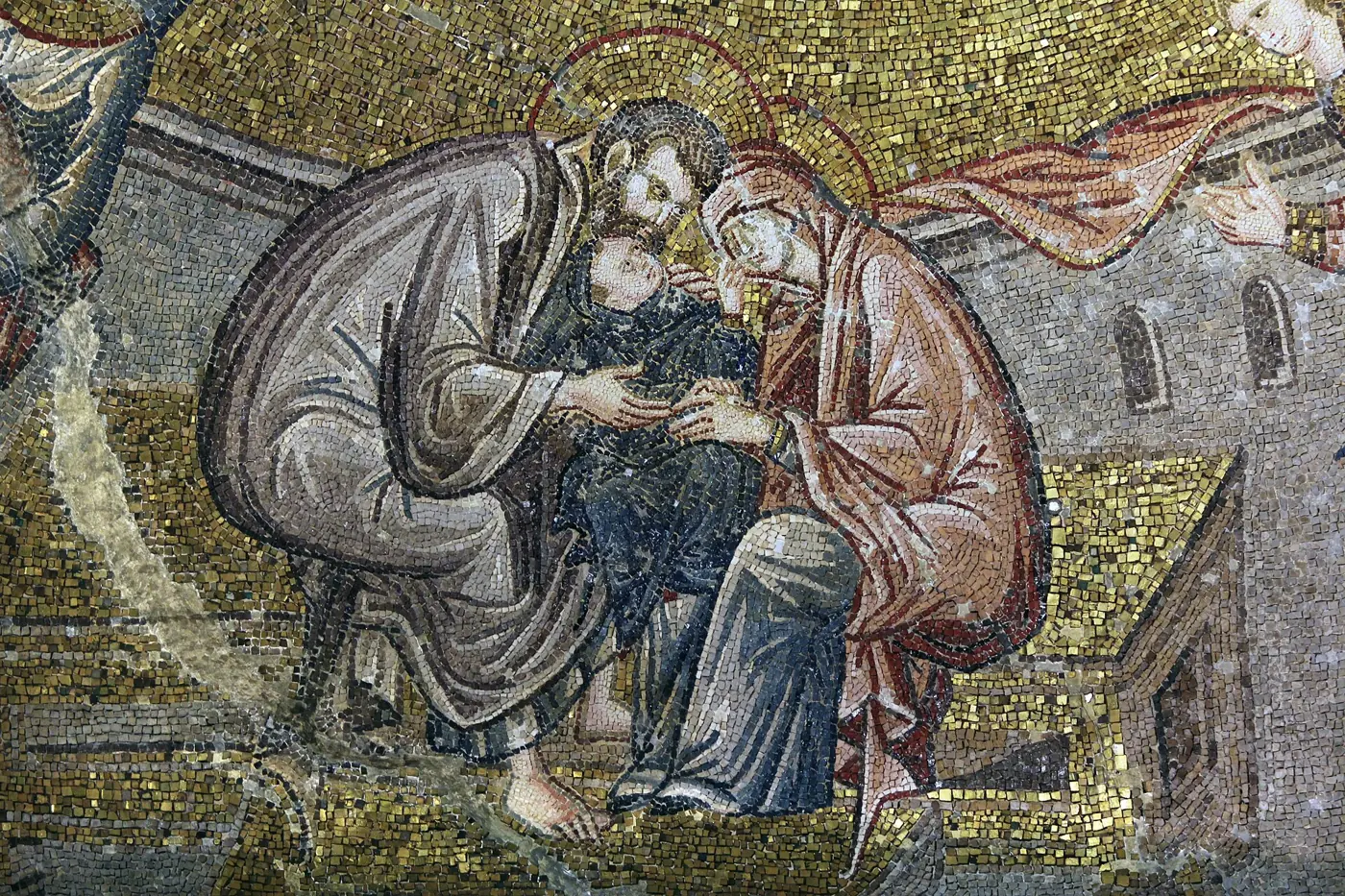
5 Kariye Camii
Famous for Byzantine mosaics and frescoes, decorated around 1316-21. It stands in Edirnekapı, close to the walls, and is now used as a mosque, so check visiting rules.
- Known for: Byzantine mosaics and frescoes
- Rebuilt: Early 12th century, decorated c. 1316-21
عرض الخريطة
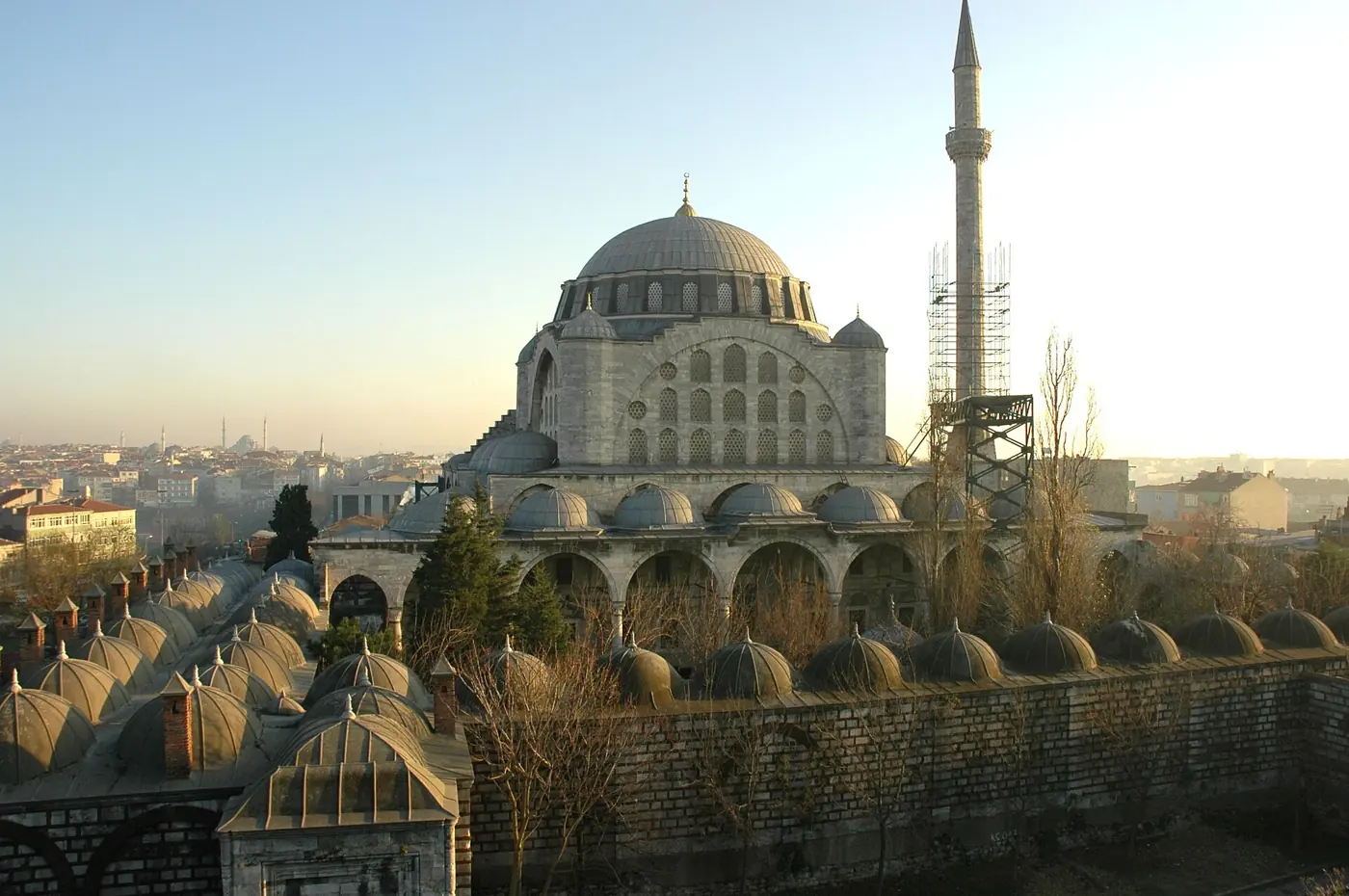
6 Mihrimah Sultan Camii
A 16th-century mosque by Mimar Sinan, built around 1565-1570 near the walls. It is known for a light-filled interior with many windows.
- Built: c. 1565-1570
- Architect: Mimar Sinan
عرض الخريطة
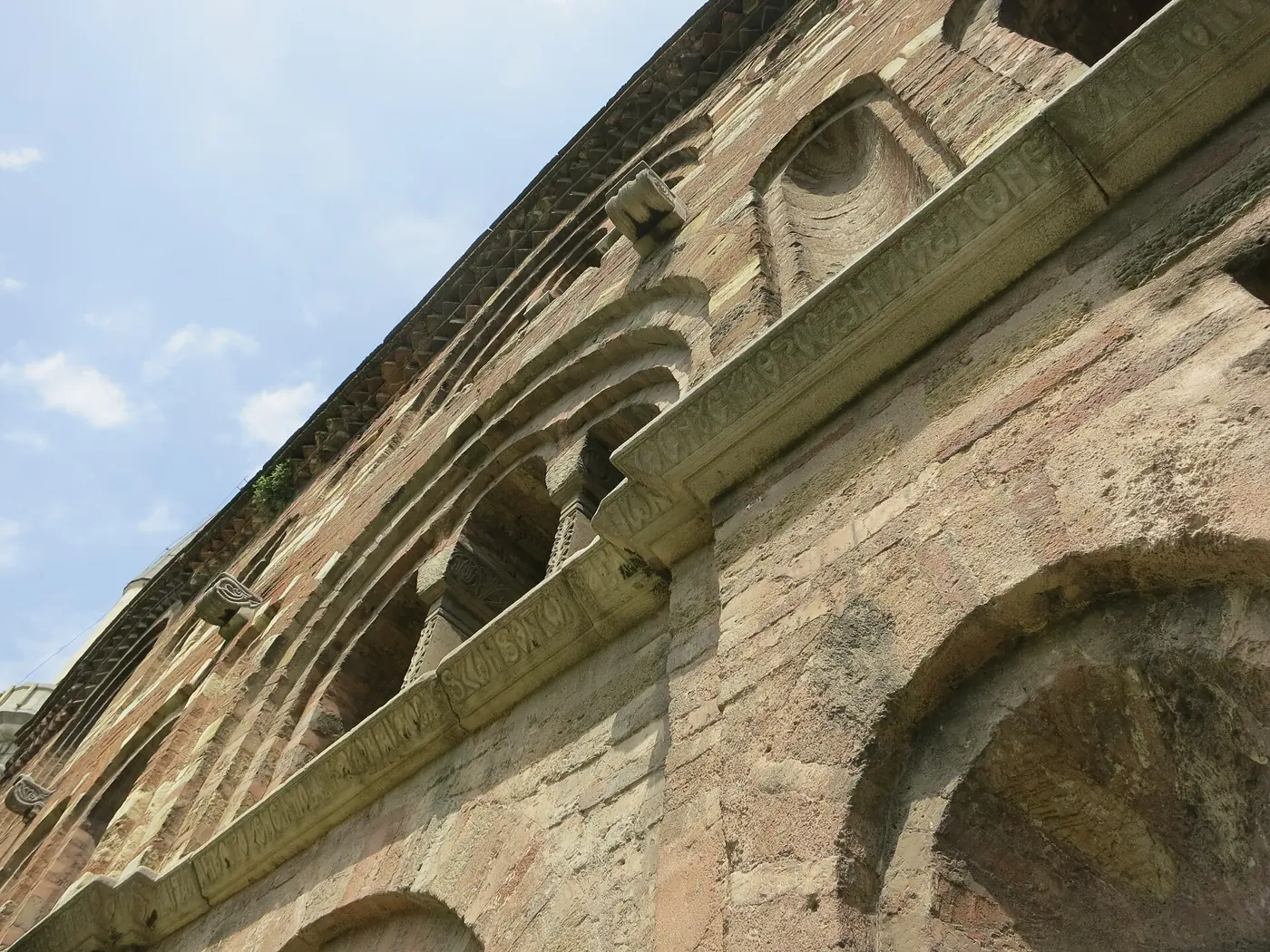
7 Fethiye Camii
A Byzantine church with a Palaiologan parekklesion of 14th-century mosaics, later the Greek Patriarchate seat and then Fethiye Mosque. It lies in Çarşamba, Fatih.
- Parekklesion: c. 1310
- Area: Çarşamba, Fatih
عرض الخريطة
How do the stops compare?
The table lists each stop by area, era and what you can expect to see. Yedikule and Stoudios sit in the south. Edirnekapı holds the densest group of sights.
Choose stops by era and area.
| Stop | Area | Era | What you see |
|---|---|---|---|
| Walls of Constantinople | Fatih | 5th century | Towers, gates, wall sections |
| Yedikule Fortress | Yedikule | 1458 (Ottoman) | Fortress, Golden Gate |
| Stoudios Monastery | Yedikule | c. 450 | Ruined basilica |
| Tekfur Palace | Edirnekapı | Late 13th century | Palace ruin |
| Chora Church | Edirnekapı | c. 1316-21 decoration | Mosaics and frescoes |
| Mihrimah Sultan Mosque | Edirnekapı | c. 1565-1570 | Sinan mosque |
| Pammakaristos Church | Çarşamba | c. 1310 parekklesion | 14th-century mosaics |
How do you get there and move along the walls?
Fatih is on the historic peninsula, and the walls run through quieter residential districts. Reach Yedikule by suburban rail or bus and Edirnekapı by bus. Check Google Maps for current routes because lines change.
The walls are long, so do not try to walk all of it in one go. Take a taxi or private car between Yedikule and Edirnekapı.
Practical tips:
- Wear sturdy shoes; paths can be uneven.
- Go in daylight and stay on main streets.
- Bring water in summer.
- Confirm site entry rules on each page.
- Dress modestly at mosques.
Plan by transport and effort.
| Plan | Effort | Notes |
|---|---|---|
| Southern walk | Medium | Yedikule and Stoudios on foot |
| Edirnekapı cluster | Easy | Chora, Tekfur and Mihrimah are close |
| Full line | Hard | Use a car between the two ends |
Why were the walls so important?
The walls were important because they made Constantinople very hard to attack by land. The city stood on a peninsula with water on three sides, so the land side needed the strongest defence. Theodosius II built the great land walls in the 5th century to close that gap.
The system had several lines, including a moat, an outer wall and a taller inner wall with towers. Moreover, gates linked the city to roads and to the Golden Horn. Therefore a walk along the walls shows how a medieval capital organised its safety. Ottoman rulers also kept and repaired parts of the line, which explains why Ottoman buildings stand beside Byzantine ones.
Main elements of the land-wall system.
| Element | Role |
|---|---|
| Moat | First obstacle for attackers |
| Outer wall | Lower wall with towers |
| Inner wall | Taller main wall with towers |
| Gates | Controlled movement in and out |
How do the walls connect to Byzantine and Ottoman heritage?
The walls connect two empires. Byzantine sites such as Chora, Tekfur Palace and Stoudios stand near the line. Ottoman landmarks such as Yedikule Fortress and the Mihrimah Sultan Mosque by Sinan add the next layer. A walk here therefore reads like a timeline.
In contrast to the busy centre, the western districts feel residential and calm. You will meet local shops, bakeries and small cafes between the sights. Plan a lunch stop in a local neighbourhood, and enjoy a different side of Fatih away from Sultanahmet crowds.
How can you walk the walls safely and comfortably?
Walk the walls in daylight, in short sections, and with a clear plan. Some areas are quiet, with uneven ground and few services. Keep to main streets, carry water and a phone with an offline map.
Moreover, wear sturdy shoes and sun protection in summer. If you prefer not to walk alone, a licensed guide or a driver can link the stops efficiently and explain what you are looking at.
Safety and comfort checklist:
- Start early to avoid midday heat.
- Keep valuables out of sight.
- Download an offline map before you go.
- Use a taxi between distant clusters.
- Respect worshippers near mosques.
What should you bring and wear?
Bring water, sun protection, a charged phone and a small scarf for mosque stops. Wear closed shoes with a good grip, because the ground near the walls can be rough and some paths have steps. Dress modestly, since several stops are mosques or neighbourhood shrines.
Moreover, bring some cash for small cafes and local bakeries in the western districts. Therefore you can rest between sights without hunting for a shop. A light daypack makes the walk easier.
Allow about four hours for the Edirnekapı cluster alone, including time to sit, rest and read about each building. Moreover, mosques close briefly at prayer times, so check the time of day before you enter. Finally, a guide can show you which tower or gate to look at, which makes the walls much easier to read.
What does a sample half-day look like?
Begin at Yedikule Fortress in the morning, then walk to the Stoudios ruins. Take a short taxi to Edirnekapı for Tekfur Palace and Chora. Finish at Mihrimah Sultan Mosque, where light fills the interior.
If you have more time, add Pammakaristos in Çarşamba. However, keep late afternoon free for the walk back toward the Golden Horn.
الأسئلة الشائعة
ما طول الأسوار البرية في إسطنبول؟
يبقى نحو 6.5 كم من الأسوار البرية من نظام ثيودوسيوس في القرن الخامس.
من بنى الأسوار؟
تعود الأسوار البرية إلى القرن الخامس في عهد ثيودوسيوس الثاني.
ما أفضل مكان للبدء؟
قلعة يدي قولة نقطة بداية واضحة لأنها تضم الباب الذهبي.
هل أستطيع المشي على السور كله؟
هو طويل. امش على مقاطع واستخدم سيارة أو سيارة أجرة بين المجموعات الرئيسية.
هل كنيسة خورا ما زالت متحفا؟
تُستخدم اليوم جامعا. راجع قواعد الزيارة في صفحتها أو على خرائط جوجل.
هل زيارة الأسوار مجانية؟
يمكنك رؤية الأسوار في الشوارع العامة، لكن لكل موقع قواعده. راجع كل صفحة.
ما أقدم أطلال كنيسة في إسطنبول؟
دير ستوديوس، الذي بُني نحو 450، هو أقدم مبنى كنيسة باق.
خطط لهذا مع TurkGT
يستطيع TurkGT ترتيب مرشد مرخص للأسوار وسيارة خاصة مع سائق بين يدي قولة وأدرنة قابي. ونساعد أيضا في حجز فندق في السلطان أحمد. أرسل تواريخك عبر WhatsApp أو نموذج الاستفسار.
اطلب الحجز
المصادر
- Walls of Constantinople
- Yedikule Fortress
- Stoudios Monastery (Imrahor Mosque)
- Tekfur Palace
- Chora Church (Kariye)
- Mihrimah Sultan Mosque (Edirnekapı)
- Pammakaristos Church (Fethiye Museum)
آخر مراجعة: 2026-11-18.