
The best time to visit Antalya is April to June and September to October. The sea is warm, the sun is strong but bearable, and ruins and hiking trails are comfortable. July and August are hot and crowded. November to March is mild, quieter and rainy, and the Saklıkent ski centre opens.
Key facts
- Best overall: April to June and September to October
- Beach season: Late spring to autumn
- Hottest months: July and August
- Winter: Mild coast, some rain, quieter towns
- Skiing: Saklıkent, roughly November to May (Wikipedia)
- Ruins and hiking: Best in spring and autumn
- Check before travel: Live weather and opening hours
When is the best time to visit Antalya?
The best time is spring and early autumn. From April to June and from September to October, days are warm, the sea is comfortable and sites are open without peak-summer crowds. Choose July and August only if beach time is your priority and you accept heat.
Moreover, shoulder months give better value. Hotels are less full, tours are easier to book and archaeological sites are pleasant to walk. In contrast, midsummer midday is better spent in the water, in shaded Kaleiçi or in a cooler valley.
Therefore match the month to your plan. Beach holiday, sightseeing, hiking, rafting and winter sun each have a different best window, and the table below summarises them.
The table gives a quick month-group guide. Conditions change from year to year, so check a live forecast.
| Months | Weather feel | Best for | Watch out for |
|---|---|---|---|
| December to February | Mild, rainy spells, cool evenings | City breaks, museums, skiing at Saklıkent | Some seasonal venues close; sea too cold for most swimmers |
| March to May | Warming, flowers, some showers | Ruins, hiking, rafting, sightseeing | Sea still cool in early spring |
| June | Hot, long days | Beaches, boat trips | Strong midday sun |
| July and August | Hottest, busiest | Beach days, mountain escapes | Crowds, heat, higher demand |
| September and October | Warm, calmer | Beach and sightseeing together | Occasional storms late in the season |
| November | Cooling, more rain | Quiet city and culture | Shorter days |
How did we choose this guide’s advice?
We chose these places from official classifications, location and details published by operators and reference sources. We do not accept payment for placement. Opening hours, prices and seasonal schedules change, so check each place’s page or Google Maps before you go.
For a seasonal guide we used published descriptions of each place and its setting, such as mountain parks, river valleys and coastal beaches, and matched them to the general Mediterranean climate. We avoid exact temperatures, because they differ by year and by area, so check a live forecast.
Ratings and visitor opinions change quickly, so we show none here. Instead, open the place on Google Maps through the card button and read recent comments. In addition, confirm hours and tickets with the venue on the day you plan to visit.
Which places suit which season?
Season changes what each place offers. Beaches and boat days peak in summer. Ruins and canyons are best when it is cooler. Mountain and river places give relief in heat, and the ski centre works in winter. The cards below link each place to its best use.
Consequently a single trip can mix seasons. On the same winter day you can ski at altitude and walk in a mild coastal town. Always check live status for cable cars, rafting and park access.
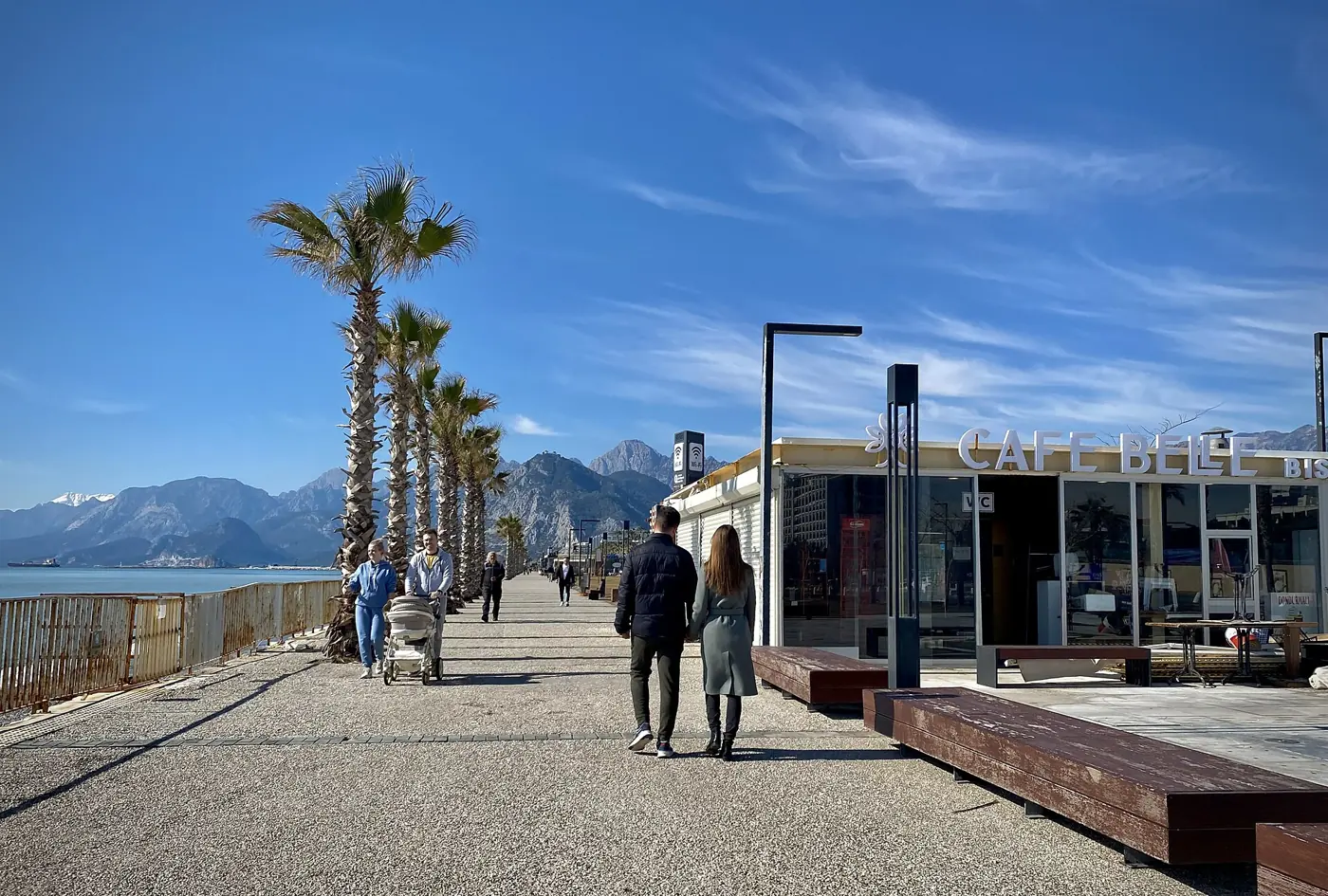
1 Konyaaltı Plajı
Konyaaltı is a main summer choice. The beach is public and backed by the Beydağları mountains, so it works in the warm months when the sea is comfortable for swimming. Come early or late in July and August to avoid midday heat.
- Setting: West of Kaleiçi, mountain backdrop
- Type: Public beach and promenade
Show map
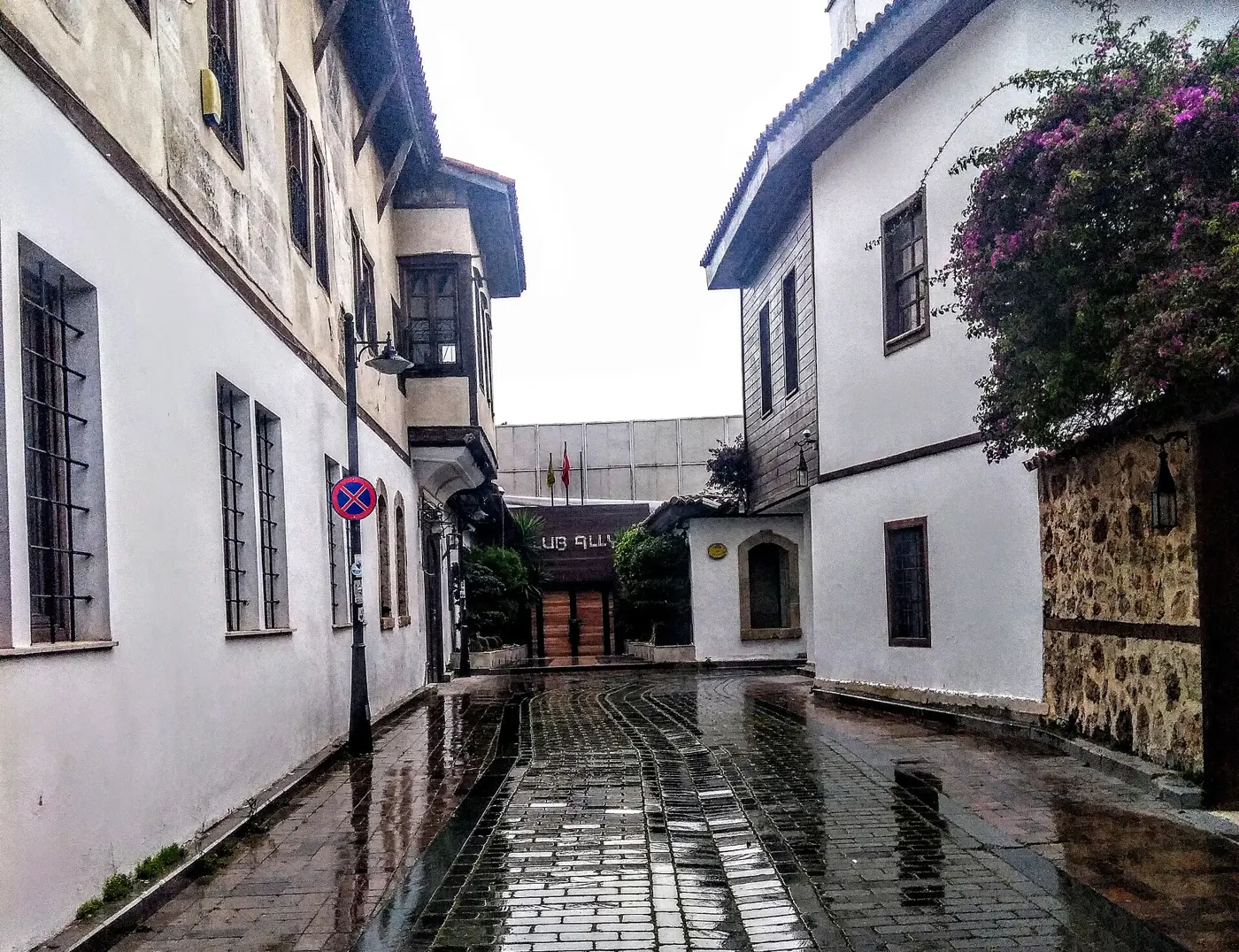
2 Kaleiçi
Kaleiçi works in every season. The shaded lanes, museums and cafes give shelter from midday sun in summer and from rain in winter, so it is the safest all-year plan for a short stay.
- Walls: Double ring of walls, Roman to Ottoman
- Landmarks: Hadrian’s Gate, Yivli Minaret, Hıdırlık Tower
Show map
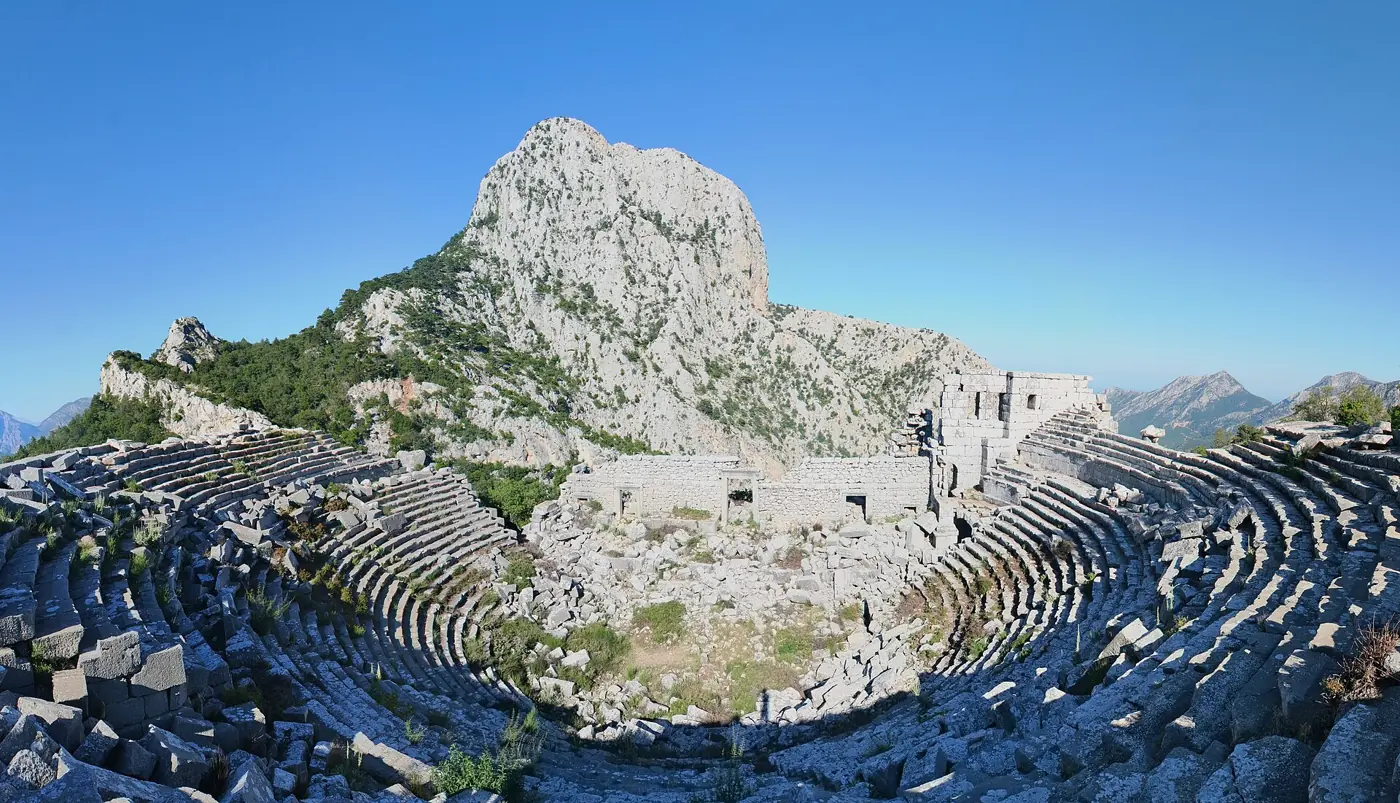
3 Termessos Antik Kenti
Termessos is a mountain city in Güllük Dağı National Park. Hiking up to the ruins is much more comfortable in spring and autumn than in the heat of summer, so plan it for a cooler day.
- Setting: Mountain city in Güllük Dağı National Park
- Notable: Never captured by Alexander the Great
Show map
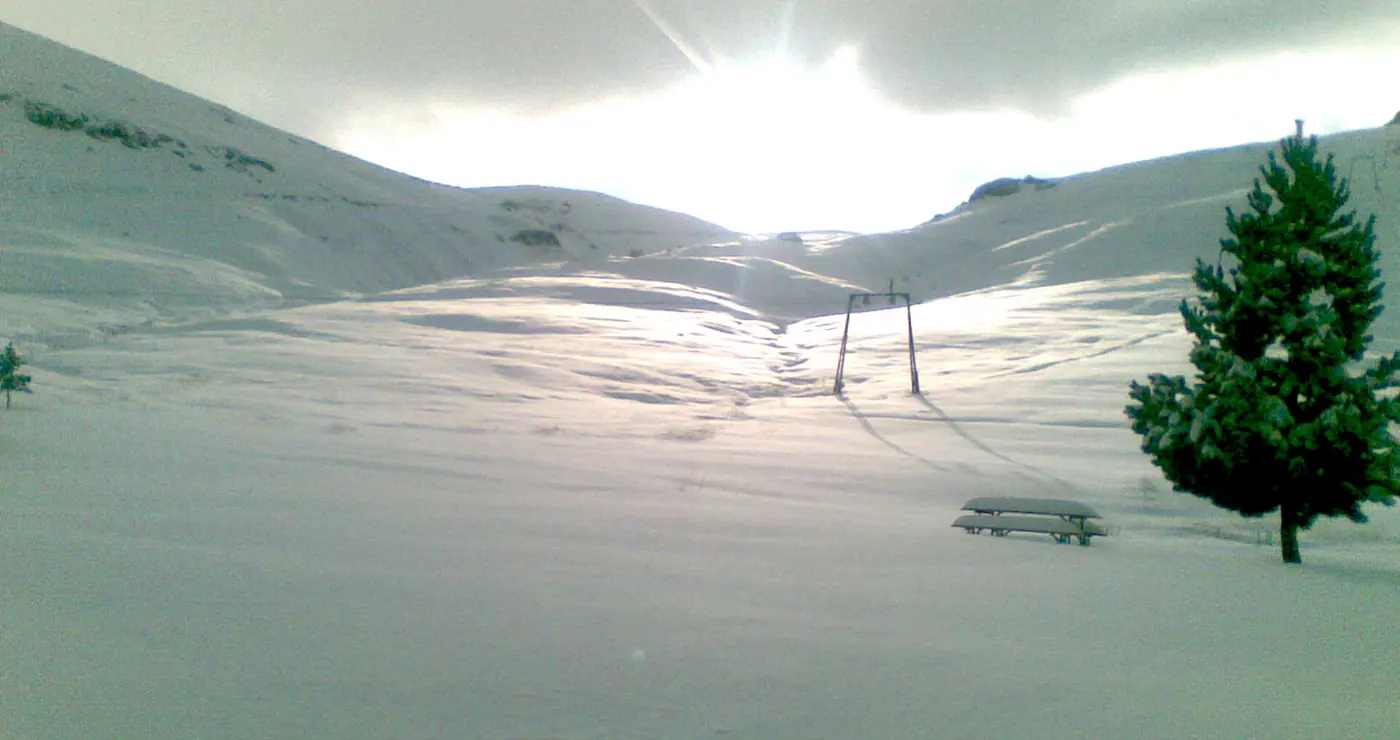
4 Saklıkent Ski Center
Saklıkent is the winter surprise. The registry says it is about 45 km from Antalya and open for skiing roughly November to May, with the slogan of skiing in the day and sea at the end of the day.
- Distance: About 45 km from Antalya, 60 km from the airport (Wikipedia)
- Season: November to May (Wikipedia)
- Official slogan: Ski in the day, sea in the afternoon
Show map
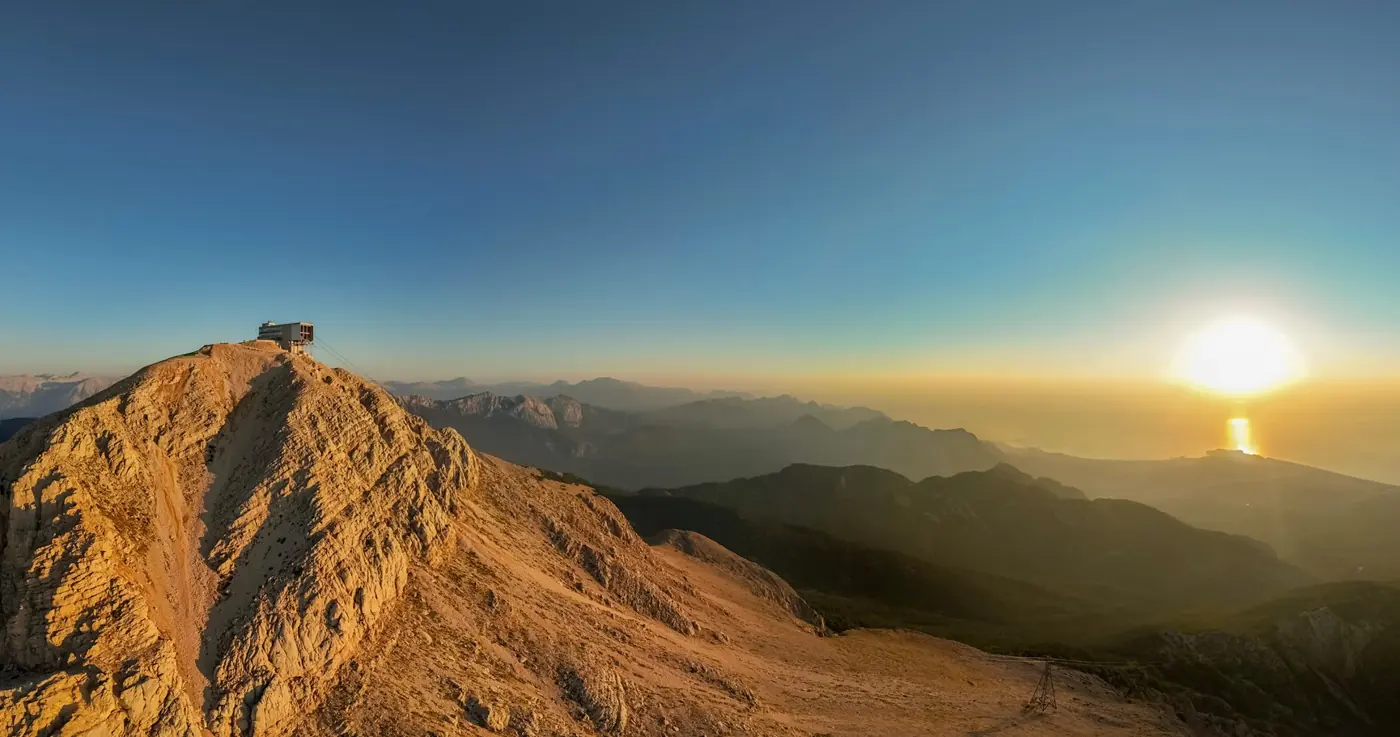
5 Olympos Teleferik (Tahtalı Cable Car)
The Olympos cable car rises to 2,365 m. The summit is far cooler than the coast in summer, but operation depends on weather, so check live status on the official site before you drive out.
- Summit altitude: 2,365 m (official site)
- Setting: Beydağları Coastal National Park, Kemer
- Activities: Viewpoints, restaurant, paragliding
Show map
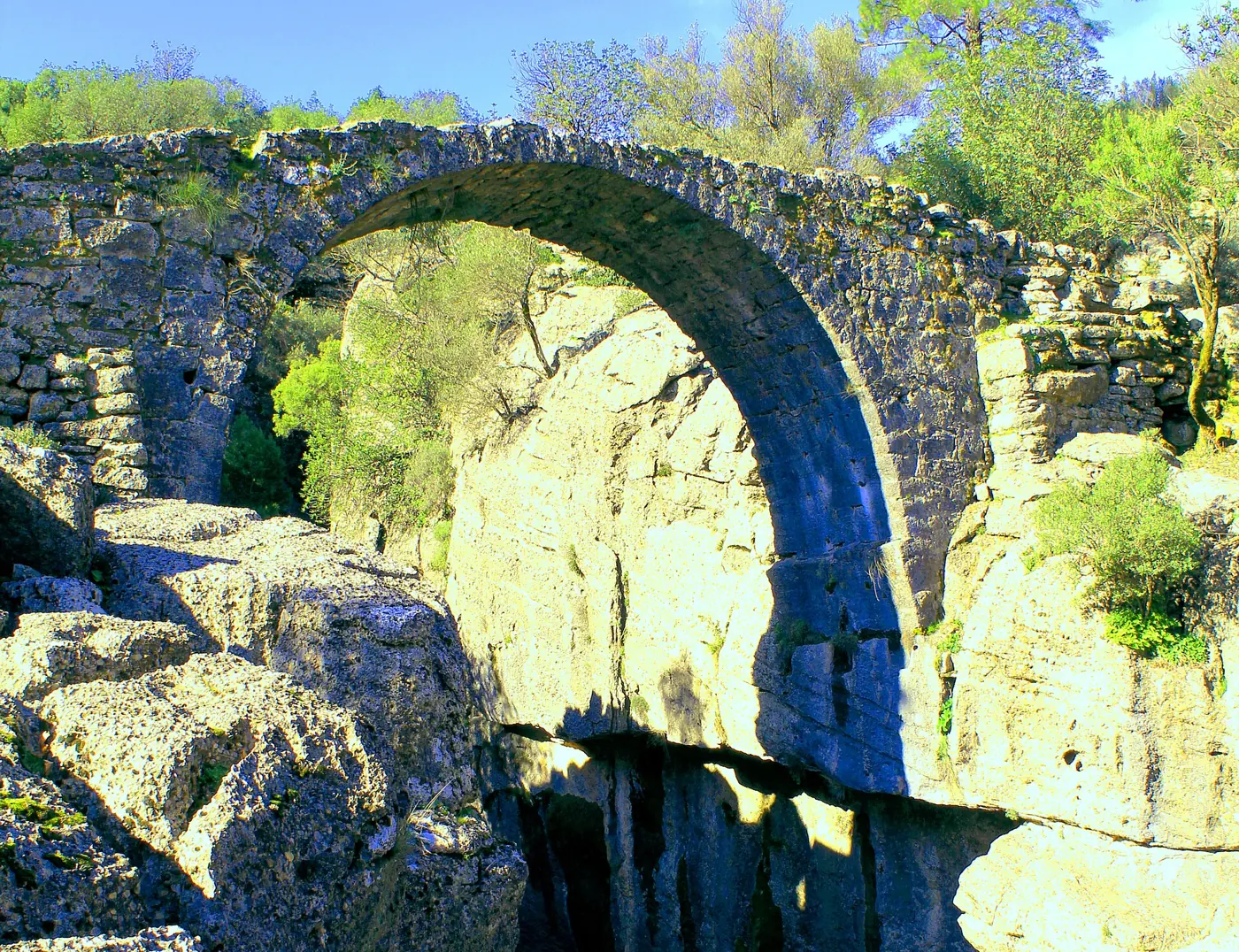
6 Köprülü Canyon National Park
Köprülü Canyon is known for rafting and canyon views. Spring flow and warm summer days are the usual rafting seasons, so ask the operator about water levels for your month.
- Area: 366 km2 (Wikipedia)
- Known for: Rafting, canyon views, Oluk bridge
- Access: About 90 km east of Antalya city
Show map
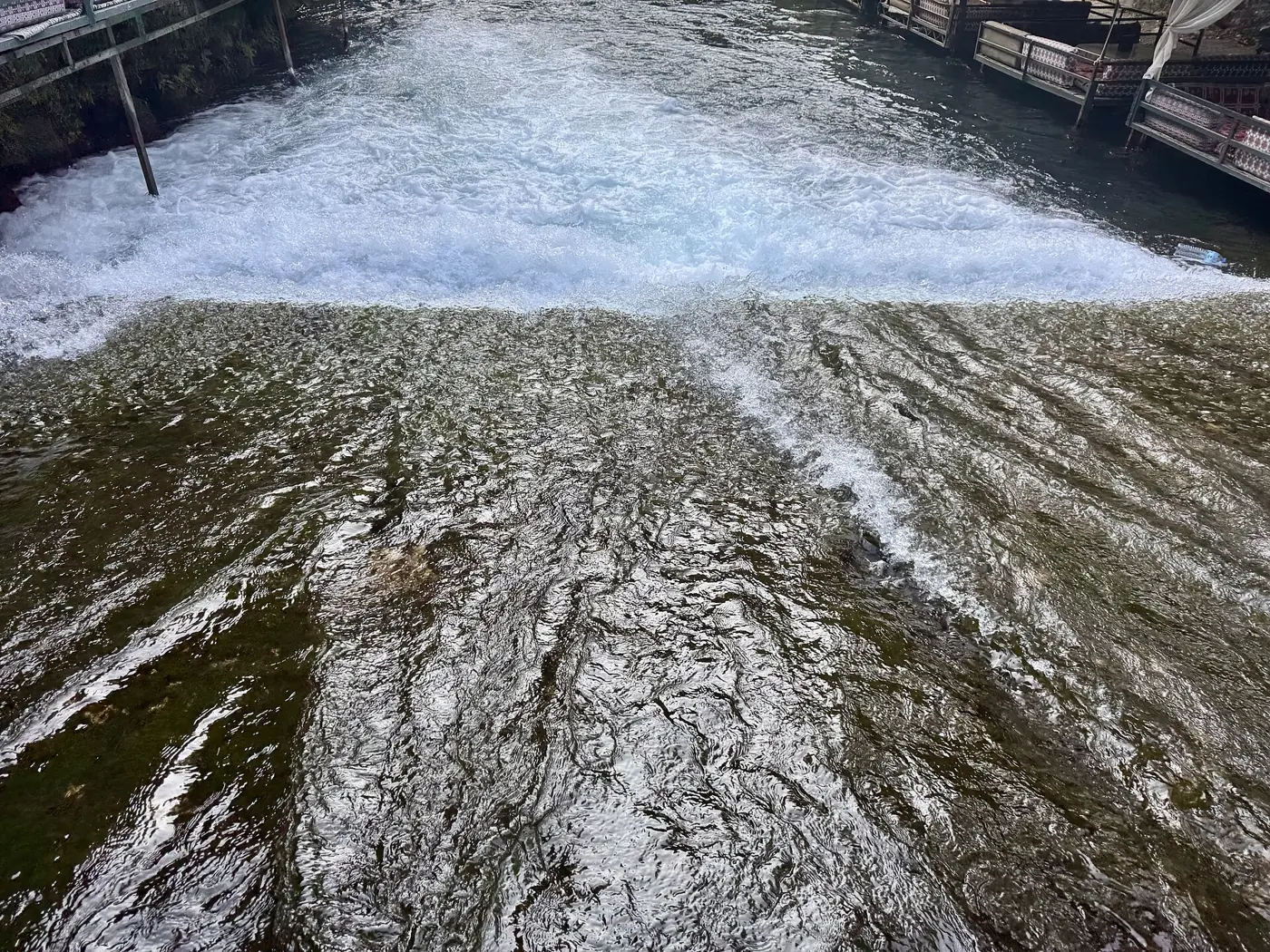
7 Dim Çayı
Dim Çayı near Alanya is a summer refuge. The valley is described as cool, with riverside restaurants and shaded picnic spots, so it is a good escape from coastal heat.
- Type: River valley
- Location: East of Alanya, in the Taurus foothills
- Good for: Escaping summer heat, riverside meals
Show map
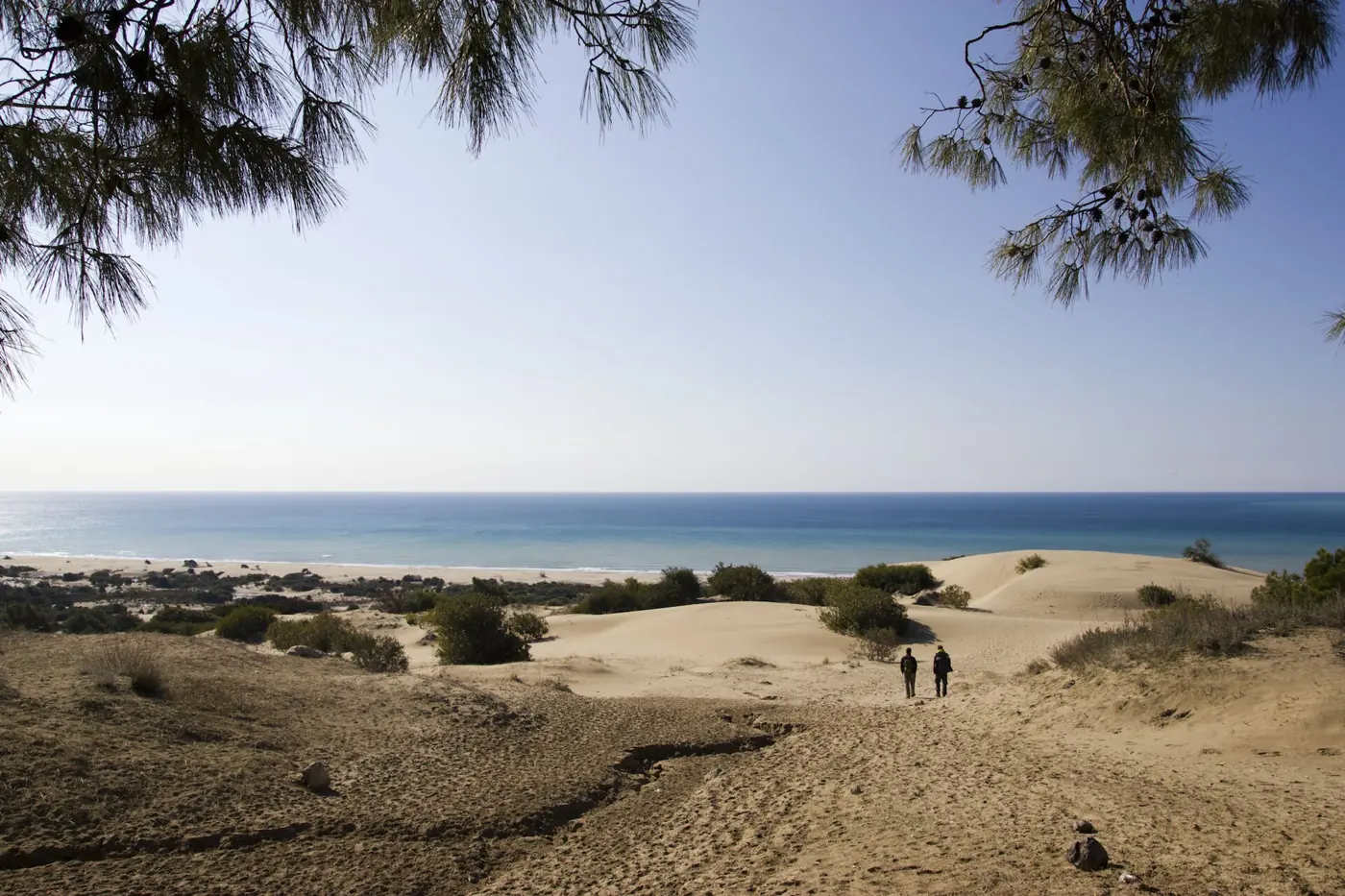
8 Patara Plaji
Patara is a long sand beach and a protected sea turtle nesting area, so follow local rules about lights and access. Quiet shoulder months suit its dunes and walking.
- Length: About 18 km
- Protection: Caretta caretta nesting area
- Setting: Dunes behind the beach
Show map
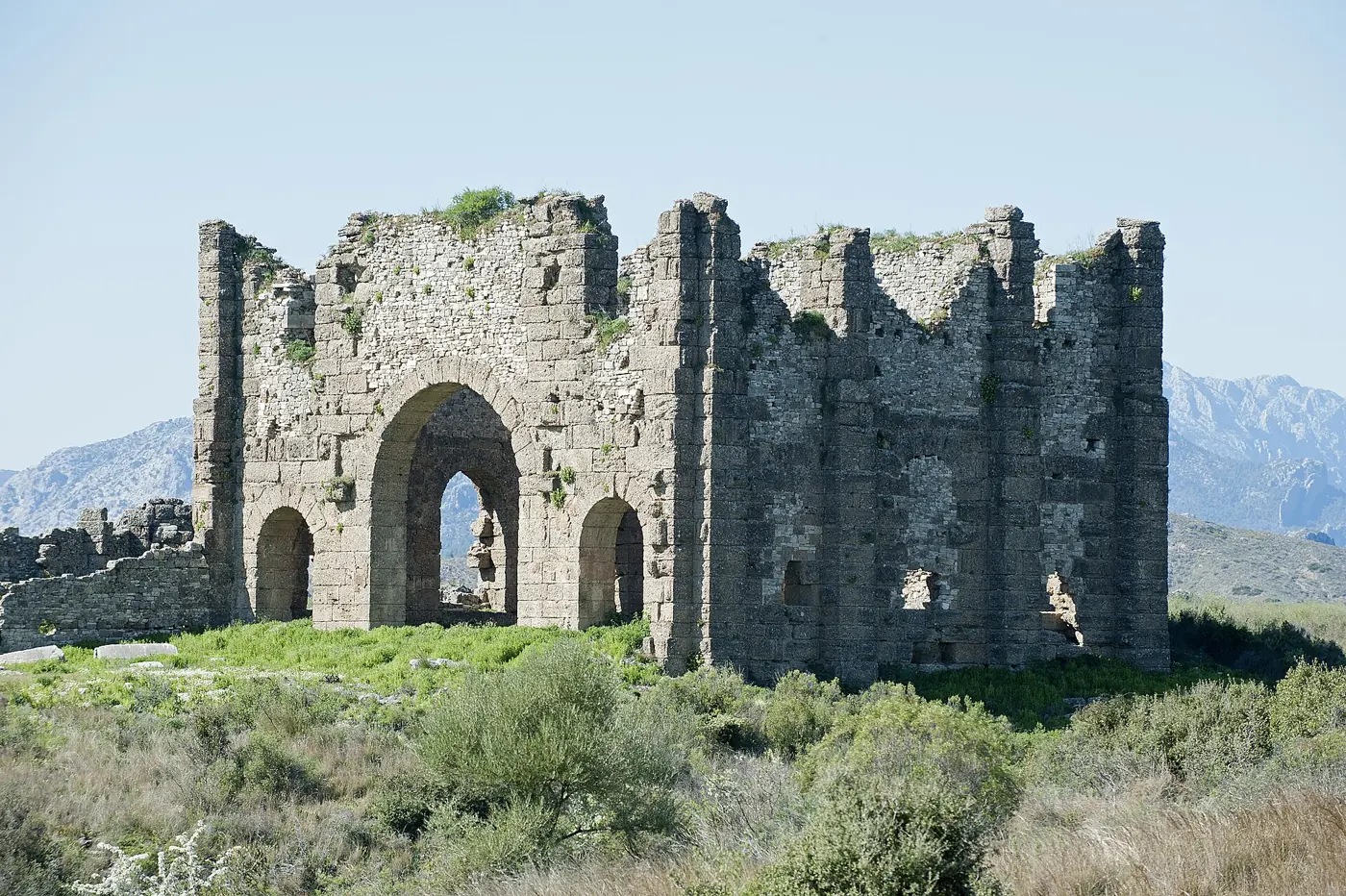
9 Aspendos Antik Tiyatrosu
Aspendos is an open-air theatre. Spring and autumn give pleasant visiting temperatures, and the site is still used for performances, so check the event calendar.
- Built: 2nd century AD under Marcus Aurelius
- Capacity: About 7,000 seats
- Notable: One of the best preserved Roman theatres
Show map
What is Antalya like in summer, winter and the shoulder seasons?
Summer is hot and dry, with a warm sea. Plan outdoor sightseeing in the early morning or late afternoon, and rest at midday. Winter is mild on the coast but wetter, and the mountains can be cold or snowy.
Spring and autumn balance both. Therefore many travellers prefer them for combined beach and sightseeing trips. Moreover, they avoid the highest demand, so flights and rooms are easier to arrange.
Use these simple seasonal rules.
- Summer: start early, carry water, use sun protection and a hat.
- Autumn: the sea stays warm and crowds ease.
- Winter: bring a light waterproof layer and plan museum or old-town days.
- Spring: expect changeable weather, so keep a flexible plan.
- Mountains: always bring extra layers, even on a hot coast day.
The table matches activities with their usual best window.
| Activity | Usual best window | Reason |
|---|---|---|
| Swimming and beach | Late spring to autumn | Warmer sea |
| Archaeological sites | Spring and autumn | Cooler walking |
| Rafting and canyons | Spring and summer | Water and warm days; ask the operator |
| Cable car and summit views | Clear days | Weather dependent |
| Skiing | Roughly November to May | Saklıkent season |
| City and museums | All year | Indoor shelter |
How do crowds and prices change through the year?
Crowds follow the weather. July and August bring the largest numbers, and the busiest hours at ruins and beaches fall around midday. Shoulder months are calmer, and hotels, tours and transfers are easier to arrange. Prices vary by year, so check current rates instead of relying on a general rule.
In winter, the coast is quiet. Some beach clubs and seasonal venues reduce hours or close, while museums, cafes and city sights stay open. Therefore a winter trip suits travellers who want culture, walking and fewer queues more than swimming.
In contrast, spring shows the coast waking up. Orchards and wildflowers appear, boat tours restart and ruins are green. Autumn offers a warm sea and softer light. Because both seasons are comfortable, they suit couples, families and groups that want a mix of activities.
The table compares the seasons by crowd level and practical effect.
| Season | Crowd level | Practical effect |
|---|---|---|
| Winter | Low | Some seasonal venues reduced; indoor options work |
| Spring | Medium and rising | Good ruins weather; sea still cool early |
| Summer | High | Book early; plan around midday heat |
| Autumn | Medium and falling | Warm sea, easier bookings |
How should you pack and prepare for each season?
Pack for the season and for the mountains. In summer, bring light clothes, a hat, sun protection and water shoes for pebble beaches. In winter, add a light waterproof layer. In every season, bring comfortable walking shoes, because old towns and ruins have uneven stone paths.
Moreover, prepare for changeable conditions. Cable cars may stop in wind, canyon walks may close after rain and boat tours may change routes. Therefore keep your plan flexible, and ask your driver or guide to suggest an alternative on the day.
Finally, check official sources. Weather services give live forecasts, and venues publish hours on their own pages. Use Google Maps for recent updates, and confirm anything that matters, such as a ticket time or a ski-lift opening, before you set out.
A short packing list by season.
- Summer: hat, sun cream, water bottle, swimwear and sandals.
- Autumn: light layers and a swimsuit for warm days.
- Winter: waterproof jacket, closed shoes and a warm layer for mountains.
- Spring: layers, comfortable shoes and a small umbrella.
- All year: charger, copy of your booking and local currency for small costs.
Sample plans for three different seasons
A summer plan keeps mornings for sightseeing and afternoons for the sea. Visit a site early, return to the hotel for a rest, then swim and dine late. In contrast, a spring plan can run a full day outdoors with fewer breaks.
For winter, mix a museum, Kaleiçi and a mountain day. Because the weather changes quickly, book a car and driver who can adjust the order of the day. That is easier than fixed group tours.
Three sample days.
- Summer: ruins at opening time, beach in the afternoon, dinner by the harbour.
- Spring: a full day at a canyon or ancient city, then an evening walk in the old town.
- Winter: Kaleiçi and museum in the morning, mountain or ski centre if conditions allow.
Frequently asked questions
What is the best month to visit Antalya?
May, June, September and October are widely preferred. The weather is warm, the sea is comfortable and crowds are lower than in July and August.
When is the sea warm enough for swimming?
The sea is usually comfortable from late spring through autumn. Early spring and winter are too cool for most visitors, so check a live forecast.
Is Antalya worth visiting in winter?
Yes, for culture, quiet streets and mild coastal days. Some seasonal venues reduce hours, and rain is more common than in summer.
Can you ski near Antalya?
Yes. The Saklıkent ski centre is about 45 km from Antalya and is listed as open roughly November to May, so check snow and opening before you go.
Which months are the hottest and most crowded?
July and August are the hottest and busiest months, so book rooms and transfers early and plan outdoor visits for the cooler hours.
When should I visit ancient sites such as Termessos?
Spring and autumn are more comfortable, especially for hiking up to mountain sites. In midsummer go early in the morning.
Do cable cars and tours run all year?
Operation depends on weather and season. Check the official site or the operator for live status before you travel.
Plan this with TurkGT
TurkGT helps you pick the month and shape the days: a private car with a driver, a licensed guide for ruins, boat days in the warm months and airport transfers. Tell us your dates and interests, and we will suggest a realistic plan. Send an inquiry by WhatsApp or the form.
Request a booking
Related guides
- Getting Around Antalya: Tram, Bus, Taxi and Car Rental
- Antalya Airport to Your Hotel: Transfer Options Compared
- Antalya in 5 Days: A Step-by-Step Itinerary
- Top 10 Five-Star Hotels in Antalya: Lara and Belek
- Top Restaurants in Kaleici and Antalya City: 10 Picks
- Top Sights in Antalya: A Practical Visit Guide
- Best Beaches Near Antalya: Konyaaltı, Kemer, Çıralı and Belek
Related destinations and attractions
Explore more city guides
Sources
- en.wikipedia.org
- en.wikipedia.org
- en.wikipedia.org
- saklikent.com.tr
- olymposteleferik.com
- en.wikipedia.org
- en.wikipedia.org
- en.wikipedia.org
Last reviewed: 2026-11-21.