
Antalya’s historic sites cluster in Kaleici: the Seljuk Yivli Minaret, the layered Kesik Minare, Ottoman mosques, the Karatay Medresesi and Roman gates. Dress modestly, avoid prayer times and check opening hours. Alanya Castle adds an Ottoman mosque on the coast.
Key facts
- Symbol of Antalya: Yivli Minaret Mosque (Seljuk era)
- Layered building: Kesik Minare (temple, church, mosque)
- Ottoman mosque: Tekeli Mehmet Pasha, near the clock tower
- Seljuk madrasa: Karatay Medresesi, c. 1250
- Roman monuments: Hadrian’s Gate, Hidirlik Tower, city walls
- Museums: Antalya Museum, Mevlevihane
- Etiquette: Modest dress, no visits during prayer, remove shoes
Which mosques and historic sites are worth visiting in Antalya?
Visit the Yivli Minaret Mosque, Kesik Minare, Tekeli Mehmet Pasha Mosque and Karatay Medresesi in Kaleici. Add Hadrian’s Gate, the walls and the Antalya Museum for Roman and regional history. Most are within a short walk of Kalekapisi Square.
This table shows the main sites by period.
| Site | Period | Type |
|---|---|---|
| Hadrian’s Gate | c. 130 AD, Roman | Triumphal arch |
| Hidirlik Tower | 2nd century AD | Tower |
| Kesik Minare | Layered, ancient to Ottoman | Former temple and church, mosque |
| Yivli Minaret Mosque | 13th century, Seljuk | Mosque |
| Karatay Medresesi | c. 1250, Seljuk | Madrasa |
| Tekeli Mehmet Pasha Mosque | Ottoman | Mosque |
| Suleymaniye Mosque, Alanya | Ottoman | Mosque in a castle |
How did we choose these places?
We chose places that exist in our registry, have a verified location and a public website or encyclopedia entry. We rely on official sources and local descriptions, not on star scores. We do not accept payment for placement, and online ratings change quickly, so check Google Maps before you go.
We chose sites with a clear description in encyclopedic or travel sources and a defined location. We include several periods, so you can see Roman, Seljuk and Ottoman Antalya in one route.
Our selection criteria were:
- Location and ease of access from the main districts
- Details confirmed by an official site or a reference source
- Fit with the guide’s topic and with real family or group needs
- Variety across districts, so you can plan around your hotel
What should you know about each site?
The cards below follow a simple route from Kaleici to the museum and then to Alanya. They use only registry facts. Confirm opening hours and any entry fee on official pages or Google Maps.
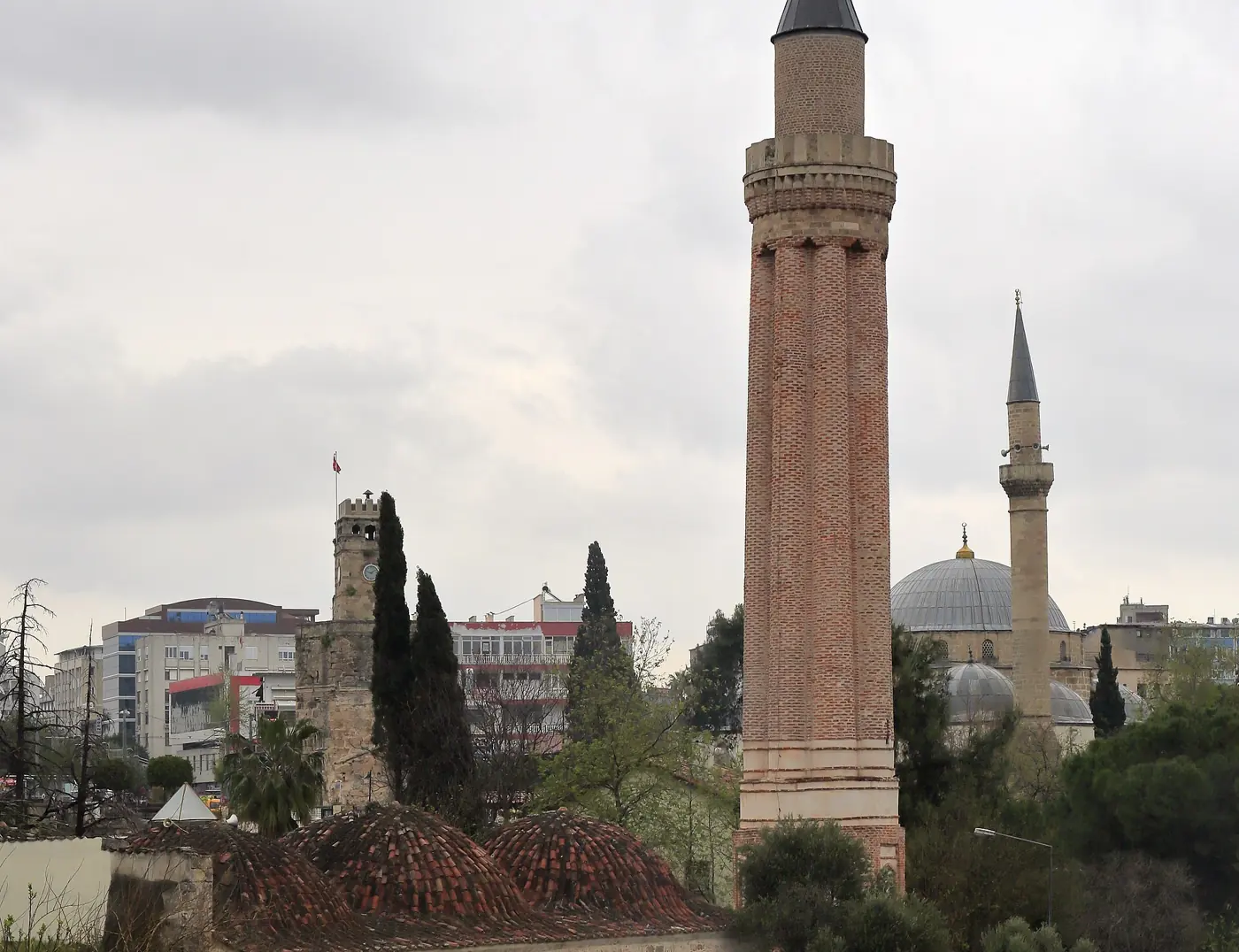
1 Yivli Minare Camii
The Yivli Minaret Mosque, also called Antalya Ulu Camii, is a Seljuk-era mosque with a fluted brick minaret of about 38 m. It is the city’s best-known landmark.
- Period: 13th century Seljuk (c. 1230, rebuilt 1373 per Wikivoyage)
- Minaret: Fluted brick minaret, about 38 m
- Also known as: Antalya Ulu Camii
Show map
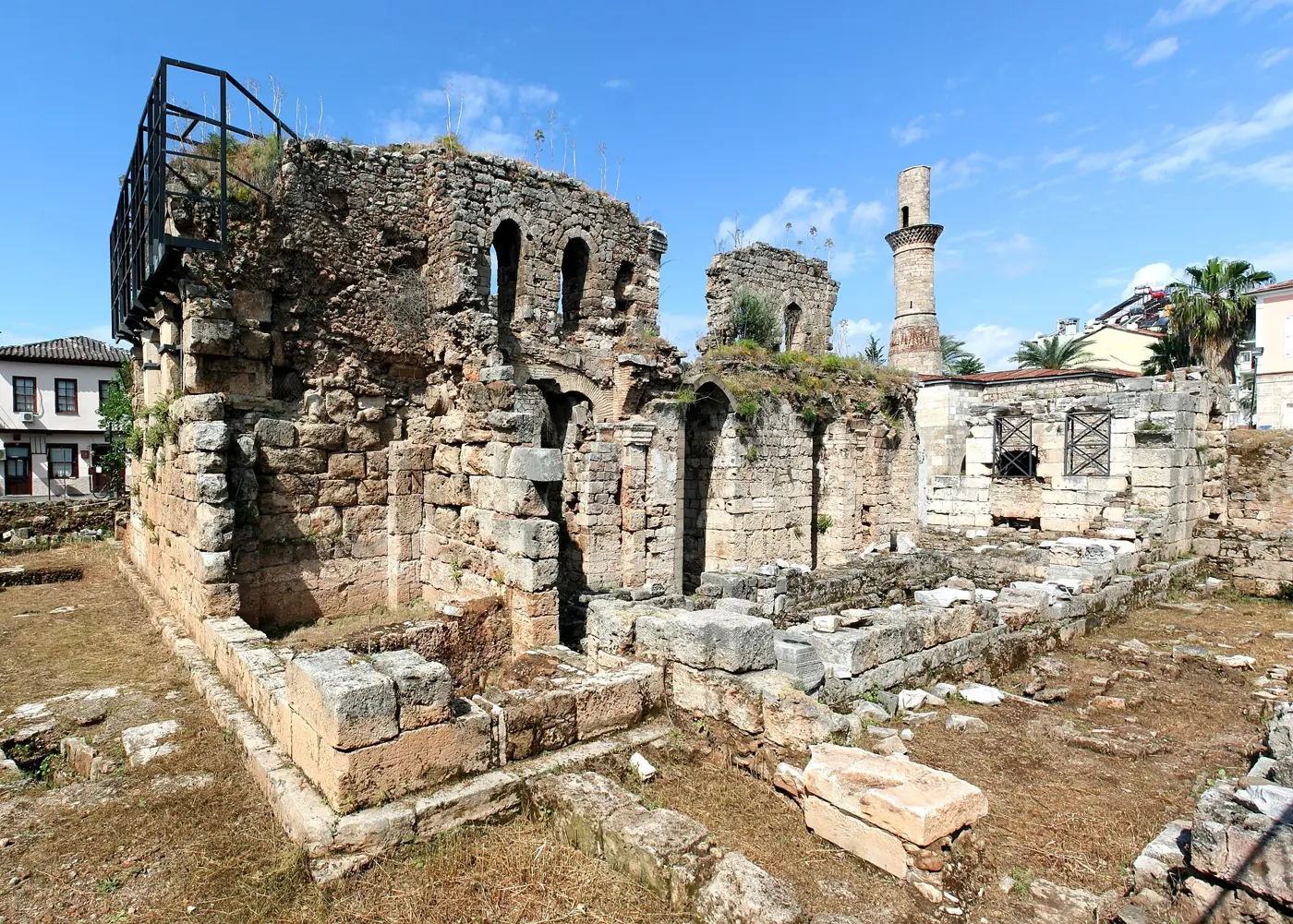
2 Kesik Minare Camii
Kesik Minare, or Korkut Mosque, has a truncated minaret. Sources describe an ancient temple later used as a church and then a mosque.
- Also known as: Korkut Camii, Şehzade Korkut Mosque, Cumanın Cami
- Features: Truncated (cut) minaret
- Where: Kaleiçi old town
Show map
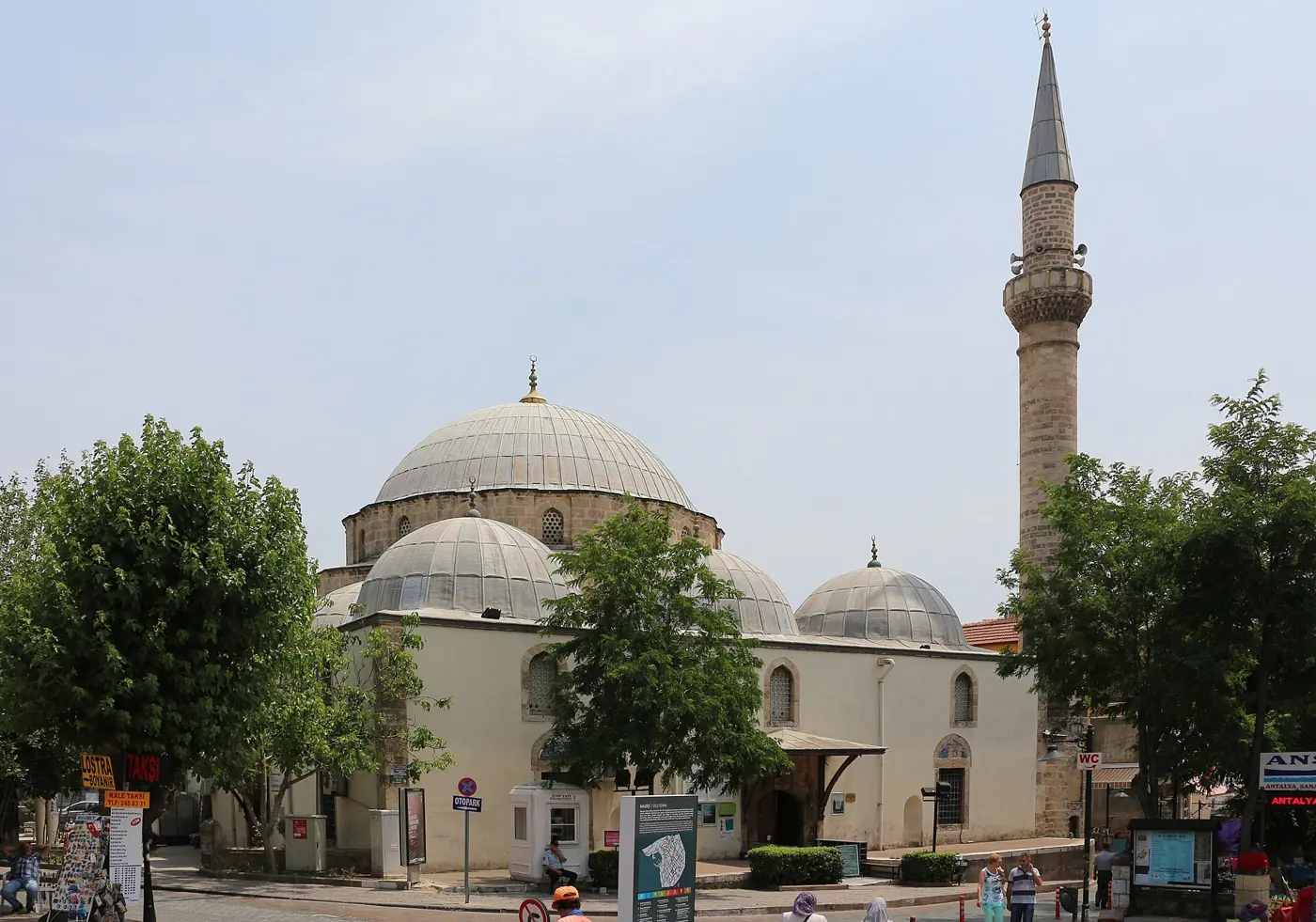
3 Tekeli Mehmet Paşa Camii
The Tekeli Mehmet Pasha Mosque is an Ottoman mosque beside Kalekapisi Square, facing the clock tower.
- Style: Ottoman mosque
- Where: Beside Kalekapısı Square
Show map
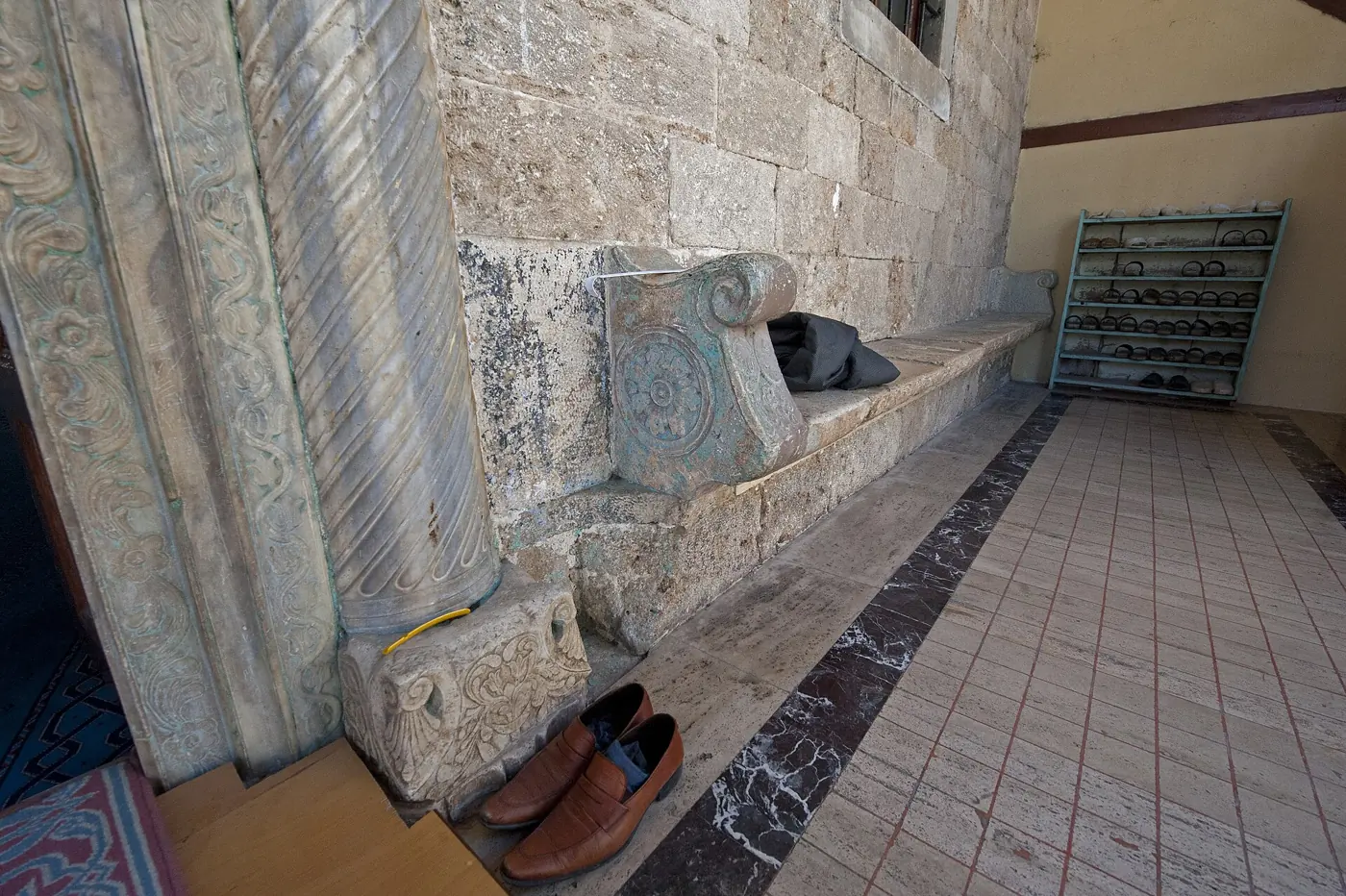
4 Sultan Alaaddin Camii
The Sultan Alaaddin Mosque is a historic mosque in Kaleici, listed among the area’s notable landmarks.
- Where: Kaleiçi old town
- Type: Historic mosque
Show map
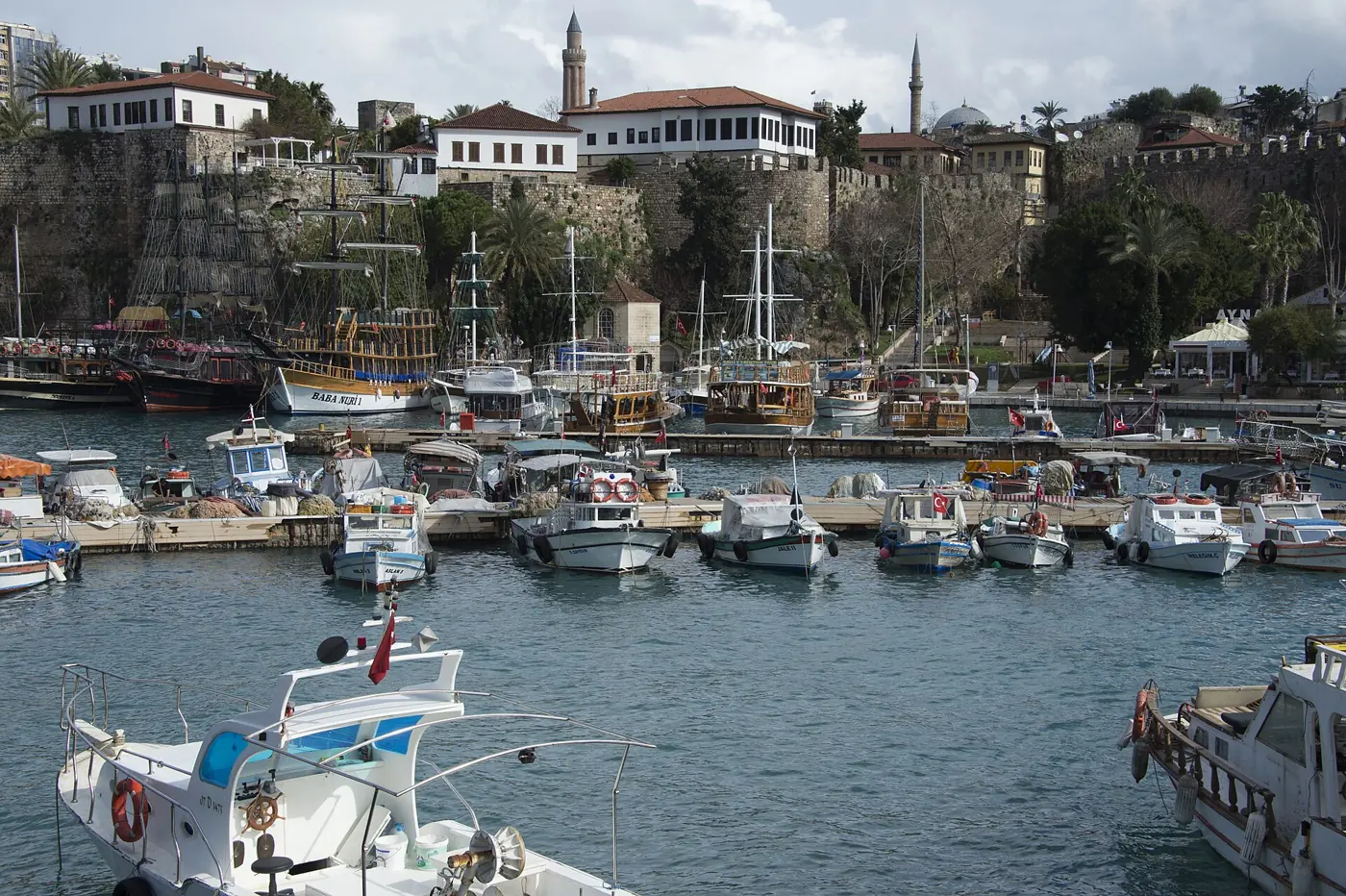
5 İskele Camii
Iskele Mosque is a small mosque beside the old harbour and a quiet photo stop above the water.
- Where: By the old harbour, Kaleiçi
- Size: Small neighbourhood mosque
Show map
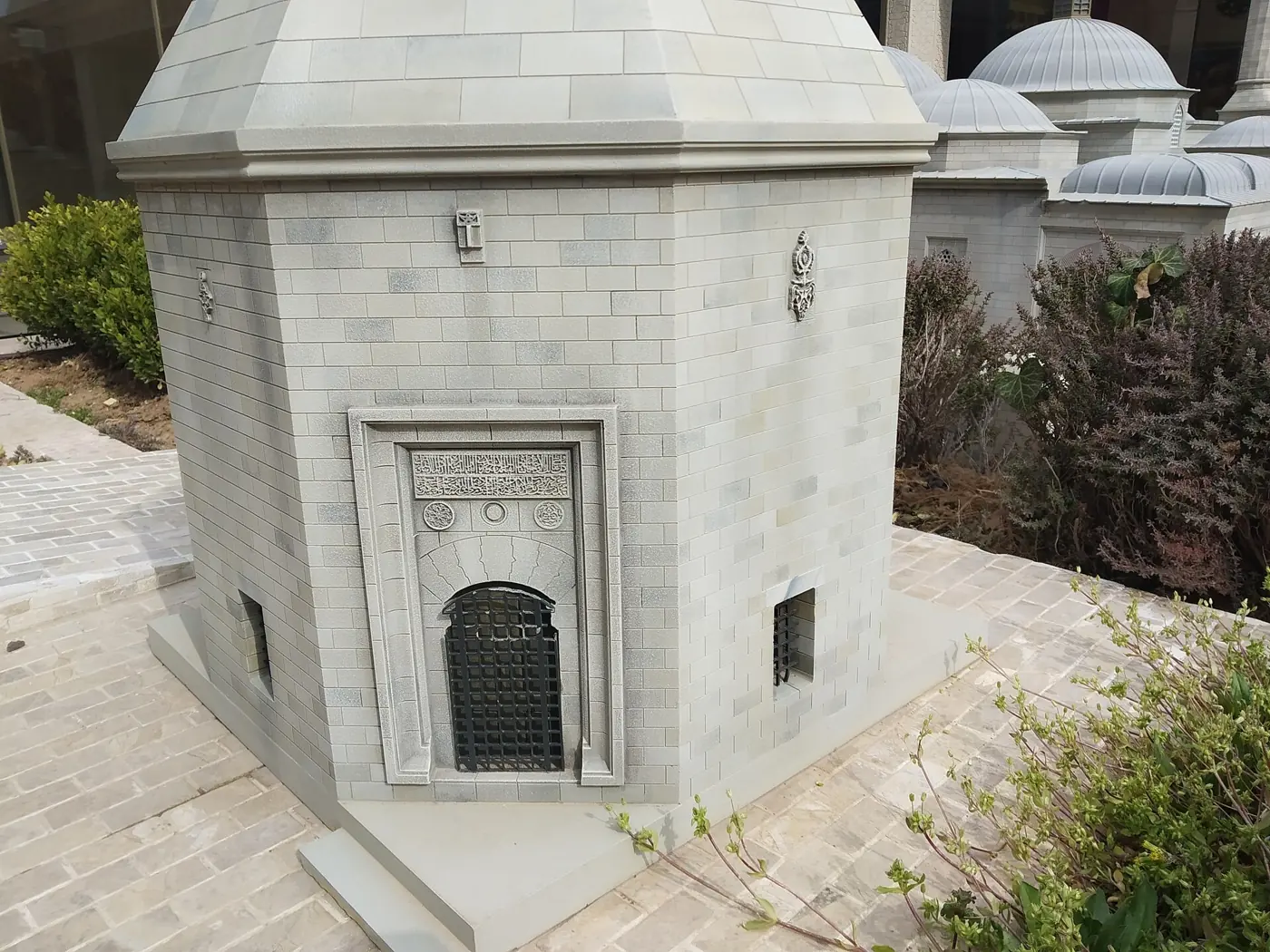
6 Antalya Mevlevihane Müzesi
The Mevlevihane Museum is a former Mevlevi dervish lodge opposite the Yivli Minaret.
- Former use: Mevlevi dervish lodge
- Location: Opposite the Yivli Minaret Mosque, Kaleiçi
Show map
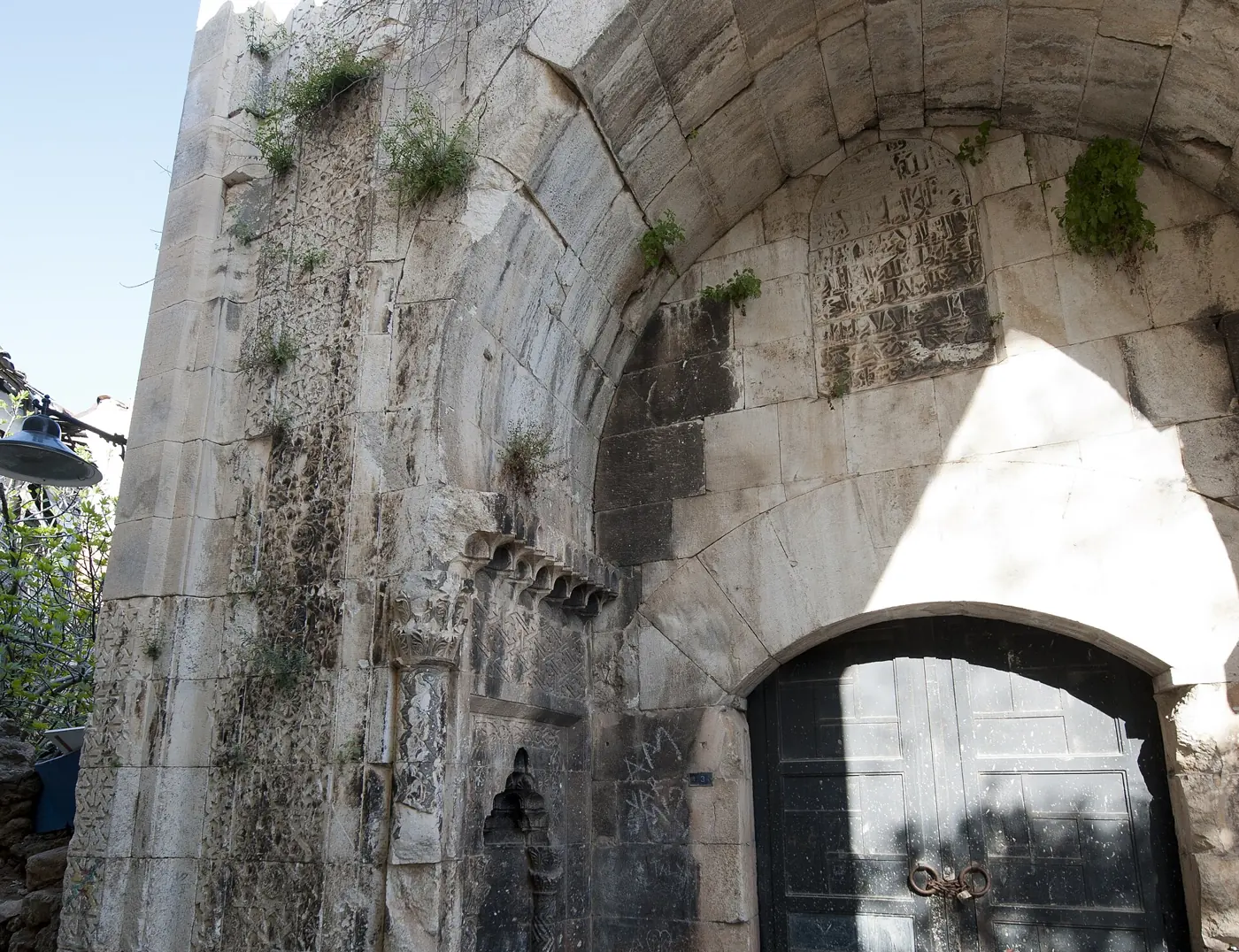
7 Karatay Medresesi
Karatay Medresesi is a Seljuk madrasa from about 1250, now largely cafes and shops.
- Built: c. 1250 (Seljuk)
- Use today: Cafes and shops
Show map
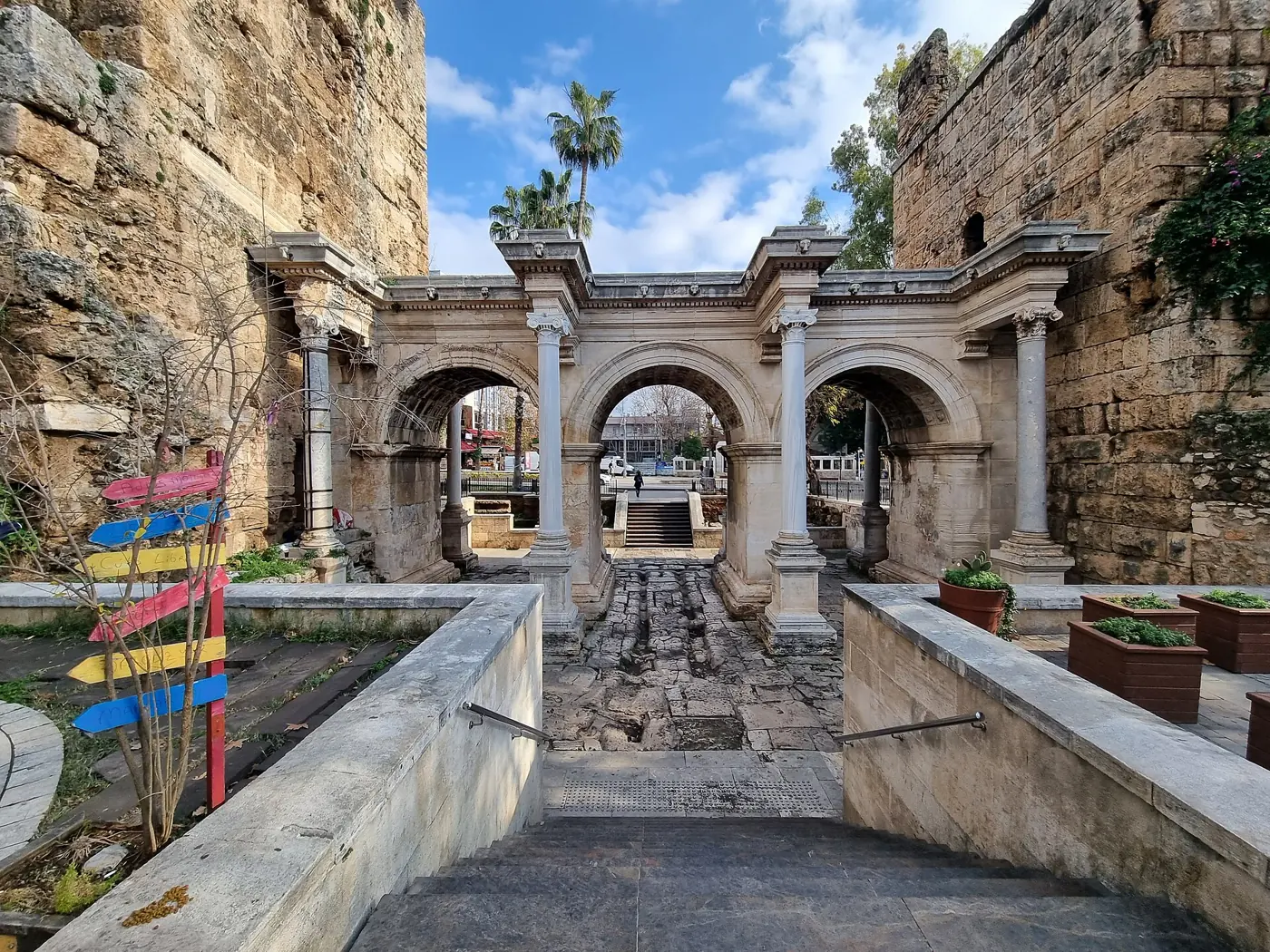
8 Hadrian Kapısı (Üçkapılar)
Hadrian’s Gate is a Roman triumphal arch of about 130 AD and the main entrance to the old town.
- Built: c. 130 AD (Roman)
- Known in Turkish as: Üçkapılar (Three Gates)
Show map
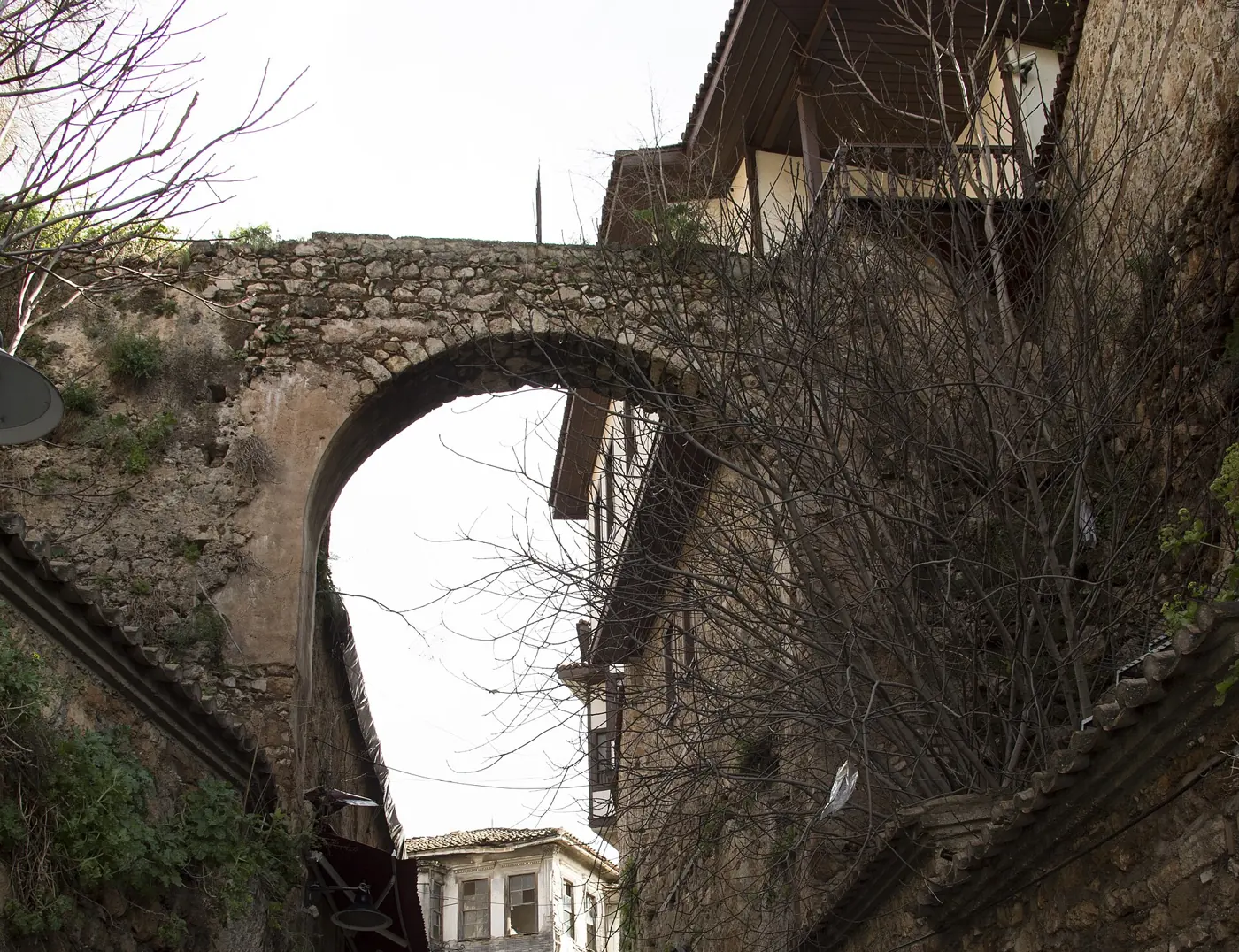
9 Antalya City Walls and Gates
The walls and gates around Kaleici show Roman, Byzantine, Seljuk and Ottoman phases.
- Layout: Double ring, horseshoe-shaped
- Periods: Hellenistic to Ottoman influences
Show map
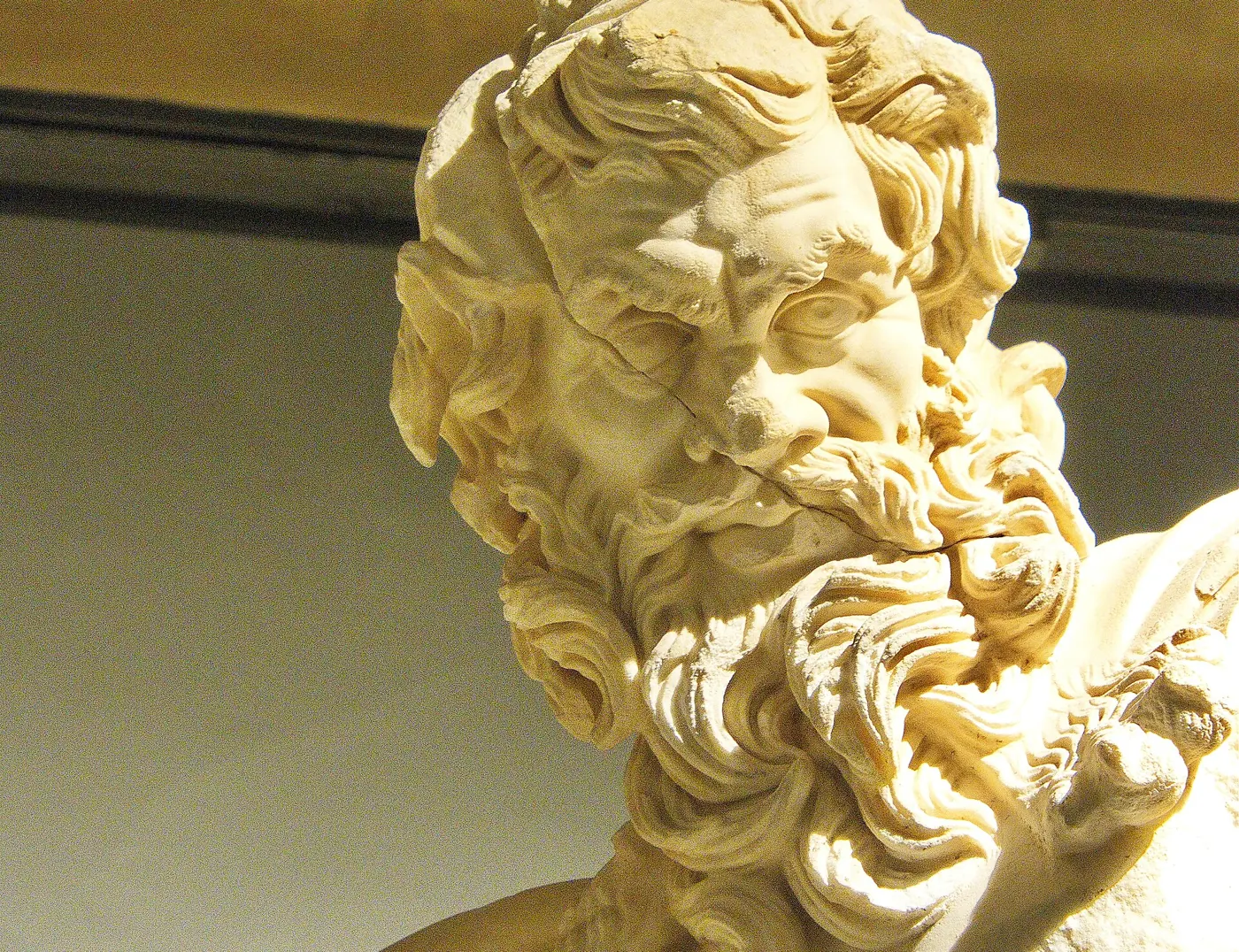
10 Antalya Müzesi
The Antalya Museum, founded in 1922, holds sculpture, mosaics and sarcophagi from the region.
- Founded: 1922
- Address area: Konyaaltı Caddesi 88
- Halls: 13 exhibition halls plus open-air gallery
Show map
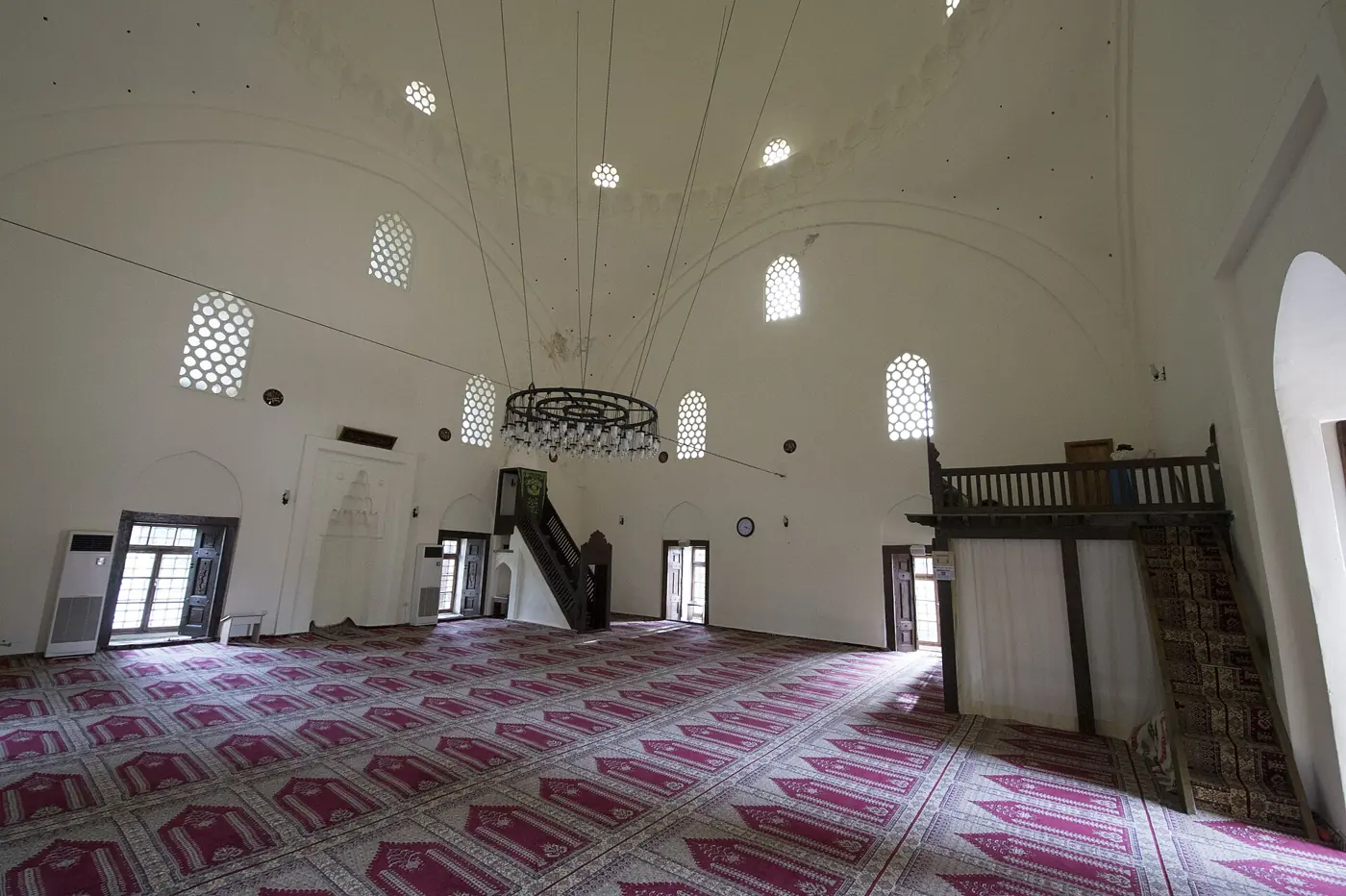
11 Süleymaniye Camii
The Suleymaniye Mosque is an Ottoman mosque inside Alanya Castle, part of a historic quarter on the peninsula.
- Period: Ottoman
- Location: Inside Alanya Castle
- Setting: Historic quarter on the peninsula
Show map
How should you dress and behave when visiting a mosque?
Dress modestly, with shoulders and knees covered, and women usually bring a scarf for the head. Remove your shoes before entering the prayer area and keep your voice low. Avoid visiting during prayer times, because visitors may be asked to wait outside.
Moreover, photograph with respect. Ask before you take pictures of worshippers, and follow signs inside each building.
Quick etiquette checklist:
- Cover shoulders and knees
- Carry a scarf for the head if you are a woman
- Remove shoes at the entrance
- Do not enter during prayer
- Keep phones silent
How do you get to these sites?
Kaleici is a walking area. Taxis and private cars stop at its edge, and you reach the mosques on foot from Kalekapisi Square. The museum lies on Konyaalti Caddesi and is a short taxi ride. Alanya Castle is a separate trip along the coast, so use a driver.
In contrast, the walk between Kaleici sites is short, so you can see several in one morning.
This table shows how to reach each group.
| Group | Way | Note |
|---|---|---|
| Kaleici mosques | Walk from Kalekapisi Square | Stone lanes |
| Antalya Museum | Taxi or tram | Konyaalti Caddesi |
| Alanya Castle and Suleymaniye | Private car with driver | Coast road, allow a day |
What practical tips help you plan a heritage day?
Start early and keep prayer times in mind, especially around midday on Fridays. Check museum opening days, because some museums close one day a week. Prices and hours are not fixed in our registry, so confirm them on official pages.
Planning tips:
- Visit mosques in the morning and museums after lunch
- Carry water and wear comfortable shoes
- Pick one museum plus two mosques for a short day
- Hire a licensed guide for context on Seljuk and Ottoman history
Why do Antalya’s historic sites look so different from each other?
Antalya sat at a crossroads. Roman rulers built gates and towers, Byzantine communities reused temples as churches, and the Seljuks added minarets and madrasas in the 13th century. Later Ottoman builders raised mosques that still serve neighbourhoods today.
Therefore one building can carry several layers. Kesik Minare shows this clearly, since sources describe a temple, a church and then a mosque on the same site. Moreover, the Yivli Minaret has become the symbol of the city because its fluted brick shape is so distinctive.
In contrast, the Mevlevihane shows a different side of Ottoman culture. It was a lodge of the Mevlevi order, known for whirling dervish ceremonies, and it now works as a museum. Reading a short site description before you visit helps you see these layers, and a licensed guide can add context on the spot.
How can a guide improve your visit?
A licensed guide explains the layers of each building, from Roman and Byzantine to Seljuk and Ottoman, and tells you what to look for in the brickwork and inscriptions. Moreover, a guide can handle etiquette, such as when to enter a mosque and how to dress.
In contrast, if you walk alone, read the registry facts on each card, take photos from the street and enter only where visitors are welcome. Therefore both styles work, but a guide saves time when your schedule is short or when you travel with older relatives.
What does a sample heritage route look like?
Begin at Hadrian’s Gate, walk to the Yivli Minaret and the Mevlevihane, then see Kesik Minare and Tekeli Mehmet Pasha Mosque. After lunch, visit Karatay Medresesi or take a taxi to the Antalya Museum.
Therefore you cover Roman, Seljuk and Ottoman Antalya in one day.
Moreover, if you travel in Ramadan or on a religious holiday, expect changes in opening hours and busier mosques around prayer times. Plan visits for mid-morning and keep a flexible afternoon. Local hosts, drivers and guides usually know the current schedule, so ask them before you set out, and check official pages or Google Maps for the latest details.
Overall, treat this guide as a starting point and adapt it to your pace, your group and your season. Read each card, check the official page or Google Maps for current details, and ask TurkGT if you want a plan built around your dates, hotel and interests. Short, well-paced days usually give the best memories.
This table sets out the route.
| Time | Stop |
|---|---|
| 09:00 | Hadrian’s Gate and walls |
| 10:00 | Yivli Minaret and Mevlevihane |
| 11:30 | Kesik Minare and Tekeli Mehmet Pasha |
| 13:00 | Lunch, Karatay Medresesi |
| 15:00 | Antalya Museum |
Frequently asked questions
Can non-Muslims enter Antalya’s mosques?
Visitors are generally welcome outside prayer times if they dress modestly and remove shoes. Follow posted rules.
What is the Yivli Minaret?
It is a fluted brick minaret from the Seljuk period, about 38 m high, and the symbol of Antalya.
Why is it called Kesik Minare?
Kesik means cut or truncated, referring to its shortened minaret.
Is Karatay Medresesi open to visitors?
It is largely occupied by cafes and shops today, so you can visit as a customer.
Is there a dress code?
Cover shoulders and knees, and bring a scarf for the head if you are a woman.
Which museum covers Antalya’s history?
The Antalya Museum covers Mediterranean and Pamphylian history, with 13 halls per our registry.
Can I visit a mosque in Alanya?
The Suleymaniye Mosque is inside Alanya Castle. Check current access and hours first.
Plan this with TurkGT
TurkGT can arrange a licensed guide for Kaleici’s mosques and monuments, a private car with driver for the museum and Alanya, and an airport transfer. Send an inquiry by WhatsApp or through the form.
Request a booking
Related guides
- Top Sights in Antalya: A Practical Visit Guide
- Kaleici Guide: Antalya Old Town and Hadrian’s Gate
- Ancient Cities Near Antalya: Perge, Aspendos, Side and More
- Top 10 Five-Star Hotels in Antalya: Lara and Belek
- Top Restaurants in Kaleici and Antalya City: 10 Picks
- Best Beaches Near Antalya: Konyaaltı, Kemer, Çıralı and Belek
- Best Places to Shop in Antalya: Malls, Outlets and Bazaars
Related destinations and attractions
Explore more city guides
Sources
- Yivli Minaret Mosque (Wikipedia)
- Tekeli Mehmet Pasha Mosque (Wikipedia)
- Kesik Minare (Wikipedia TR)
- Antalya Museum (Wikipedia)
- Antalya (Wikivoyage)
Last reviewed: 2026-11-21.