
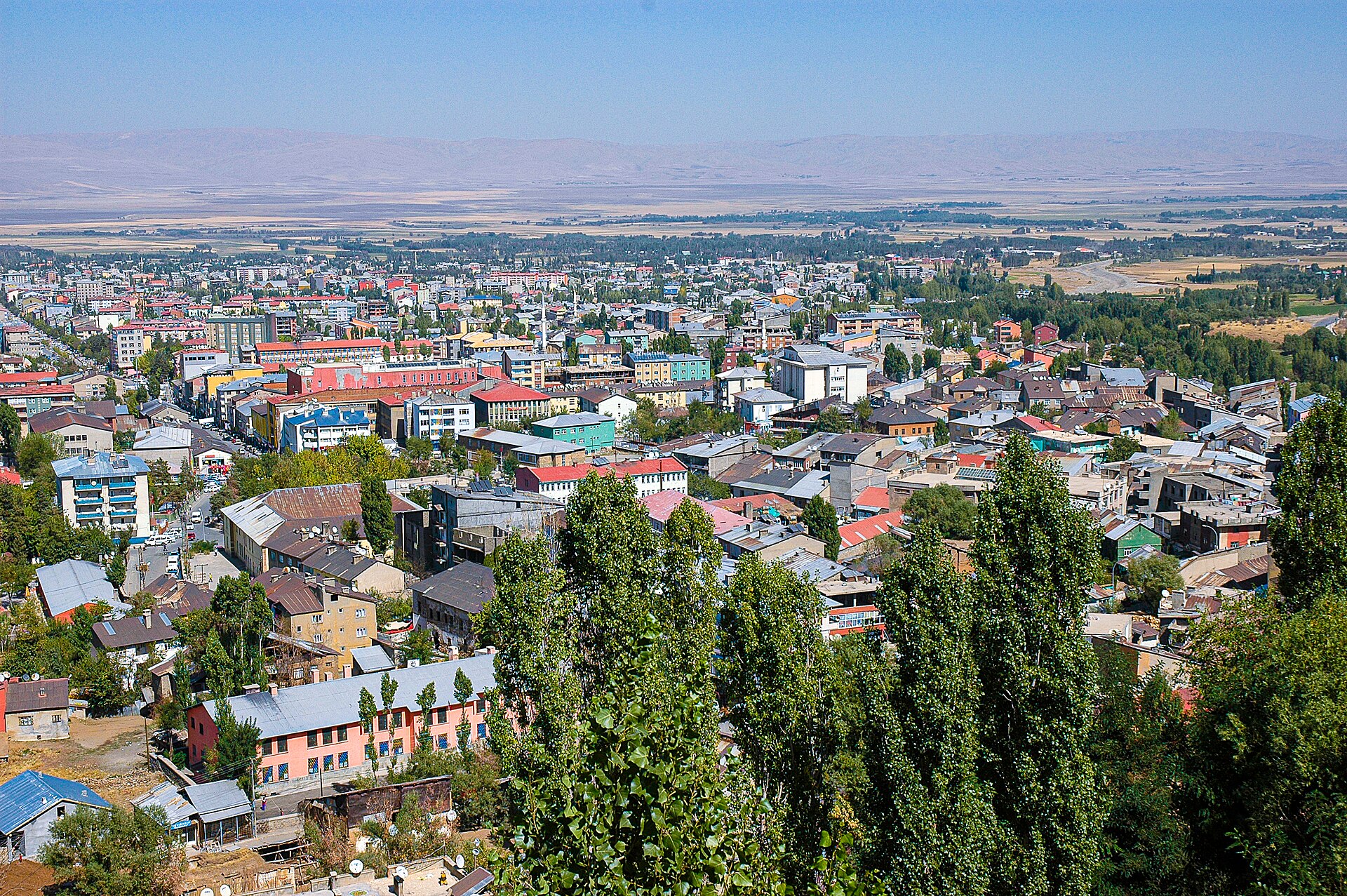
Muş is a province in the Eastern Anatolia region of Türkiye, centred on the city of Muş and the fertile Muş Plain. Its town of Malazgirt (Manzikert) is known for the Battle of Manzikert in 1071. Visitors come for the Murat Bridge, hilltop castles, spring tulips, high lakes and traditional village life, ideally as part of a wider eastern route.
Key facts
- Location: Eastern Anatolia, Türkiye; capital city Muş
- Area and population: 8,718 km²; 399,202 people (2022)
- Districts: Six: Muş, Varto, Bulanık, Malazgirt, Hasköy, Korkut
- Nearest airport: Muş Airport serves the city; check current flights and the transfer to town
- Other transport: Train station and the MUŞTİ bus station; check current timetables
- Best season: Late spring to early autumn; tulips on the plain in spring, mountain lakes in summer
- Typical visit time: One to two days for the city and Malazgirt; add time for Varto and the lakes
- Famous for: Malazgirt (Manzikert), 1071 battle; Murat Bridge; Muş Plain
- UNESCO status: No UNESCO World Heritage site inside the province
- Entrance: See the official page of each site and museum for current fees
What is Muş and why visit?
Muş is a province in the Eastern Anatolia region of Türkiye. Its capital is the city of Muş, and the town of Malazgirt is famous for the 1071 battle. Visitors choose it for quiet landscapes, old castles, a historic bridge and a rural way of life that few tourists see.
Moreover, the province sits between larger destinations. Lake Van and Bitlis lie to the south-east, Erzurum to the north, and Bingöl to the west. Therefore Muş works well as a stop on an eastern road trip rather than as a stand-alone beach or city break.
In contrast to the coast, the province is high, open and sparsely visited. The Muş Plain is the heart of the area, and mountain ranges surround it. Travellers who like history, hiking and village hospitality will find the most to do.
Three reasons visitors give for stopping here are:
- A historic landscape linked to the Battle of Manzikert in 1071
- Castles, a bridge and mounds that show many eras of settlement
- Lakes, high pastures and plains with few crowds
What is the history of Muş?
The Culture Portal says it is not known with certainty when Muş was first founded or where its name comes from. Therefore any date you read for its founding should be treated with care. The area has seen many peoples because it lies on routes between Anatolia, the Caucasus and Mesopotamia.
Wikipedia notes that the province is considered part of historical Western Armenia, and that before the Armenian genocide the area was part of the Six Armenian Vilayets. The same encyclopedia describes Malazgirt as the town famous for the Battle of Manzikert of 1071.
As a result of that battle, Turkish tribes began to move into Anatolia in large numbers. Wikipedia’s Ağrı article, for example, links the Turkish tribes passing through the region to the Byzantine defeat at Malazgirt in 1071. Muş itself later became known for wheat, madder dye and salt.
Key points in the story of Muş:
- Founding date and origin of the name: uncertain, according to the Culture Portal
- Historic Western Armenia and the Six Armenian Vilayets before the early twentieth century
- 1071: the Battle of Manzikert at Malazgirt
- Economy: wheat, madder dye and salt in earlier centuries
The table below summarises what the sources say about the history of Muş.
| Topic | What we know | Where it comes from |
|---|---|---|
| Founding | Date and name origin not known with certainty | Culture Portal |
| Historic region | Part of historical Western Armenia; Six Armenian Vilayets | Wikipedia |
| 1071 | Battle of Manzikert, linked to Malazgirt | Wikipedia |
| Economy | Wheat, madder, salt mines | Wikipedia |
What are the main sights and highlights in Muş?
Wikipedia lists the touristic places in Muş as the Murat Bridge, the tulips on the Muş Plain, Muş Castle, Haspet Castle, Kepenek Castle, Kayalıdere Castle, Mercimekkale Mound, Lake Akdoğan, Künav Cave, Lake Haçlı, Malazgirt Castle and Esenlik Mosque.
GoTürkiye adds the Hamurpet Lakes as a quiet escape surrounded by nature, and the high pastures of Varto, where traditional livestock-farming village life continues. Check opening arrangements and access on the official pages before you set out, because some sites are rural.
The highlights fall into four groups:
- Bridges and towns: the Murat Bridge and the city of Muş
- Castles and mounds: Muş, Haspet, Kepenek, Kayalıdere and Malazgirt castles, plus Mercimekkale Mound
- Nature: the tulips of the Muş Plain, Lake Akdoğan, Lake Haçlı, Künav Cave and the Hamurpet Lakes
- Culture: Esenlik Mosque and village life in Varto
This at-a-glance table lists the main places and what each offers.
| Place | Type | Why go |
|---|---|---|
| Murat Bridge | Historic bridge | Named in the Wikipedia tourism list |
| Muş Castle | Castle | Castle listed by Wikipedia |
| Malazgirt Castle | Castle | Castle in the Malazgirt area |
| Muş Plain | Landscape | Tulips in season |
| Lake Akdoğan, Lake Haçlı | Lakes | Largest lakes in the province |
| Hamurpet Lakes | Nature | Quiet lake scenery (GoTürkiye) |
How do you get to Muş and get around?
Muş is reached by air, rail and road. Wikipedia says the city is served by Muş Airport, a train station and the MUŞTİ bus station. Exact flight routes, rail services and bus schedules change, so check the current timetable before you travel.
Once in the province, a rental car or a private driver is the practical choice. Distances between the city, Malazgirt, Varto and the lakes are long, and public transport to rural sites is limited. Therefore plan fixed days for each district.
Common ways to arrive and move around are:
- By air to Muş Airport, then taxi or transfer into town
- By bus to the MUŞTİ bus station from other eastern cities
- By train to Muş station; check whether service runs on your dates
- By car or private transfer for Malazgirt, Varto and the lakes
This table compares the main transport options.
| Option | Best for | Notes |
|---|---|---|
| Muş Airport | Fast arrival from far cities | Check current routes and airlines |
| MUŞTİ bus station | Budget travel in the east | Check current timetable |
| Train | Scenic rail travellers | Check current timetable |
| Car or private driver | Malazgirt, Varto, lakes | Most flexible; road conditions vary by season |
When is the best time to visit Muş?
Late spring to early autumn is the most comfortable time. The Muş Plain is known for tulips, and the high lakes are easier to reach in summer. Eastern Anatolia is high and continental, so winters are cold and snowy, and some rural roads can be difficult. Check forecasts before you go.
The table below shows what to expect in each season.
| Season | Weather | Crowds | Notes |
|---|---|---|---|
| Spring | Cool to mild, changeable | Low | Tulips on the Muş Plain |
| Summer | Warm days, cool nights | Low to moderate | Best for lakes and high pastures |
| Autumn | Cool and clear | Low | Good for castles and city sights |
| Winter | Cold and snowy | Very low | Road conditions can limit trips |
How long should you stay in Muş?
One day covers the city, Muş Castle and a drive to Malazgirt. Two to three days add Varto, the lakes and slower village visits. The distances are long, so give each district a full half day at least.
These plans show how much time each type of trip needs.
| Plan | Route | Pace |
|---|---|---|
| Half day | Muş city, Muş Castle, Murat Bridge | Easy |
| 1 day | City plus Malazgirt and its castle | Full day with a driver |
| 2-3 days | Add Varto high pastures, Lake Akdoğan, Lake Haçlı | Relaxed, nature focus |
What practical tips should you know?
Dress modestly when entering mosques, and carry layers because mountain weather changes fast. Check the official page for each site for fees and opening times, as we do not list them here. Keep cash for small villages, and ask permission before photographing people.
Useful tips for the trip:
- Fees and hours: see the official page of each site
- Dress: covered shoulders and knees at mosques; scarves are useful
- Accessibility: rural sites and castles often have uneven ground
- Photography: avoid military areas and ask before photographing residents
- Safety: check current travel advice and road conditions before a long drive
- Etiquette: accept tea if offered; it is part of local hospitality
Where should you stay and eat in Muş?
Most hotels and restaurants are in the city of Muş, which is the practical base. Malazgirt has simpler options. Local meals in the region commonly include grain dishes, dairy and lamb, but ask your hotel for current local recommendations.
Base yourself with these in mind:
- Muş city centre for hotels, shops and bus links
- Malazgirt for a night in the historic town
- Varto for rural scenery; ask locally about lodging
What are the nearby places and day trips?
Muş connects well with other eastern provinces. Bitlis and Lake Van lie to the south-east, Erzurum to the north, and Bingöl to the west. Therefore you can combine Muş with a larger Eastern Anatolia route.
Nearby provinces and sights on our site:
- Bitlis: Lake Nemrut, Ahlat and Mount Süphan
- Van: Lake Van and Akdamar Island
- Erzurum and Bingöl: onward routes in the east
- Ağrı: Mount Ararat and Ishak Pasha Palace
Plan this with TurkGT
TurkGT is an Istanbul-based travel company. We can arrange guided trips, private transfers, a local guide or an interpreter for this area. Tell us your dates and group size on WhatsApp, and we confirm every service with you there before anything is booked.
Frequently asked questions
Where is Muş?
Muş is a province in the Eastern Anatolia region of Türkiye. Its capital is the city of Muş.
Why is Malazgirt famous?
Malazgirt (Manzikert), a town in Muş province, is famous for the Battle of Manzikert of 1071.
What can you see in Muş province?
Wikipedia lists the Murat Bridge, the tulips on the Muş Plain, Muş Castle, Haspet Castle, Kepenek Castle, Kayalıdere Castle, Mercimekkale Mound, Lake Akdoğan, Künav Cave, Lake Haçlı, Malazgirt Castle and Esenlik Mosque.
How many districts does Muş have?
Six: Muş, Varto, Bulanık, Malazgirt, Hasköy and Korkut.
How do you reach Muş?
Muş has an airport, a train station and a bus station (MUŞTİ). Check current timetables before you travel.
What is Muş known for historically?
Wikipedia says Muş was historically known for producing wheat, and the province also grew madder and had salt mines.
When is the best time to visit?
Late spring to early autumn is the most comfortable. Spring brings tulips to the Muş Plain; winters are cold and snowy.
Is there a UNESCO site in Muş?
No UNESCO World Heritage site is listed inside the province. Check the UNESCO list for updates.
Sources
- Muş Province – Wikipedia
- Muş general information – Culture Portal (Turkish)
- Muş – GoTürkiye
- Ağrı Province – Wikipedia
Last reviewed: 2026-11-18. Opening hours, ticket prices and other changeable details are not listed because they change; check the official source before you travel.