
Ali Pasha Bazaar is Edirne’s classic covered market, designed by Mimar Sinan and dated to about 1568-69. Visit it with the nearby Bedesten and Selimiye Arasta to buy almond paste, fruit-shaped soap, mirrored brooms and sweets. All three stand within the old town.
Key facts
- Main market: Ali Pasha Bazaar (Kapali Carsi), old town
- Architect: Mimar Sinan
- Built: c. 1568-69
- Classic souvenirs: Almond paste, fruit soap, mirrored brooms
- Nearby markets: Bedesten (beside Old Mosque), Selimiye Arasta
- Sweets stop: Edirneli Kurabiyeci Dede
- Check before you go: Shop hours and prices vary
What is Ali Pasha Bazaar and why visit?
Ali Pasha Bazaar is a covered Ottoman market in central Edirne. Sources date it to about 1568-69 and attribute the design to Mimar Sinan. It runs parallel to Saracilar Street, and it is one of the main places in the city to buy local souvenirs.
Visit it for the architecture as much as the shopping. Moreover, the market sits close to Selimiye Mosque, so it fits naturally into a sightseeing walk.
How did we choose these markets and shops?
We chose places by location, by what official or reference sources say about them, and by how well they fit this guide’s angle. We do not accept payment for placement. Opening hours, prices and visitor opinions change, so check each place’s page or Google Maps before you go. The card buttons open the map directly.
We kept to markets and shops that appear in official or reference sources, and we describe goods only as those sources do. Shops inside a bazaar change often, so we do not name individual stalls.
Which markets belong on your route?
Three covered markets make a good loop. Ali Pasha Bazaar is the main one. The Bedesten stands beside the Old Mosque, and the Selimiye Arasta runs beside Selimiye Mosque. Each has a different feel, and all are within walking distance.
Therefore, you can finish all three in a morning at a relaxed pace. Add a coffee stop between them to rest.
1 Semiz Ali Paşa Çarşısı
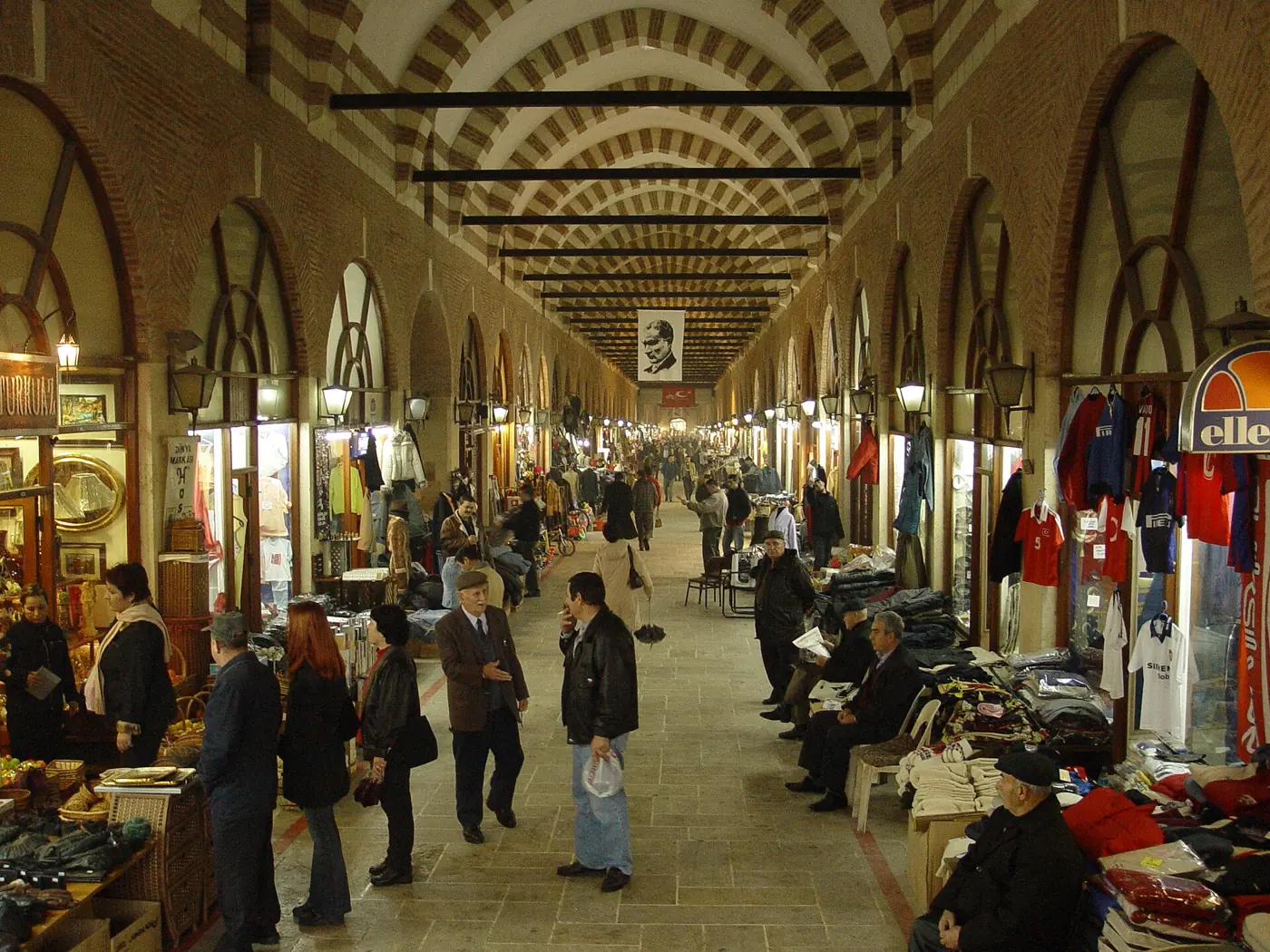
Ali Pasha Bazaar is the headline market. Mimar Sinan designed it about 1568-69, and it is still a main place to buy fruit-shaped soap, mirrored brooms and almond paste. Local people also call it the covered bazaar.
- Architect: Mimar Sinan
- Also called: Kapali Carsi (covered bazaar)
Show map
2 Alipaşa Çarşısı
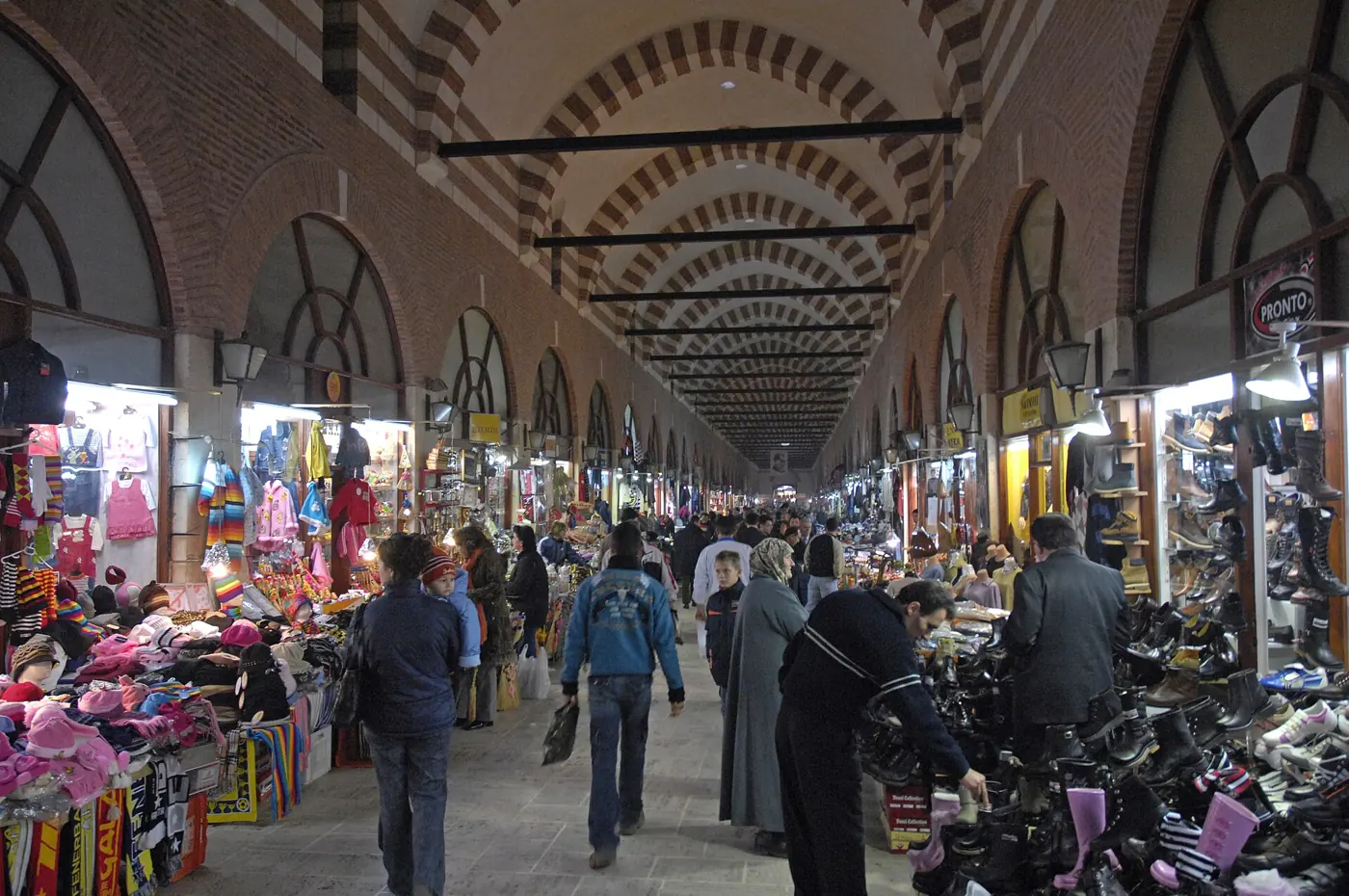
A second source describes the covered bazaar as parallel to Saracilar Street, built in 1568-69. It names almond paste, soaps and crafts as typical goods.
- Location: Parallel to Saracilar Caddesi
- Sells: Almond paste, soaps, crafts
Show map
3 Edirne Bedesteni
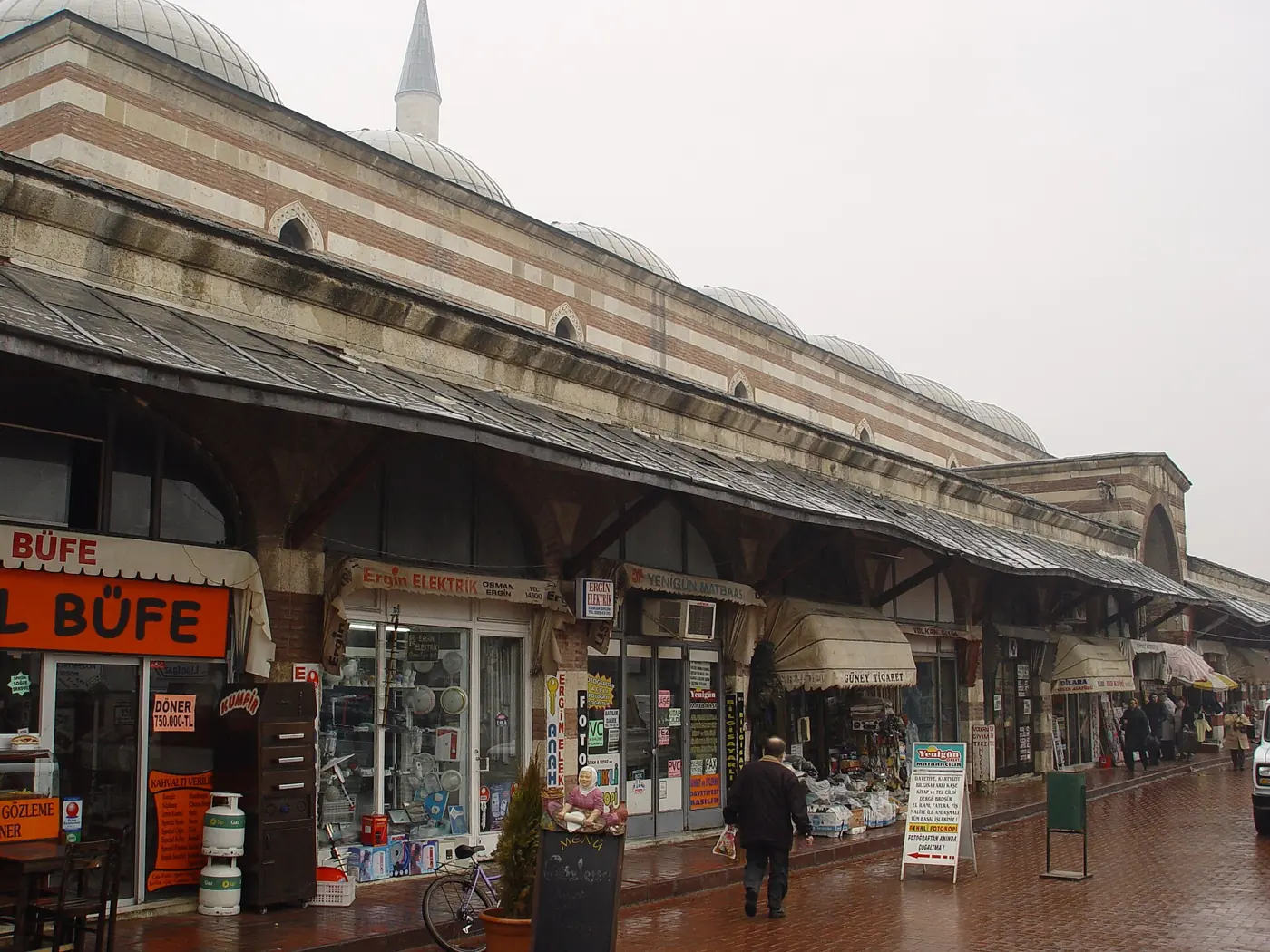
The Bedesten is a covered market beside the Old Mosque. Shop rents originally helped maintain the mosque, which explains why market and mosque stand side by side.
- Location: Next to the Eski Cami
- Type: Ottoman covered market
Show map
4 Kavaflar Arastası
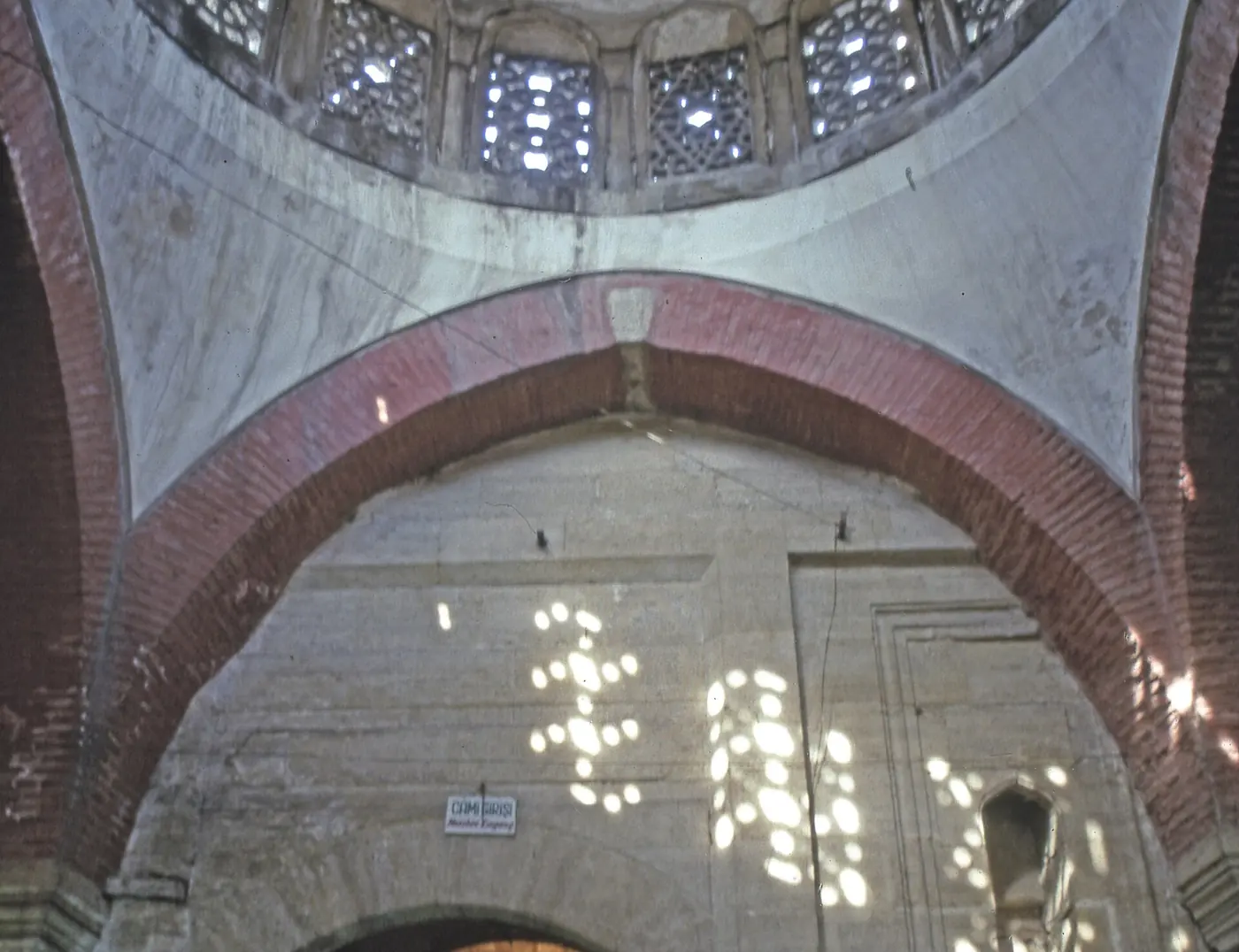
The Selimiye Arasta is a row of historic shops built to fund the Selimiye complex. Today it sells Edirne souvenirs such as fruit soap and miniature mirrored brooms.
- Location: Next to Selimiye Mosque
- Original purpose: Revenue for the mosque complex
Show map
5 Rüstem Paşa Kervansarayı
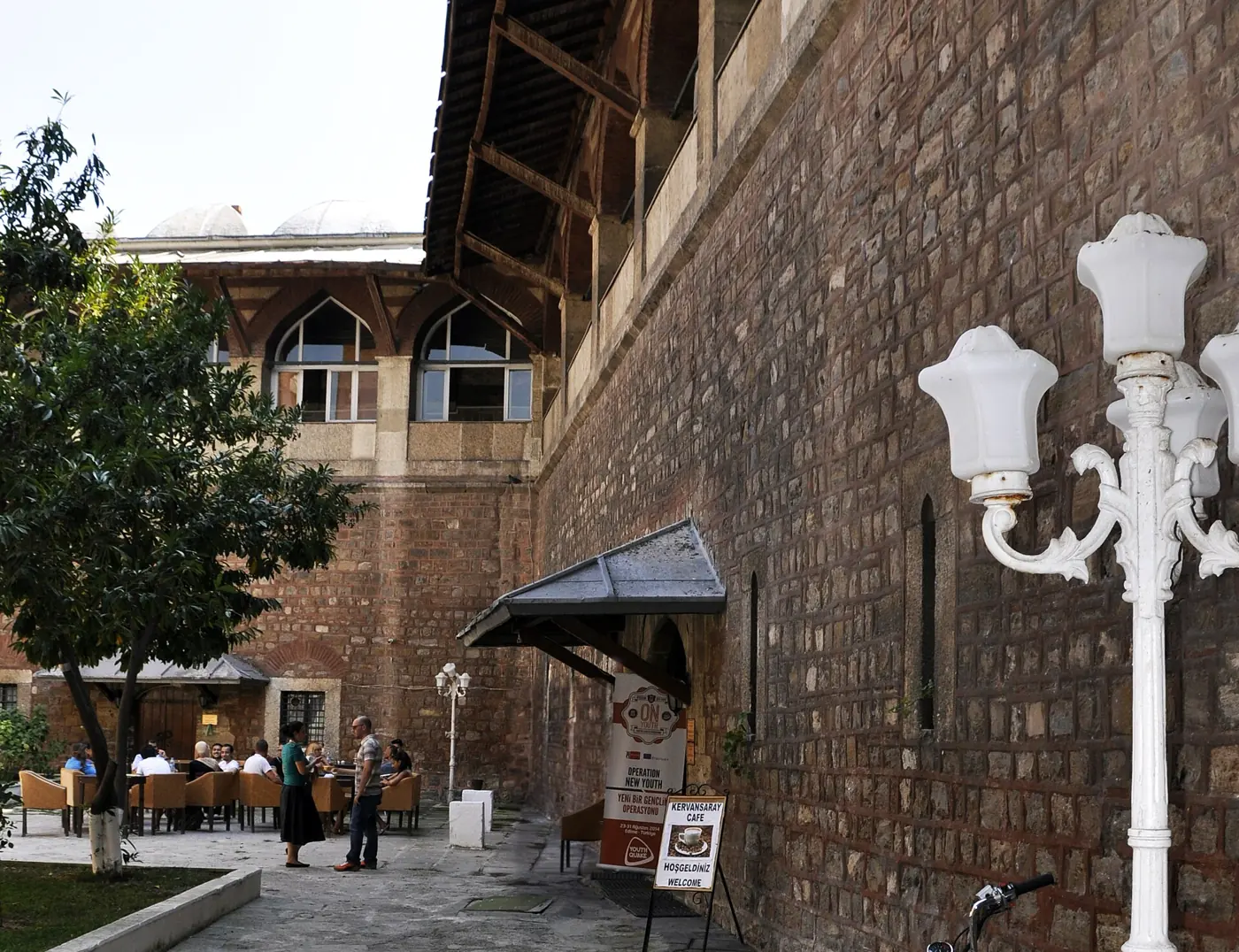
The Rustem Pasha Caravanserai was designed by Mimar Sinan in 1560-61 for travellers and is a trade landmark beside the bazaar area. It now operates as the Kervansaray Hotel, so look at the courtyard and architecture rather than shop here.
- Built: 1560-61
- Today: Hotel
Show map
What should you buy in Edirne?
Our sources point to a short list of classic Edirne goods. Almond paste, known as badem ezmesi, is the best known. Fruit-shaped soap and miniature mirrored brooms are the typical craft souvenirs. A confectioner can add lokum and deva-i misk halva.
Buy sweets close to the end of your trip, because they travel better when fresh. In contrast, soap and brooms can be bought on the first day.
6 Edirneli Kurabiyeci Dede
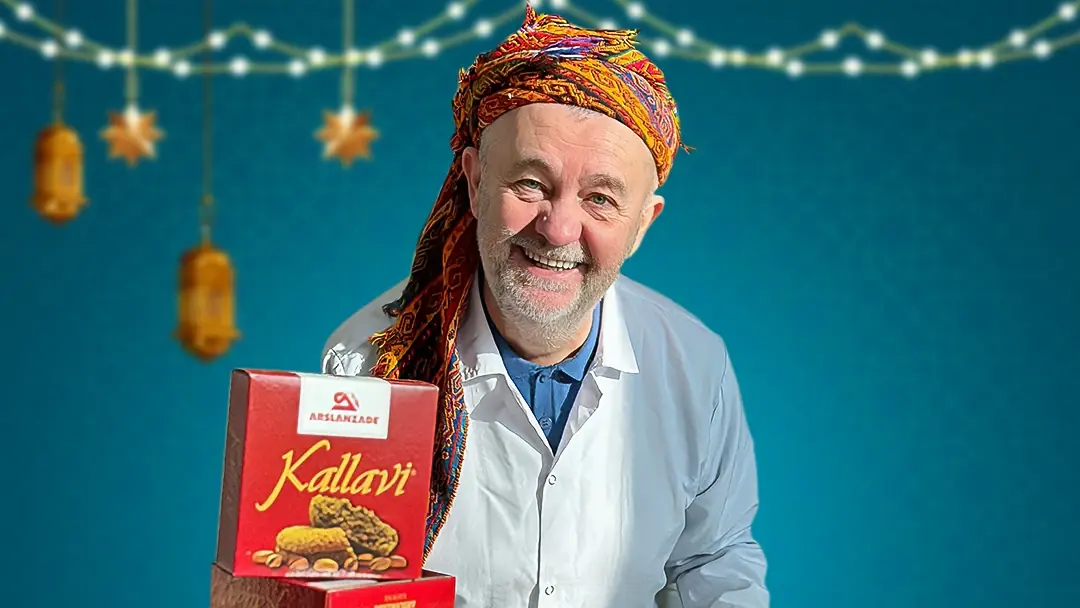
Edirneli Kurabiyeci Dede sells Kavala cookies, lokum, badem ezmesi and deva-i misk halva. Its lokum flavours include Edirne rose, orange, pomegranate and pistachio, and it offers a gluten-free range.
- Speciality: Kavala cookies, badem ezmesi, deva-i misk
- Also: Gluten-free range, online store
Show map
How do the souvenirs compare?
The table summarises typical goods and what to ask when buying.
Typical Edirne souvenirs and buying notes.
| Souvenir | Where to look | Buying note |
|---|---|---|
| Almond paste (badem ezmesi) | Bazaars and confectioners | Ask about freshness and weight |
| Fruit-shaped soap | Ali Pasha Bazaar, Selimiye Arasta | Check scent and packaging |
| Mirrored brooms (miniature) | Selimiye Arasta, bazaar shops | Handy as small gifts |
| Lokum | Confectioners | Check flavours and ingredients |
| Kavala cookies | Confectioners | Best eaten fresh |
How do you recognise good almond paste and soap?
Ask the seller what the product contains, and compare two or three shops. Almond paste should list its ingredients clearly, and fresh pieces look moist and smell of almonds. Fruit-shaped soap varies in scent and size, so smell it before you buy.
Packaging also matters. Choose firm boxes for travel, and avoid sweets that have been in the sun. Moreover, sellers usually let you taste small pieces, so use that to compare.
Therefore, do not rush the first stall. In contrast, a short loop through the market before buying often saves money and disappointment.
A quick checklist for buyers.
| Item | What to check |
|---|---|
| Almond paste | Ingredients, freshness, weight |
| Fruit soap | Scent, size, packaging |
| Mirrored brooms | Craft quality, size |
| Lokum | Flavours, ingredients, allergens |
Why do the markets stand next to the mosques?
Ottoman builders often placed shops beside a mosque to pay for its upkeep. The Bedesten’s shop rents helped maintain the Old Mosque, and the Selimiye Arasta was built to fund the Selimiye complex. The market and the mosque therefore form one economic unit.
Seeing this link makes a shopping trip more interesting. Moreover, Mimar Sinan designed Selimiye Mosque and the Ali Pasha Bazaar is attributed to him as well, so the area shows his work in both a religious and a commercial form.
Take a few minutes at each market to look up at the domes and arches, not only at the shelves.
Plan time for photographs and rest. The market lanes are narrow and busy at midday, so go early for clear pictures of the arches. Moreover, sit in a cafe near the mosque after your loop and review what you bought. If you plan to send sweets home, ask the shop about packing and any online store, since one confectioner in our registry lists an online store. Keep small notes for tips and small purchases. Finally, check prayer times if you plan to visit a mosque after shopping, because visitor access can change around them. Wear modest clothing in mosques and remove your shoes at the entrance.
Take your time with each purchase. A single loop gives you a feel for prices, and a second pass lets you buy with confidence. Moreover, local sellers usually answer questions about ingredients and origin, so ask before you pay.
How do you get there and bargain?
Walk from Selimiye Mosque, because the markets lie close to it. Keep to a simple routine when buying. Look at several stalls, ask for the price clearly, and pay only when you are sure.
Bargaining is common for crafts but not for packaged sweets. Ask politely, and be ready to walk away.
Follow these shopping habits:
- Carry small cash and ask for the price before you pick up an item.
- Compare two or three shops before you buy soap or brooms.
- Check ingredients on sweets if you have allergies.
- Photograph the architecture before the market gets crowded.
- Check opening hours on Google Maps, because shops vary.
What is a sample market morning?
Arrive at Selimiye Mosque first, then walk to the Arasta. Continue through Ali Pasha Bazaar to the Bedesten and the Old Mosque. Finish with sweets at a confectioner and a rest in a cafe.
A two-hour market route.
| Step | Stop |
|---|---|
| 1 | Selimiye Arasta |
| 2 | Ali Pasha Bazaar |
| 3 | Bedesten and Old Mosque |
| 4 | Confectioner for sweets |
Frequently asked questions
Who designed Ali Pasha Bazaar?
Sources attribute the design to Mimar Sinan, and date it to about 1568-69.
What are the best souvenirs from Edirne?
Almond paste, fruit-shaped soap and miniature mirrored brooms are the classic choices in our sources.
Is the bazaar covered?
Yes. It is also called Kapali Carsi, the covered bazaar.
Is the Bedesten near the bazaar?
The Bedesten stands beside the Old Mosque, a short walk from the main bazaar.
Can I bargain in the market?
Bargaining is common for crafts. Packaged sweets usually have set prices.
How much time should I plan?
Allow two hours for the three markets at an easy pace.
Are prices listed here?
No. Prices vary by shop, so ask and compare.
Plan this with TurkGT
Wondering how to fit this into a real trip? TurkGT can arrange a private car with driver from Istanbul or from the Kapikule border, a licensed local guide, an interpreter or a hotel booking in Edirne. Send your dates and group size by WhatsApp or the inquiry form and we will reply with options.
Request a booking
Related guides
- Best Shopping Places in Edirne: Malls and Modern Stores
- Top 10 Hotels in Edirne: Where to Stay Near Selimiye
- Best Restaurants in Edirne: Tava Ciğer, Köfte and Local Picks
- Top Edirne Sights: A Practical Visiting Guide
- Day Trips from Edirne: Kesan, Uzunkopru and Thrace
- Edirne Areas Guide: City Centre, Karaagac and Kapikule
- How to Get to Edirne from Istanbul and the Bulgarian Border
Related destinations and attractions
Explore more city guides
Sources
Last reviewed: 2026-11-21.