
The Selimiye Mosque in Edirne was designed by Mimar Sinan for Sultan Selim II and built between 1569 and 1575. UNESCO listed it with its social complex in 2011. Visit in the morning, dress modestly, and combine it with the nearby museums and Arasta.
Key facts
- Architect: Mimar Sinan
- Commissioned by: Sultan Selim II
- Built: 1569-1575
- UNESCO: World Heritage Site since 2011 (Selimiye Mosque and its Social Complex)
- Entry: Free for the mosque; confirm visiting rules on Google Maps
- Nearby: Edirne Museum, Selimiye Foundation Museum, Selimiye Arasta
- Suggested time: 60-90 minutes inside and around the mosque
Why is the Selimiye Mosque famous?
The Selimiye Mosque is famous because Mimar Sinan designed it, the Ottoman sultan Selim II commissioned it, and UNESCO protects it as part of the Selimiye Mosque and its Social Complex. It is the best-known landmark of Edirne and a high point of classical Ottoman architecture.
Sinan worked on many imperial projects across the empire. In contrast to the mosques of Istanbul, Selimiye stands on a rise in a smaller city, so its silhouette dominates the skyline from many approaches. Visitors often see the minarets from a distance before they reach the courtyard.
The mosque is still an active place of worship. Therefore it is both a monument and a living community space, and you should plan your visit around prayer times.
How did we choose these places?
We chose each place using four criteria: official or widely documented heritage status, location within Edirne, details from official or encyclopedic sources, and fit for a one-day or two-day visit. For Selimiye specifically, we relied on UNESCO-related sources and encyclopedic references for the dates, architect and status.
We do not accept payment for placement, and no venue can buy a spot in this guide. Visitor ratings change often, so we do not print scores. Instead, each card carries a button that opens the place on Google Maps, where you can check current opening hours, tickets and recent reviews before you go.
Which places surround the mosque?
Three visitor stops sit around the mosque: the Edirne Museum behind it, the Selimiye Foundation Museum in the former madrasa on its east side, and the Arasta, the row of shops beside the complex. Together they turn one monument into a half-day visit.
Opening days and ticket rules differ between the museums. The Selimiye Foundation Museum is ticketed separately from the Edirne Museum, so check both on Google Maps.
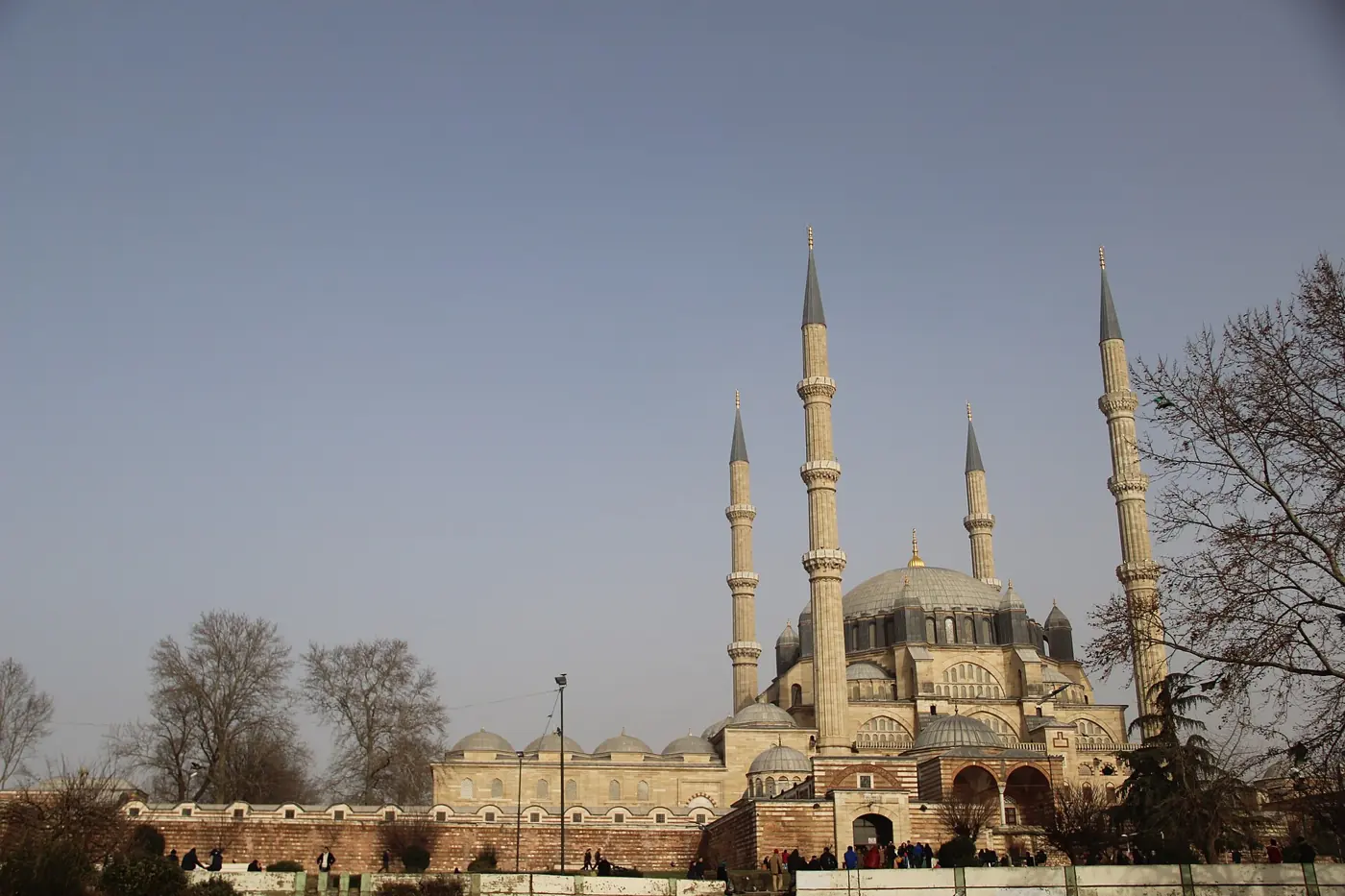
1 Selimiye Camii
The central monument of the guide. Sinan designed it for Selim II, and it was built in 1569-1575. Enter respectfully, and ask staff if you are unsure about the visiting area.
- Architect: Mimar Sinan
- Built: 1569-1575
- Commissioned by: Selim II
Show map
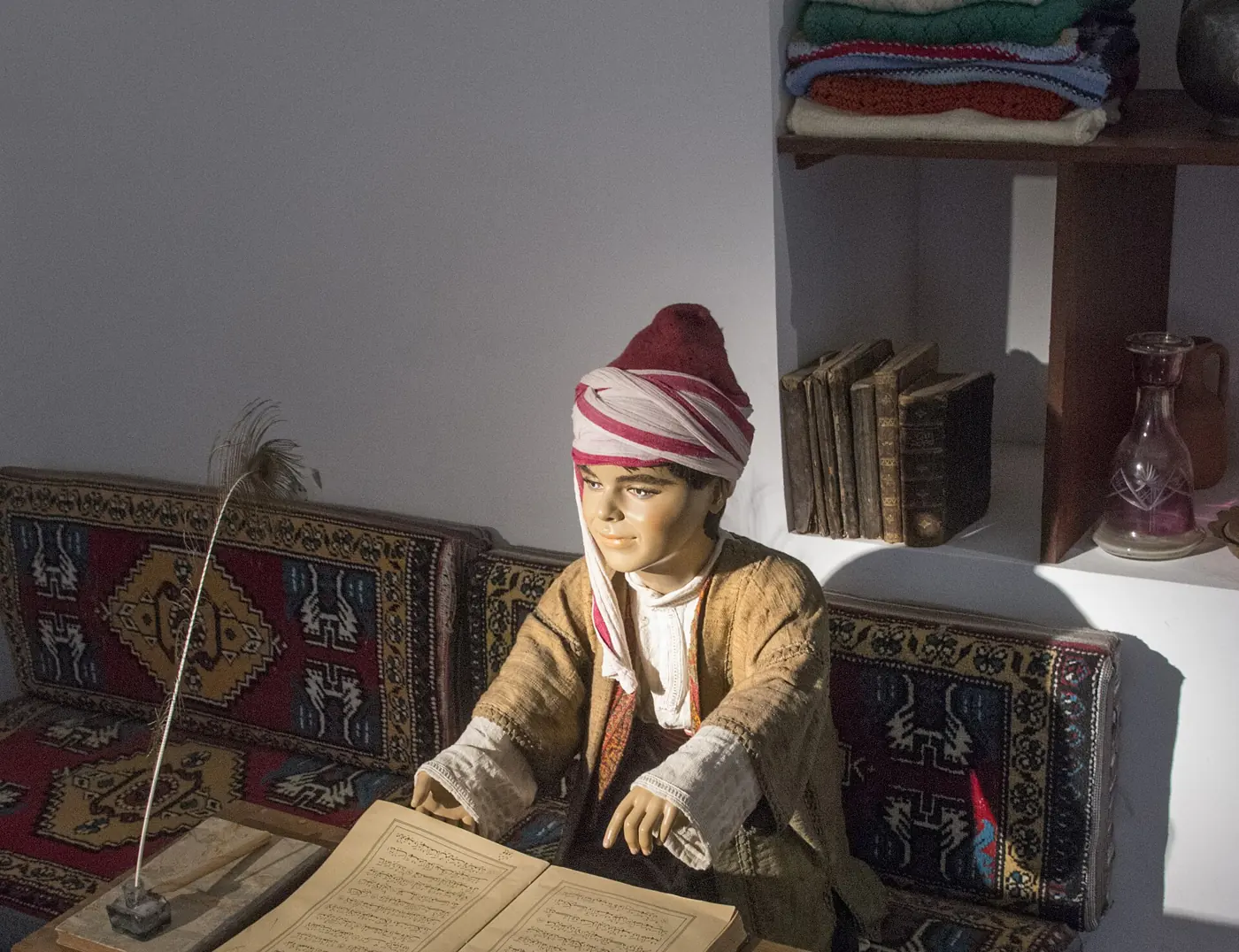
2 Selimiye Vakıf Müzesi
Housed in the former madrasa on the east side of Selimiye, this museum shows calligraphy and Islamic fine arts and crafts. It suits visitors who want to see the craft tradition behind the mosque.
- Setting: Former madrasa on the east side of Selimiye
Show map
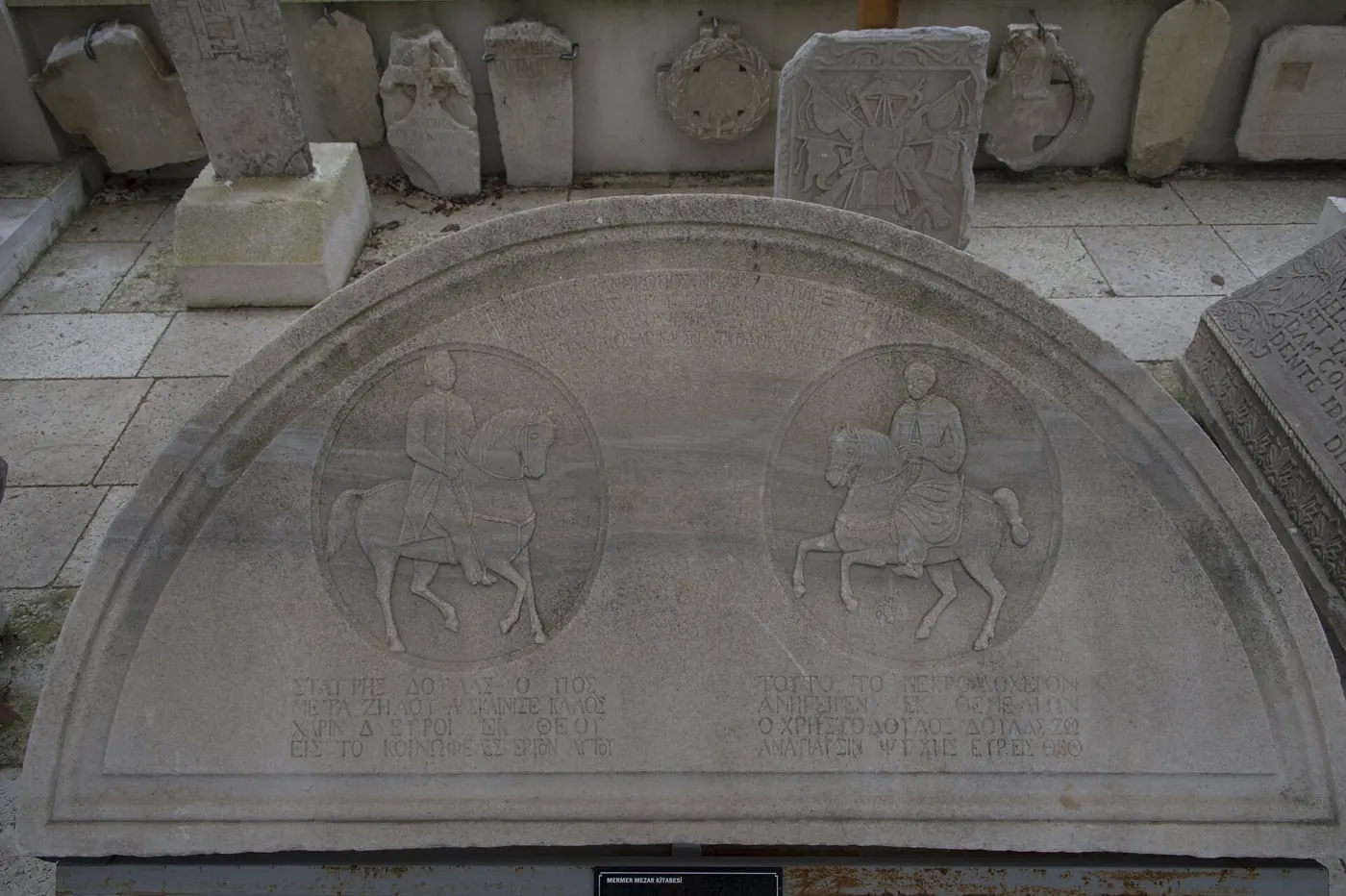
3 Edirne Müzesi
Located behind Selimiye, this museum covers Thracian archaeology and ethnography. The garden includes a dolmen and Roman and Ottoman gravestones.
- Address area: Kadirpaşa Mektep Sokak, behind Selimiye
- Focus: Thracian archaeology and ethnography
- Garden: Dolmen, Roman and Ottoman gravestones
Show map
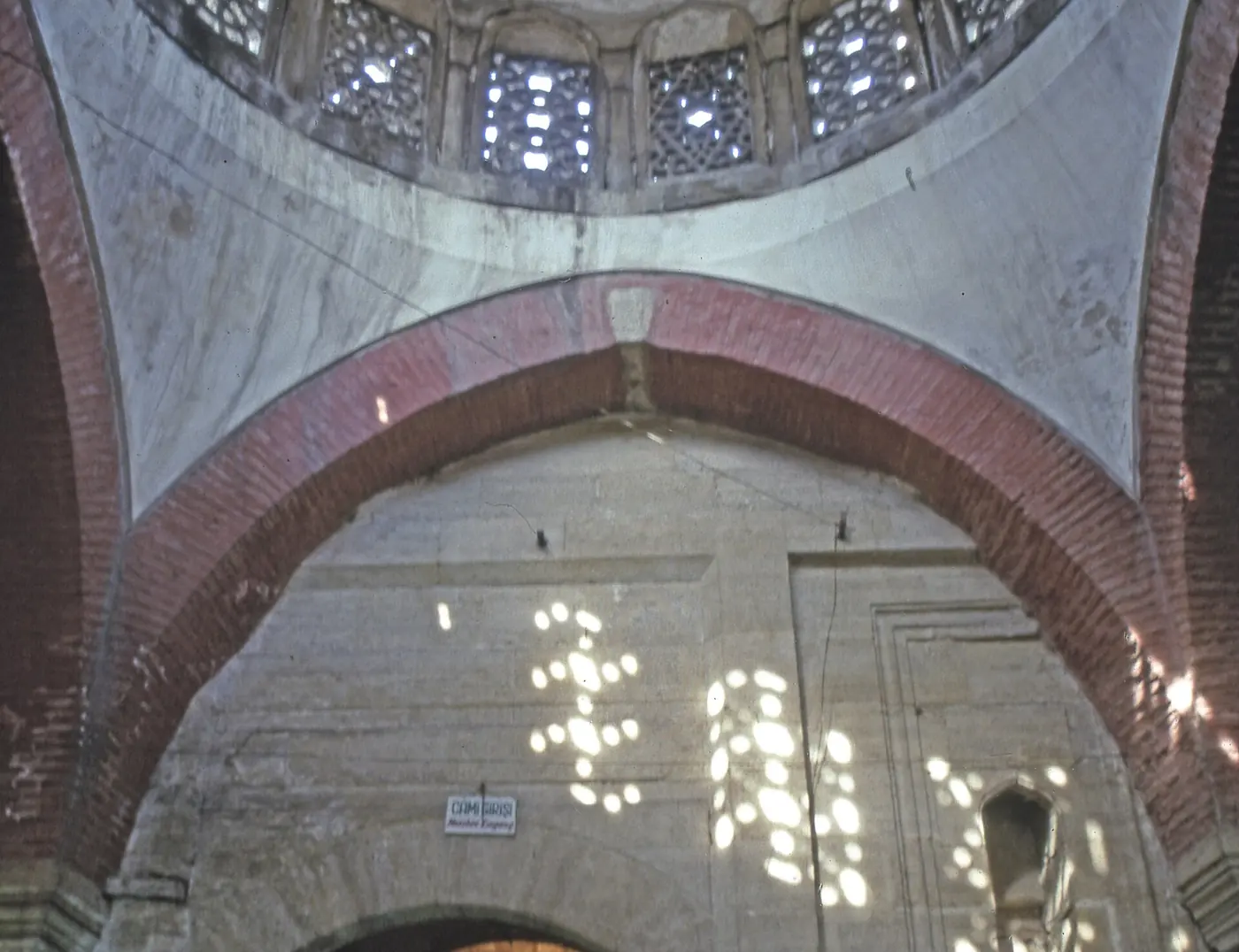
4 Kavaflar Arastası
This historic row of shops was built to produce revenue for the mosque complex. Today it sells souvenirs, including fruit soap and miniature mirrored brooms.
- Location: Next to the Selimiye Mosque
- Original purpose: Revenue for the mosque complex
- Typical goods: Souvenirs, fruit soap, miniature mirrored brooms
Show map
How should you behave inside the mosque?
Dress modestly, remove your shoes, speak quietly and avoid entering during prayers. Women should carry a headscarf, and everyone should cover shoulders and knees. These rules are common to Turkish mosques and keep your visit respectful.
Etiquette checklist:
- Cover shoulders and knees, and carry a scarf.
- Take off shoes and carry them in a bag.
- Do not walk in front of people who are praying.
- Ask before photographing worshippers, and avoid flash.
- Check prayer times on Google Maps, especially on Fridays.
How does Selimiye compare with other Edirne mosques?
Selimiye represents the classical period, while the Old Mosque and the Uc Serefeli Mosque show earlier stages. The table lists the key differences using only dates and features from our sources.
Three mosques, three stages of Ottoman design.
| Mosque | Date | Feature |
|---|---|---|
| Selimiye Mosque | 1569-1575 | Designed by Mimar Sinan for Selim II; UNESCO listed |
| Old Mosque (Eski Cami) | Early 15th century | Multi-domed nine-bay prayer hall |
| Uc Serefeli Mosque | 1438-1447 | Minaret with three balconies |
5 Eski Cami
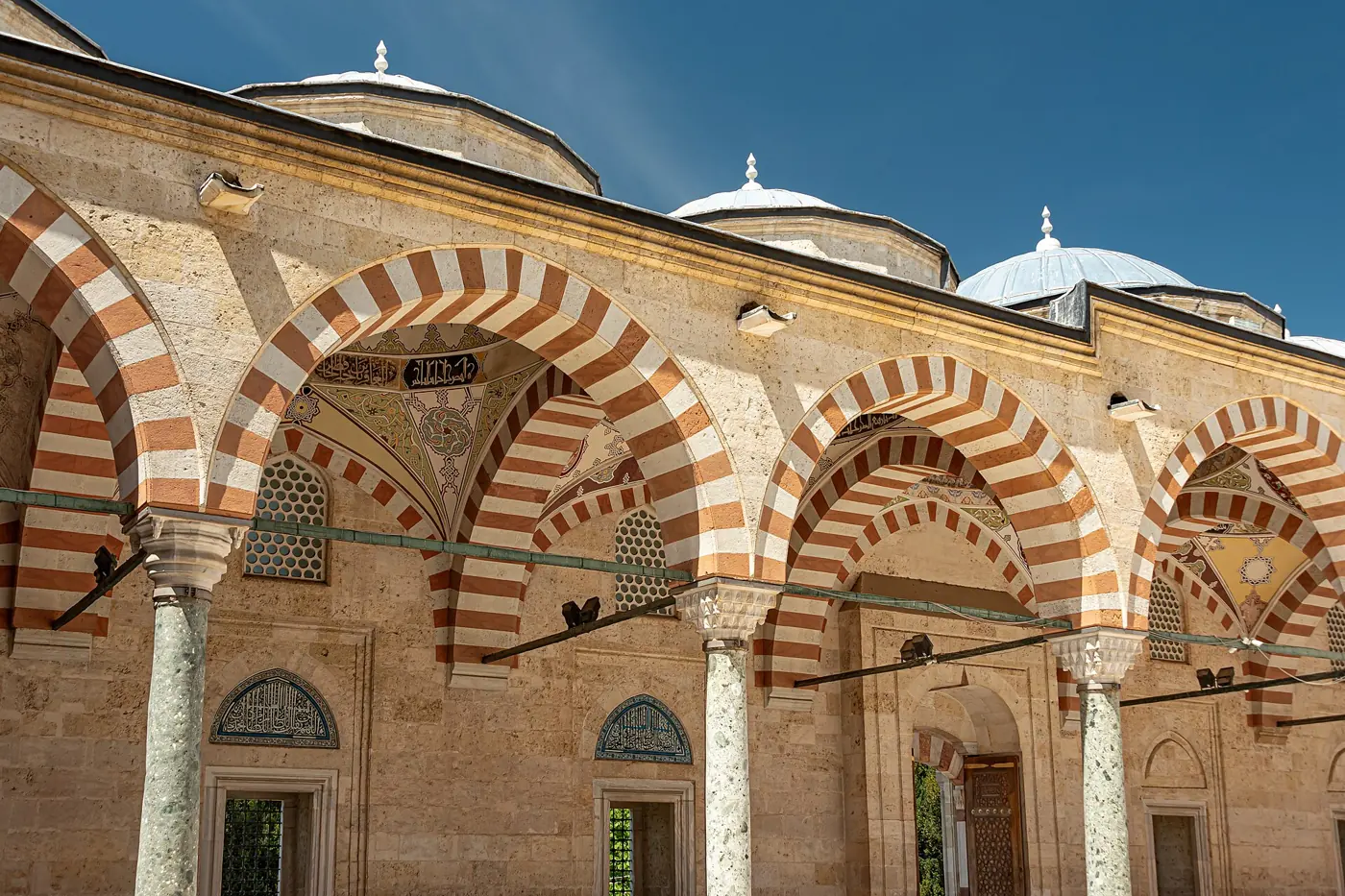
A five-minute walk away, the Old Mosque offers a clear contrast. Its nine-bay prayer hall shows an early Ottoman approach to covering a large space.
- Built: Early 15th century
- Also known as: Ulucami (Grand Mosque)
- Address area: Muafakathane Sokak, city centre
Show map
6 Üç Şerefeli Camii
Look up at the tall minaret with three balconies. The mosque is free to enter and works well as a second stop after Selimiye.
- Built: 1438-1447
- Name meaning: Mosque with three balconies
- Entry: Free
Show map
How do you reach the mosque and move around the area?
Selimiye stands in the Edirne city centre and is reached on foot from most central hotels. Drivers from Istanbul or Kapikule should park in the city centre and walk. Taxis are a simple choice if you arrive by bus.
Common ways to reach the Selimiye area.
| From | Method | Note |
|---|---|---|
| Central hotels | Walk | Most are within a short walk of the mosque |
| Edirne bus terminal | Taxi | Short city ride |
| Istanbul | Private car with driver | Flexible, door-to-door |
| Kapikule border | Transfer | Pre-arranged for border arrivals |
What does a half-day plan around Selimiye look like?
A half-day plan starts at the mosque, continues to the museums, and ends in the Arasta. This order places the most important sight first, while energy and light are best.
Suggested half-day route.
| Order | Stop | Time |
|---|---|---|
| 1 | Selimiye Mosque | 60 min |
| 2 | Selimiye Foundation Museum | 30-40 min |
| 3 | Edirne Museum | 45 min |
| 4 | Arasta shopping and tea | 30 min |
| 5 | Walk to Old Mosque and Uc Serefeli | 45 min |
What practical tips should you remember?
Go early in the day, check prayer times, and keep small change for the Arasta. Moreover, avoid planning other major sights right after Friday prayers, when crowds rise around the mosque.
If you travel with older relatives, note that the area has cobbled paving and slopes. A private car can drop you close to the complex, and a guide can set a slower pace.
What should you look for around the Selimiye complex?
Look at the setting as well as the building. UNESCO lists the mosque together with its social complex, which means the surrounding madrasa, the Arasta and other buildings belong to the same project. The Arasta shops were built to fund the complex, and the madrasa now houses a museum.
Walk once around the exterior before you enter. Moreover, notice how the minarets frame the skyline from nearby streets. Many visitors treat the mosque as a single stop, but the surroundings explain how an Ottoman foundation worked: worship, education and trade shared one site.
Take time to sit in the courtyard if the mosque is calm. A quiet ten minutes gives a better sense of the place than a quick photograph.
When is the best time to visit?
Morning is best, because light is soft and crowds are thinner. Avoid prayer times, and be careful on Fridays around midday. In summer, shade near the courtyard helps, while in winter the interior offers shelter from the cold.
Plan a slower pace if you travel with children or older relatives. Furthermore, keep the Arasta for the end, so that shopping does not interrupt the visit. Check Google Maps for any temporary closure or restoration notice before you travel.
How can you plan the visit with TurkGT?
TurkGT can pair Selimiye with a private car from Istanbul and a licensed guide who explains Sinan’s work. Send your dates by WhatsApp or the inquiry form, and we will confirm the route and timing.
Frequently asked questions
Who built the Selimiye Mosque?
Sultan Selim II commissioned it, and Mimar Sinan designed it. Construction ran from 1569 to 1575.
Is the Selimiye Mosque a UNESCO site?
Yes. The Selimiye Mosque and its Social Complex have been a World Heritage Site since 2011.
Is there an entrance fee?
The mosque is listed as free to enter. Museums nearby may charge, so check Google Maps for each one.
Can non-Muslims visit?
Yes, visitors are welcome outside prayer times if they dress modestly and behave respectfully.
How long should you stay?
Allow 60 to 90 minutes for the mosque and courtyard, and a half-day if you add the museums and Arasta.
What can you buy in the Arasta?
Our sources list souvenirs such as fruit-shaped soap and miniature mirrored brooms. Check shops for current goods and prices.
Is Selimiye close to other sights?
Yes. The Old Mosque and the Uc Serefeli Mosque are within walking distance in the city centre.
Plan this with TurkGT
TurkGT can arrange a private car with driver from Istanbul or from the Kapikule border, a licensed guide for the old town, and hotel booking in Edirne. Send your dates and group size by WhatsApp or the inquiry form, and we will build a plan around your timing.
Request a booking
Related guides
- Top Edirne Sights: A Practical Visiting Guide
- Edirne Old Mosque, Muradiye and Historic Mosques Guide
- Edirne Bridges and Edirne Palace (Sarayici) Visiting Guide
- Top 10 Hotels in Edirne: Where to Stay Near Selimiye
- Best Restaurants in Edirne: Tava Ciğer, Köfte and Local Picks
- Day Trips from Edirne: Kesan, Uzunkopru and Thrace
- Best Shopping Places in Edirne: Malls and Modern Stores
Related destinations and attractions
- Selimiye Mosque and its Social Complex
- Edirne
- Marmara Region, Türkiye: Istanbul, Bursa, Edirne and Troy
Explore more city guides
Sources
- Wikivoyage: Edirne
- Selimiye Mosque (Wikipedia)
- Old Mosque, Edirne (Wikipedia)
- Edirne Museum (Wikipedia)
Last reviewed: 2026-11-21.