
The best mosques to visit in Istanbul are the Blue Mosque, Hagia Sophia, the Süleymaniye and the Rüstem Pasha Mosque, plus the Eyüp Sultan Mosque and Ortaköy Mosque. Dress modestly, visit outside prayer times, and group them by district to save time.
Key facts
- Best for: First-time visitors and architecture fans
- Core area: Sultanahmet, Eminönü, Süleymaniye
- Dress: Shoulders and knees covered; women cover hair
- Timing: Visits fit outside prayer times
- Cost: Mosque visits are generally free; check each page
- Top transport: T1 tram and Marmaray
- Best season: Spring and autumn
- Cards below: 12 mosques with map buttons
What are the most important mosques to visit in Istanbul?
The most important mosques to visit in Istanbul are the Blue Mosque, Hagia Sophia, the Süleymaniye, the Rüstem Pasha Mosque and the Eyüp Sultan Mosque. Together they cover imperial grandeur, Byzantine heritage, Sinan’s craft and living pilgrimage. Most sit within a short tram ride of Sultanahmet.
Istanbul has hundreds of mosques, so a short list saves time. Our selection spans the old city, the Bosphorus and the Asian side. In contrast to a museum, each building is a working place of worship, therefore the visit follows prayer times and polite dress.
How did we choose these mosques?
We chose these places using four honest criteria: official or well-documented status, a clear location that works on a walking or tram route, details we can trace to published sources, and variety across districts and periods. We also looked at architectural period and the architect, because a good mosque tour shows more than one century of design.
We do not accept payment for placement, and no venue can buy a spot. Moreover, opening arrangements, visitor rules and crowd levels change, so we send you to the place’s own page or Google Maps for today’s information and current visitor feedback instead of quoting scores here.
Which mosques belong on a first-time list?
A first-time list should open with the Sultanahmet pair, then add one Sinan masterpiece and one waterside mosque. The cards below follow that logic, starting at the historic centre and moving outward to the Bosphorus and the Asian shore. Each card links to a map so you can plan the walk.
1 Sultanahmet Camii
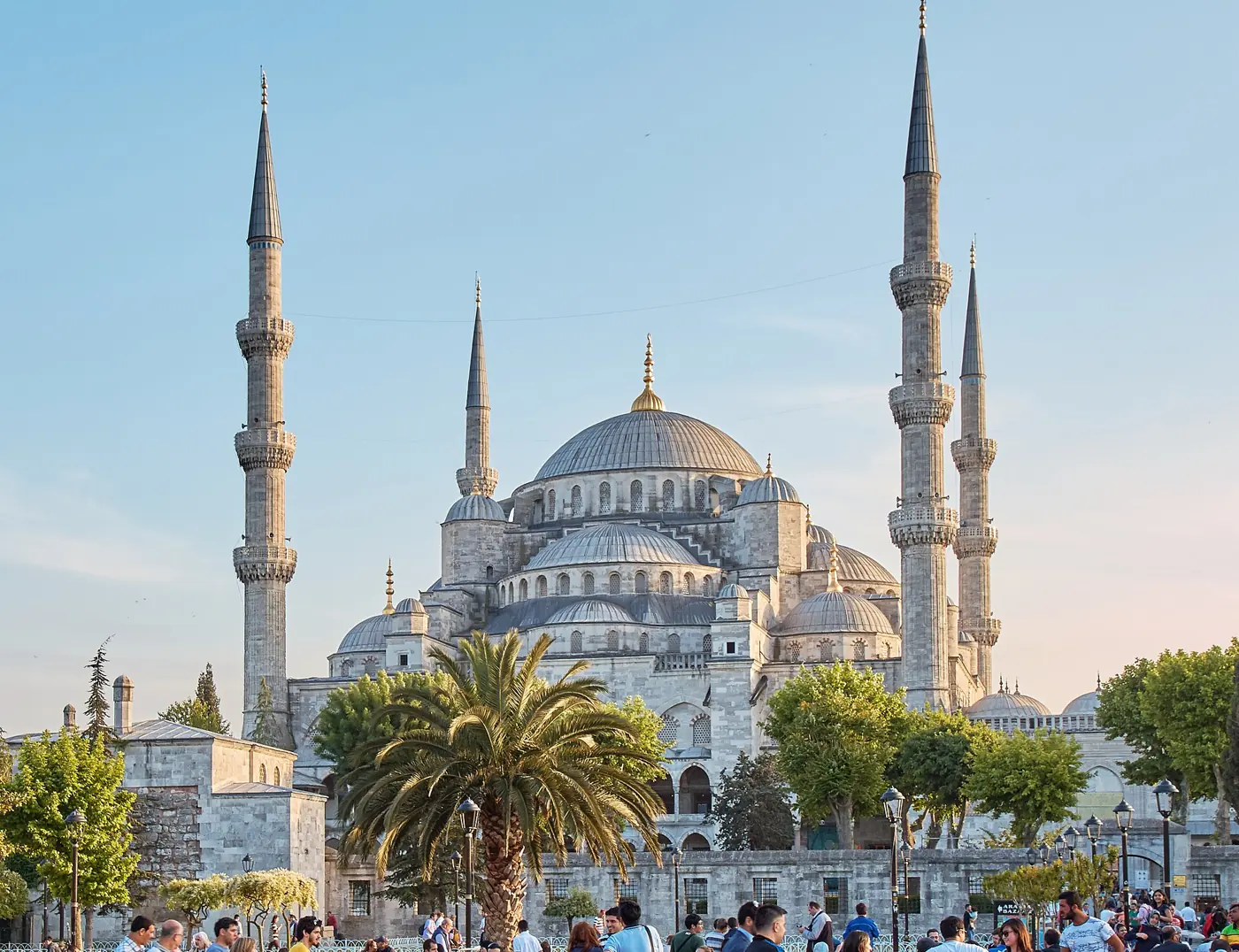
The Blue Mosque was built between 1609 and 1616 and is known for six minarets and blue İznik tiles. It sits on the Sultanahmet square, so it pairs naturally with Hagia Sophia.
- Built: 1609-1616
- Architect: Sedefkar Mehmed Agha
- Known for: Six minarets and blue İznik tiles
Show map
2 Ayasofya-i Kebir Cami-i Şerifi
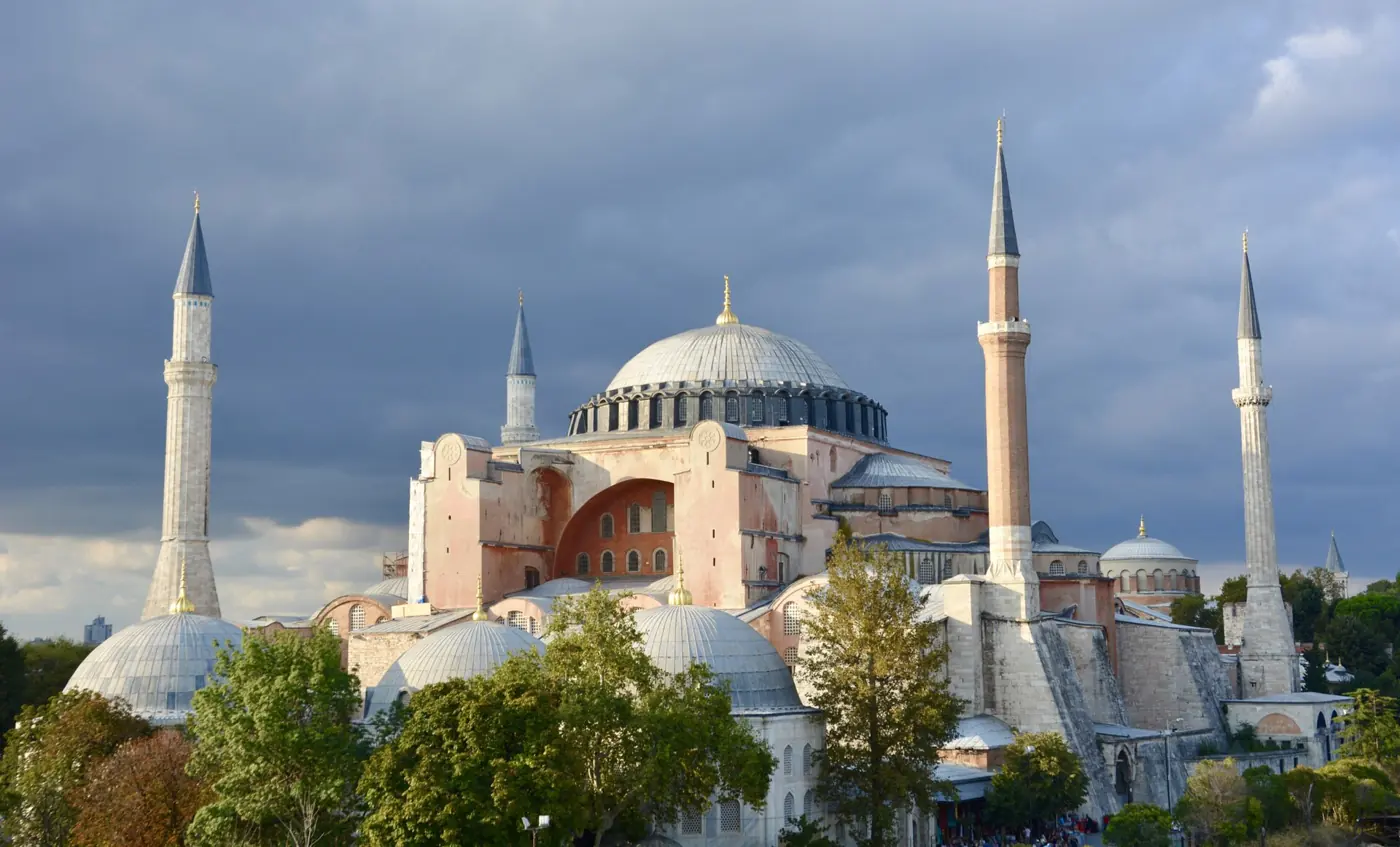
Hagia Sophia dates to 537 AD and has served as a mosque since 1453, reopening as one in 2020. Check the official page before you go, because entry arrangements for visitors can change.
- Built: 537 AD (Justinian I)
- Mosque since: 1453; reopened as mosque 2020
Show map
3 Süleymaniye Camii
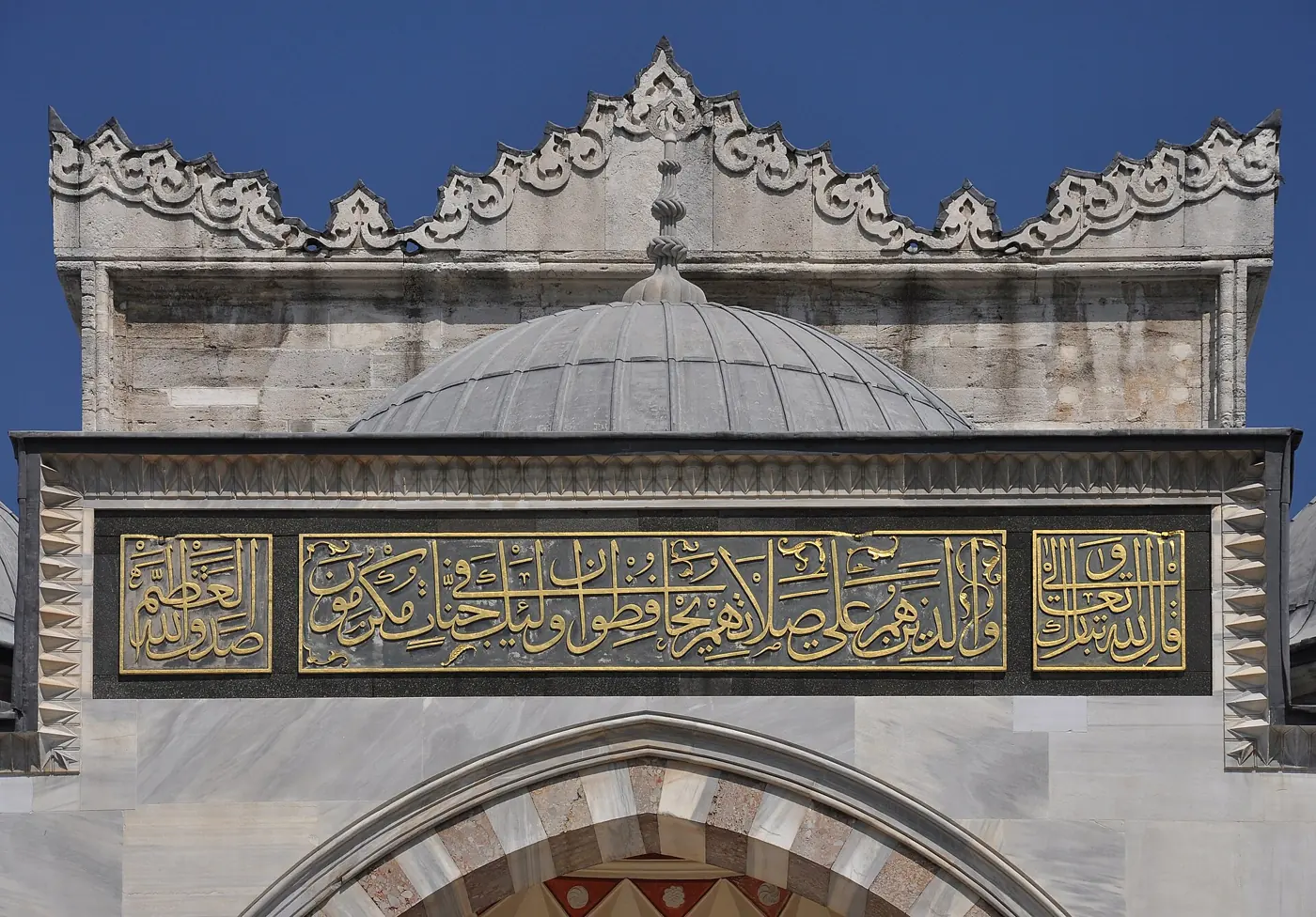
Mimar Sinan built the Süleymaniye between 1550 and 1557 for Suleiman the Magnificent. It crowns the Third Hill, so it offers calm courtyards and wide Golden Horn views.
- Built: 1550-1557
- Architect: Mimar Sinan
- Patron: Suleiman the Magnificent
Show map
4 Rüstem Paşa Camii
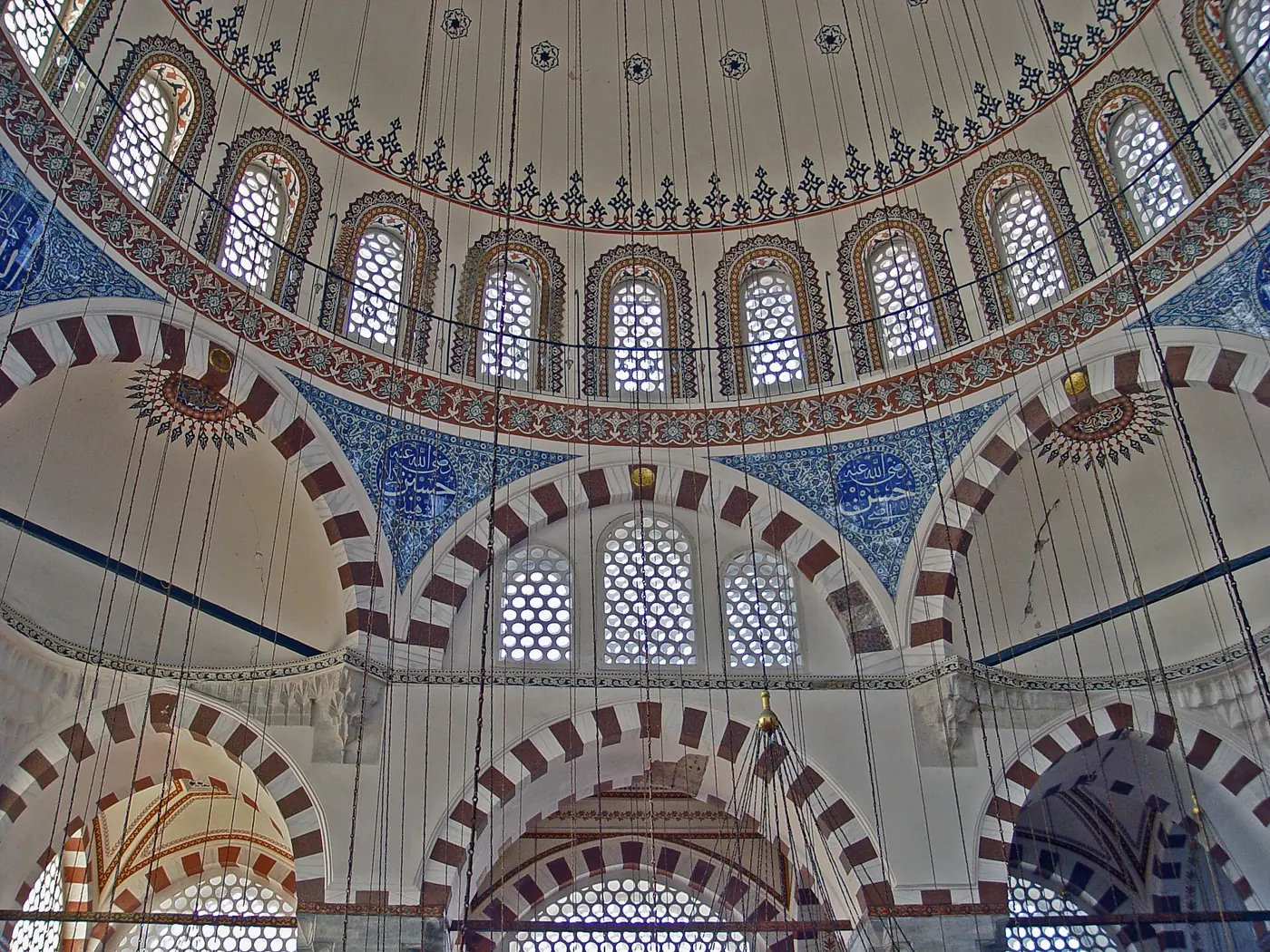
This small Sinan mosque near the Spice Bazaar was completed around 1563. Its walls carry many different İznik tile designs, which makes it a strong stop for tile lovers.
- Completed: c. 1563
- Architect: Mimar Sinan
- Known for: İznik tiles
Show map
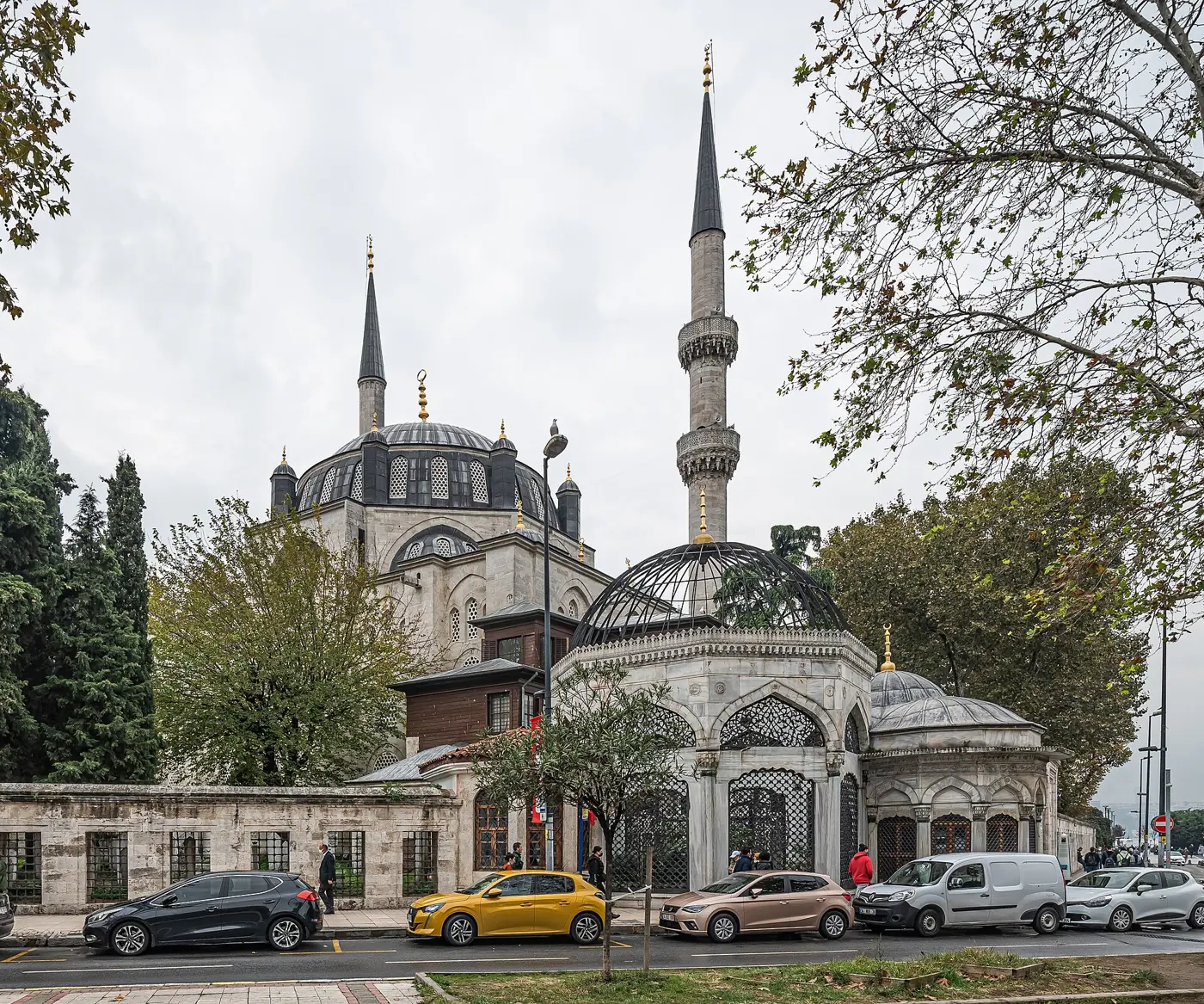
5 Yeni Cami
The Yeni Mosque was completed in 1665 on the Eminönü waterfront beside the Spice Bazaar. It is easy to combine with a shopping stop and the ferry piers.
- Completed: 1665
- Commissioned by: Turhan Hatice Sultan
- Location: Eminönü waterfront, by the Spice Bazaar
Show map
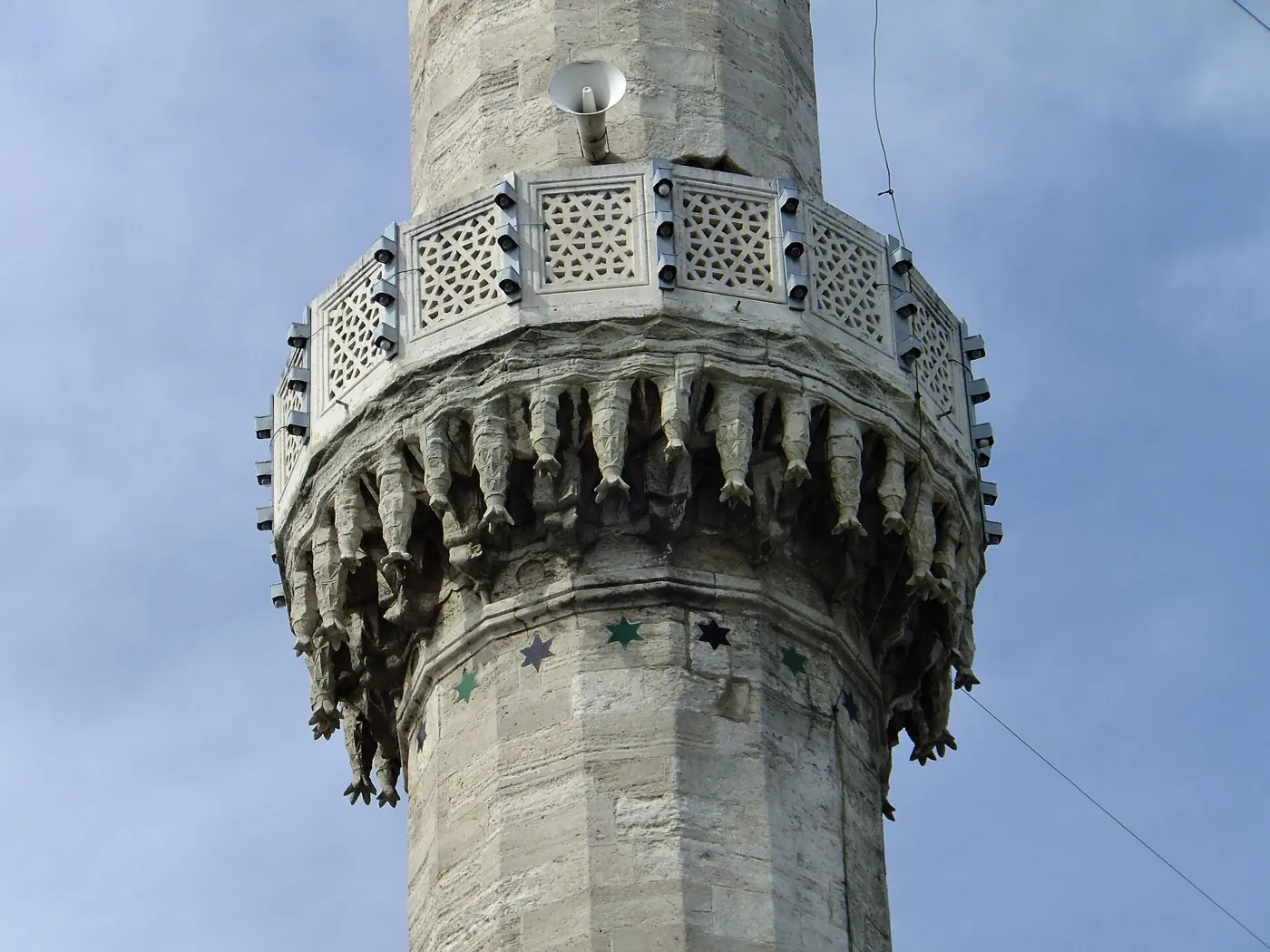
6 Eyüp Sultan Camii
The Eyüp Sultan Mosque stands beside the tomb of Abu Ayyub al-Ansari. The original dates to 1458, and the present building was rebuilt in 1798-1800.
- Original: 1458 (Mehmed II)
- Rebuilt: 1798-1800
- Note: Beside the tomb of Abu Ayyub al-Ansari
Show map
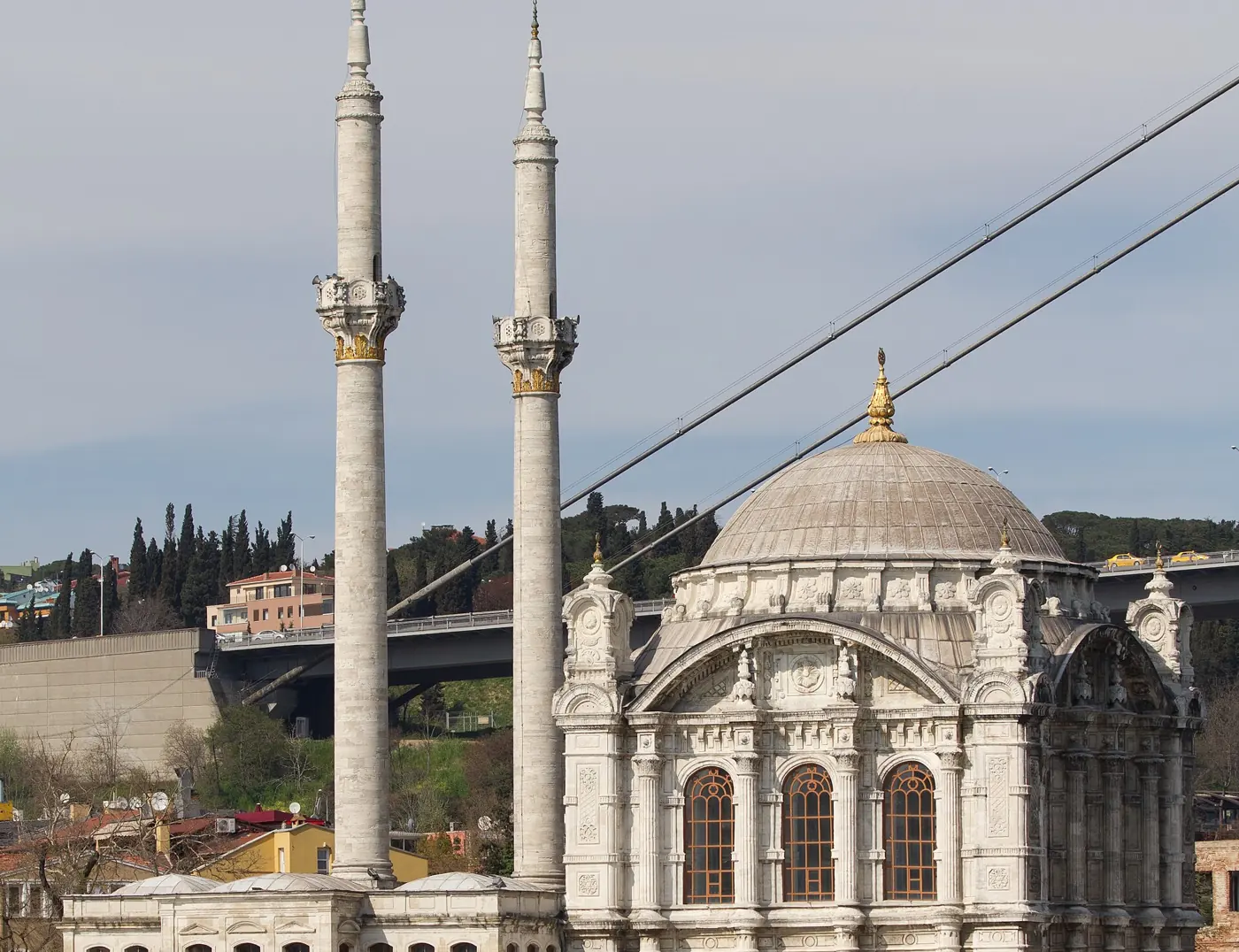
7 Büyük Mecidiye Camii
This neo-baroque mosque sits on Ortaköy pier square and was completed around 1854-1856. Visitors choose it for its Bosphorus setting as much as for its architecture.
- Built: c. 1854-1856
- Patron: Sultan Abdülmecid I
- Location: Ortaköy pier square, Bosphorus shore
Show map
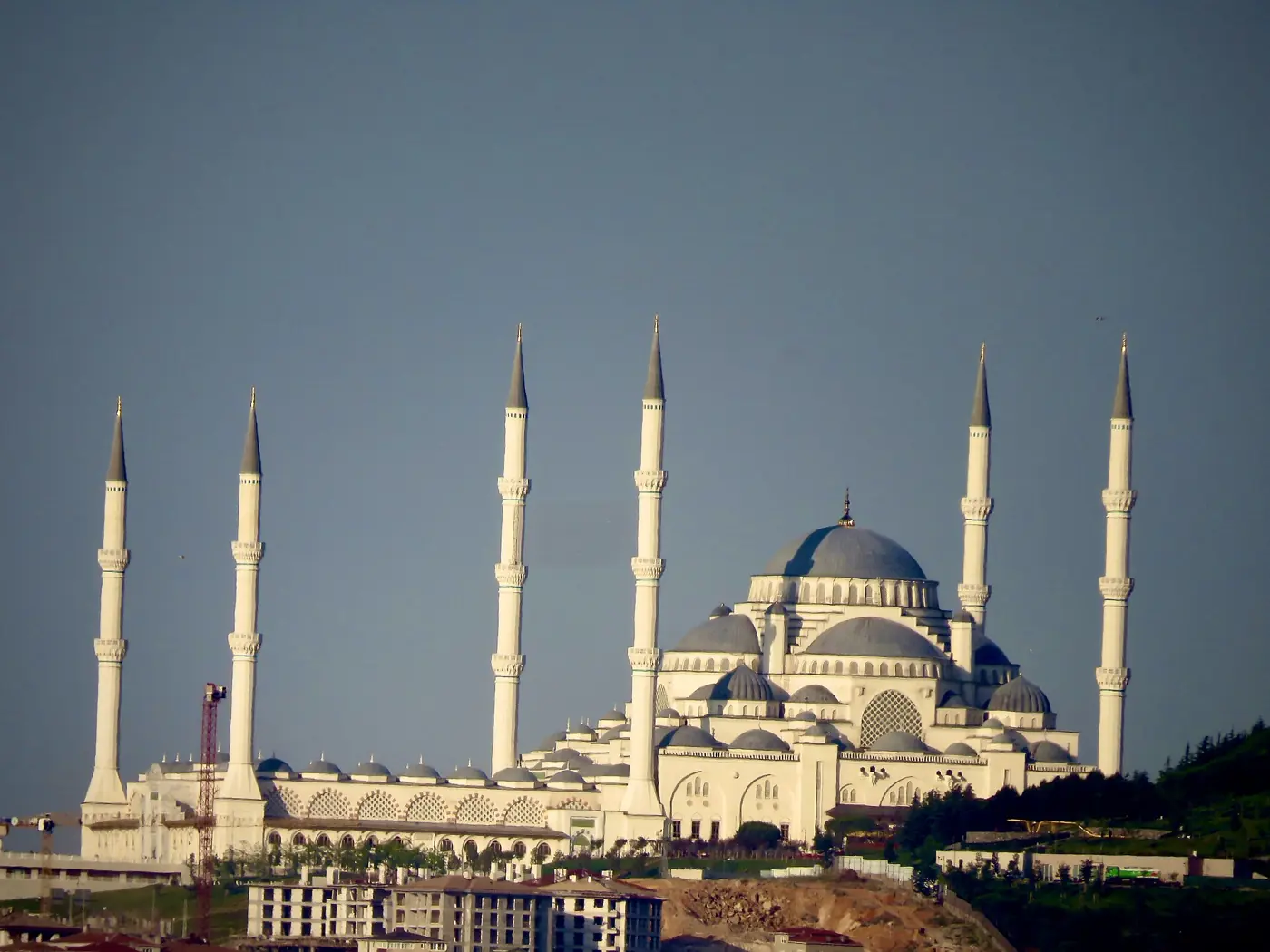
8 Çamlıca Camii
The Grand Çamlıca Mosque opened in 2019 on the Asian side and has six minarets. It is the modern counterpart to the old imperial mosques on the historic peninsula.
- Opened: 2019
- Capacity: About 63,000 worshippers
- Minarets: Six
Show map
9 Sokollu Mehmet Paşa Camii
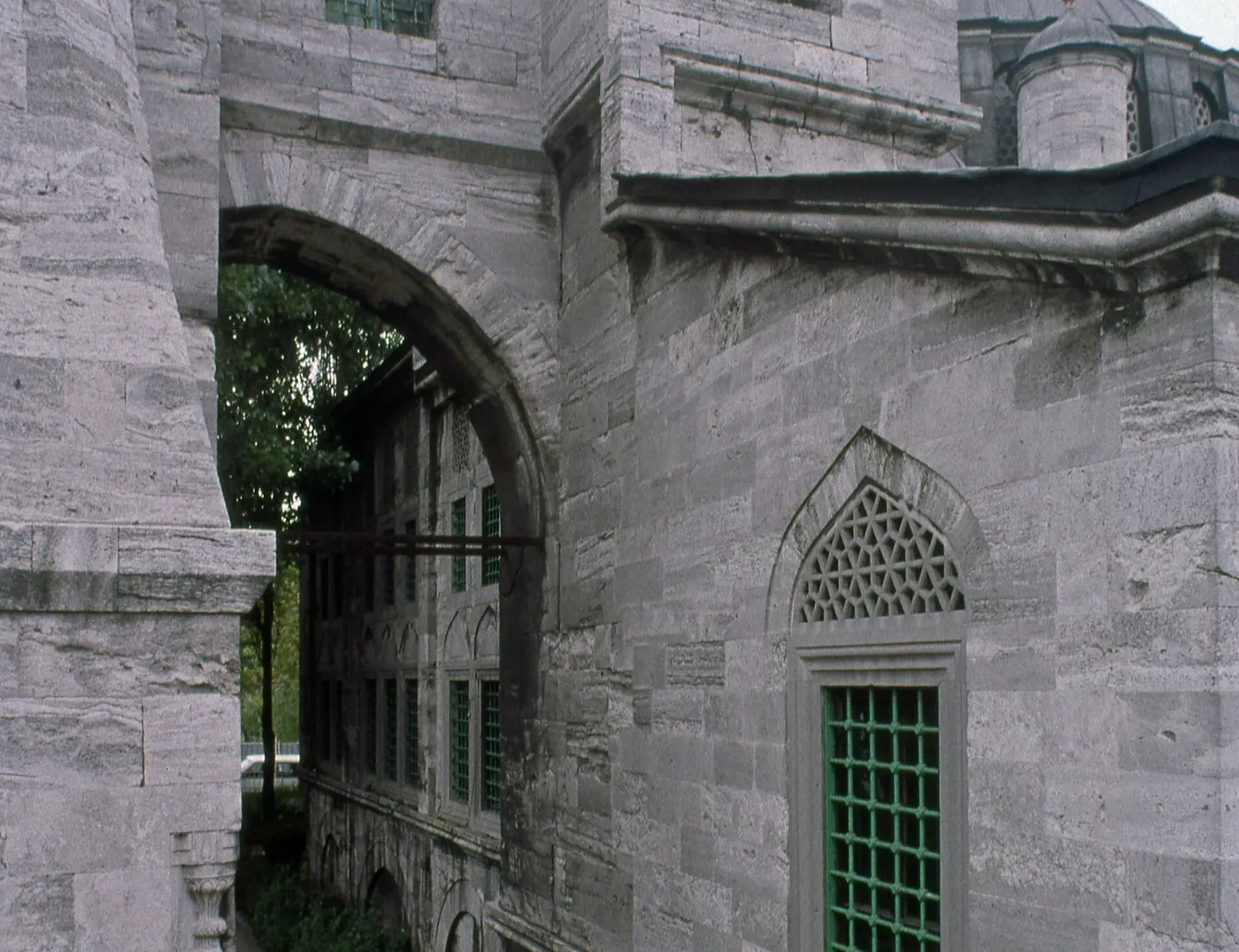
Sinan completed this mosque in 1572. It is known for İznik tiles and for a piece of the Black Stone of the Kaaba.
- Built: 1572
- Architect: Mimar Sinan
- Known for: İznik tiles and a piece of the Kaaba’s Black Stone
Show map
10 Nuruosmaniye Camii
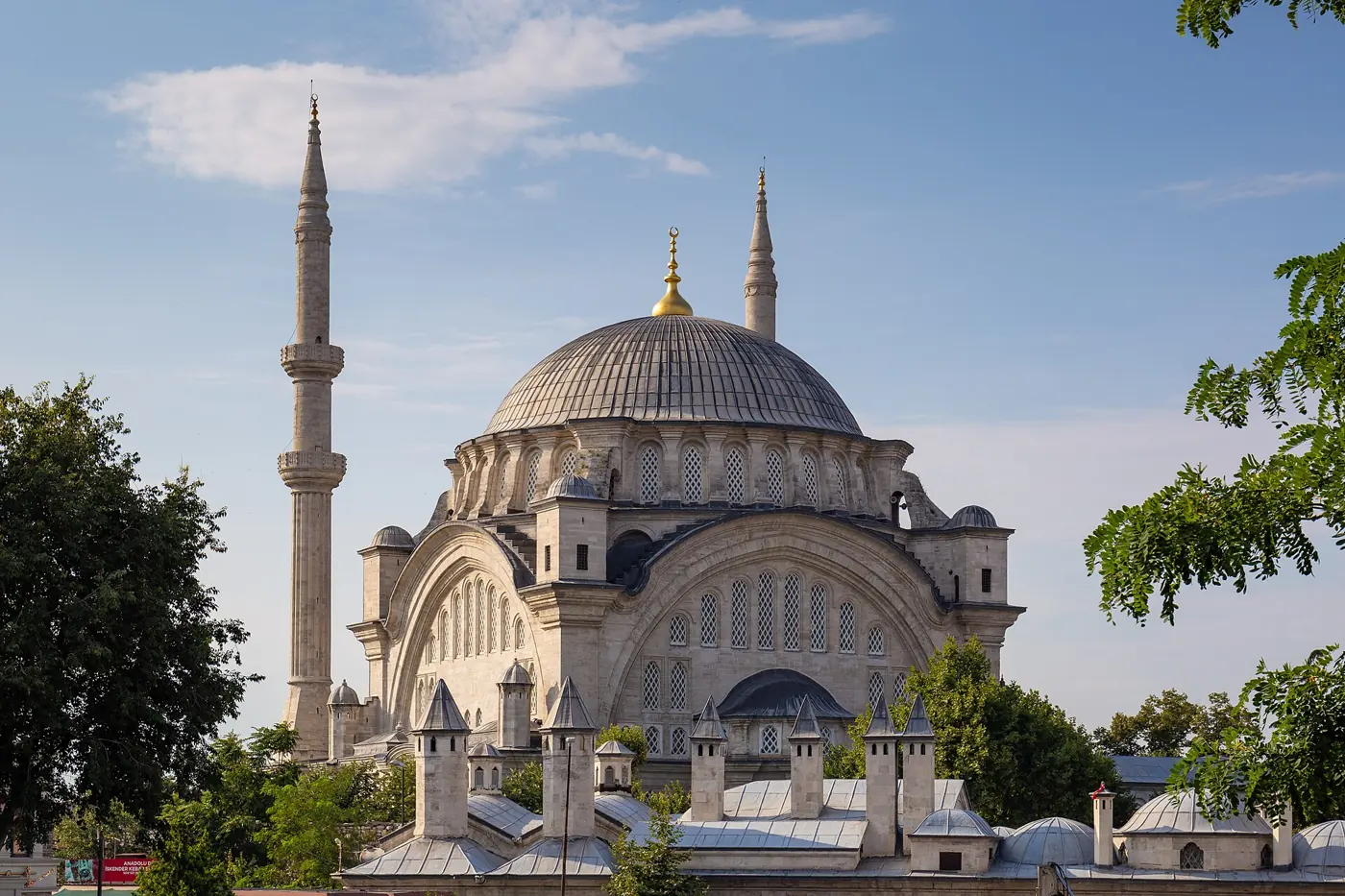
The Nuruosmaniye was completed in 1755 in Ottoman Baroque style beside the Grand Bazaar. It makes a quiet pause before or after shopping.
- Completed: 1755
- Style: Ottoman Baroque
- Location: next to the Grand Bazaar
Show map
11 Fatih Camii
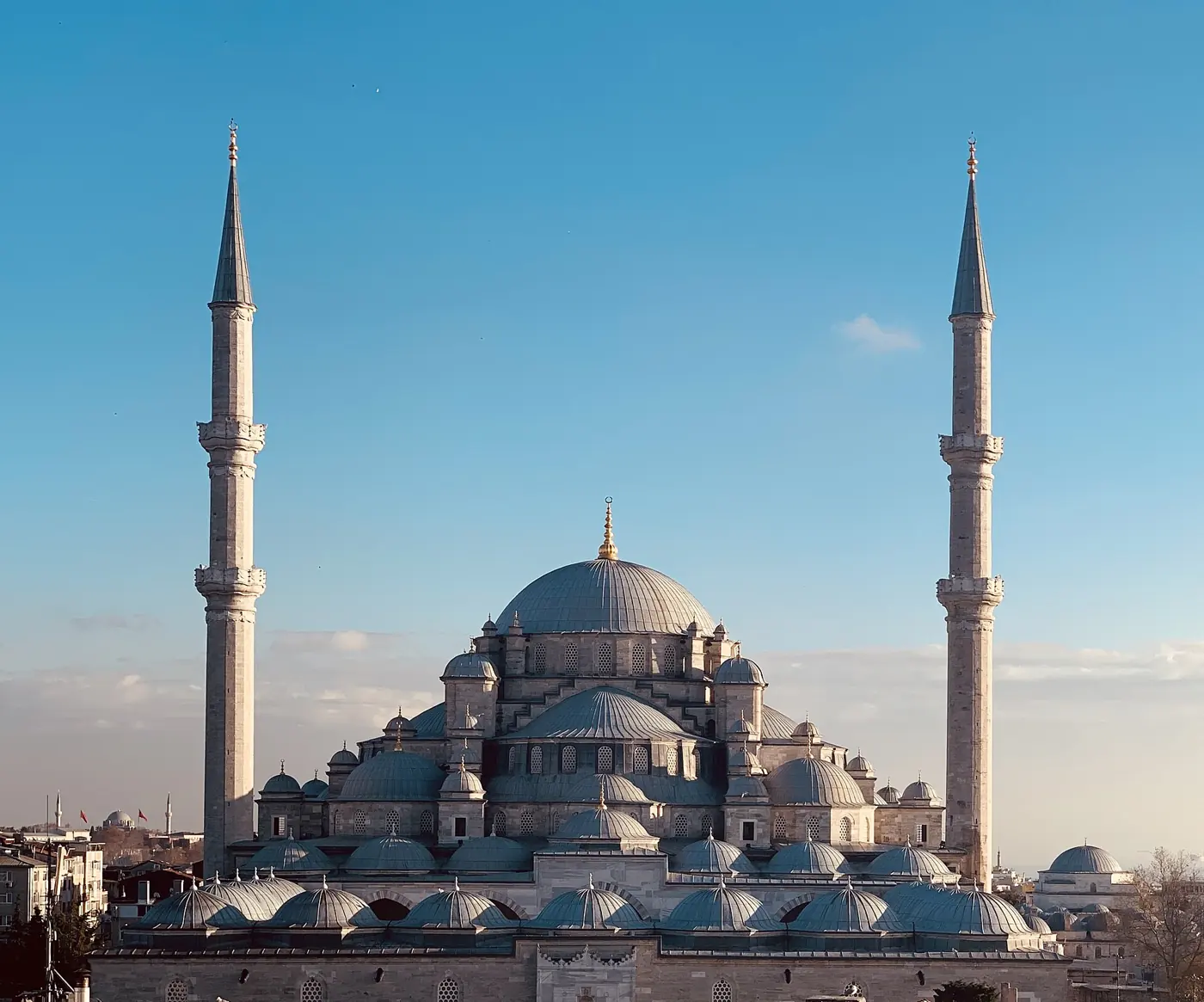
The Fatih Mosque was first built in 1463-1470 for Mehmed II and rebuilt in 1771 after the 1766 earthquake. It also holds the tomb of Mehmed the Conqueror.
- Original mosque: 1463-1470 for Mehmed II
- Rebuilt: 1771 after the 1766 earthquake
- Also holds: tomb of Mehmed the Conqueror
Show map
12 Mihrimah Sultan Camii (İskele Camii)
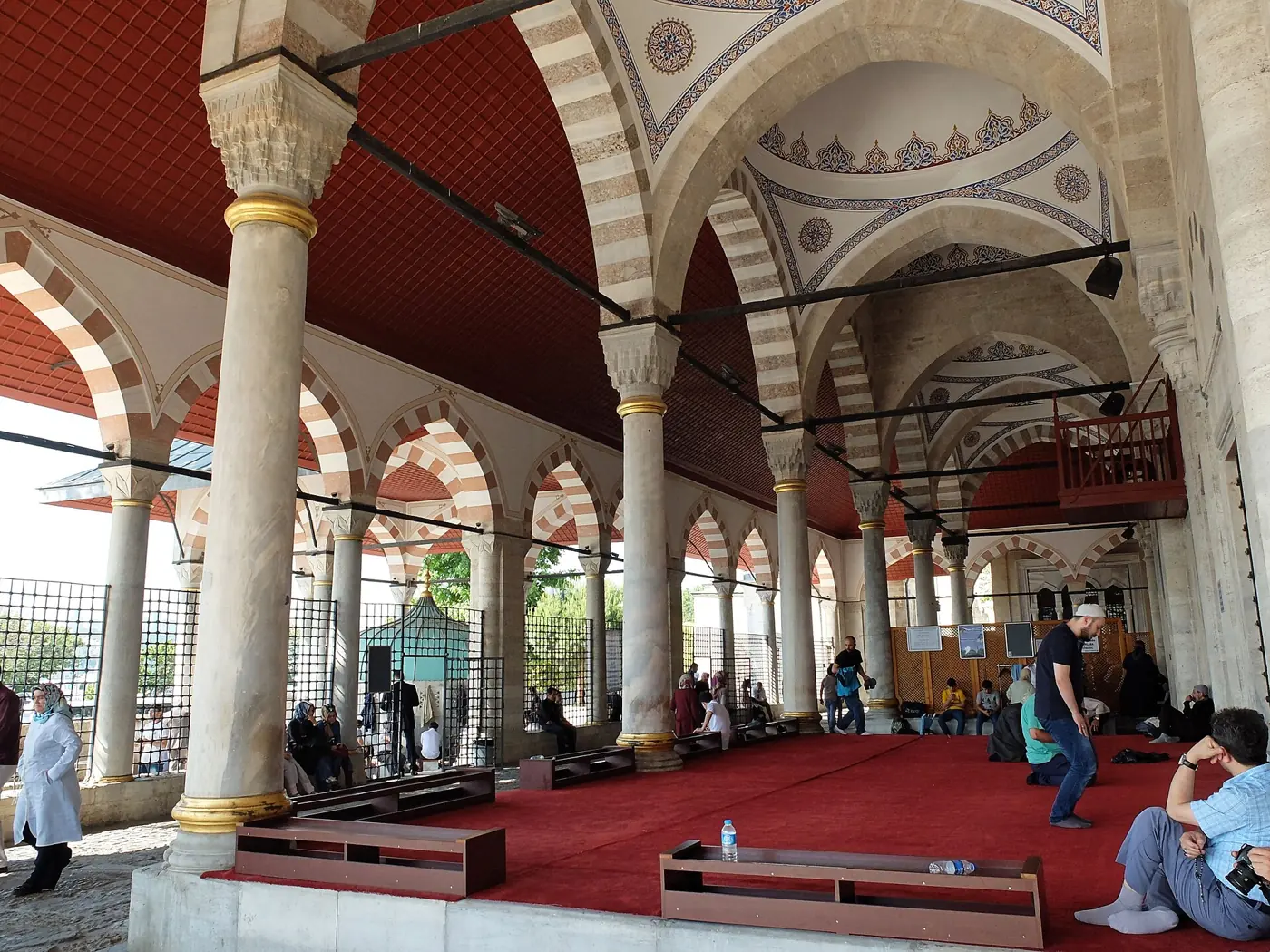
Also called the İskele (Pier) Mosque, this 16th-century Sinan work faces the Üsküdar waterfront. It is a good first stop for visitors crossing to the Asian side.
- Era: 16th century
- Architect: Mimar Sinan
- Location: Üsküdar pier square, Asian side
Show map
How do the main mosques compare?
The table compares each mosque by district and its key date, so you can see the spread at a glance. In short, the oldest building is Hagia Sophia, the grandest Ottoman complex is the Süleymaniye, and the newest is the Çamlıca Mosque. Therefore a tour can span nearly fifteen centuries.
Use this table to match a mosque to your route and interest.
| Mosque | District | Key date or feature |
|---|---|---|
| Sultan Ahmed Mosque (Blue Mosque) | Fatih | 1609-1616 |
| Hagia Sophia Grand Mosque | Fatih | 537 AD (Justinian I) |
| Süleymaniye Mosque | Fatih | 1550-1557 |
| Rüstem Pasha Mosque | Fatih | c. 1563 |
| Yeni Mosque | Fatih | 1665 |
| Eyüp Sultan Mosque | Eyüpsultan | 1458 (Mehmed II) |
| Ortaköy Mosque | Beşiktaş | c. 1854-1856 |
| Çamlıca Mosque | Üsküdar | 2019 |
| Sokollu Mehmet Pasha Mosque | Fatih | 1572 |
| Nuruosmaniye Mosque | Fatih | 1755 |
| Fatih Mosque | Fatih | 1463-1470 for Mehmed II |
| Mihrimah Sultan Mosque | Üsküdar | 16th century |
How do you get to the mosques and move between them?
Most mosques on the historic peninsula are reachable by the T1 tram, which stops at Sultanahmet, Eminönü and near the Grand Bazaar. The Asian-side mosques are a short Marmaray or ferry hop from Sirkeci and Eminönü. Moreover, the Süleymaniye is a gentle uphill walk from the Spice Bazaar.
Use these simple transport steps for the main clusters.
- Sultanahmet cluster: take the T1 tram to Sultanahmet and walk between the Blue Mosque and Hagia Sophia.
- Eminönü cluster: stop at Eminönü for the Yeni Mosque and Rüstem Pasha Mosque, then walk uphill to the Süleymaniye.
- Bosphorus mosques: go by bus or taxi to Ortaköy; ask us for a private car if time is tight.
- Asian side: cross by ferry or Marmaray to Üsküdar for the Mihrimah Sultan Mosque.
This table summarises the usual access route for each cluster.
| Cluster | Mosques | Main access |
|---|---|---|
| Sultanahmet | Blue Mosque, Hagia Sophia | T1 tram, Sultanahmet stop |
| Eminönü and Süleymaniye | Yeni, Rüstem Pasha, Süleymaniye | T1 tram, Eminönü stop, then walk |
| Bosphorus | Ortaköy Mosque | Bus or taxi; check the route planner |
| Asian side | Mihrimah Sultan, Çamlıca | Marmaray or ferry to Üsküdar |
What etiquette should visitors follow?
Visitors should dress modestly, remove shoes and avoid entering during prayer. Shoulders and knees are covered, and women cover their hair; many mosques lend a scarf at the door. Speak quietly, keep photos respectful, and never walk in front of someone who is praying.
Prayer times shift through the year, so check a prayer-time app on the morning of your visit. Furthermore, Friday midday prayer is the busiest period, therefore plan other stops around it.
Keep these etiquette points in mind before you enter.
- Take off your shoes and carry them in the bag provided.
- Wear loose clothing that covers shoulders and knees.
- Turn off phone sounds and avoid flash photography near worshippers.
- Do not enter the prayer area during prayer; wait in the courtyard.
- Check the official page or Google Maps for current visiting arrangements.
What does a sample day look like?
A sensible day starts early in Sultanahmet, moves to Eminönü by lunchtime and finishes at the Süleymaniye for sunset views. This order follows the tram line and keeps walking short. Adjust it around prayer times, because several stops close to visitors at those moments.
Here is a sample day plan you can shorten or stretch.
| Time | Stop | Why |
|---|---|---|
| Morning | Blue Mosque and Hagia Sophia | Quietest before tour groups arrive |
| Midday | Yeni Mosque and Rüstem Pasha Mosque | Pair with lunch near the Spice Bazaar |
| Afternoon | Süleymaniye Mosque | Courtyards and Golden Horn views |
| Optional evening | Üsküdar waterfront | Ferry and Mihrimah Sultan Mosque at dusk |
What should you remember about timing and crowds?
Early morning and late afternoon are usually calmer than midday. Spring and autumn give comfortable walking weather, whereas summer heat makes the courtyard stops welcome. However, religious holidays bring large crowds and altered hours, so check dates before you fix a day.
Allow around thirty to sixty minutes per major mosque and less for small ones. Wear shoes that slip on easily, carry a light scarf, and keep valuables close in busy squares.
What makes Istanbul’s mosques different from those elsewhere?
Istanbul was an imperial capital for centuries, so its mosques show royal patronage at its largest scale. Sultans, queens and grand viziers each funded buildings, and their choices reflect the taste of their era. Consequently the city lets you compare styles within a single afternoon, from Byzantine domes reused as mosques to modern complexes built in recent years.
The city also keeps mosques at the centre of daily life. Fountains, courtyards, markets and schools gather around many of them, so a visit shows how religion and neighbourhood life fit together. Moreover, the waterfront mosques show how the sea shaped the capital’s design, since the Bosphorus and Golden Horn set the stage for several of them.
Finally, a mosque visit is a chance to listen as well as look. The call to prayer, the quiet of a courtyard and the feel of the carpet underfoot explain the buildings better than a plaque can. Therefore we suggest slowing down at each stop rather than racing through a long list.
Frequently asked questions
Are mosques in Istanbul free to enter?
Mosque visits are generally free for visitors, but arrangements differ by site and can change. Check the place’s own page or Google Maps before you go.
What should I wear to visit a mosque?
Cover shoulders and knees. Women cover their hair, and everyone removes shoes at the entrance.
Can non-Muslims visit mosques in Istanbul?
Yes. Non-Muslims can visit outside prayer times if they dress modestly and behave respectfully.
Which mosque should I see first?
Start with the Blue Mosque and Hagia Sophia in Sultanahmet, then add the Süleymaniye for a Sinan masterpiece.
How long should I plan for the mosque tour?
A focused tour of four or five mosques takes most of a day. Adding the Bosphorus and Asian side takes a second half-day.
When is the best time to visit?
Early morning or late afternoon, outside prayer times, and preferably not on Friday midday.
Can I take photos inside?
Photography is usually allowed without flash, but respect worshippers and follow any posted signs.
Can TurkGT arrange a guide?
Yes. A licensed guide can explain the architecture and handle timing around prayers; ask by WhatsApp or the form.
Plan this with TurkGT
For a smooth mosque day, our private car with driver or a licensed guide can follow the route above and time each stop around prayers. We can also add an airport transfer or hotel booking. Send your dates by WhatsApp or the inquiry form.
Request a booking
Sources
- Sultan Ahmed Mosque (Blue Mosque)
- Hagia Sophia Grand Mosque
- Süleymaniye Mosque
- Rüstem Pasha Mosque
- Yeni Mosque
- Eyüp Sultan Mosque
- Ortaköy Mosque
- Çamlıca Mosque
- Sokollu Mehmet Pasha Mosque
- Nuruosmaniye Mosque
- Fatih Mosque
- Mihrimah Sultan Mosque
Last reviewed: 2026-11-18.