
Start with the Istanbul Archaeology Museums and Topkapı Palace in Sultanahmet, then add Hagia Irene, the Great Palace Mosaic Museum and the Museum of Turkish and Islamic Arts. Group museums by district, and check opening days before you go.
Key facts
- Best for: History, art and architecture lovers
- Core area: Sultanahmet and Topkapı
- Also visit: Galata, Karaköy, Fatih and the Bosphorus forts
- Time needed: 1 to 3 hours per museum
- Transport: T1 tram, Marmaray, ferry
- Cost: Varies; check each page for tickets and closing days
- Cards below: 12 museums and sights with map buttons
Which museums should you visit first in Istanbul?
Start with the Istanbul Archaeology Museums and Topkapı Palace, which sit side by side in Sultanahmet. Add Hagia Irene, the Great Palace Mosaic Museum and the Museum of Turkish and Islamic Arts for Byzantine and Ottoman depth. These five cover most of the city’s history in one compact area.
Istanbul has many museums, so a plan avoids fatigue. Most visitors have limited time. Therefore choose one or two major museums per day, and pair each with a short walk, a tea break or a lighter site.
How did we choose these museums?
We chose these places using four honest criteria: a clear location that fits a walking, ferry or tram route, details we can trace to published sources such as official pages and encyclopedias, variety across districts, and suitability for the angle of this guide. We also considered how much each place adds to understanding the city, and how well it combines with other sights on the same route.
We do not accept payment for placement, and no venue can buy a spot. Moreover, opening hours, entry rules and crowds change often, so each card sends you to Google Maps, where you can check current hours and recent visitor comments before you go.
Which museums belong in the Sultanahmet cluster?
The Sultanahmet cluster holds the largest concentration of museums in the city. The Archaeology Museums, Topkapı Palace, Hagia Irene, the Museum of Turkish and Islamic Arts and the Great Palace Mosaic Museum all lie within a short walk. Moreover, they cover Byzantine, Ottoman and ancient history.
Topkapı Palace is a UNESCO World Heritage site and the main residence of Ottoman sultans for about 400 years. Hagia Irene sits in the palace’s first courtyard. Check each page for ticket rules and closing days, because they differ between sites.
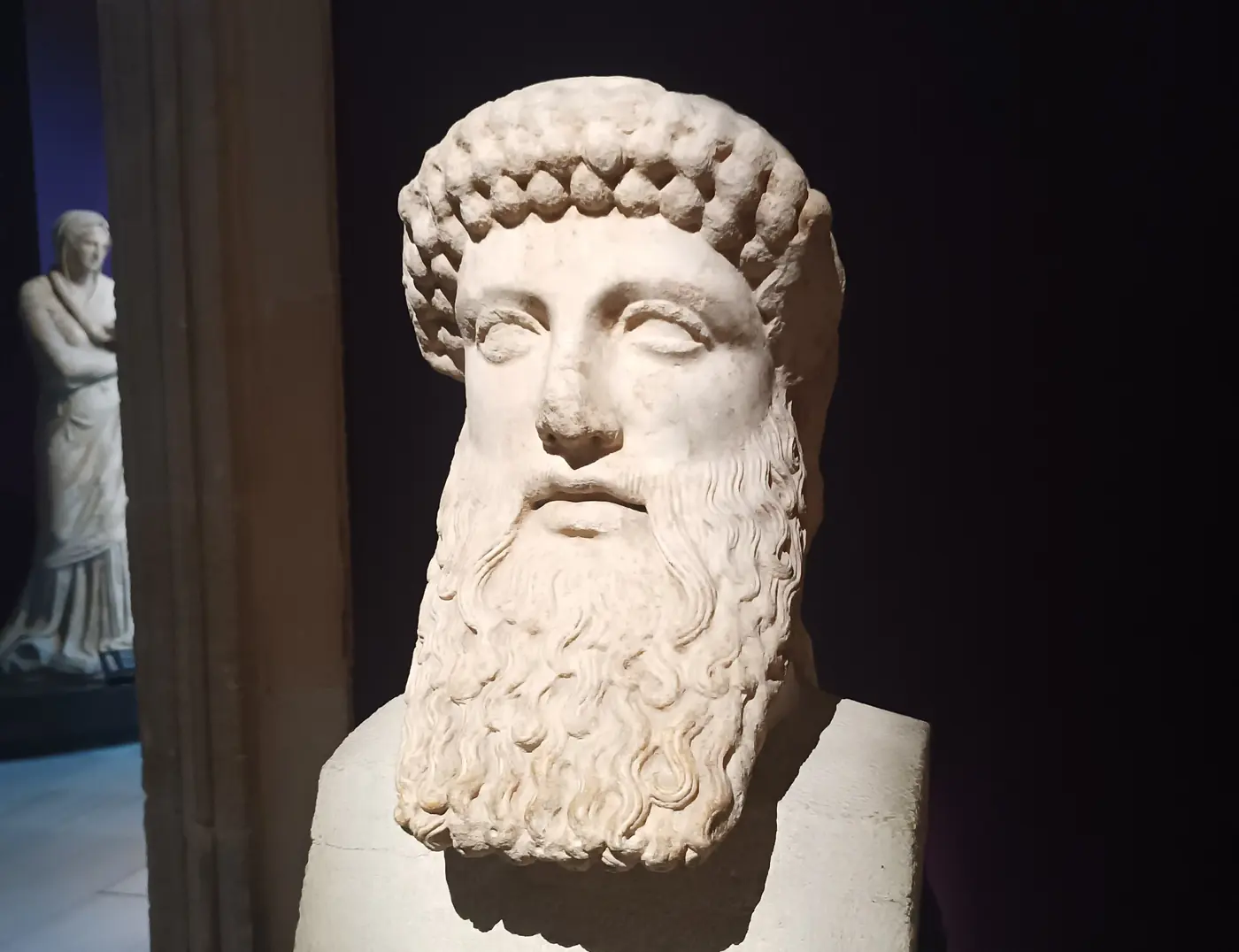
1 İstanbul Arkeoloji Müzeleri
The Istanbul Archaeology Museums were founded in 1891 by Osman Hamdi Bey. The complex sits next to Topkapı Palace’s outer gate and holds the Alexander Sarcophagus, a good first stop.
- Founded: 1891 by Osman Hamdi Bey
- Location: Next to Topkapı Palace’s outer gate
Show map
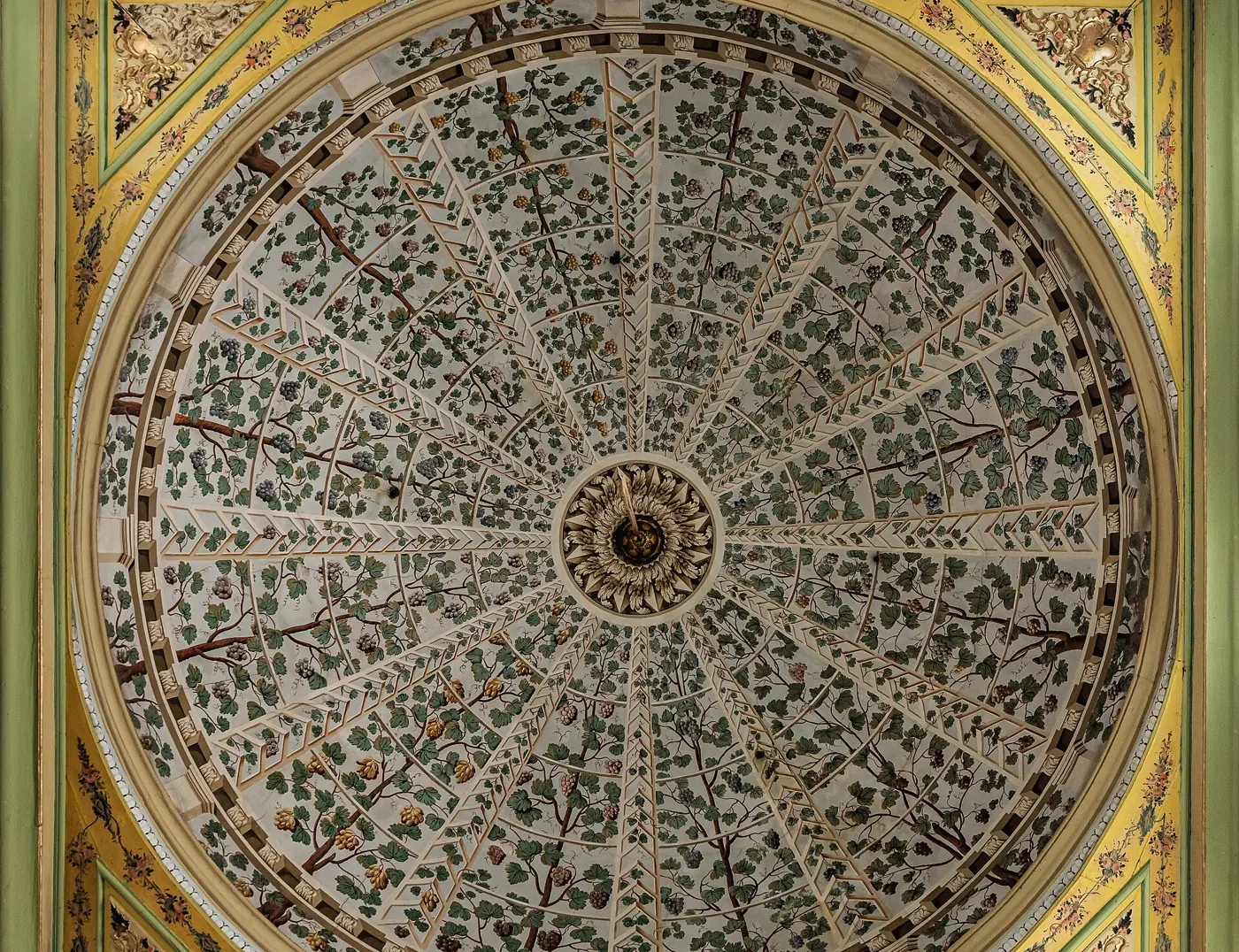
2 Topkapı Sarayı
Topkapı Palace was built in 1459-1465 under Mehmed II and served as the Ottoman sultans’ main residence for about 400 years. It is a UNESCO World Heritage site with the Imperial Treasury and Harem, so give it a long visit.
- Built: 1459-1465 under Mehmed II
- Role: Main residence of Ottoman sultans for about 400 years
Show map
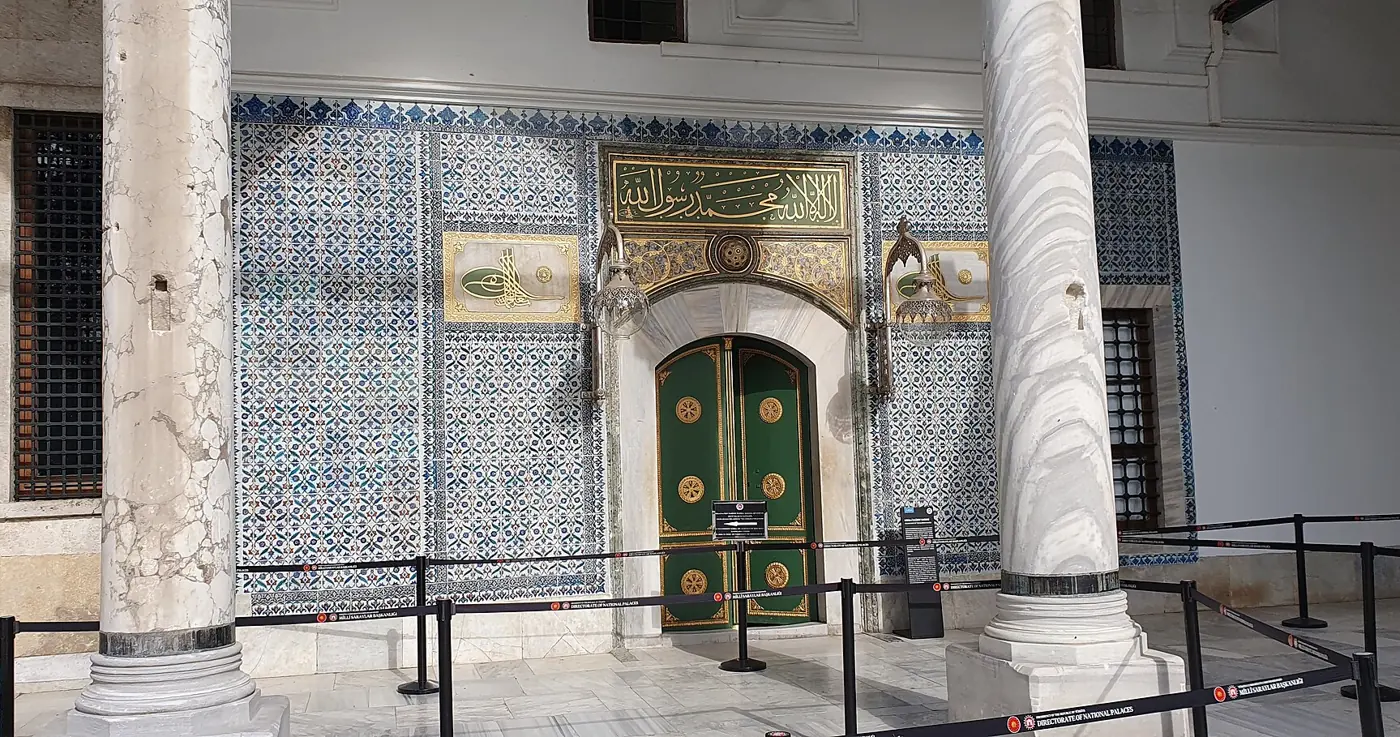
3 Kutsal Emanetler Dairesi
The Sacred Relics section of Topkapı Palace sits in the Privy Chamber and displays Islamic relics held by the Ottoman dynasty. Treat it as a quiet, respectful visit.
- Location: Privy Chamber, Topkapı Palace
- Items: Relics of the Prophet Muhammad and early figures
Show map
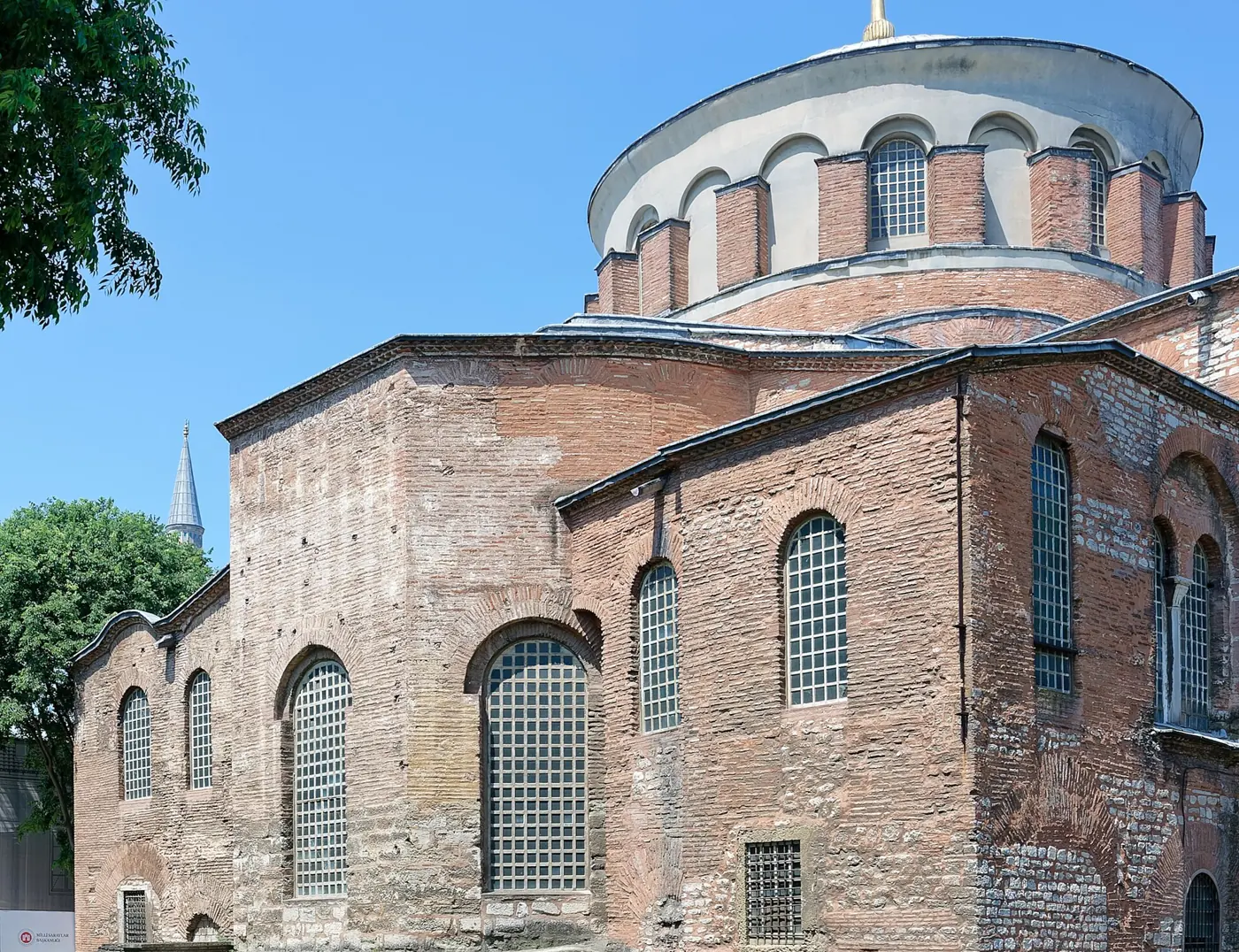
4 Aya İrini
Hagia Irene is one of the oldest Byzantine churches in Istanbul, built in the 4th century and rebuilt in the 6th. It later served as an armoury and is now a museum and concert venue.
- Location: First courtyard of Topkapı Palace
- Built: 4th century; rebuilt 6th century under Justinian
Show map
5 Türk ve İslam Eserleri Müzesi
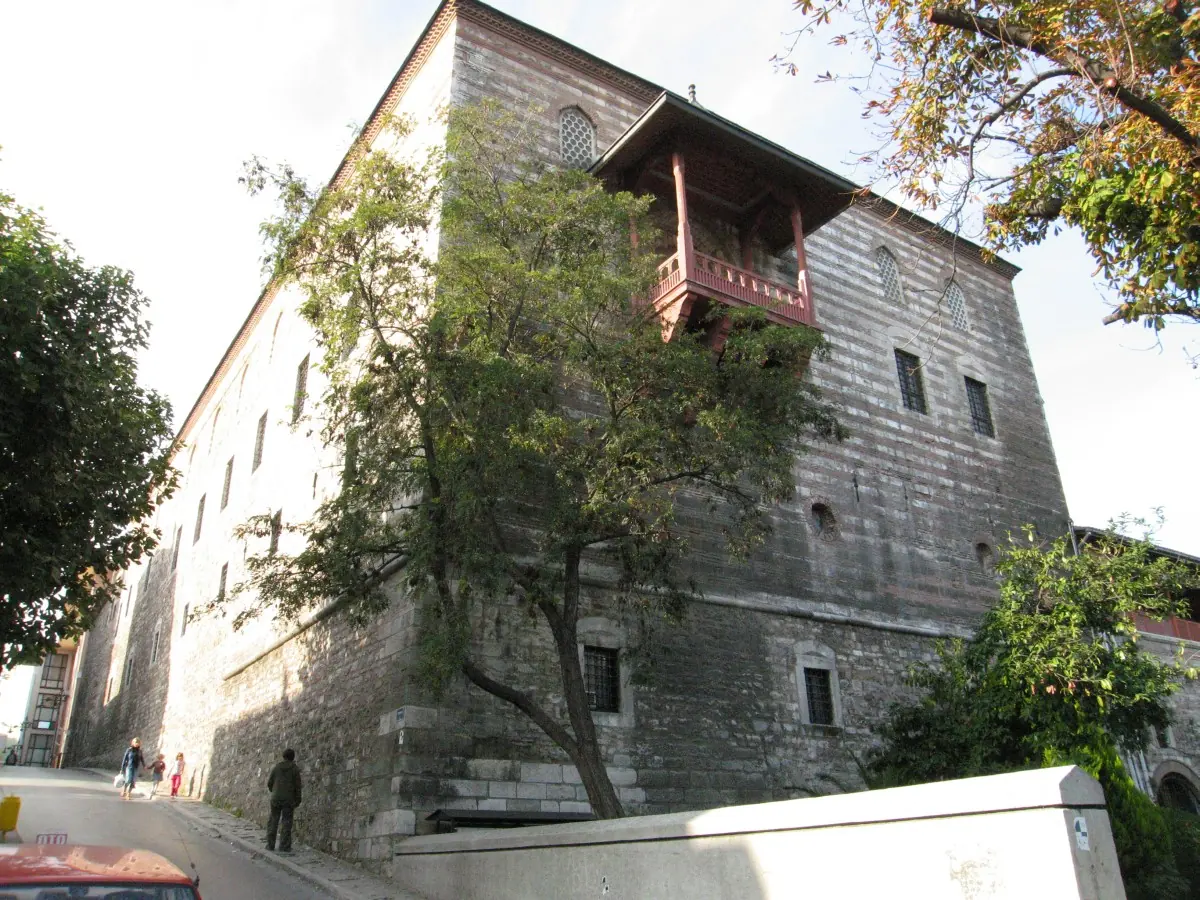
The Museum of Turkish and Islamic Arts sits in the 1524 palace of Grand Vizier Ibrahim Pasha on the Hippodrome. Its collections include carpets, manuscripts and ethnographic items.
- Building: Ibrahim Pasha Palace, 1524
- Location: Sultanahmet Hippodrome
Show map
6 Büyük Saray Mozaik Müzesi
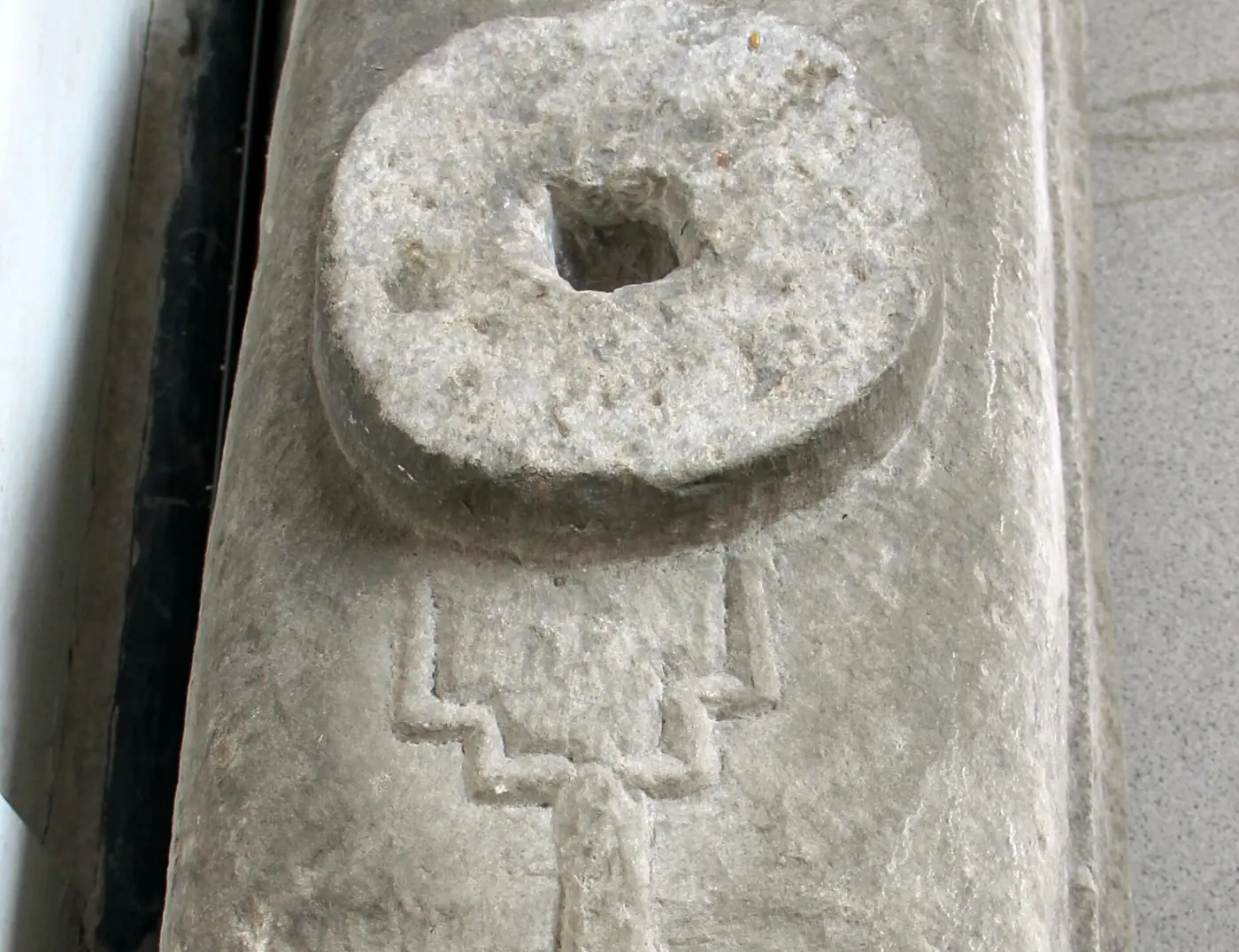
The Great Palace Mosaic Museum is a small museum beside the Blue Mosque that protects Byzantine floor mosaics from the 5th and 6th centuries. It is a short visit that pairs well with the Arasta Bazaar.
- Content: Byzantine floor mosaics, 5th-6th century
- Location: Arasta Bazaar, Sultanahmet
Show map
Which museums are outside Sultanahmet?
Outside Sultanahmet, the best stops are the Chora Church in Fatih, the Galata Mevlevi Lodge and the Jewish Museum of Turkey in Beyoğlu, and the Sakıp Sabancı Museum in Emirgan. In contrast to the crowded old city, these places often feel calmer and more specialised.
The Bosphorus fortresses add a different kind of museum. Rumeli Hisarı was built in about four months in 1452 under Mehmed II, and Anadolu Hisarı, built by Bayezid I in 1394, faces it across the water. Yedikule Fortress sits in the Fatih land walls and incorporates the Golden Gate. Check each page for visiting arrangements, because some sites change their status.
7 Kariye Camii
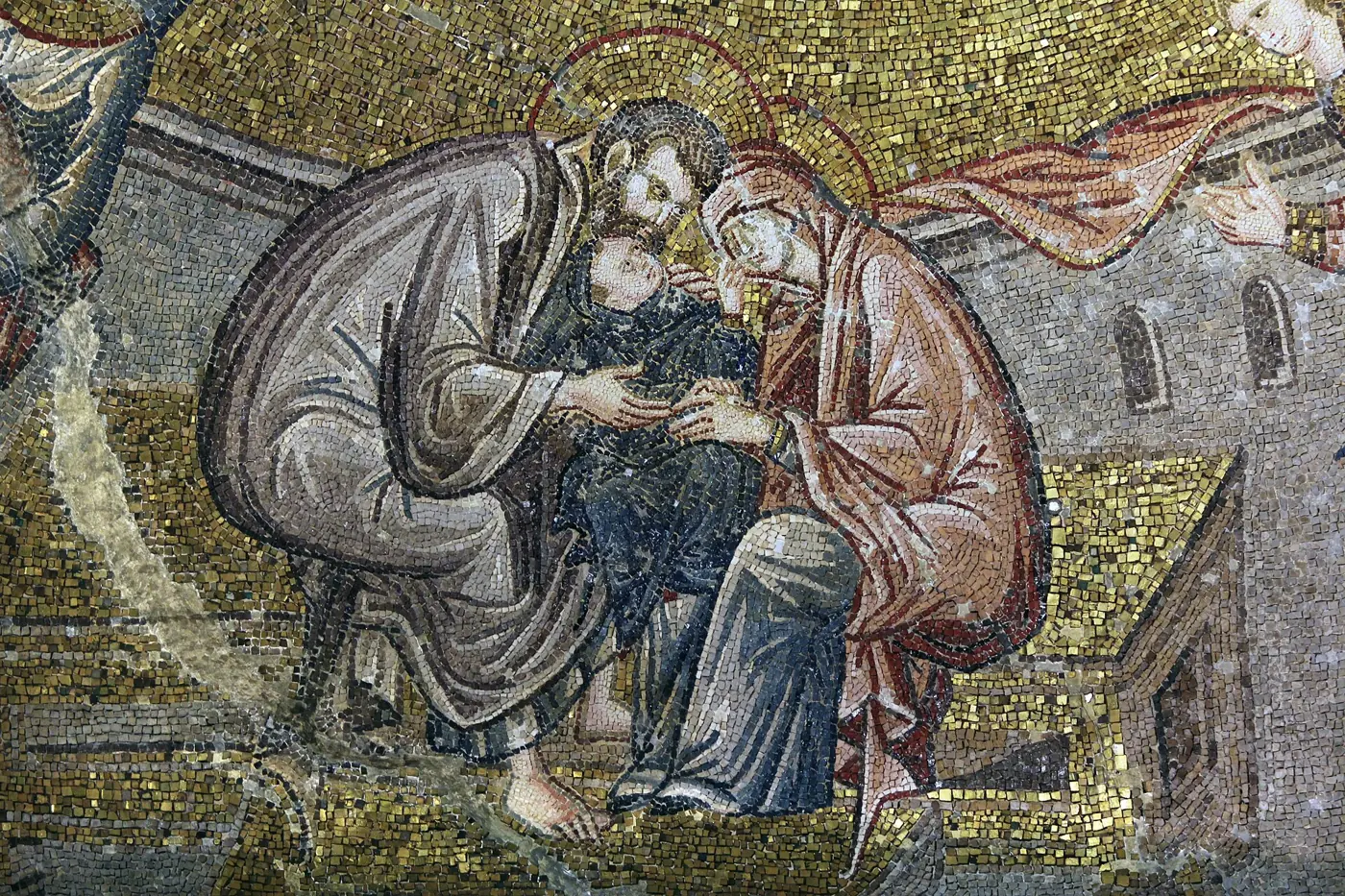
The Chora Church, also called Kariye, is famous for its Late Byzantine mosaics and frescoes. It was decorated around 1316-21, and visiting rules may differ from a museum, so check before you go.
- Known for: Byzantine mosaics and frescoes
- Rebuilt: Early 12th century, decorated c. 1316-21
Show map
8 Galata Mevlevihanesi
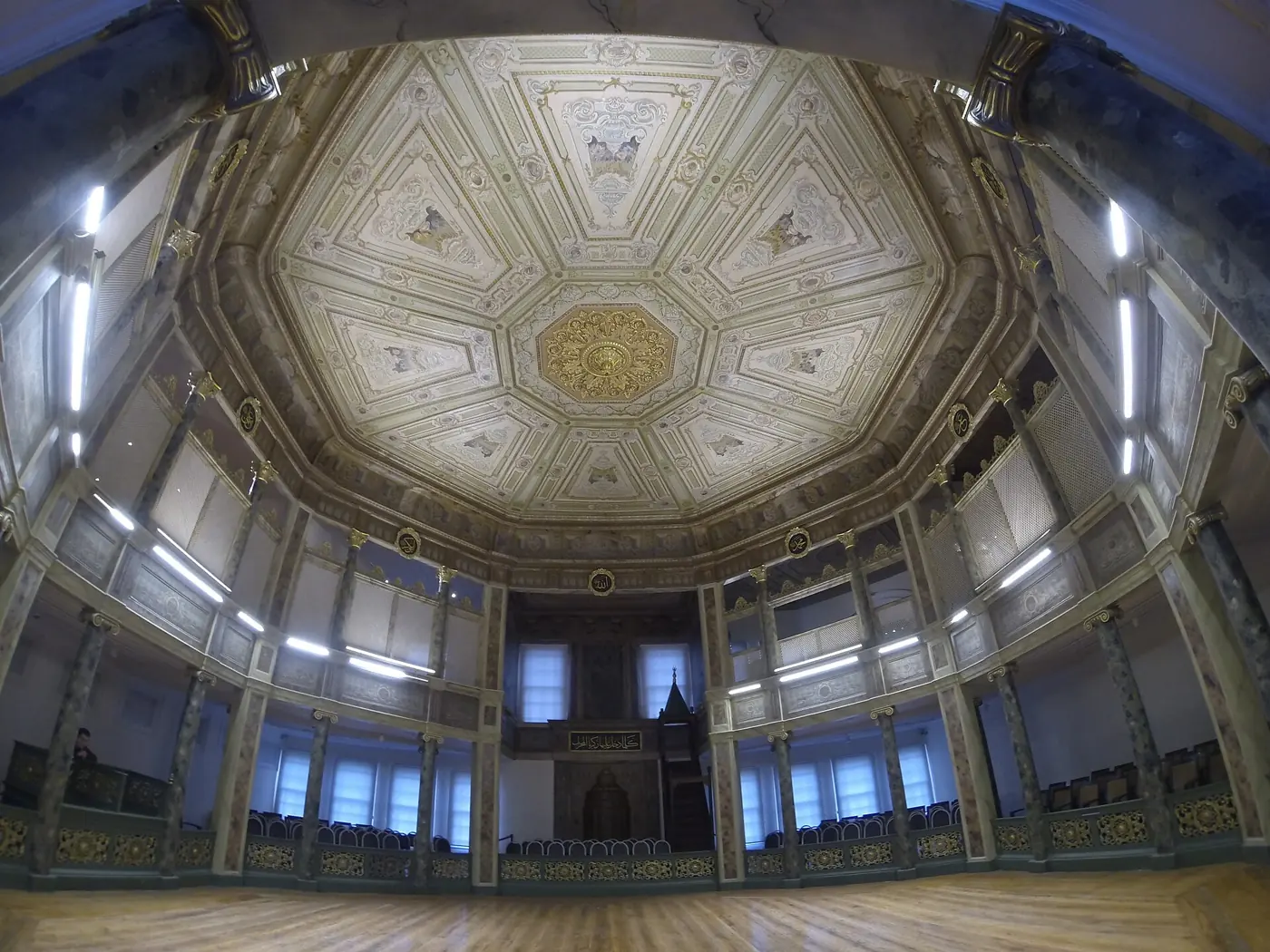
The Galata Mevlevi Lodge is a former Whirling Dervish lodge near Tünel, now a museum with a semahane where Sema ceremonies are held. Check the schedule for ceremonies.
- Type: Mevlevi lodge (tekke), now museum
- Hall: Semahane (ceremony hall)
Show map
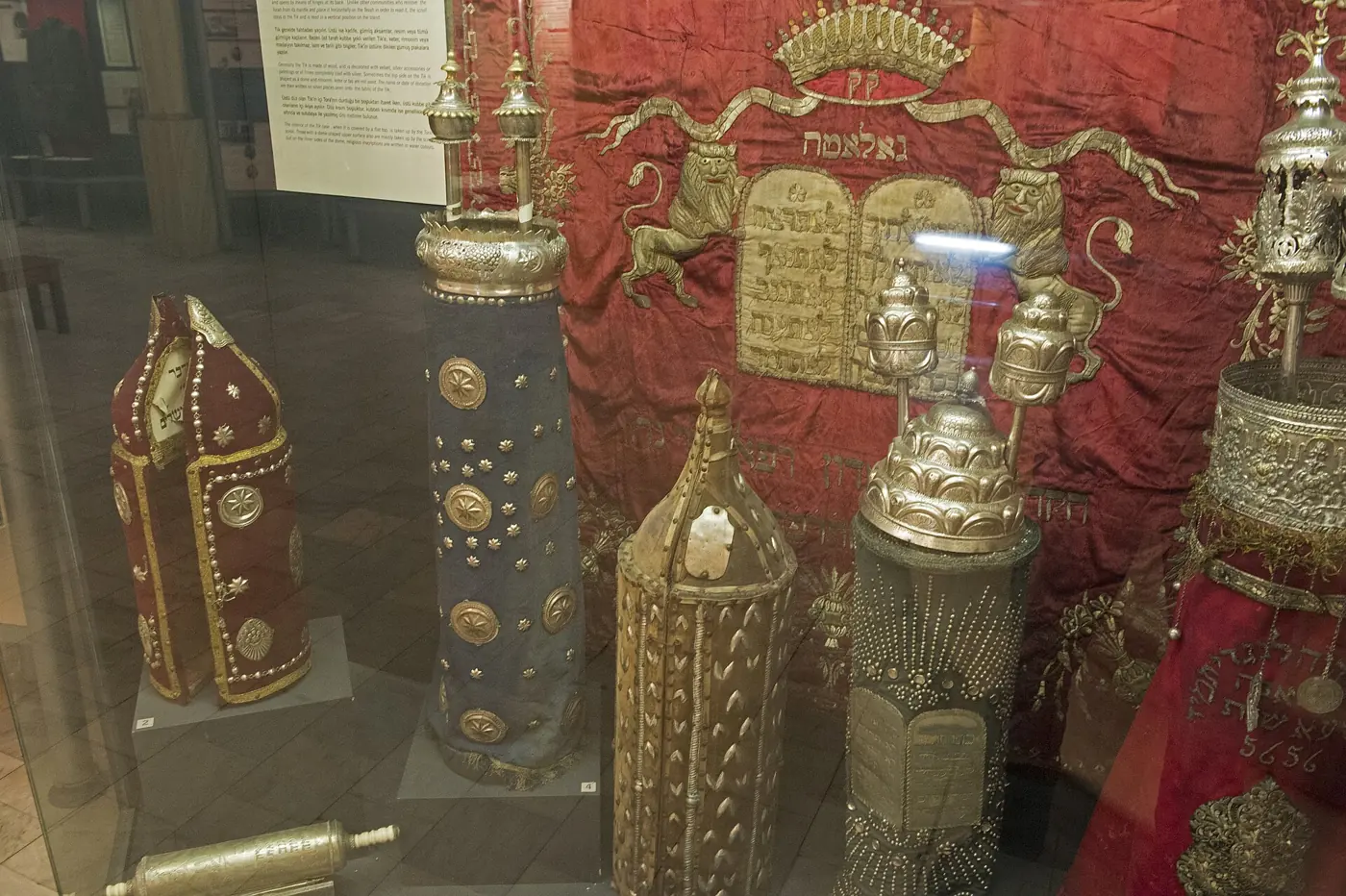
9 Zülfaris Sinagogu
The Zülfaris Synagogue is a 19th-century building in Karaköy that houses the Jewish Museum of Turkey, opened in 2001. It adds a different layer of Istanbul history.
- Museum opened: 2001
- Area: Karaköy, Beyoğlu
Show map
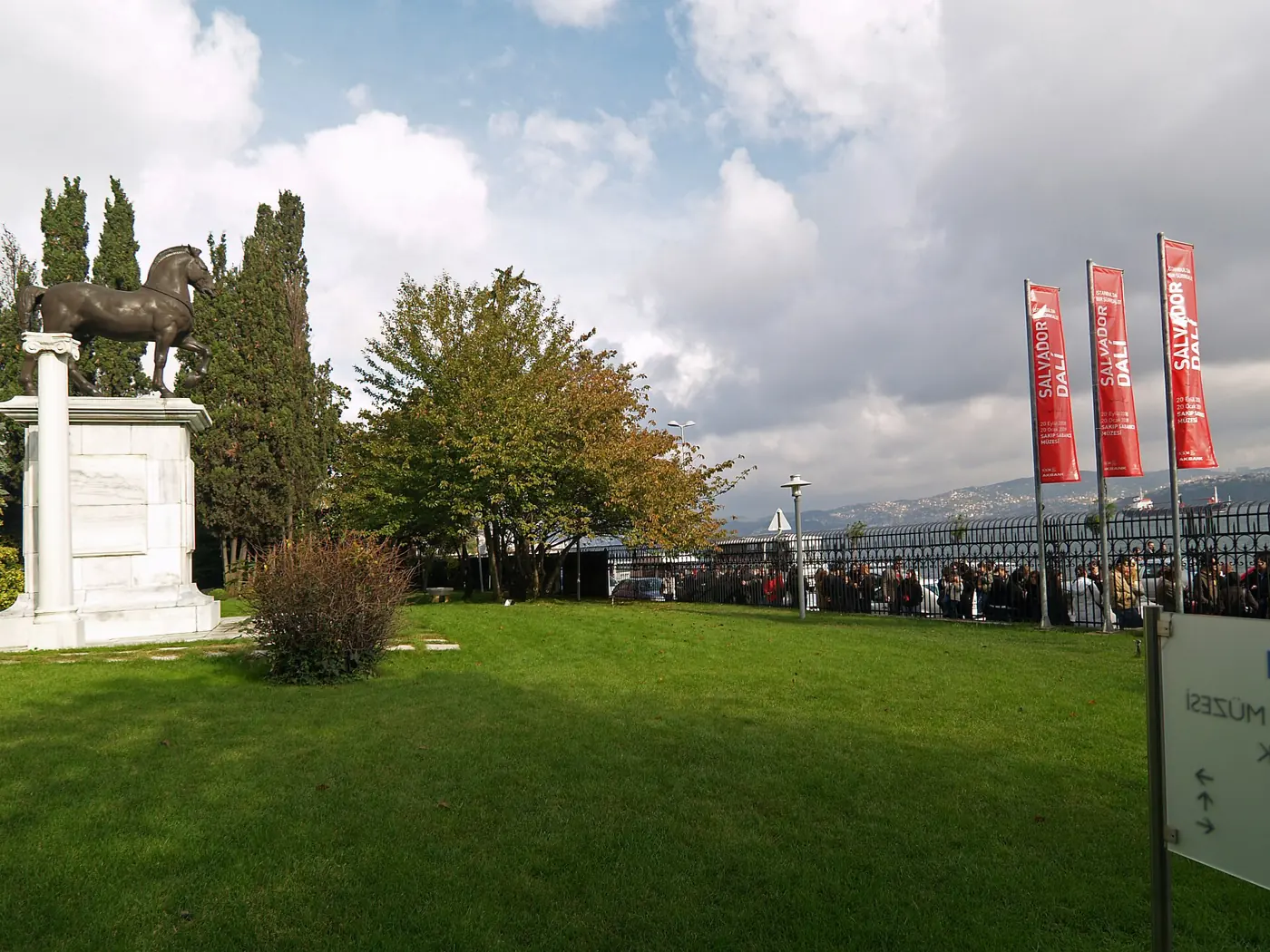
10 Sakıp Sabancı Müzesi
The Sakıp Sabancı Museum is a private art museum in the Atlı Köşk mansion in Emirgan. Its collection focuses on Ottoman calligraphy and Turkish painting.
- Building: Atlı Köşk, 1920s mansion
- Location: Emirgan, Bosphorus
Show map
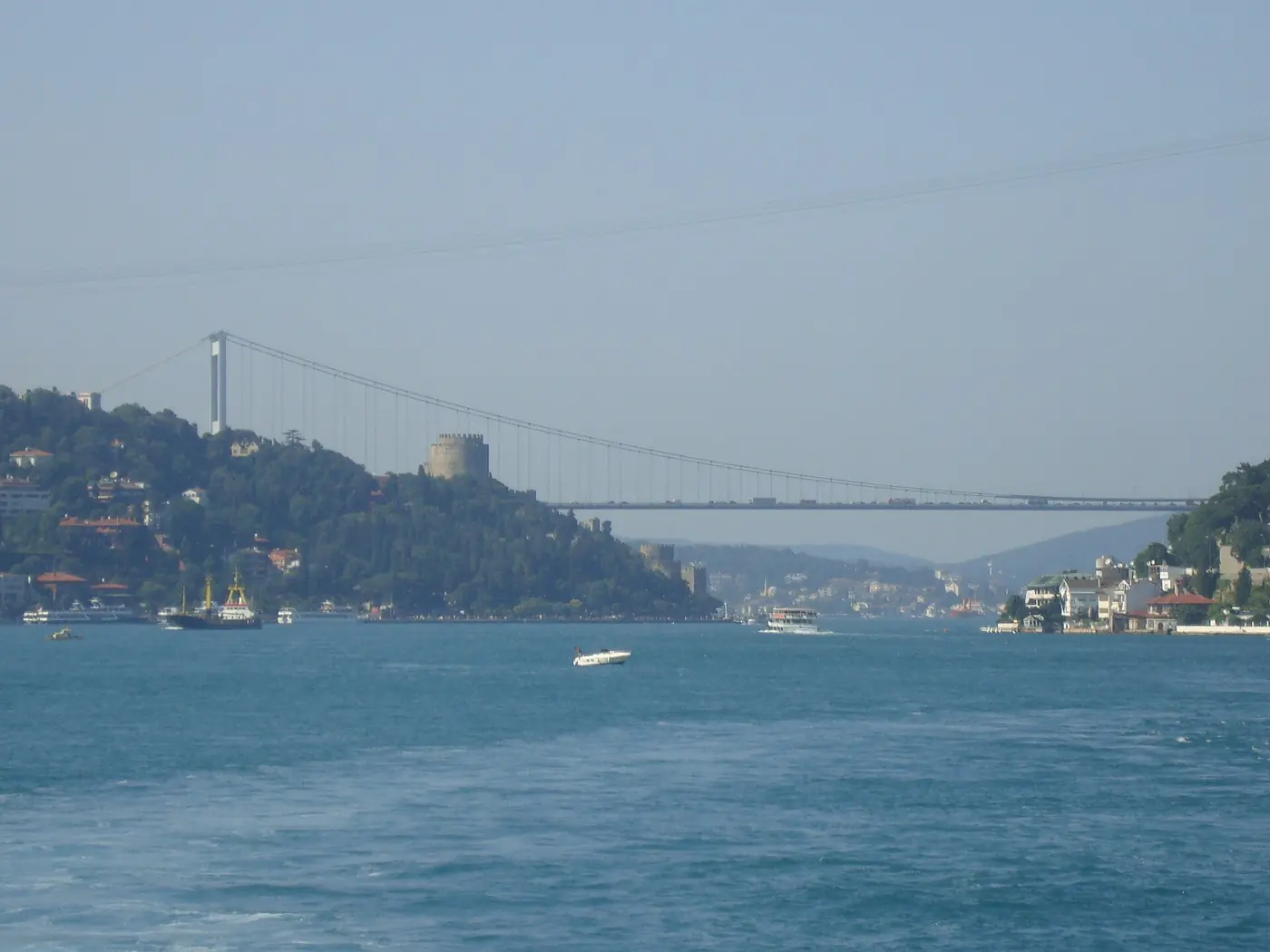
11 Rumeli Hisarı
Rumeli Hisarı is an Ottoman fortress on the European shore built in 1452 under Mehmed II. It was built in about four months before the 1453 conquest.
- Built: 1452 under Mehmed II
- Built in: About four months
Show map
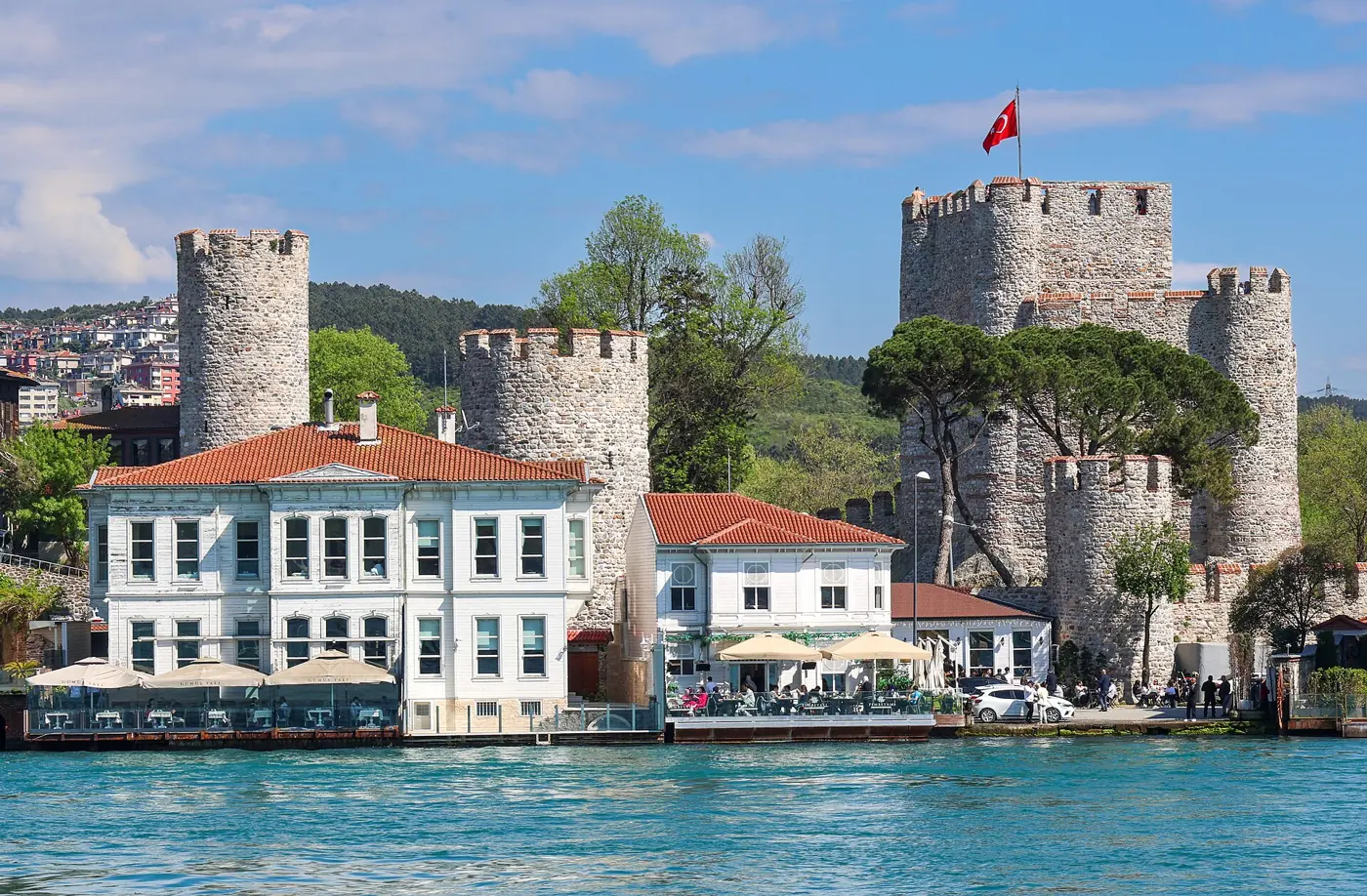
12 Anadolu Hisarı
Anadolu Hisarı is the earliest Ottoman fortress on the Bosphorus, built by Bayezid I in 1394. It faces Rumeli Hisarı across the strait.
- Built: 1394 under Bayezid I
- Side: Asian shore of the Bosphorus
Show map
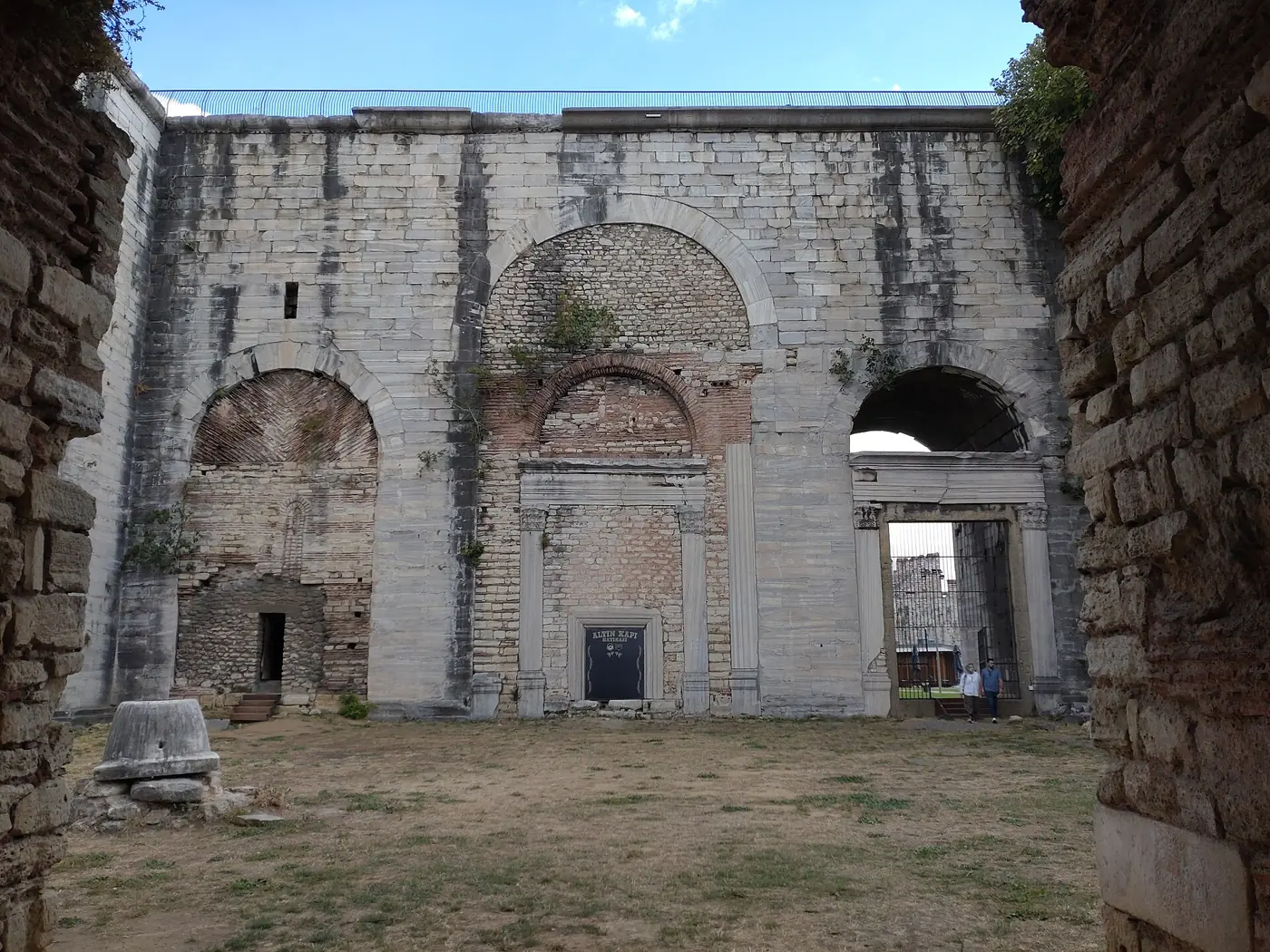
13 Yedikule Hisarı
Yedikule Fortress in Fatih was built in 1458 under Mehmed II and incorporates the Golden Gate of the land walls. It suits visitors interested in the city’s defences.
- Built: Ottoman, 1458 (Mehmed II)
- Walls: Incorporates the Golden Gate
Show map
How do the museums compare?
The table compares the main museums by theme and area. It is a quick guide to choosing between them when time is short. Always check each museum’s own page for current hours and ticket rules.
How to choose:
- Short on time: Archaeology Museums plus Topkapı.
- Byzantine focus: Hagia Irene, Chora and the Mosaic Museum.
- Ottoman architecture: the Bosphorus fortresses.
- Art lover: Sakıp Sabancı.
This table compares the museums by theme and area.
| Museum | Theme | Area | Pairs well with |
|---|---|---|---|
| Archaeology Museums | Ancient and Islamic art | Sultanahmet | Topkapı, Gülhane Park |
| Topkapı Palace | Ottoman court life | Sultanahmet | Hagia Irene |
| Hagia Irene | Byzantine church | Sultanahmet | Topkapı Palace |
| Great Palace Mosaic Museum | Byzantine mosaics | Sultanahmet | Blue Mosque |
| Chora Church | Byzantine mosaics | Fatih | Land walls |
| Galata Mevlevi Lodge | Sufi heritage | Beyoğlu | Galata Tower walk |
How do you get around between these places?
Plan transport by shore and district. A ferry is the best way to cross the Bosphorus, while the tram and metro suit the old city and the business districts. For the northern Bosphorus, a private car with a driver saves time and avoids transfers.
Moreover, Istanbul traffic is heavy at rush hour, therefore leave extra time for returns. Check current timetables, routes and fares on the operators’ pages or in a maps app, because they change.
This table summarises the usual ways to move between the places in this guide.
| Mode | Best for | Note |
|---|---|---|
| Ferry | Crossing between shores | Scenic; check timetables on the operator’s page |
| Tram and metro | Old city and Levent | Avoid rush hours with luggage |
| Taxi or ride-hail | Short hops and late returns | Agree on the route; traffic varies |
| Private car with driver | Groups, families, the northern Bosphorus | Flexible stops; arrange in advance |
What etiquette applies in Istanbul museums?
Follow posted rules on photography, bags and queues. Dress modestly at sites that are also places of worship, and remove shoes where asked. In contrast to large international museums, some Istanbul sites have limited indoor space, therefore arrive early to avoid queues.
Moreover, security checks are common at major sites, so carry ID and keep bags small. Opening days and ticket systems change, and some sites have different closing days. Always check the official page or Google Maps on the day, and allow extra time for large complexes such as Topkapı Palace.
Finally, remember that the best plan is a simple one. Choose a small number of places, leave time for tea or a meal, and let the day breathe. Therefore you will see more, not less, because you stay fresh and curious until the end of the day.
How do you plan a museum day?
A good museum day pairs two major sites with a break. Visit the Archaeology Museums early, walk to Topkapı Palace, and rest in Gülhane Park. Alternatively, spend a morning in Galata, visiting the Mevlevi Lodge and the Jewish Museum, then walk down to Karaköy.
Moreover, avoid two heavy museums back to back with no food break. Therefore plan lunch near the second stop. Museum days and closing days vary, so confirm them on the official page or Google Maps for each place.
Practical tips:
- Check closing days before you travel.
- Dress modestly for religious sites.
- Carry ID for security checks.
- Consider a licensed guide for Topkapı.
This sample day plan covers the Sultanahmet cluster.
| Time | Activity | Note |
|---|---|---|
| Morning | Archaeology Museums | Arrive near opening time |
| Late morning | Topkapı Palace | Give it at least two hours |
| Lunch | Sultanahmet or Gülhane Park | Quick meal and rest |
| Afternoon | Hagia Irene or Mosaic Museum | Shorter visits |
Frequently asked questions
Which museum should I visit first in Istanbul?
Start with the Istanbul Archaeology Museums or Topkapı Palace in Sultanahmet. They are close together and give the best overview of Byzantine and Ottoman history.
How many museums can I visit in a day?
Two major museums and one small site are a realistic maximum. Topkapı Palace alone can take several hours, so avoid overpacking the day.
Is Hagia Irene always open?
Opening arrangements change, and it also serves as a concert venue. Check the official page or Google Maps before you go.
Is the Chora Church still a museum?
It is now a mosque, and visiting rules can differ from museum practice. Check current arrangements and dress modestly.
Are there museums outside the old city?
Yes. The Sakıp Sabancı Museum, the Bosphorus fortresses and the Galata Mevlevi Lodge are good examples, and they suit a calmer day.
Do I need a guide?
A guide helps at large complexes such as Topkapı Palace, where context makes the rooms meaningful. Smaller museums are easy to enjoy alone.
Can TurkGT arrange a museum day?
Yes. We can arrange a licensed guide, a private car with a driver between districts, and a plan that fits your time.
Plan this with TurkGT
TurkGT can arrange a licensed guide for Topkapı Palace and the Sultanahmet museums, a private car with a driver for the Bosphorus fortresses, and a tailored museum day. Send us your dates and group size by WhatsApp or the inquiry form, and we will reply with a plan.
Request a booking
Sources
Last reviewed: 2026-11-18.