
The best time to visit Istanbul is spring, from April to early June, and autumn, from September to early November. Days are mild, sightseeing is comfortable and the Bosphorus is at its best. Summer is hot and busy, while winter is cool, wet and quieter.
Key facts
- Best seasons: April to early June; September to early November
- Busiest: Late spring, summer and holiday periods
- Quietest: Winter, outside holidays
- Summer: Warm to hot and humid; plan indoor stops at midday
- Winter: Cool and rainy; occasional cold spells
- Spring highlight: Tulips in Istanbul parks
- Holidays: Religious holiday dates change each year; check a calendar
When is the best time to visit Istanbul?
Spring and autumn are the best seasons. Temperatures are comfortable for walking, and the light is good for photos. Spring adds flowers, including tulips in the city parks, while autumn adds calmer crowds and warm sea air.
However, the best month for you depends on your priorities. Beach days, budget travel, photography and museum-hopping each point to a different time of year. Therefore, use the table below to match your goal.
Istanbul also rewards flexible travellers. Because the city has indoor and outdoor attractions in every district, a rainy morning can become a museum visit and a clear afternoon can become a ferry ride. Moreover, the sunset hours are long in summer and short in winter, so adjust your evening plan to the season. Check the daylight and forecast for your dates, then build each day around the best window of weather.
Families, couples and solo travellers all have different needs. Families often prefer spring or early autumn, when it is comfortable to walk with children. Couples may like the quiet of winter or the long evenings of summer. Therefore, there is no single best month, only the best month for your trip style.
Pick your season by priority:
- Walking and sightseeing: April, May, September, October.
- Lower hotel demand: January and February, except holidays.
- Sea and island days: June to September.
- Photography: spring blossoms and autumn light.
The table gives a quick overview by season.
| Season | Feel | Crowds | Good for |
|---|---|---|---|
| Spring (Mar-May) | Mild, some rain early | Rising | Parks, walking tours, Bosphorus |
| Summer (Jun-Aug) | Warm to hot, humid | High | Islands, ferries, evenings |
| Autumn (Sep-Nov) | Warm then cool | Medium | Old city sightseeing, food |
| Winter (Dec-Feb) | Cool, wet, grey | Low | Museums, hammams, cafes |
What is Istanbul like month by month?
Winter months, December to February, are cool and often rainy, with occasional cold spells. Spring brings gradual warming from March, with April and May usually the most pleasant. June starts the warm season, and July and August are the hottest and most humid.
September and October stay warm and easier to enjoy than summer, while November turns cooler and wetter. Weather varies from year to year, so check a forecast a week before you travel. Moreover, the Bosphorus wind can make the shore feel cooler than the streets inland.
Which spots are best in which season?
Some places shine in particular seasons. Parks suit spring, waterfront neighbourhoods suit warm evenings, and the Princes’ Islands suit a sunny day away from the city. Museums, palaces and hammams suit cold or rainy days.
Moreover, a mix works well. Pair one outdoor stop with one indoor stop each day, so a change of weather does not ruin the plan.
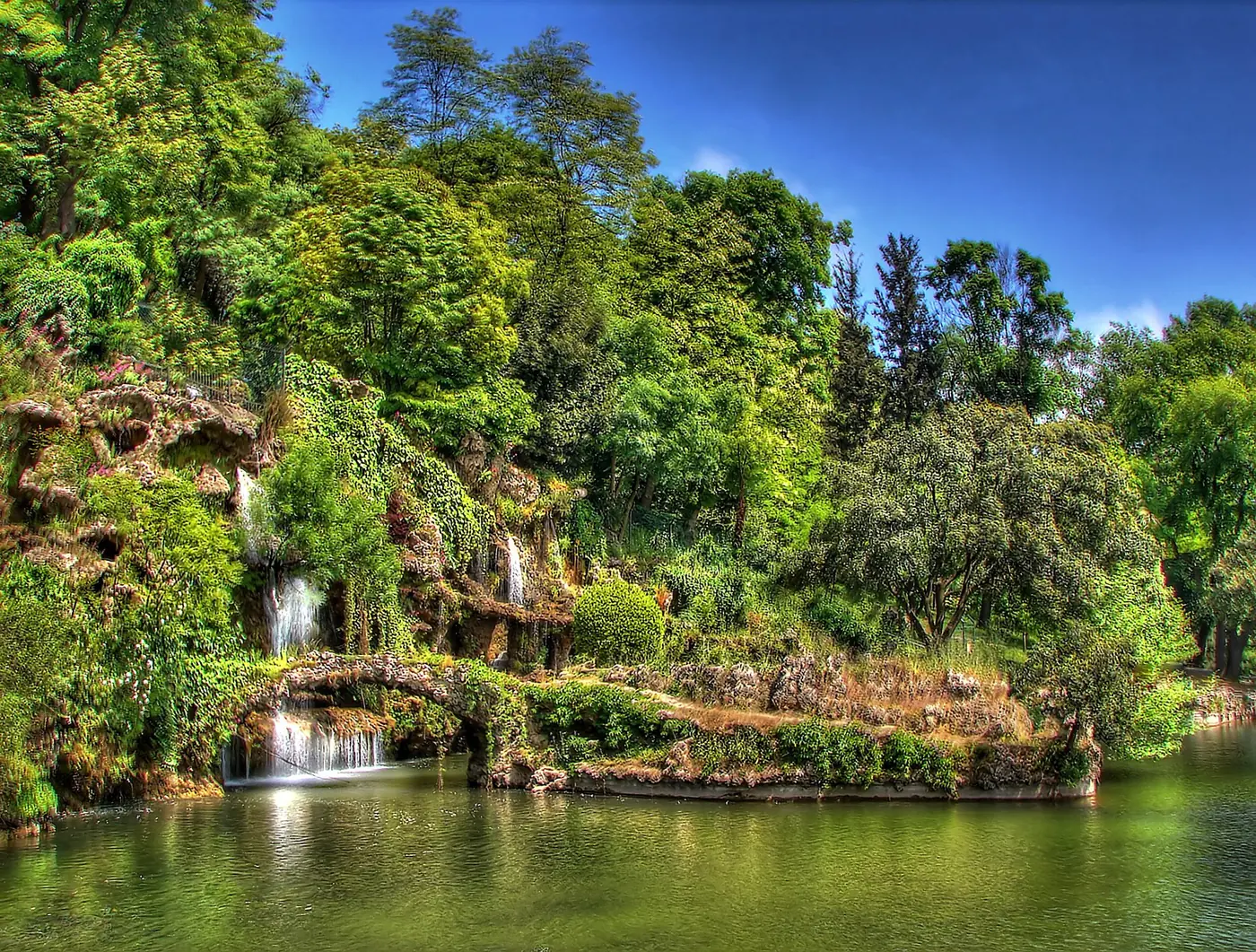
1 Emirgan Park
Emirgan Park is tagged for tulips and Bosphorus views, so it is a natural spring stop on the European shore.
- District: Sarıyer
Show map
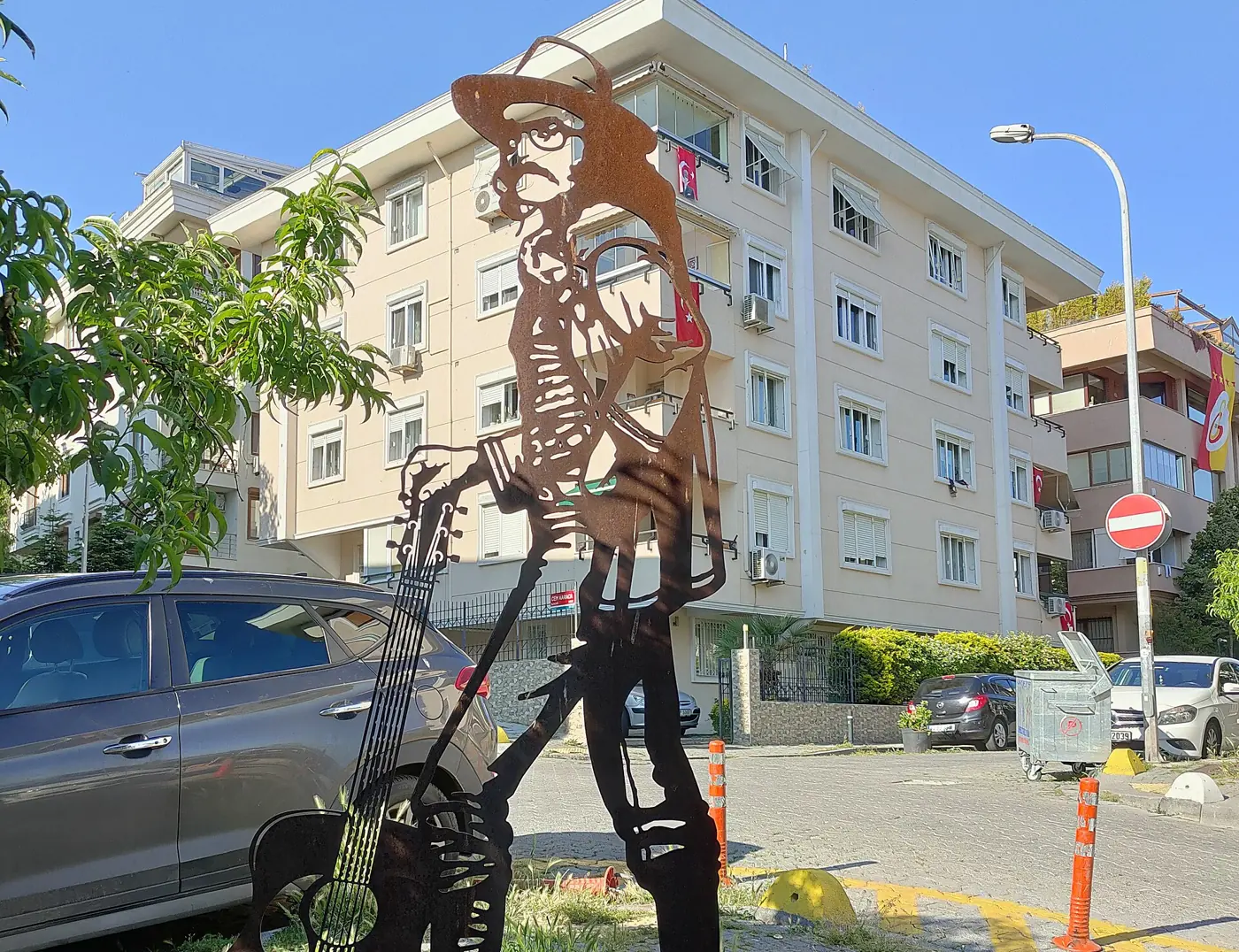
2 Moda Sahili
Moda is a seaside quarter with a waterfront park and tea gardens popular for sunset over the Marmara, ideal for warm evenings.
- Location: South of Kadıköy centre
- Sea: Sea of Marmara
Show map
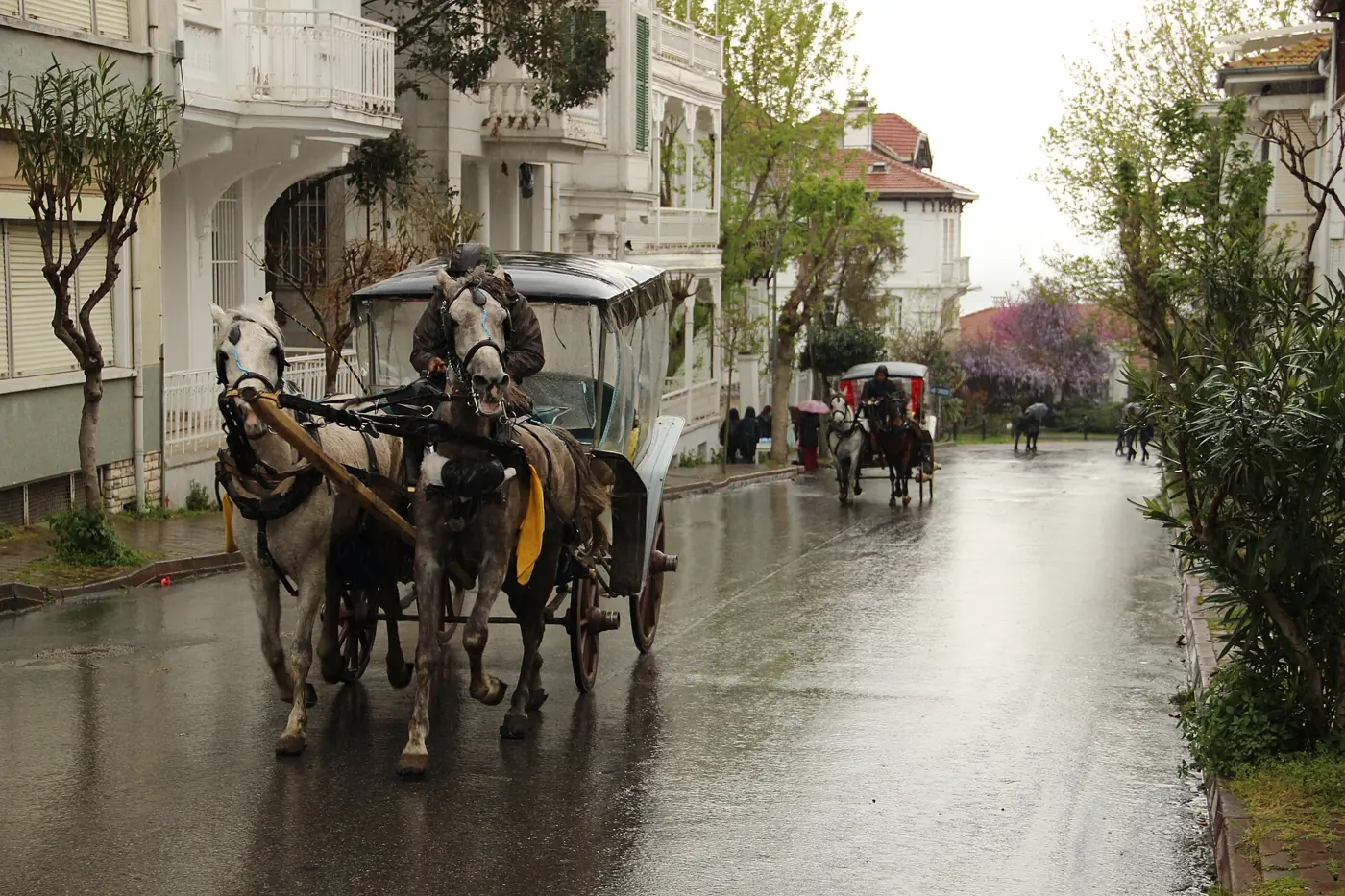
3 Büyükada
Büyükada is the largest of the Princes’ Islands and a ferry ride from the city, which suits a clear day.
- Area: Adalar
Show map
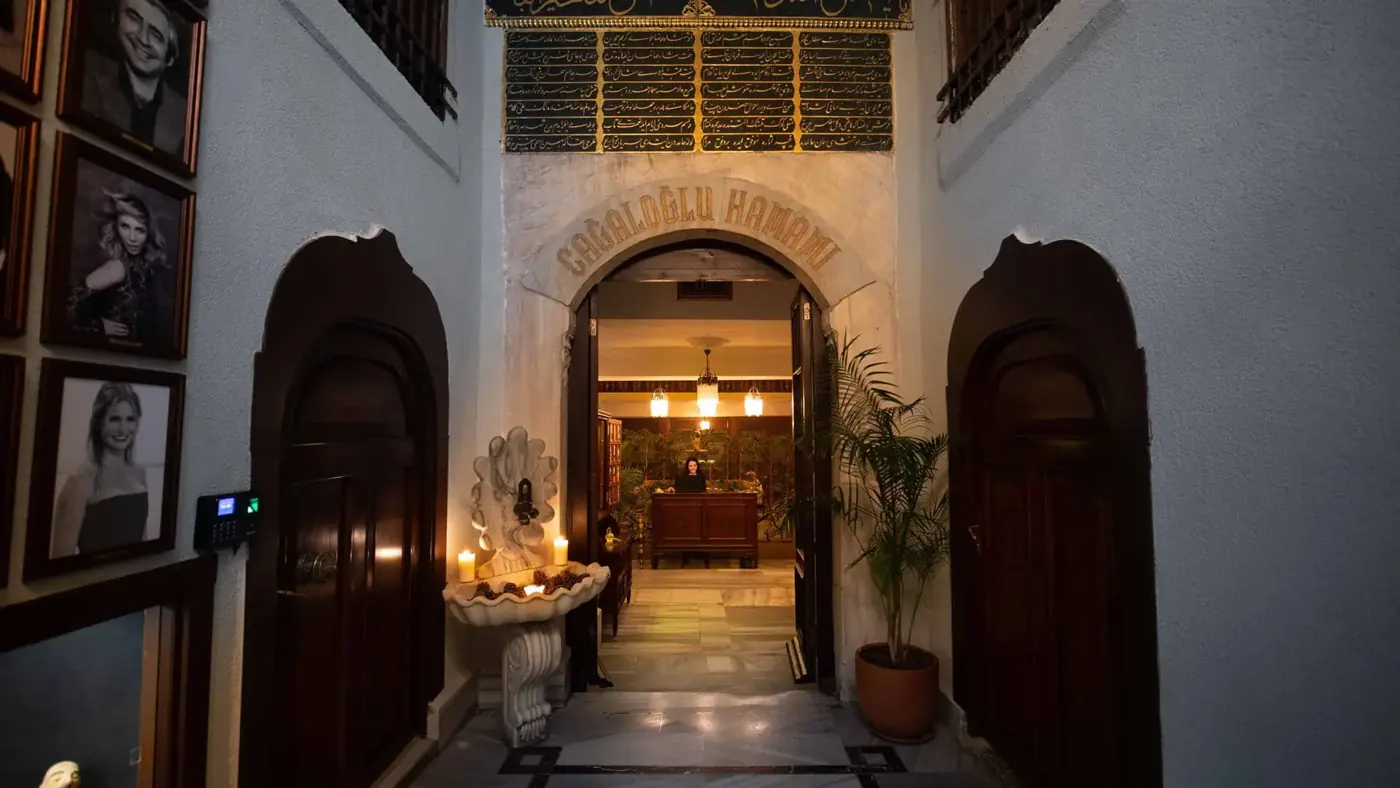
4 Cağaloğlu Hamamı
Cağaloğlu Hamamı, built in 1741, is a good indoor choice on a cold or rainy day near Sultanahmet.
- Built: 1741
- Area: Near Sultanahmet
Show map
How did we choose these tips and places?
We built this guide from official classifications, clear locations and details we can trace to published sources such as official pages and encyclopedias, then matched them to the practical question in the title. We chose places that readers genuinely meet on a normal trip, across several districts, so the advice stays useful whichever side of the city you stay on.
We do not accept payment for placement, and no business can buy a spot. Moreover, prices, hours, rules and ratings change often, so we send readers to the official page or to Google Maps through the map button on each card before they go.
How do holidays and events affect your trip?
Public and religious holidays can change opening hours, transport crowding and hotel demand. Their dates move each year, so check a current calendar before you book. Popular spring weekends and the summer peak also fill hotels earlier.
Therefore, book flights, hotels and any private transfers early for those periods. In contrast, a winter trip needs less advance planning, although you should confirm opening hours for each place on its official page or on Google Maps.
Plan around these factors:
- Check religious holiday dates for your year.
- Book hotels early for spring weekends and summer.
- Confirm museum hours on official pages.
- Keep a flexible day for rain.
The table shows how to plan around crowds.
| Situation | Tip |
|---|---|
| Peak summer | Start early; rest indoors at midday |
| Spring weekends | Book hotels and tours ahead |
| Winter | Pack for rain; use museums and hammams |
| Holiday periods | Expect crowding and changed hours |
What are the pros and cons of each season?
Spring has the best balance of weather and scenery, although it is also popular, so hotels fill earlier. Summer gives long days and sea access, but heat and crowds make midday sightseeing tiring. Autumn offers mild weather and lighter crowds, while winter offers quiet museums at the cost of grey, wet days.
Therefore, choose by your tolerance. If you dislike crowds, pick the shoulder months. If you dislike heat, avoid July and August. If you want low prices, consider winter outside holidays.
The table compares the seasons by trade-off.
| Season | Advantage | Drawback |
|---|---|---|
| Spring | Flowers and mild days | Busier, some rain |
| Summer | Long days, island trips | Heat, humidity, crowds |
| Autumn | Comfortable and calmer | Showers by November |
| Winter | Quiet and good for museums | Cold, wet, short days |
How can you save time and money in any season?
Book flights, hotels and transfers early for spring and summer. Travel mid-week when you can, and visit the busiest sights at opening time. Look at the weather forecast about a week ahead, then swap indoor and outdoor days.
Moreover, use ferries and trams instead of taxis for most trips. As a result, you spend less and see more of the city on the way.
Sample plan for each season
In spring, spend a morning in a park and an afternoon in the old city, then end with a Bosphorus ferry. In summer, begin at dawn, break for indoor sights, and finish with an evening on the water. In autumn, walk the old districts and markets all day.
In winter, choose museums, a hammam and a long lunch, and keep outdoor viewpoints for the clearer hours. As a result, every season has a good day in Istanbul.
Frequently asked questions
What is the best month to visit Istanbul?
April, May, September and October are the most comfortable for sightseeing for most visitors.
Is summer too hot in Istanbul?
Summer is warm to hot and humid. Plan early starts, indoor midday stops and evening activities.
Does it snow in Istanbul?
Winter can bring cold spells and occasional snow, but weather varies by year. Check a forecast before you travel.
When is the cheapest time to visit?
Winter outside holidays is usually quieter, so hotel demand is lower. Check current prices on booking pages.
When can I see tulips?
Tulips are a spring feature in the city parks. Check local announcements for the exact bloom.
Is Istanbul good for a winter trip?
Yes, if you focus on museums, palaces, hammams and cafes, and pack for rain.
How do holidays affect travel?
They can change hours and increase crowds. Holiday dates move each year, so check a calendar.
How many days do I need?
Three to five days covers the main sights. A week lets you add the Asian side and the islands.
Plan this with TurkGT
TurkGT can match your dates with a private car with driver, a licensed guide, a hotel booking or a Bosphorus tour that suits the season. Send us your dates by WhatsApp or the inquiry form, and we will reply with options.
Request a booking
Sources
Last reviewed: 2026-11-18.