
Fener, Balat and Eyüp are the Golden Horn districts where old Istanbul still feels lived in. Fener and Balat share steep streets, a patriarchate, an iron church and a 15th-century synagogue. Eyüp, further up the shore, centres on a pilgrimage mosque and an Ottoman cemetery. Together they fill one relaxed day.
Key facts
- Area: Golden Horn shore, Fatih and Eyüpsultan districts
- Best for: Walking, photography, religious and Jewish and Orthodox heritage
- Time needed: Half a day for Fener and Balat, a second half day for Eyüp
- Walking: Steep cobbled streets, so wear flat shoes
- Dress: Modest clothing for mosques, churches and the synagogue area
- Prices and hours: Check each place’s page or Google Maps before you go
- Getting around: Taxi, bus or private car with a driver between the districts
Which historic districts of Istanbul kept their old character?
Fener, Balat and Eyüp kept the most of their old fabric. Fener and Balat sit side by side on the western shore of the Golden Horn, between the city walls and Sultanahmet. Eyüp lies further up the same shore. Each district tells a different story: Orthodox, Jewish and Ottoman-Islamic.
Moreover, these areas are quieter than the Sultanahmet core. Streets are narrow and steep, houses are painted in many colours, and daily life continues around the monuments. Therefore the districts reward a slow walk more than a fast checklist visit.
The three districts also reflect different communities. Fener has long been linked with the Greek Orthodox world, Balat with Jewish and other minority histories, and Eyüp with Ottoman devotion. Seeing them together explains why the Golden Horn shore mattered so much to the city’s social life.
How did we choose these places?
We chose places from our registry of Istanbul sites that have official or encyclopedic sources and photographs. We looked at location, historical weight and how easily each stop fits a walking route. We do not accept payment for placement.
We also avoid ratings. Opening arrangements and visitor numbers change, so please check Google Maps for current hours and reviews before you set out. The buttons on each card open the map location directly.
In practice we weighed three questions for every stop. Is it documented by a reliable source? Can a visitor realistically reach it on foot or by a short transfer? Does it add something different to the route rather than repeating another stop?
What can you see in Fener and Balat?
Fener and Balat hold the Greek Orthodox centre of the city and a historic Jewish quarter. In short, you can see a patriarchal church, a red-brick college, a cast-iron church and a boat-shaped synagogue within a short walk. Start in Fener and walk towards Balat.
Keep the following points in mind when you plan the walk:
Begin at the shore and climb gradually. The Patriarchal Church and the red-brick college sit close together in Fener, so you can see both in under an hour. Then continue towards Balat, where the colourful houses appear and the streets become more residential.
Balat rewards wandering. The Ahrida Synagogue and the Iron Church stand a short walk apart, so you can compare Jewish and Bulgarian Orthodox heritage within one neighbourhood. Pammakaristos and Yavuz Selim Mosque sit on the higher ground and add Byzantine and Ottoman layers to the same route.
Practical points for Fener and Balat:
- Streets climb steeply from the water, so start at the shore and walk uphill slowly.
- Churches and synagogues may have security checks or limited visiting arrangements, so confirm access first.
- Photograph houses from the street and respect residents’ privacy.
- Bring water; shaded rest spots are limited on the hillside.
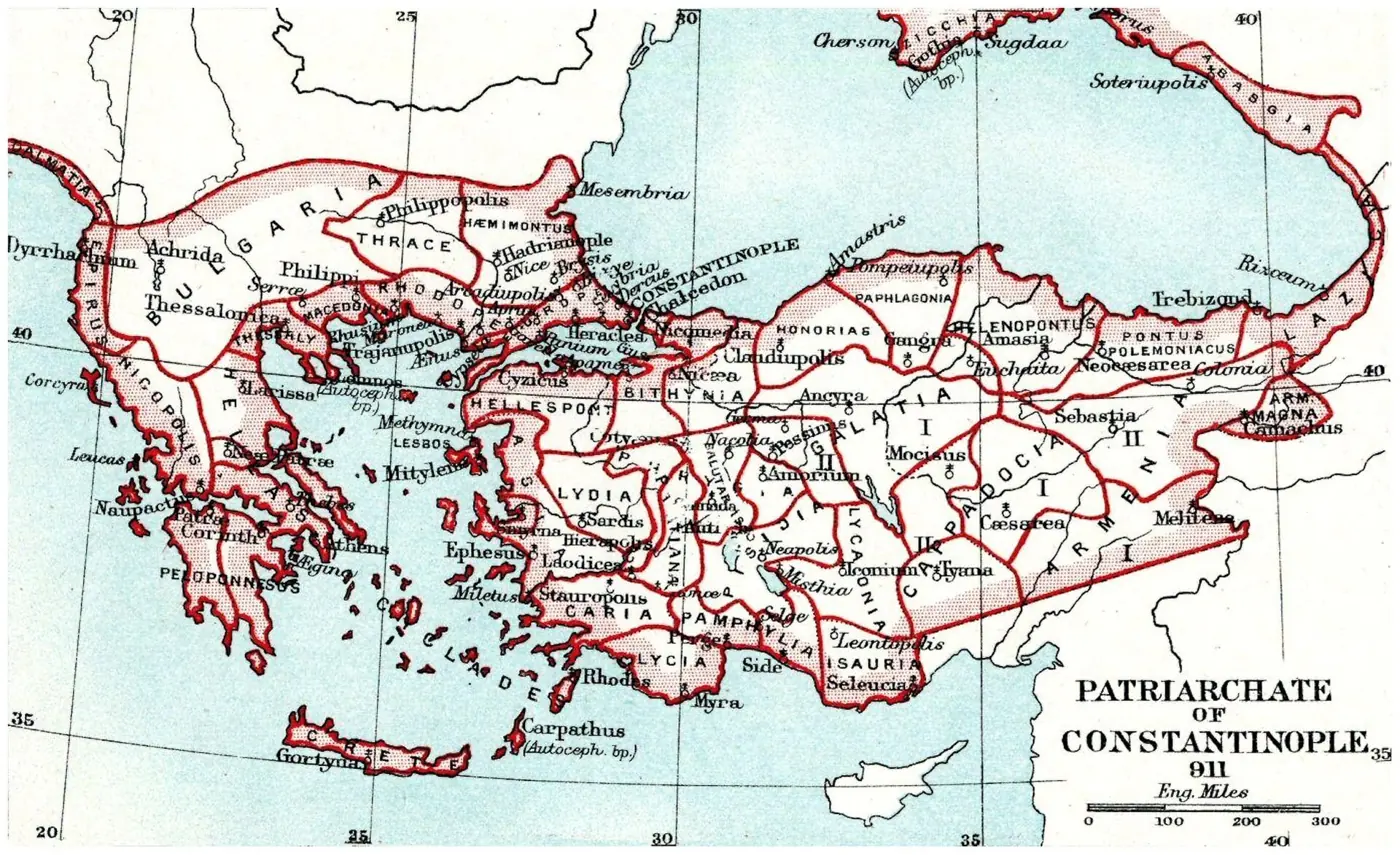
1 Aya Yorgi Patrikhane Kilisesi
This is the seat of the Ecumenical Patriarchate of Constantinople in Fener. The present church dates from 1720, so it is a good first stop for understanding the Orthodox story of the district.
- Present building: 1720
- Area: Fener, Fatih
- Role: Seat of the Ecumenical Patriarch
Show map
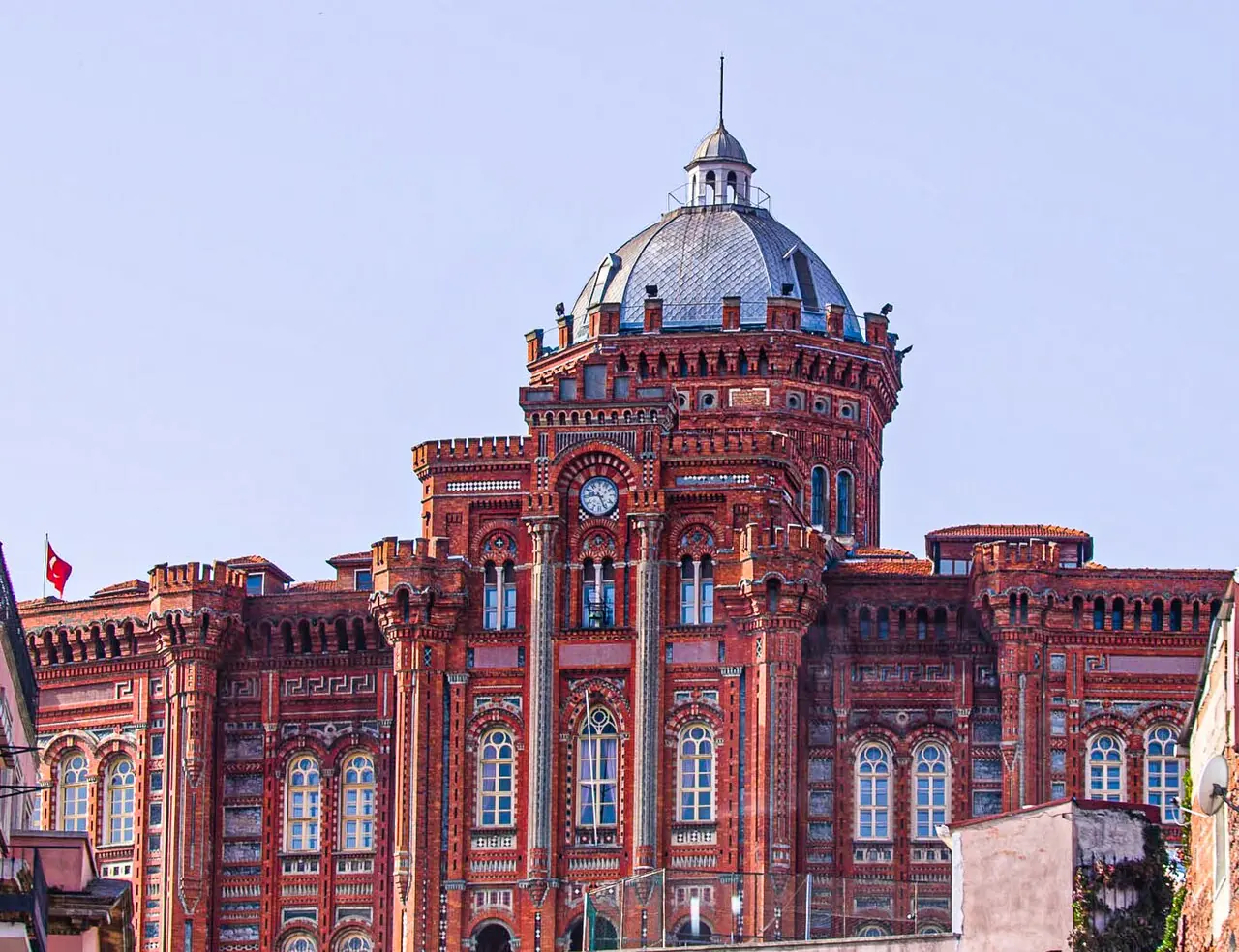
2 Özel Fener Rum Lisesi
The red-brick school building stands on the hill above the Golden Horn and is visible from across the water. It is known as the Great School of the Nation and is a favourite photo stop on the Fener walk.
- Known as: Great School of the Nation
- Area: Fener, Fatih
Show map
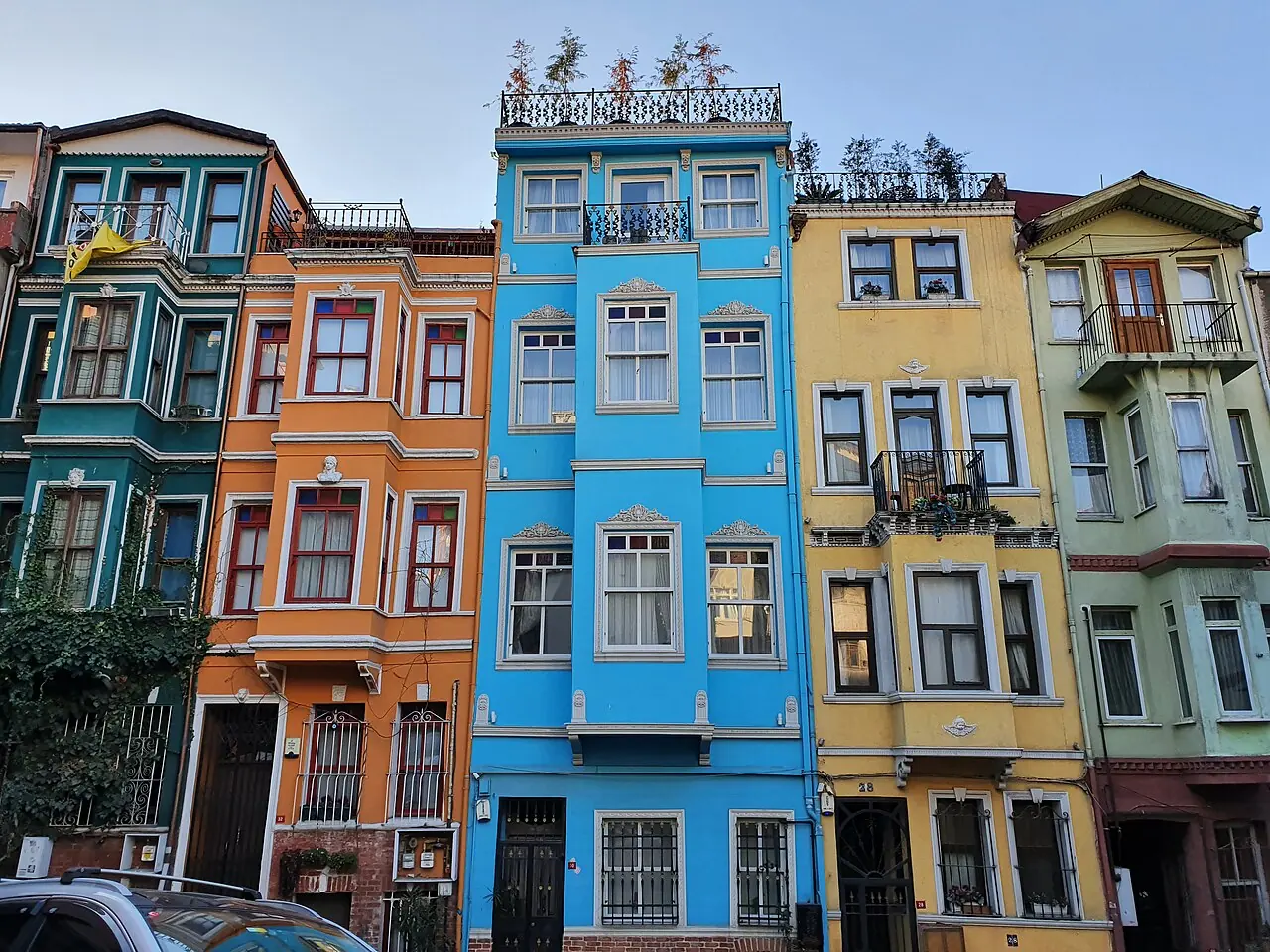
3 Balat
Balat is a historic neighbourhood on the Golden Horn shore, between Fener and Ayvansaray. Its steep streets are lined with colourful old houses, which makes it the most photographed part of this route.
- Location: Western shore of the Golden Horn
- Between: Fener and Ayvansaray
Show map
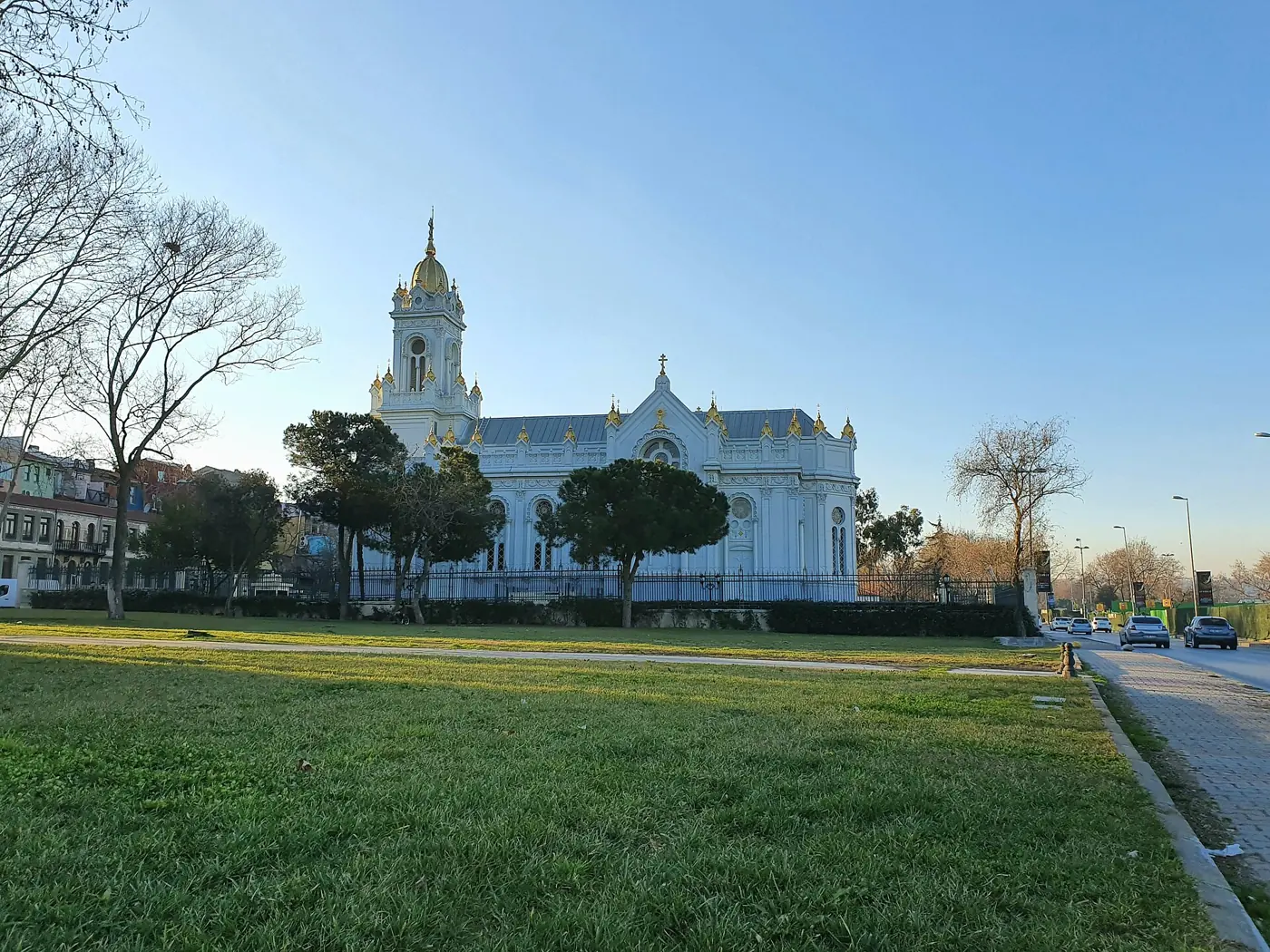
4 Demir Kilise
This Bulgarian Orthodox church was prefabricated from cast iron in Vienna and consecrated in 1898. It stands on the Golden Horn in Balat and shows how varied the district’s communities were.
- Consecrated: 1898
- Material: Cast iron, prefabricated in Vienna
- Area: Balat, Fatih
Show map
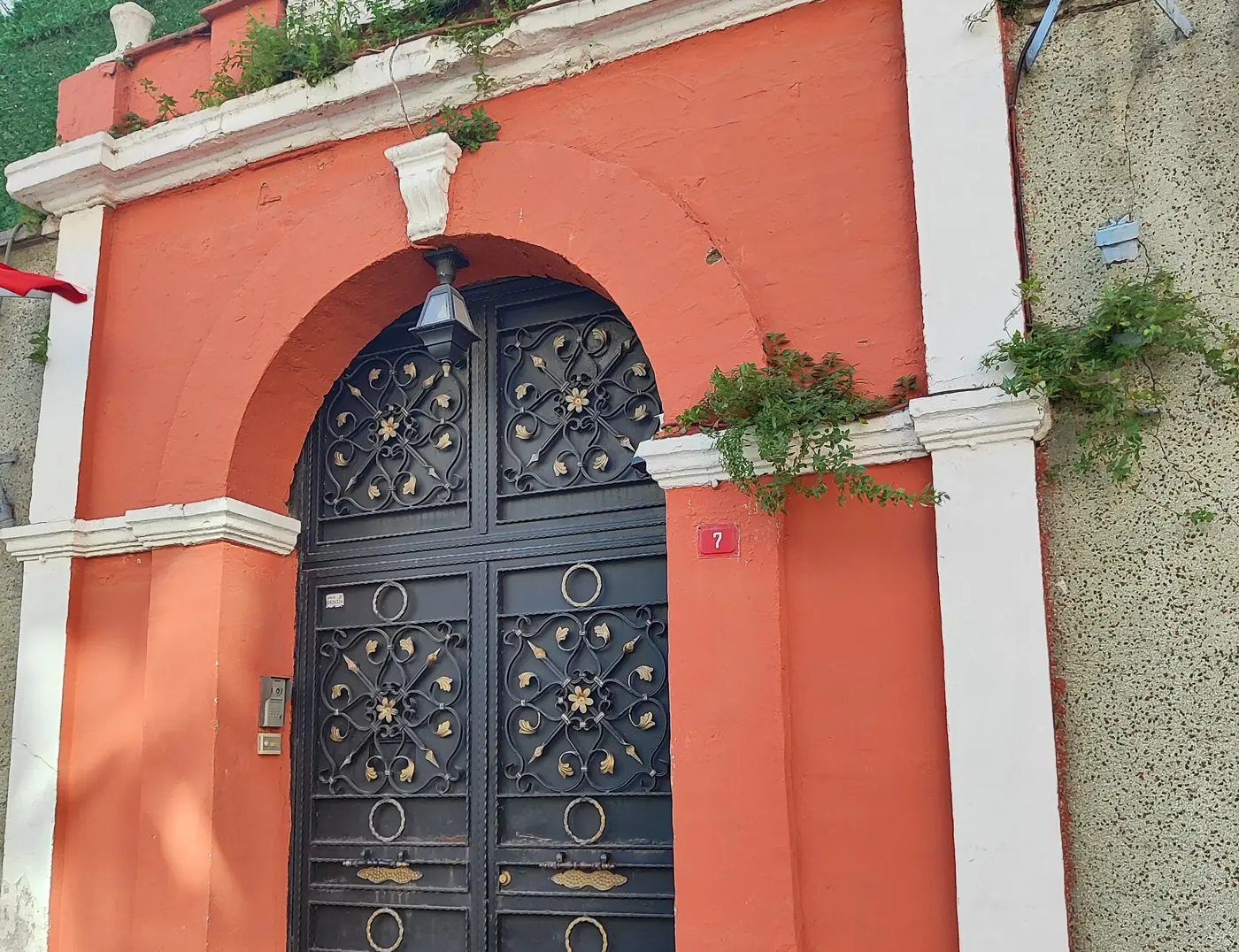
5 Ahrida Sinagogu
Ahrida Synagogue dates from the 15th century and is one of the oldest in Istanbul. Its boat-shaped bimah is the feature visitors remember. Confirm visiting arrangements before you arrive.
- Dated: 15th century
- Area: Balat, Fatih
- Feature: Boat-shaped bimah
Show map
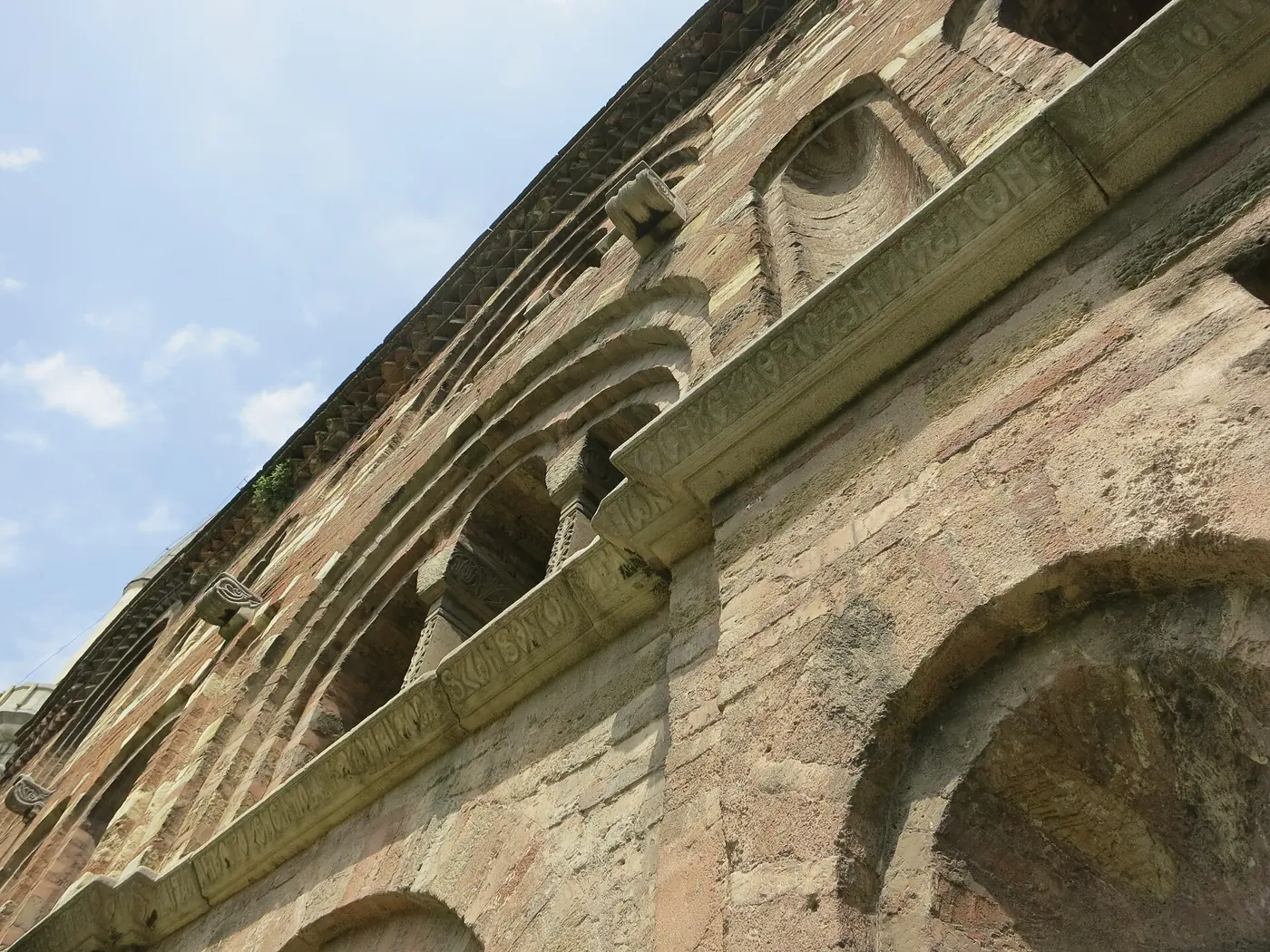
6 Fethiye Camii
Pammakaristos is a Byzantine church whose side chapel (parekklesion, around 1310) carries 14th-century mosaics. It later served as the Greek Patriarchate seat and then as the Fethiye Mosque, so it links Byzantine and Ottoman history.
- Parekklesion: c. 1310
- Area: Çarşamba, Fatih
Show map
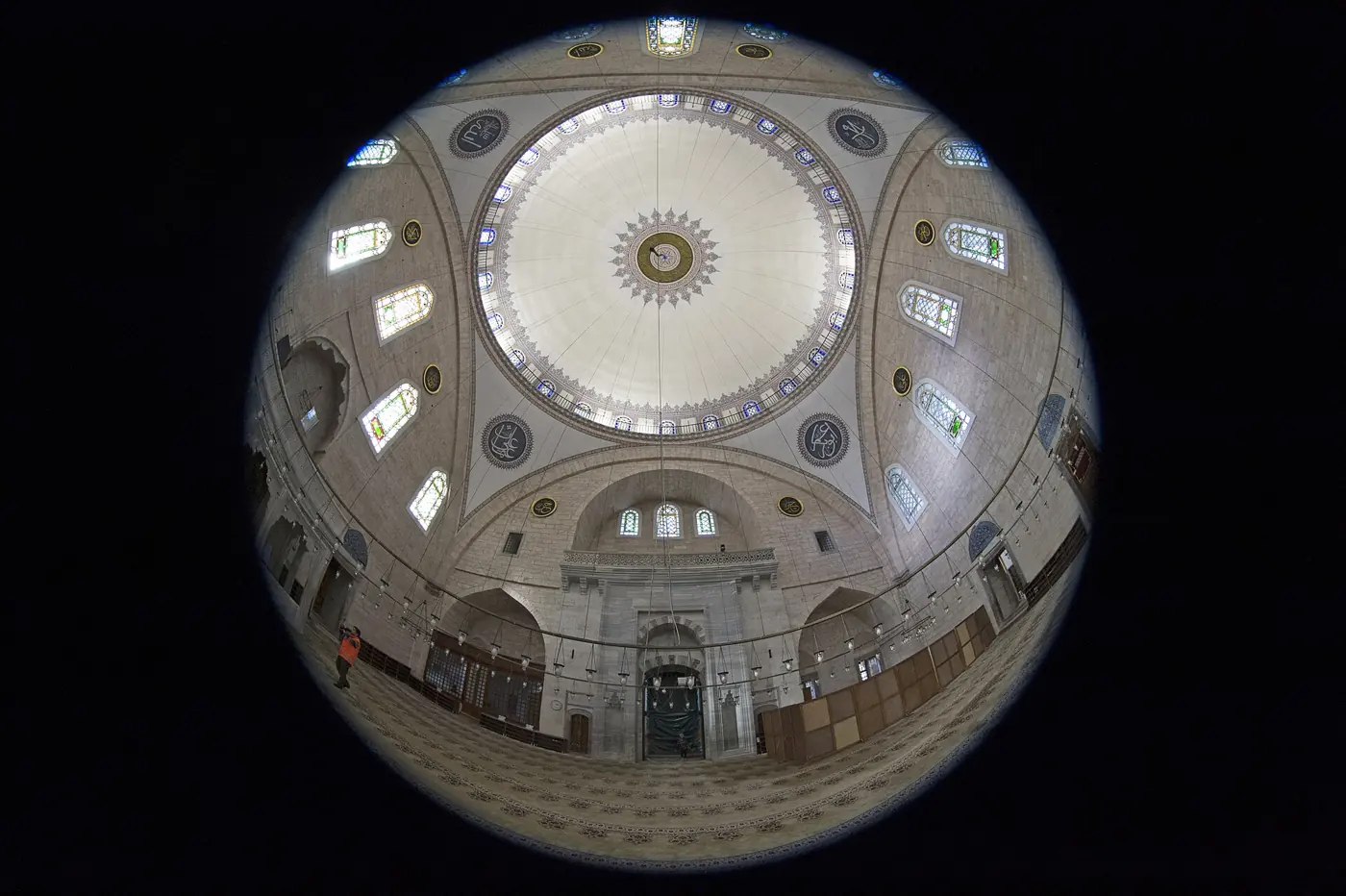
7 Yavuz Selim Camii
This 16th-century imperial mosque, completed in 1522, sits at the top of the fifth hill and overlooks the Golden Horn. It is a calm stop above Fener and Balat with a wide view of the water.
- Completed: 1522
- Overlooks: Golden Horn
Show map
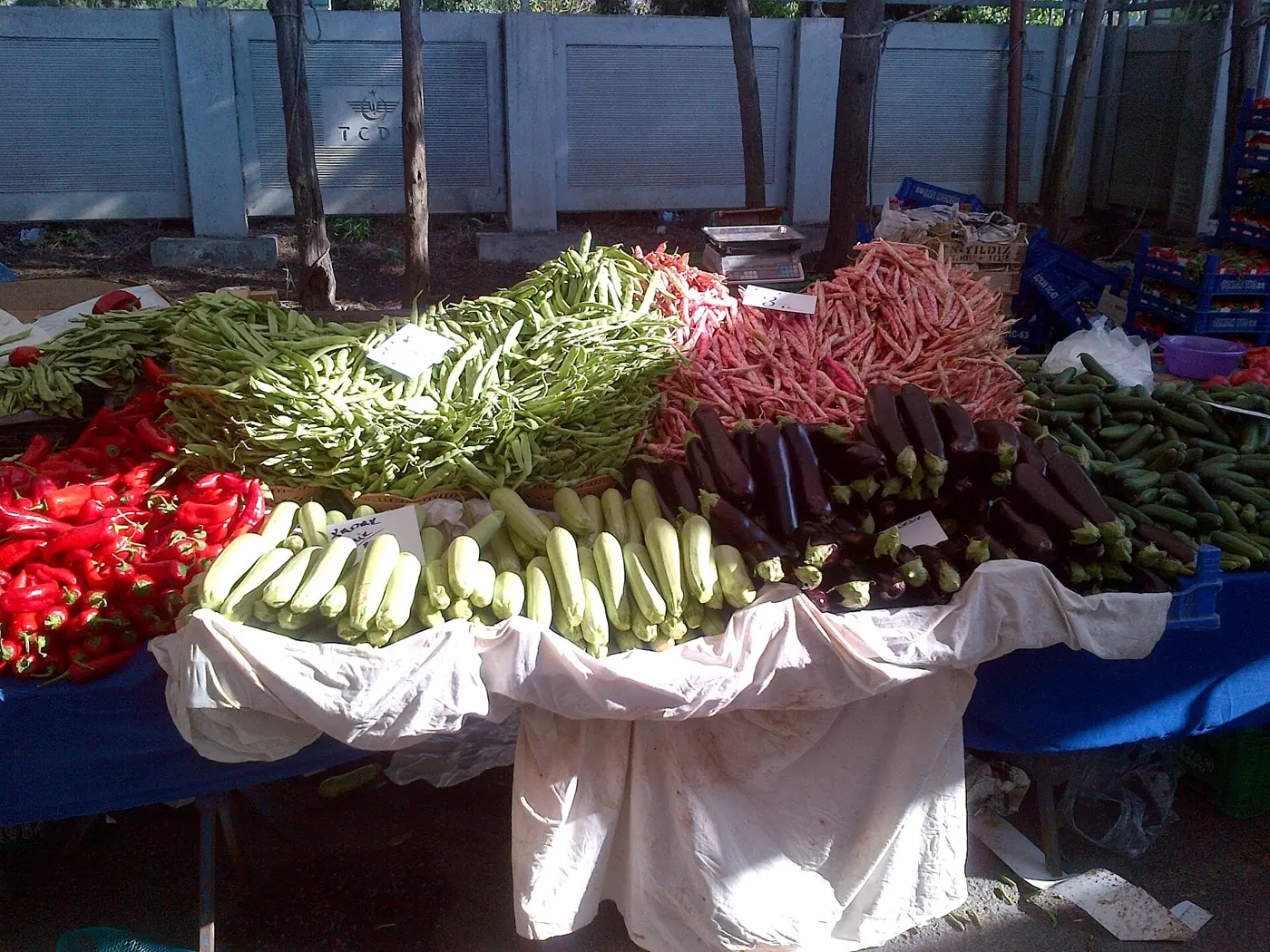
8 Fatih Çarşamba Pazarı
The Çarşamba weekly bazaar in Fatih is known for produce, cheese, pastırma, clothing and household goods. It runs on Wednesday according to our sources, so it suits that day of the week only.
- Day: Wednesday
- District: Fatih
- Type: Weekly neighbourhood bazaar (semt pazarı)
Show map
What is special about Eyüp?
Eyüp is Istanbul’s best-known pilgrimage district. The mosque and tomb of Eyüp el-Ansari, a companion of the Prophet Muhammad according to tradition, draw visitors throughout the year. Above them, an Ottoman cemetery climbs the slope.
In contrast to Balat, Eyüp is devout and calm. Families and pilgrims visit the complex, so dress modestly, lower your voice and follow the mosque rules. The cemetery walk gives a quiet view over the Golden Horn.
Eyüp works best as a separate half day. Arrive in the morning, visit the mosque and tomb while the courtyard is calmer, and then walk up through the cemetery. The slope gives views over the Golden Horn and a feeling of how the Ottoman city honoured its dead.
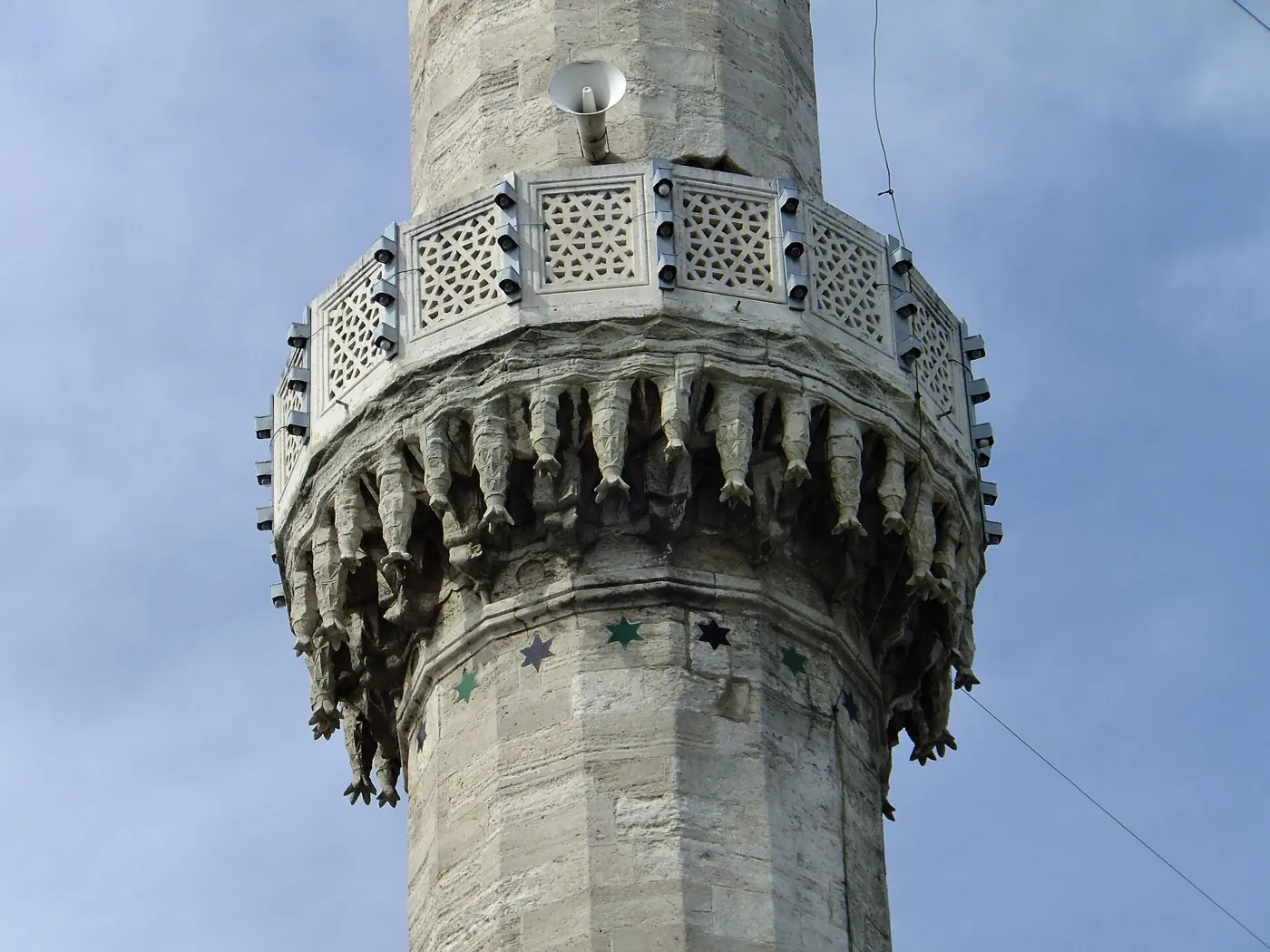
9 Eyüp Sultan Camii
The mosque was first built in 1458 under Mehmed II and rebuilt in 1798-1800. It stands beside the tomb and is open to visitors outside prayer times.
- Original: 1458 (Mehmed II)
- Rebuilt: 1798-1800
- Note: Beside the tomb of Abu Ayyub al-Ansari
Show map
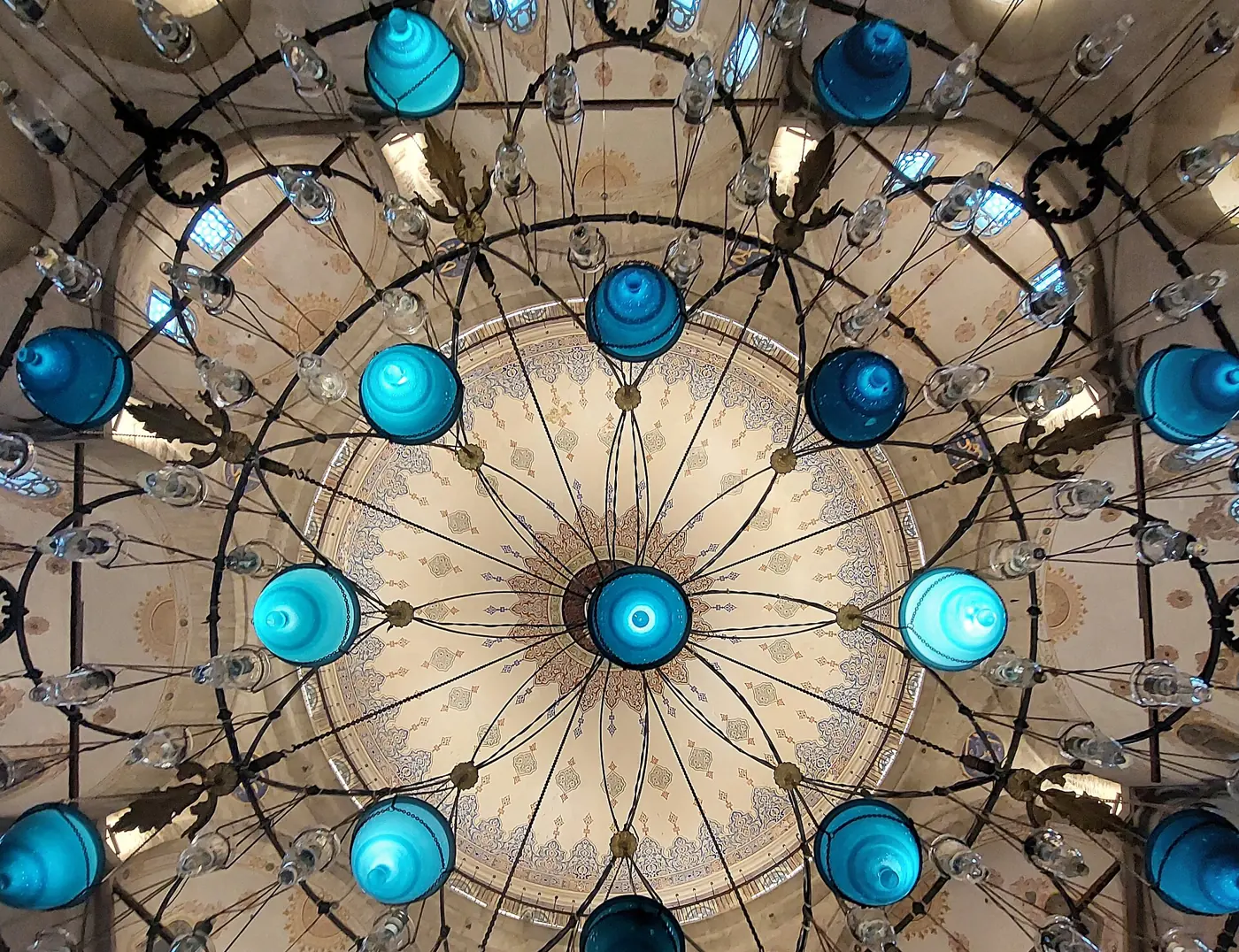
10 Eyüp Sultan Türbesi
The mausoleum marks the traditional burial spot of Ebu Eyüp el-Ansari. It stands next to the mosque and draws pilgrims year-round, so expect crowds on religious days.
- Buried: Ebu Eyüp el-Ansari (traditional burial spot)
- Next to: Eyüp Sultan Mosque
Show map
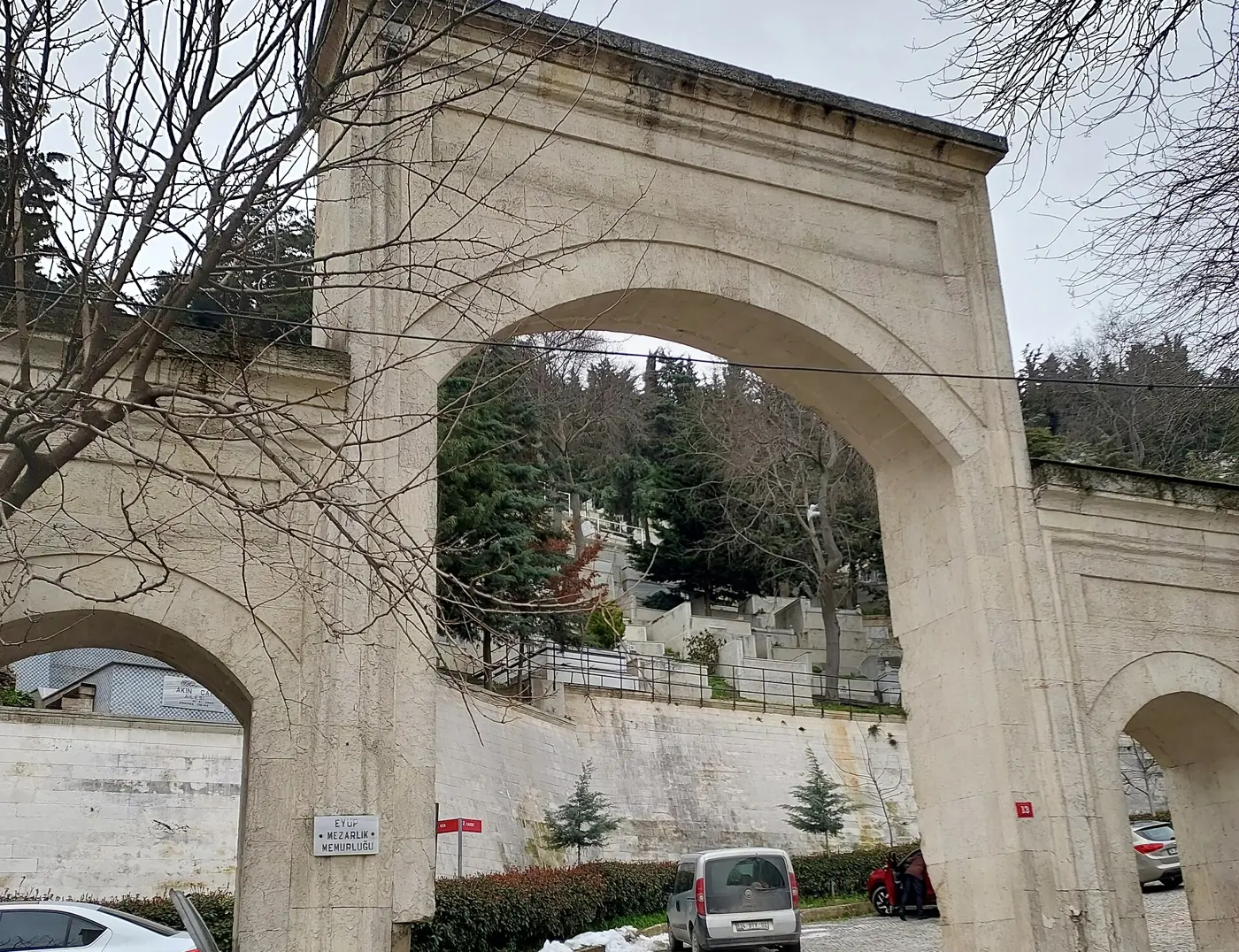
11 Eyüp Mezarlığı
The historic burial ground is administered by the General Directorate of Foundations. Ottoman-era gravestones cover the slope above the Eyüp Sultan complex, which makes it a quiet walk with a Golden Horn outlook.
- District: Eyüp
- Administered by: General Directorate of Foundations
Show map
How do the three districts compare?
Fener and Balat suit photographers and heritage walkers, while Eyüp suits pilgrims and quiet walkers. The table below compares them by theme, main stops and the type of visit each one gives.
Choose Fener and Balat if you want architecture, photography and minority heritage. Choose Eyüp if you want a devotional atmosphere and a quiet green walk. Together they give a rounded view of the Golden Horn, and neither needs more than half a day.
The table compares the three districts at a glance.
| District | Main theme | Main stops | Pace |
|---|---|---|---|
| Fener | Orthodox heritage | Patriarchal church, Greek college | Short, hilly walk |
| Balat | Colourful houses, Jewish and Bulgarian heritage | Ahrida Synagogue, Iron Church, coloured streets | Slow photo walk |
| Eyüp | Pilgrimage and Ottoman burial culture | Eyüp Sultan Mosque and tomb, cemetery | Calm, reflective |
How do you get there and move between districts?
The districts lie along the Golden Horn, so the simplest option is a taxi or a private car with a driver, who can drop you at one end and collect you at another. Public buses also serve the shore; check Google Maps for current routes and timings.
Fener and Balat are within walking distance of each other. Eyüp is a separate stop, so plan a short transfer. Our guide to Istanbul public transport explains tickets and basics for those who prefer buses and metro.
Plan transfers rather than improvising. Taxis wait near the main squares, but a driver who knows the district can wait for you and drop you at the next stop. This is useful on hot days or when the group includes children or older travellers.
This table summarises the movement options.
| Option | Best for | Note |
|---|---|---|
| Walking | Fener to Balat | Steep and cobbled; wear comfortable shoes |
| Private car with driver | Fener/Balat to Eyüp and back | Flexible, handy with children or elderly travellers |
| Taxi | Short hops between stops | Agree the route; use a meter |
| Bus | Budget travel along the shore | Check current routes on Google Maps |
What practical tips help on the day?
Go early, because light is best and streets are quieter in the morning. Keep an hour in the middle for tea and rest. Dress modestly, since you will pass places of worship in each district.
Furthermore, carry some small change and a power bank for photos and maps. Always check opening arrangements on the place’s page or on Google Maps.
Finally, treat the day as slow travel. Stop for tea, sit on a step and watch the street. These districts are lived-in neighbourhoods, so the best moments are often unplanned, such as a view between two houses or a courtyard door left open.
A short checklist for the walk:
- Wear flat, grippy shoes for wet cobbles.
- Cover shoulders and knees; carry a scarf if needed.
- Ask before photographing people or private doorways.
- Do not rely on one visiting time; confirm access for the synagogue and churches.
- Avoid Friday midday around Eyüp if you want a calm mosque visit.
What does a sample day plan look like?
A simple day starts in Fener, continues to Balat and finishes in Eyüp. The plan below keeps transfers short and leaves time for rest. Adjust it to your pace and to the opening arrangements you confirm.
A sample one-day plan:
| Time of day | Stop | Focus |
|---|---|---|
| Morning | Patriarchal church, Greek college | Fener streets and views |
| Late morning | Balat houses, Iron Church, Ahrida Synagogue | Colour, architecture, heritage |
| Lunch | A local restaurant in Balat or Fener | Rest and refuel |
| Afternoon | Eyüp Sultan Mosque, tomb and cemetery | Quiet walk and views |
Frequently asked questions
Is it better to visit Fener and Balat on foot?
Yes. They are neighbours, and the best parts are the streets between the stops. Wear comfortable shoes because the hills are steep.
Can I visit Eyüp and Balat on the same day?
Yes, with a short transfer by taxi, bus or private car. Start in Fener or Balat in the morning and finish in Eyüp in the afternoon.
Are churches and synagogues open to tourists?
Arrangements vary and may include security checks. Check each place’s page or Google Maps and be ready for limited access.
What should I wear in Eyüp?
Modest clothing that covers shoulders and knees. Women should carry a scarf for the mosque area. Remove shoes where requested.
Is Balat good for photography?
Yes. The colourful houses and steep streets are the main attraction. Respect residents’ privacy and avoid blocking doorways.
When is the weekly bazaar in Çarşamba?
Our sources list it on Wednesday. Confirm on the day because market arrangements can change.
Do I need a guide?
Not strictly, but a licensed guide explains the layers of Orthodox, Jewish and Ottoman history much better than signs do.
Plan this with TurkGT
TurkGT can arrange a private car with a driver for the Golden Horn districts or a licensed guide who explains Fener, Balat and Eyüp in your language. Send your dates and group size by WhatsApp or the inquiry form and we will plan the day with you.
Request a booking
Sources
- Patriarchal Church of St. George
- Phanar Greek Orthodox College
- Balat
- Bulgarian St. Stephen Church (Iron Church)
- Ahrida Synagogue
- Pammakaristos Church (Fethiye Museum)
- Yavuz Selim Mosque
- Fatih Çarşamba Pazarı
- Eyüp Sultan Mosque
- Tomb of Eyüp Sultan
- Eyüp Cemetery
Last reviewed: 2026-11-18.