
The hidden small mosques tourists often miss in Istanbul include Rüstem Pasha, Çinili, Şemsi Pasha, Ayazma and the Arap Mosque. They offer tiles, waterfront views and layered history without the crowds of Sultanahmet.
Key facts
- Theme: Small and lesser-known mosques
- Main areas: Üsküdar, Tophane, Fatih, Bosphorus
- Best for: Repeat visitors and quiet photography
- Dress: Shoulders and knees covered; women cover hair
- Timing: Outside prayer times
- Crowds: Usually lighter than Sultanahmet
- Access: Tram, ferry and bus
- Cards below: 12 mosques with map buttons
Which small mosques in Istanbul do tourists often miss?
The small mosques most tourists miss include the Rüstem Pasha Mosque, the Çinili Mosque in Üsküdar, the Şemsi Pasha Mosque, the Ayazma Mosque and the Arap Mosque in Karaköy. They sit away from the main squares, so they are quiet and rich in detail.
These mosques do not replace the big landmarks. In contrast, they add texture to a trip: tiles, waterfronts and buildings with a layered past. Therefore they suit repeat visitors and anyone who prefers calm over crowds.
How did we choose these mosques?
We chose these places using four honest criteria: official or well-documented status, a clear location that works on a walking or tram route, details we can trace to published sources, and variety across districts and periods. For this guide we favoured smaller or less-visited buildings with a clear detail worth seeing, such as tiles, a waterfront site or a former church.
We do not accept payment for placement, and no venue can buy a spot. Moreover, opening arrangements, visitor rules and crowd levels change, so we send you to the place’s own page or Google Maps for today’s information and current visitor feedback instead of quoting scores here.
Which hidden mosques are worth your time?
The cards below group the mosques by character: tile-covered interiors, waterfront sites, buildings with a Byzantine past and modern designs. Pick two or three that fit your route rather than trying to see all twelve.
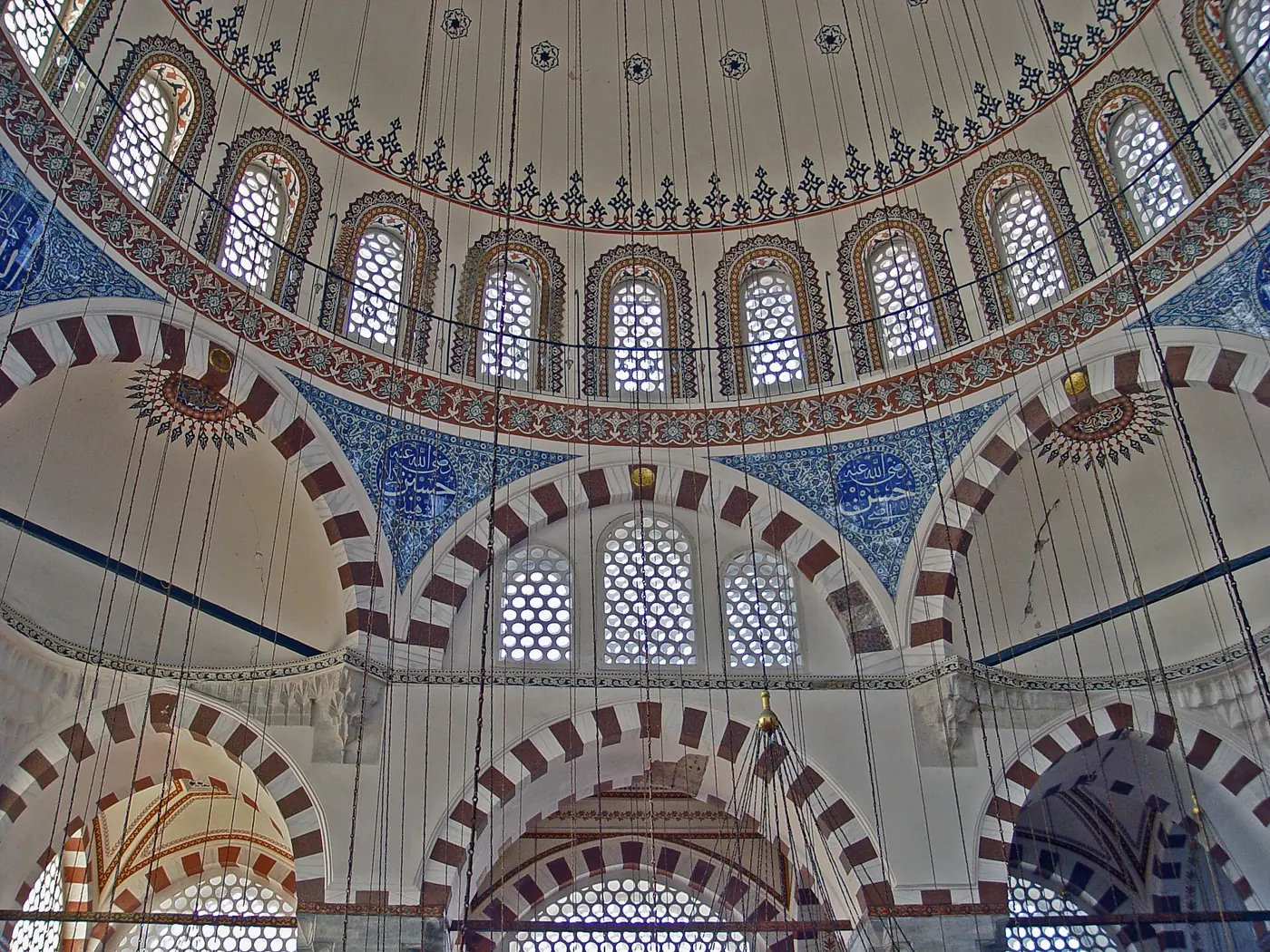
1 Rüstem Paşa Camii
This small Sinan mosque near the Spice Bazaar was completed around 1563. It is covered in many different İznik tile designs and is easy to miss from street level.
- Completed: c. 1563
- Architect: Mimar Sinan
- Known for: İznik tiles
Show map
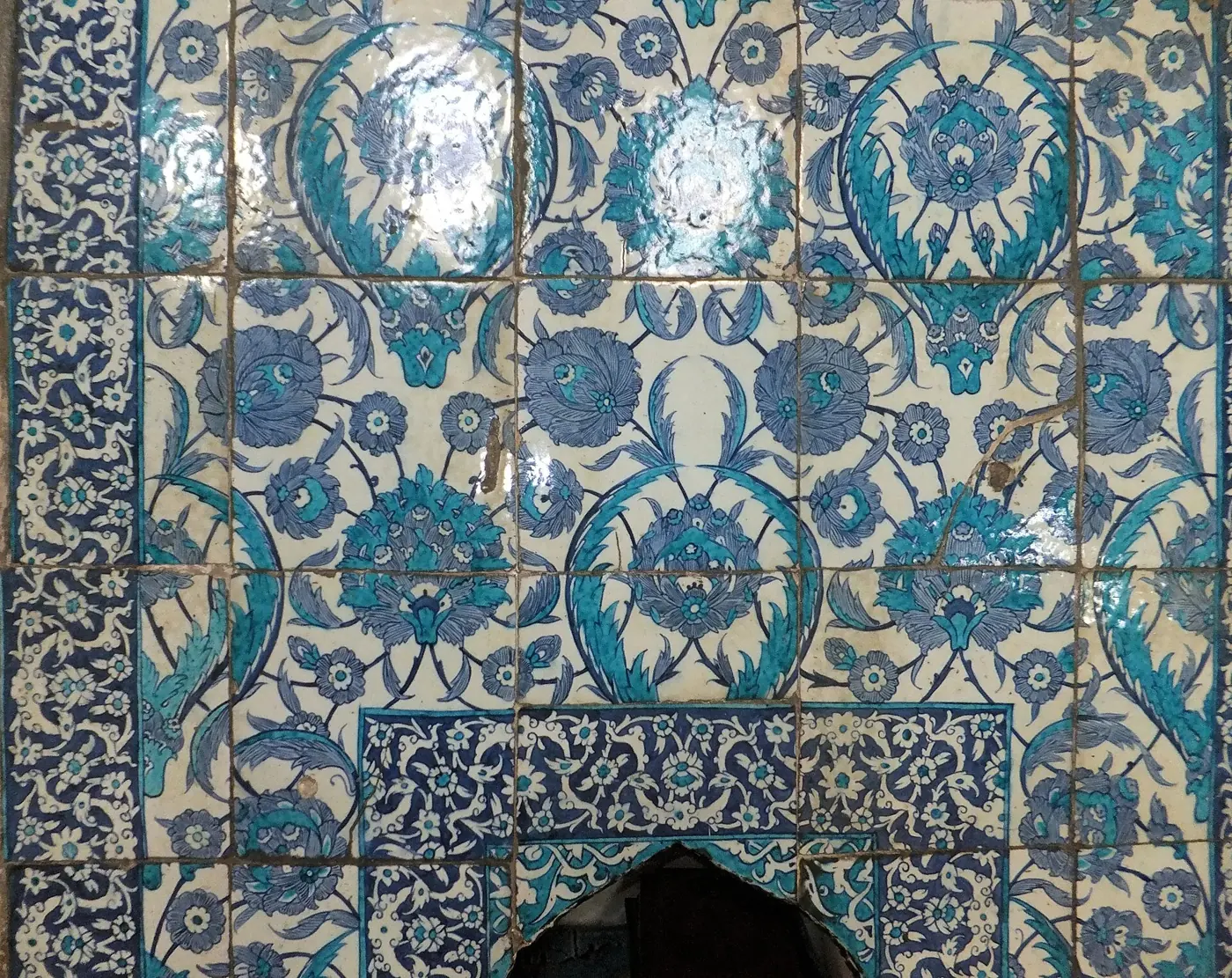
2 Çinili Camii
A small 17th-century mosque in Üsküdar, famous for its extensive tile decoration (çini). It rewards visitors who cross to the Asian side.
- Era: 17th century
- Known for: Tile decoration
- Size: Small mosque
Show map
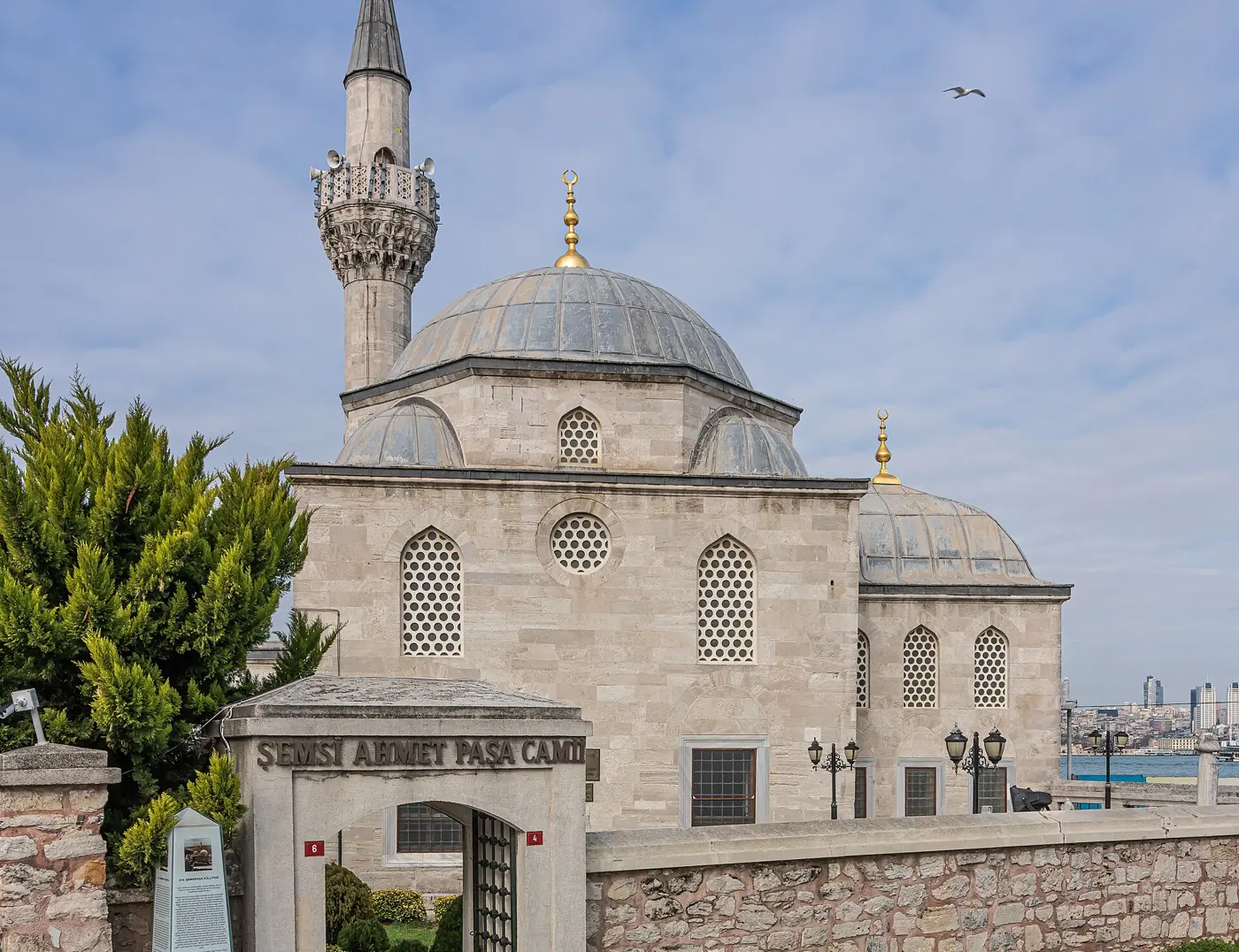
3 Şemsi Paşa Camii
A small Ottoman mosque on the Üsküdar shore, a quieter stop beside the Bosphorus. It suits a short pause on a waterfront walk.
- Style: Ottoman
- Location: Üsküdar waterfront, Asian side
Show map
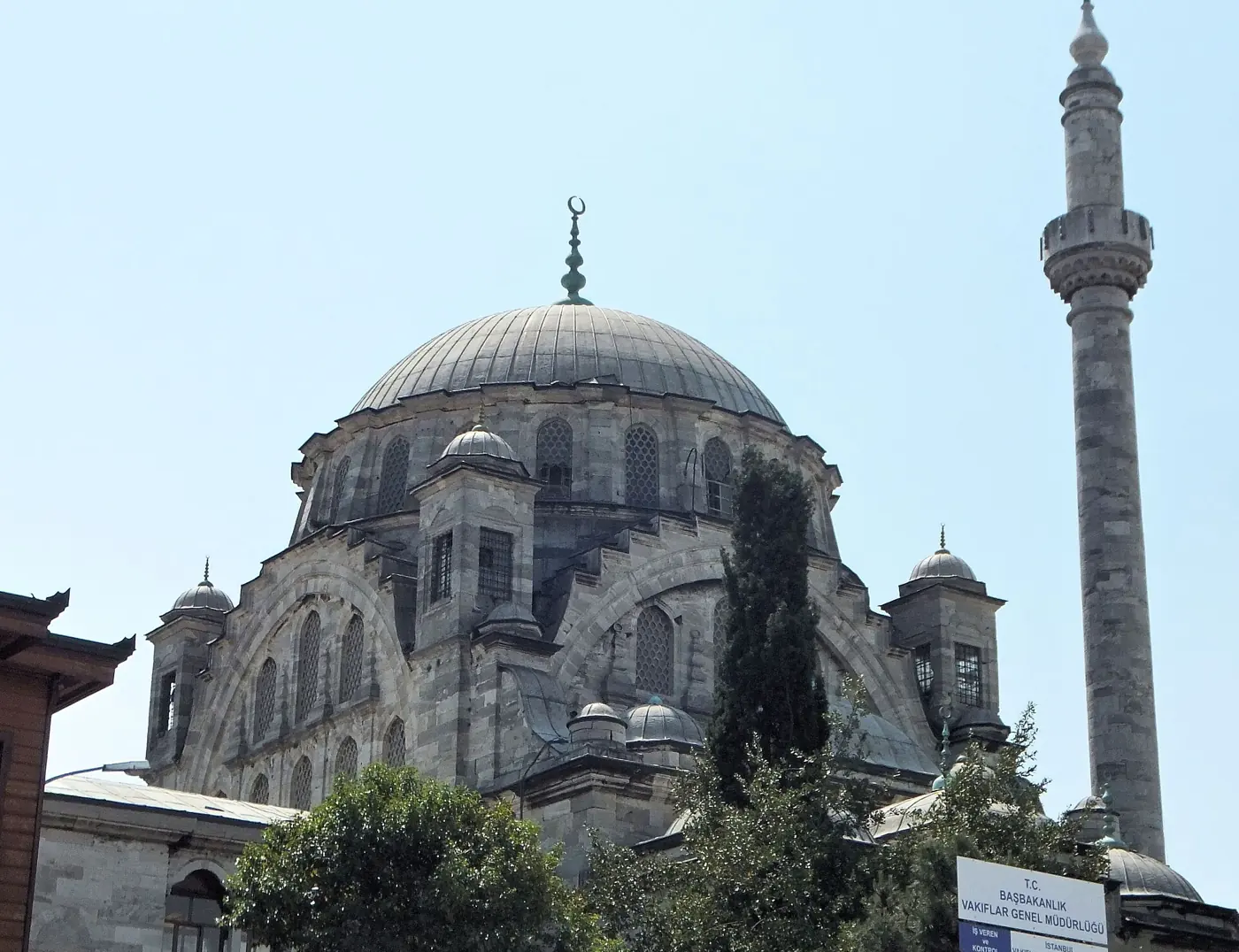
4 Ayazma Camii
Built in 1757-1761 for Sultan Mustafa III, this Ottoman Baroque mosque sits on a hillside above the Bosphorus. It is a less visited Asian-side stop.
- Built: 1757-1761
- Patron: Sultan Mustafa III
- Style: Ottoman Baroque
Show map
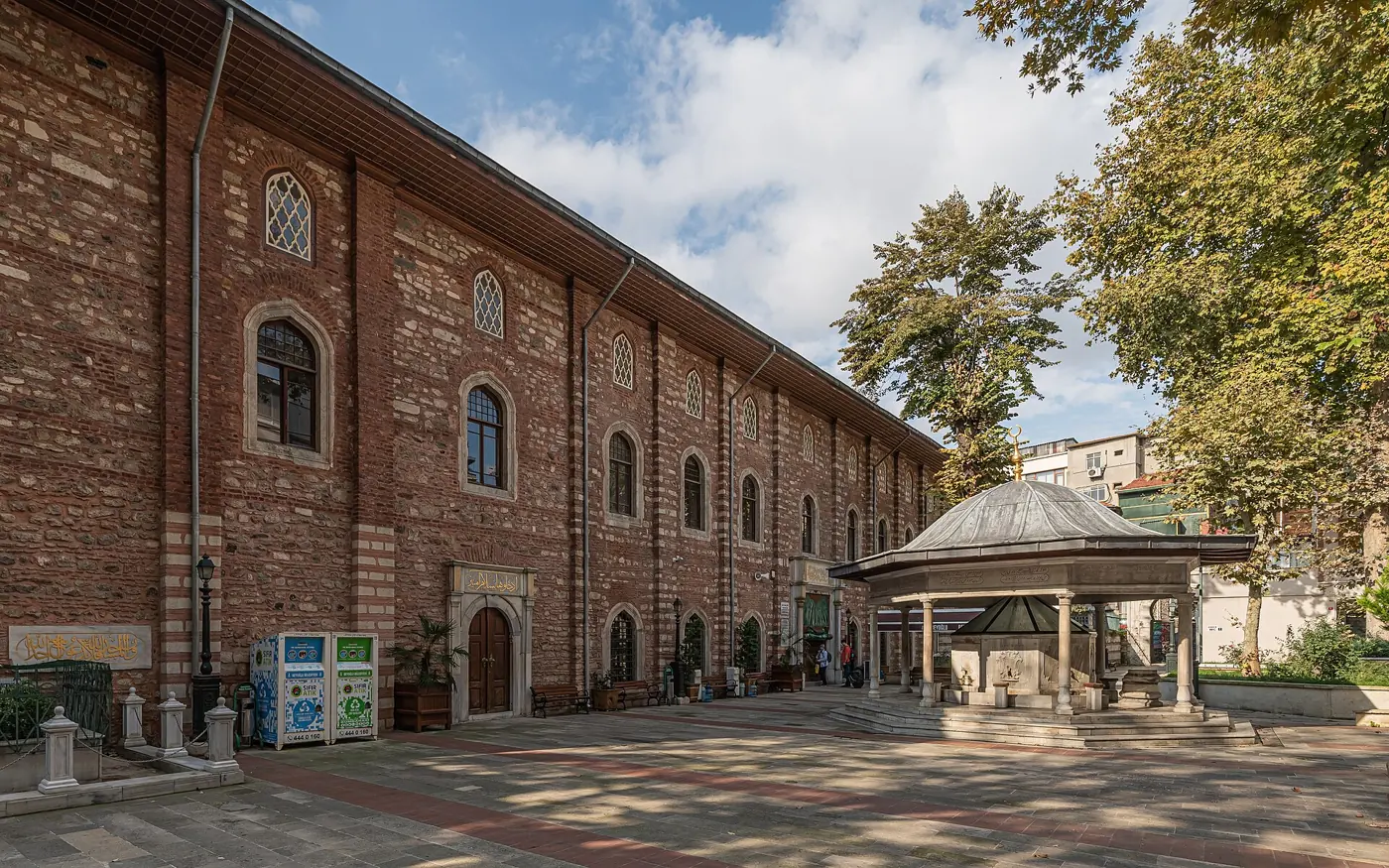
5 Arap Camii
The Arap Mosque in Karaköy has a medieval church origin, so it adds a different layer to the Galata walk.
- Location: Karaköy / Galata
- Origin: medieval church converted to a mosque
Show map
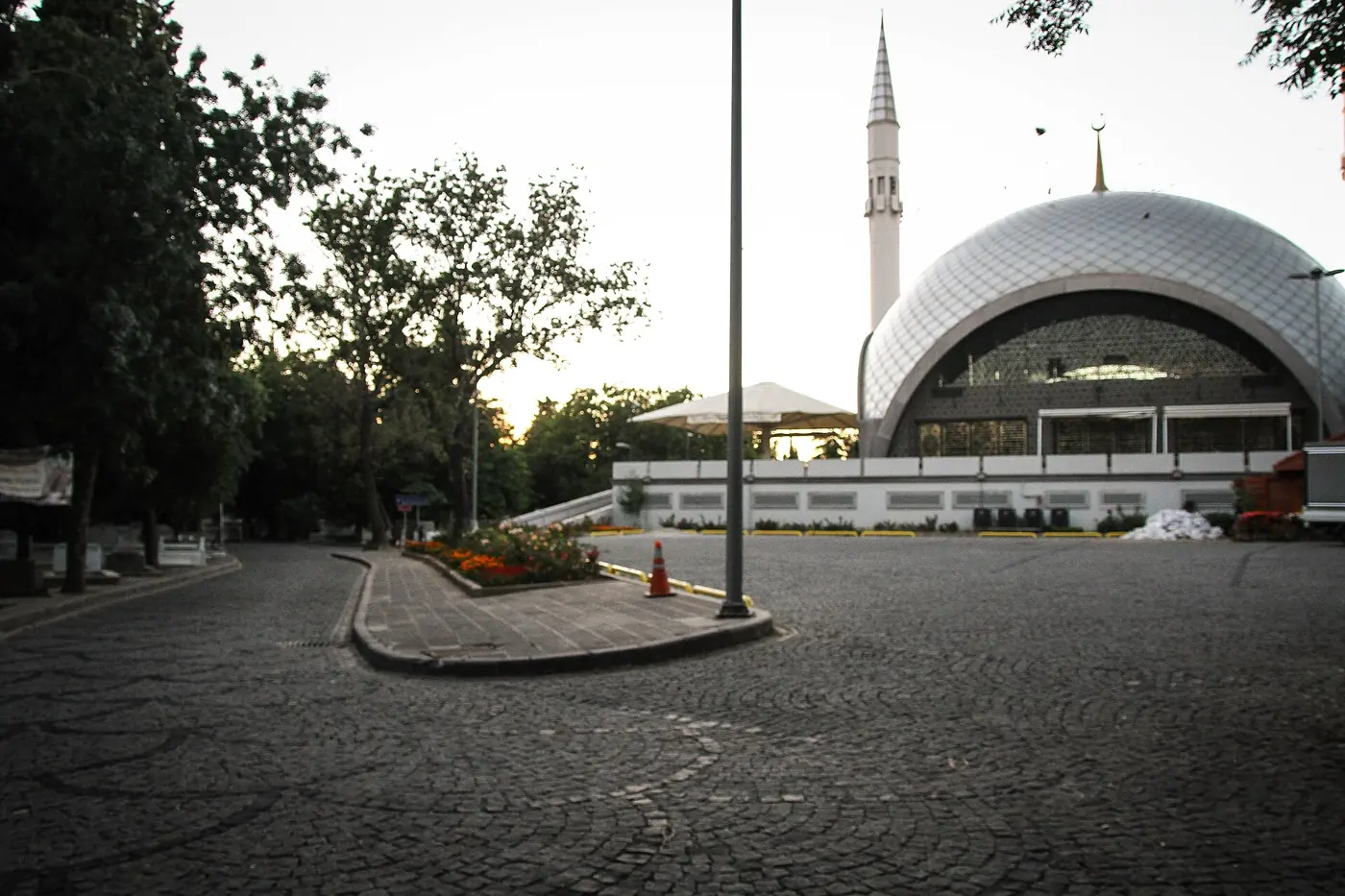
6 Şakirin Camii
Opened on 7 May 2009 at an entrance of Karacaahmet Cemetery, this modern mosque is notable for its contemporary design. It shows the city’s newer architecture.
- Opened: 7 May 2009
- Builder: Semiha Şakir Foundation
- Location: Karacaahmet Cemetery entrance
Show map
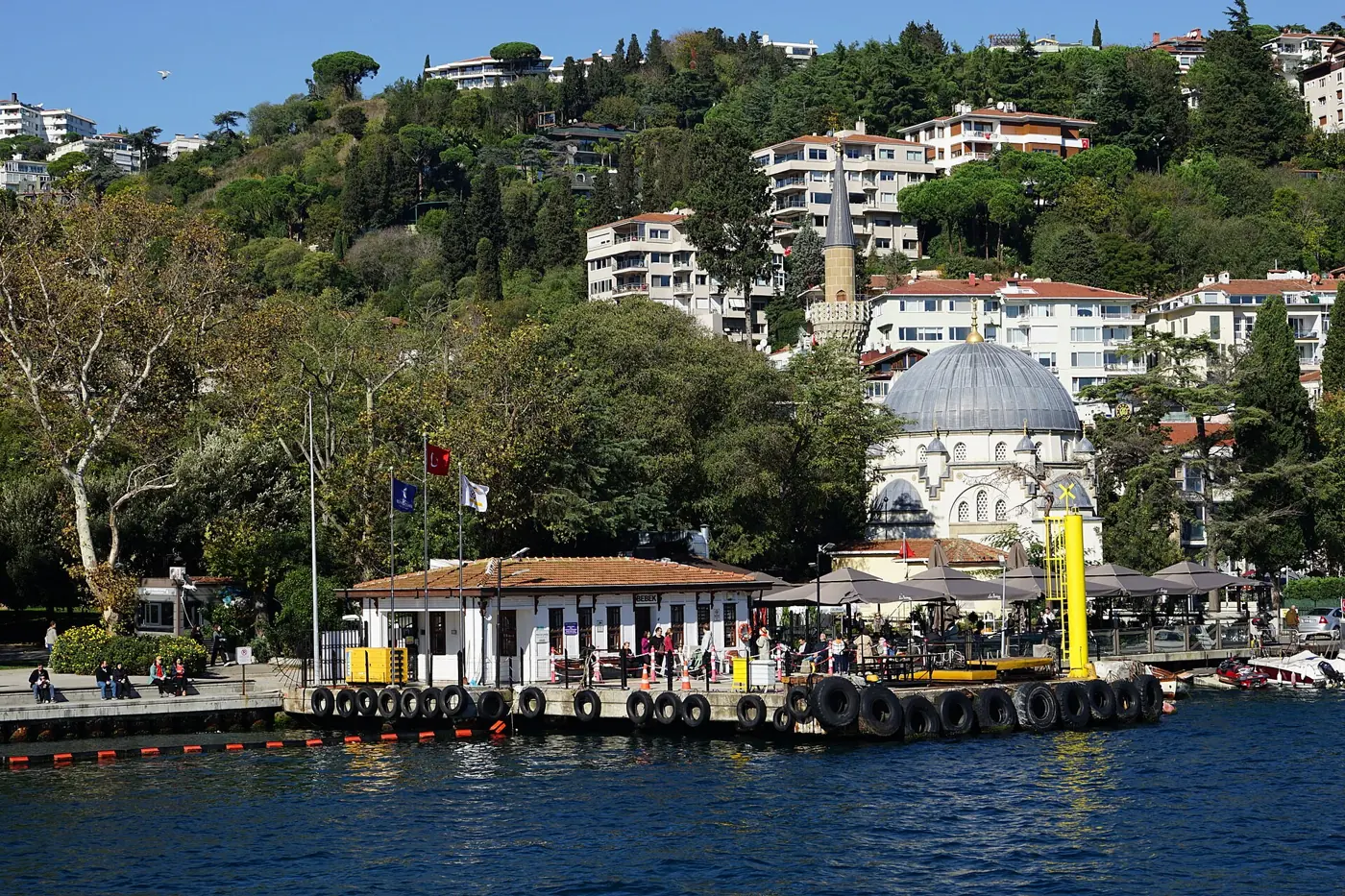
7 Bebek Camii (Hümayûn-u Âbâd)
Completed in 1913 and designed by Mimar Kemaleddin, this Bebek mosque represents the First National Architectural Movement. It is a quiet Bosphorus stop.
- Built: 1913
- Architect: Mimar Kemaleddin
- Official name: Hümayûn-u Âbad Mosque
Show map
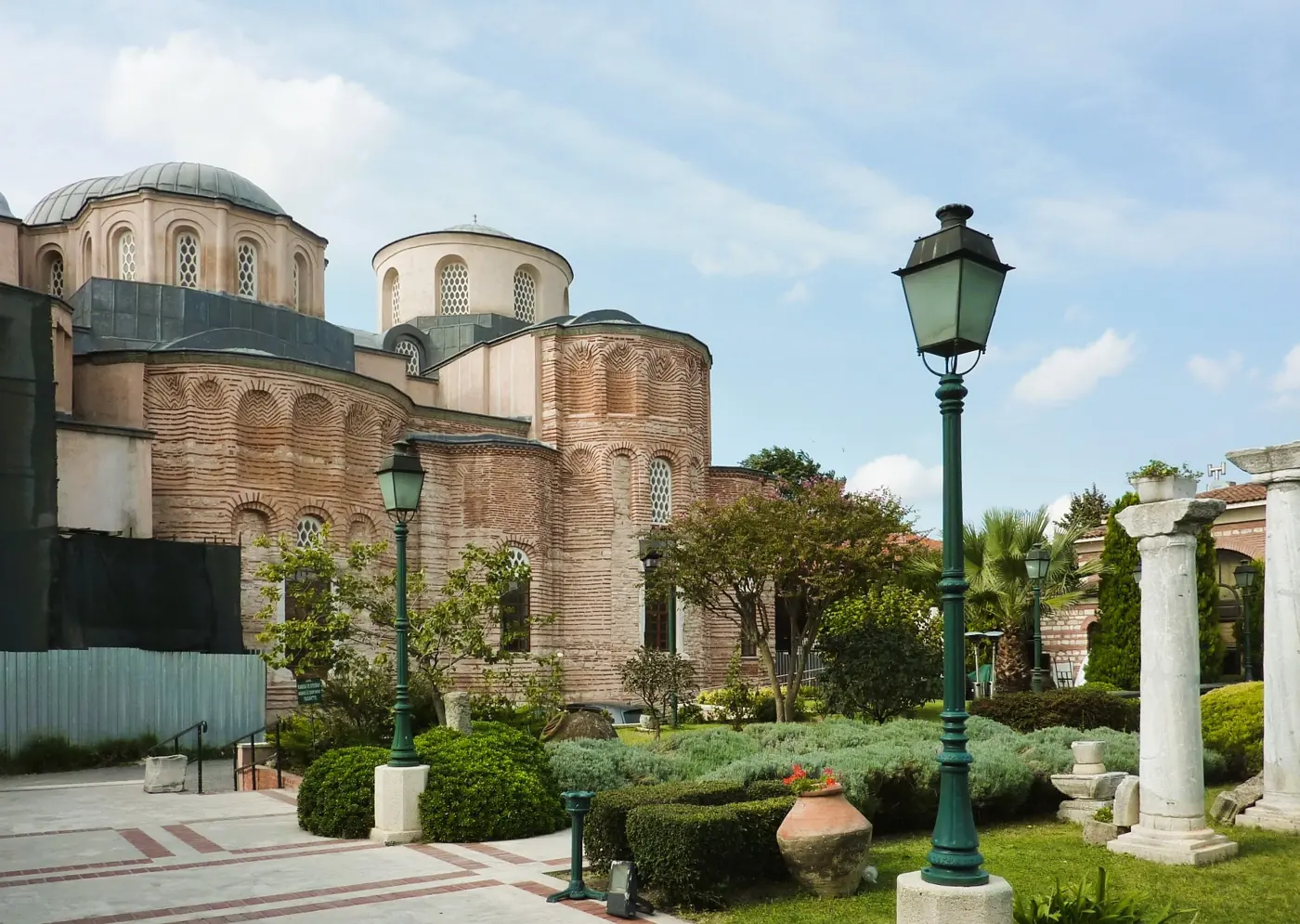
8 Zeyrek Camii
Zeyrek is made of two former Byzantine churches of the Pantokrator Monastery. It overlooks the Golden Horn and sees fewer visitors than Sultanahmet.
- Origin: Monastery of the Pantokrator
- Location: Fazilet Street, Zeyrek
- View: Golden Horn
Show map
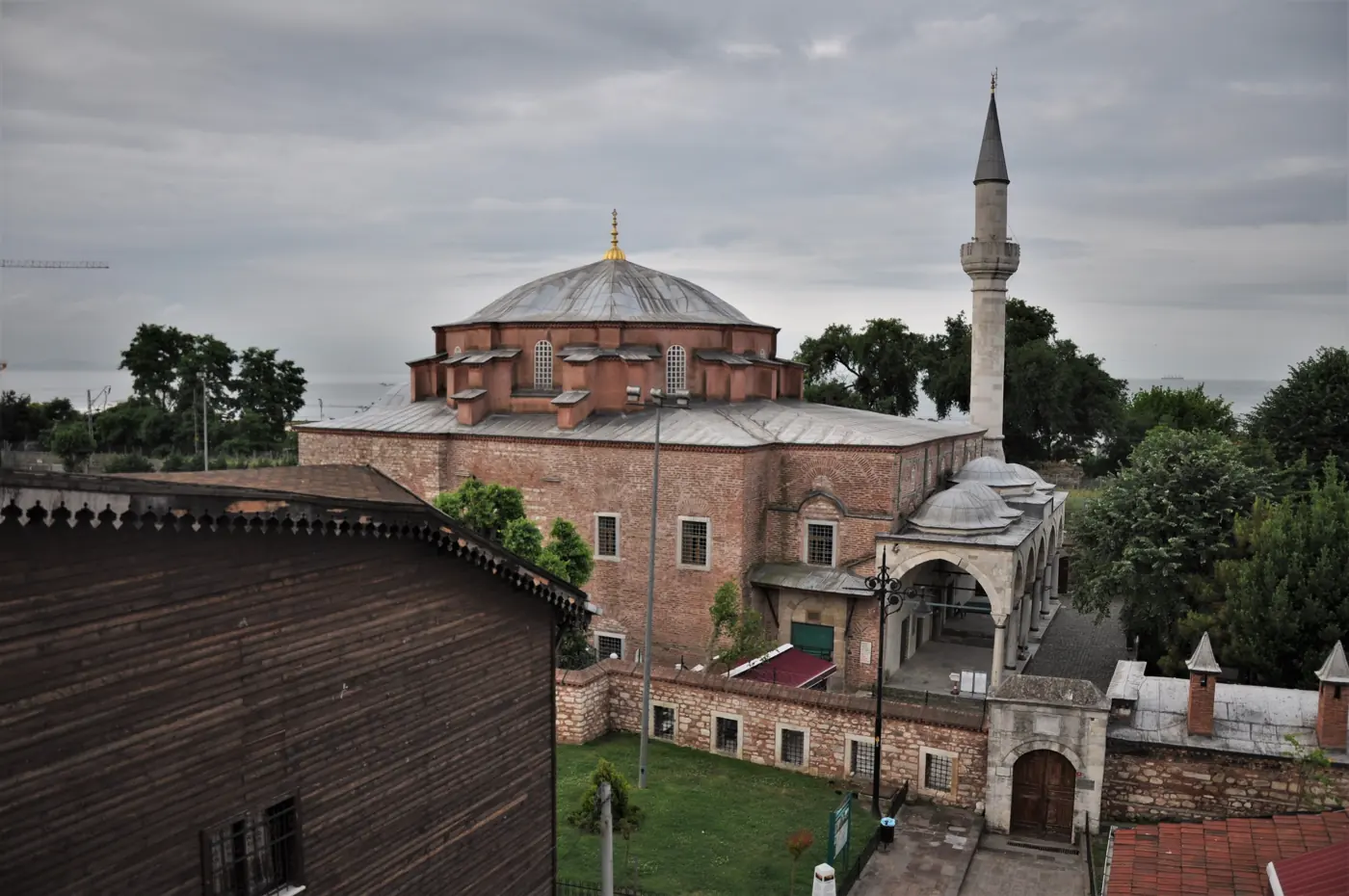
9 Küçük Ayasofya Camii
Formerly the Church of Saints Sergius and Bacchus, built in 527-536, this mosque near the Marmara shore is a quieter cousin of Hagia Sophia.
- Built: 527-536 AD (Sts Sergius and Bacchus)
- Mosque since: c. 1500
Show map
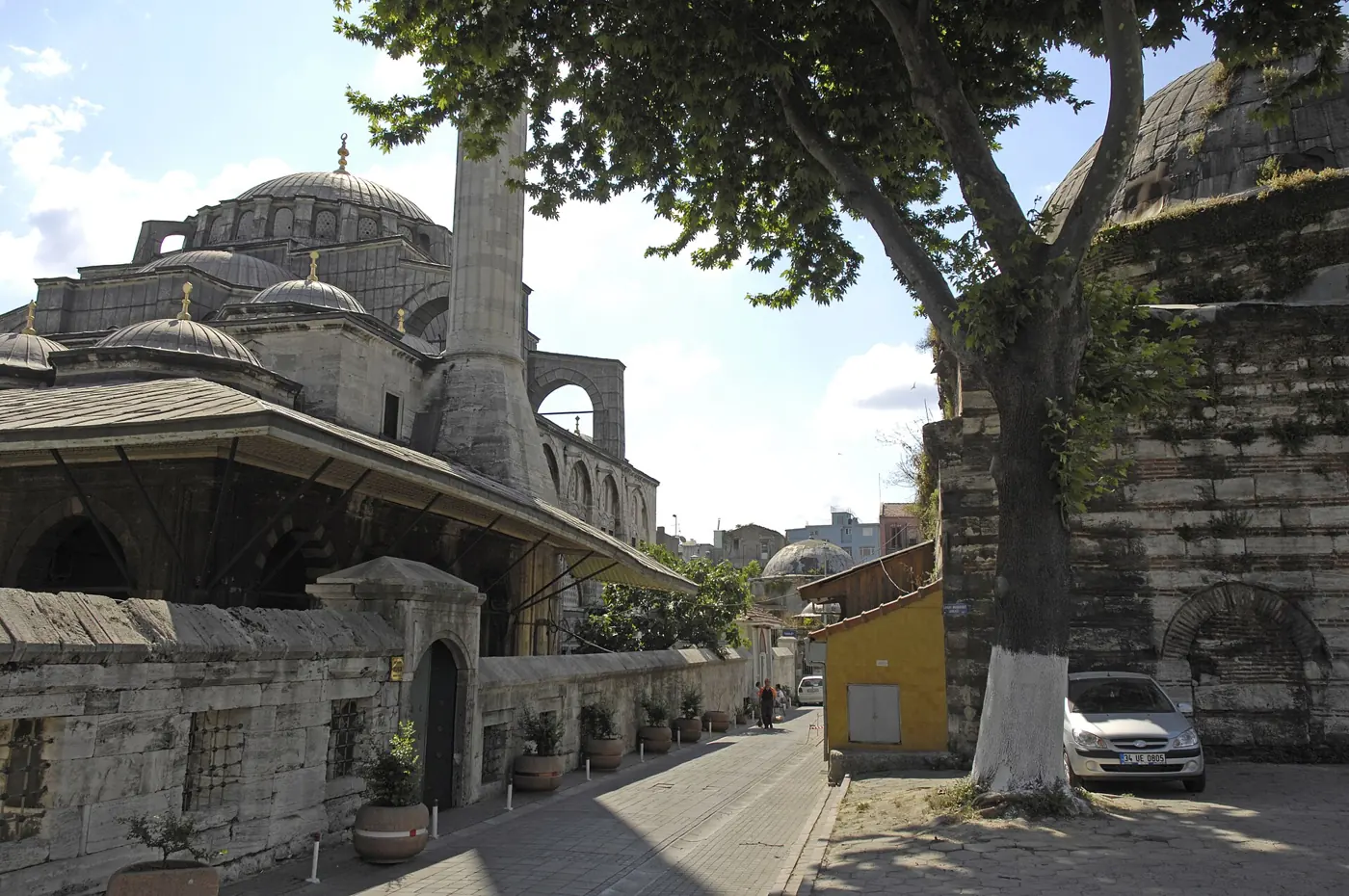
10 Kılıç Ali Paşa Camii
A Sinan mosque built in 1578-1580 beside the sea in Tophane. It is often passed by visitors heading to Galata.
- Mosque built: 1578-1580
- Complex built: 1580-1587
- Architect: Mimar Sinan
Show map
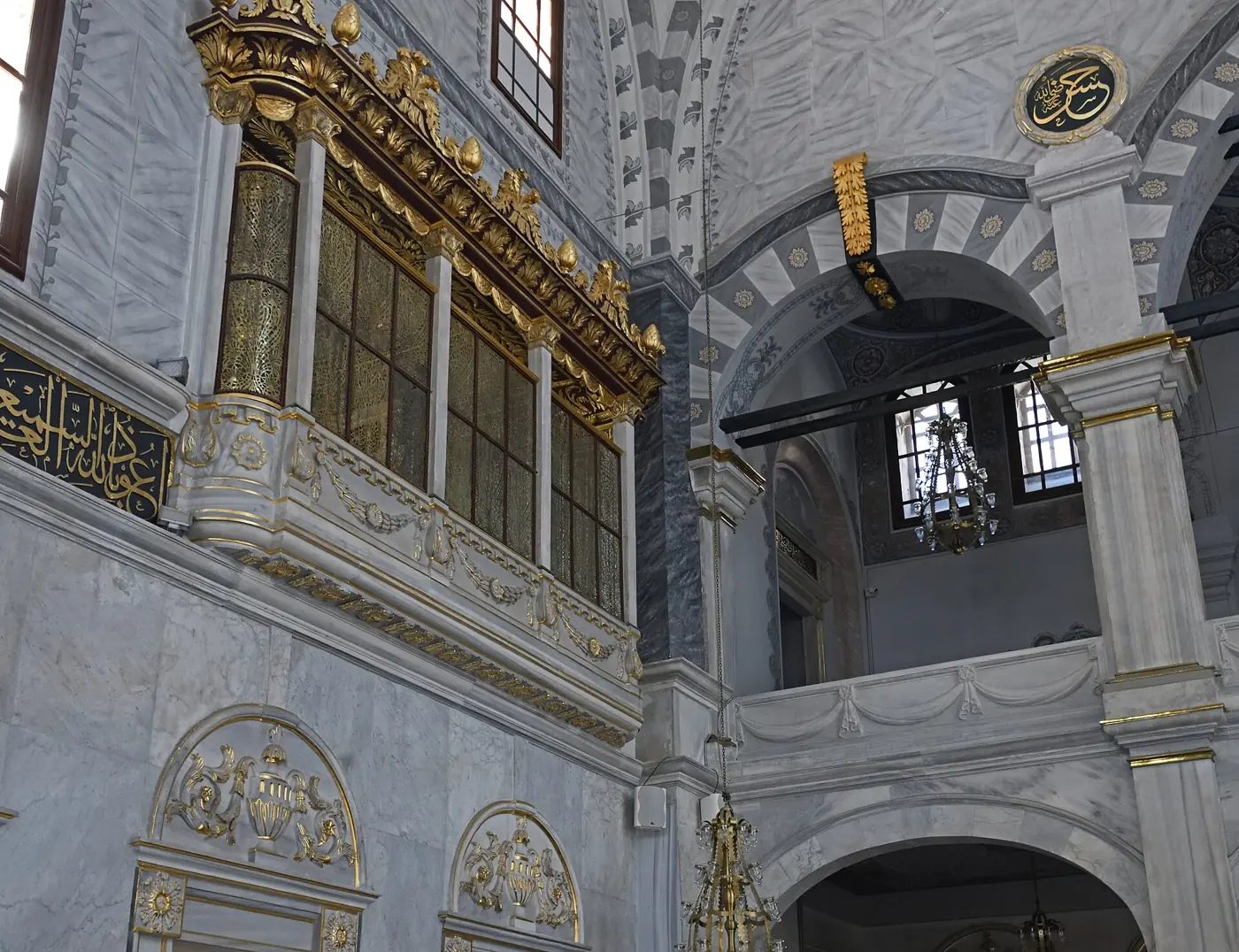
11 Nusretiye Camii
Built for Sultan Mahmud II between 1823 and 1826 in Tophane, this ornate mosque stands close to the waterfront. It makes an easy stop on the way to Karaköy.
- Built: 1823-1826
- Patron: Sultan Mahmud II
- Neighbourhood: Tophane
Show map
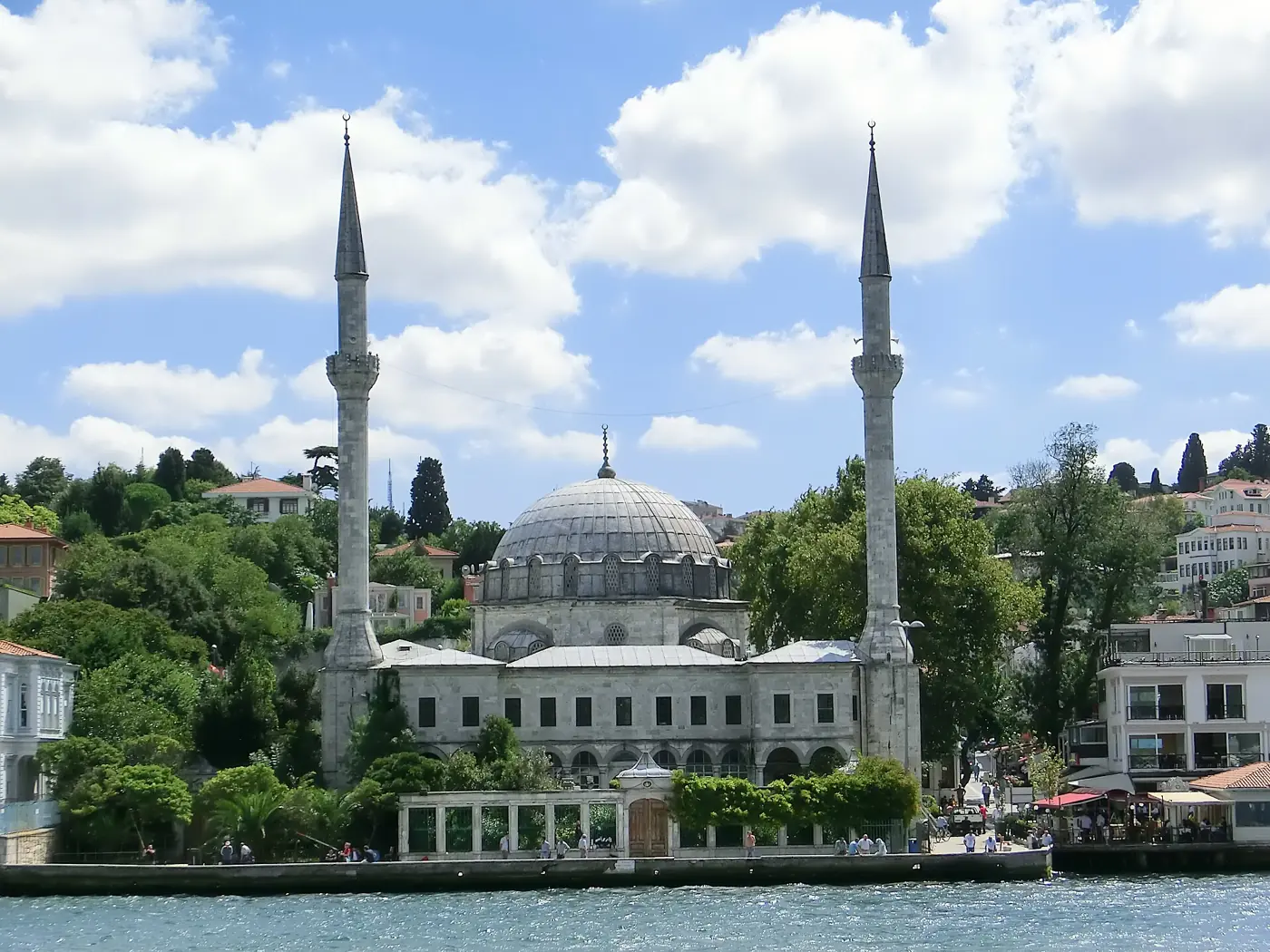
12 Beylerbeyi Camii (Hamid-i Evvel)
First built in 1777-1778 by Sultan Abdul Hamid I on the Bosphorus in Beylerbeyi. It sits on the Asian side.
- First built: 1777-1778
- Also called: Hamid-i Evvel Mosque
- Side: Asian
Show map
How do the hidden mosques compare?
The table shows district and the main fact for each mosque. Notice that several are on the Asian side, whereas others cluster in Tophane and Fatih. Consequently a half-day on the Üsküdar shore can cover four of them.
Use the table to pick mosques by area.
| Mosque | District | Key date or feature |
|---|---|---|
| Rüstem Pasha Mosque | Fatih | c. 1563 |
| Çinili Mosque | Üsküdar | 17th century |
| Şemsi Pasha Mosque | Üsküdar | Ottoman |
| Ayazma Mosque | Üsküdar | 1757-1761 |
| Arap Mosque | Beyoğlu | Karaköy / Galata |
| Şakirin Mosque | Üsküdar | 7 May 2009 |
| Bebek Mosque | Beşiktaş | 1913 |
| Zeyrek Mosque | Fatih | Monastery of the Pantokrator |
| Little Hagia Sophia Mosque | Fatih | 527-536 AD (Sts Sergius and Bacchus) |
| Kılıç Ali Pasha Mosque | Beyoğlu | 1578-1580 |
| Nusretiye Mosque | Beyoğlu | 1823-1826 |
| Beylerbeyi Mosque | Üsküdar | 1777-1778 |
How do you reach these mosques?
Most of these mosques are on or near a ferry pier, tram stop or bus line. Üsküdar and Beylerbeyi are on the Asian side, Tophane has a T1 tram stop, and Zeyrek and Küçük Ayasofya are in Fatih. Use a route planner for live connections, since lines and stops change.
Use these access tips for the main areas.
- Üsküdar: take Marmaray or a ferry, then walk the waterfront between the mosques.
- Tophane and Karaköy: take the T1 tram and walk to Kılıç Ali Pasha, Nusretiye and Arap Mosque.
- Fatih: use the tram, then walk or take a taxi up to Zeyrek and down to Küçük Ayasofya.
- Bosphorus villages: use a bus, taxi or private car for Bebek and Beylerbeyi.
This table gives the general access for each area.
| Area | Mosques | Main access |
|---|---|---|
| Üsküdar | Çinili, Şemsi Pasha, Ayazma | Marmaray or ferry, then walk |
| Tophane and Karaköy | Kılıç Ali Pasha, Nusretiye, Arap | T1 tram |
| Fatih | Zeyrek, Küçük Ayasofya, Rüstem Pasha | Tram, then walk or taxi |
| Bosphorus | Bebek, Beylerbeyi | Bus, taxi or private car |
What should you look for in a small mosque?
Small mosques reward close looking. Notice the tile panels, the proportions of the dome, the courtyard fountain and how the building meets the street. Moreover, many were built by court figures, so their size reflects personal patronage rather than imperial scale.
Visit quietly, because small mosques serve their neighbourhood daily. If a service is under way, wait in the courtyard or move on to the next stop.
Check these details when you visit.
- Tile colours and how the panels are arranged.
- Dome size compared with the room.
- Courtyard fountain and trees.
- The building’s relation to the water or street.
- Signs of an earlier church or older building.
What does a sample quiet day look like?
A calm day groups mosques by area and leaves space for a break. The table gives a plan that starts in Fatih, moves to Tophane for the waterfront and ends on the Asian shore for a ferry view. Adjust it around prayer times.
Follow this plan and shorten it if you tire.
| Time | Stop | Focus |
|---|---|---|
| Morning | Zeyrek and Küçük Ayasofya | Byzantine origins |
| Midday | Rüstem Pasha Mosque | Tile detail |
| Afternoon | Kılıç Ali Pasha and Nusretiye | Waterfront architecture |
| Late afternoon | Üsküdar shore | Çinili and Şemsi Pasha |
What should you remember about etiquette and timing?
Dress modestly, remove your shoes and keep voices low. Small mosques may have fewer staff, so respect posted signs. However, hours and access change often, so check Google Maps or the place’s page before you set out. Early morning and mid-afternoon are usually the calmest.
Allow twenty to thirty minutes per small mosque plus travel time. Moreover, carry a light scarf and slip-on shoes, because you will remove them several times during the day.
Why visit small mosques instead of only the big landmarks?
Large landmarks draw the largest crowds, which leaves little room for slow looking. Small mosques give you the opposite: space, quiet and time to study a single wall of tiles or one carved doorway. They also let you meet the city on neighbourhood terms, since local residents still use them every day.
Small mosques often preserve unusual stories. Some began as churches, some were funded by court figures with a personal taste, and some were built as modern experiments. Moreover, they are often placed on waterfronts or hillsides that give a good view, so the walk to reach them is part of the reward.
A hidden-mosque day also spreads visitors across the city instead of pressing everyone into Sultanahmet. In contrast to a landmark checklist, this route teaches you how Istanbul’s districts connect. Therefore it works especially well for a second or third visit, when the headline sights are already behind you.
To plan the day, pick one cluster and stay in it. Üsküdar alone offers several mosques within walking distance, so you can finish with tea on the waterfront and a ferry home. In contrast, trying to cross the city twice wastes the quiet you came for.
Keep your expectations flexible. A small mosque may be closed for prayer or cleaning when you arrive, however the next one is usually close. Treat each stop as a bonus rather than a fixed target, and enjoy the streets between them.
Frequently asked questions
Which small mosque has the best tiles?
The Rüstem Pasha Mosque is known for many different İznik tile designs. The Çinili Mosque in Üsküdar is also famous for its tile decoration.
Are small mosques open to visitors?
Many are open outside prayer times, but access varies. Check the place’s page or Google Maps.
Is it appropriate to take photos?
Usually yes, without flash, but avoid photographing worshippers and follow any signs.
Which hidden mosque is best for Bosphorus views?
The Ayazma, Bebek and Beylerbeyi mosques sit close to the Bosphorus. Üsküdar’s waterfront mosques are also good.
Can I combine these with the main landmarks?
Yes. Rüstem Pasha is near the Spice Bazaar and Zeyrek is close to the old city. Use them as quieter breaks.
How much time do I need?
Allow twenty to thirty minutes per small mosque, plus travel time.
Do I need a guide?
Not required, but a guide helps with background on the architects and former churches.
Can TurkGT plan a quiet-mosques route?
Yes. Ask for a private car with driver or a licensed guide by WhatsApp or the form.
Plan this with TurkGT
A private car with driver is the easiest way to link these scattered mosques, and a licensed guide can explain their stories. Share your dates and starting point by WhatsApp or the inquiry form and we will build a quiet route.
Request a booking
Sources
- Rüstem Pasha Mosque
- Çinili Mosque
- Şemsi Pasha Mosque
- Ayazma Mosque
- Arap Mosque
- Şakirin Mosque
- Bebek Mosque
- Zeyrek Mosque
- Little Hagia Sophia Mosque
- Kılıç Ali Pasha Mosque
- Nusretiye Mosque
- Beylerbeyi Mosque
Last reviewed: 2026-11-18.