
The historic churches to visit in Istanbul include Hagia Sophia, the Chora Church, Hagia Irene, the Pammakaristos, St. George in Fener and the Iron Church in Balat. Check current use and access before you go, since several are now mosques or venues.
Key facts
- Eras covered: Byzantine, Orthodox, Catholic
- Oldest site: Stoudios Monastery (c. 450)
- Key areas: Sultanahmet, Fener, Balat, İstiklal
- Best for: History and art lovers
- Dress: Modest; shoulders and knees covered
- Note: Several former churches now serve as mosques
- Access: Tram, bus and walking
- Cards below: 11 churches with map buttons
Which are the most important historic churches in Istanbul?
The most important historic churches in Istanbul are Hagia Sophia, the Chora Church, Hagia Irene, the Pammakaristos Church and the Patriarchal Church of St. George. They cover Byzantine, Orthodox and Catholic traditions, from the 5th century to the early 1900s.
Many Byzantine churches became mosques after 1453, therefore you often enter a working mosque to see Byzantine architecture. In contrast, the Orthodox and Catholic churches in Fener, Balat and Beyoğlu remain places of Christian worship.
How did we choose these churches?
We chose these places using four honest criteria: official or well-documented status, a clear location that works on a walking or tram route, details we can trace to published sources, and variety across districts and periods. We included Byzantine landmarks, active Orthodox and Catholic churches, and a few unusual buildings, so the list shows more than one tradition.
We do not accept payment for placement, and no venue can buy a spot. Moreover, opening arrangements, visitor rules and crowd levels change, so we send you to the place’s own page or Google Maps for today’s information and current visitor feedback instead of quoting scores here.
Which churches deserve a place on your route?
The cards below move from the Byzantine core to the Golden Horn and finish on İstiklal Avenue. Some buildings are active mosques or venues, so we note the current use where it matters. Always confirm access before you travel.
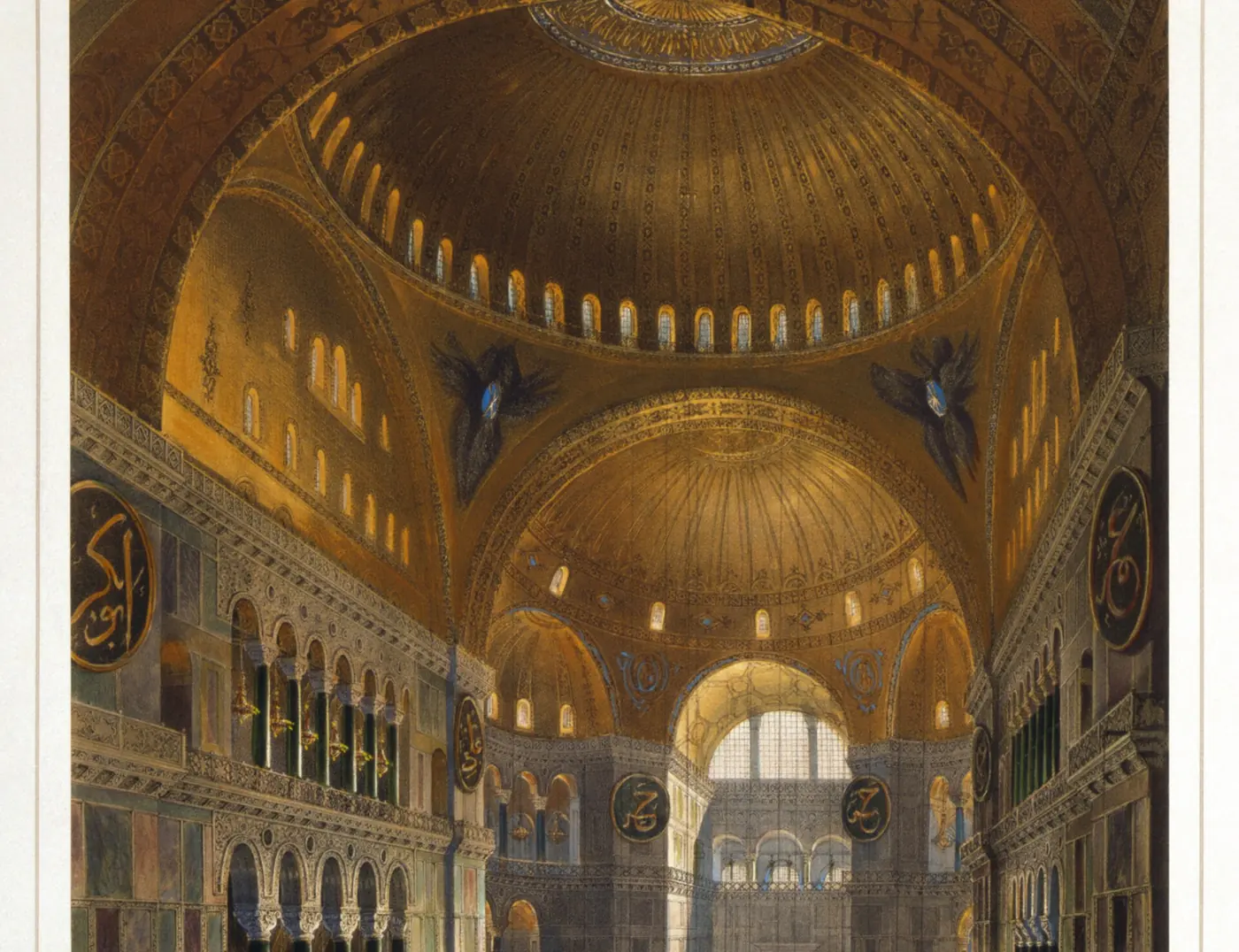
1 Ayasofya-i Kebir Cami-i Şerifi
Completed in 537 AD under Justinian I, Hagia Sophia began as a Byzantine cathedral. It later became a mosque, a museum and a mosque again since 2020, so check current visiting rules.
- Completed: 537 AD
- Area: Sultanahmet, Fatih
- Tram: Sultanahmet (T1)
Show map
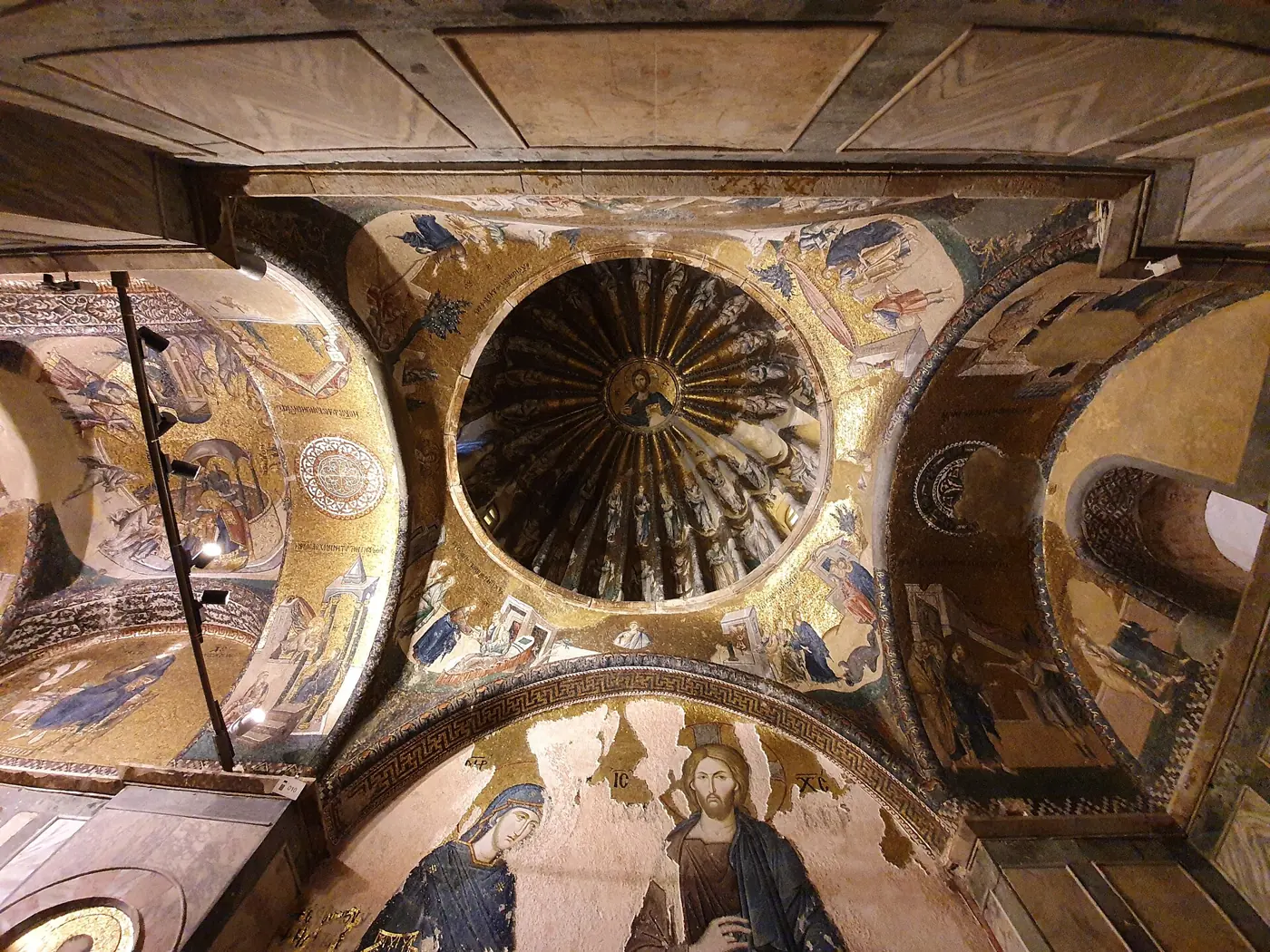
2 Kariye Camii
The Chora Church is famous for 14th-century mosaics and frescoes (c. 1315-1321). It reopened for worship as the Kariye Mosque in 2020, so check access before you go.
- Built: 11th-12th century, mosaics c. 1315-1321
- Area: Edirnekapı, Fatih
- Style: Byzantine
Show map
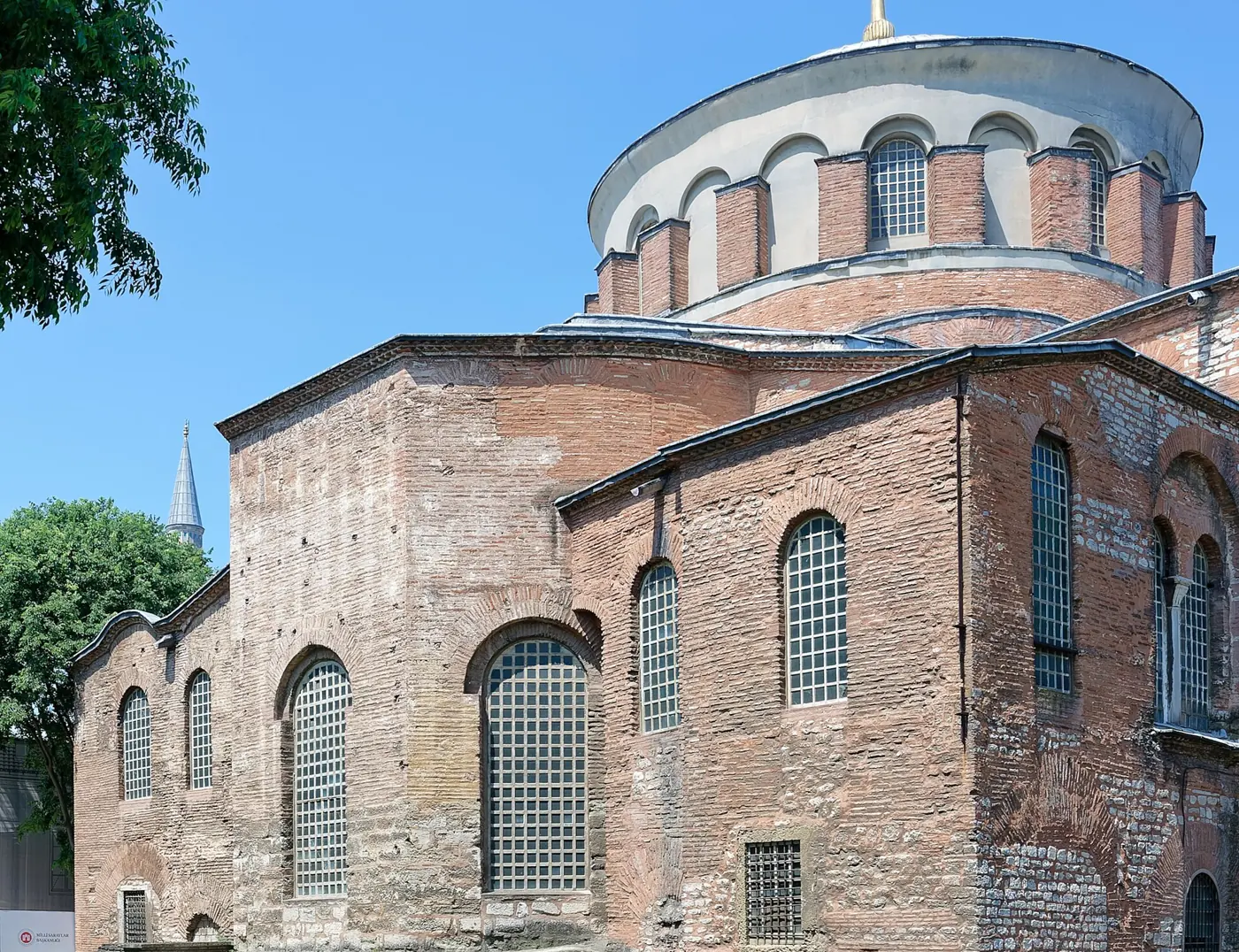
3 Aya İrini
Rebuilt in the 6th century under Justinian, Hagia Irene stands in the first courtyard of Topkapı Palace. It is now used as a concert and exhibition venue.
- Rebuilt: 6th century (Justinian I)
- Location: Topkapı Palace first courtyard
- Style: Byzantine
Show map
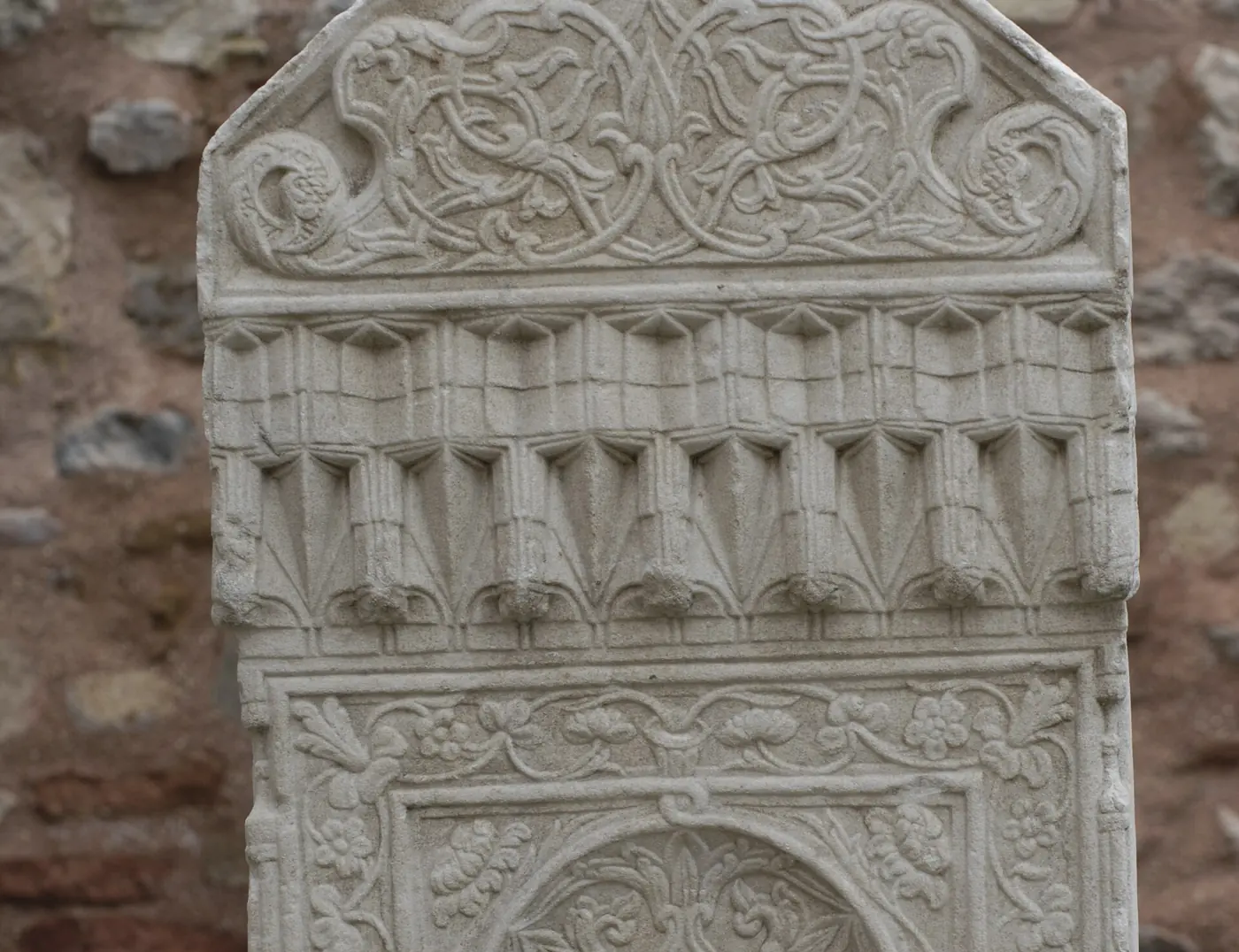
4 Küçük Ayasofya Camii
Built in 527-536, this early Byzantine church is a precursor of Hagia Sophia and is now a mosque near the Marmara shore. Its plan helps explain Justinian’s later great church.
- Built: 527-536
- Style: Byzantine
- Area: Küçük Ayasofya, Fatih
Show map
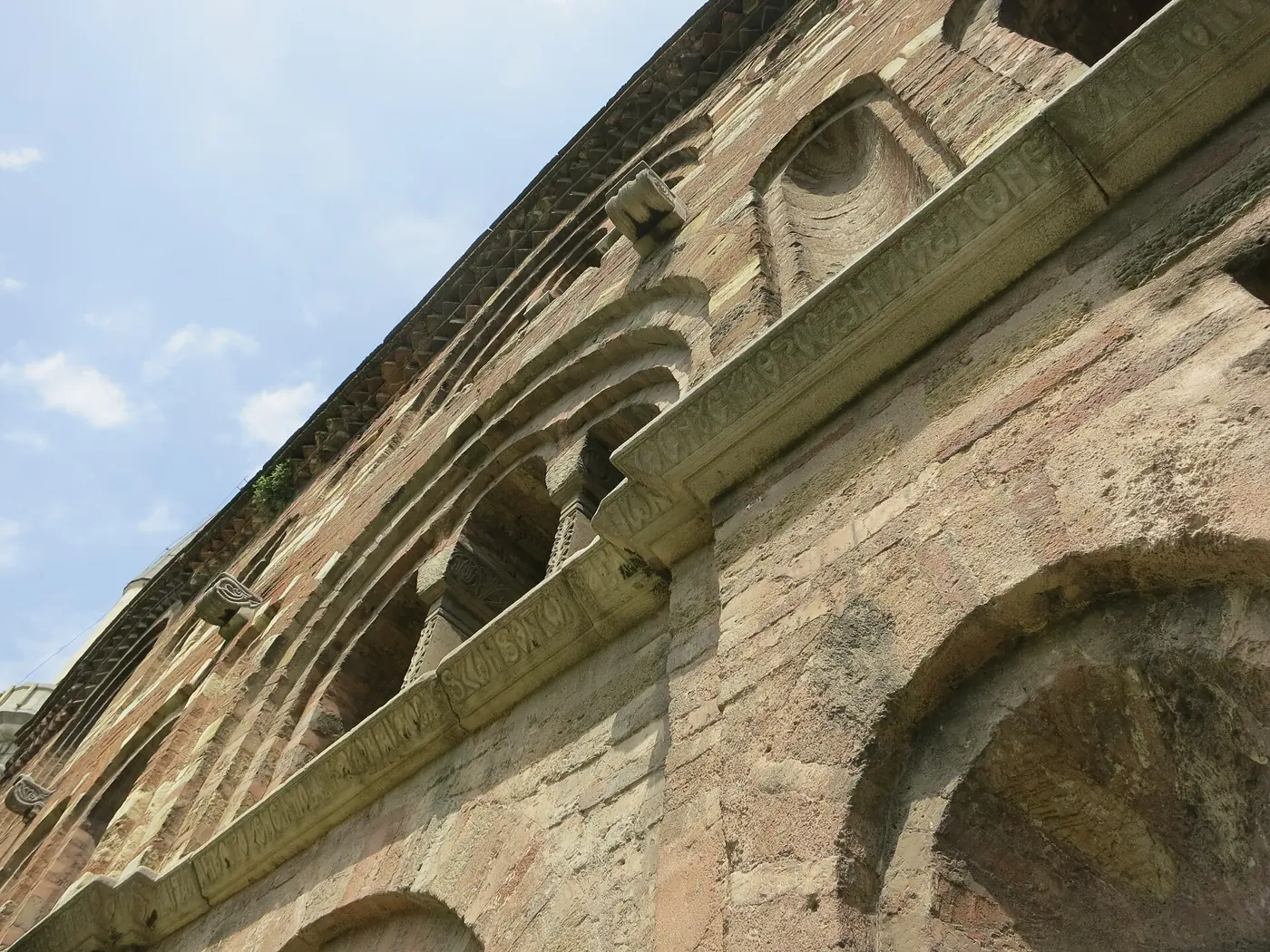
5 Fethiye Camii
The Pammakaristos has a Palaiologan parekklesion of c. 1310 with 14th-century mosaics. It later became the seat of the Greek Patriarchate and then the Fethiye Mosque.
- Parekklesion: c. 1310
- Area: Çarşamba, Fatih
Show map
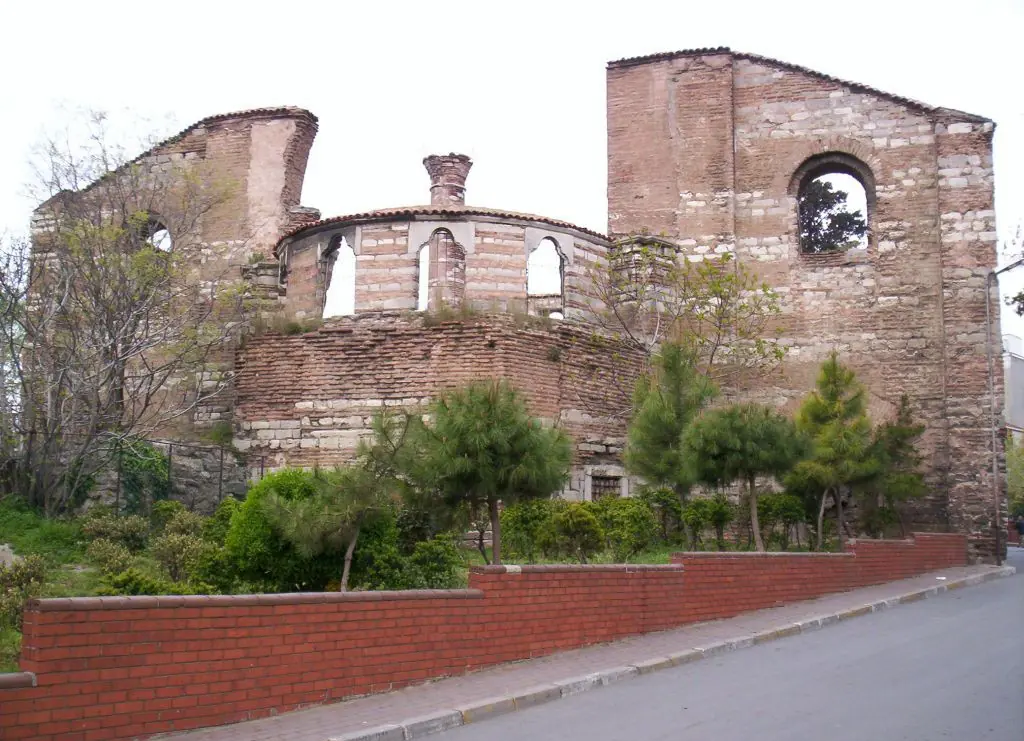
6 İmrahor İlyas Bey Camii
The ruined basilica of the Stoudios Monastery dates from about 450. It is the oldest surviving church building in Istanbul and an open-air site.
- Built: c. 450
- Status: Ruins, open-air site
- Area: Yedikule, Fatih
Show map
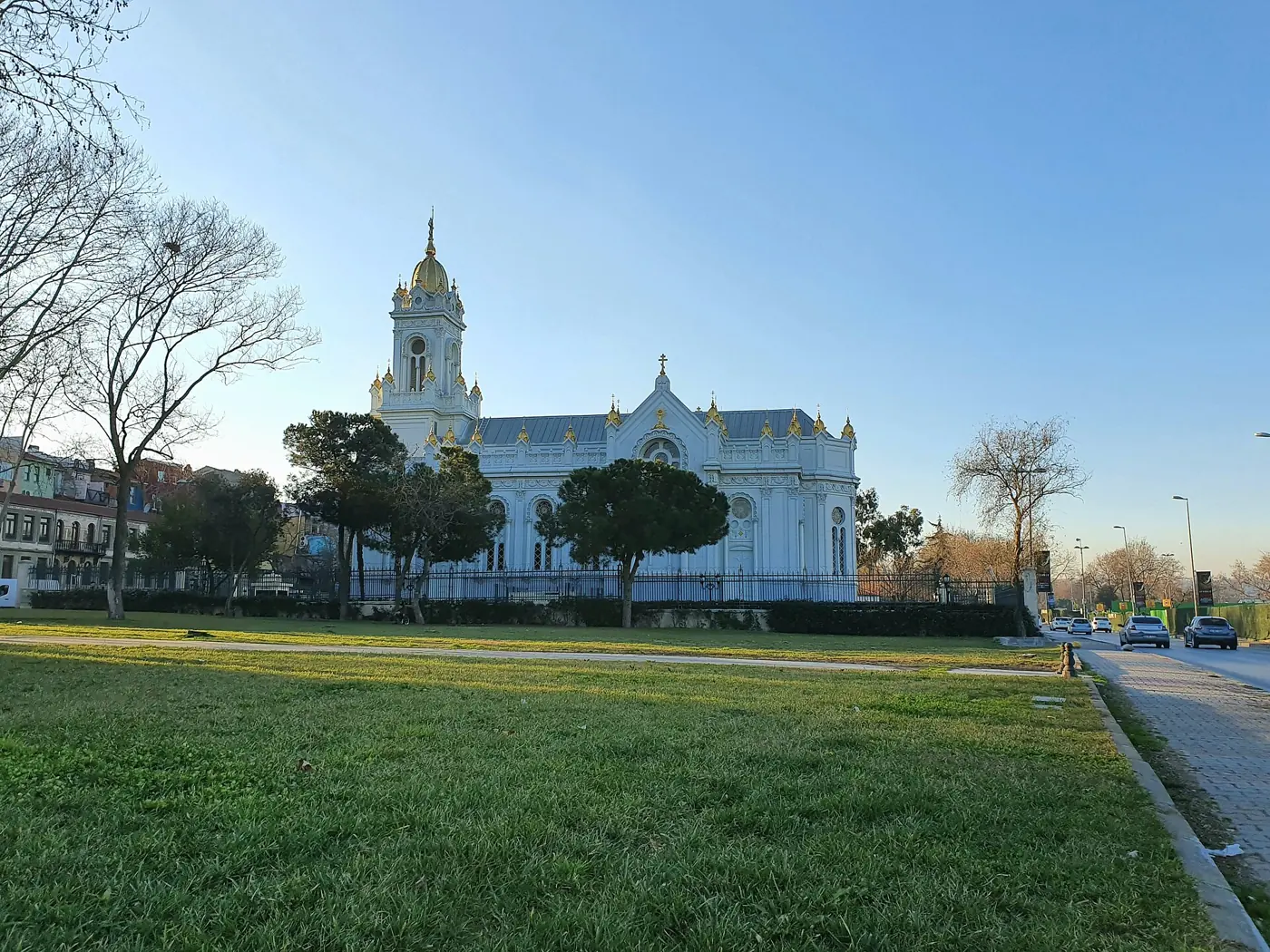
7 Demir Kilise
The Bulgarian St. Stephen Church, consecrated in 1898, is a prefabricated cast-iron church made in Vienna. It stands on the Golden Horn in Balat.
- Consecrated: 1898
- Material: Cast iron, prefabricated in Vienna
- Area: Balat, Fatih
Show map
8 Aya Yorgi Patrikhane Kilisesi
The Patriarchal Church of St. George in Fener is the seat of the Ecumenical Patriarchate. The present church dates from 1720.
- Present building: 1720
- Area: Fener, Fatih
- Role: Seat of the Ecumenical Patriarch
Show map
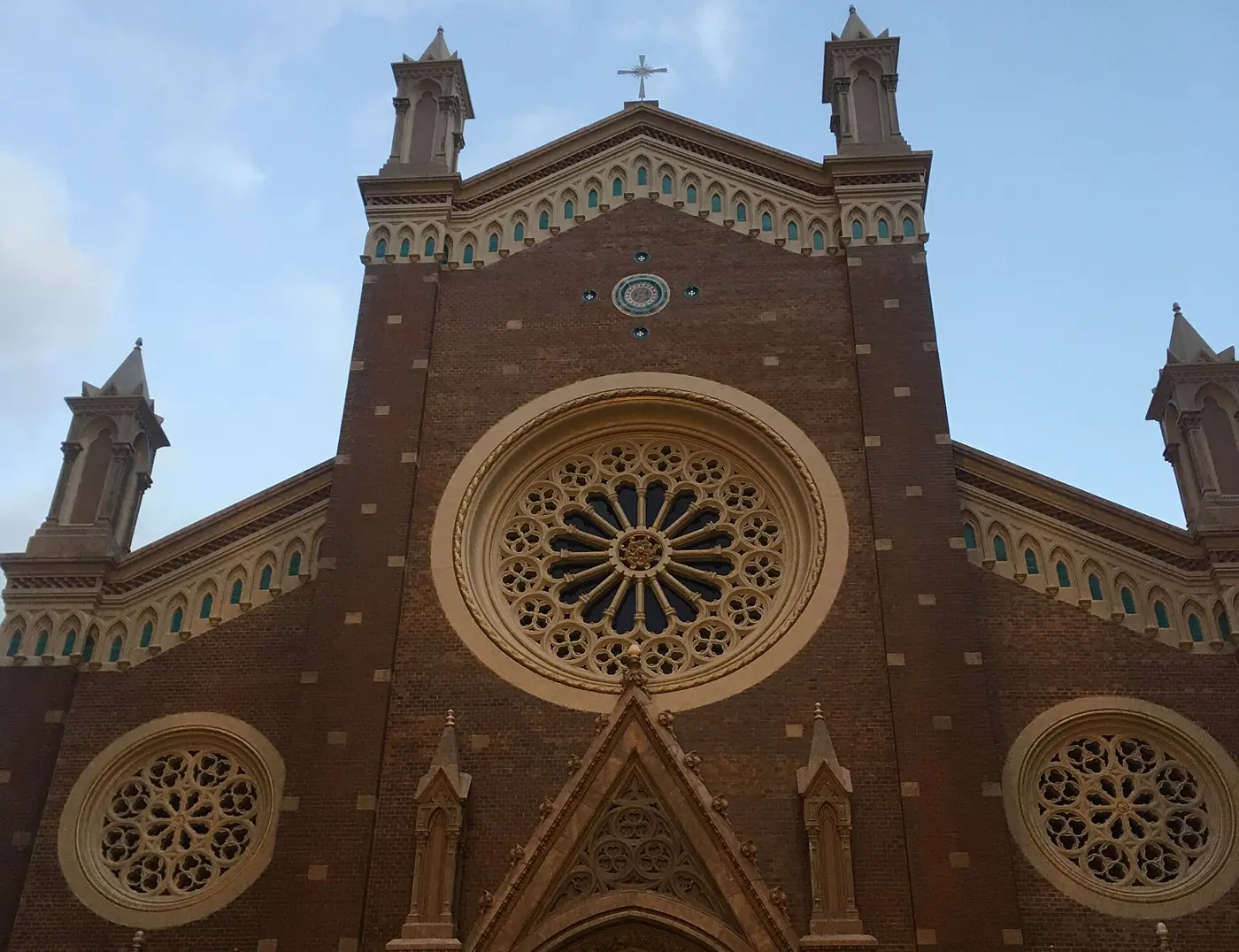
9 Sent Antuan Kilisesi
Built in 1906-1912 in neo-Gothic style on İstiklal Avenue, St. Anthony of Padua is the largest Roman Catholic church in Istanbul.
- Built: 1906-1912
- Style: Neo-Gothic
- Location: İstiklal Avenue
Show map
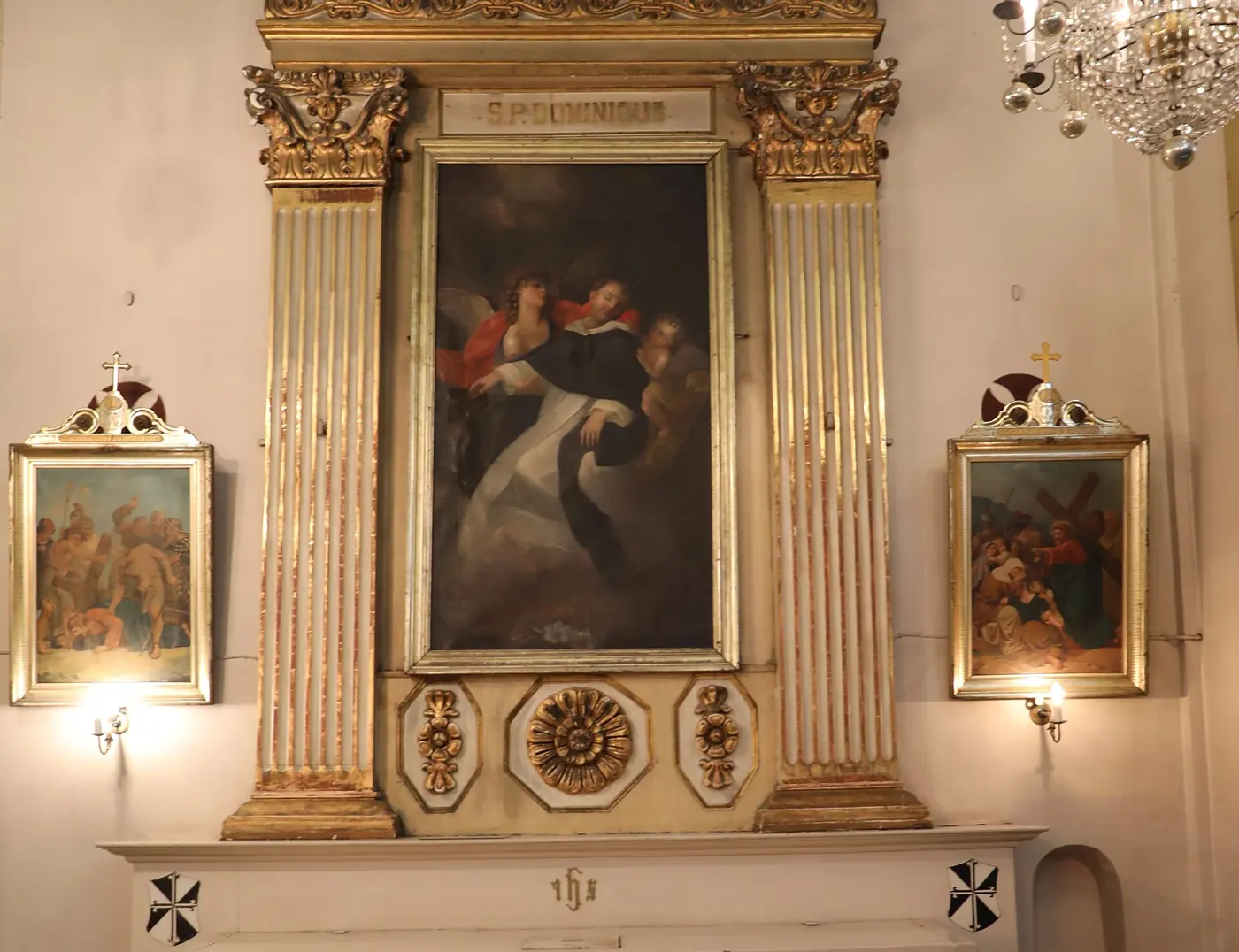
10 San Pierre ve Paolo Kilisesi
A Dominican Catholic church in Galata rebuilt in 1841 by the Fossati brothers on an older foundation. It is easy to add to a Galata walk.
- Rebuilt: 1841
- Architects: Fossati brothers
- Area: Galata, Beyoğlu
Show map
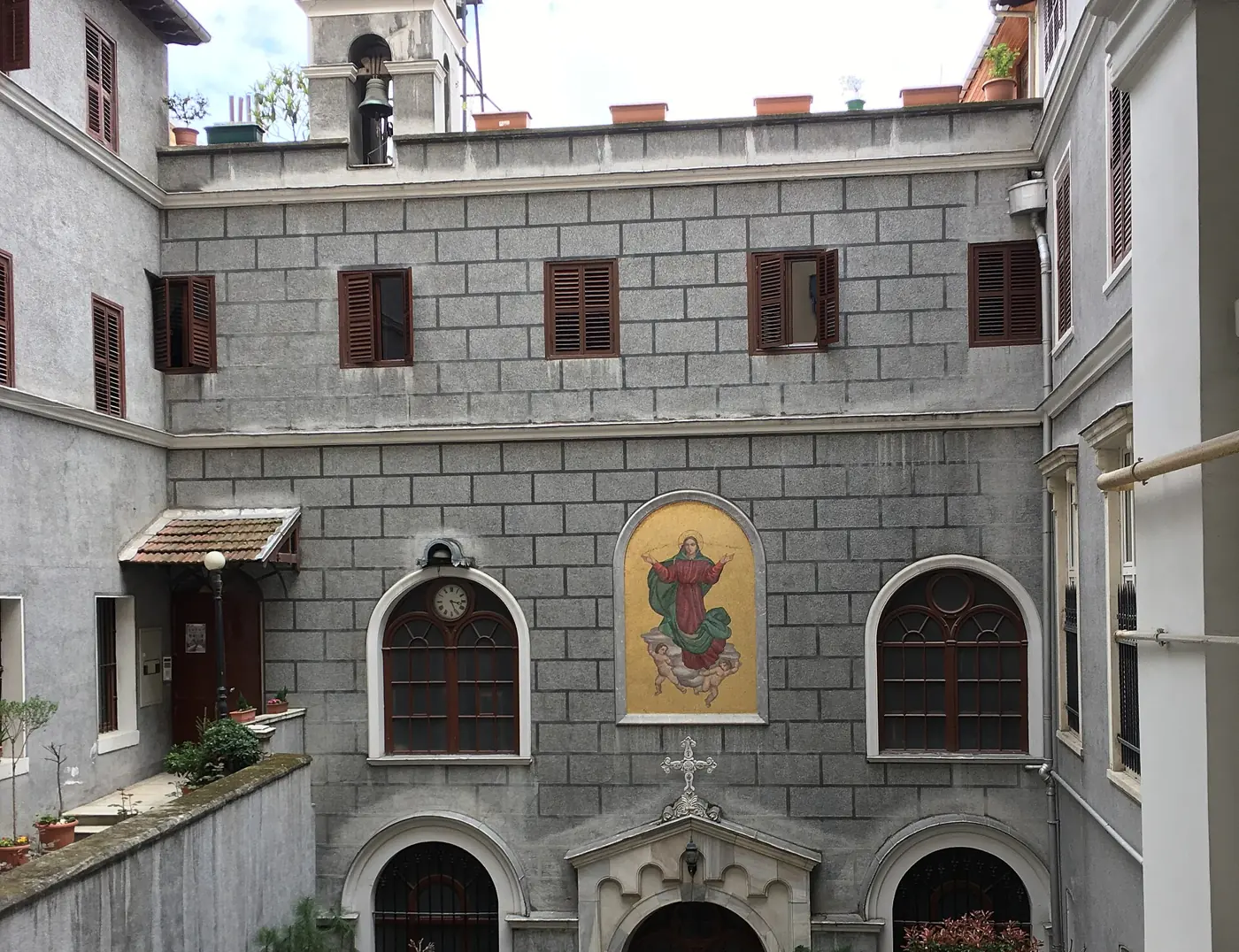
11 Sen Mari Draperis Kilisesi
This Catholic church on İstiklal Avenue dates back to 1789. It is a short walk from St. Anthony’s.
- Built: 1789
Show map
How do the churches compare?
The table lists each church by district and its main date. Notice the range: Stoudios dates to about 450, Hagia Sophia to 537, and the Catholic churches in Beyoğlu to the 18th and early 20th centuries. Therefore the list works as a short history of the city’s Christian communities.
Use this table to match a church to your interest.
| Church | District | Key date or feature |
|---|---|---|
| Hagia Sophia | Fatih | 537 AD |
| Chora Church (Kariye Mosque) | Fatih | 11th-12th century, mosaics c. 1315-1321 |
| Hagia Irene | Fatih | 6th century (Justinian I) |
| Little Hagia Sophia (Church of Saints Sergius and Bacchus) | Fatih | 527-536 |
| Pammakaristos Church (Fethiye Museum) | Fatih | c. 1310 |
| Stoudios Monastery (Imrahor Mosque) | Fatih | c. 450 |
| Bulgarian St. Stephen Church (Iron Church) | Fatih | 1898 |
| Patriarchal Church of St. George | Fatih | 1720 |
| St. Anthony of Padua Church | Beyoğlu | 1906-1912 |
| Church of Saints Peter and Paul, Galata | Beyoğlu | 1841 |
| Church of St. Mary Draperis | Beyoğlu | 1789 |
How do you get to the churches?
The Byzantine churches in Sultanahmet are reachable by the T1 tram, while the Chora Church and Pammakaristos need a bus or taxi. The Fener and Balat churches sit on the Golden Horn shore. İstiklal Avenue churches are walkable from Taksim or the Tünel funicular.
Use this route logic to link the churches.
- Sultanahmet: Hagia Sophia and Hagia Irene by T1 tram.
- Little Hagia Sophia: walk down from Sultanahmet toward the Marmara shore.
- Fener and Balat: St. George and the Iron Church by bus or taxi; use a route planner for live lines.
- İstiklal Avenue: St. Anthony and St. Mary Draperis on foot; Galata’s Peter and Paul is close.
This table gives the general access for each cluster.
| Cluster | Churches | Main access |
|---|---|---|
| Sultanahmet | Hagia Sophia, Hagia Irene | T1 tram |
| Edirnekapı and Çarşamba | Chora, Pammakaristos | Bus or taxi |
| Fener and Balat | St. George, Iron Church | Bus or taxi; check live routes |
| İstiklal and Galata | St. Anthony, St. Mary Draperis, Peter and Paul | Walk from Taksim or Tünel |
What should visitors know before entering?
Visitors should dress modestly, speak quietly and respect services. Active churches may be closed to tourists during worship, and former churches that now work as mosques follow mosque rules, including removing shoes. Moreover, hours change, so check each place’s page or Google Maps.
Keep these points in mind for church visits.
- Cover shoulders and knees; women carry a scarf for mosque-churches.
- Avoid visiting active churches during services.
- Photography rules vary; follow posted signs.
- Check whether a site is currently a mosque, a venue or a church.
- Do not enter restricted areas or touch icons.
What does a sample day look like?
One day can combine Byzantine highlights in the morning with the Golden Horn churches after lunch and finish on İstiklal Avenue. The table gives the order and the focus of each stop, which you can shorten as needed.
Follow this day plan and adapt it to opening arrangements.
| Time | Stop | Focus |
|---|---|---|
| Morning | Hagia Sophia and Hagia Irene | Byzantine landmark and palace church |
| Late morning | Little Hagia Sophia | Early Justinian-era church |
| Afternoon | Chora and Pammakaristos | Mosaics (check current access) |
| Late afternoon | Iron Church and St. George | Golden Horn Orthodox sites |
| Evening | St. Anthony on İstiklal | Neo-Gothic Catholic church |
What should you remember about planning?
The Byzantine mosaics are the star attraction, but access changes, so verify before you travel. Spring and autumn give pleasant walking weather. However, hills in Fener and Balat are steep, therefore wear comfortable shoes and allow extra time.
Allow thirty to sixty minutes per major church. Moreover, group Beyoğlu stops together, because they are within walking distance and save a taxi ride.
Why do Istanbul’s churches tell such a layered story?
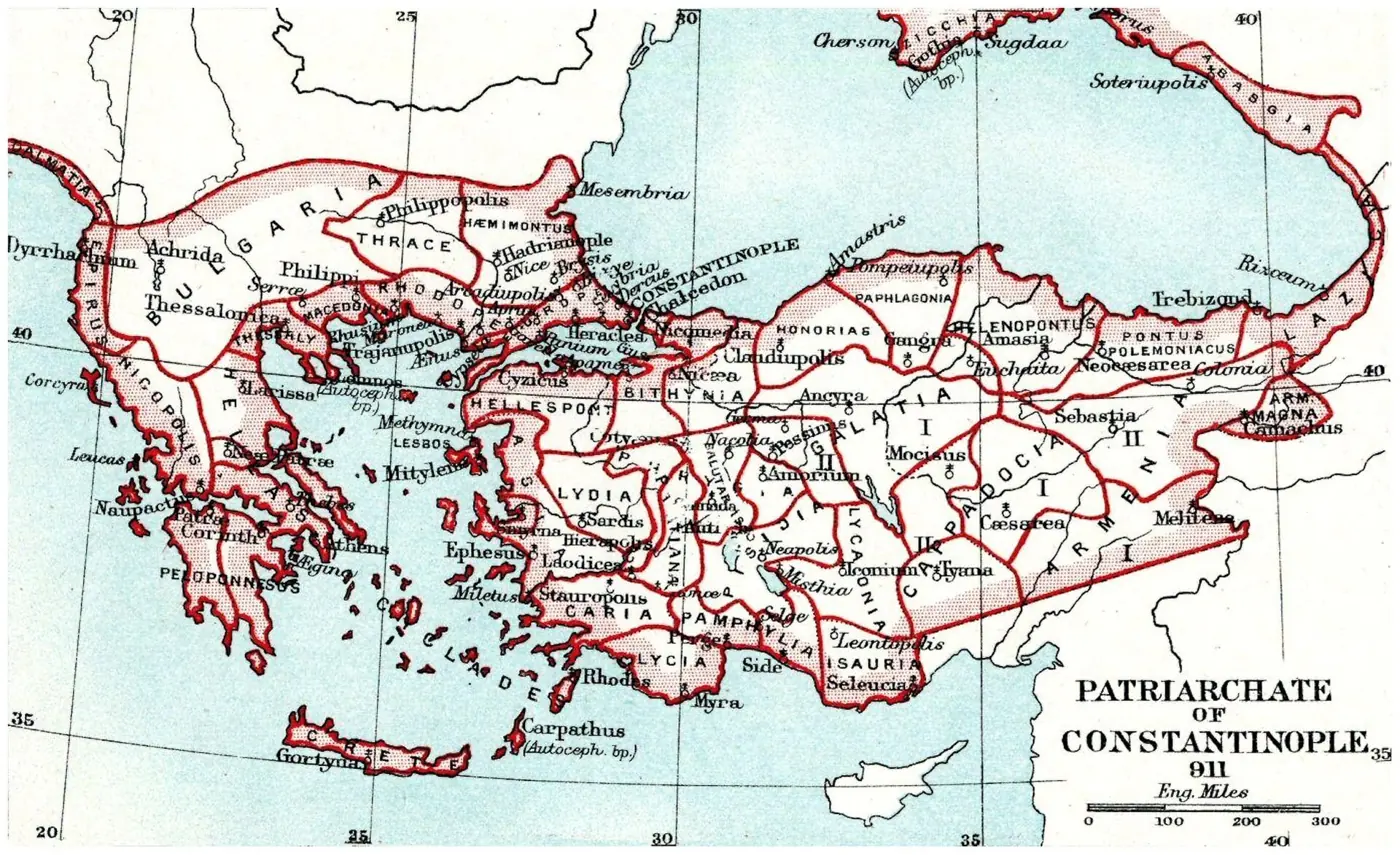
Constantinople was the capital of the Byzantine Empire for over a thousand years, so the city holds some of the earliest and finest Christian architecture in the region. After 1453 many churches became mosques, while other communities kept building their own places of worship. As a result Orthodox, Catholic and other traditions all appear on one map.
The 6th-century churches of Justinian’s time show the experiments that led to Hagia Sophia. The 14th-century mosaics in the Chora and Pammakaristos churches show a later artistic revival. Moreover, the 19th-century Iron Church and the neo-Gothic St. Anthony show how communities built anew when the city modernised.
For visitors, the practical lesson is to expect change. A building may be a mosque, a museum, a venue or a church depending on the year, so current information matters. Therefore always check the place’s page or Google Maps, and ask a guide if you want help reading the building’s layers.
Allow time for the neighbourhoods, not only the buildings. Fener and Balat reward slow walking, with steep lanes, small shops and views across the Golden Horn. Moreover, İstiklal Avenue offers cafes between the Catholic churches, so you can rest without leaving your route.
If you travel with children or older relatives, trim the list to four or five stops. Visits to Byzantine sites often involve stairs and uneven floors, therefore pace the day and use a private car for the longer transfers.
Frequently asked questions
Which is the oldest church in Istanbul?
The ruined basilica of the Stoudios Monastery, dated to about 450, is the oldest surviving church building in the city.
Can I visit the Chora Church?
It reopened for worship as the Kariye Mosque in 2020. Check the current visiting arrangements on its page or Google Maps.
Is Hagia Sophia still a church?
No. It was completed as a cathedral in 537 AD and has been a mosque since 2020.
Which Istanbul churches are still active?
The Patriarchal Church of St. George, the Iron Church and the Catholic churches on İstiklal Avenue are examples of active churches.
What is the Iron Church?
The Bulgarian St. Stephen Church is a prefabricated cast-iron church consecrated in 1898 in Balat.
Do I need to dress modestly?
Yes. Cover shoulders and knees, and women carry a scarf for former churches that now function as mosques.
Can I take photos inside?
Rules vary by site. Follow posted signs and avoid flash.
Can TurkGT arrange a guided church tour?
Yes. A licensed guide can explain the history and handle access questions; contact us by WhatsApp or the form.
Plan this with TurkGT
A licensed guide can explain Byzantine and Orthodox history on site, and a private car with driver links Sultanahmet, Fener and Beyoğlu easily. Send your dates by WhatsApp or the inquiry form and we will plan the day.
Request a booking
Sources
- Hagia Sophia
- Chora Church (Kariye Mosque)
- Hagia Irene
- Little Hagia Sophia (Church of Saints Sergius and Bacchus)
- Pammakaristos Church (Fethiye Museum)
- Stoudios Monastery (Imrahor Mosque)
- Bulgarian St. Stephen Church (Iron Church)
- Patriarchal Church of St. George
- St. Anthony of Padua Church
- Church of Saints Peter and Paul, Galata
- Church of St. Mary Draperis
Last reviewed: 2026-11-18.