
Istanbul’s best-known Islamic sacred relics are displayed in the Privy Chamber of Topkapı Palace, where the Ottoman dynasty kept relics of the Prophet Muhammad and early figures. Eyüp Sultan and the Museum of Turkish and Islamic Arts add related heritage. Check current access before you go.
Key facts
- Main display: Sacred Relics, Privy Chamber, Topkapı Palace
- Collection: Relics of the Prophet Muhammad and early figures
- Palace built: 1459-1465 under Mehmed II
- Related shrine: Eyüp Sultan, Eyüp
- Museum: Museum of Turkish and Islamic Arts, Sultanahmet
- Area: Sultanahmet (Fatih)
- Tip: Check section access on the palace page
Where are the Islamic sacred relics displayed in Istanbul?
The main display of Islamic sacred relics is the Sacred Relics section in the Privy Chamber of Topkapı Palace. It holds relics of the Prophet Muhammad and early figures that the Ottoman dynasty kept. The palace stands on Sarayburnu in Sultanahmet.
Other sites do not hold the same relics, but they add context. Eyüp Sultan honours a companion of the Prophet, and the Museum of Turkish and Islamic Arts shows manuscripts and metalwork. Therefore a full theme visit combines three stops.
How we chose these stops
We list only sites with a documented link to sacred heritage and a verified location. We do not claim access to items that are not on public display. We do not accept payment for placement.
Opening rules and visitor access change, so check the place’s page or Google Maps before you go.
What is the Sacred Relics section at Topkapı?
The Sacred Relics section is a display inside the Privy Chamber of Topkapı Palace. It shows relics of the Prophet Muhammad and early figures that passed to the Ottoman house. Visitors should treat it as a place of respect and keep conversation low.
The palace itself served as the main residence of the sultans for about 400 years. It is a UNESCO World Heritage Site within the Historic Areas of Istanbul. Moreover, it also holds the Imperial Treasury and the Harem, so plan extra time.
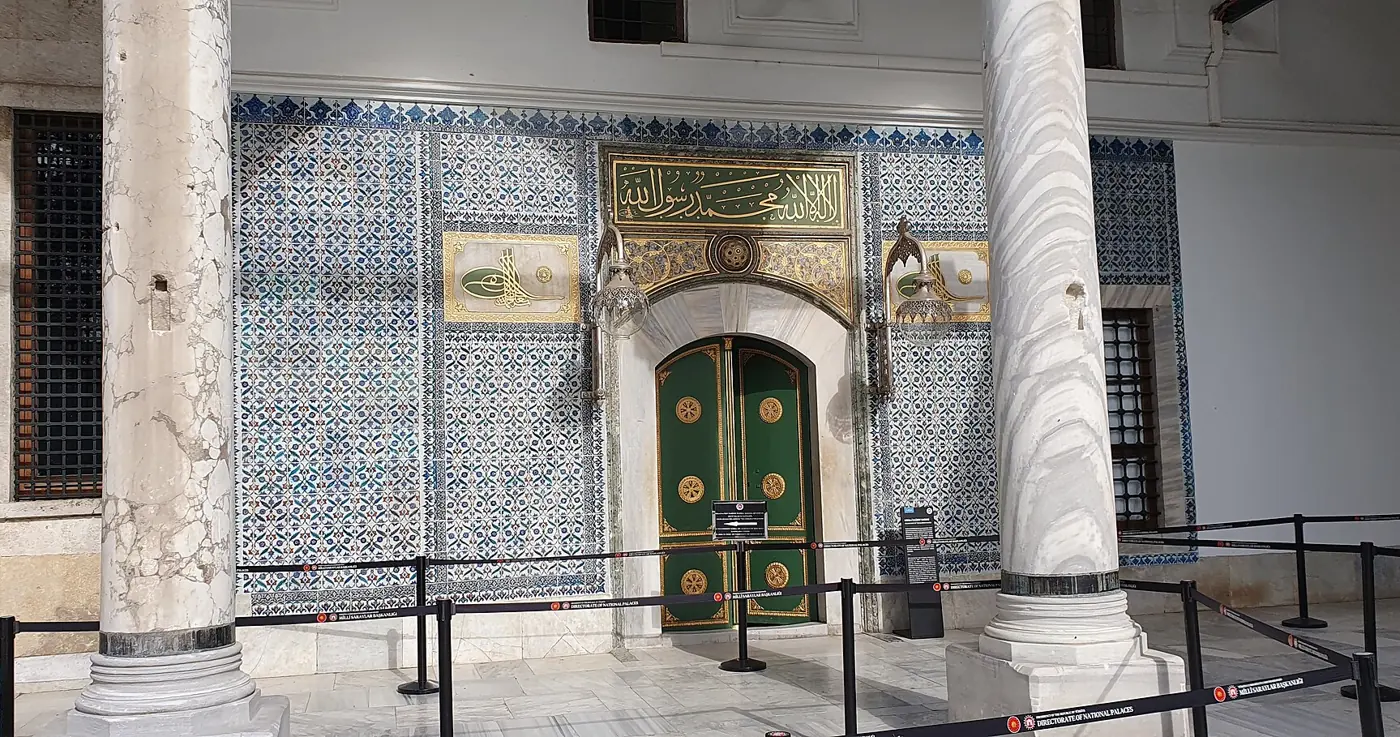
1 Kutsal Emanetler Dairesi
The core stop for this guide. The section sits in the Privy Chamber and displays relics of the Prophet Muhammad and early figures. Check the palace page for current access, because sections can close for works.
- Location: Privy Chamber, Topkapı Palace
- Items: Relics of the Prophet Muhammad and early figures
Show map
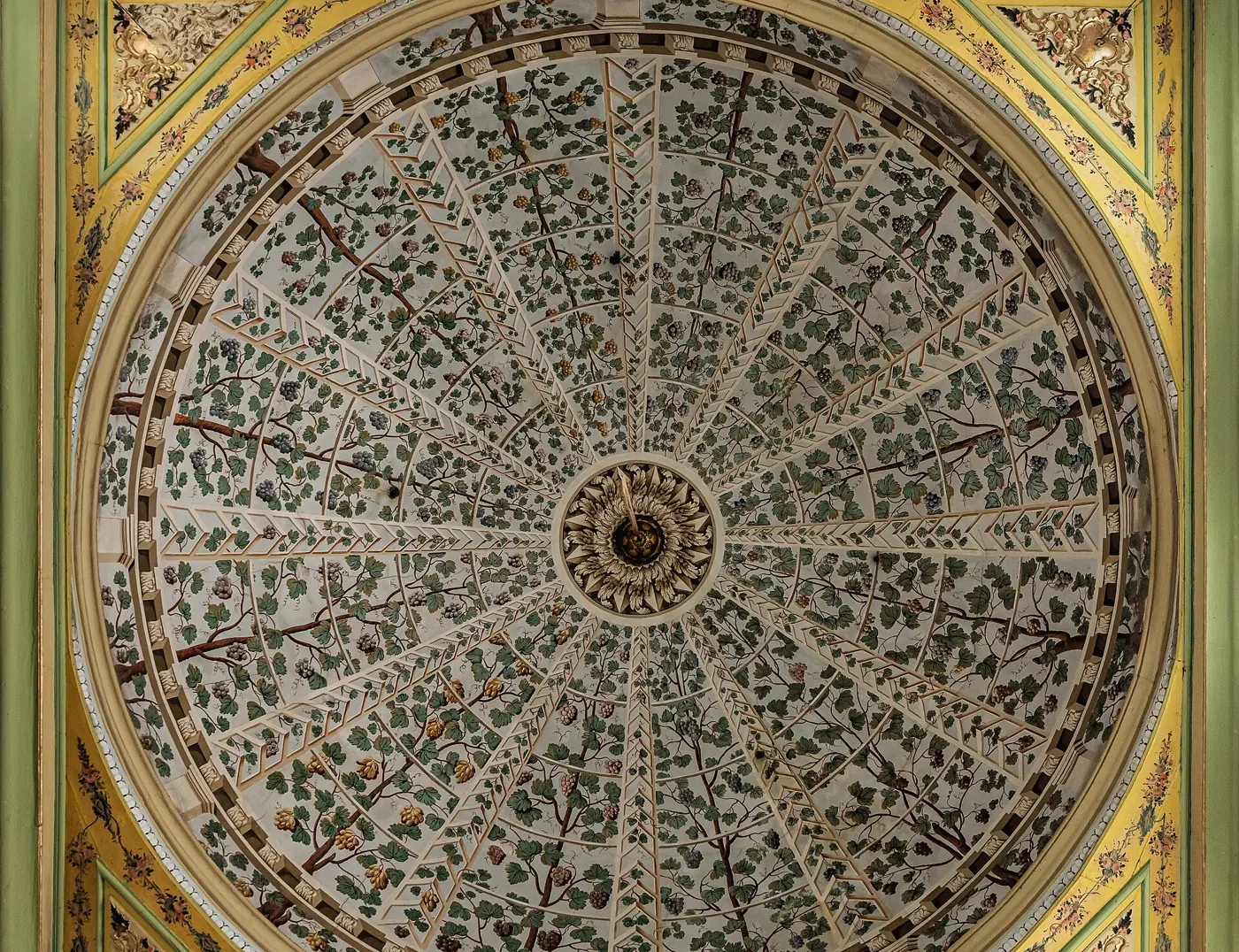
2 Topkapı Sarayı
The setting for the relics. Built from 1459 to 1465 under Mehmed II, it served as the main sultan residence for about 400 years. Allow time for the Imperial Treasury and the Harem as well.
- Built: 1459-1465 under Mehmed II
- Role: Main residence of Ottoman sultans for about 400 years
Show map
Which related sites add context?
Eyüp Sultan, the Eyüp Sultan Mosque and the Museum of Turkish and Islamic Arts add context to the relics. They do not replace the Topkapı display. Instead they show how Ottoman society honoured the early companions and preserved Islamic art.
Eyüp is the traditional burial place of Ebu Eyüp el-Ansari, a companion of the Prophet. The museum in Sultanahmet holds carpets, manuscripts and metalwork in the palace of Pargalı Ibrahim Pasha.
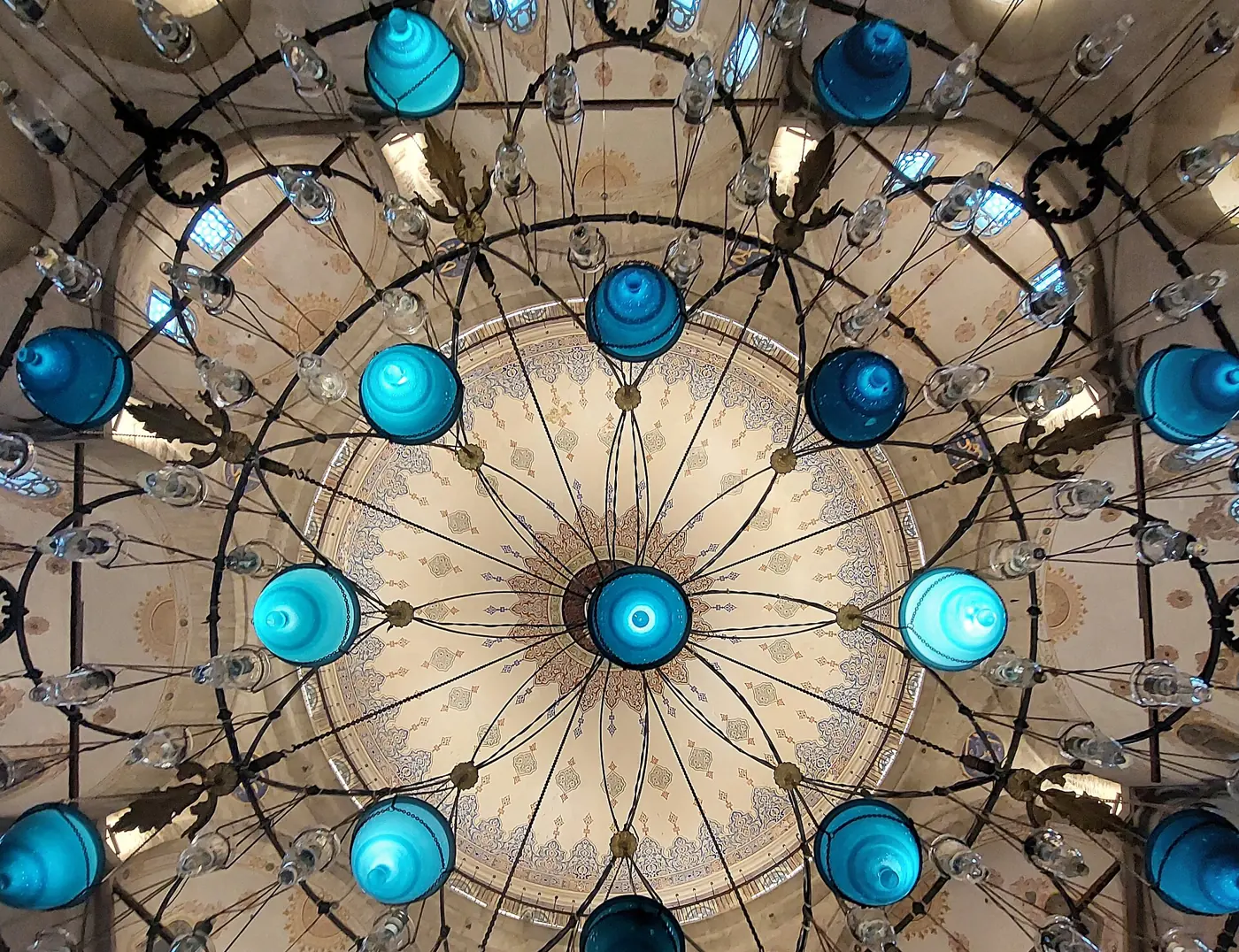
3 Eyüp Sultan Türbesi
The traditional burial spot of Ebu Eyüp el-Ansari, a companion of the Prophet Muhammad. It is a living pilgrimage place, so dress modestly and visit outside prayer times.
- Buried: Ebu Eyüp el-Ansari (traditional burial spot)
- Next to: Eyüp Sultan Mosque
Show map
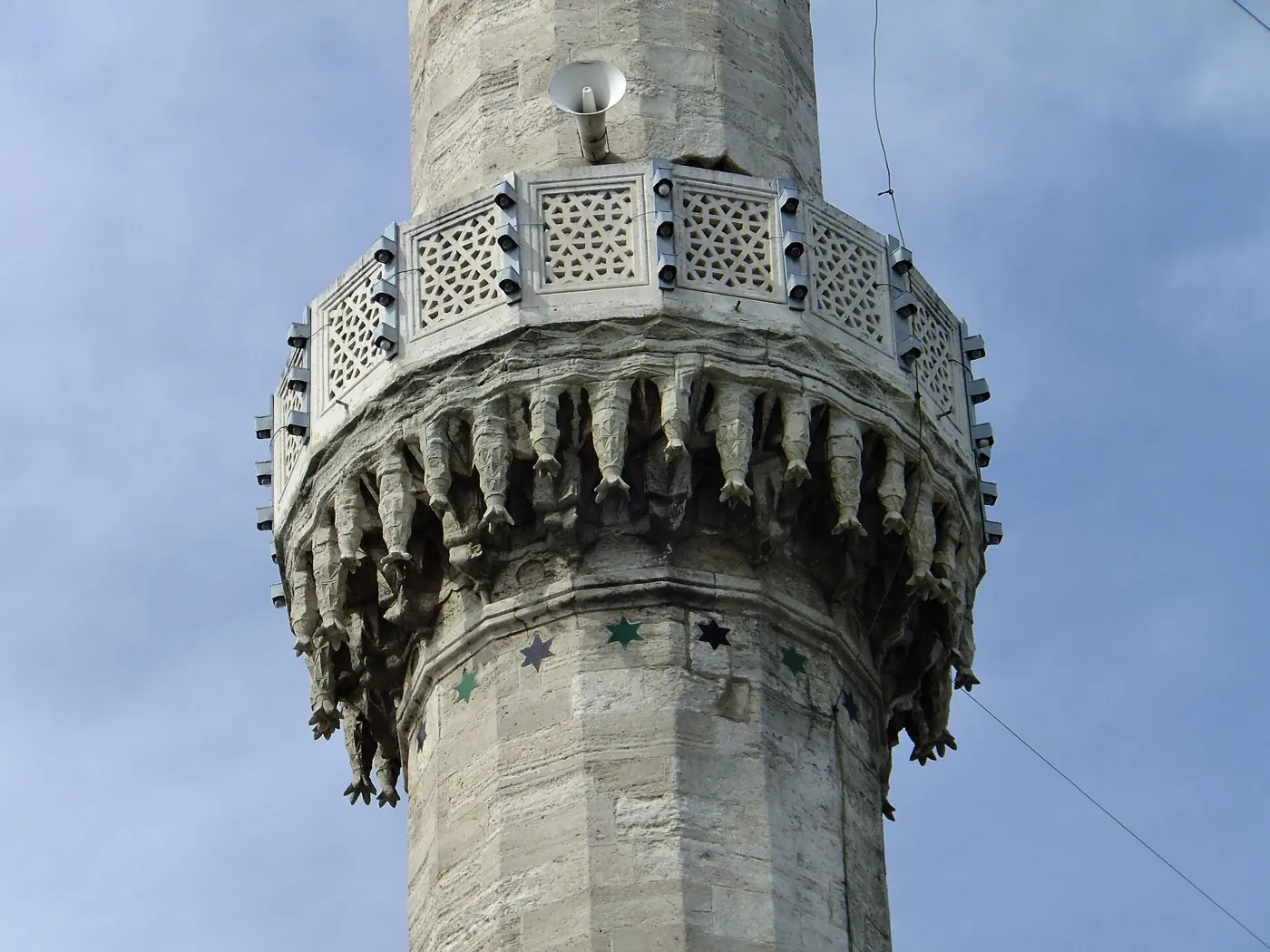
4 Eyüp Sultan Camii
The mosque beside the tomb. It was first built in 1458 under Mehmed II and rebuilt in 1798-1800. Visit it together with the tomb in one stop.
- Original: 1458 (Mehmed II)
- Rebuilt: 1798-1800
Show map
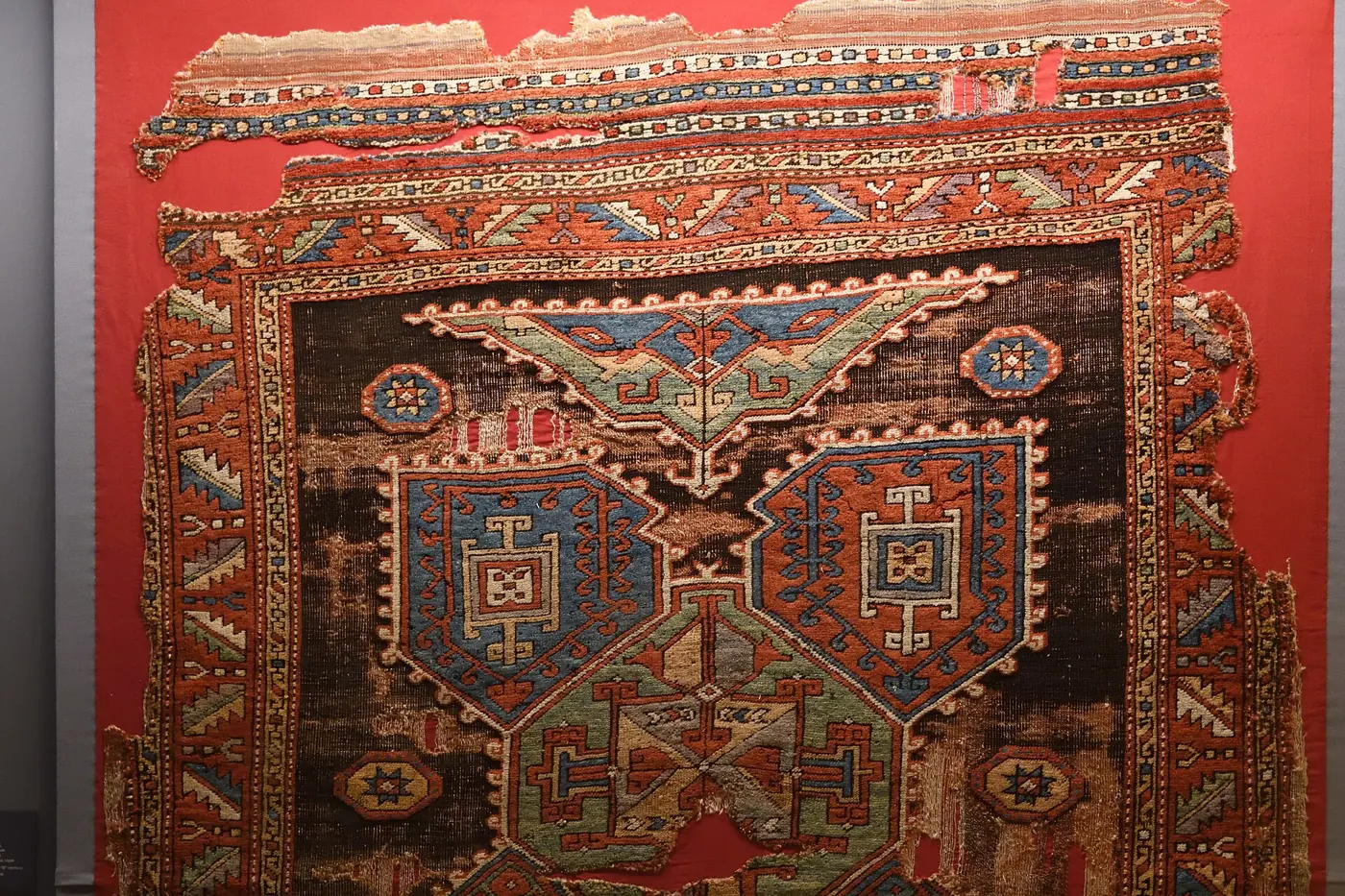
5 Museum of Turkish and Islamic Arts
A museum on Sultanahmet Square in the palace of Pargalı Ibrahim Pasha. It opened in 1914 and moved to the palace in 1983. Choose it for carpets, manuscripts and metalwork.
- Opened: 1914; moved to the palace in 1983
- Building: Palace of Pargalı Ibrahim Pasha
Show map
How do the stops compare?
The table compares the four main stops by area, what you see and the best use. Topkapı and the museum are close to each other in Sultanahmet. Eyüp needs separate travel along the Golden Horn.
Compare the stops before you plan the day.
| Stop | Area | What you see | Best for |
|---|---|---|---|
| Sacred Relics, Topkapı | Sultanahmet | Relics of the Prophet and early figures | The main relic display |
| Topkapı Palace | Sultanahmet | Treasury, Harem, courtyards | Ottoman palace life |
| Museum of Turkish and Islamic Arts | Sultanahmet | Carpets, manuscripts, metalwork | Islamic art context |
| Eyüp Sultan Tomb and Mosque | Eyüp | Shrine and mosque | Pilgrimage heritage |
How do you get there and plan your visit?
Plan Sultanahmet as one morning and Eyüp as a separate half-day. Sultanahmet is easy to reach by tram, and the Topkapı entrance and the museum are within walking distance. Eyüp is on the Golden Horn and needs a bus, ferry route or car.
Section access and entry rules can change, so verify them on the palace page or Google Maps before you leave.
Practical tips:
- Arrive early at Topkapı to avoid queues.
- Keep voices low in the relic section.
- Dress modestly, especially at Eyüp.
- Photography rules vary by section; follow the signs.
- Check closing days on the official page.
Suggested plan by time available.
| Time | Plan |
|---|---|
| Half day | Sacred Relics and Topkapı Palace |
| One day | Topkapı, then the Museum of Turkish and Islamic Arts |
| Two halves | Sultanahmet morning, Eyüp afternoon |
How should you prepare to visit sacred heritage sites?
Prepare by choosing a quiet time, wearing modest clothing and planning short, unhurried visits. Sacred heritage sites in Istanbul are both tourist stops and places of devotion. Local visitors may pray or reflect quietly, so keep your voice low and give them space.
Moreover, topics such as relics attract strong feelings. Therefore follow staff guidance, avoid blocking passages and ask before you take photographs. Check the opening rules for each section in advance, because parts of large palaces can close for restoration or for special days. Carry a light scarf, comfortable shoes and water for the long courtyards of Topkapı.
A short preparation checklist for the visit.
| Item | Why it matters |
|---|---|
| Modest clothing | Required at shrines and respectful in relic displays |
| Early arrival | Queues form at major palace entrances |
| Section check | Some palace sections close for works |
| Quiet voice | The relic hall is a place of respect |
What is the history behind the Topkapı collection?
The Ottoman dynasty gathered sacred relics over several centuries and kept them in the Privy Chamber of Topkapı Palace. Mehmed II began the palace in 1459, and the complex grew as later sultans added courts, kiosks and the Treasury. The relics therefore belong to the story of the dynasty as well as to religious life.
Today the section forms part of a museum within a UNESCO World Heritage Site. However, it keeps a solemn character. Many visitors treat it as the quiet heart of the palace tour. If you only have time for one section after the courtyards, choose this one and then the Imperial Treasury nearby.
What should you not expect from this theme?
Do not expect every relic in Istanbul to be on display at all times. Displays are curated, and sections can change or close. We therefore avoid listing individual items beyond what the registry confirms, and we advise you to read the museum’s own page before you travel.
Moreover, treat the visit as a quiet cultural and spiritual experience rather than a photo stop. If you travel with family, explain the setting in advance so that children keep their voices low. A guide can add historical context, but follow the posted rules in each room.
What is a sample day plan?
Start at Topkapı Palace in the morning and go straight to the Sacred Relics section. Then take the Imperial Treasury if time allows. After lunch, walk to the Museum of Turkish and Islamic Arts on Sultanahmet Square.
Keep Eyüp for another day. Therefore you can visit the shrine and mosque calmly, then walk the cemetery above it without rushing.
Frequently asked questions
Where can I see relics of the Prophet Muhammad in Istanbul?
The Sacred Relics section in the Privy Chamber of Topkapı Palace displays relics of the Prophet and early figures.
Is the Sacred Relics section always open?
Access can change. Check the Topkapı Palace page or Google Maps for current status before you go.
Can I take photos of the relics?
Rules vary by section. Follow the posted signs and staff instructions.
Who is buried at Eyüp Sultan?
The tomb marks the traditional burial spot of Ebu Eyüp el-Ansari, a companion of the Prophet Muhammad.
What else is near Topkapı for Islamic heritage?
The Museum of Turkish and Islamic Arts stands on Sultanahmet Square, close to the palace.
How much time should I plan?
Allow half a day for Topkapı and the relics, and another half day for Eyüp.
What should I wear?
Wear modest clothing. At Eyüp, women should carry a scarf and everyone should visit outside prayer times.
Plan this with TurkGT
TurkGT can arrange a licensed guide for Topkapı and a private car with a driver to Eyüp the same day. We can also handle hotel booking in Sultanahmet. Send your dates by WhatsApp or the inquiry form.
Request a booking
Sources
- Sacred Relics, Topkapı Palace
- Topkapı Palace
- Tomb of Eyüp Sultan
- Eyüp Sultan Mosque
- Museum of Turkish and Islamic Arts
Last reviewed: 2026-11-18.