
Istanbul’s best markets sit in four clusters: the historic core around the Grand Bazaar and Spice Bazaar, the Beyoğlu food lanes, the Bosphorus shore at Ortaköy and Beşiktaş, and Kadıköy on the Asian side. Pick one cluster per day, start in the morning and walk between stalls.
Key facts
- Historic core: Grand Bazaar, Spice Bazaar, Sahaflar Çarşısı
- Food lanes: Balık Pazarı, Nevizade, Çiçek Pasajı (Beyoğlu)
- Asian side: Kadıköy fish market lanes
- Bosphorus shore: Ortaköy market and Beşiktaş fish market
- Antiques: Çukurcuma, Beyoğlu
- Fish taverns: Kumkapı, Fatih
- Best approach: One cluster per day, morning start
What are the main market areas in Istanbul?
Istanbul has four main market clusters. The historic core in Fatih holds the Grand Bazaar, the Spice Bazaar and the book bazaar. Beyoğlu offers food lanes beside İstiklal Avenue. The Bosphorus shore has Ortaköy and Beşiktaş. Kadıköy provides the Asian-side market lanes.
Each cluster has its own character. The historic core suits souvenirs, sweets and spices. Beyoğlu suits a long lunch or an evening meal. Ortaköy suits a weekend stroll by the water. Kadıköy suits visitors who want to see how locals shop for fish and cheese. Moreover, all four are reachable by tram, metro, ferry or a short private transfer.
How we chose these places
We chose places from our own registry of Istanbul markets, using three criteria: the type of place, its district and details from official or reference sources. We do not accept payment for placement. Opening days, stalls and prices change, so check each place’s page or Google Maps before you travel.
Moreover, we leave out anything we cannot describe from a checkable source. Therefore a few well-known names may be missing here, and each card below carries only facts we could confirm.
Which covered bazaars should you see first?
Start with the Grand Bazaar and the Spice Bazaar. The Grand Bazaar is one of the oldest and largest covered markets in the world, and many shops handle tax-free VAT refund paperwork. The Spice Bazaar in Eminönü is known for spices, dried fruit, sweets and tea.
In contrast to the two big halls, the Sahaflar Çarşısı is small and quiet. It is a courtyard of about 20 traditional bookshops near the Grand Bazaar. Therefore it makes a calm pause between two busy stops.
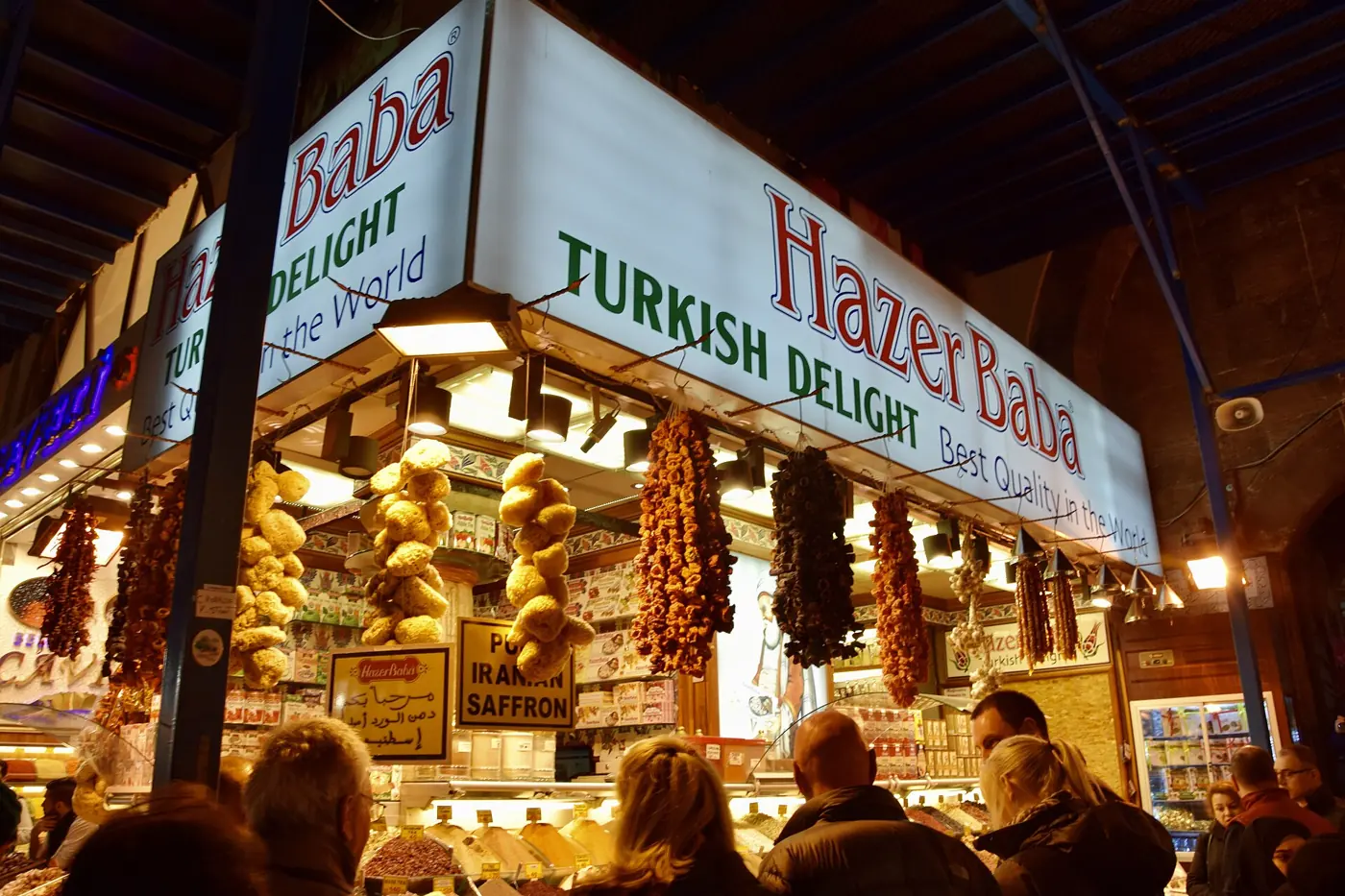
1 Grand Bazaar
Our first stop for souvenirs, textiles and ceramics. The covered halls are easy to enter from Beyazıt, and the shops that offer tax-free refunds can explain the paperwork at the counter.
- Type: Covered bazaar
- Area: Beyazıt, Fatih
Show map
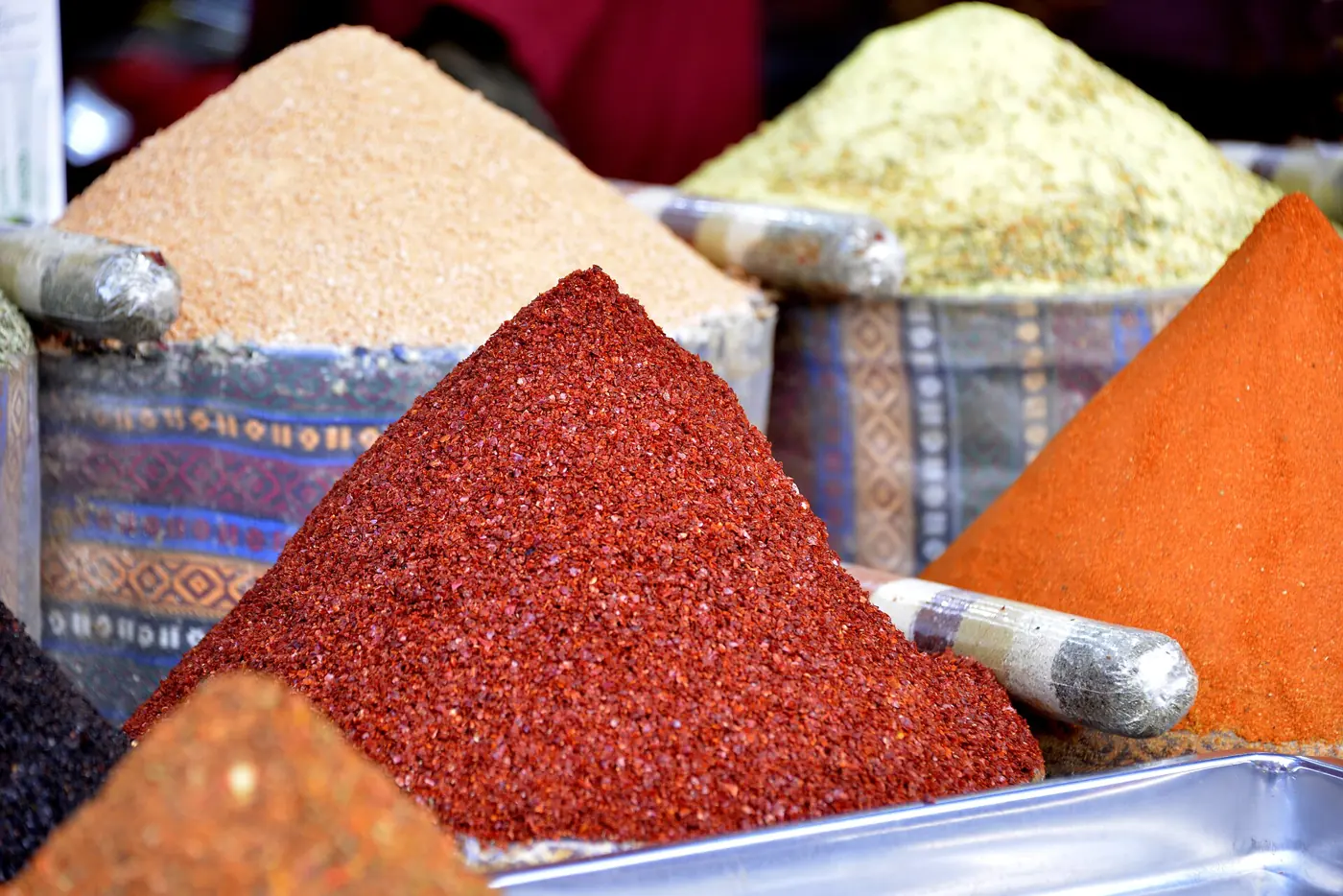
2 Mısır Çarşısı
The classic stop for spices, dried fruit, Turkish delight and tea in Eminönü. Combine it with a ferry or tram ride, since the quarter sits beside the water.
- Area: Eminönü quarter, Fatih
- Known for: Spices, Turkish delight, dried fruit
Show map
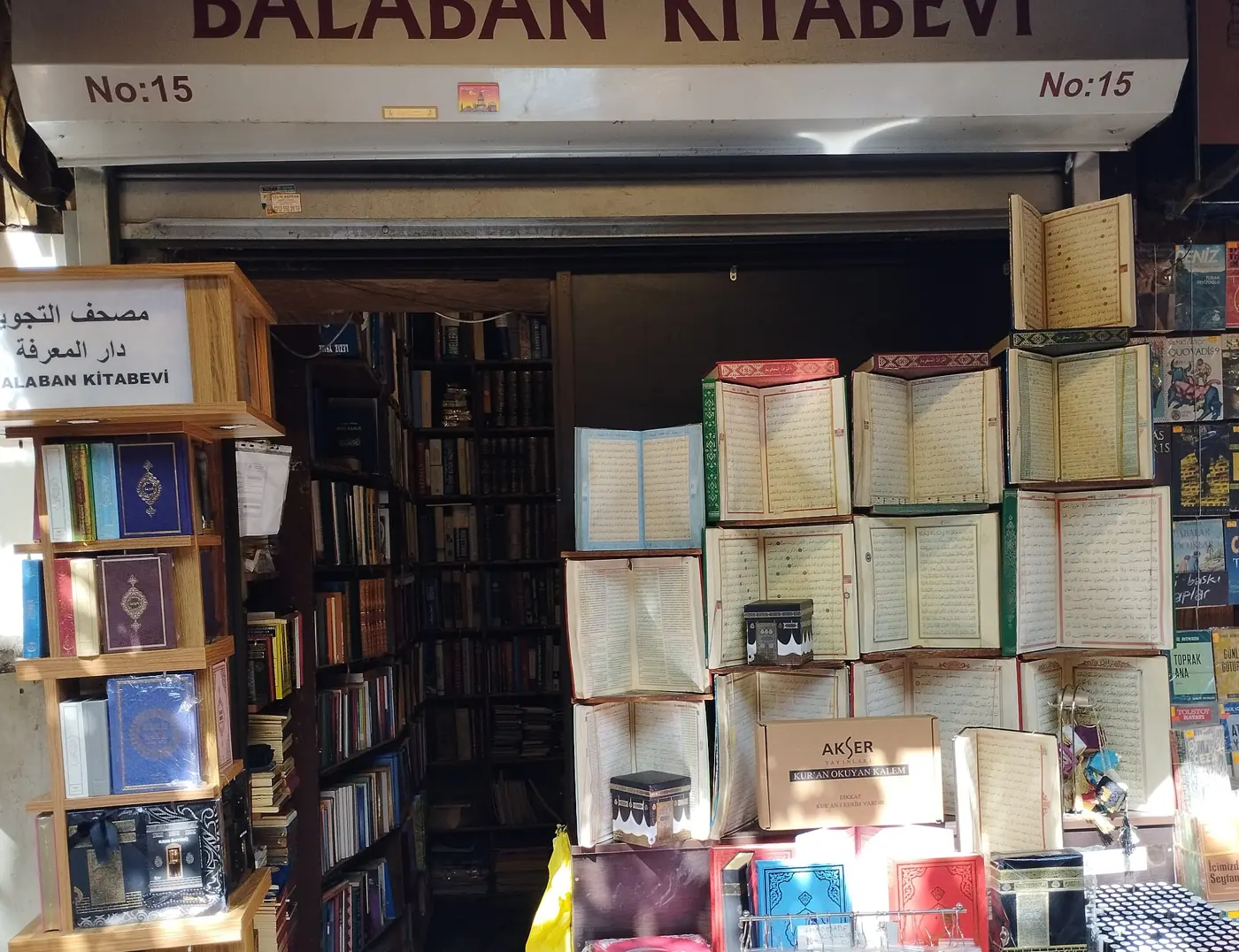
3 Sahaflar Çarşısı
A courtyard of around 20 bookshops, rebuilt after a fire in 1950 and reserved for book sales. Visit if you like old prints, second-hand books or a quiet corner near the Grand Bazaar.
- Rebuilt: After the 1950 fire, reserved for book sales
- Shops: Around 20 traditional bookshops
- Area: Beyazıt, near Nuruosmaniye Gate
Show map
Where are the food and fish markets?
The best food markets are the Balık Pazarı in Beyoğlu, the fish market lanes in Kadıköy, the Beşiktaş fish market and the old fishing quarter of Kumkapı. They sell fish, pickles, produce and snacks, and several have restaurants nearby that cook what you choose.
However, each one feels different. Beyoğlu is central and busy. Kadıköy is more local and cheaper to eat in. Beşiktaş is a neighbourhood market under a modern roof. Kumkapı is mainly an evening place with fish taverns and live music.
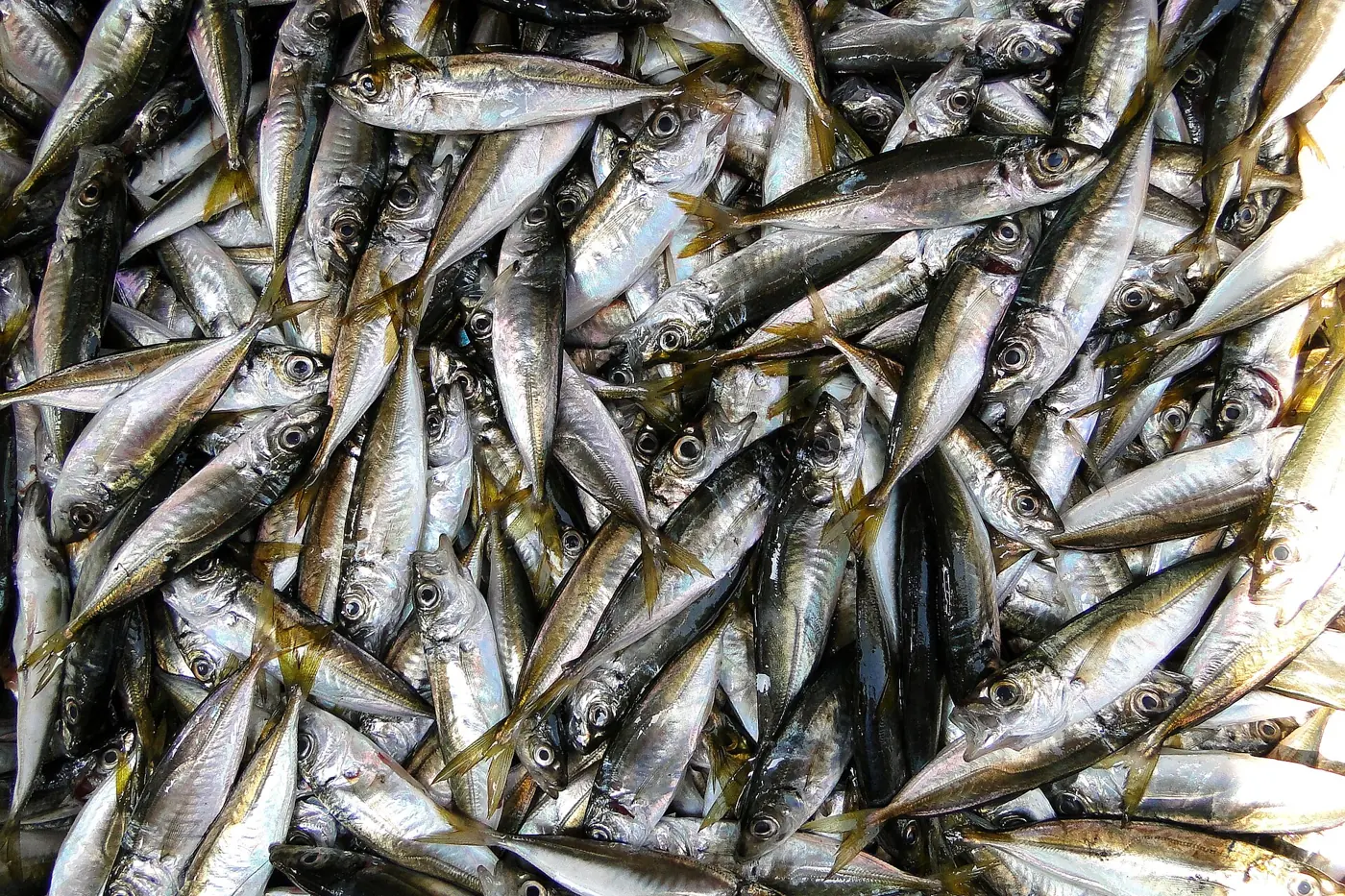
4 Balık Pazarı (Beyoğlu Fish Market)
A market street beside İstiklal Avenue with fishmongers, pickle and produce stalls and snack shops. Walk it before lunch, then step into the Çiçek Pasajı side entrance.
- Type: Fish and produce market street
- Area: Beyoğlu, off İstiklal Avenue
Show map
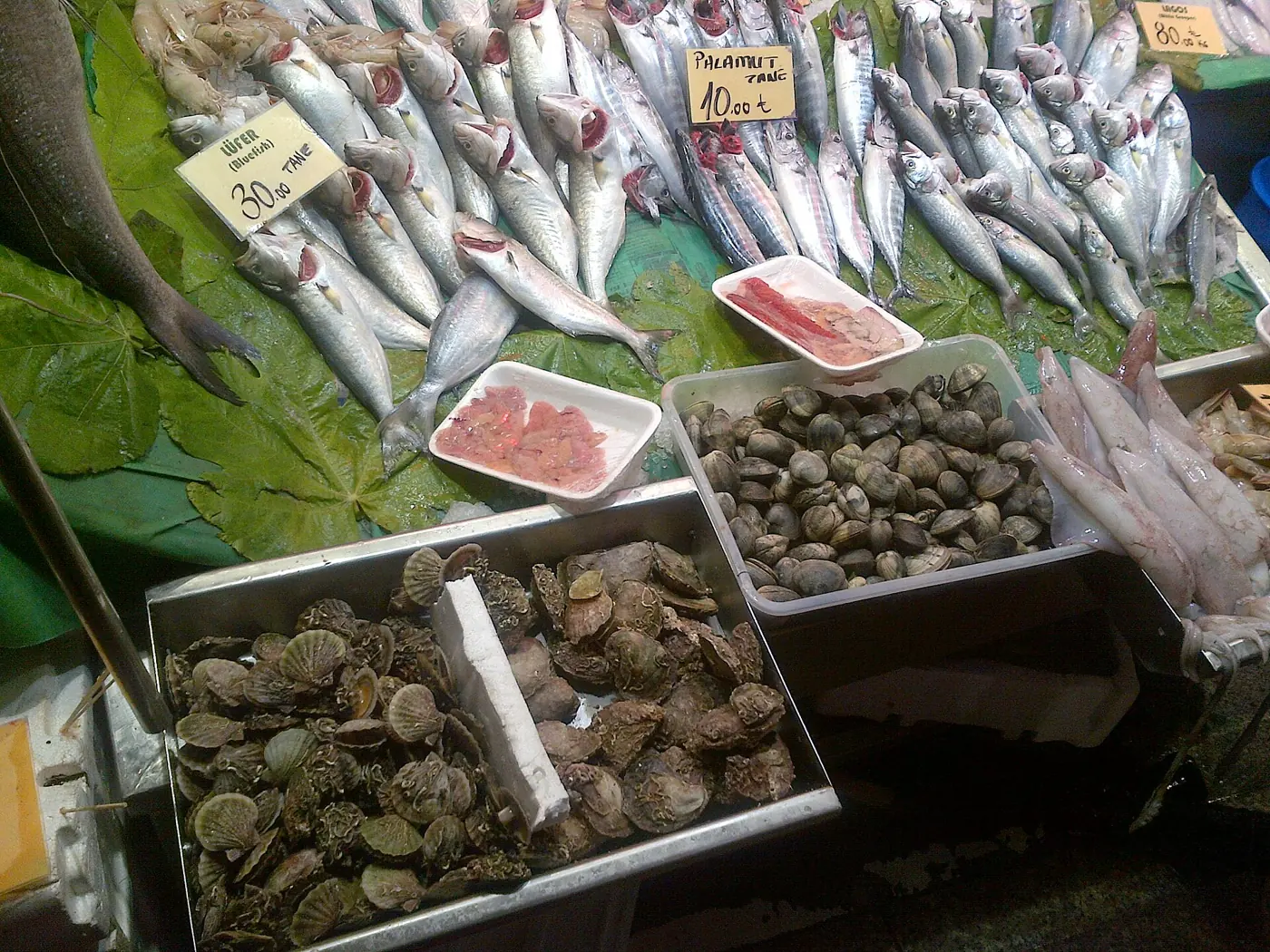
5 Kadıköy Fish Market
Market lanes in Kadıköy’s Çarşı quarter with fishmongers, delis and seafood eateries. A favourite for midye (stuffed mussels) and fish wraps on the Asian side.
- Side: Asian side of Istanbul
- Type: Fish and food market lanes
Show map
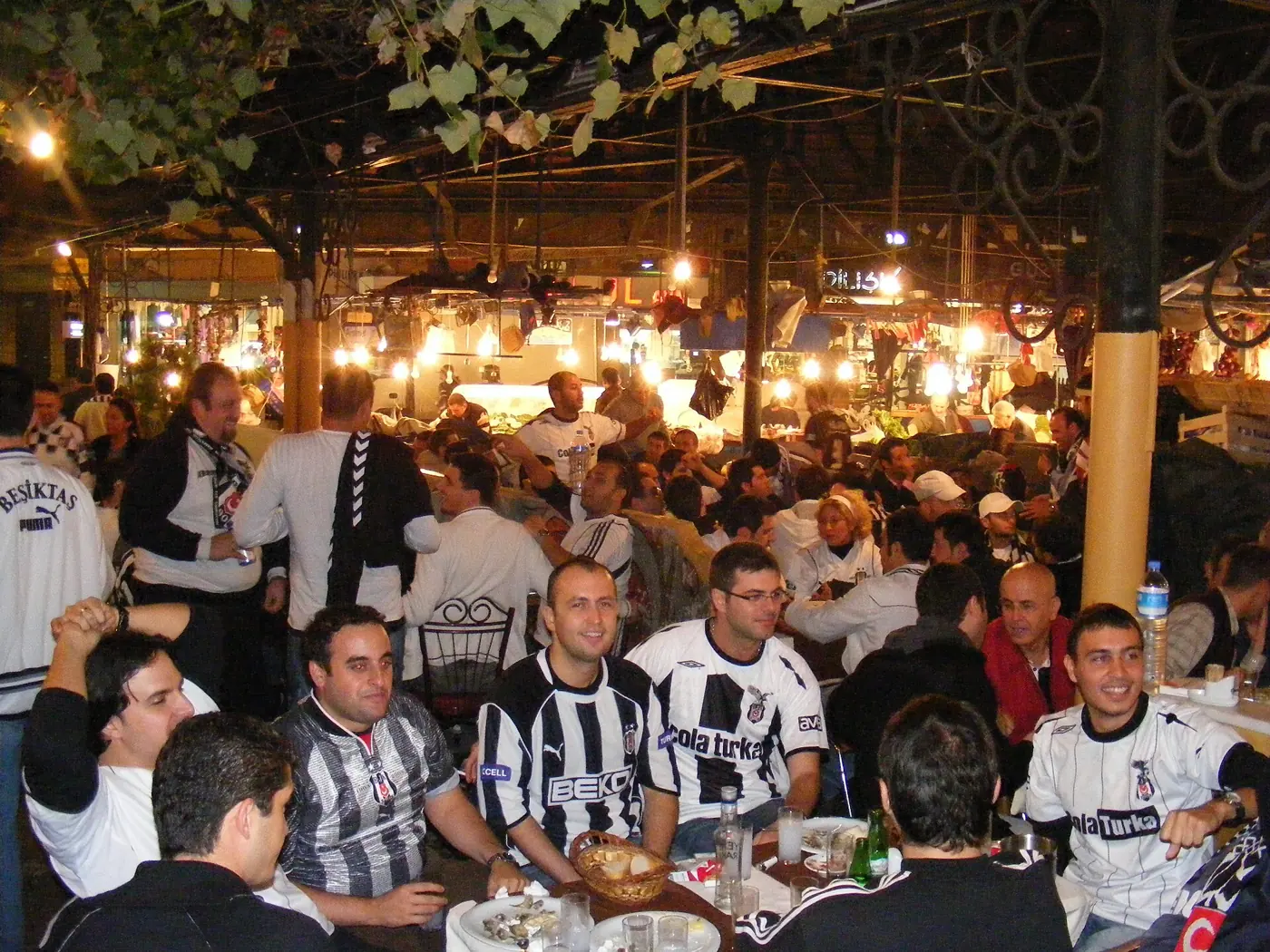
6 Beşiktaş Balık Pazarı
A neighbourhood fish market under an open-sided modern roof. Seafood restaurants nearby will cook your catch, which makes it a practical lunch stop.
- Setting: Under a modern roof in central Beşiktaş
Show map
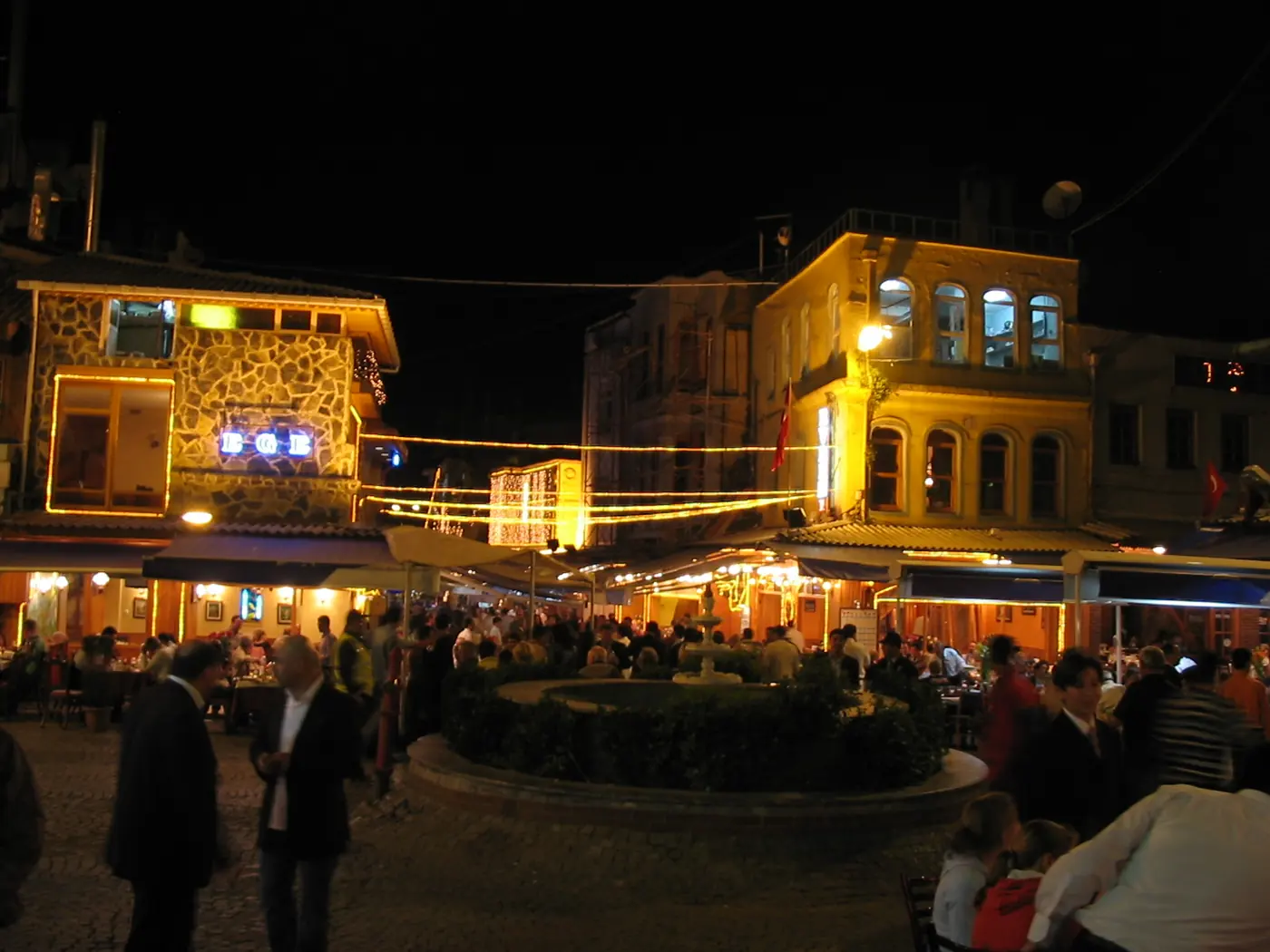
7 Kumkapı
The old fishing quarter in Fatih, famous for fish taverns along pedestrian streets. Go in the evening for the atmosphere, and check each tavern’s page or Google Maps first.
- District: Fatih
- Known for: Fish taverns
Show map
Where can you find nightlife streets, antiques and handicrafts?
Beyoğlu has the evening streets: Nevizade Sokak and the Çiçek Pasajı are lined with meyhanes and seafood restaurants. Çukurcuma, south-east of İstiklal Avenue, is the antique district. Ortaköy has a weekend handicraft market and the famous kumpir stalls beside the Bosphorus.
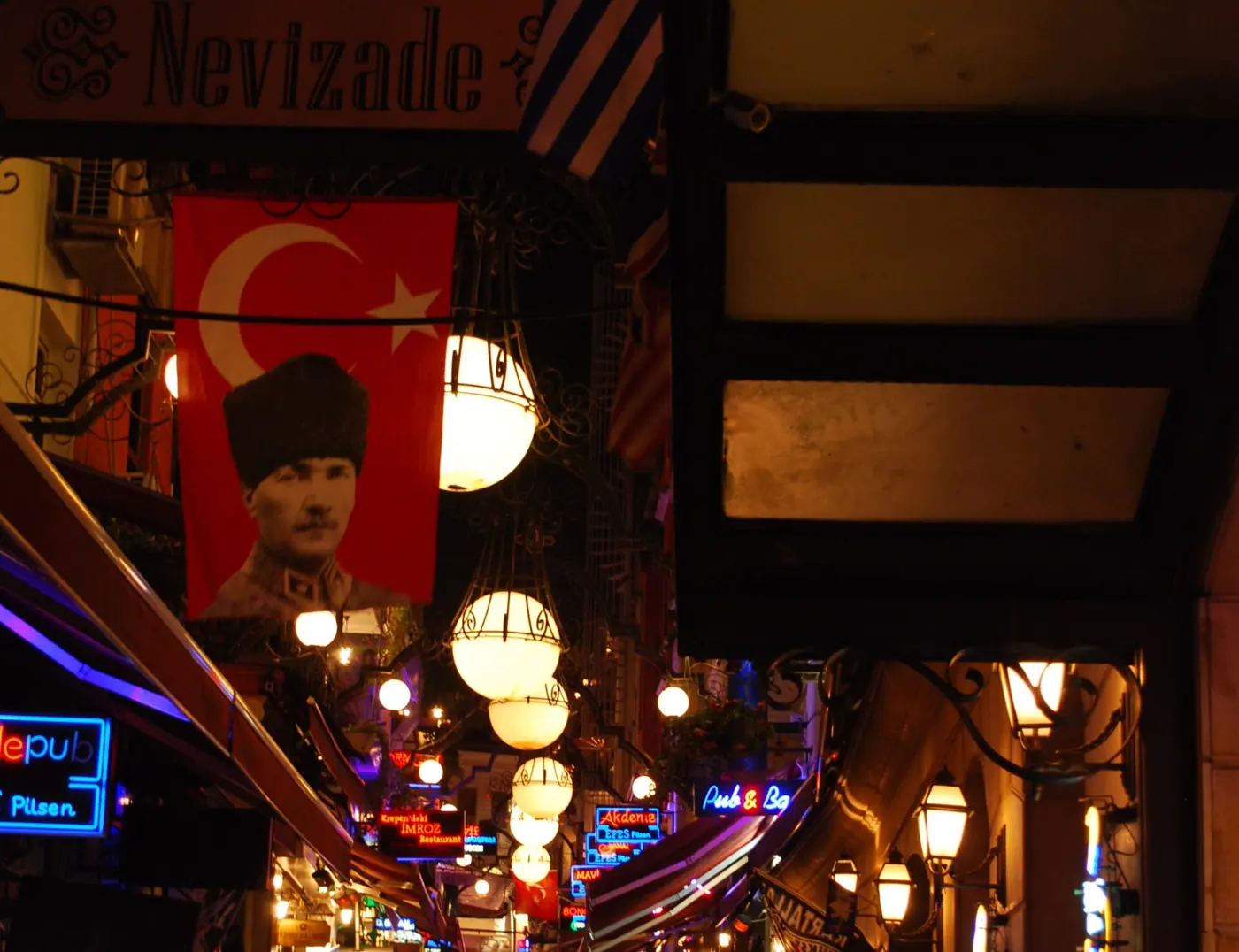
8 Nevizade Sokak
A pedestrian street behind the Balık Pazarı packed with meyhanes, fish restaurants and midye stalls. It is a classic Beyoğlu evening spot.
- Type: Meyhane and seafood street
- Area: Beyoğlu, near İstiklal Avenue
Show map
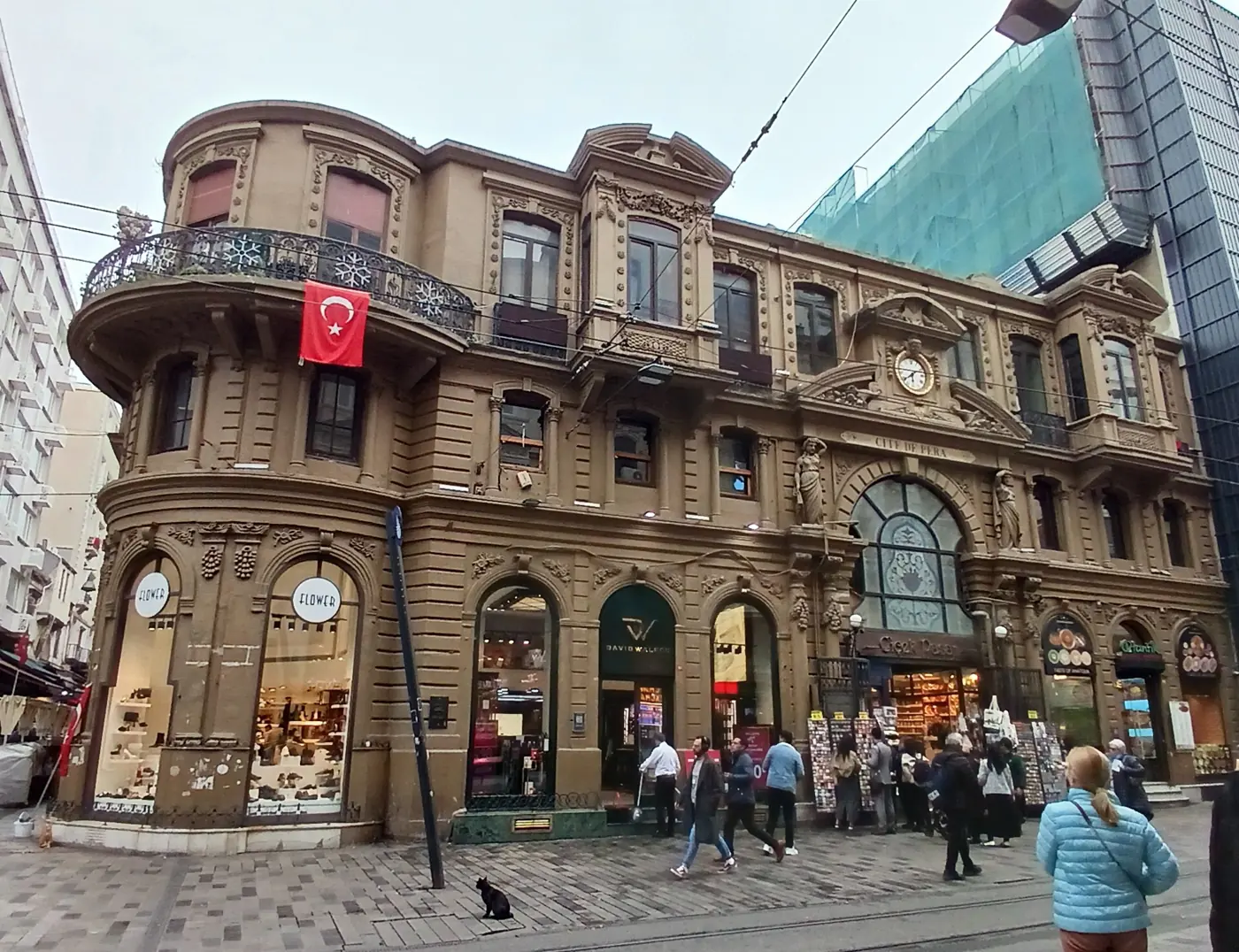
9 Çiçek Pasajı
A historic covered passage, originally the Cité de Péra, lined with taverns and restaurants. A side entrance opens onto the Balık Pazarı.
- Original name: Cité de Péra
- Connects: İstiklal Avenue and Sahne Sokak
- Type: Covered arcade of meyhanes and restaurants
Show map
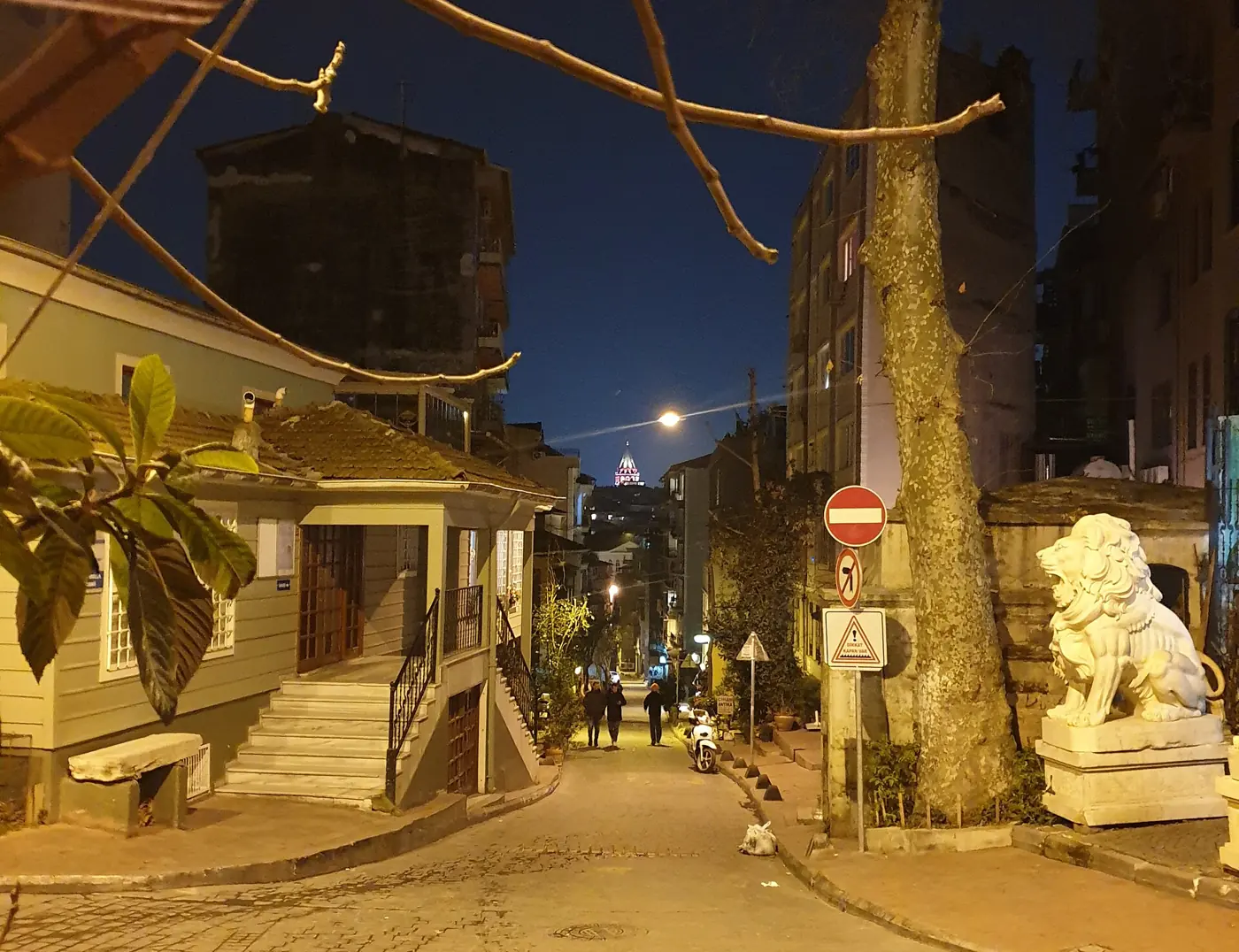
10 Çukurcuma
A Beyoğlu quarter of the Kuloğlu and Firuzağa neighbourhoods, known for antique shops. Browse slowly, because most pieces are one of a kind.
- Neighbourhoods: Kuloğlu and Firuzağa
- Location: South-east of İstiklal Avenue
Show map
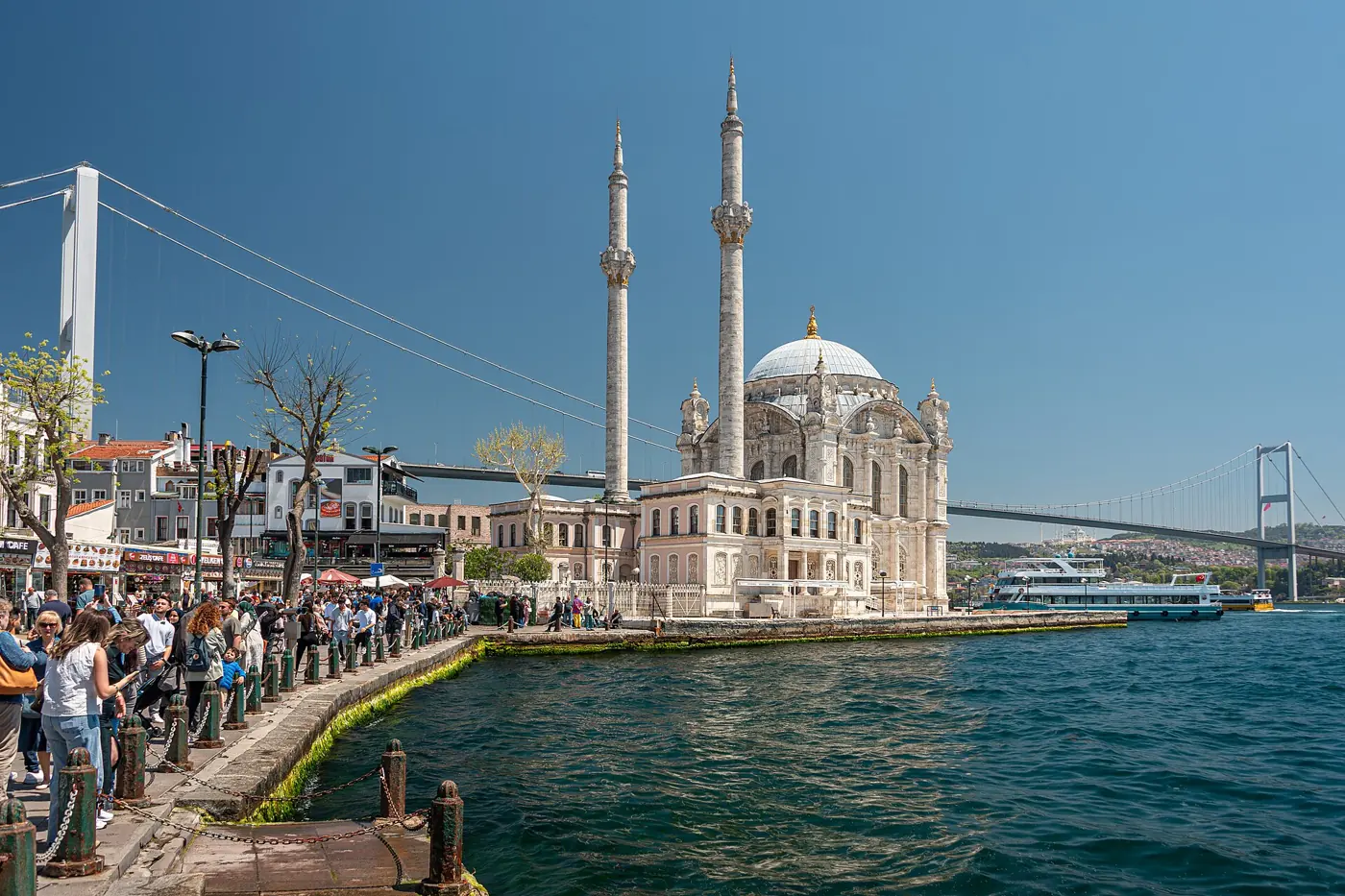
11 Ortaköy
A waterfront village by the Bosphorus Bridge with a weekend handicraft market and kumpir stalls. Combine it with a Bosphorus walk and the Ortaköy Mosque.
- Area: Beşiktaş, Bosphorus shore
- Landmark: Ortaköy Mosque beside the Bosphorus Bridge
Show map
Which market suits which interest?
Match the market to your interest. Souvenir shoppers should choose the Grand Bazaar. Food lovers should choose the Spice Bazaar, Balık Pazarı or Kadıköy. Antique hunters should walk Çukurcuma. Families on the weekend often prefer Ortaköy. The table below summarises the choice.
The table compares the main market areas by interest and district.
| Interest | Best market | District |
|---|---|---|
| Souvenirs, textiles | Grand Bazaar | Fatih |
| Spices, sweets, tea | Spice Bazaar | Eminönü, Fatih |
| Books | Sahaflar Çarşısı | Beyazıt, Fatih |
| Fish and street food | Balık Pazarı / Kadıköy lanes | Beyoğlu / Kadıköy |
| Evening meal | Nevizade Sokak, Kumkapı | Beyoğlu / Fatih |
| Antiques | Çukurcuma | Beyoğlu |
| Handicrafts, waterfront | Ortaköy | Beşiktaş |
How do you get around between markets?
Use trams, ferries and the metro to link the markets, and a private car for the longer hops. The T1 tram serves the historic core. Ferries link Eminönü and Beşiktaş with Kadıköy. Beyoğlu is a short walk or funicular ride from Karaköy. Check live timetables before you go.
These are the easiest connections:
- Historic core: tram to Sultanahmet, Beyazıt or Eminönü, then walk.
- Beyoğlu: walk down İstiklal Avenue or take the Tünel from Karaköy.
- Kadıköy: ferry from Eminönü or Karaköy, then walk to the market lanes.
- Ortaköy: bus or a short taxi or transfer from Beşiktaş.
The table lists the practical way to reach each cluster.
| Cluster | Easiest way | Walking after arrival |
|---|---|---|
| Historic core | T1 tram | Short walks between halls |
| Beyoğlu | Walk or funicular from Karaköy | Lanes off İstiklal |
| Kadıköy | Ferry | Market lanes near the pier |
| Ortaköy | Bus or transfer | Waterfront stroll |
What practical tips help in any market?
Carry small notes, wear comfortable shoes and keep your phone and wallet in front pockets. Compare prices at two or three stalls before you buy. Ask before photographing a stall owner. Visit fish and produce markets in the morning, when stock is freshest and lanes are calmer.
Keep these habits in mind:
- Check opening days on Google Maps, since many covered markets close on certain days.
- Agree the price before food is weighed or cooked.
- Ask for a receipt when you buy valuable items.
- Keep a light bag, because lanes are narrow.
How do the market clusters differ in atmosphere?
The historic core is the busiest and most traditional cluster. Covered halls, narrow passages and shopkeepers who greet visitors create a lively, sometimes crowded mood. Therefore it rewards an early start and a clear shopping list. Visitors who want a quieter pace can step into the book bazaar courtyard, which feels calm by comparison.
Beyoğlu feels urban and social. Fishmongers, pickle sellers and snack counters sit close to taverns, so a market walk flows naturally into a meal. Kadıköy feels more local, because residents shop there every day. In contrast, Ortaköy feels like a village by the water, with a relaxed weekend mood. Choose the atmosphere that matches your energy and your group.
Moreover, mixing clusters across a trip gives variety. Spend one morning in the historic core, one evening in Beyoğlu and one afternoon in Kadıköy. This avoids fatigue and lets you compare prices, products and styles across different parts of the city.
What should families, couples and solo travellers choose?
Families usually enjoy Ortaköy on a weekend, because the waterfront gives children space to walk and snack. The Spice Bazaar also works well, since sweets and dried fruit appeal to all ages. Keep a close eye on children in the crowded halls, and agree a meeting point before you enter.
Couples often prefer an evening in Beyoğlu. Nevizade Sokak and the Çiçek Pasajı offer a lively dinner after a daytime market walk. Solo travellers can follow the same route, since the lanes are busy and social. However, solo visitors should keep their bag in front and avoid carrying large amounts of cash in the crowded covered markets.
What is a sample day plan?
A full day can link three clusters without rushing. Begin in the historic core, move to Eminönü for lunch, then take a ferry to Kadıköy. Alternatively, spend a day in Beyoğlu and finish with dinner at Nevizade. Adjust the order to the weather and your energy.
The table shows a relaxed one-day route.
| Time | Stop | Focus |
|---|---|---|
| Morning | Grand Bazaar and Sahaflar Çarşısı | Souvenirs and books |
| Late morning | Spice Bazaar | Spices and sweets |
| Afternoon | Ferry to Kadıköy fish market lanes | Local food |
| Evening | Beyoğlu or Kumkapı | Dinner |
Frequently asked questions
Which Istanbul market should I visit first?
Most first-time visitors start with the Grand Bazaar and the Spice Bazaar in Fatih, because they are close to Sultanahmet and easy to reach by tram.
Is Kadıköy worth the ferry ride?
Yes, if you want a local food market. Its fish and deli lanes on the Asian side feel less touristic than the historic core.
Where can I buy antiques?
Çukurcuma in Beyoğlu is known for antique shops. Visit on foot and check each shop’s opening times on Google Maps.
Are there tax-free options in the markets?
Many Grand Bazaar shops handle tax-free VAT refund paperwork. Ask the shop before you pay and keep your passport with you.
When is the best time to go to a fish market?
Morning is best for fresh stock. Kumkapı is better in the evening for the tavern atmosphere.
Can I combine several markets in one day?
Yes. Choose one cluster, or link the historic core with Kadıköy by ferry. Do not try all four in a single day.
Do I need cash?
Carry some small notes for stalls and snacks. Larger shops usually accept cards, but check before you order.
Plan this with TurkGT
TurkGT can arrange a private car with driver to link the markets, plus a licensed guide who knows the lanes and can help with bargaining and tax-free paperwork. Send us your dates and interests by WhatsApp or the inquiry form, and we will reply with a clear plan.
Request a booking
Sources
Last reviewed: 2026-11-18.