
The main Jewish sites in Istanbul are the Ahrida Synagogue in Balat, the Neve Shalom Synagogue in Galata and the Jewish Museum of Turkey in the Zülfaris Synagogue. Check access in advance, dress modestly and combine them with nearby Balat and Galata sites.
Key facts
- Main areas: Balat and Galata
- Key sites: Ahrida, Neve Shalom, Zülfaris
- Museum: Jewish Museum of Turkey
- Best for: Cultural and heritage walks
- Access: Walk, bus, tram and funicular
- Visits: Check current access in advance
- Dress: Modest clothing
- Cards below: 7 sites with map buttons
Which Jewish sites should you see in Balat and Galata?
The main Jewish sites in Balat and Galata are the Ahrida Synagogue in Balat, the Neve Shalom Synagogue in Galata and the Zülfaris Synagogue, which houses the Jewish Museum of Turkey. They show how Jewish life shaped the Golden Horn and Galata across five centuries.
Balat and Galata are also multi-faith districts, therefore a walk here passes churches and mosques beside the synagogues. This guide lists those neighbours too, so you can plan one coherent route.
How did we choose these sites?
We chose these places using four honest criteria: official or well-documented status, a clear location that works on a walking or tram route, details we can trace to published sources, and variety across districts and periods. Because synagogues operate with their own access arrangements, we included the museum and nearby religious sites that help you build a route even when a synagogue is closed to visitors.
We do not accept payment for placement, and no venue can buy a spot. Moreover, opening arrangements, visitor rules and crowd levels change, so we send you to the place’s own page or Google Maps for today’s information and current visitor feedback instead of quoting scores here.
Which sites are on the route?
The cards start with the three Jewish sites and then add the Balat, Fener and Galata neighbours that sit close by. Confirm access with the place’s page or the community before your visit, since arrangements for synagogues can differ from other sites.
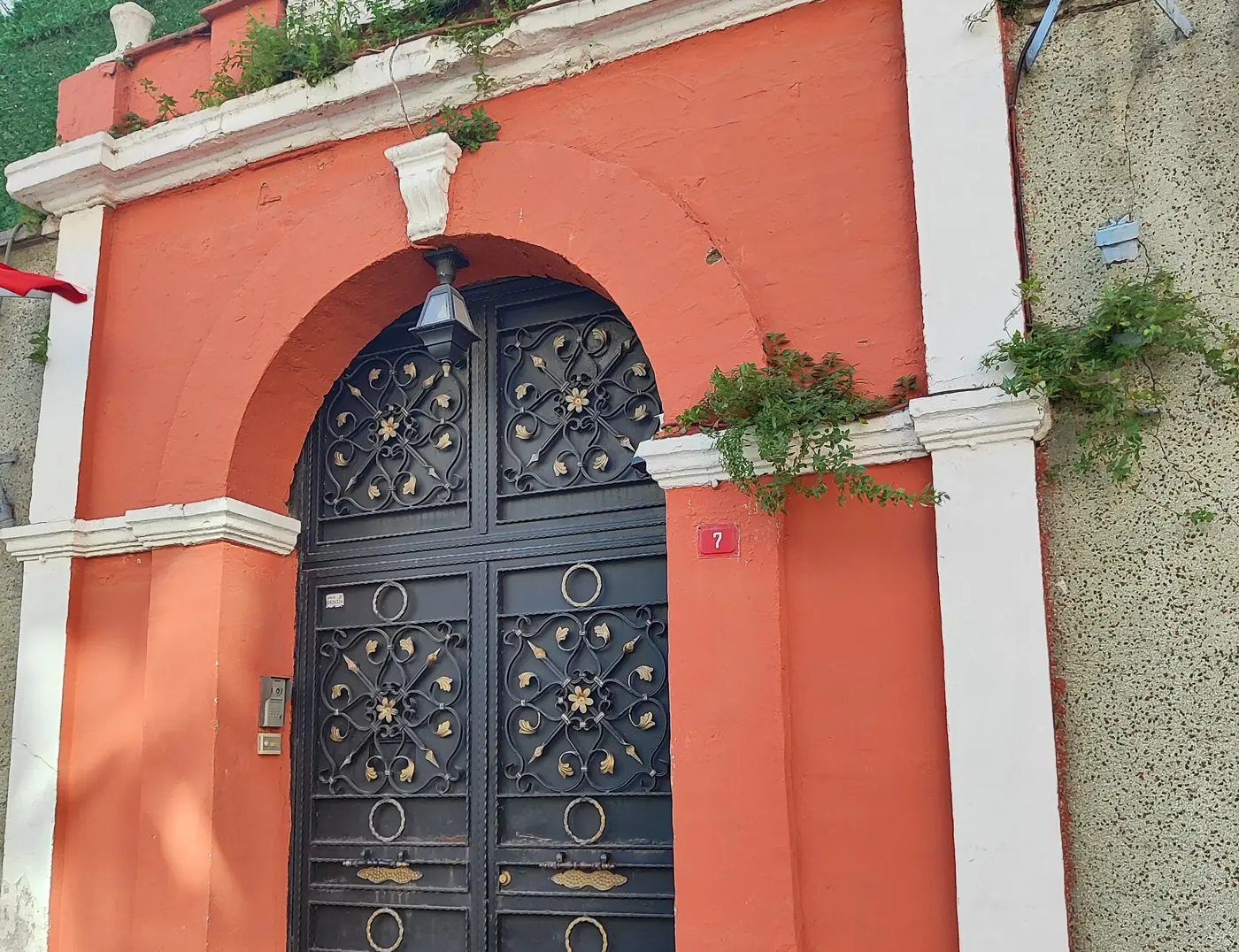
1 Ahrida Sinagogu
One of the oldest synagogues in Istanbul, dating from the 15th century, with a boat-shaped bimah. It stands in Balat on the Golden Horn.
- Dated: 15th century
- Area: Balat, Fatih
- Feature: Boat-shaped bimah
Show map
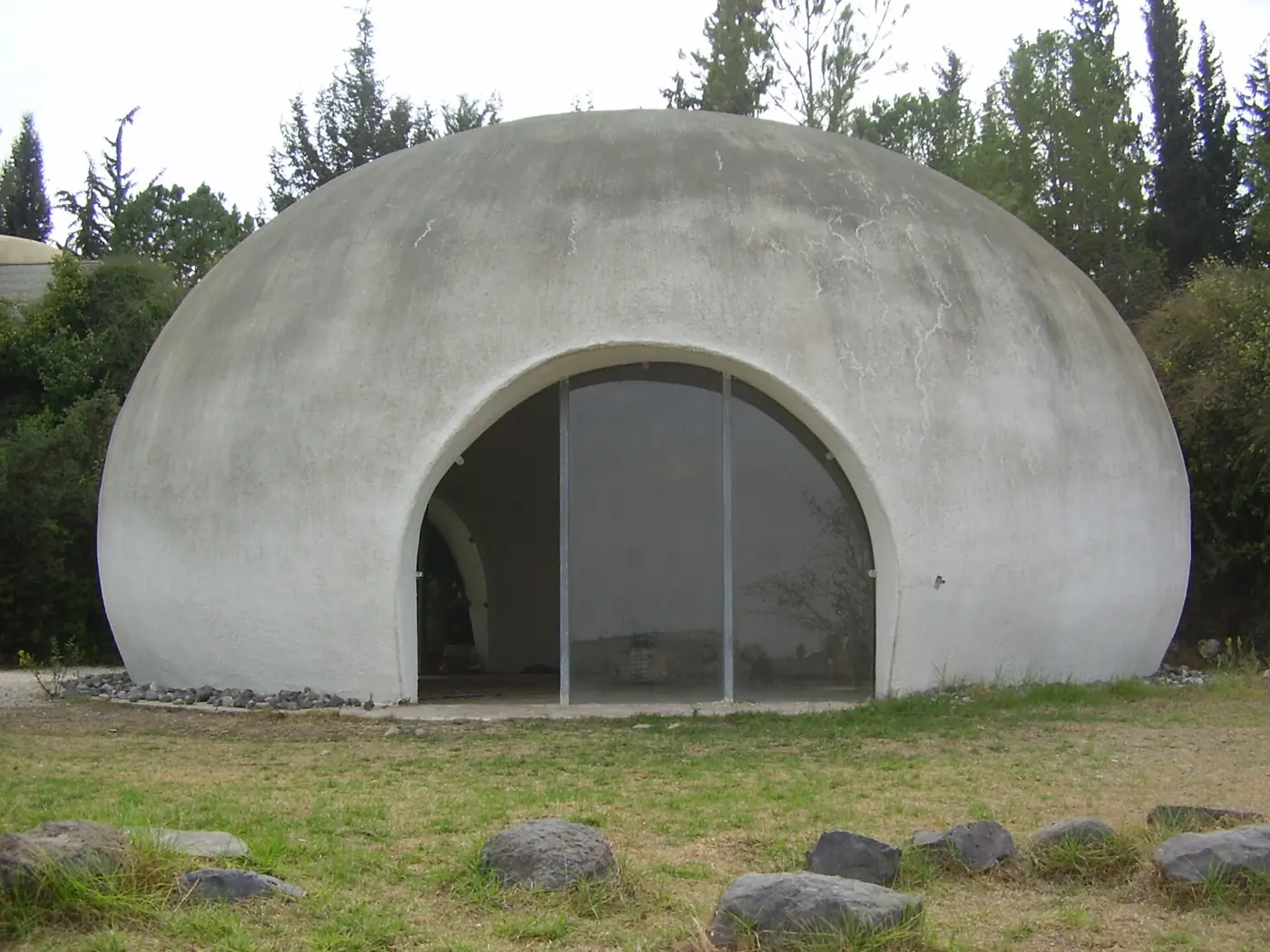
2 Neve Şalom Sinagogu
The largest synagogue in Istanbul, opened in 1951 in Galata. It sits close to the Galata Tower area.
- Opened: 1951
- Area: Galata, Beyoğlu
Show map
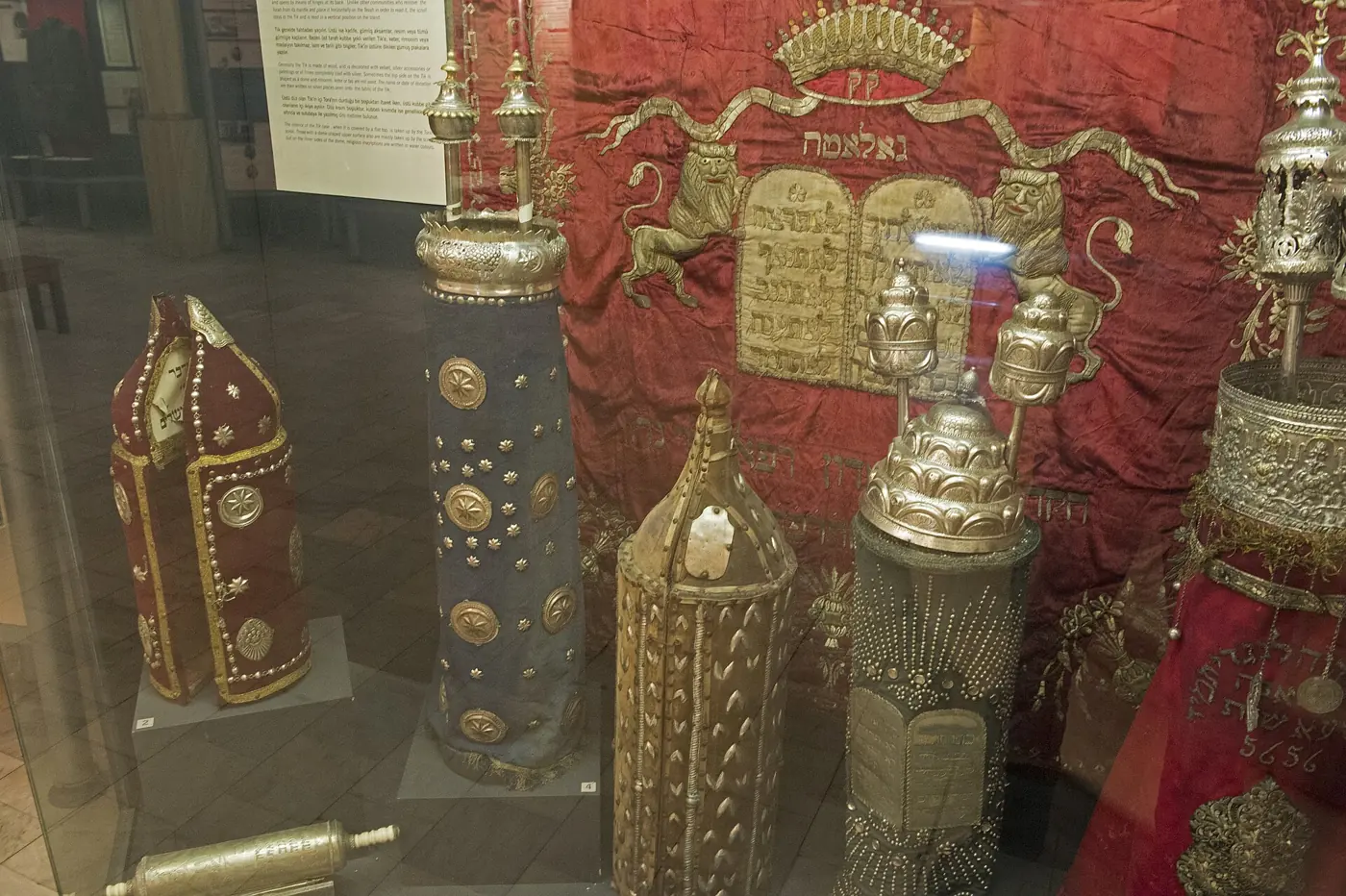
3 Zülfaris Sinagogu
A former 19th-century synagogue in Karaköy that houses the Jewish Museum of Turkey, opened in 2001. It is the best place to add historical context.
- Museum opened: 2001
- Area: Karaköy, Beyoğlu
Show map
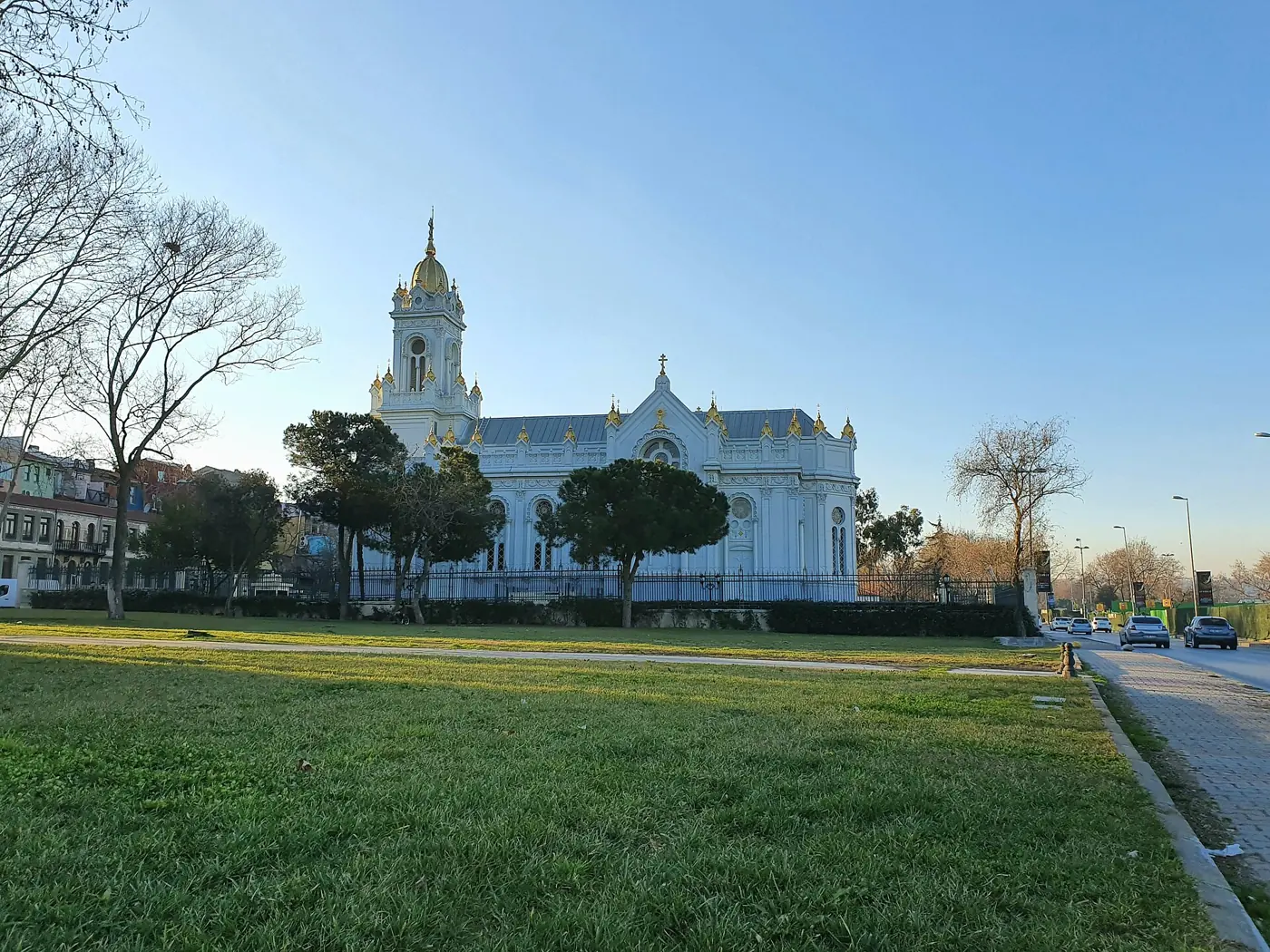
4 Demir Kilise
The Bulgarian St. Stephen Church in Balat is a prefabricated cast-iron church consecrated in 1898. It pairs with the Ahrida Synagogue for a Balat walk.
- Consecrated: 1898
- Material: Cast iron, prefabricated in Vienna
- Area: Balat, Fatih
Show map
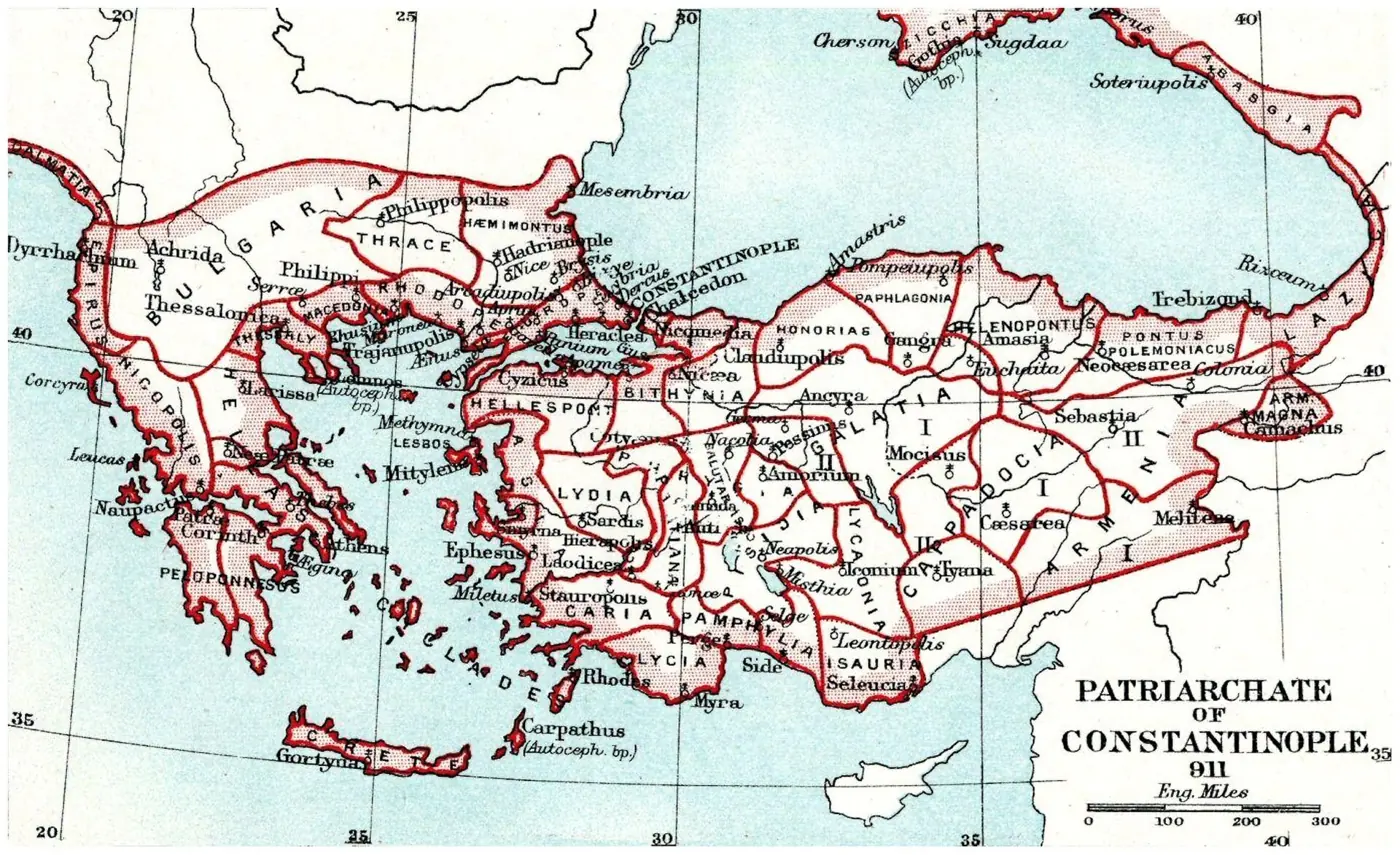
5 Aya Yorgi Patrikhane Kilisesi
Seat of the Ecumenical Patriarchate in Fener, with the present church dating from 1720. Fener is next to Balat, so the two areas combine well.
- Present building: 1720
- Area: Fener, Fatih
- Role: Seat of the Ecumenical Patriarch
Show map
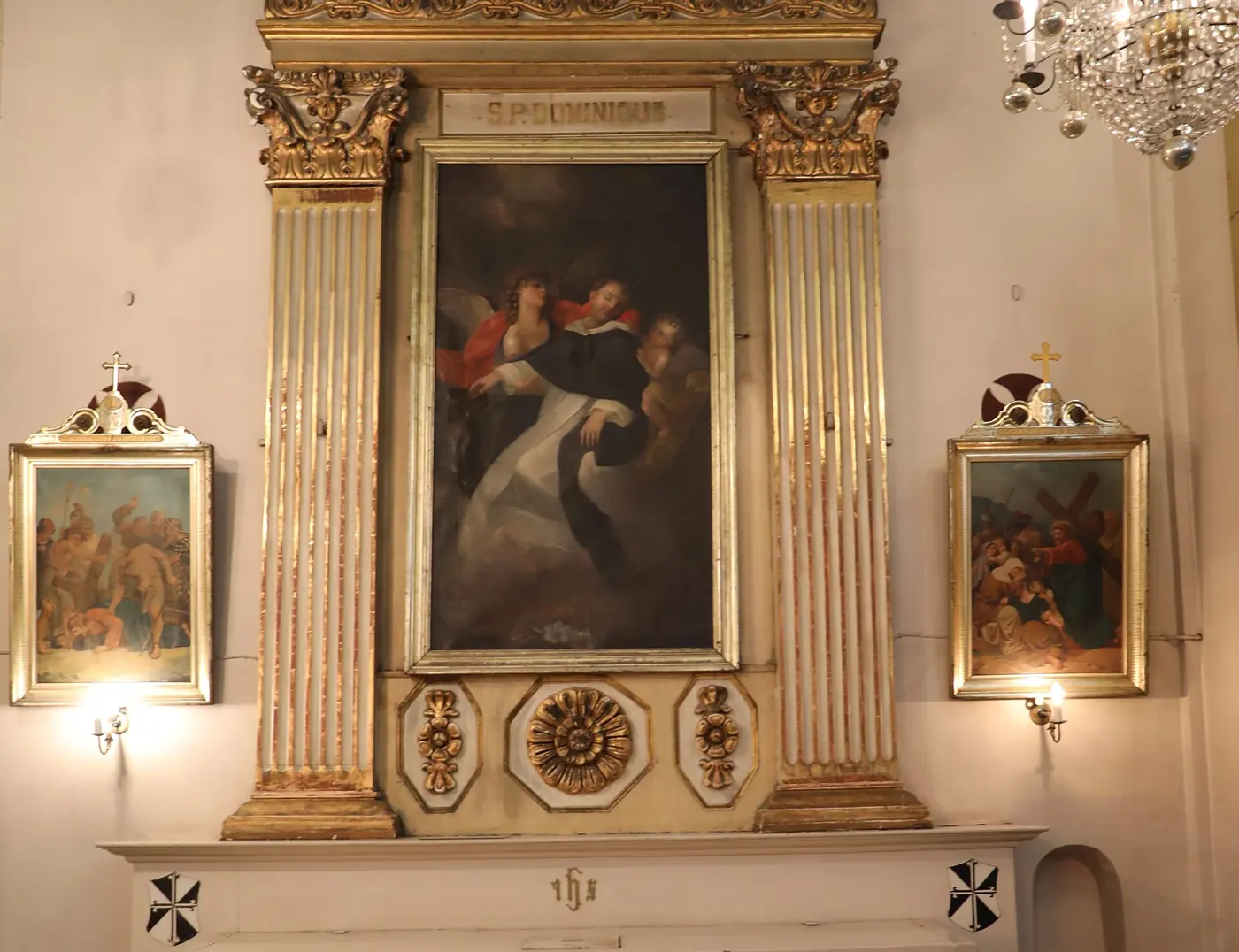
6 San Pierre ve Paolo Kilisesi
A Dominican church in Galata rebuilt in 1841 by the Fossati brothers. It shows the multi-faith character of Galata.
- Rebuilt: 1841
- Architects: Fossati brothers
- Area: Galata, Beyoğlu
Show map
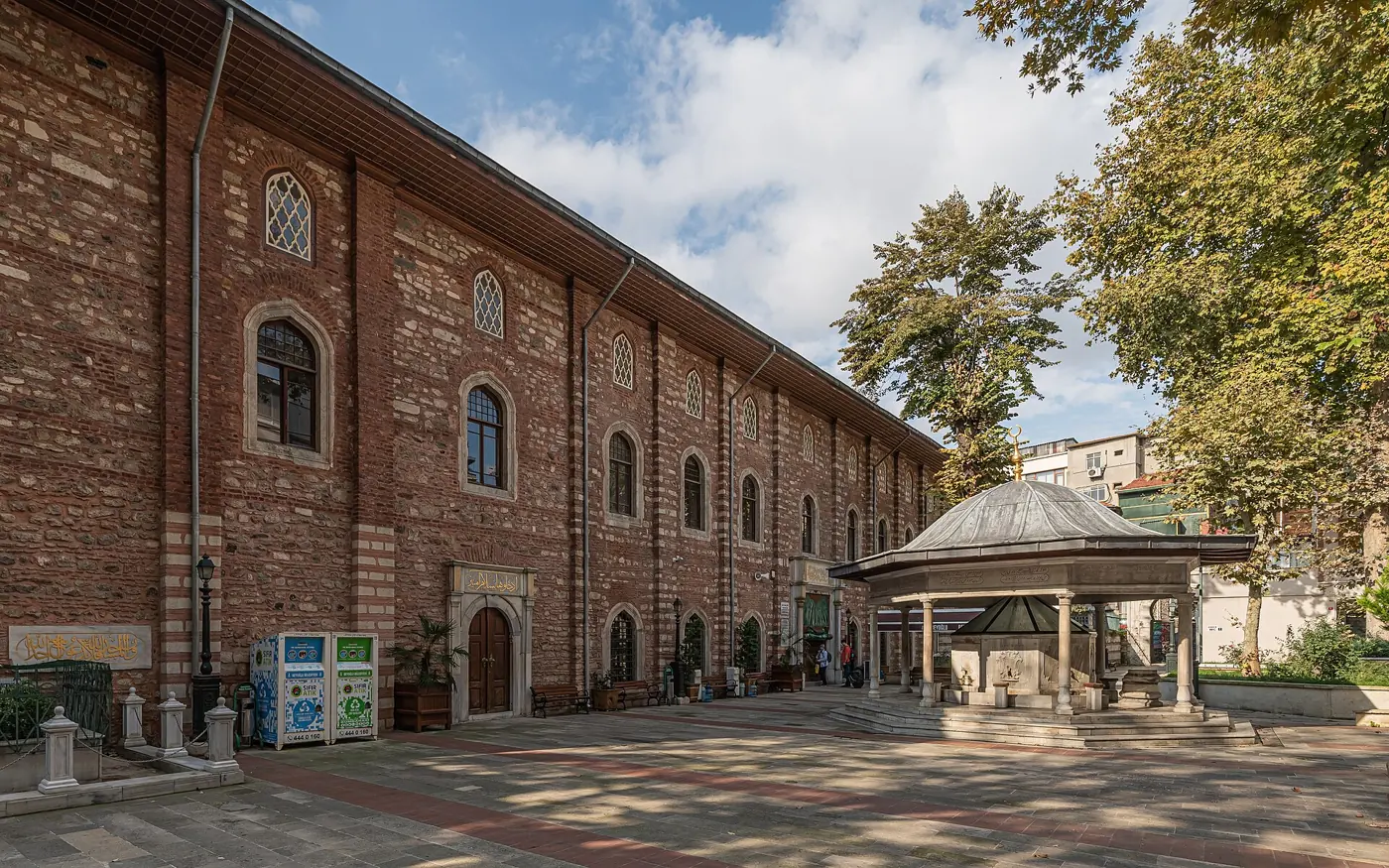
7 Arap Camii
The Arap Mosque in Karaköy has a medieval church origin and adds to the layered picture of Galata.
- Location: Karaköy / Galata
- Origin: medieval church converted to a mosque
Show map
How do the sites compare?
The table shows district and the main fact for each site. In short, Balat holds the oldest synagogue and the Bulgarian church, whereas Galata holds the largest synagogue, the museum and a Catholic church. Therefore a day can cover both areas.
Use this table to match a site to your plan.
| Site | District | Key date or feature |
|---|---|---|
| Ahrida Synagogue | Fatih | 15th century |
| Neve Shalom Synagogue | Beyoğlu | 1951 |
| Zülfaris Synagogue (Jewish Museum of Turkey) | Beyoğlu | 2001 |
| Bulgarian St. Stephen Church (Iron Church) | Fatih | 1898 |
| Patriarchal Church of St. George | Fatih | 1720 |
| Church of Saints Peter and Paul, Galata | Beyoğlu | 1841 |
| Arap Mosque | Beyoğlu | Karaköy / Galata |
How do you get to Balat and Galata?
Balat is on the Golden Horn shore and is easiest to reach by bus, taxi or a ferry plus a short ride; check a route planner for live lines. Galata is reachable by the T1 tram to Karaköy, then a short walk uphill, or by the Tünel funicular from the Beyoğlu side.
Follow these steps for a smooth route.
- Start in Balat with the Ahrida Synagogue and the Iron Church.
- Continue to Fener for the Patriarchal Church of St. George.
- Move to Karaköy by taxi or bus, then walk to the Zülfaris Synagogue and Jewish Museum.
- Finish near the Galata Tower and Neve Shalom, then walk to Peter and Paul and the Arap Mosque.
This table gives the general access for each area.
| Area | Sites | Main access |
|---|---|---|
| Balat and Fener | Ahrida, Iron Church, St. George | Bus, taxi or ferry plus short ride |
| Karaköy | Zülfaris, Jewish Museum, Arap Mosque | T1 tram |
| Galata | Neve Shalom, Peter and Paul | Walk uphill from Karaköy or use the Tünel |
What should visitors know before visiting a synagogue?
Visitors should contact the site or check its page before going, because synagogues are active places of worship with their own arrangements. Dress modestly, bring identification if requested and follow all instructions on site. Moreover, plan around Shabbat and holidays, when access may be restricted.
Keep these points in mind.
- Check access and opening arrangements in advance.
- Dress modestly and be ready for a security check.
- Photography rules vary; ask before taking photos.
- Avoid Shabbat and Jewish holidays unless you are invited.
- Visit the Jewish Museum of Turkey for context if a synagogue is closed.
What does a sample walk look like?
A half-day walk can start in Balat, include Fener, and end in Galata. The table gives a plan with the main stops and what to notice at each. Shift the order if a site is closed that day.
Follow this sample walk and adapt it to current access.
| Time | Stop | Focus |
|---|---|---|
| Morning | Ahrida Synagogue and Iron Church | Balat’s Jewish and Bulgarian heritage |
| Late morning | St. George in Fener | Ecumenical Patriarchate |
| Afternoon | Jewish Museum and Zülfaris | Museum and former synagogue |
| Late afternoon | Neve Shalom and Peter and Paul | Galata’s multi-faith streets |
What else should you plan for?
Balat has steep, cobbled streets, so wear comfortable shoes. Spring and autumn are best for walking. However, the district is popular on weekends, therefore weekday mornings are calmer. Bring water, and add a Golden Horn ferry ride if you want a break.
Allow about ninety minutes for the Balat and Fener stops and a similar time for Galata. Furthermore, keep the museum for the afternoon, since it gives context that deepens the earlier visits.
Why are Balat and Galata good districts for heritage walks?
Both districts developed as mixed neighbourhoods where several communities lived close together. Balat sits on the Golden Horn and has long been associated with Jewish, Greek and other residents, while Galata grew as a port quarter with merchants from many places. Consequently, a short walk passes places of worship from different traditions.
The streets themselves are part of the experience. Balat has colourful houses on steep lanes, and Galata has stepped streets climbing toward the tower. Moreover, both districts have cafes and small shops where you can rest between stops, so the walk is easy to pace.
A heritage walk works best with respect and curiosity. These are living communities, not open-air museums, so keep voices low and ask before photographing people. Therefore combine the synagogue visits with the Jewish Museum of Turkey, which gives background and helps you understand what you see.
Plan the museum visit with care. Check its current arrangements on its own page, and allow about an hour so you can read the displays. Furthermore, the museum is housed in a former synagogue, so the building itself adds to the story it tells.
If you travel in a group, keep it small and follow the guidance of staff at each site. Bring a form of identification in case it is requested, and avoid large bags, since security checks can slow the entrance.
Frequently asked questions
What are the main Jewish sites in Istanbul?
The Ahrida Synagogue in Balat, the Neve Shalom Synagogue in Galata and the Zülfaris Synagogue, which houses the Jewish Museum of Turkey.
Which is the oldest synagogue in this guide?
The Ahrida Synagogue dates from the 15th century and has a boat-shaped bimah.
Is Neve Shalom the biggest synagogue?
Yes. It is the largest synagogue in Istanbul, opened in 1951 in Galata.
Can tourists enter the synagogues?
Access varies, so check each site’s page or contact the community in advance.
What is the Jewish Museum of Turkey?
It is housed in the former Zülfaris Synagogue in Karaköy and opened in 2001.
Is Balat easy to walk?
It is walkable but hilly and cobbled. Wear comfortable shoes.
Can I combine Balat and Galata in one day?
Yes, with a taxi or bus between them. The route above is a half-day plan.
Can TurkGT arrange a guide?
Yes. A licensed guide can explain the history and help with access; ask by WhatsApp or the form.
Plan this with TurkGT
A licensed guide can explain the history of Balat and Galata and help you plan around synagogue access, while a private car with driver links the two districts. Send your dates by WhatsApp or the inquiry form and we will shape the walk.
Request a booking
Sources
- Ahrida Synagogue
- Neve Shalom Synagogue
- Zülfaris Synagogue (Jewish Museum of Turkey)
- Bulgarian St. Stephen Church (Iron Church)
- Patriarchal Church of St. George
- Church of Saints Peter and Paul, Galata
- Arap Mosque
Last reviewed: 2026-11-18.