
Istanbul uses the Turkish lira. Cards work in most hotels, restaurants and malls, while small shops, markets, taxis and ferries still like cash. Carry a modest amount of lira, exchange only at licensed offices, and always pay in lira when a card terminal offers a choice.
Key facts
- Currency: Turkish lira (TRY)
- Cards: Widely accepted in hotels, restaurants and malls
- Cash needed for: Small shops, markets, some taxis, street food
- Exchange: Licensed exchange offices (döviz) and banks
- ATMs: Common in every district; check your bank’s foreign fees
- Tax-free: VAT refund possible at participating shops; keep passport and paperwork
- Rates: Change daily; check a live rate before you exchange
What currency do you use in Istanbul?
Istanbul uses the Turkish lira, written TRY or with the lira sign. Prices in most shops, restaurants and museums are shown in lira. Some hotels, tour operators and tourist-focused shops also quote euros or dollars, but you should expect to pay the final bill in lira at a rate they set.
Exchange rates move, and this guide does not quote a rate for that reason. Therefore, check a live rate on your phone before you exchange or pay. In contrast to some destinations, you gain little by paying in a foreign currency, because the shop sets its own conversion. Moreover, banknotes in poor condition are sometimes refused, so keep your notes clean and flat.
Where should you exchange money in Istanbul?
Use a licensed exchange office or a bank. Licensed offices display their rates on a board, show the buy and sell rates side by side and give a printed receipt. Compare two or three offices in a busy area, because rates differ between districts.
Avoid exchanging at the airport arrivals hall for large amounts, and avoid anyone who approaches you on the street. However, changing a small amount on arrival is reasonable if you need a taxi or a transit card right away.
What to check before you hand over cash:
- Is the rate board clear, with separate buy and sell columns?
- Does the office count the money in front of you?
- Will it give a printed receipt and no hidden commission?
- Does the office accept your note? Torn or marked notes are often refused.
- Does the final amount match the board before you leave the counter?
The table compares the main ways to get lira.
| Method | Best for | Watch out for |
|---|---|---|
| Licensed exchange office | Cash exchange with a clear rate board | Compare two offices; ask about commission |
| Bank branch | Safe, official exchange | Shorter opening hours; bring your passport |
| ATM withdrawal | Small amounts when you need them | Your bank’s foreign fee and the ATM’s own fee |
| Airport exchange | Small emergency amount | Usually a weaker rate than the city |
| Hotel reception | Convenience | Often a weaker rate |
Can you pay by card in Istanbul?
Yes, in most places. Hotels, restaurants, cafes in the main districts, malls and larger shops accept contactless cards and phone wallets. Cash is still useful for small bakeries, street vendors, tea gardens, public toilets and some taxis.
When a terminal asks whether to pay in lira or in your home currency, choose lira. The alternative, called dynamic currency conversion, lets the merchant set the rate and usually costs you more. Moreover, tell your bank you are travelling so it does not block the card, and keep its helpline number saved offline.
Good habits for card payments:
- Choose the local currency, TRY, at the terminal.
- Keep one backup card in a different bag.
- Carry a small amount of lira for transit, tips and snacks.
- Check your statement a few days after the trip.
The table shows where to expect cash or card.
| Place | Card | Cash |
|---|---|---|
| Hotels and restaurants | Usually accepted | Handy for tips |
| Malls and chain stores | Accepted | Rarely needed |
| Grand Bazaar and market stalls | Mixed | Useful for bargaining |
| Taxis | Some accept | Carry lira to be safe |
| Ferries, metro, tram | Transit card or contactless where offered | Top up the transit card with cash or card |
Is tipping expected, and how do you shop tax-free?
Tipping is customary but not fixed. In restaurants, many visitors round up or leave a modest percentage if service was good and no service charge was added. Check the bill first. For taxis, rounding up the fare is normal, and small tips for hotel porters and guides are appreciated.
Tax-free shopping lets eligible non-resident visitors reclaim VAT on qualifying purchases. Ask the shop whether it takes part before you buy, keep the tax-free form, your passport details and the goods, and follow the refund steps at the airport. Rules and minimum amounts change, so confirm them with the shop or the official customs and refund provider.
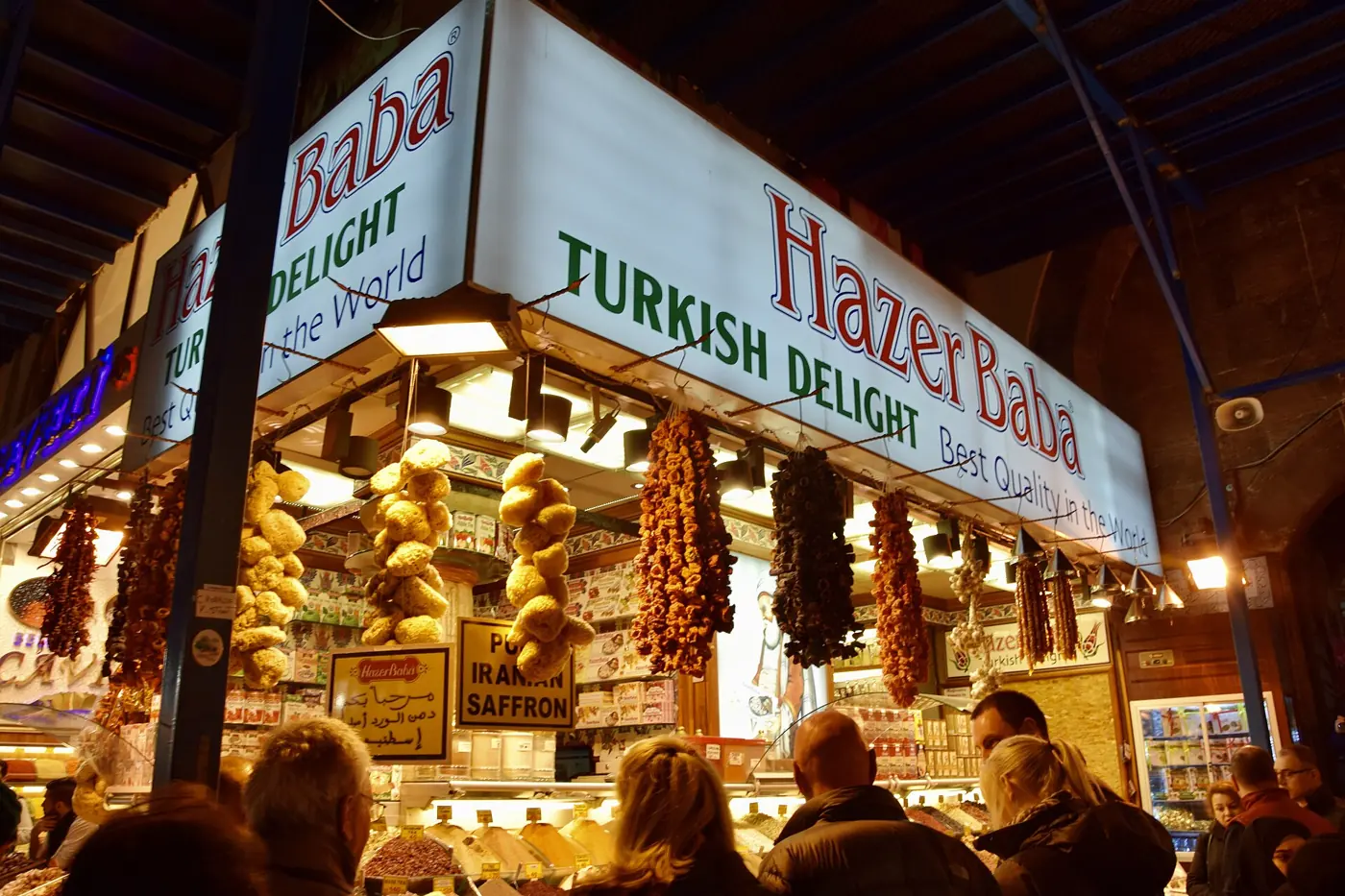
1 Grand Bazaar
The Grand Bazaar is a good place to practise the cash-versus-card routine. The registry notes that many shops handle tax-free VAT refund paperwork, so ask before you pay and keep your receipt.
- Type: Covered bazaar
- Area: Beyazıt, Fatih
Show map
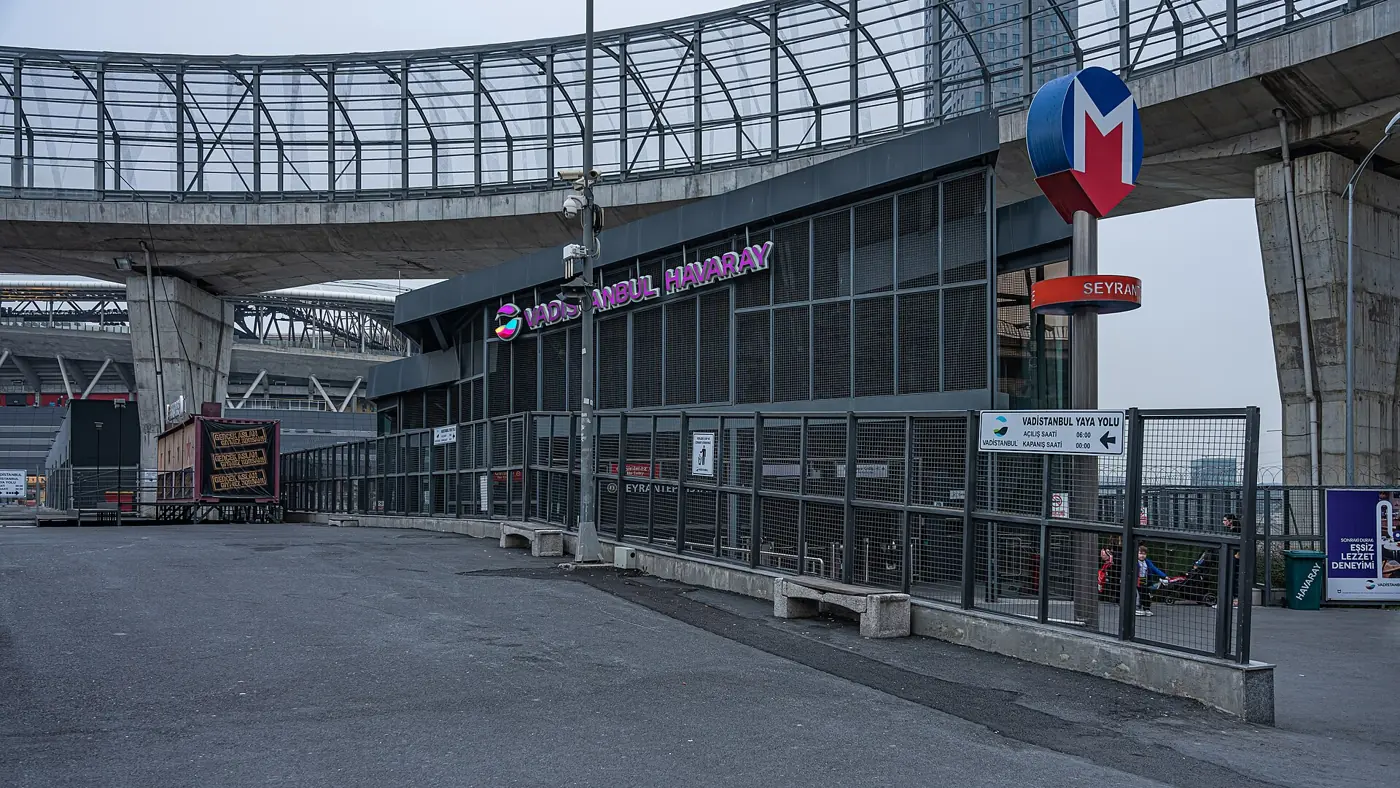
2 Vadistanbul
Vadistanbul carries a tax-free tag in our registry and suits visitors who prefer fixed prices and card payment in a mall.
- District: Sarıyer
Show map
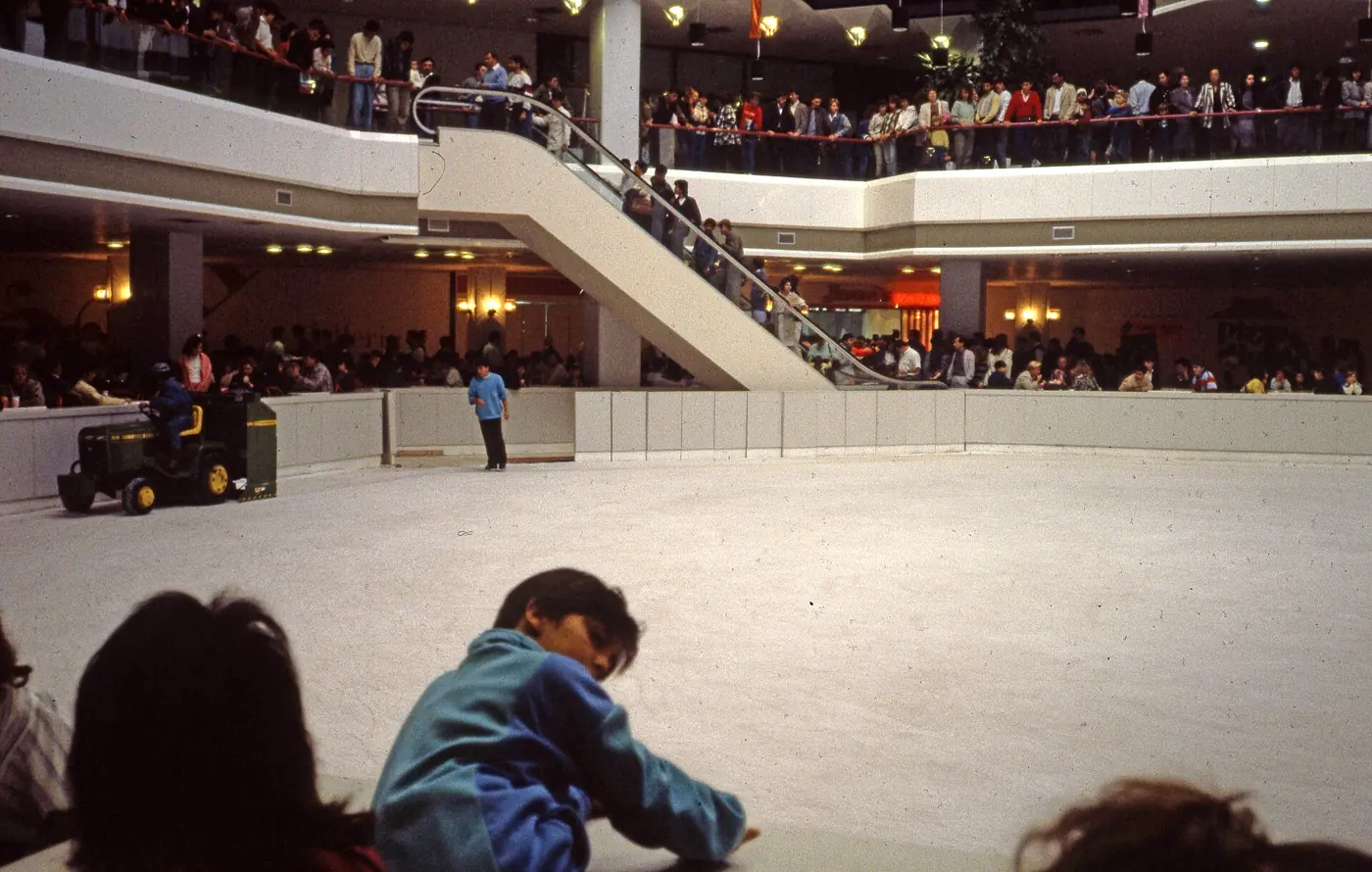
3 Galleria Ataköy
Galleria Ataköy is tagged for tax-free shopping and sits in Bakırköy, which makes it easy to combine with a trip toward the airport side of the city.
- District: Bakırköy
Show map
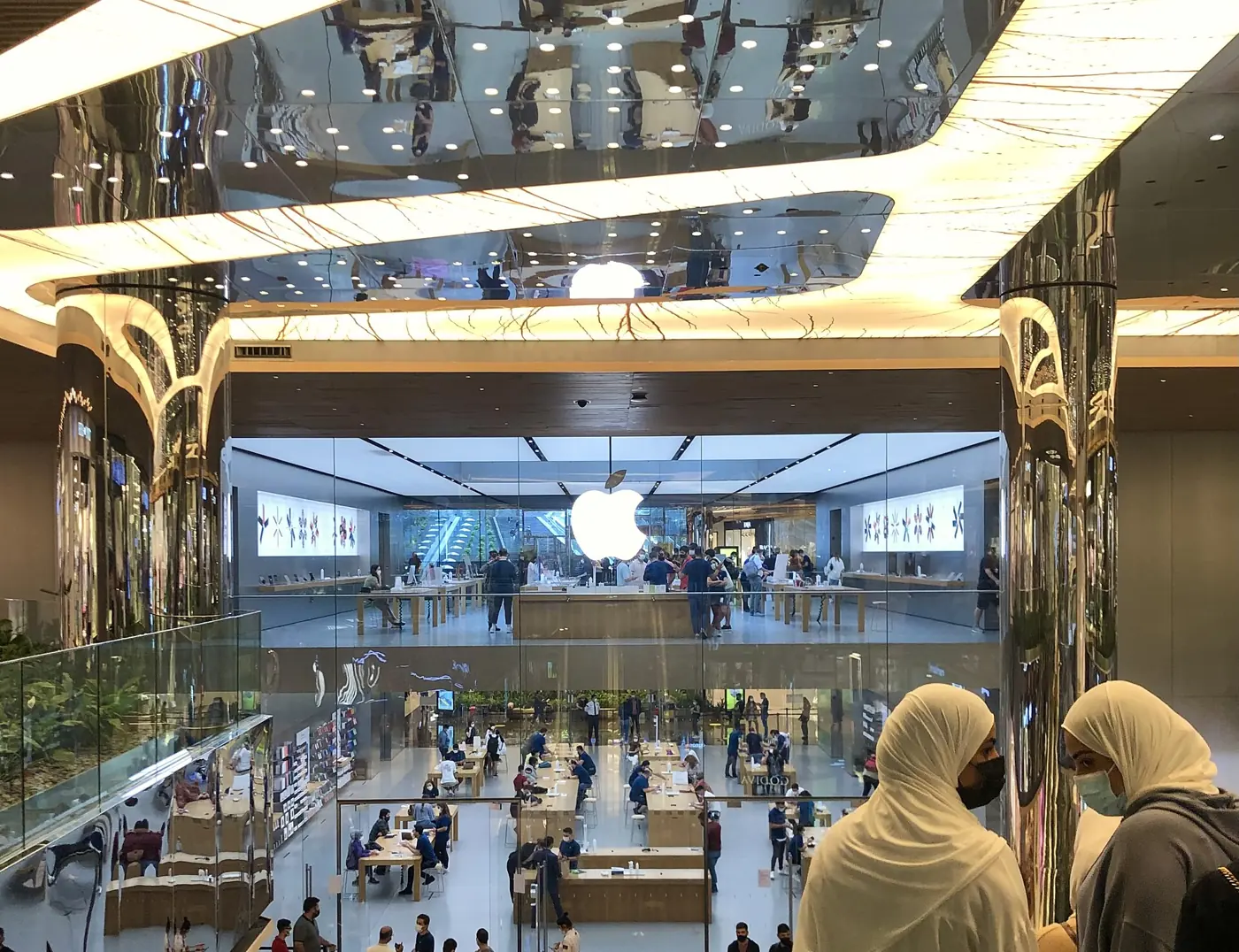
4 Zorlu Center
Zorlu Center is an upscale mall in Beşiktaş with fixed prices, so you can compare them with bazaar prices.
- District: Beşiktaş
Show map
How did we choose these tips and places?
We built this guide from official classifications, clear locations and details we can trace to published sources such as official pages and encyclopedias, then matched them to the practical question in the title. We chose places that readers genuinely meet on a normal trip, across several districts, so the advice stays useful whichever side of the city you stay on.
We do not accept payment for placement, and no business can buy a spot. Moreover, prices, hours, rules and ratings change often, so we send readers to the official page or to Google Maps through the map button on each card before they go.
What mistakes cost visitors money?
Most losses come from small habits, not big scams. Paying in a foreign currency, exchanging at an unclear booth, skipping the price check before a taxi ride and buying without comparing prices are the common ones. Each is easy to avoid with a little preparation.
Therefore, agree a price or confirm the meter before you ride, ask for the total before you sit down for a special meal, and keep receipts. In contrast, small daily costs such as tea, simit and public transport are usually low and fixed.
Quick money rules to remember:
- Exchange only at licensed offices or banks.
- Pay in lira when the terminal offers a choice.
- Keep small notes for tips and transit.
- Ask for the total in advance for bargain shopping.
The sample table shows a simple daily cash plan.
| Moment | Cash or card | Note |
|---|---|---|
| Morning transit and breakfast | Card or transit card | Top up the card once |
| Museum or mosque visit | Card at the ticket office | Check the official page for entry rules |
| Bazaar shopping | Cash and card | Compare prices first |
| Dinner | Card | Check whether service is included |
How do you pay for transport and small purchases?
Public transport in Istanbul runs on a rechargeable transit card that works on the metro, tram, ferry and bus. Buy one at a kiosk or machine, top it up with cash or card, and share it between travellers if the machine allows. This is usually cheaper and faster than paying with single tickets.
For small purchases such as tea, simit, water and snacks, carry coins and small notes. Vendors rarely have change for large notes, and a few small bills keep daily spending simple. Moreover, public toilets often charge a small fee in cash.
Sample first-day money plan
On your first day, arrive with a small amount of lira, take a licensed exchange or an ATM once the city centre is reached, and buy a transit card. Pay for meals by card and keep a little cash for tea gardens and street food.
On the second day, compare prices in the covered bazaar and a mall, then decide where to buy. As a result, you avoid both over-exchanging and carrying too much cash. At the end of the trip, spend or exchange leftover lira, because it is hard to use outside Turkey.
Frequently asked questions
What is the currency of Istanbul?
The Turkish lira (TRY). Some tourist businesses quote euros or dollars, but you will usually pay in lira.
Where is the best place to exchange money?
Use a licensed exchange office or a bank in the city centre and compare two or three rate boards. Avoid street exchangers.
Can I use my credit card in Istanbul?
Yes, cards work in most hotels, restaurants and malls. Carry some lira for small shops, markets and some taxis.
Should I pay in lira or my home currency?
Choose lira when the terminal asks. Paying in your home currency lets the merchant set the rate.
Do I need to tip?
Tipping is customary. Check whether a service charge is already on the bill, and otherwise round up or leave a modest amount for good service.
How does tax-free shopping work?
Participating shops give a tax-free form for eligible purchases. Keep the form, passport details and goods and follow the refund steps at your departure point.
Are ATMs safe to use?
ATMs at banks and malls are the safest choice. Check your own bank’s foreign fee before withdrawing.
How much cash should I carry?
Enough for a day of transit, snacks and tips, topped up as needed. Large cash amounts are not necessary.
Plan this with TurkGT
TurkGT can arrange a private car with driver and an airport transfer so you do not need cash for your first ride. We can also connect you with a licensed guide or an interpreter for shopping days. Send us your dates by WhatsApp or the inquiry form, and we will reply with options.
Request a booking
Sources
Last reviewed: 2026-11-18.