
Topkapı suits first-time visitors who want Ottoman history, Dolmabahçe suits those who want a grand Bosphorus palace, and Beylerbeyi or Küçüksu suit the Asian shore. Yıldız and Ihlamur offer parks. Check current access on each page.
Key facts
- Oldest palace: Topkapı Palace (1459-1465)
- Grandest waterfront: Dolmabahçe Palace (1843-1856)
- Asian shore: Beylerbeyi, Küçüksu, Khedive Palace
- Park settings: Yıldız and Ihlamur
- Golden Horn: Aynalıkavak Pavilion
- Stay in a palace: Çırağan Palace (hotel)
- Tip: Choose by area, then by era
Which Ottoman palace should you visit in Istanbul?
Choose Topkapı for early Ottoman history, Dolmabahçe for the late Ottoman era on the Bosphorus, and Beylerbeyi for the Asian shore. Smaller pavilions such as Küçüksu, Ihlamur and Aynalıkavak suit short, quiet visits.
The palaces differ by period, setting and size. Therefore decide first by area and by how much time you have. Moreover, one palace is enough for a half day.
How we chose these palaces
We chose palaces and pavilions from the registry that have a verified location and an Ottoman link. Çırağan Palace is included because it is a historic palace that now works as a hotel. We do not accept payment for placement.
Opening rules and visitor access change, so check the place’s page or Google Maps before you go.
What are the main palaces and who are they for?
Topkapı, Dolmabahçe and Beylerbeyi are the three big names. Topkapı was the main sultan residence for about 400 years. Dolmabahçe was the main administrative centre of the late Ottoman state. Beylerbeyi was a summer and guest palace.
In contrast, Yıldız and the smaller kiosks give a quieter experience.
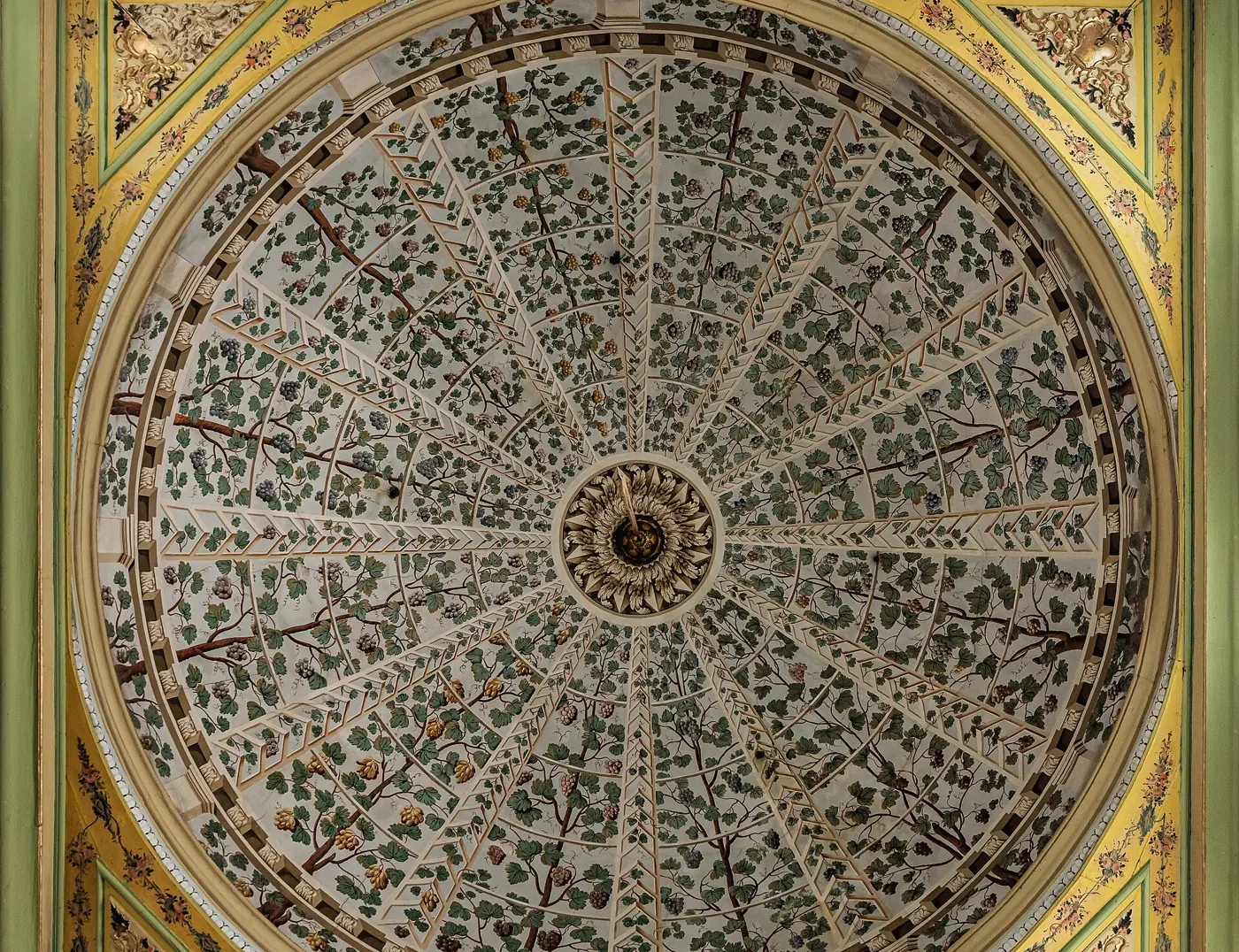
1 Topkapı Sarayı
The best first choice for Ottoman history. Built 1459-1465 under Mehmed II, it holds the Imperial Treasury and the Harem. It is a UNESCO site in Sultanahmet.
- Built: 1459-1465 under Mehmed II
- Role: Main residence of Ottoman sultans for about 400 years
Show map
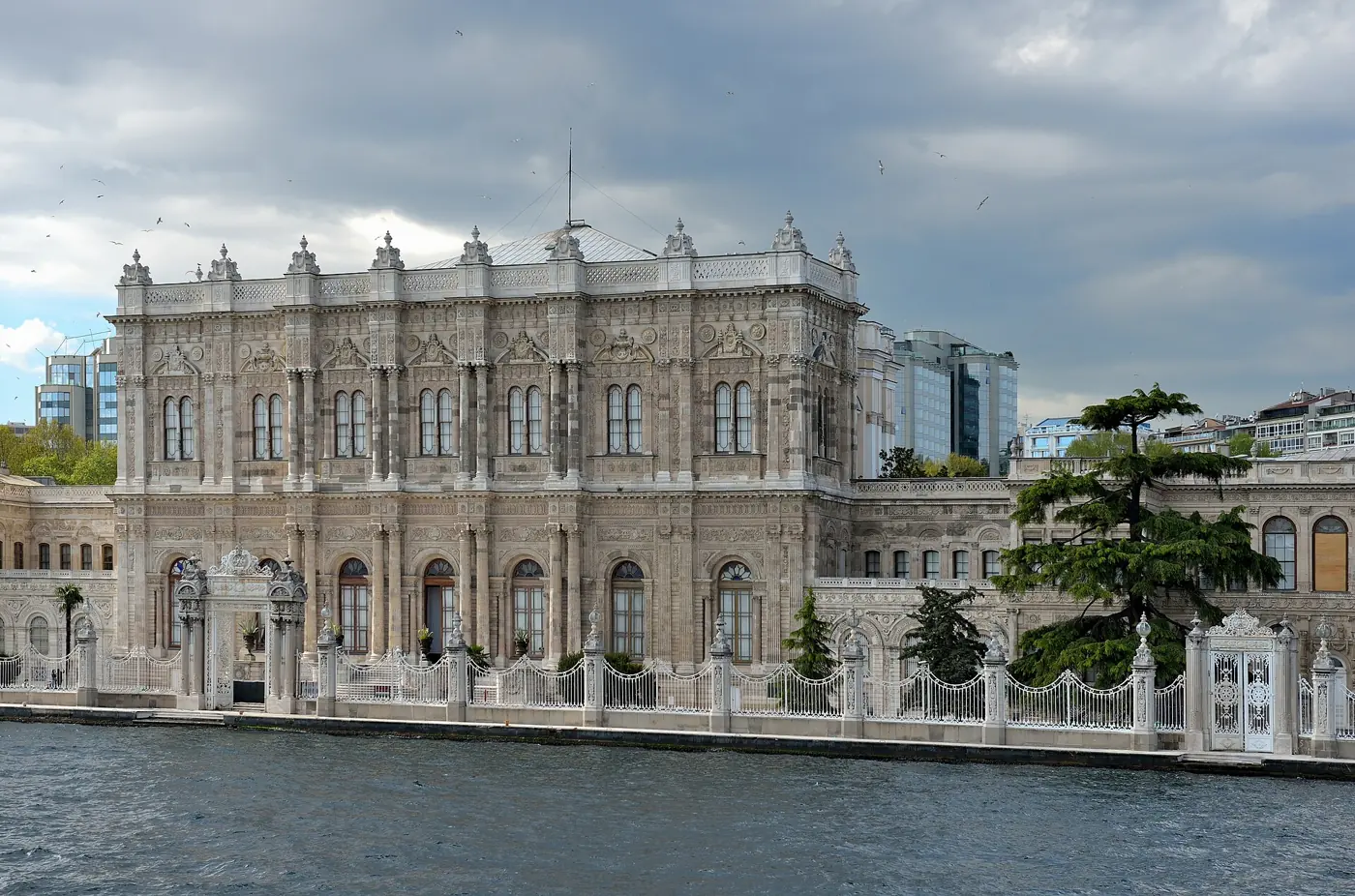
2 Dolmabahçe Sarayı
A waterfront palace built 1843-1856 under Abdulmejid I in a Neo-Baroque style. Choose it for scale and Bosphorus setting. Atatürk died here on 10 November 1938.
- Built: 1843-1856 under Abdulmejid I
- Style: Neo-Baroque with Ottoman and European elements
Show map
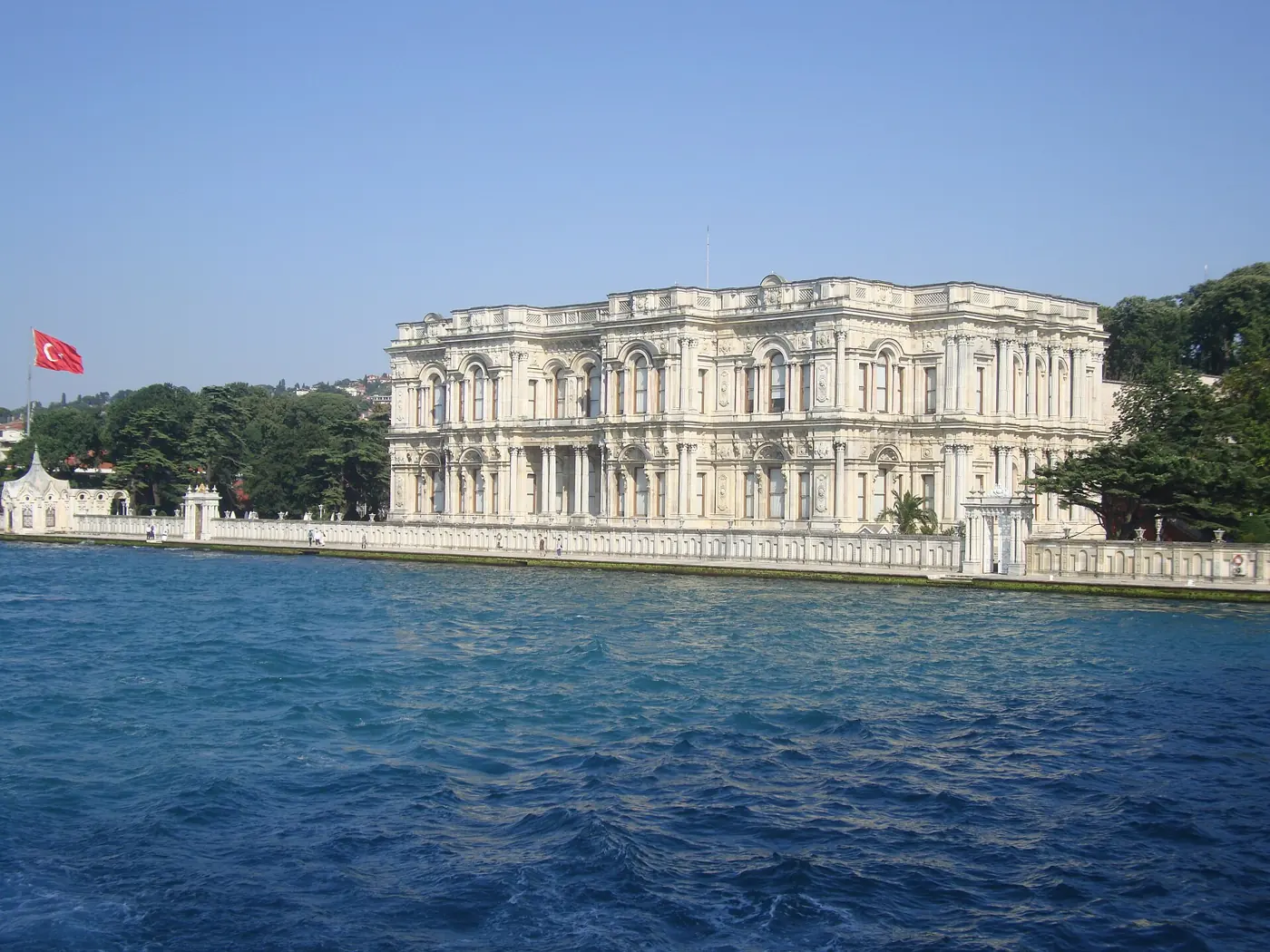
3 Beylerbeyi Sarayı
A summer palace on the Asian shore beside the Bosphorus Bridge, built 1861-1865 under Abdulaziz. It was used to host foreign dignitaries.
- Built: 1861-1865 under Abdulaziz
- Side: Asian shore of the Bosphorus
Show map
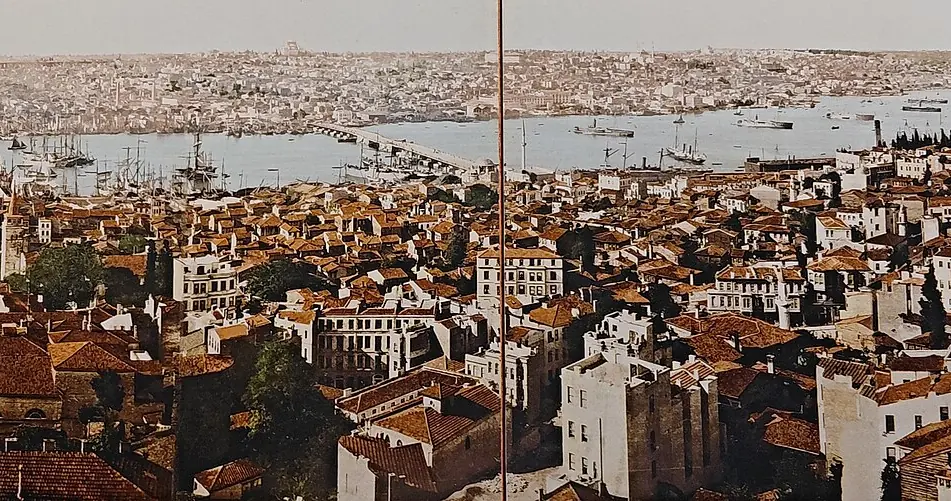
4 Yıldız Sarayı
A complex of kiosks, pavilions and gardens above Beşiktaş. It was the political centre under Abdulhamid II and suits walkers who like parkland.
- Era: Main residence of Abdulhamid II from the 1880s
- Setting: Yıldız Park hillside above Beşiktaş
Show map
Which smaller pavilions and palace hotels are worth a stop?
Küçüksu, Ihlamur, Aynalıkavak, Khedive Palace and Çırağan are the smaller stops. Küçüksu and the Khedive Palace sit on the Asian shore. Ihlamur lies in a linden garden in Beşiktaş. Aynalıkavak is on the Golden Horn.
These sites are short visits. However, they pair well with a Bosphorus ferry or a café stop.
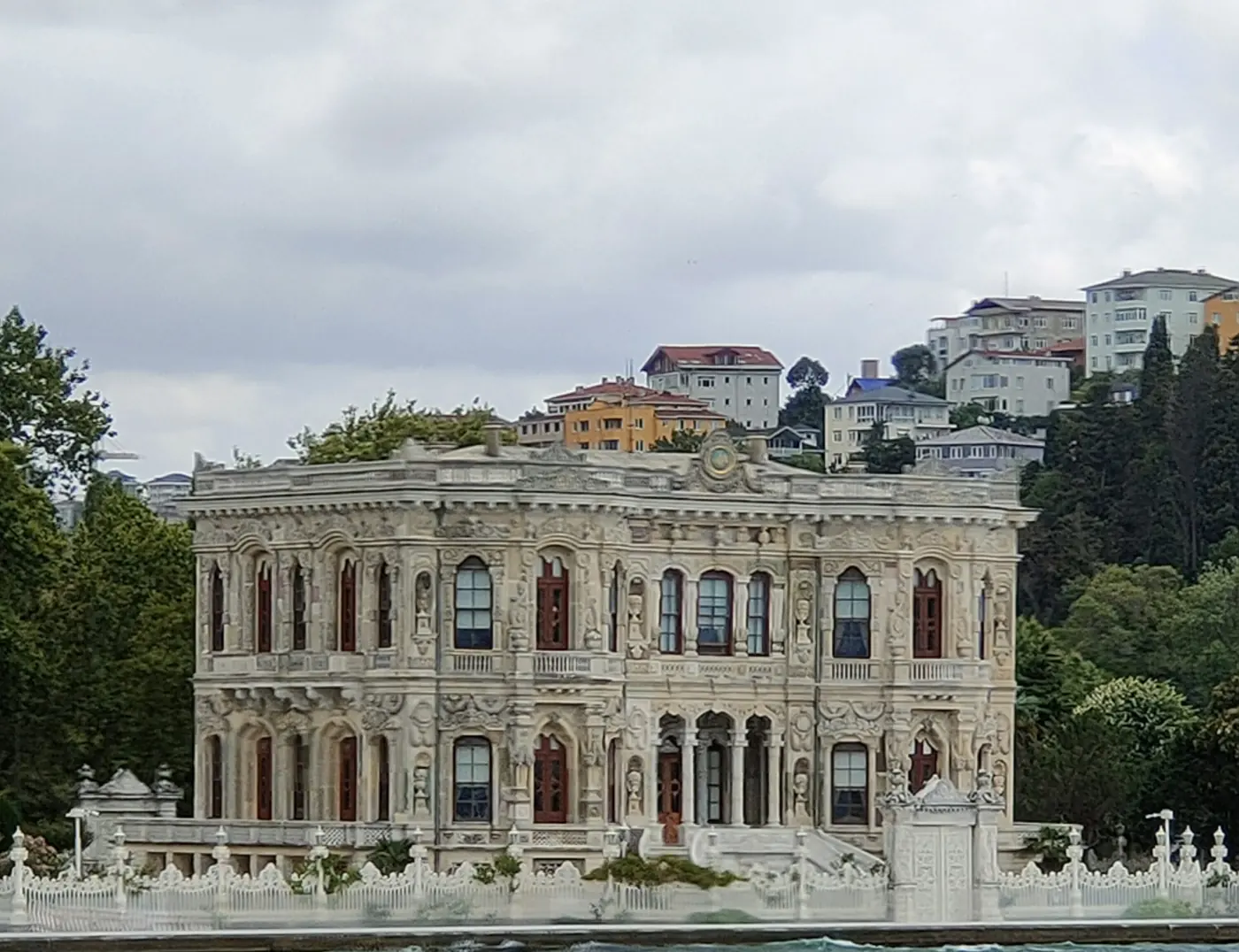
5 Küçüksu Kasrı
A small Baroque-style imperial pavilion near the Göksu stream, built 1856-1857 under Abdulmejid I as a hunting and rest lodge. Good for a short waterside stop.
- Built: 1856-1857 under Abdulmejid I
- Side: Asian shore of the Bosphorus
Show map
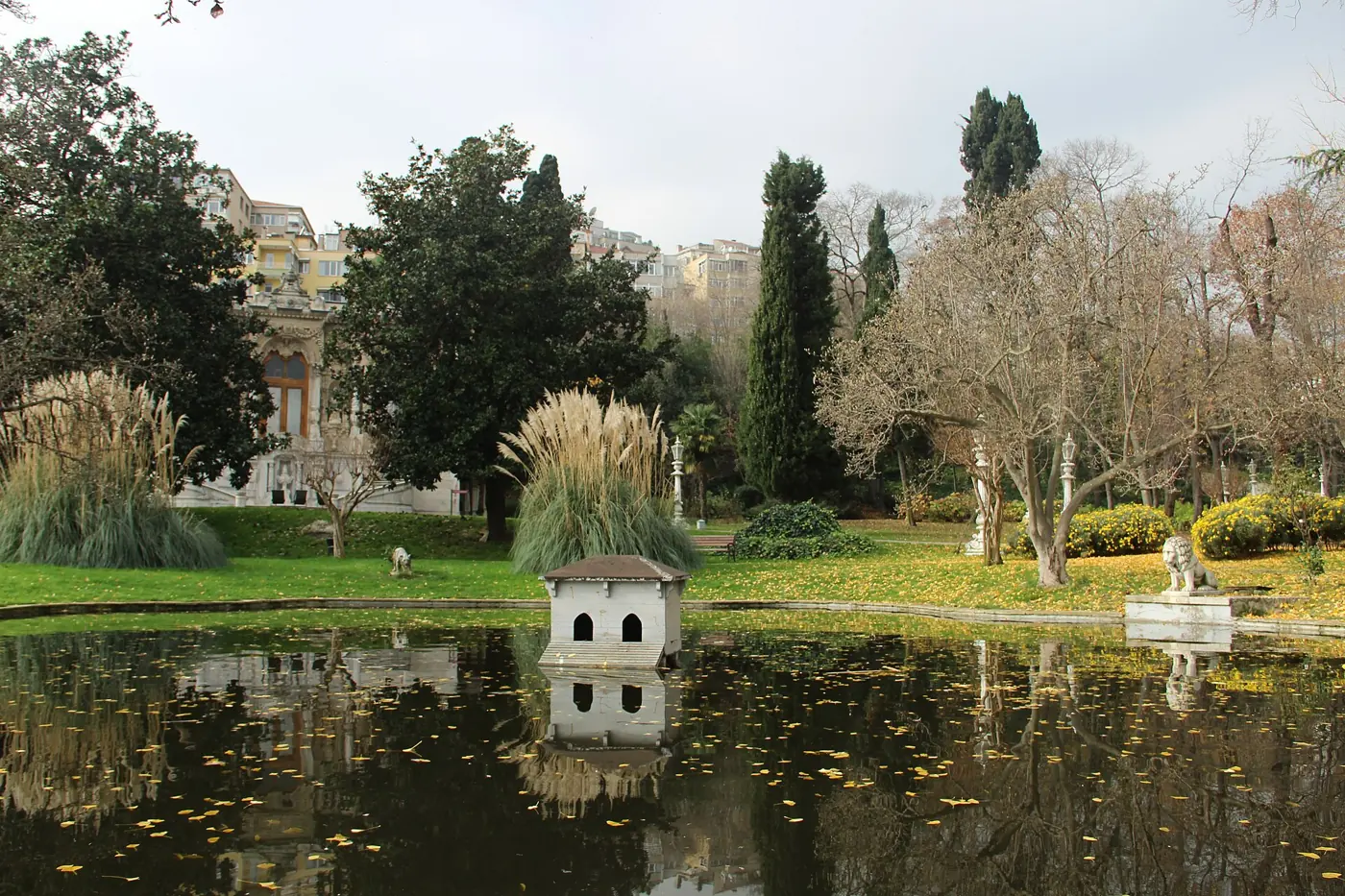
6 Ihlamur Kasrı
A pair of 19th-century kiosks, the Merasim and Maiyet kiosks, in a linden garden in Beşiktaş. Built 1849-1855. It combines a short visit with a garden walk.
- Built: 1849-1855 under Abdulmejid I
- Parts: Merasim Köşkü and Maiyet Köşkü
Show map
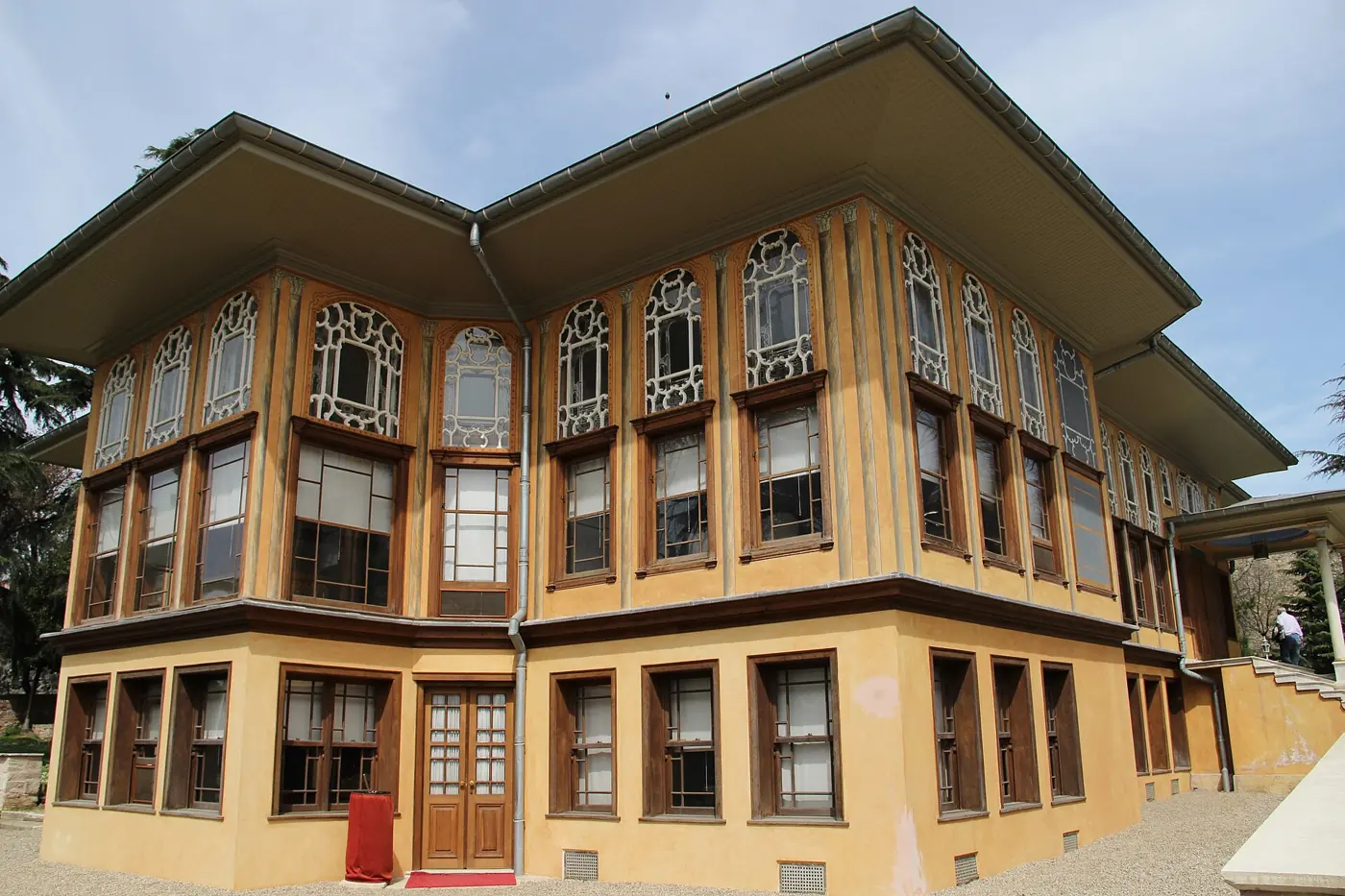
7 Aynalıkavak Kasrı
An Ottoman waterside pavilion in Hasköy on the Golden Horn, associated with Selim III and now a museum with Ottoman musical instruments.
- Location: Hasköy, Golden Horn shore
- Era: Ottoman; rebuilt under Selim III
Show map
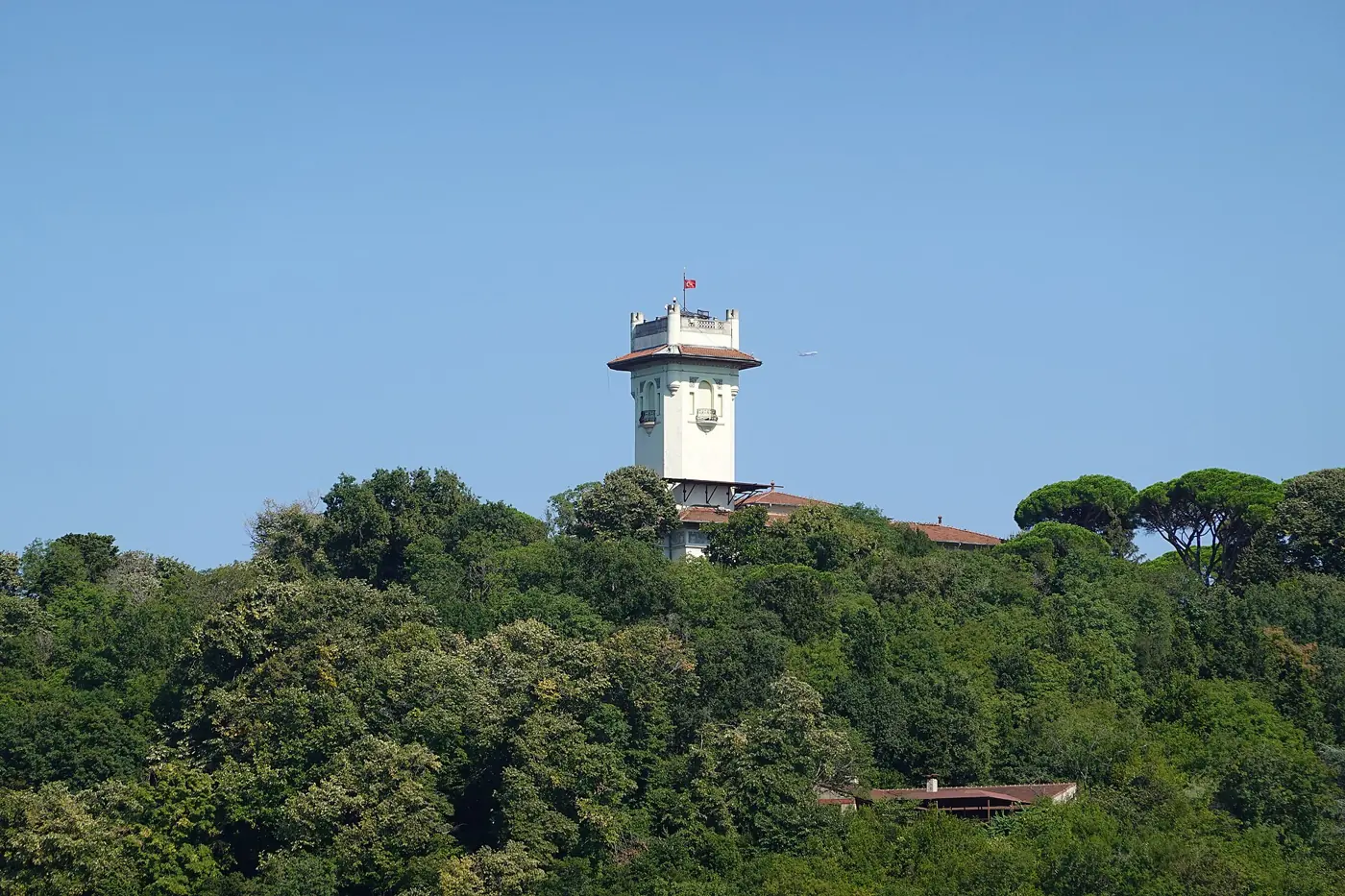
8 Khedive Palace (Hıdiv Kasrı)
An Art Nouveau palace on the Asian shore built for Khedive Abbas II of Egypt. It has a café and gardens open to visitors. Choose it for views and a relaxed stop.
- Built: Early 20th century, for Khedive Abbas II
- Style: Art Nouveau
Show map
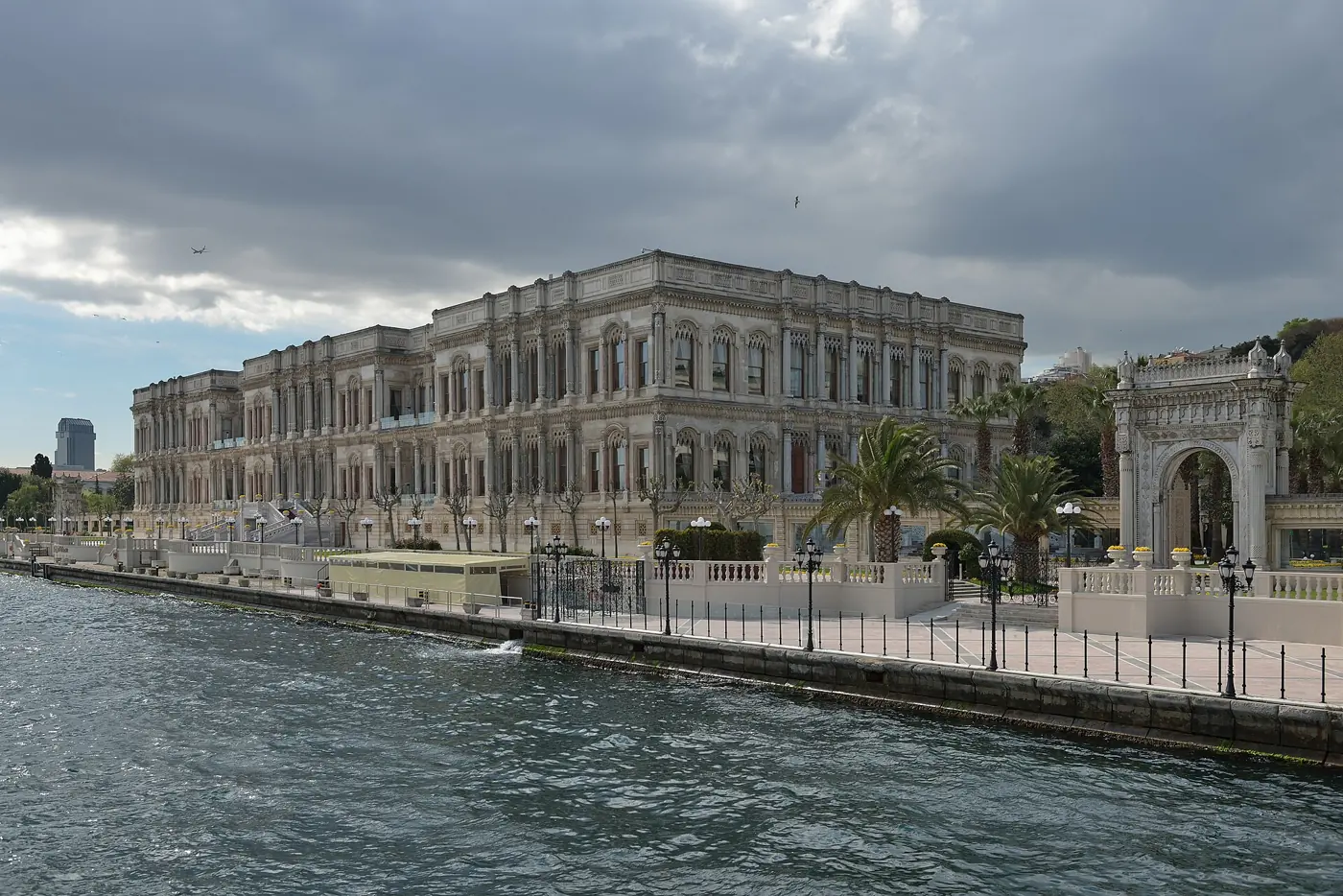
9 Çırağan Sarayı
A Bosphorus palace built 1863-1867 under Abdulaziz. It burned in 1910 and was restored in the 1990s. It now works as a luxury hotel, so visit as a guest or for a meal.
- Built: 1863-1867 under Abdulaziz
- Fire: Burned in 1910; restored in the 1990s
Show map
How do the palaces compare?
The table compares the main palaces by period, shore and best use. Pick one big palace and one small pavilion in the same area to keep the day simple.
Use this table to match palace and trip style.
| Palace | Era | Shore or area | Best for |
|---|---|---|---|
| Topkapı | 1459-1465 | Sultanahmet | First-time Ottoman history |
| Dolmabahçe | 1843-1856 | Beşiktaş (European shore) | Grand Bosphorus palace |
| Beylerbeyi | 1861-1865 | Üsküdar (Asian shore) | Quieter waterside palace |
| Yıldız | 1880s onward | Beşiktaş | Park and pavilions |
| Küçüksu | 1856-1857 | Beykoz (Asian shore) | Short Bosphorus stop |
| Ihlamur | 1849-1855 | Beşiktaş | Garden and kiosks |
| Aynalıkavak | Selim III era | Hasköy (Golden Horn) | Musical instruments |
| Khedive Palace | Early 20th century | Beykoz (Asian shore) | Café, gardens, views |
| Çırağan | 1863-1867 | Beşiktaş | Palace hotel experience |
How do you get there and combine palaces?
Group by shore. Dolmabahçe, Yıldız, Ihlamur and Çırağan are all in Beşiktaş, so they combine easily. Beylerbeyi, Küçüksu and the Khedive Palace are on the Asian side. Topkapı sits in Sultanahmet, close to other old-city sights.
A Bosphorus cruise or ferry links several waterfront palaces by view. For land transfers, check Google Maps routes because ferries and buses change.
Practical tips:
- Pick one major palace per day.
- Check closing days on each official page.
- Allow extra time at Topkapı for the Harem and Treasury.
- Dress comfortably; palaces involve long walks.
- Book a guide for the larger palaces.
Combine palaces by area.
| Day | Plan |
|---|---|
| Old city | Topkapı with Hagia Sophia and nearby sights |
| European shore | Dolmabahçe, Yıldız, Ihlamur (Beşiktaş) |
| Asian shore | Beylerbeyi, Küçüksu, Khedive Palace |
How do Ottoman palaces differ in style and period?
Ottoman palaces differ by period. Topkapı reflects the classical era, with courtyards and separate pavilions. Dolmabahçe, Beylerbeyi and Çırağan reflect the 19th century, with European influences and waterfront settings. The smaller kiosks show private leisure life.
Therefore your choice also sets the mood of your visit. Classical palaces feel like complexes of courtyards. In contrast, the later palaces feel like grand houses on the water. Moreover, the pavilions in parks show how rulers spent time outdoors.
Style and mood by palace type.
| Type | Examples | Mood |
|---|---|---|
| Classical complex | Topkapı | Courtyards, treasury, harem |
| Grand waterfront palace | Dolmabahçe, Beylerbeyi | Large rooms, Bosphorus views |
| Pavilion and kiosk | Küçüksu, Ihlamur, Aynalıkavak | Small and quiet |
| Palace hotel | Çırağan | Stay or dine |
Which palace suits which traveller?
First-time visitors with one day for history should choose Topkapı. Travellers who want views and scale should choose Dolmabahçe. Families who need space to walk should choose Yıldız or Ihlamur, because the parks give children room to move.
Couples or photographers may prefer Beylerbeyi, Küçüksu or the Khedive Palace on the Asian shore. However, check the current access of each site before you plan. Large palaces can be crowded at midday, so go early and keep the afternoon for a lighter pavilion or a café.
How do you plan around queues and closures?
Plan around queues by arriving early and by picking one major palace per day. Large palaces can restrict entry by time or by section, and some close on set weekdays. Because these rules change, always confirm them on the official page.
Moreover, wear comfortable shoes and allow more time than you expect. A guide can help you move through crowded rooms and explain the details that signs do not cover.
How do you add a palace to a wider Istanbul itinerary?
Add a palace by pairing it with its neighbours. Topkapı fits with Hagia Sophia and the Blue Mosque in Sultanahmet. Dolmabahçe fits with a Bosphorus walk in Beşiktaş. Beylerbeyi and Küçüksu fit with an Asian-shore day that includes a ferry and a seaside meal.
Therefore build each day around one shore. Moreover, avoid crossing the Bosphorus more than once a day, because traffic and ferry timing can cost hours. A private car with a driver keeps the schedule smooth.
Allow at least two hours for a large palace and one hour for a pavilion, including time to queue and to walk through gardens. Moreover, security checks at entrances can add minutes. Finally, keep a flexible afternoon, because lingering in a garden or a café often becomes the best part of the day.
What is a sample day plan?
For a European-shore day, visit Dolmabahçe in the morning, walk up to Yıldız Park or Ihlamur in the afternoon, and finish with a Bosphorus meal near Çırağan. For the Asian shore, start at Beylerbeyi and continue to Küçüksu.
Finally, keep Topkapı for its own half-day. It is the largest site and rewards unhurried time.
Frequently asked questions
Which Istanbul palace is best for first-time visitors?
Topkapı Palace is the best first choice for Ottoman history, with the Imperial Treasury and Harem.
What is the difference between Topkapı and Dolmabahçe?
Topkapı is earlier, built 1459-1465, and was the sultans’ main residence. Dolmabahçe was built 1843-1856 in a Neo-Baroque style.
Which palaces are on the Asian side?
Beylerbeyi, Küçüksu and the Khedive Palace are on the Asian shore.
Can I stay in a palace?
Çırağan Palace on the Bosphorus now works as a luxury hotel.
How many palaces can I visit in one day?
Two or three in the same area. Keep Topkapı for its own half-day.
Are opening hours listed here?
No. Check each palace page or Google Maps, because hours and closing days change.
Which pavilion has a café and gardens?
The Khedive Palace (Hıdiv Kasrı) in Çubuklu has a café and gardens open to visitors.
Plan this with TurkGT
TurkGT can arrange a private car with a driver or a licensed guide for the palaces, or a Bosphorus yacht day that passes the waterfront ones. We can also help with hotel booking. Send your dates by WhatsApp or the inquiry form.
Request a booking
Sources
- Topkapı Palace
- Dolmabahçe Palace
- Beylerbeyi Palace
- Yıldız Palace
- Küçüksu Pavilion
- Ihlamur Pavilion
- Aynalıkavak Pavilion
- Khedive Palace (Hıdiv Kasrı)
- Khedive Palace (Hıdiv Kasrı)
- Khedive Palace (Hıdiv Kasrı)
- Çırağan Palace
Last reviewed: 2026-11-18.