
You can follow the Ottoman sultans in one day if you split the route by area. Spend the morning in Sultanahmet with Topkapı Palace, Hagia Sophia and the Blue Mosque. Cross to the Süleymaniye complex after lunch. Finish with Dolmabahçe Palace on the Bosphorus if time allows.
Key facts
- Route: Sultanahmet, Süleymaniye, Eminönü, then Dolmabahçe
- Time needed: One long day, or two relaxed half days
- Best for: History lovers, first-time visitors, families with teenagers
- Palaces: Topkapı (old city) and Dolmabahçe (Bosphorus)
- Mosque rules: Open outside prayer times; cover shoulders and knees
- Tickets and hours: Check each place’s page or Google Maps
- Suggested transport: Walk in Sultanahmet; car with driver for the rest
What is the best one-day route through Ottoman Istanbul?
The best route runs from Sultanahmet to the Süleymaniye hill and then to the Bosphorus. Early Ottoman power sits at Topkapı, imperial mosques define the skyline, and the later sultans moved to Dolmabahçe. This order follows history and keeps walking short.
However, a full day is long. Palace visits take time, so pick two or three major stops and treat the rest as optional. Our plan below shows what to prioritise.
Think of the day in three zones. The first is the old palace zone around Sultanahmet, the second is the Süleymaniye hill with Sinan’s work, and the third is the Bosphorus shore. Each zone shows a different moment of Ottoman power, from conquest-era building to nineteenth-century reform.
How did we choose the stops?
We selected places tied directly to the sultans, their families and their architect: palaces, imperial mosques, tombs and one historic bathhouse. We checked each place against official or encyclopedic sources in our registry.
We do not accept payment for placement and we do not show ratings. Because hours and ticket rules change, check Google Maps or the place’s page before you go.
Our rule was simple. A stop must connect directly to the dynasty, its architecture or its daily life, and it must be practical to visit in a single day. That is why we included tombs and a bathhouse next to the famous palaces.
Which palaces and museums belong to the sultans’ story?
Topkapı Palace was the main residence and administrative centre of the sultans for about 400 years, according to our source. Dolmabahçe replaced it as the administrative centre of the late Ottoman state. Visiting both shows how the empire changed.
Moreover, the museums beside Topkapı add context with collections and sacred relics. Choose according to your interests and the time you have.
Use the palaces to understand scale. Topkapı is a complex of courts, treasury rooms and the Harem, not a single building. Dolmabahçe, by contrast, is a Neo-Baroque waterfront palace that shows how the later sultans adopted European taste.
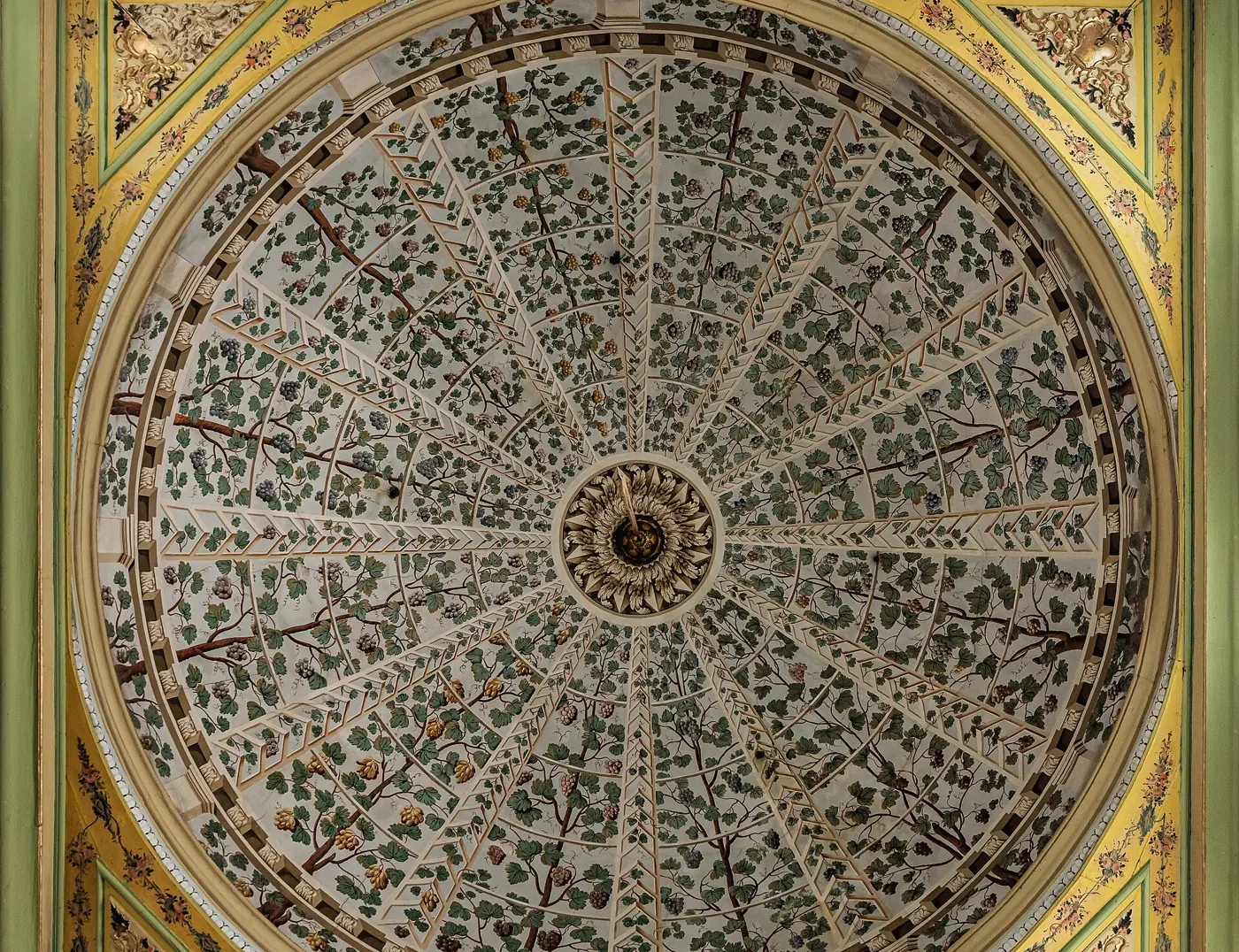
1 Topkapı Sarayı
Built from 1459 to 1465 under Mehmed II, the palace on Sarayburnu holds the Imperial Treasury and the Harem. It is the core of this itinerary, so give it the largest block of time.
- Built: 1459-1465 under Mehmed II
- Role: Main residence of Ottoman sultans for about 400 years
- Status: UNESCO World Heritage Site (Historic Areas of Istanbul)
Show map
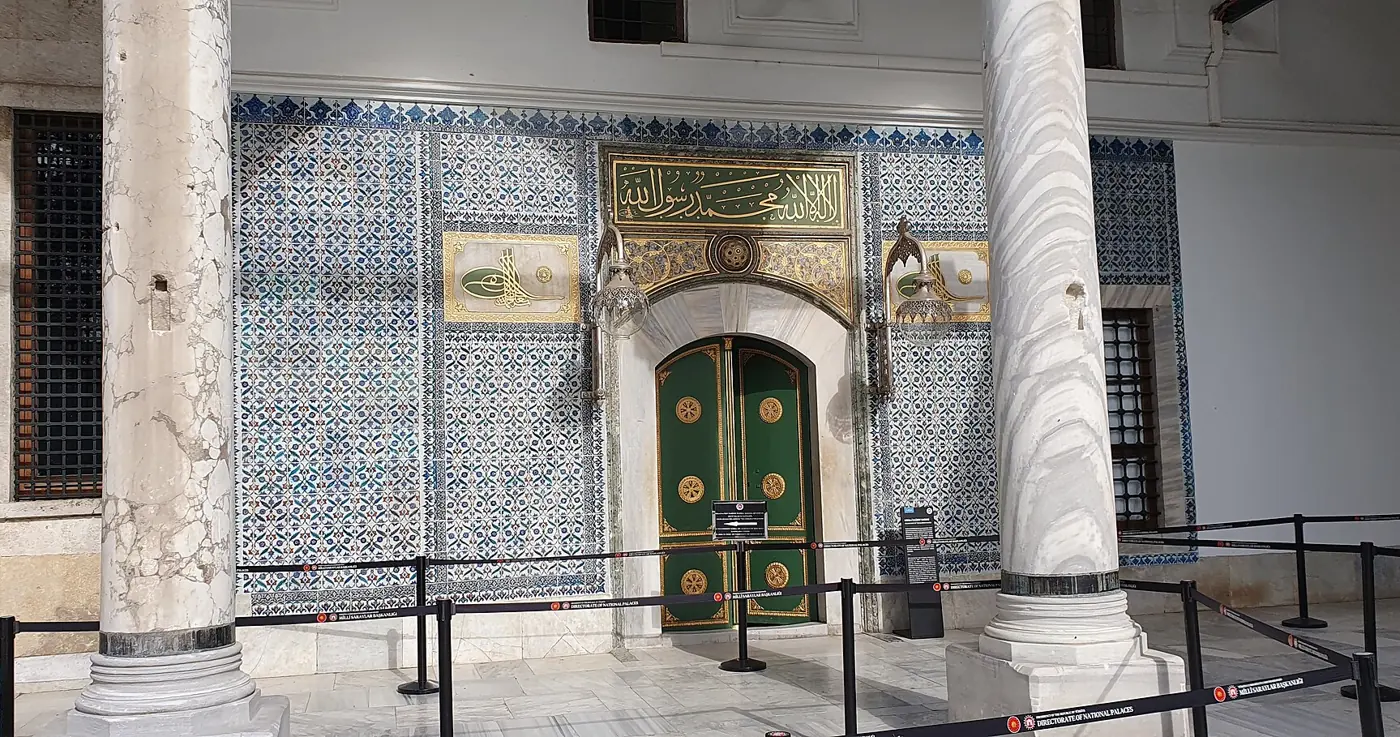
2 Kutsal Emanetler Dairesi
This section of Topkapı in the Privy Chamber displays Islamic sacred relics held by the Ottoman dynasty. It suits visitors who want the religious side of the palace story.
- Location: Privy Chamber, Topkapı Palace
- Items: Relics of the Prophet Muhammad and early figures
Show map
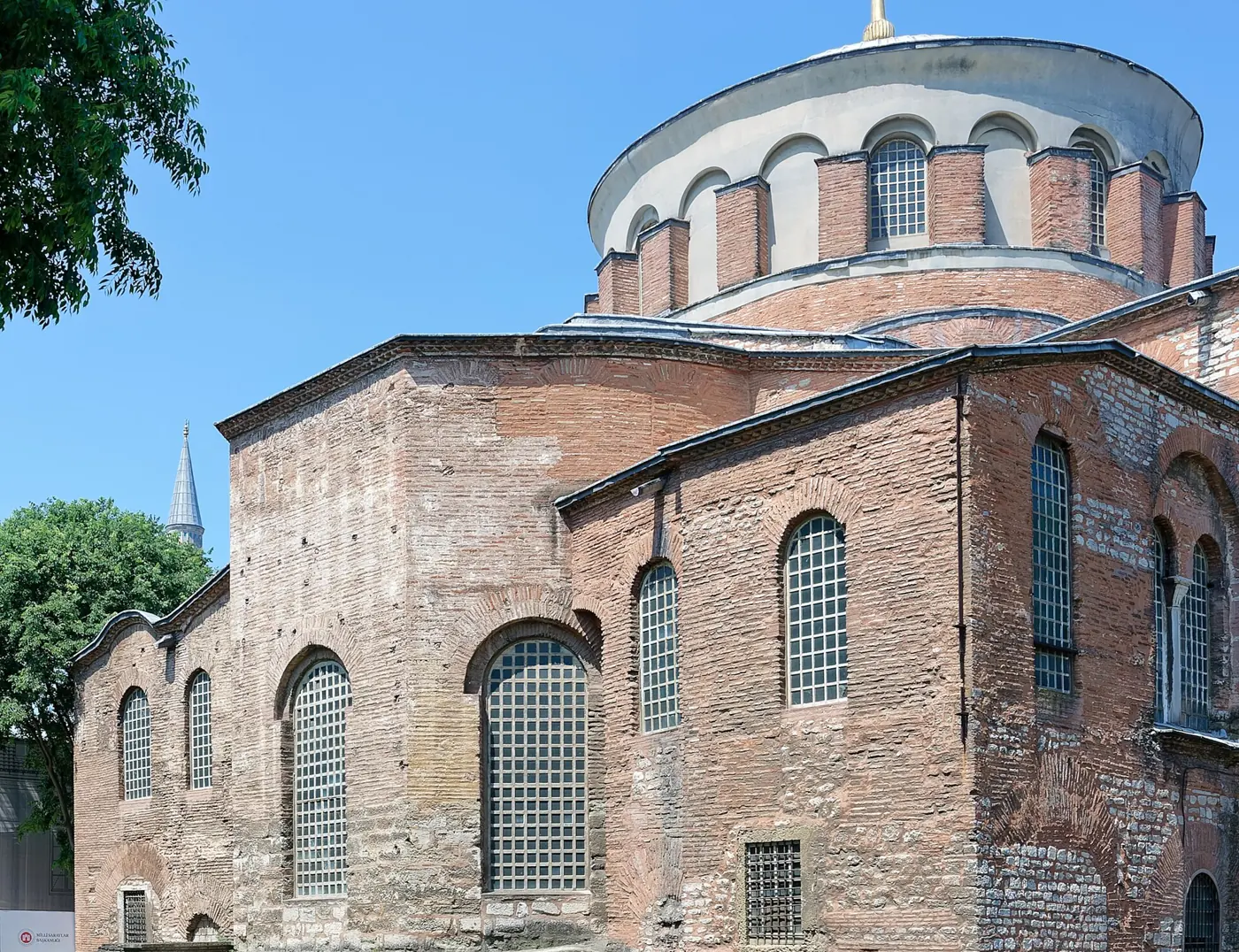
3 Aya İrini
Hagia Irene stands in the first courtyard of Topkapı Palace. It was kept as an armoury under the Ottomans and is now a museum and concert venue, so it fits neatly into the palace visit.
- Location: First courtyard of Topkapı Palace
- Built: 4th century; rebuilt 6th century under Justinian
- Today: Museum and concert venue
Show map
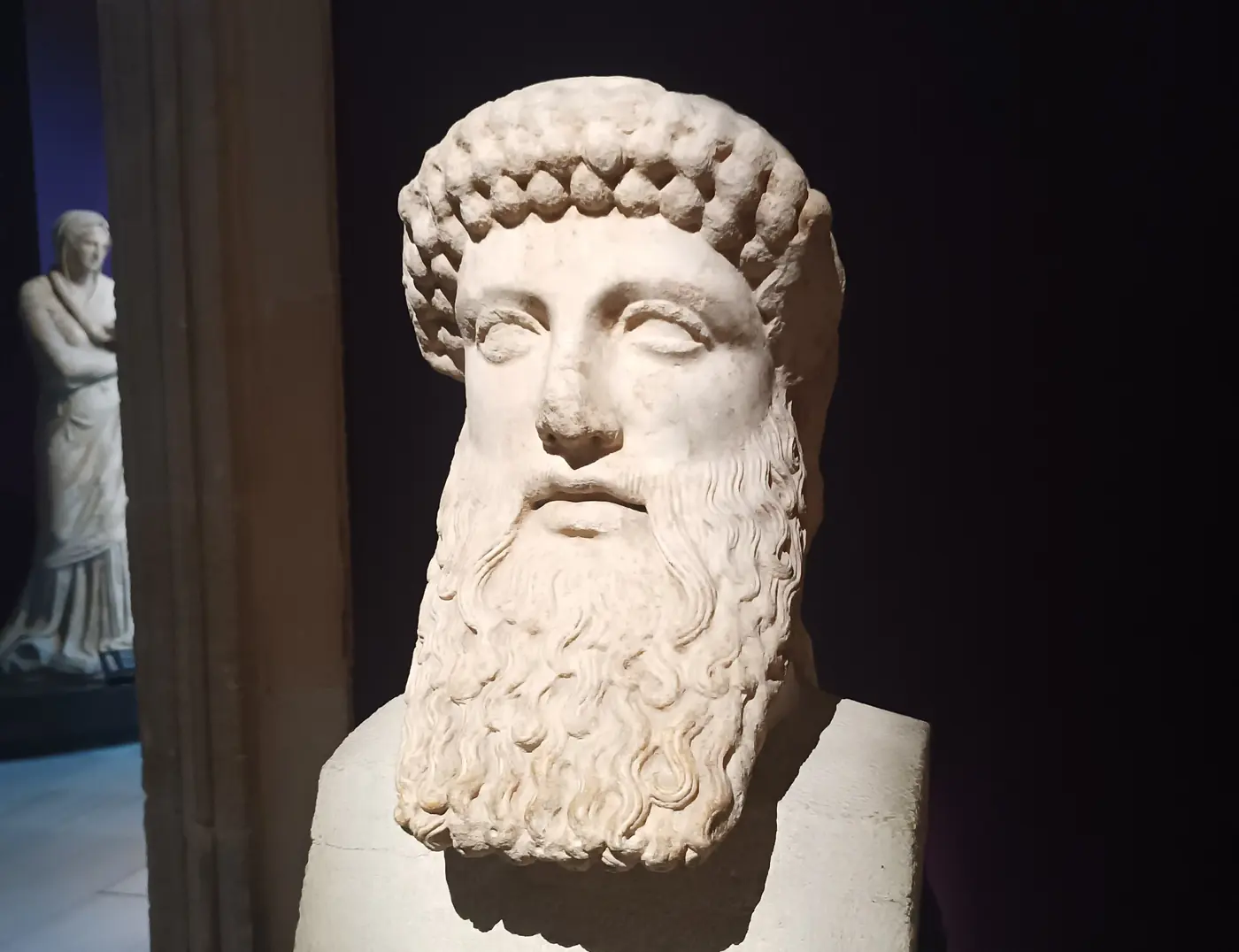
4 İstanbul Arkeoloji Müzeleri
Founded in 1891 by Osman Hamdi Bey, the complex stands next to Topkapı’s outer gate. The Alexander Sarcophagus is the highlight. Add it if you have extra time.
- Founded: 1891 by Osman Hamdi Bey
- Location: Next to Topkapı Palace’s outer gate
- Highlight: Alexander Sarcophagus
Show map
5 Dolmabahçe Sarayı
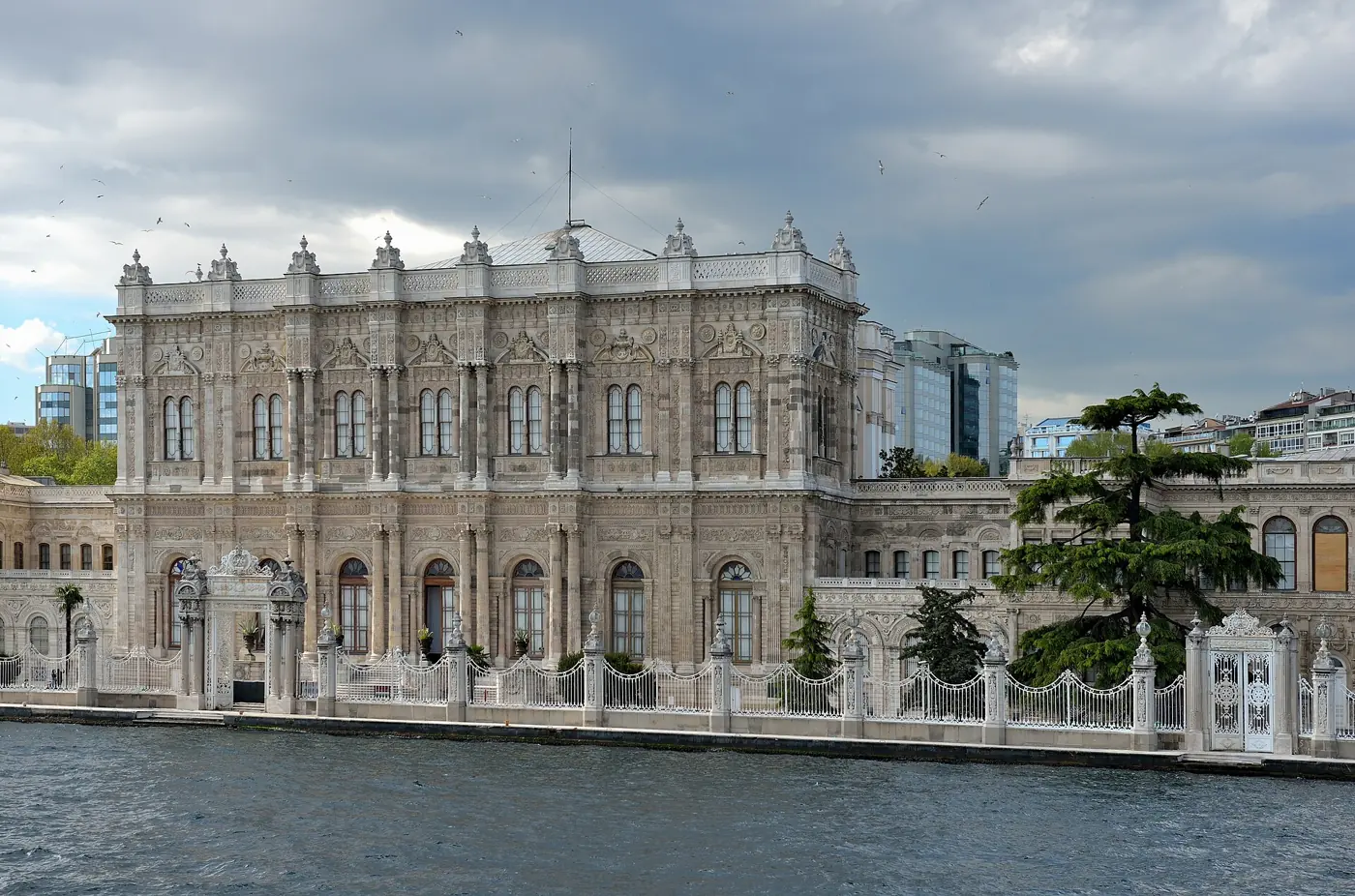
This waterfront palace was built from 1843 to 1856 under Abdulmejid I in a Neo-Baroque style. It was the main administrative centre of the late Ottoman state. Atatürk died here on 10 November 1938.
- Built: 1843-1856 under Abdulmejid I
- Style: Neo-Baroque with Ottoman and European elements
- Note: Atatürk died here on 10 November 1938
Show map
Which imperial mosques and tombs should you include?
Hagia Sophia, the Blue Mosque and Süleymaniye are the three giants. Hagia Sophia dates from 537 AD, the Blue Mosque from 1609-1616 and Süleymaniye from 1550-1557. In short, you cross centuries in three stops.
Nearby, the tombs of Hürrem Sultan and Mimar Sinan sit beside the Süleymaniye complex, and Rüstem Pasha Mosque shows Sinan’s tile work in a small space. Mosques are open to visitors outside prayer times, so plan around the call to prayer.
After the palaces, the mosques show what the sultans built for the public. Sinan’s Süleymaniye dominates the skyline from the Third Hill, while the smaller Rüstem Pasha Mosque shows how tile work could transform a small interior. The tombs add a human scale to the grand architecture.
Visit mosques outside prayer times and dress modestly. If your group is large, a guide can arrange the order so you avoid waiting at the same time as worshippers.
Why these mosques and tombs matter:
- Hagia Sophia: built in 537 AD under Justinian I, a mosque again since 2020.
- Blue Mosque: six minarets and blue İznik tiles.
- Süleymaniye: designed by Mimar Sinan for Suleiman the Magnificent.
- Tombs of Hürrem Sultan and Sinan: personal history inside the Süleymaniye complex.
6 Ayasofya-i Kebir Cami-i Şerifi
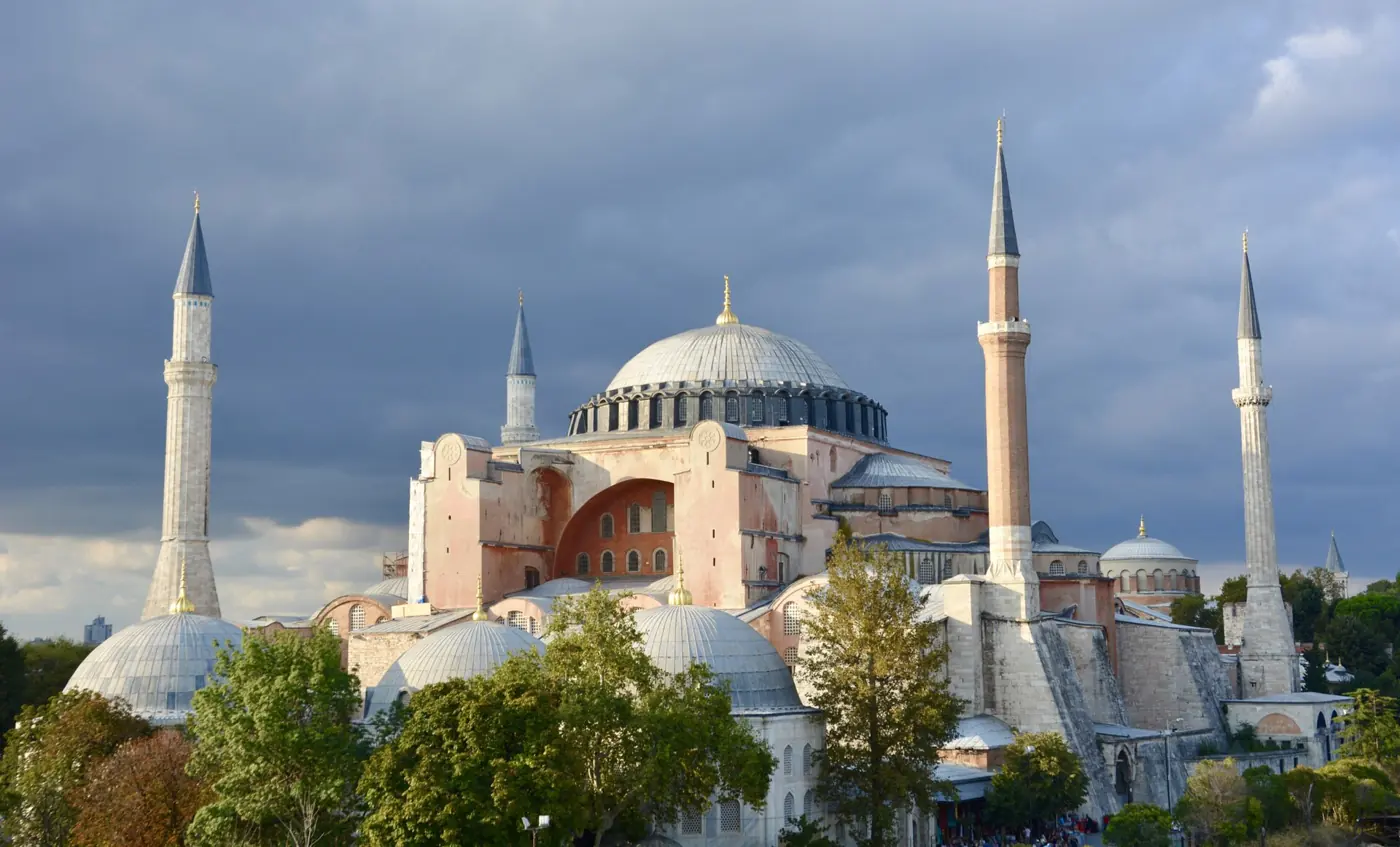
Hagia Sophia was built in 537 AD under Justinian I and has served as a mosque since 1453, reopened as a mosque in 2020. It is a must on any imperial route.
- Built: 537 AD (Justinian I)
- Mosque since: 1453; reopened as mosque 2020
Show map
7 Sultanahmet Camii
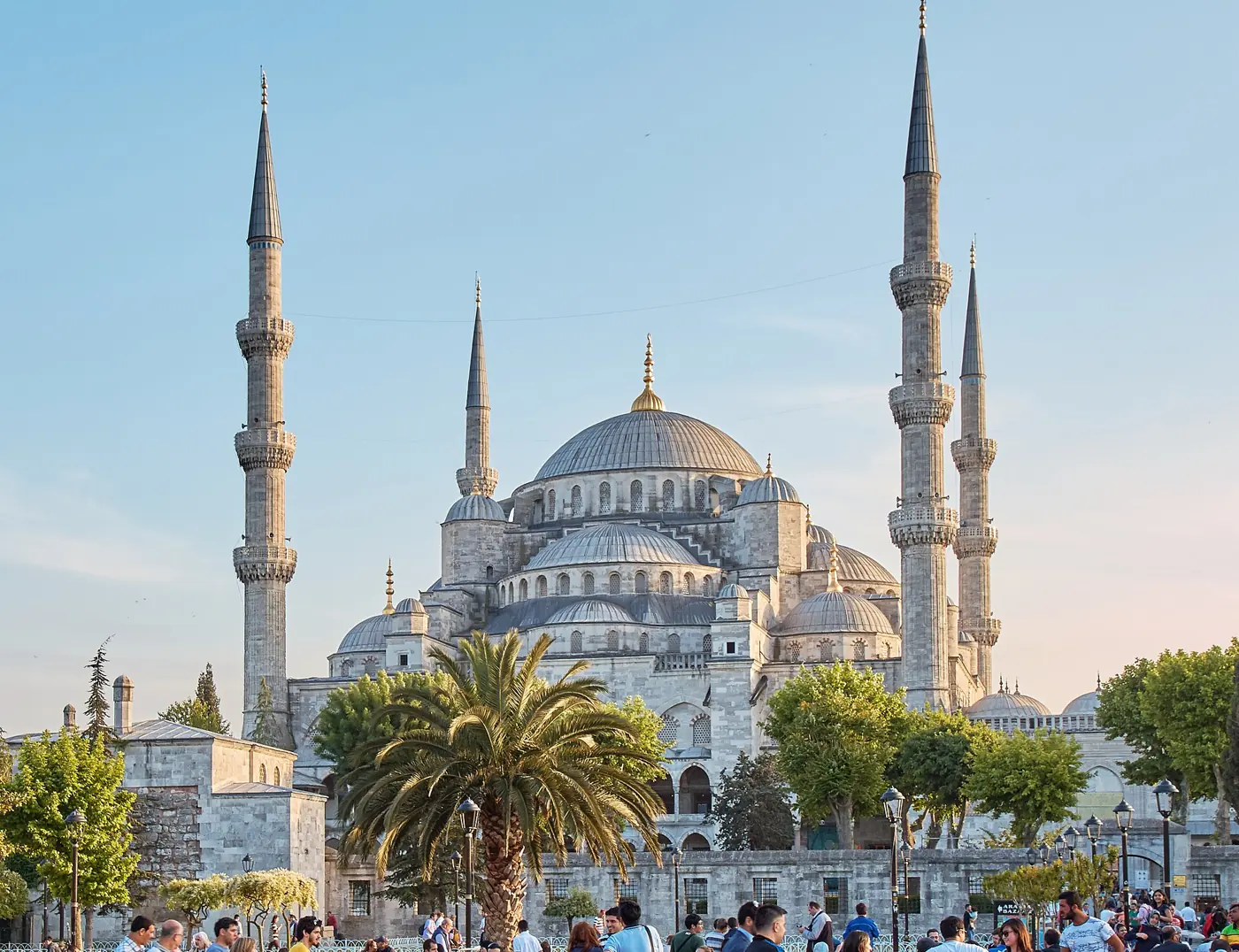
Built from 1609 to 1616 by the architect Sedefkar Mehmed Agha, the Blue Mosque is known for six minarets and blue İznik tiles. It stands across the square from Hagia Sophia.
- Built: 1609-1616
- Architect: Sedefkar Mehmed Agha
- Known for: Six minarets and blue İznik tiles
Show map
8 Süleymaniye Camii
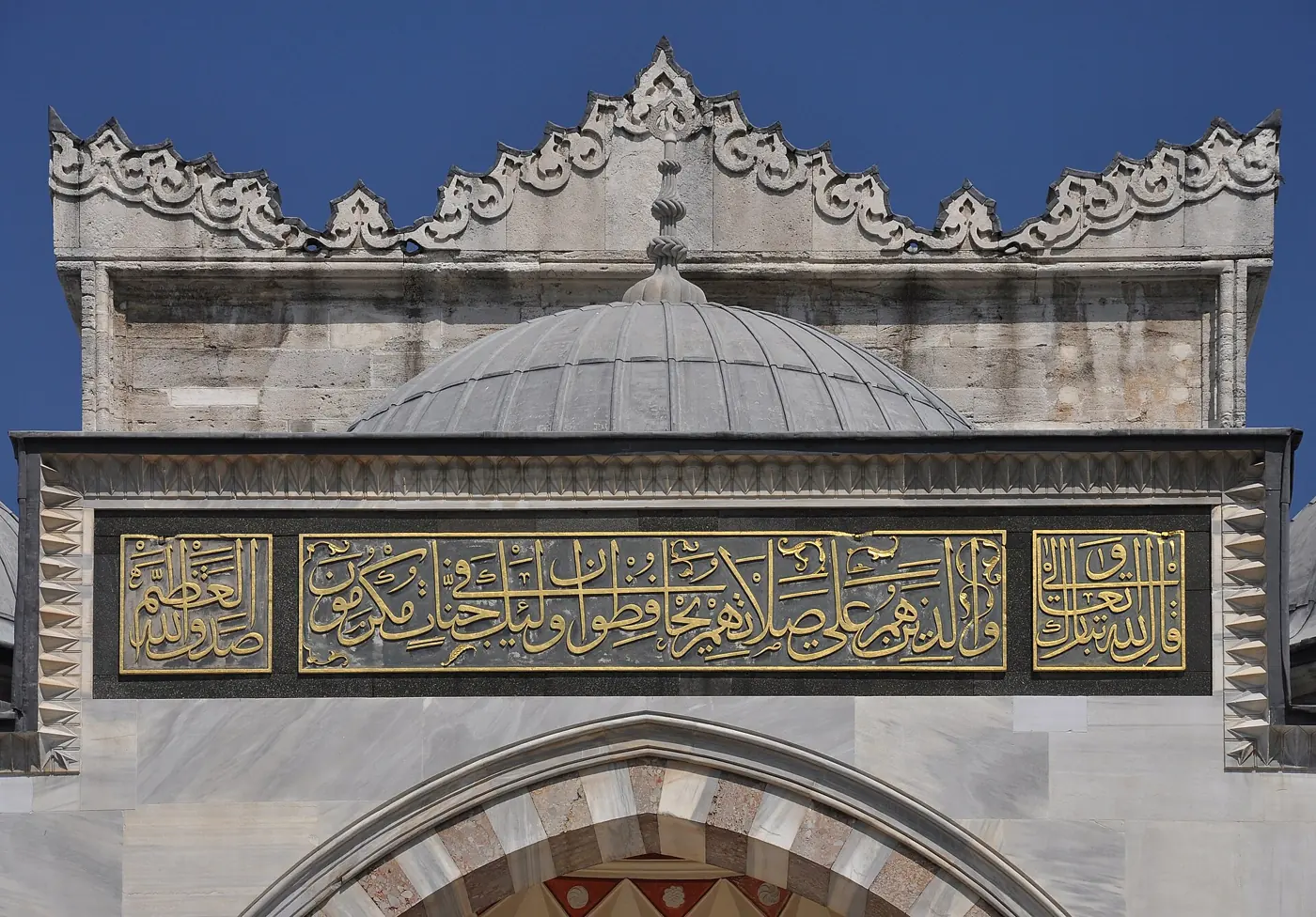
Mimar Sinan built the mosque between 1550 and 1557 for Suleiman the Magnificent on the Third Hill. The grounds hold the tombs of the sultan’s family circle.
- Built: 1550-1557
- Architect: Mimar Sinan
- Patron: Suleiman the Magnificent
Show map
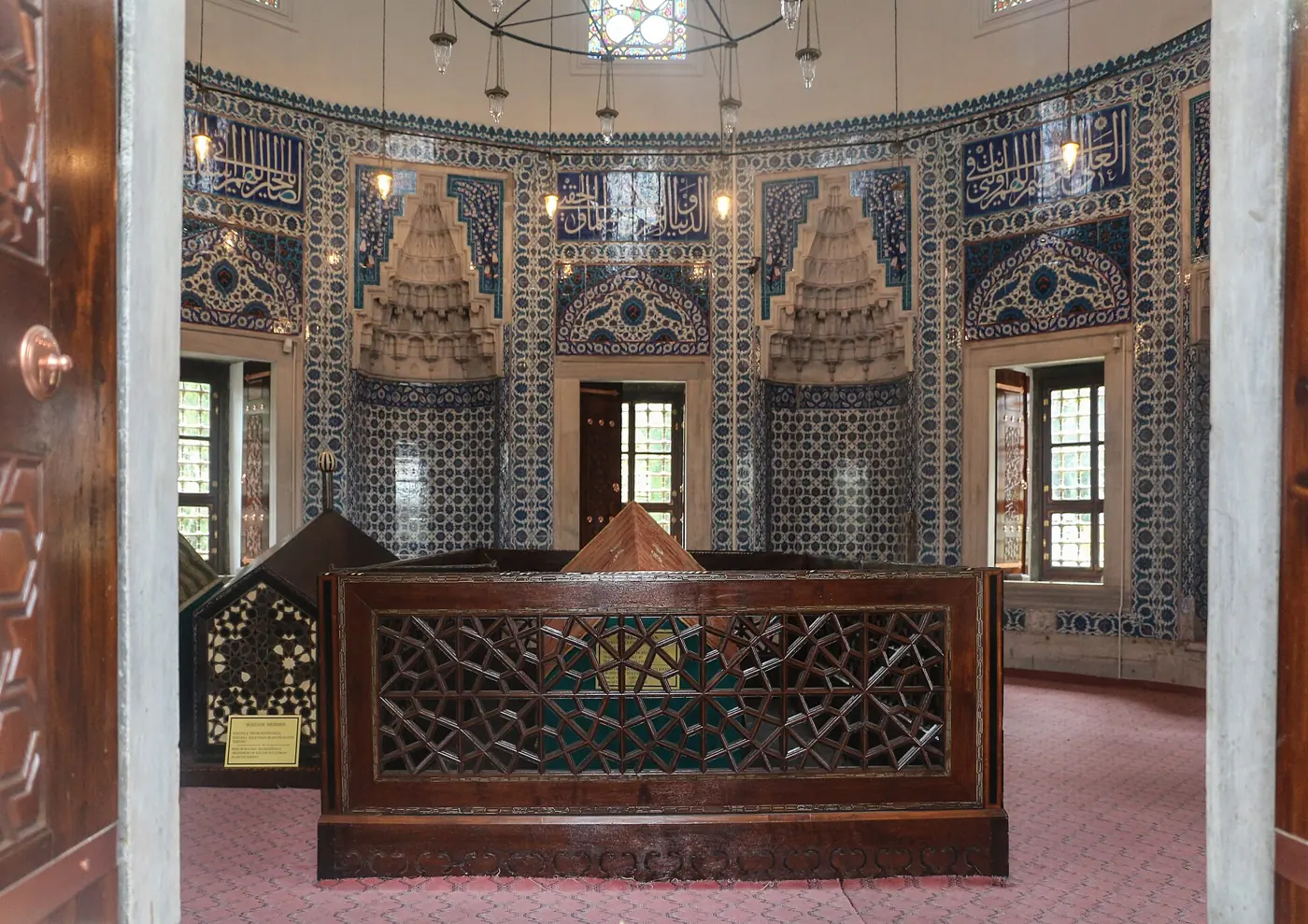
9 Hürrem Sultan Türbesi
The mausoleum of Hürrem Sultan (Roxelana), chief consort of Suleiman the Magnificent, stands in the Süleymaniye complex. It adds the human story behind the monument.
- Buried: Hürrem Sultan
- Complex: Süleymaniye
Show map
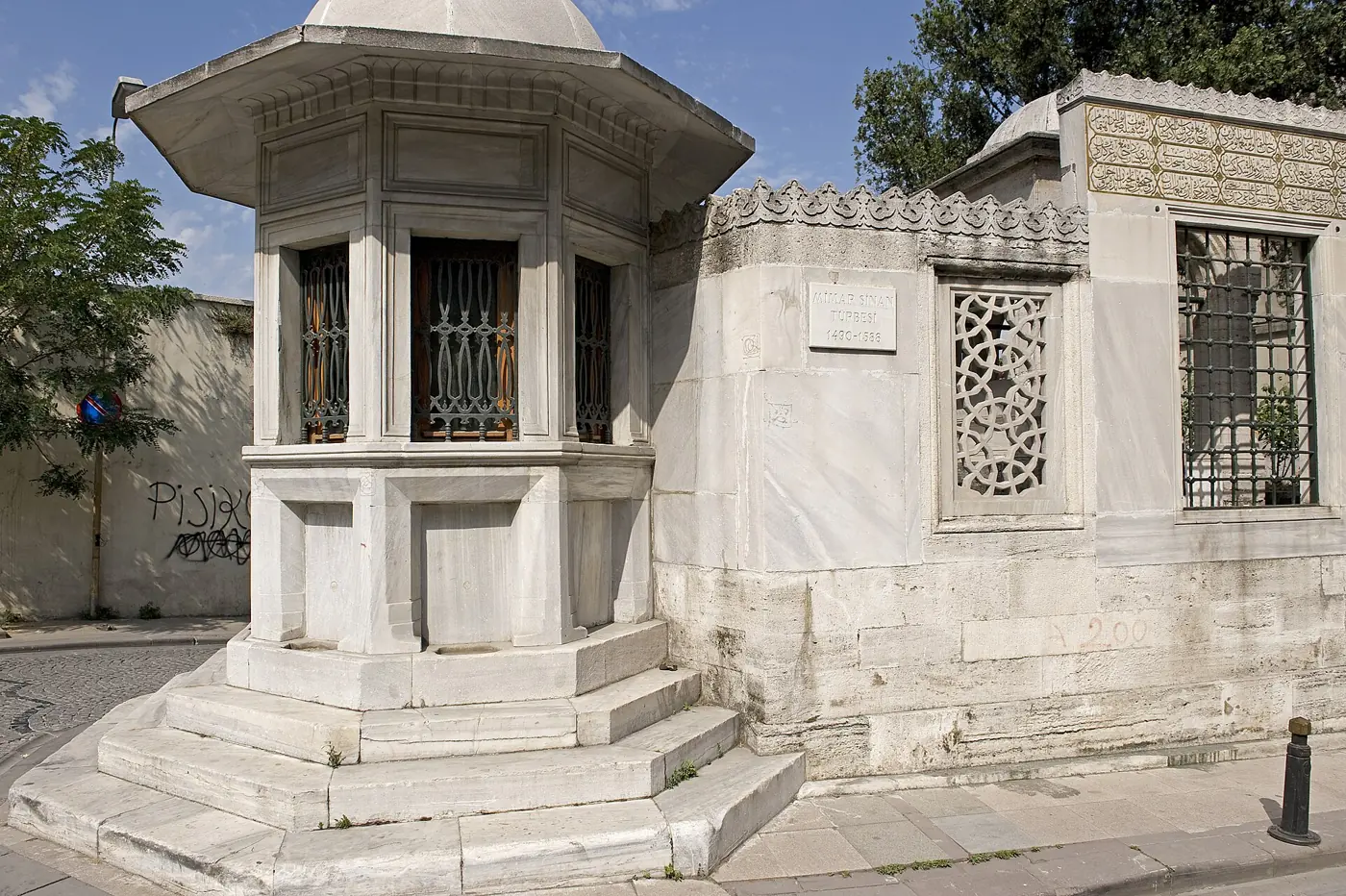
10 Mimar Sinan Türbesi
The grave of the chief Ottoman architect lies beside the Süleymaniye complex he designed. Stop here to connect the building with its builder.
- Buried: Mimar Sinan, chief Ottoman architect
- Next to: Süleymaniye Mosque
Show map
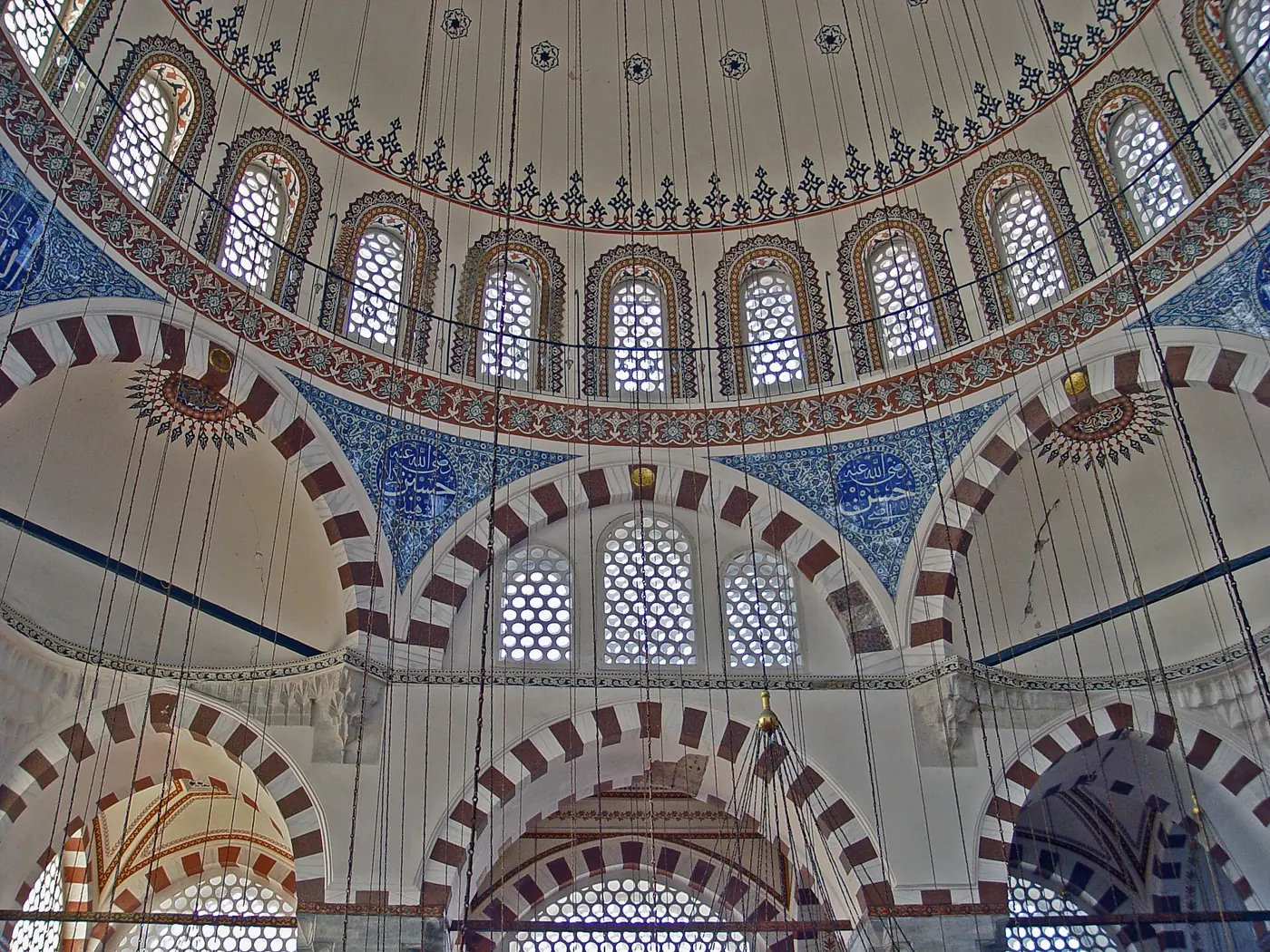
11 Rüstem Paşa Camii
This small Sinan mosque near the Spice Bazaar was completed around 1563 and is covered in many different İznik tile designs. It is a short detour from Eminönü.
- Completed: c. 1563
- Architect: Mimar Sinan
- Known for: İznik tiles
Show map
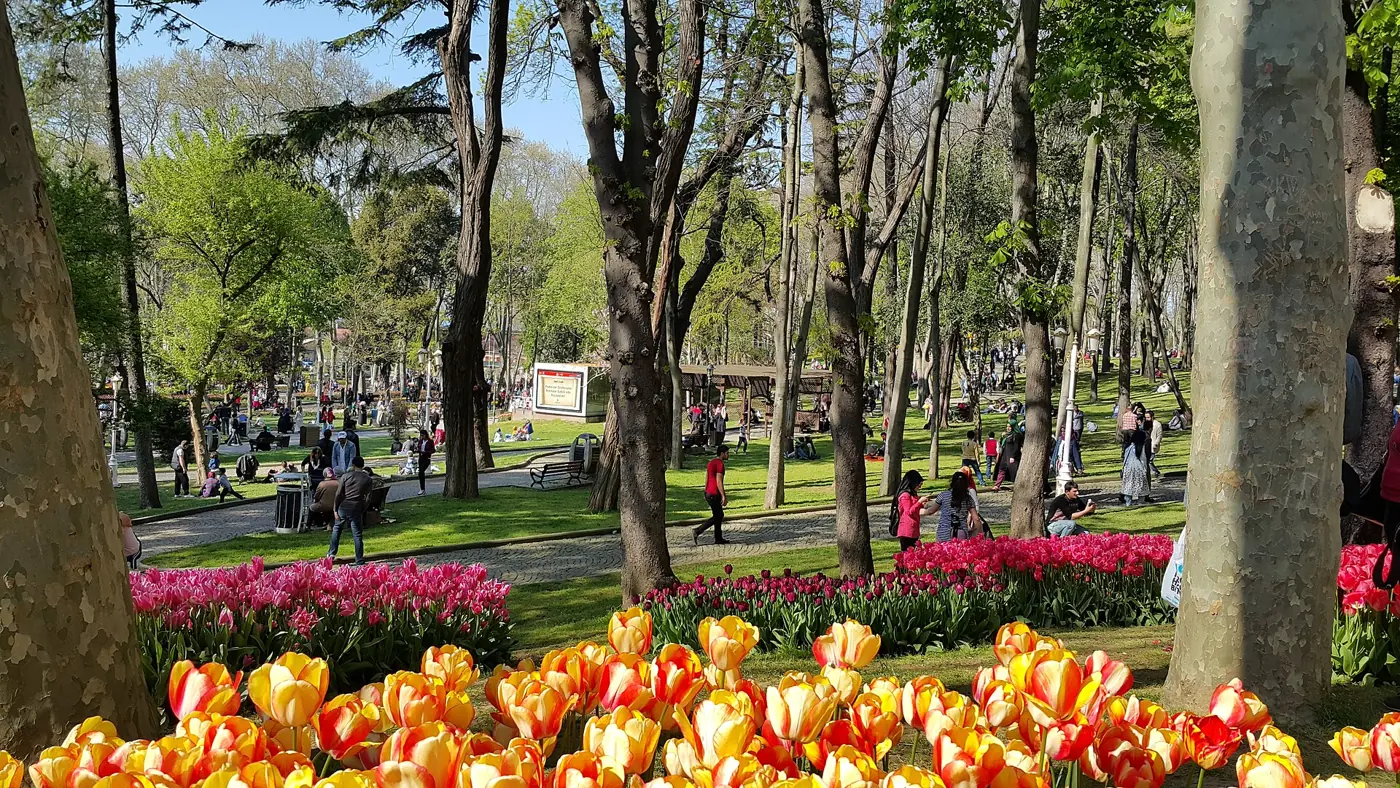
12 Gülhane Park
Gülhane was the outer rose garden of Topkapı Palace and is now a public park with tea gardens next to Sultanahmet. Use it as a rest stop between Topkapı and Sultanahmet.
- Origin: Outer garden of Topkapı Palace
- Area: Sultanahmet, Fatih
Show map
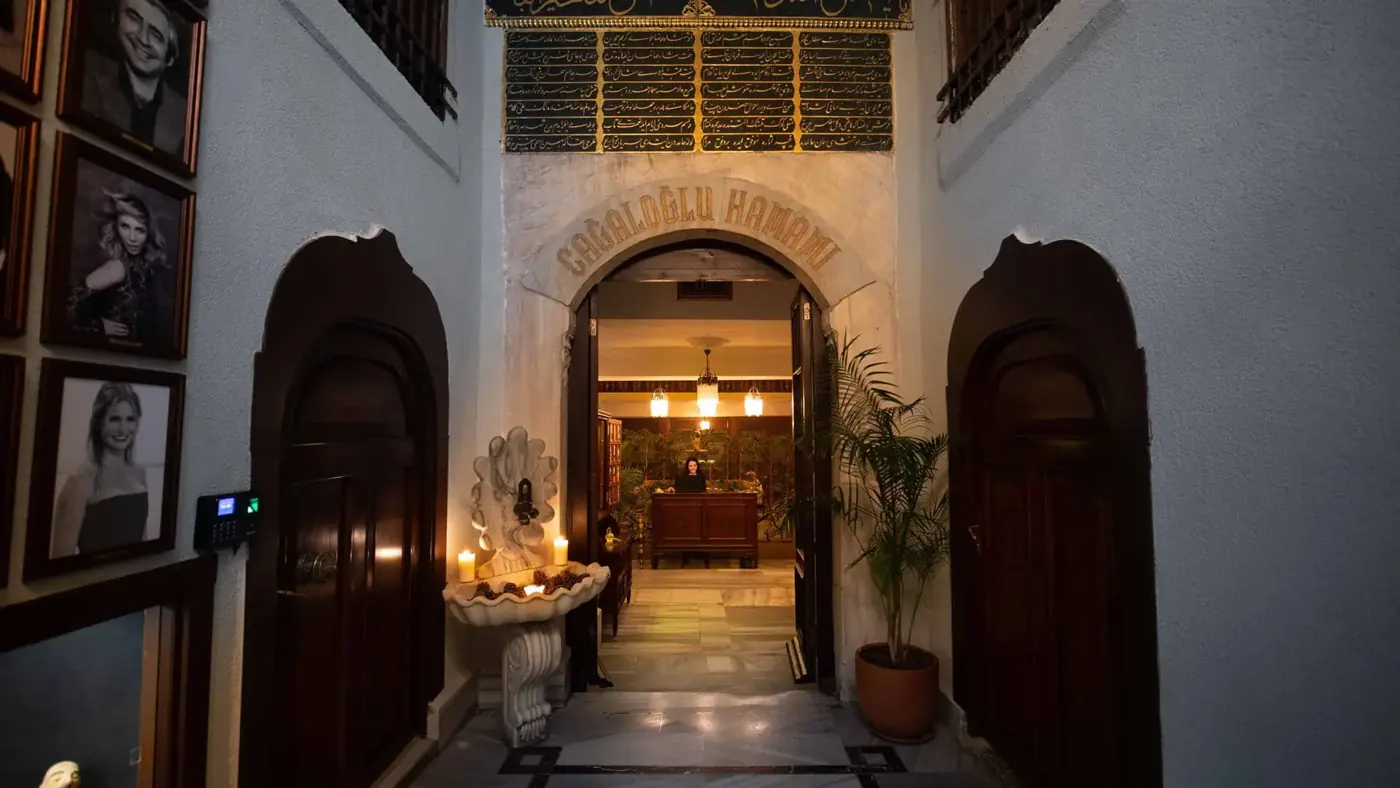
13 Cağaloğlu Hamamı
Built in 1741, this is one of the last great Ottoman bathhouses in the old city and it still operates as a traditional hammam. It offers a living link to imperial bathing culture.
- Built: 1741
- Area: Cağaloğlu, near Sultanahmet
- Style: Ottoman Turkish bath with marble hot room
Show map
How do the main stops compare?
The table compares the main stops by area, era and the kind of visit each demands. Palaces take the most time, mosques the least.
The table shows why the order matters. Moving from the oldest to the newest stop lets you feel the shift in style, from Byzantine Hagia Sophia through Sinan’s classical Ottoman work to the palace on the Bosphorus.
A quick comparison of the main stops:
| Stop | Area | Era or date | Visit length |
|---|---|---|---|
| Topkapı Palace | Sultanahmet | Built 1459-1465 | Long |
| Hagia Sophia | Sultanahmet | 537 AD | Medium |
| Blue Mosque | Sultanahmet | 1609-1616 | Short |
| Süleymaniye and tombs | Third Hill | 1550-1557 | Medium |
| Dolmabahçe Palace | Beşiktaş | 1843-1856 | Long |
How do you get around on the route?
Sultanahmet is walkable, so Topkapı, Hagia Sophia and the Blue Mosque need no transport. Süleymaniye is a short taxi ride or a hilly walk away. Dolmabahçe lies on the Bosphorus shore and is best reached by car or tram plus walking, which you can check on Google Maps.
Therefore a private car with a driver is the most efficient option for a one-day plan. It saves energy for the visits and handles the move between old city and Bosphorus.
Allow extra time for security checks and queues at the palaces. A driver can collect you at the exit and move you directly to the next stop, which saves the walking you would otherwise spend on hills and busy roads.
The transport options by leg:
| Leg | Best way | Note |
|---|---|---|
| Within Sultanahmet | Walk | Short distances between major sites |
| Sultanahmet to Süleymaniye | Taxi or car | Hilly route |
| Süleymaniye to Eminönü | Walk downhill | Passes the Spice Bazaar area |
| Eminönü to Dolmabahçe | Car or public transport | Check Google Maps for live options |
What does a sample full-day plan look like?
Start at Topkapı when it opens so you beat the crowds. Move to Hagia Sophia and the Blue Mosque around midday, break for lunch, and take the afternoon for Süleymaniye. Add Dolmabahçe only if energy remains; otherwise save it for a second morning.
If the day feels too long, split it. Do Sultanahmet and Topkapı on the first morning. Take Süleymaniye, the tombs and the Spice Bazaar area on the afternoon, and leave Dolmabahçe for a second day with a Bosphorus walk or a ferry ride.
One suggested timetable:
| Time | Stop | Note |
|---|---|---|
| Morning | Topkapı Palace and Hagia Irene | Allow the largest block of time |
| Midday | Hagia Sophia and Blue Mosque | Plan around prayer times |
| Lunch | Local restaurant near Sultanahmet | Rest and refuel |
| Afternoon | Süleymaniye, tombs, Rüstem Pasha Mosque | Walk downhill to Eminönü |
| Optional | Dolmabahçe Palace | Better on a second day |
What practical tips should you follow?
Book a licensed guide for the palaces if you want the stories behind the rooms. Carry a scarf and wear modest clothes. Check opening days, because palaces and museums keep their own closing days.
Likewise, keep water and snacks with you. Security queues can be long in high season.
Tips for the day:
- Check each place’s page or Google Maps for hours and closing days.
- Cover shoulders and knees at mosques and carry a scarf.
- Arrive early at Topkapı to avoid queues.
- Do not try to see every museum; choose three main stops.
- Keep a break for tea in Gülhane Park.
Frequently asked questions
Can I see Topkapı, Hagia Sophia and the Blue Mosque in one day?
Yes. They sit close together in Sultanahmet. Add Süleymaniye in the afternoon if you start early.
Is Dolmabahçe worth adding to the same day?
It is on the Bosphorus, far from Sultanahmet. Most visitors do better with a separate half day.
Which is older, Topkapı or Dolmabahçe?
Topkapı dates from 1459-1465 and Dolmabahçe from 1843-1856, so Dolmabahçe shows the later Ottoman era.
Are the mosques open to tourists?
They are open to visitors outside prayer times. Dress modestly and follow the rules at each entrance.
Where are Hürrem Sultan and Mimar Sinan buried?
Both tombs lie beside the Süleymaniye complex, which Sinan designed for Suleiman the Magnificent.
Can I visit a hammam on this route?
Cağaloğlu Hamamı, built in 1741, sits near Sultanahmet and still operates. Check its page for current visiting arrangements.
Do I need a guide?
A guide is optional, but palaces and mosques have a lot of history, so a licensed guide adds a lot.
Plan this with TurkGT
TurkGT offers licensed guides and a private car with driver for a sultans’ day in Istanbul. Tell us your dates and interests by WhatsApp or the inquiry form, and we will build the route and handle the transfers.
Request a booking
Sources
- Topkapı Palace
- Sacred Relics, Topkapı Palace
- Hagia Irene
- Istanbul Archaeology Museums
- Dolmabahçe Palace
- Hagia Sophia Grand Mosque
- Sultan Ahmed Mosque (Blue Mosque)
- Süleymaniye Mosque
- Tomb of Hürrem Sultan
- Tomb of Mimar Sinan
- Rüstem Pasha Mosque
- Gülhane Park
- Cağaloğlu Hamamı
Last reviewed: 2026-11-18.