
Turkish dining is warm, shared and unhurried. Wait to be seated, share dishes, accept tea, and ask for the bill when you are ready. Tipping is customary but not fixed: check whether a service charge is already on the bill, and leave a small amount in cash if service was good.
Key facts
- Style: Shared dishes, unhurried meals
- Seating: Wait to be seated in most restaurants
- Tea: Offered often; accept or politely decline
- The bill: Ask for it; it is rarely brought unasked
- Tipping: Customary; check for a service charge first
- Best way to tip: Cash to the server
- Useful word: Afiyet olsun (enjoy your meal)
What are the basic manners at a Turkish table?
The basic rule is to be warm, patient and polite. Wait to be seated in a restaurant, greet staff, and share dishes in the centre of the table. A Turkish meal is social, so staff rarely rush you, and you should not rush them either.
Moreover, hosts take pride in feeding guests. You may be offered more food, tea or sweets. Accepting a small portion is polite. If you are full, say Eline sağlık to thank the cook and Doydum, teşekkürler to say you have had enough.
How did we write this guide?
We based this guide on common practice in Istanbul restaurants and on the details of venues in our registry. We do not accept payment for placement. Customs vary by venue and by region, so treat our advice as a starting point, and check each venue’s page or Google Maps for house rules.
Moreover, we do not publish exact tip amounts as rules. Tipping is a custom, not a law, and the right amount depends on service and venue. We explain how to decide.
Our criteria:
- Customs that hold in most Istanbul restaurants
- Examples from venues in our registry
- Practical steps a visitor can use immediately
- Honest limits where customs vary
How does the meal flow from start to finish?
A typical meal starts with bread and water, then cold meze, then hot dishes, then a main course, and ends with fruit, dessert and tea. You may order everything at once or in rounds. Therefore it is fine to ask the waiter to bring meze first and decide on mains later.
In a lokanta, the flow is faster. You point at dishes, eat at a simple table and pay at the counter or to the waiter. In contrast, a meyhane-style meal can last for hours, with many small plates.
This table shows how the main formats differ in pace and payment.
| Format | Pace | How you order | How you pay |
|---|---|---|---|
| Lokanta | Fast | Point at dishes | Counter or table |
| Neighbourhood restaurant | Medium | Menu, shared dishes | Ask for the bill at the table |
| Tea garden or cafe | Slow | Order at the table or counter | Pay when you leave, or at the counter |
| Rooftop or fine dining | Slow | Menu or tasting menu | Ask for the bill; check service charge |
Which places show Turkish table culture well?
These four venues show different sides of the culture: a home-style restaurant, an old lokanta, a tea garden and a coffee roaster. Visit one of them and practise the habits in this guide.
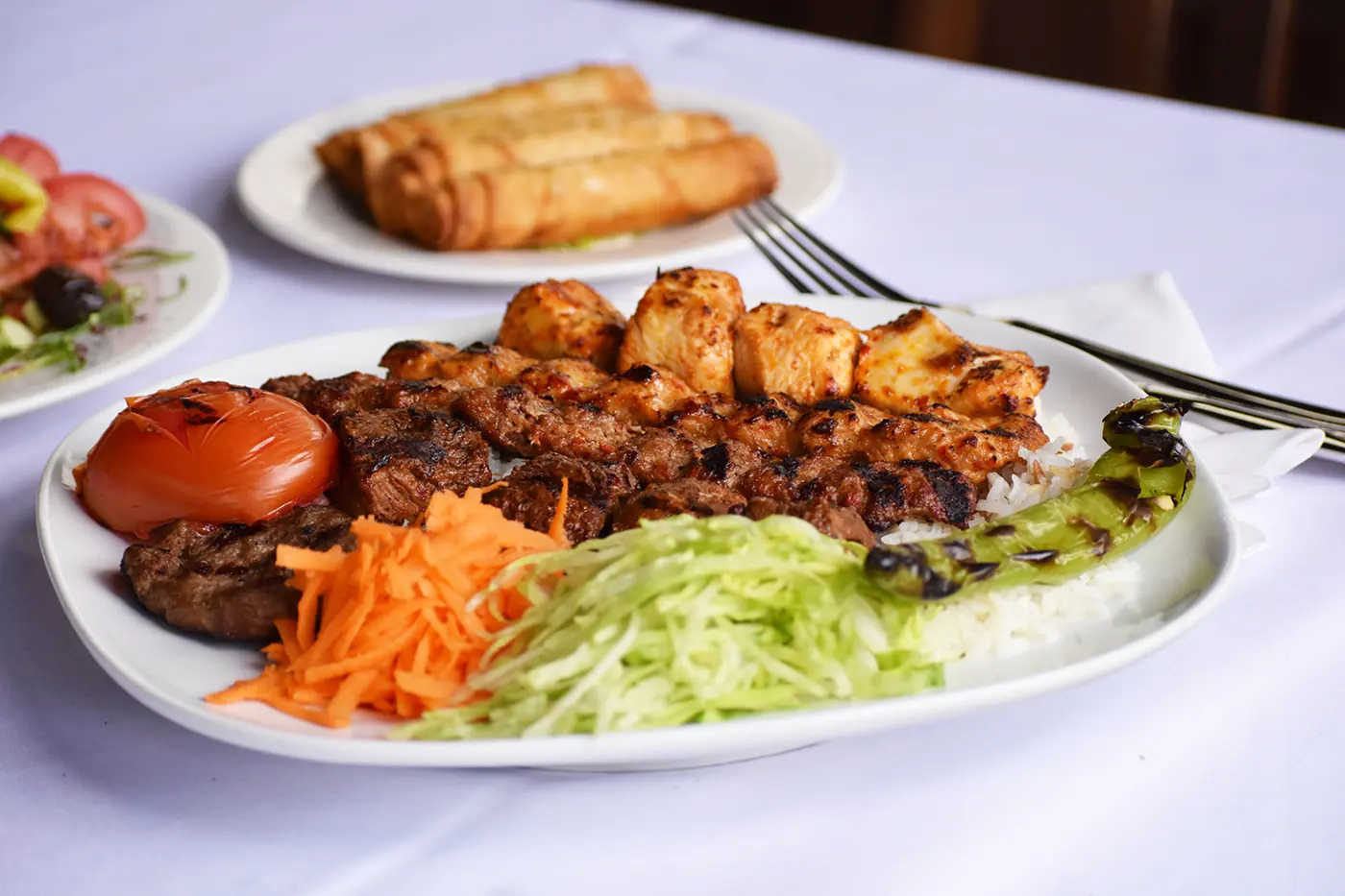
1 Hünkar
Hünkar is a traditional Turkish home-style restaurant in Nişantaşı, named after the Ottoman dish Hünkâr Beğendi. It is a good place to practise table etiquette with a classic menu. Ask the staff how dishes are shared and served.
- Cuisine: Traditional Turkish
- Area: Nişantaşı
Show map
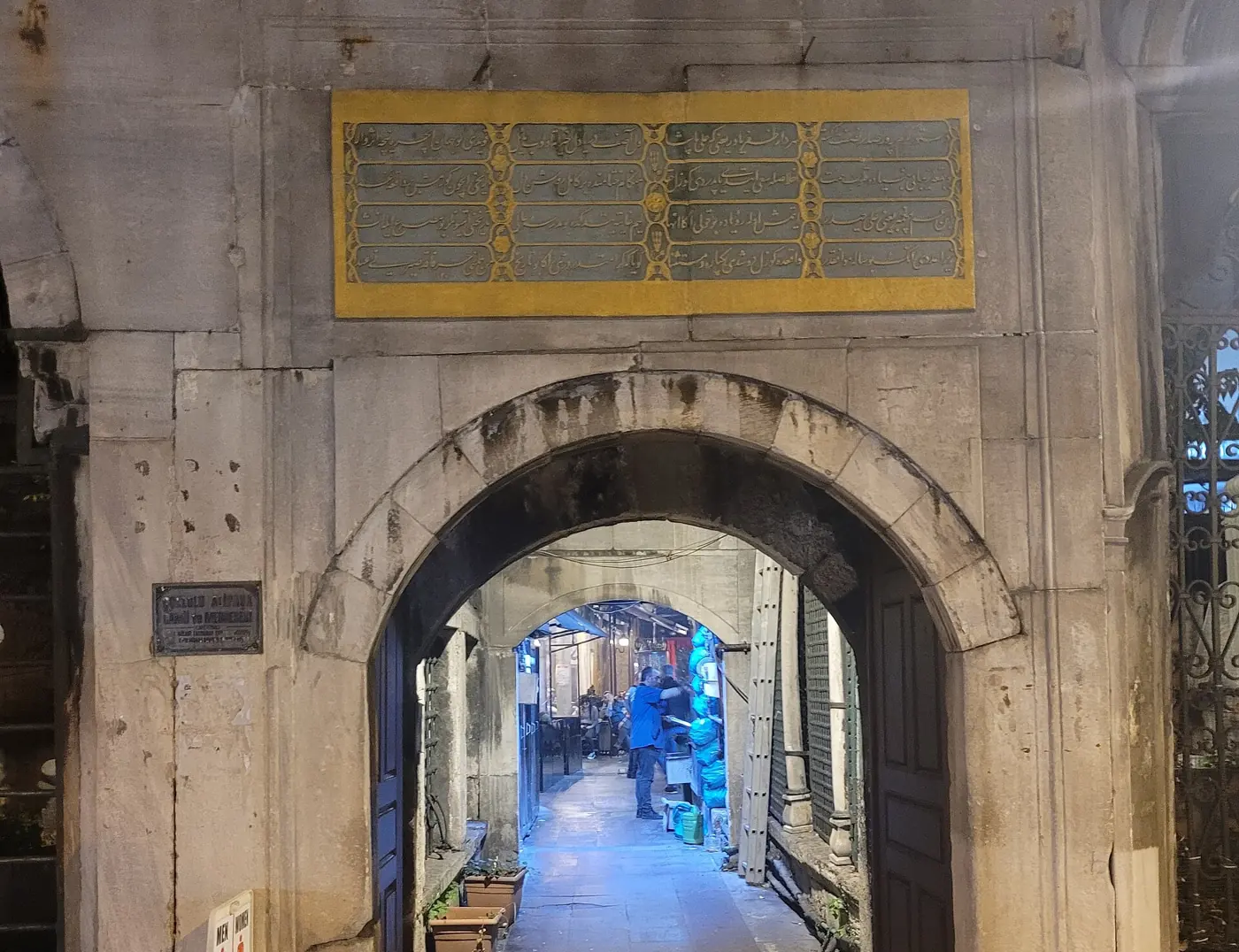
2 Erenler Çay Bahçesi
Erenler Çay Bahçesi is a tea garden in the courtyard of the Çorlulu Ali Pasha Madrasa on Divanyolu, a 17th-century Ottoman complex. Tea here is slow and social. Sit as long as you like, and order again when the glass is empty.
- Setting: Çorlulu Ali Pasha Madrasa courtyard
- Area: Divanyolu, Çemberlitaş
Show map
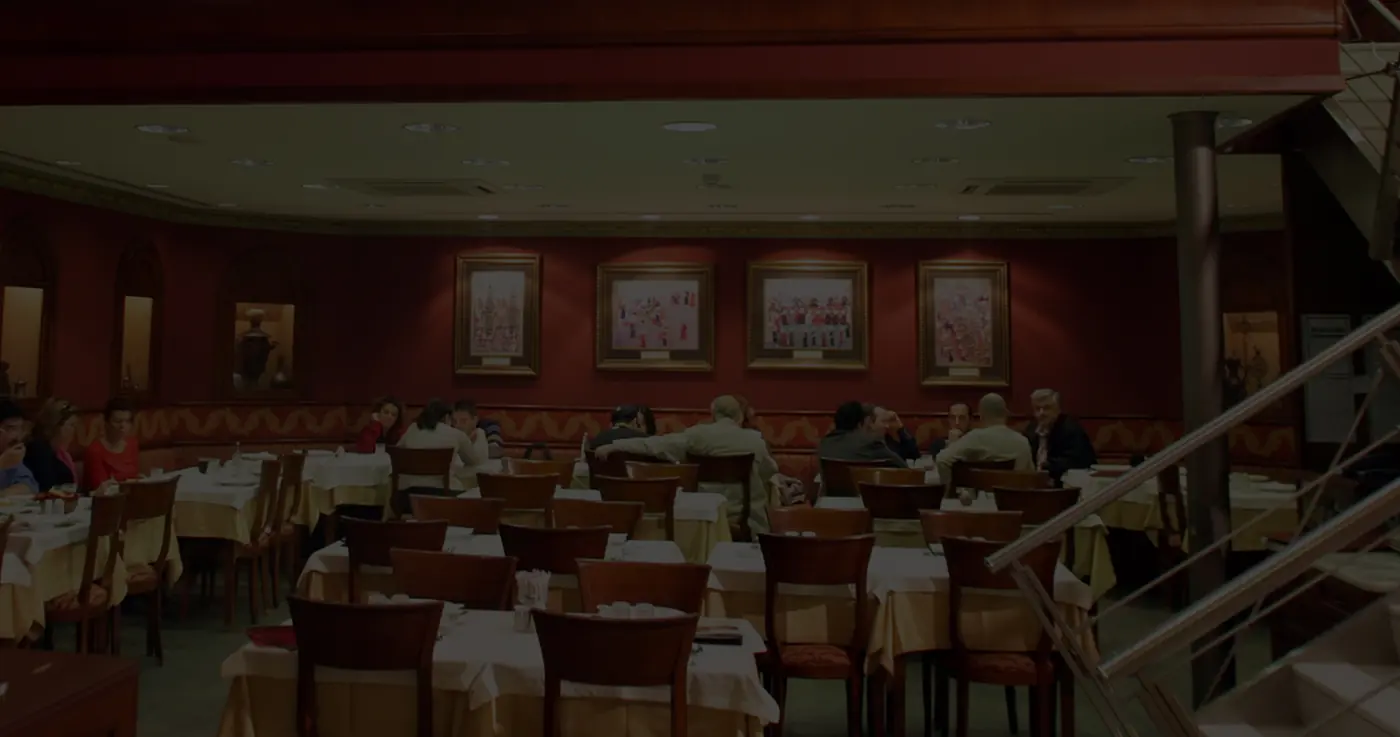
3 Hacı Abdullah Lokantası
Hacı Abdullah Lokantası is a traditional lokanta in Beyoğlu that describes itself as serving for over a century. In a lokanta, you often choose from displayed dishes and eat quickly. It shows the everyday side of Turkish dining.
- Cuisine: Traditional Turkish home cooking
- Area: Beyoğlu
Show map
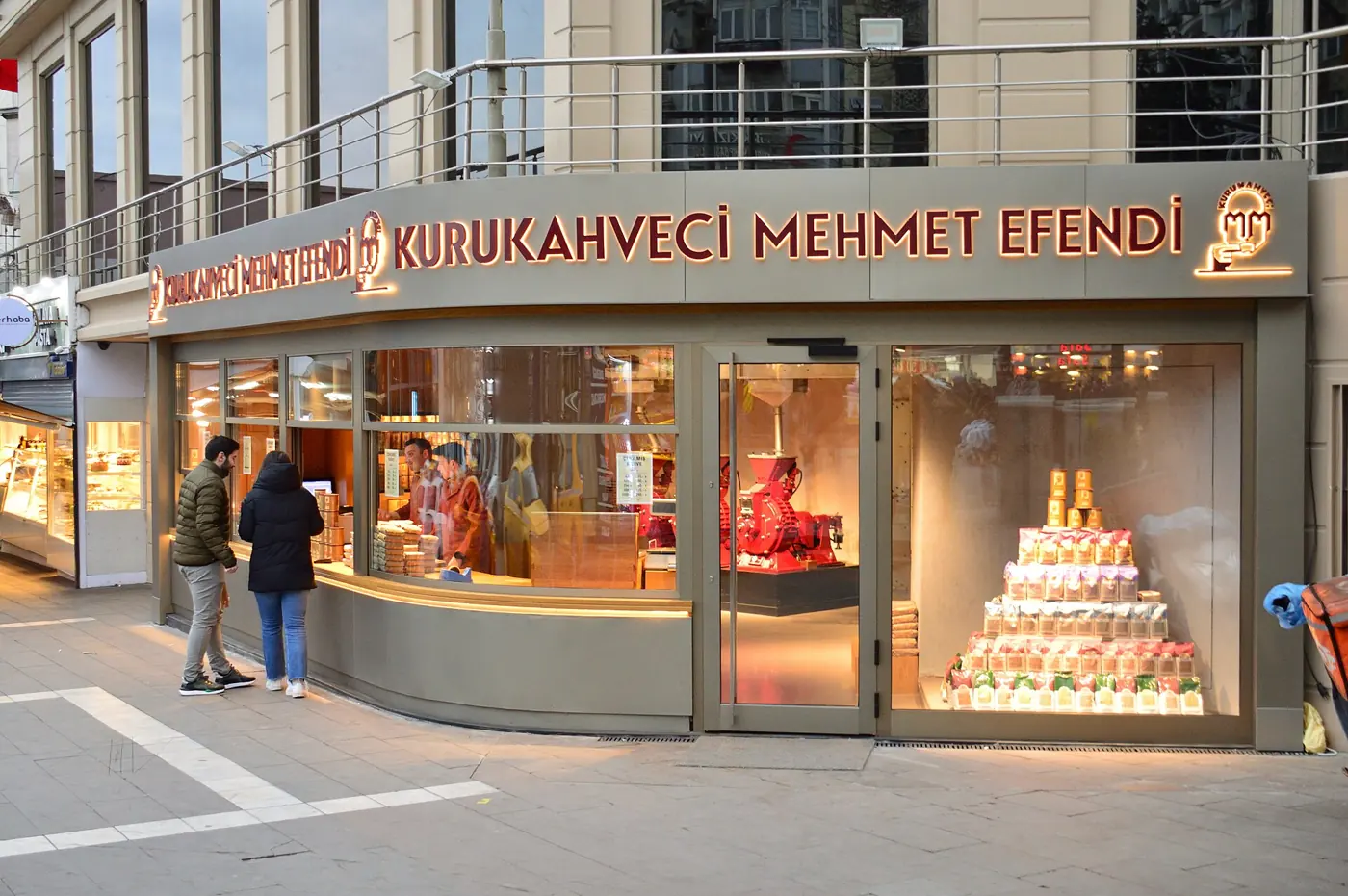
4 Kurukahveci Mehmet Efendi
Kurukahveci Mehmet Efendi is a historic Turkish coffee roaster near the Spice Bazaar, in business since 1871. Turkish coffee is served in a small cup, and the grounds stay at the bottom, so do not drink to the last sip.
- Founded: 1871
- Known for: Ground Turkish coffee
Show map
How do tea and coffee work?
Tea is the default drink in Turkey, served in small glasses. Many shops and hosts offer it free to guests, so accepting is polite. If you do not want it, say Hayır, teşekkürler, sağ olun with a smile.
Turkish coffee is served in a small cup with grounds. Do not stir or drink the last sip. Moreover, it comes with a glass of water, which you drink first to clear your palate. Sugar is chosen when you order, so tell the waiter how you like it.
Tea and coffee tips:
- Accept the first glass; refusing is fine if you are polite
- Do not stir Turkish coffee once it is served
- Say how much sugar you want when you order
- Leave the grounds in the cup
- Ask for more tea by catching the waiter’s eye
How much should you tip in Istanbul?
Tipping is customary in restaurants, but there is no legal fixed rate. Many visitors leave around ten percent for good service in a sit-down restaurant, and a small round-up in a cafe. This is a common habit, not a rule, so adjust to the service you received.
However, always check the bill first. Some venues add a service charge, and a second tip on top is optional. Moreover, a tip left in cash usually reaches the server more directly than one added to a card payment. Ask the staff if you are unsure.
This table gives a general guide, not a fixed rule.
| Situation | Common practice | Note |
|---|---|---|
| Sit-down restaurant | A modest tip for good service | Check for a service charge first |
| Cafe or tea garden | Round up or leave small change | Pay when you leave |
| Lokanta or street food | Tip is not expected | Small change is welcome |
| Fine dining or hotel restaurant | Often a service charge appears | Confirm before adding more |
| Dinner cruise | Ask what is included | Check the package terms |
What mistakes should you avoid?
Do not assume bread, water or meze are free. Some venues charge for them, and the menu may say so. Do not wave your hand to call a waiter in a loud way. Make eye contact or raise a hand calmly.
Moreover, do not photograph other guests without asking. In religious areas around mosques, dress modestly even when you eat nearby. Finally, avoid comparing food to other countries in a negative way. Hosts take pride in their food, and friendly curiosity works better.
Common mistakes:
- Assuming bread and water are free
- Calling the waiter loudly
- Photographing other guests
- Refusing tea rudely
- Adding a tip on top of a service charge without checking
How do you behave when you are invited to a Turkish home?
If a Turkish family invites you home, bring a small gift such as sweets or flowers, and remove your shoes at the door. The host may serve you first and offer second helpings several times. Accept a small amount to show you enjoy the food.
Moreover, wait for the host to start eating or to invite you. Compliment the food honestly. Finally, expect tea and conversation after the meal. Leaving soon after eating can feel abrupt, so stay a little.
This table gives simple phrases for common moments.
| Moment | Say | Meaning |
|---|---|---|
| Before eating | Afiyet olsun | Enjoy your meal |
| Thanking the cook | Eline sağlık | Health to your hands |
| Asking for the bill | Hesap, lütfen | The bill, please |
| Declining politely | Sağ olun | Thank you, no more |
| Leaving | Teşekkürler, çok güzeldi | Thanks, it was lovely |
What does a polite meal look like in practice?
Greet the staff, wait to be seated and order meze to share. Accept tea at the end, then ask for the bill with Hesap, lütfen. Check the total, leave a modest tip in cash if service was good and say Teşekkürler.
If you eat with locals, expect the host to insist on paying. A polite way to respond is to thank them and offer to pay next time. This is part of the warm hospitality of Turkish culture.
Frequently asked questions
Is tipping mandatory in Turkey?
No. It is customary, not mandatory. Leave a modest amount for good service, and check whether a service charge is already on the bill.
How much should I tip in an Istanbul restaurant?
Many visitors leave around ten percent for good service in a sit-down restaurant. This is a habit, not a rule, so adjust to the service.
Should I tip in cash or by card?
Cash usually reaches the server more directly. If you pay by card, ask whether a tip can be added.
Do I tip at a lokanta or street stand?
It is not expected. Small change is welcome, but nobody will ask for it.
Is bread free in Turkish restaurants?
Not always. Some venues charge for bread, water or meze. Check the menu or ask the waiter.
How do I ask for the bill?
Say Hesap, lütfen, or make a writing gesture in the air. The bill rarely arrives unasked.
What do I say before eating?
Hosts say Afiyet olsun, meaning enjoy your meal. You can answer Teşekkürler.
Can I decline tea?
Yes. Say Hayır, teşekkürler, sağ olun with a smile. Refusing politely causes no offence.
Plan this with TurkGT
TurkGT can help you feel at ease at the Turkish table with a licensed guide or interpreter who explains customs on the spot. A private car with a driver connects the restaurants in your plan. Send your dates and group size by WhatsApp or the form.
Request a booking
Sources
- Hünkar
- Hacı Abdullah Lokantası
- Turkish coffee (reference)
- Çorlulu Ali Pasha Madrasa (Wikimedia Commons)
Last reviewed: 2026-11-18.