
Trabzon’s heritage sits in three clusters: the old town around Ortahisar and the castle walls, the Boztepe slope with its monasteries, and Sumela Monastery in Maçka. Most sights are former Byzantine churches turned into mosques. You can see the old town in one day and Sumela in a half day.
Key facts
- Best for: History, architecture, photography, short city walks
- Main areas: Ortahisar old town, Çarşı bazaar district, Boztepe, Soğuksu, Maçka
- Typical period: Byzantine Empire of Trebizond to Ottoman rule (conquest in 1461)
- Time needed: One day for the old town; a half day for Sumela
- Opening hours: Check each place’s Google Maps page; museum and mosque hours vary
- Dress: Cover shoulders and knees; women should carry a headscarf for mosques
- Getting around: On foot in the old town; car with driver for Maçka
What is the best way to see Trabzon’s historic sights?
Start in the old town and finish at Sumela. Trabzon’s historic core in Ortahisar is compact, so you can walk between churches, mosques, the bazaar and the castle walls. Sumela lies in the Altındere Valley near Maçka and needs a separate half-day trip by car.
Trabzon was the capital of the Empire of Trebizond, a Byzantine successor state. Therefore many buildings you see as mosques began as churches. The Ottoman conquest of 1461 changed their use, but the Byzantine plans and some frescoes survive. Moreover, the city sits between the sea and steep valleys, which explains why walls and bridges mark the old districts.
The city’s story explains the sights. The Empire of Trebizond lasted until 1461, and its churches, walls and monasteries reflect that period. Later Ottoman additions, such as the Gülbahar Hatun complex and the old bazaar buildings, show how the city continued as a trading centre. Reading the layers in order makes each stop easier to understand, and it helps children and first-time visitors follow the history without a long lecture.
The heritage of Trabzon falls into five types:
- Former Byzantine churches now used as mosques, such as Fatih and Yeni Cuma
- A cliff monastery at Sumela and a women’s monastery on Boztepe
- Ottoman buildings such as the Gülbahar Hatun Mosque and the Alaca Han
- House museums in the Kostaki Mansion and the Atatürk Pavilion
- Walls and stone bridges that divide the old town into Upper, Middle and Lower Town
How did we choose these places?
We chose these places using four criteria: official or well-documented status, location within Trabzon province, details confirmed by public sources such as Wikipedia and Commons, and fit for a visitor’s day. TurkGT does not accept payment for placement. Ratings and opening times change, so check each place’s Google Maps page through the card button before you go.
In addition, we kept the list inside Trabzon province and we only describe facts that appear in our registered sources. Where a detail is uncertain, such as opening hours or ticket prices, we say so and send you to the place’s own page.
Which churches and mosques in Trabzon are worth a visit?
The most important religious buildings are Hagia Sophia, Fatih Mosque, Yeni Cuma Mosque, Saint Anne Church and the Gülbahar Hatun Mosque. Four of them are Byzantine in origin. Hagia Sophia is the best known, with 13th-century frescoes and a detached bell tower near the shore.
Visit one or two of these buildings slowly instead of rushing through all five. Look at the plan of the building, the dome, the remaining frescoes and the later Ottoman additions. In contrast to large museums, these sites are small and often quiet, so a short pause outside helps you notice the stonework. Moreover, many of them sit within a few minutes’ walk of each other in the old town.
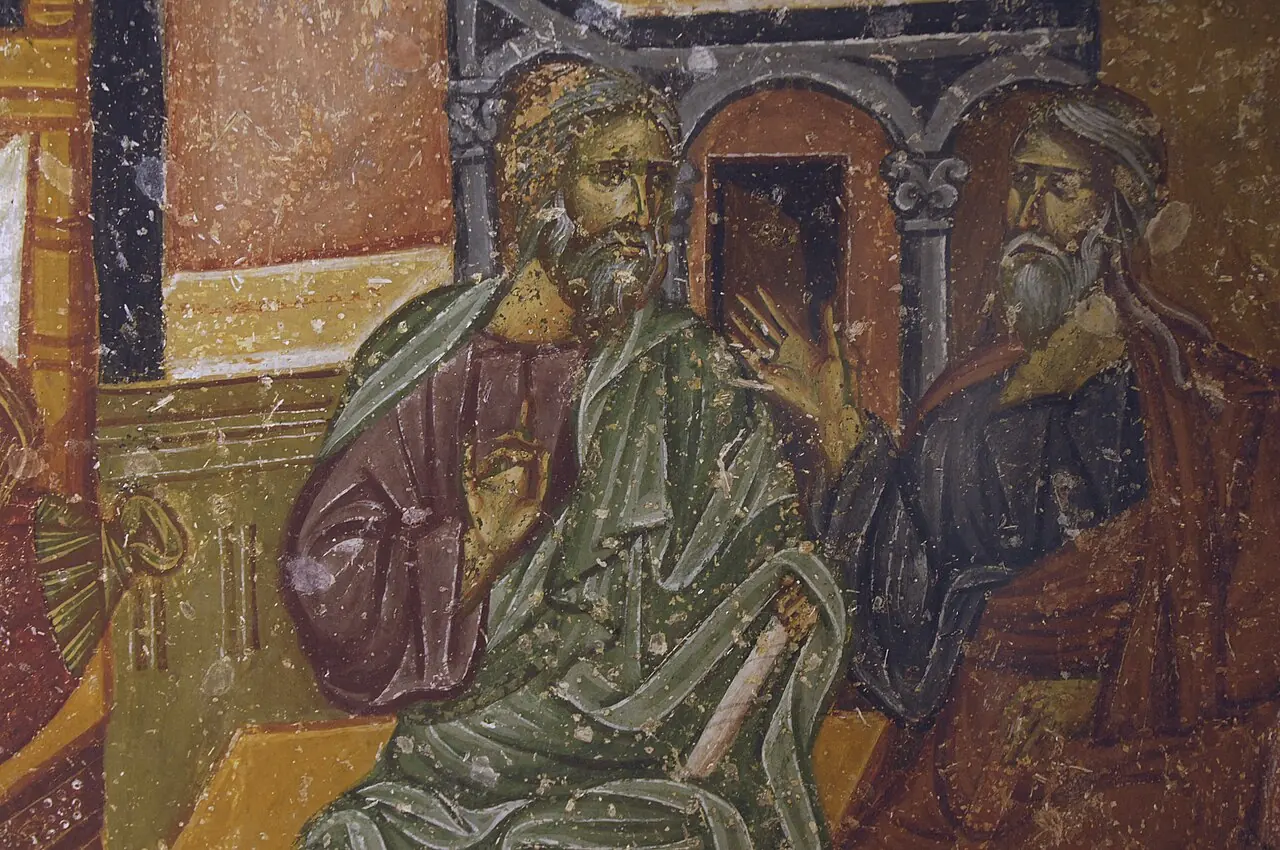
1 Ayasofya Camii, Trabzon
This 13th-century church of the Empire of Trebizond is famed for its Byzantine frescoes. It has changed use several times, so check on Google Maps how visitors are admitted today.
- Built: 13th century
- Converted: Mosque 1461; museum 1964; mosque 2013
Show map
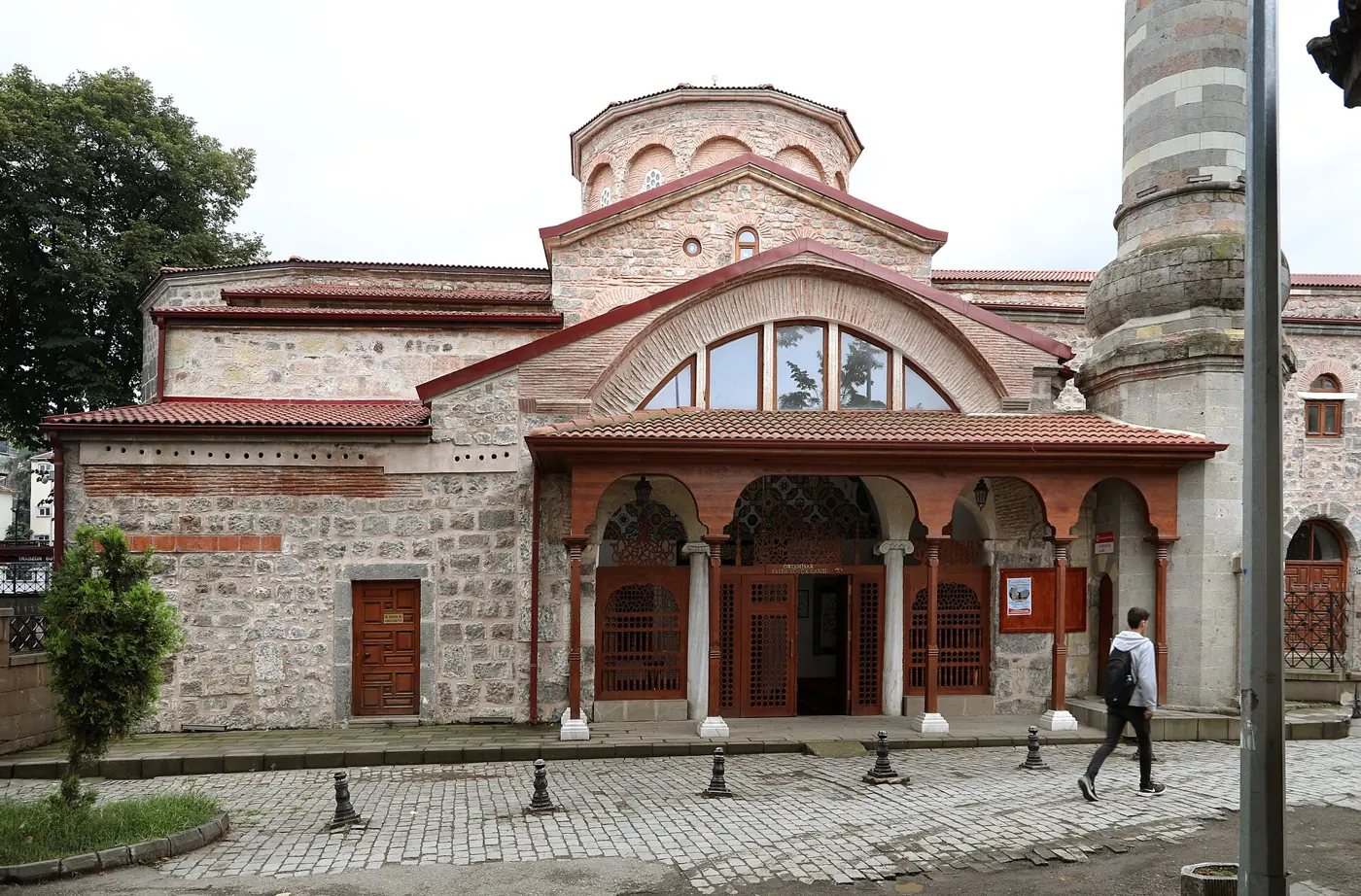
2 Fatih Camii
The Fatih Mosque was the Byzantine cathedral of Panagia Chrysokephalos. It became a mosque after the conquest of 1461 and shows how the city’s layers overlap.
- Origin: Panagia Chrysokephalos church
- Area: Old town, Ortahisar
Show map
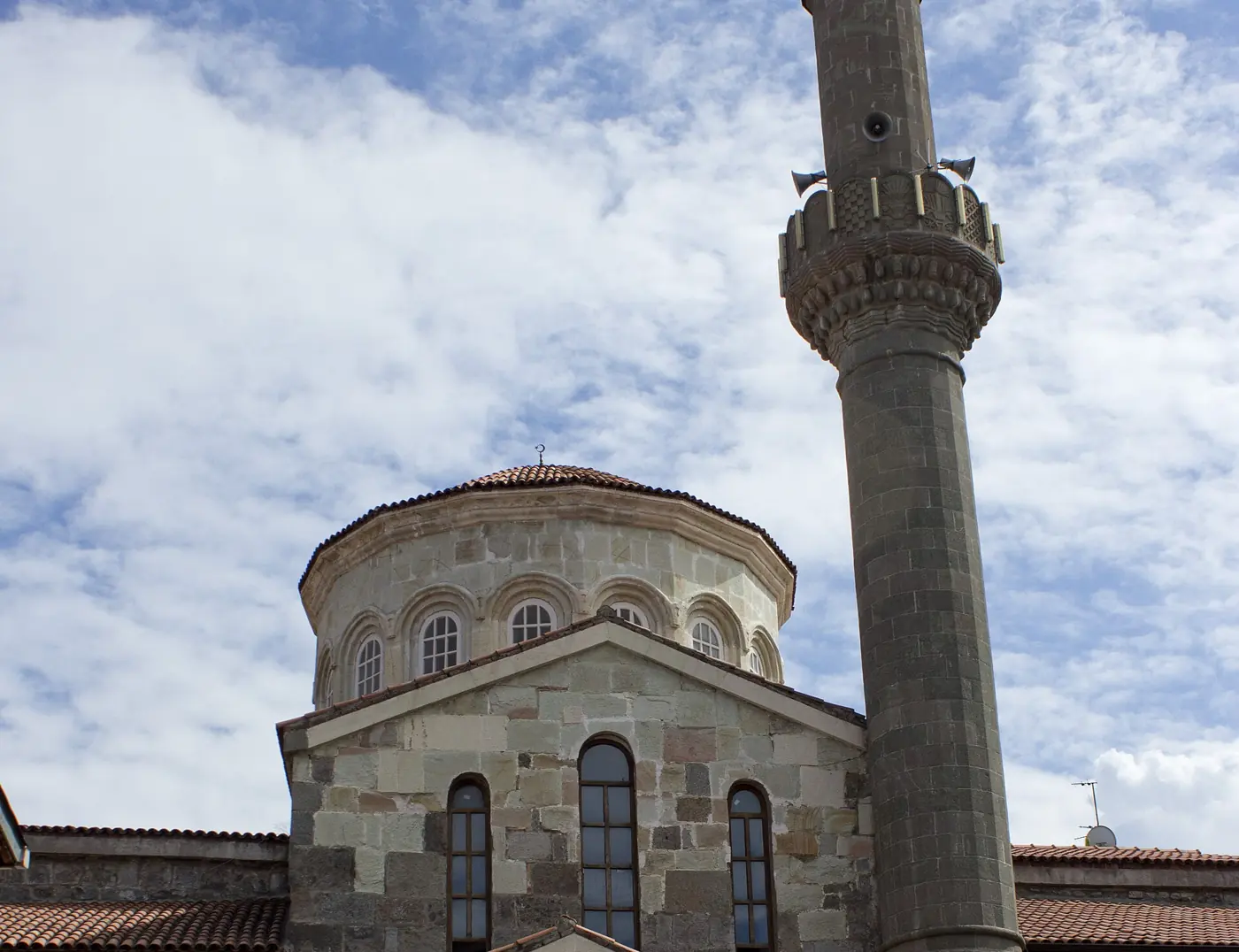
3 Yeni Cuma Camii
This Byzantine church honours Saint Eugenius, the patron saint of Trabzon, and now serves as the Yeni Cuma Mosque. It suits visitors who want to follow the city’s patron saint story.
- Patron: Saint Eugenius
- Today: Mosque
Show map
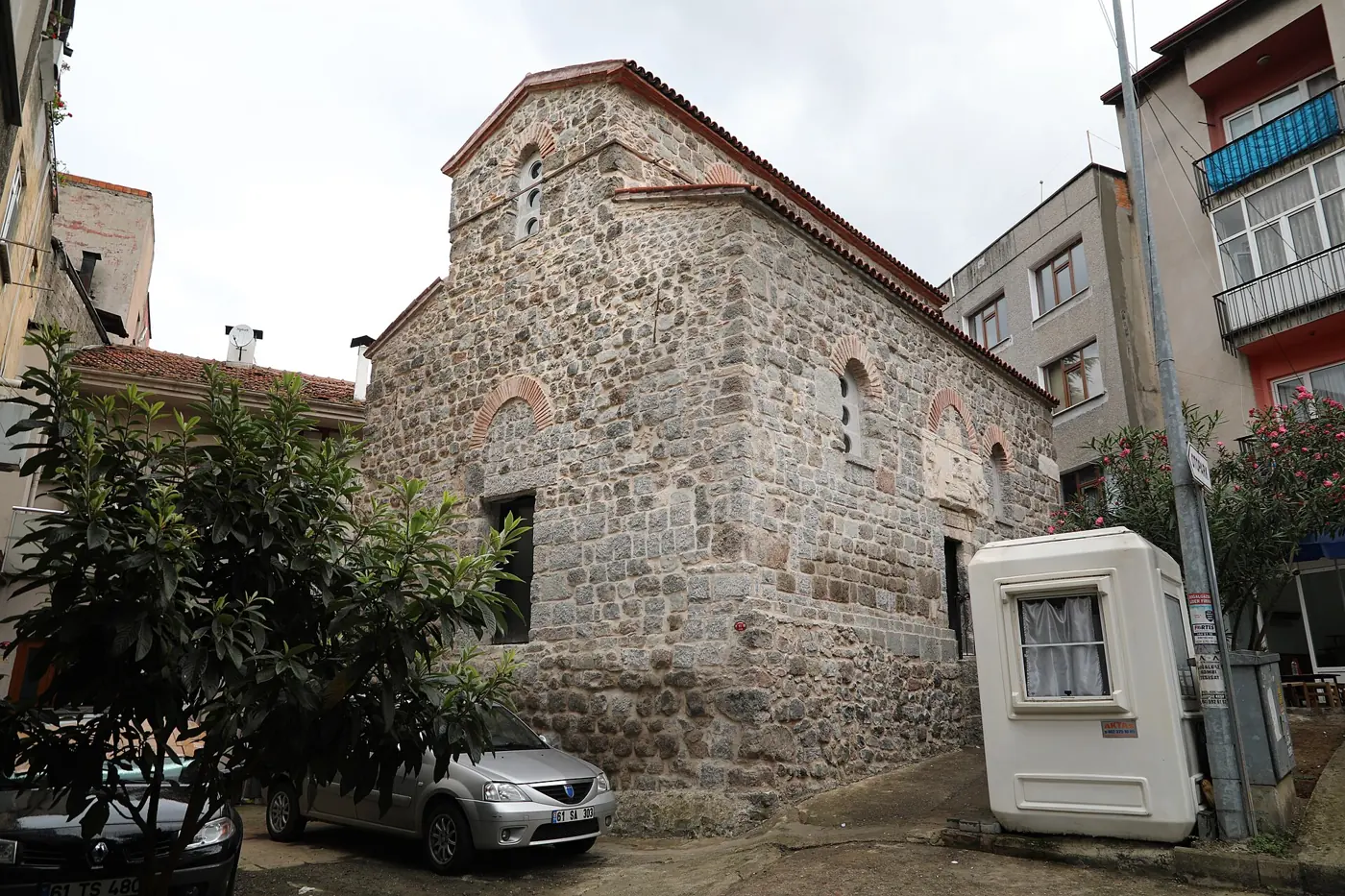
4 Aziz Anna Kilisesi
A small Byzantine church in the old town, regarded as one of the oldest surviving churches in Trabzon. It is a short stop rather than a long visit.
- Type: Byzantine church
- Area: Old town
Show map
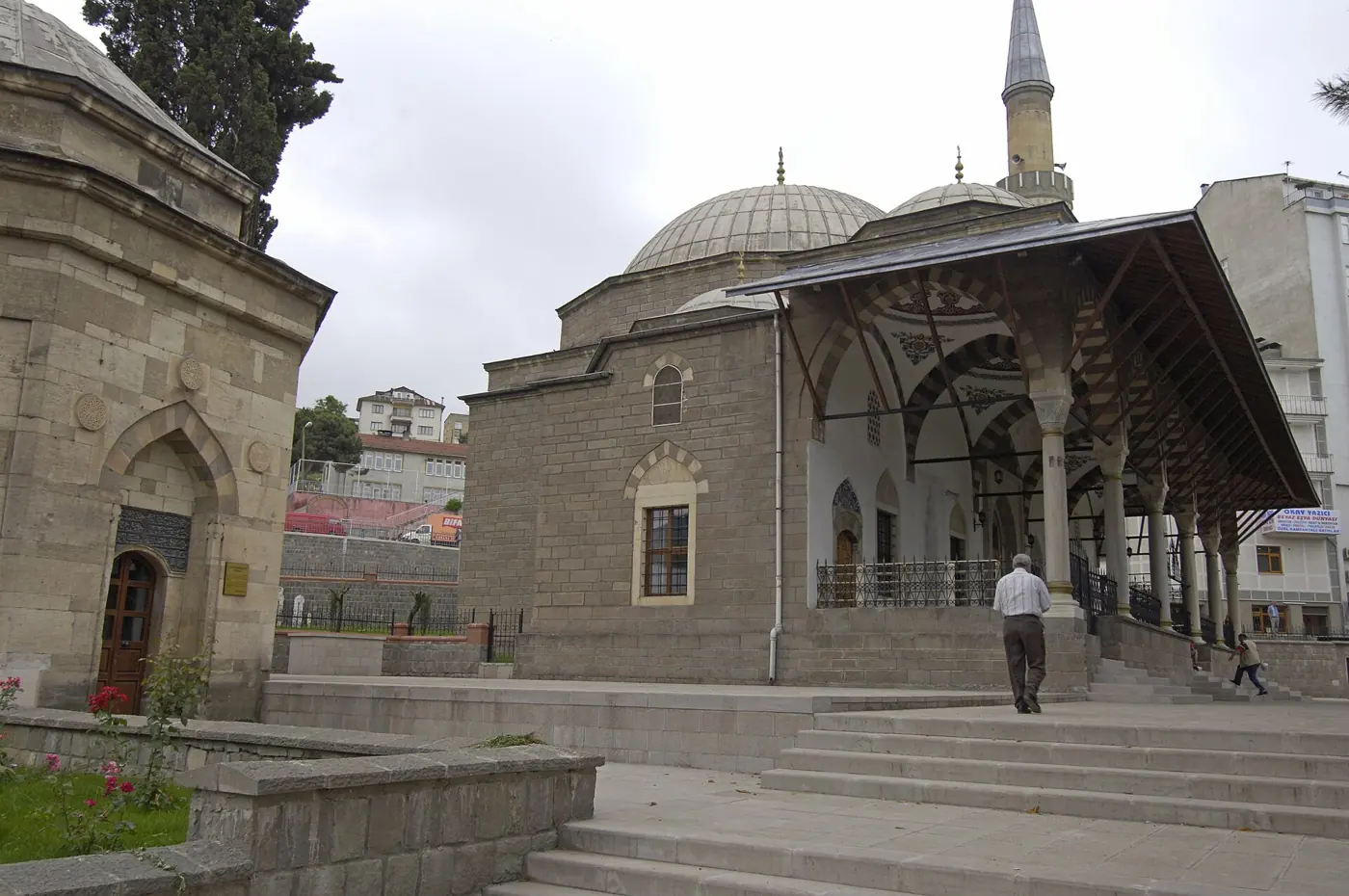
5 Gülbahar Hatun Camii
Sultan Selim I commissioned this Ottoman complex in 1514 for his mother. Her mausoleum stands beside the mosque, which is also called the Hatuniye or Büyük İmaret Mosque.
- Built: 1514
- Also known as: Hatuniye / Büyük İmaret
Show map
Where are the monasteries, castle walls and bridges?
Sumela Monastery is the headline sight, built into a cliff in the Altındere Valley above Maçka. The Kızlar Monastery sits at the foot of Boztepe, and the castle walls run from the hill down to the sea. Stone bridges such as Tabakhane link the valley paths of the old town.
Sumela rewards an early start. The monastery clings to the cliff above the valley, and the approach through the Altındere forest is part of the experience. The Boztepe monastery is smaller and quieter, and the walls give you a sense of how the old city was divided. Therefore, if you have only one morning, choose the walls and one monastery, and leave the museums for the afternoon.
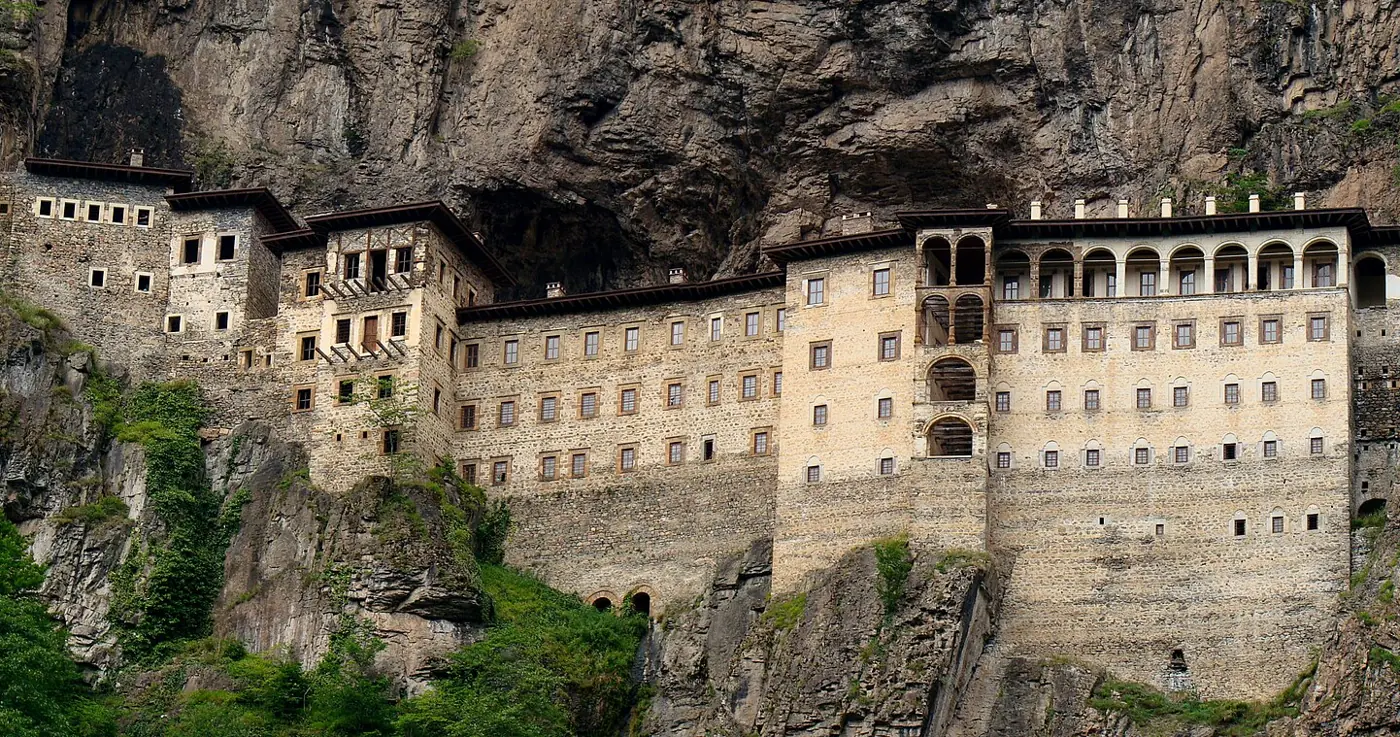
6 Sümela Manastırı
A former Greek Orthodox monastery built into a cliff face, now a museum and one of the most visited sights in the province. Plan a separate half-day trip and check access conditions before you go.
- Setting: Altındere Valley, Maçka
- Today: Museum and heritage site
Show map
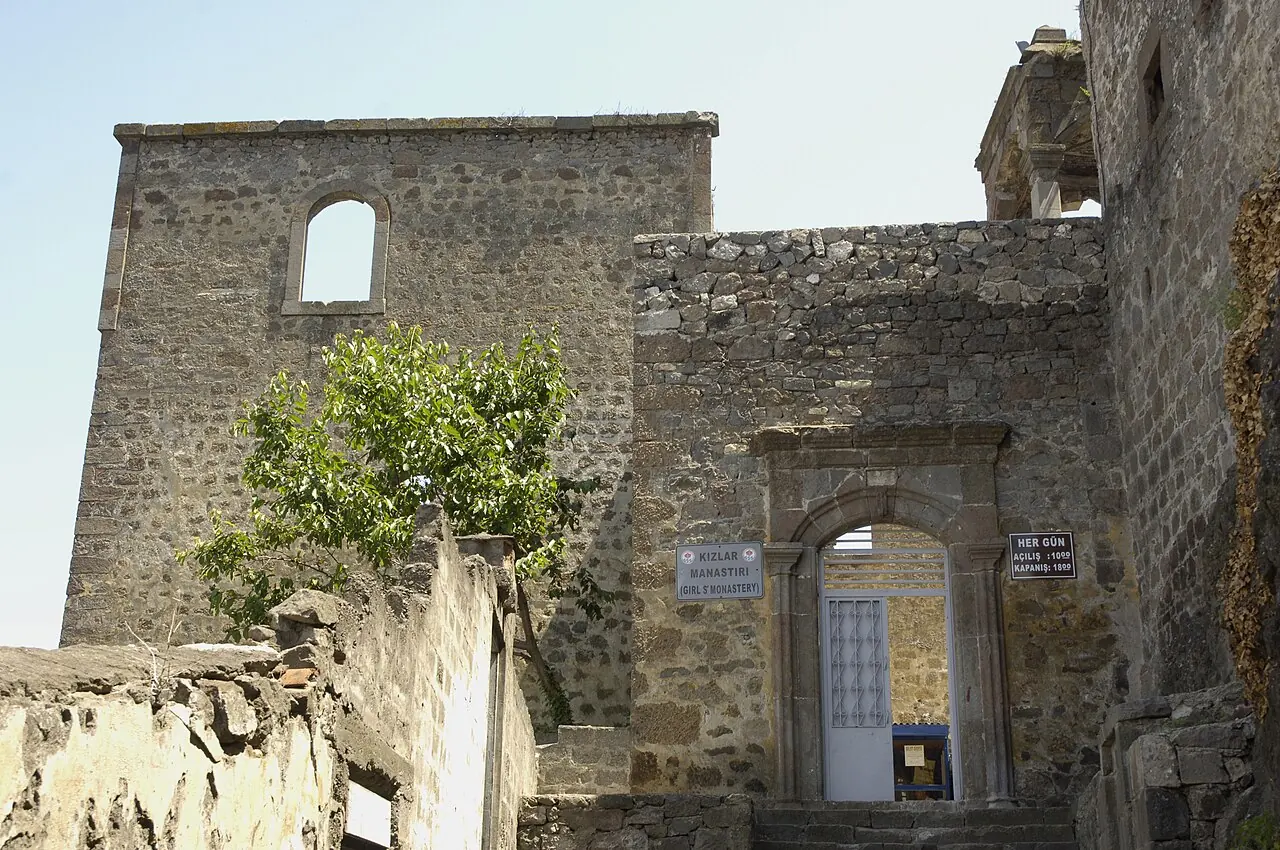
7 Kızlar Manastırı
This former women’s monastery of the Empire of Trebizond was founded in the reign of Alexios III and took its present form in the 19th century. It has a rock church on two terraces.
- Founded: Reign of Alexios III (1349-1390)
- Features: Rock church on two terraces
Show map
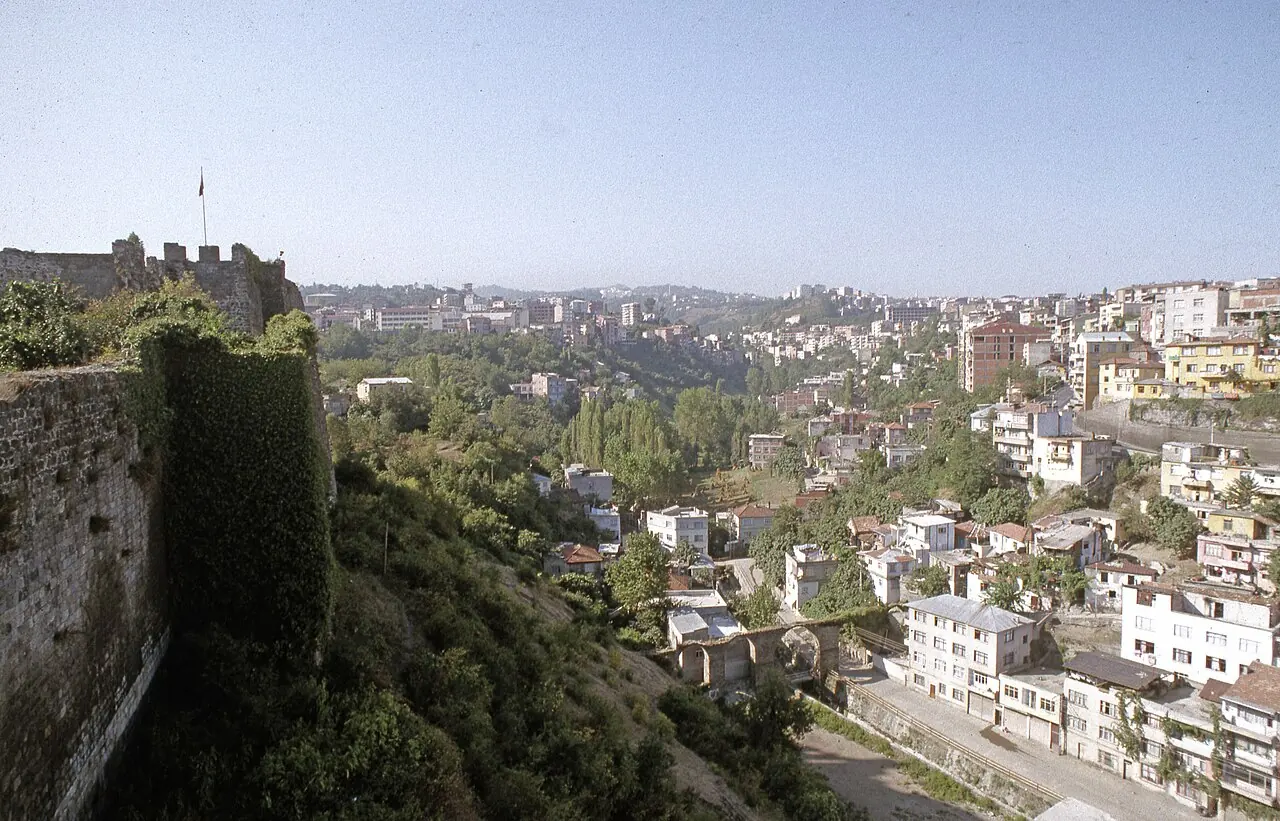
8 Trabzon Kalesi (Trabzon surları)
The walls stand on Roman-era foundations and divide the old town into Upper, Middle and Lower Town. Walk a section to understand how the city was organised.
- Origins: Roman-era foundations
- Also known as: Trabzon Castle
Show map
9 Tabakhane Köprüsü
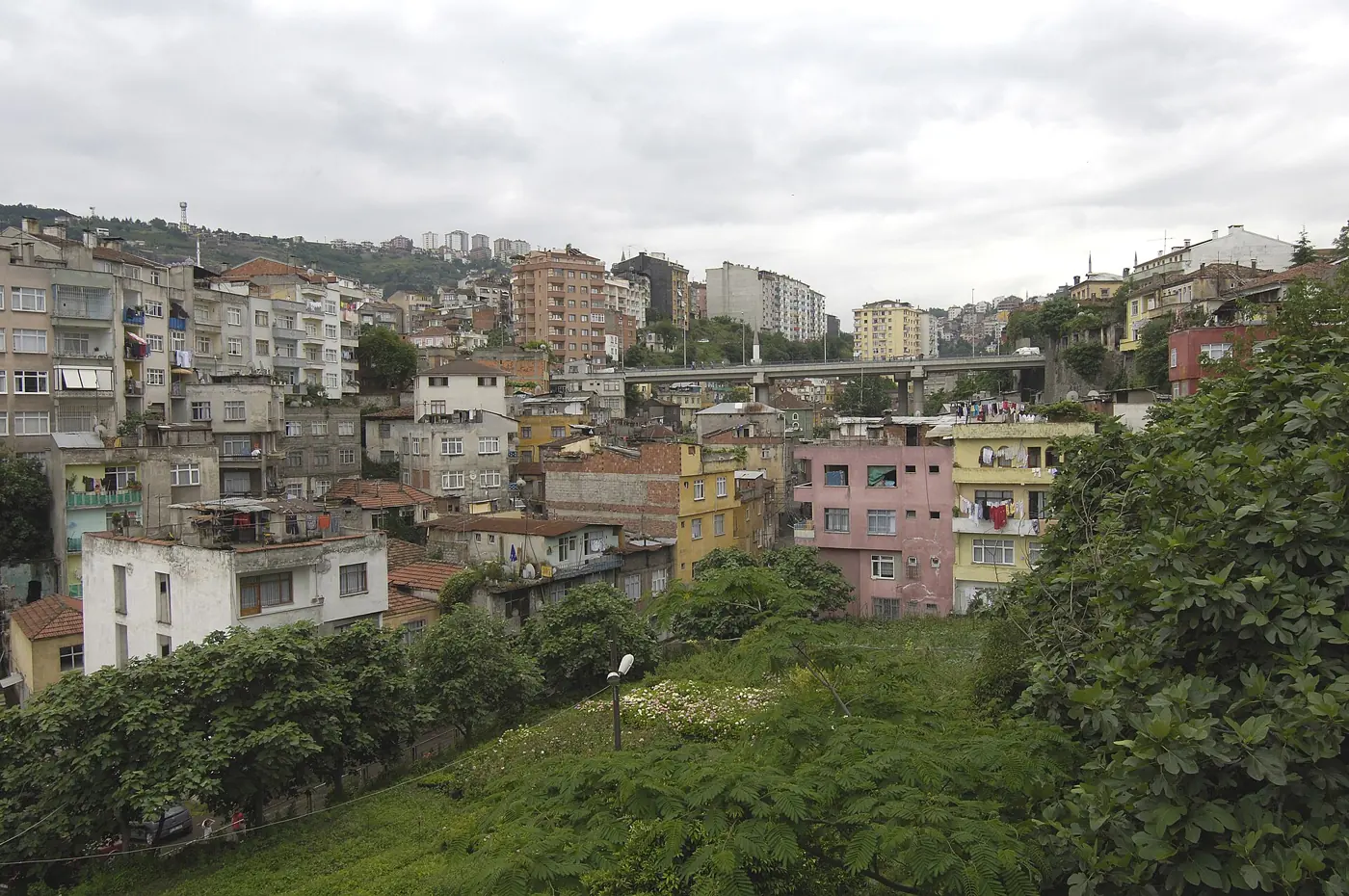
A historic stone bridge in the Tabakhane valley, part of the walking area around Zağnos Valley. It is a good photo stop between the old town and the green valley.
- Type: Stone bridge
- Area: Tabakhane / Zağnos valley
Show map
Which museums and old bazaar buildings should you add?
Add the Trabzon Museum, the Atatürk Pavilion and the Alaca Han if you have time. The museum shows archaeology and ethnography inside a historic mansion. The pavilion is a summer residence turned museum, and the Alaca Han is a caravanserai in the Çarşı bazaar district.
House museums add the human side of history. The Kostaki Mansion shows how a wealthy family lived, and the Atatürk Pavilion shows a summer residence in a pine grove. However, opening days differ between museums, and some close for restoration, so confirm on Google Maps before you travel. The bazaar buildings need no ticket, which makes them a flexible stop if a museum is closed.
10 Trabzon Müzesi (Kostaki Konağı)
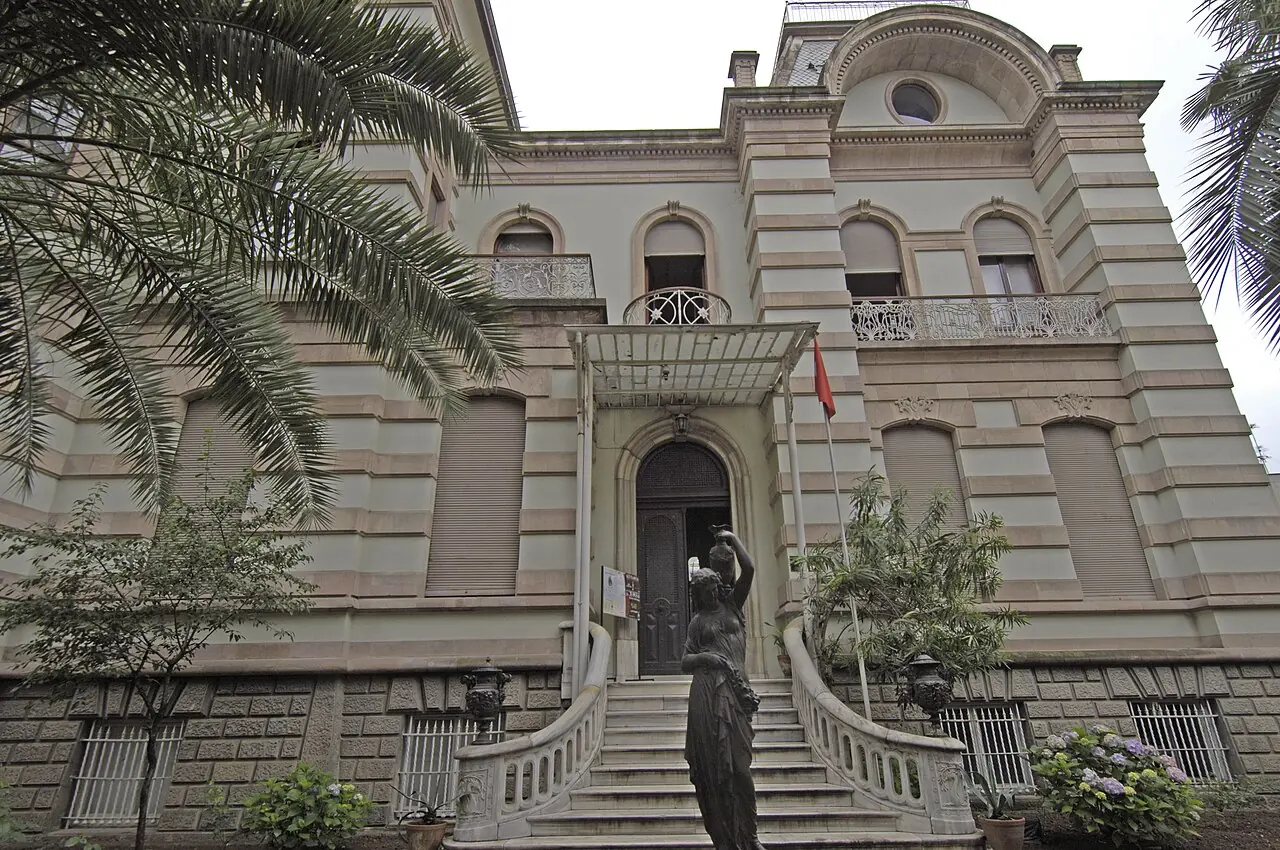
A historic house museum in the Kostaki Mansion with archaeological and ethnographic exhibitions. It gives context for everything else you see.
- Building: Kostaki Mansion
- Collections: Archaeology and ethnography
Show map
11 Trabzon Atatürk Köşkü
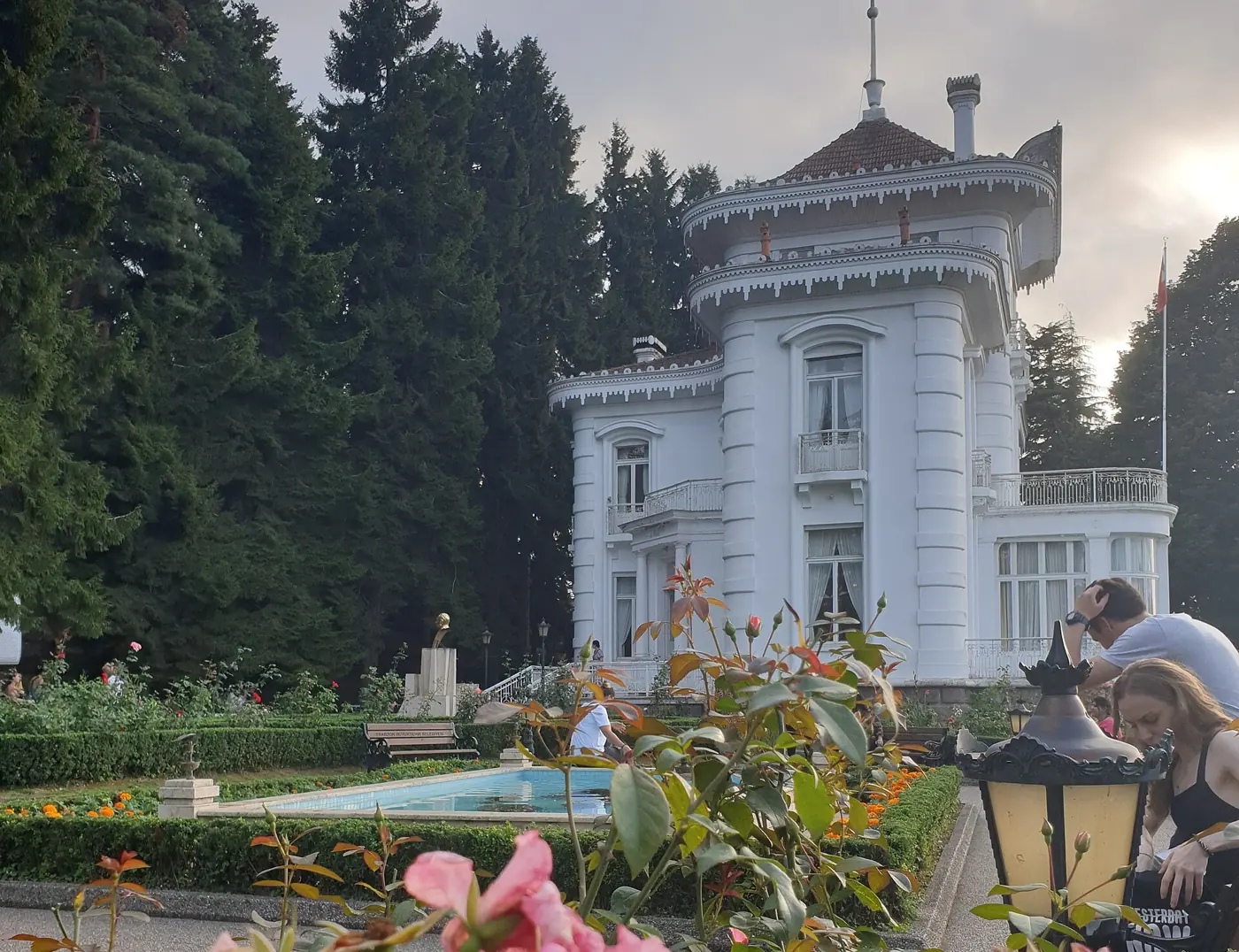
A mansion in a pine grove in Soğuksu, built between 1890 and 1912 as a summer residence for a Greek banker. Today it is a museum devoted to Atatürk.
- Built: 1890-1912
- Setting: Pine grove, Soğuksu
Show map
12 Alaca Han
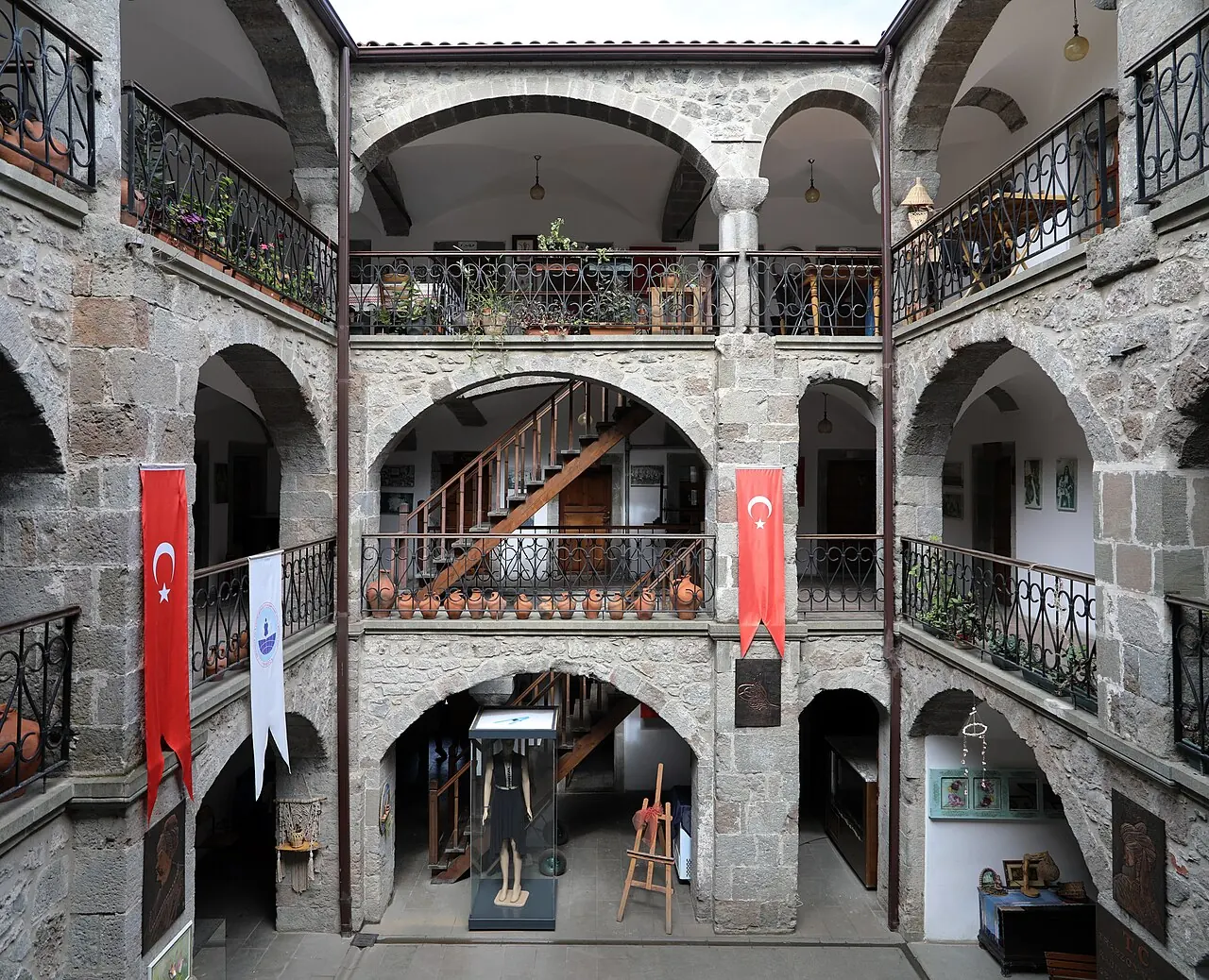
A historic caravanserai in the old bazaar district. Combine it with a walk through the Çarşı streets.
- Type: Caravanserai (han)
- Area: Çarşı bazaar district
Show map
How do the main sights compare?
The table below compares the main sights by type, area and visit length. Visit lengths are our planning estimates, not official figures.
Use this table to match each sight to the time you have.
| Sight | Type | Area | Planning time |
|---|---|---|---|
| Hagia Sophia | Byzantine church | Near the shore | 30-45 min |
| Fatih Mosque | Church turned mosque | Old town | 15-20 min |
| Gülbahar Hatun Mosque | Ottoman complex | Hatuniye | 20-30 min |
| Trabzon Museum | House museum | Ortahisar | 60-90 min |
| Atatürk Pavilion | House museum | Soğuksu | 45-60 min |
| Castle walls | Fortification | Old town | 30-60 min |
| Sumela Monastery | Cliff monastery | Maçka | Half day with transfer |
How do you get there and around?
Walk in the old town and use a private car for Maçka and Boztepe. Trabzon has an airport, and our airport transfer guide explains the options. A driver saves time because the sights lie on different hills and valleys.
Sloping streets and mixed surfaces affect how much you can see. Plan the walking cluster in the morning when the weather is cooler, and use a taxi for the hill sights. Therefore a driver is helpful for older travellers and for families with small children, because the car waits while you visit and saves energy for the monastery steps and old-town lanes.
Here are the practical options by sight cluster:
- Old town and Çarşı: walk; the streets are compact but sloped
- Boztepe and Kızlar Monastery: short drive from the centre
- Soğuksu and the Atatürk Pavilion: taxi or private car
- Sumela and Altındere Valley: private car with driver, allow a half day
This table shows the best transport for each cluster.
| Cluster | Best transport | Why |
|---|---|---|
| Old town and Çarşı | On foot | Short distances between sights |
| Boztepe | Taxi or car | Hill road, limited walking shade |
| Soğuksu | Taxi or car | Outside the walking core |
| Sumela / Maçka | Private car with driver | Mountain road, longer distance |
What practical tips help at religious sites?
Dress modestly and avoid prayer times when you visit working mosques. Several churches are now mosques, so visiting rules differ from museums. Check Google Maps for current hours because places change status and schedule.
Respect is the main rule. Speak quietly, ask before photographing interiors, and follow signs at each entrance. Furthermore, remember that Friday midday prayers close mosques to tourists for a period, so plan church and museum visits for that time. A licensed guide can explain which buildings are currently open and how to read their history.
Keep these tips in mind:
- Remove shoes inside mosques and carry a small bag for them
- Do not photograph worshippers
- Wear comfortable shoes because the old town slopes and the stones can be wet
- Bring a light jacket for Sumela, because the valley is cooler and often misty
- Confirm Sumela access on the day, as conditions can change
What does a sample one-day plan look like?
Spend the morning on the old town and the afternoon in the valley or on Boztepe. This plan avoids backtracking. Swap the order if you want Sumela early, because the valley is quieter in the morning.
This one-day plan joins the clusters in a logical order.
| Time | Stop | Note |
|---|---|---|
| Morning | Trabzon Museum, then Çarşı and Alaca Han | Walk and tea stop |
| Late morning | Fatih, Gülbahar Hatun and castle walls | Old town loop |
| Afternoon | Hagia Sophia and the shore | Short drive or taxi |
| Late afternoon | Boztepe and Kızlar Monastery | Viewpoint for sunset |
| Next day | Sumela Monastery | Half day by car |
Frequently asked questions
Which is the most important historic sight in Trabzon?
Sumela Monastery in Maçka is the best-known sight, and Hagia Sophia is the best-known building in the city itself. Both are Byzantine in origin.
Why are so many Trabzon mosques former churches?
After the Ottoman conquest of 1461, several Byzantine churches became mosques. Fatih Mosque and Yeni Cuma Mosque are examples.
Can I see everything in one day?
You can see the old town in one day. Sumela needs a separate half day because it lies in the Altındere Valley near Maçka.
Are the churches and mosques open to visitors?
Many are active mosques, and some have changed status. Check each place’s Google Maps page for current hours and rules.
What should I wear?
Cover shoulders and knees. Women should carry a headscarf for mosques, and everyone removes shoes inside.
Do I need a guide?
A licensed guide adds context on Byzantine and Ottoman history and helps you read the frescoes and layers. It is optional.
Is the old town suitable for children?
Yes, the walks are short, but the streets slope and the stones can be slippery after rain.
Plan this with TurkGT
TurkGT can arrange a private car with driver for Maçka and Boztepe, a licensed guide for the old town, and an airport transfer to start your trip. Send your dates and group size by WhatsApp or the inquiry form, and we will suggest a plan.
Request a booking
Related guides
- Top Trabzon Attractions: A Practical Visit Guide
- Sümela Monastery: Visit Guide, Tickets and Best Timing
- Hagia Sophia Trabzon, Atatürk Mansion and Boztepe
- Top Picks for Hotels in Trabzon City
- Top 10 Restaurants in Trabzon for Local Food
- Uzungöl Guide: Lake, Walks, Plateaus and Day-Trip Tips
- Best Shopping in Trabzon: Malls, Bazaars and Souvenirs
Related destinations and attractions
Explore more city guides
Sources
- Hagia Sophia (Ayasofya) Trabzon
- Fatih Mosque (Panagia Chrysokephalos)
- New Friday Mosque (Hagios Eugenios)
- Church of Saint Anne
- Gülbahar Hatun Mosque
- Sumela Monastery
- Kızlar Monastery (Panagia Theoskepastos)
- Trabzon Castle and City Walls
- Trabzon Museum (Kostaki Mansion)
- Trabzon Atatürk Pavilion
- Alaca Han
Last reviewed: 2026-11-21.