
Datça is a district of Muğla Province on a long, narrow peninsula between the Aegean and the Mediterranean. The ancient city of Knidos lies at its western tip. Visit for Old Datça’s stone houses, quiet coves, almonds and honey.
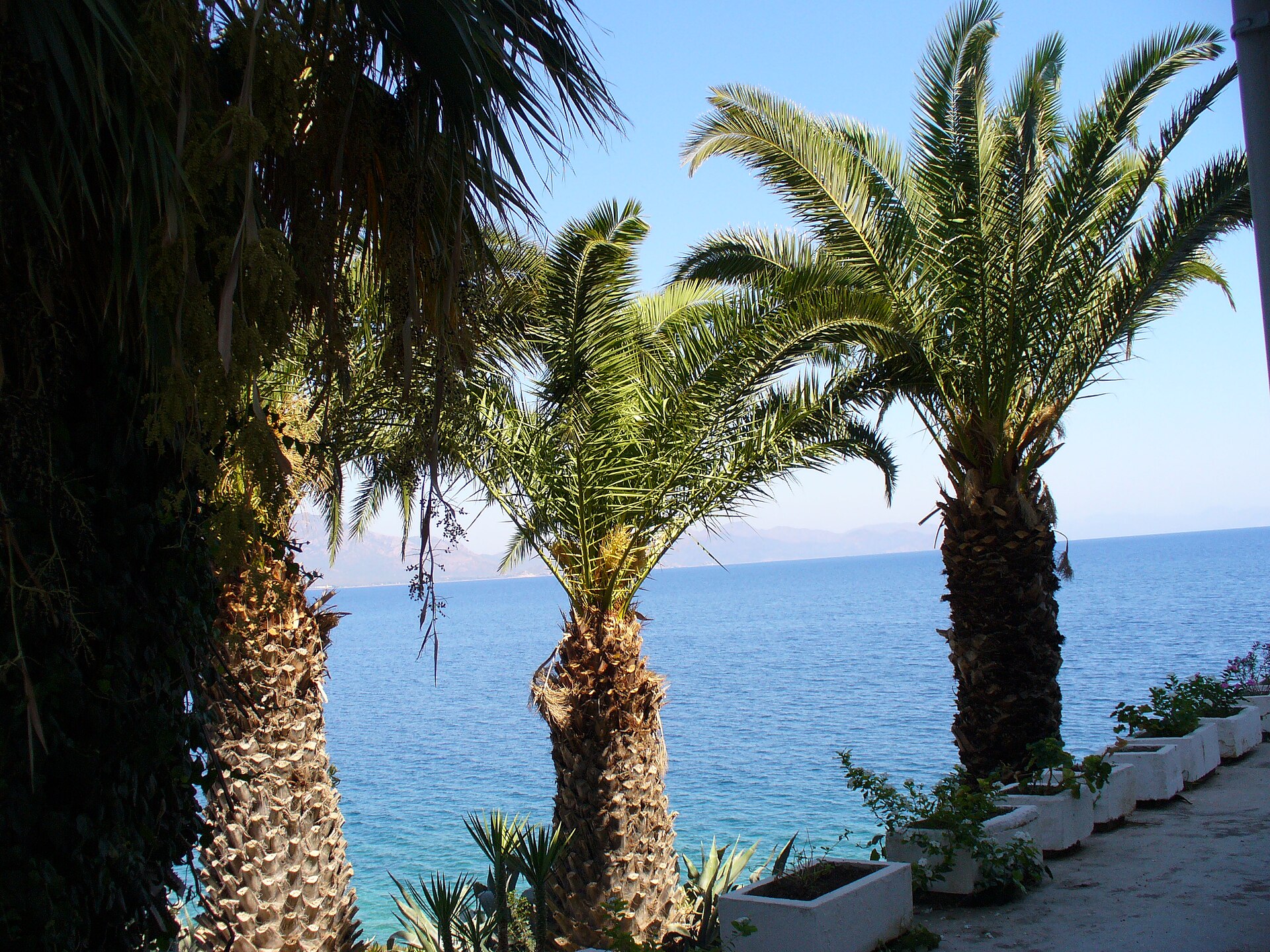
Key facts
- Location: Datça Peninsula, Muğla Province
- Distance from Marmaris: 70 km on the D400, per Wikivoyage
- Nearest airports: Dalaman and Bodrum; check current transfer options
- Population: 25,029 (2022)
- Peninsula length: Nearly 100 km
- Best season: Spring and autumn; summer for swimming
- Typical visit time: 2 to 3 days
- Ancient site: Knidos, at the western tip
- UNESCO status: None for Datça itself
- Entrance: Knidos fees and hours: see the official page
What is Datça and why visit?
Datça is a district and a small town on a long peninsula in Muğla Province. The peninsula reaches nearly 100 km and ends at the ancient city of Knidos. Moreover, its coast is a chain of bays and coves, so it feels quieter than the larger resorts nearby.
GoTürkiye says the town has three parts: Old Datça, New Datça and the coves dotting the peninsula. Therefore visitors can combine village walks, swimming and ancient ruins in one trip. The region is also known for almonds and honey.
What is the history of Datça and Knidos?
Datça’s history centres on Knidos and on later administrative moves. GoTürkiye says human settlement in Datça dates back to 2000 BC. Knidos developed as a trading port, and the town of Datça itself moved from Reşadiye to the coast in the 20th century.
The points below summarise the dated facts from our sources.
- Around 1100 BC: Knidos is a small trading port, per Wikivoyage.
- Around 330 BC: Knidos becomes the area’s main town.
- Until about 500 AD: Knidos remains inhabited.
- Until 1947: the district centre is in Reşadiye, then moves to the present borough of İskele.
- Early 20th century: piracy remained a serious security problem, according to Wikipedia.
The table sets the main periods side by side.
| Period | Event | Note |
|---|---|---|
| 2000 BC | Human settlement | Per GoTürkiye |
| c. 1100 BC | Knidos as small trading port | Per Wikivoyage |
| c. 330 BC | Knidos becomes main town | Per Wikivoyage |
| 1947 | Centre moves from Reşadiye to İskele | Per Wikipedia |
What are the main things to see and do in Datça?
The main sights are Knidos, Old Datça, the harbour quarter and the coves. GoTürkiye advises waiting for sunset at Knidos. Wikivoyage names Palamutbükü as the longest beachfront. Moreover, New Datça has Lake Ilıca, a small freshwater lake with fish and ducks.
These activities cover most visits.
- Explore the ruins of Knidos at the western tip.
- Walk the streets of Old Datça, a hillside village with restored stone houses.
- Swim at Palamutbükü, 25 km west of the town.
- Look for the narrow isthmus at Balıkaşıran.
- Taste almonds and pine or thyme honey.
- Take a boat trip; boats usually depart from Bodrum, Marmaris or Datça.
The table gives an overview of the main highlights.
| Highlight | What it is | Good for |
|---|---|---|
| Knidos | Ancient city at the western tip | History, sunset |
| Old Datça | Inland village with stone houses | Walking, cafés |
| İskele | Quay quarter of the town | Harbour, ferries |
| Palamutbükü | Long beachfront west of town | Swimming |
| Balıkaşıran | Narrow isthmus with two-gulf views | Photography |
How do you get to Datça and get around?
Datça is reached by road from Marmaris or by ferry from Bodrum. Wikivoyage lists Datça as 70 km west of Marmaris. Wikipedia warns that the road is rough in parts. Therefore allow extra time and check the current timetable.
The table lists typical routes and notes.
| Route | Mode | Typical duration / note |
|---|---|---|
| Marmaris to Datça | Car or bus on the D400 | 70 km; road rough in parts |
| Dalaman Airport to Datça | Transfer or car via Marmaris | Check current options |
| Bodrum to Datça | Ferry | Seasonal sailings; check current timetable |
| Datça town to Knidos | Car or boat | About one hour by road, per GoTürkiye |
| Within Datça | Taxi, dolmuş or car | Car is useful for coves |
When is the best time to visit Datça?
Datça has very hot, dry summers and mild, wet winters. Therefore spring and autumn suit walking and ruins, while summer suits swimming. In winter, check which businesses are open before you go.
The table lists seasons with weather, crowds and notes.
| Season | Weather | Crowds | Notes |
|---|---|---|---|
| Spring | Mild, fresh | Low | Good for walking and ruins |
| Summer | Very hot, dry | High | Visit Knidos early or near sunset |
| Autumn | Warm | Moderate | Calm seas; quieter villages |
| Winter | Mild, wet | Low | Some seasonal businesses close |
How long should you stay in Datça?
Plan two to three days. One day is enough for Old Datça and Knidos if you start early. A longer stay lets you swim at several coves and slow down.
The table offers simple plans by trip length.
| Stay | Suggested plan |
|---|---|
| Half day | Old Datça and a harbour lunch |
| 1 day | Old Datça plus Knidos at sunset |
| 2-3 days | Add Palamutbükü, Balıkaşıran and a boat trip |
| 4+ days | Combine with Marmaris, Bodrum or a gulet route |
What practical tips should you know before visiting Datça?
Prepare for distance, heat and limited services at the tip. The tips below are general.
These points cover tickets, dress, safety and etiquette.
- Tickets: Knidos entry fees and hours change, so see the official page.
- Drive carefully: the Marmaris road is rough in parts.
- Carry water and sun protection to Knidos; there is little shade at ruins.
- Dress modestly in villages and in Old Datça.
- Photography: ask before photographing residents.
- Accessibility: Old Datça has uneven stone streets.
- Fuel up in town before the long drive west.
Where should you stay and eat in Datça?
Stay in Old Datça for atmosphere, in İskele for the harbour or in a cove for quiet. Eat local almond sweets, fresh fish and honey. Wikivoyage notes that home-cooked places inland cost less than seafront restaurants.
These areas suit different travel styles.
- Old Datça: restored stone houses, small hotels, cafés and craft shops.
- İskele: quay area with ferries and restaurants.
- Reşadiye: the former district capital.
- Palamutbükü: beach village with a long shore.
Which nearby places and day trips work with Datça?
Marmaris, Bodrum and Dalyan are the main neighbours. Marmaris is the gateway by road. Bodrum offers a seasonal ferry link.
Each place has its own TurkGT page.
- Marmaris: port town and gulet base.
- Bodrum: castle and marina to the north.
- Dalyan: river, Kaunos and İztuzu Beach.
- Fethiye: harbour city to the east.
Plan this with TurkGT
TurkGT is an Istanbul-based travel company, and it can arrange Datça as part of a wider Turkish itinerary. That can include a Knidos day, Old Datça walks and a route that links Marmaris and Bodrum. We offer guided trips, private transfers, local guides and interpreter support. Send us your dates and group size on WhatsApp, and we confirm the plan with you there before anything is booked.
Frequently asked questions
What is Datça known for?
It is known for the ancient city of Knidos, the stone houses of Old Datça, its coves and its almonds.
Where does the name Datça come from?
Wikipedia says it comes from Stadia, an ancient town near Cnidus, which developed into Tadya, Dadya, Dadça and then Datça.
How long is the Datça Peninsula?
Wikipedia says it reaches near 100 km.
How far is Datça from Marmaris?
Wikivoyage lists 70 km on the D400. Check current road conditions.
What is Balıkaşıran?
It is the narrow point of the peninsula, literally the place where fish may leap across.
Is the road to Datça easy?
Wikipedia says the road from Marmaris is rough in parts. Allow extra time.
What is Datça famous for eating?
GoTürkiye says the region is famous for almonds and has become a producer of pine and thyme honey.
Is Knidos worth the long drive?
It is the main historic attraction at the western tip. Check the official page for hours and fees.
Related on TurkGT
Sources
Last reviewed: 2026-11-18. Opening hours, ticket prices and other changeable details are not listed because they change; check the official source before you travel.