
Mor Gabriel Monastery is a Syriac Orthodox monastery near Midyat in the Tur Abdin region of southeastern Türkiye. Founded in 397 AD, it is described as one of the oldest continuously active Christian monasteries in existence. It is a working religious community, so visits need respect and advance checks.
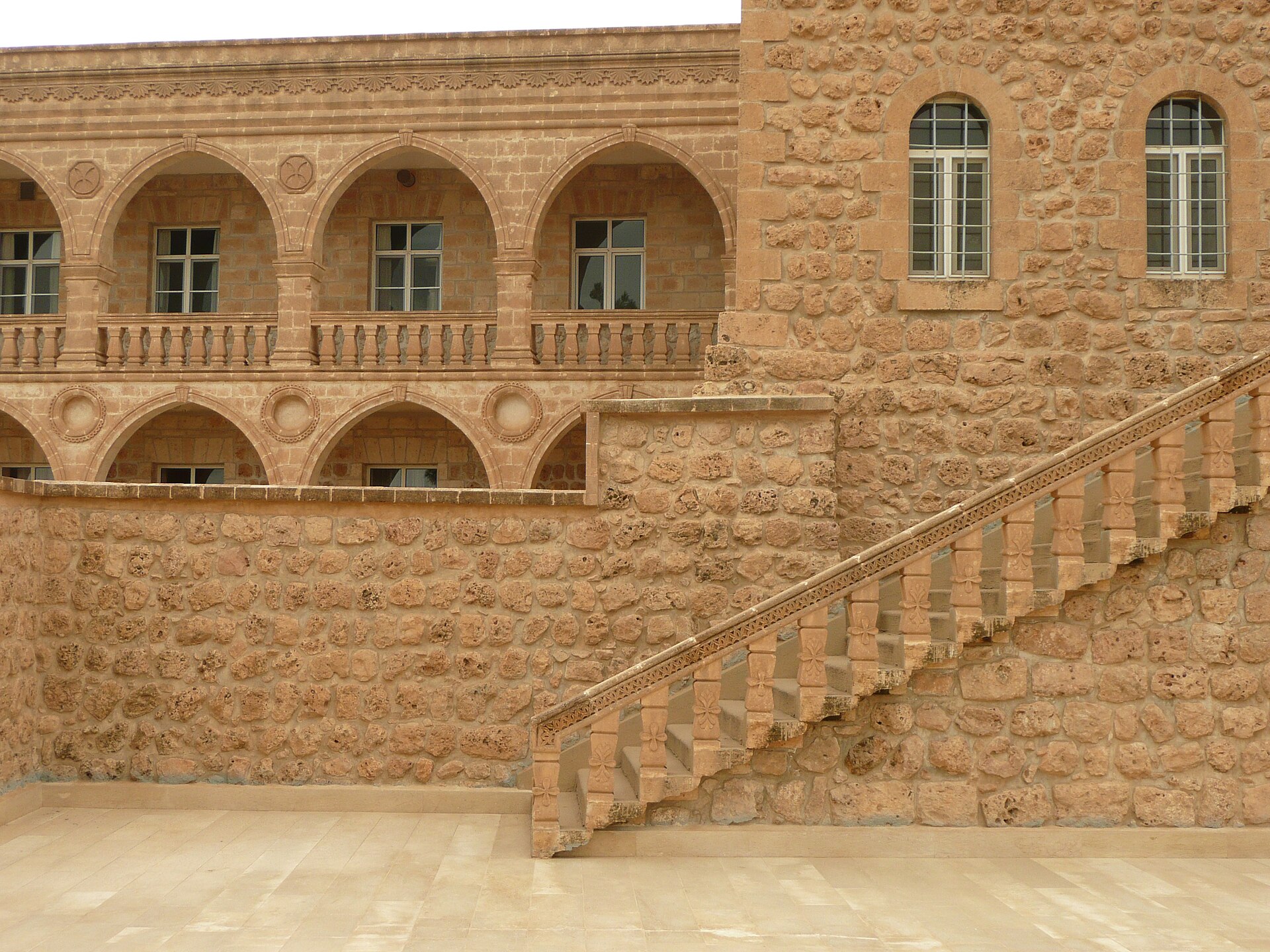
Key facts
- Location: Near Midyat, Tur Abdin region, Mardin Province
- Church: Syriac Orthodox; seat of the metropolitan of Tur Abdin
- Founded: 397 AD, by Mor Shmuel and Mor Shemʿun of Qartmin
- Other names: Monastery of Qartmin; Deyrulumur
- Main structures: Main church, Dome of Theodora, mausoleum, other buildings
- From the airport: Mardin Airport is the nearest airport named on our sources; check the current road distance with your driver
- Best season: Spring and autumn; summers are very hot
- Typical visit time: 1-2 hours, longer with Midyat
- UNESCO status: Tur Abdin sites are on the Tentative List; not inscribed
- Entrance: See official page; this is a working monastery, so check visiting rules in advance
What is Mor Gabriel Monastery and why visit?
Mor Gabriel Monastery is a Syriac Orthodox monastery near Midyat in the Tur Abdin plateau. It was founded in 397 AD and is still active. Visitors come for its early Christian architecture, its place in Syriac history and its quiet setting.
Moreover, it is part of a wider landscape of churches and villages. As a result, a visit explains why Tur Abdin is called a heartland of Syriac Christianity, and why Midyat serves as the regional centre.
Visitors usually come for these reasons:
- One of the oldest continuously active Christian monasteries in existence.
- The Dome of Theodora and the main church.
- A living Syriac Orthodox community that is a centre of Syriac heritage.
- Stone architecture and a landscape of Tur Abdin villages.
- A base for exploring Midyat and Mardin.
What is the history of Mor Gabriel?
According to Wikipedia, the monastery was founded in 397 AD by Mor Shmuel and Mor Shemʿun of Qartmin. By the 6th century, it held over 1,000 monks and drew gifts from Eastern Roman emperors. It later became known as the Monastery of St. Gabriel after a 774 plague.
However, the story includes hardship. Persian forces burned it in 580, and it was rebuilt in 1502. In the 20th century it faced land disputes, and in September 2013 the Assembly of Foundations approved the return of confiscated lands. We note these events neutrally and recommend reading the sources.
The table lists key dates.
| Date | Event | Source note |
|---|---|---|
| 397 | Founded by Mor Shmuel and Mor Shemʿun | Wikipedia |
| 6th century | Community of over 1,000 monks; imperial gifts | Wikipedia |
| 580 | Attacked and burned by Persian forces | Wikipedia |
| 774 | Plague kills 94 monks; monastery later named for Gabriel | Wikipedia |
| 1502 | Rebuilt with help from the Basibrina community | Wikipedia |
| 1936 | Registered as a religious foundation | Wikipedia |
| 1962-1971 | Extensive renovation | Wikipedia |
| 2013 | Return of confiscated lands approved | Wikipedia |
What are the highlights of the monastery?
The main highlights are the main church, the Dome of Theodora and the burial chambers. The Dome of Theodora rises to 17 metres and dates from the early 6th century. It was built as a baptistery and later used as a kitchen.
The complex has a lower historic section and upper annexes from the last century. In addition, the eastern wall comes from an earlier Zoroastrian sanctuary, which shows how the site was reused over time.
Look for these features during a visit:
- The main church with its large prayer hall.
- The Dome of Theodora, an octagonal structure.
- The burial chamber known as the House of Saints.
- Stone walls reused from an earlier temple.
- Manuscript heritage; nearly 450 manuscripts were digitised.
The table sums up what to see.
| Feature | Description | Note |
|---|---|---|
| Main church | Prayer hall financed under Emperor Anastasius | Still the main church |
| Dome of Theodora | Octagonal, 17 m high | Built as a baptistery |
| Lower historic section | Oldest buildings | Reused stone blocks |
| Upper annexes | Built in the last century | Seminary and offices |
| Manuscript collection | Nearly 450 ancient manuscripts digitised | Heritage value |
How do you get to Mor Gabriel and get around?
Fly to Mardin Airport, then continue by road toward Midyat and the monastery. A private car, taxi or guided trip is the practical choice. Public services vary, so check the current timetable and confirm the road distance with your driver.
Midyat is the regional centre of commerce and the capital of Tur Abdin. Therefore, many visitors base themselves in Mardin or Midyat and make a day trip into Tur Abdin.
The table compares the main options.
| Route | Option | Notes |
|---|---|---|
| Istanbul to Mardin | Flight to Mardin Airport | Check the current timetable |
| Airport to Midyat | Taxi, transfer or rented car | Confirm distance and time locally |
| Midyat to the monastery | Short drive | Check the current schedule |
| Tur Abdin villages | Guided trip by car | Roads can be slow; plan buffer time |
When is the best time to visit?
Spring and autumn are the most comfortable. Midyat has very hot, dry summers and cold, wet winters with occasional snow. Visit in the morning in summer, and wear warm layers in winter. Plan around heat, rain and daylight, and check the forecast a few days before you travel.
However, because this is a religious site, check the calendar of services and the annual celebrations in honour of St. Gabriel before you plan.
The table shows each season.
| Season | Weather | Notes |
|---|---|---|
| Spring | Mild | Comfortable for stone courtyards |
| Summer | Very hot and dry | Go in the morning |
| Autumn | Warm and clear | Good light |
| Winter | Cold, wet, occasional snow | Quieter; roads can be slow |
How long should you stay?
Allow one to two hours at the monastery. A half day lets you add Midyat‘s old town. A full day or two lets you visit other Tur Abdin sites and Mardin. This estimate assumes a normal pace with short breaks, so add time if you travel with children.
Therefore, pair Mor Gabriel with Midyat rather than treat it as a single stop.
Use these plans as a starting point.
| Plan | Include | Pace |
|---|---|---|
| Half day | Mor Gabriel, short stop in Midyat | Relaxed |
| 1 day | Add Midyat old town and a village church | Full |
| 2-3 days | Add Mardin, Zinciriye Madrasa and Hasankeyf area | Comfortable |
What practical tips should you know?
Treat the monastery as a place of worship. Dress modestly, speak quietly and follow the guidance of the monks and staff. Check opening and visiting rules in advance, because they can change. Fees or donations are not quoted here. Check the official page for current rules before you go, because they can change without notice.
Ask before taking photos, and do not photograph services without permission. Moreover, carry water and wear shoes suitable for stone floors.
Keep these tips in mind:
- Dress modestly with shoulders and knees covered.
- Speak quietly and follow staff instructions.
- Ask before photographing people or services.
- Check opening and visiting rules in advance.
- Carry water and sun protection in summer.
- Expect steps and uneven stone floors.
Where should you stay and eat?
Most visitors stay in Mardin‘s old city or in Midyat. Midyat is the commercial centre of Tur Abdin and is known for Syriac handicrafts such as telkari silverwork. Mardin offers more hotel choice and views over the plain. Choose by walking distance to the main sights, because transfers and parking add time in busy periods.
For meals, try regional cooking in Midyat’s old streets or Mardin’s terrace restaurants. Check what is open locally.
Neighbourhood-level ideas include:
- Midyat’s old stone streets for a short stay.
- Mardin’s old city for evening views.
- Lower-town districts for modern hotels.
What is nearby and what day trips work?
Midyat is the nearest town and the capital of Tur Abdin. Wikipedia counts nearly 70 monastery buildings in the region, so other churches and villages are within reach. Mardin‘s old city and Zinciriye Madrasa are the usual companions. Check road conditions and opening times for each stop, and allow extra time between sites.
As a result, a two-day Mardin plan can cover the old city and Tur Abdin.
Useful nearby stops:
- Midyat old town.
- Zinciriye Madrasa in Mardin.
- Mardin Museum and the Great Mosque.
- Harran and Balıklıgöl in Şanlıurfa.
- Göbekli Tepe, a UNESCO World Heritage site.
Plan this with TurkGT
TurkGT is an Istanbul-based travel company. We offer guided tours, private transfers, licensed guide and interpreter services, and multi-day trips that can include Mor Gabriel and Tur Abdin. We can arrange a private driver and an English-speaking guide who knows the visiting etiquette, and combine Mor Gabriel with Mardin.
Tell us your dates, group size and interests on WhatsApp. We confirm the route, timing and what is included in writing before you book, and we do not quote prices on this page.
Frequently asked questions
What is Mor Gabriel Monastery?
It is a Syriac Orthodox monastery near Midyat in Tur Abdin. Wikipedia describes it as one of the oldest continuously active Christian monasteries in existence.
When was it founded?
It was founded in 397 AD by Mor Shmuel and Mor Shemʿun of Qartmin, according to Wikipedia.
Can tourists visit?
It is a working monastery that receives visitors. Rules and times can change, so check before you go. Wikipedia reports 81,897 visitors in 2013.
What is the Dome of Theodora?
It is an octagonal structure from the early 6th century, 17 m high, originally built as a baptistery and later used as a kitchen.
Is it a UNESCO site?
Not yet. It appears in the Tur Abdin group on the UNESCO Tentative List, which is a candidate status.
How do I get there?
Fly to Mardin Airport and continue by road toward Midyat. Check the current timetable and confirm the distance with your driver.
What should I wear?
Dress modestly with shoulders and knees covered, and follow staff guidance.
What else is nearby?
Midyat, the capital of Tur Abdin, and Mardin’s old city. Wikipedia counts nearly 70 monastery buildings in the region.
Related on TurkGT
- Part of Mardin
- Zinciriye Madrasa
- Midyat
Sources
Last reviewed: 2026-11-18. Opening hours, ticket prices and other changeable details are not listed because they change; check the official source before you travel.