
The Mausoleum at Halicarnassus was the tomb of Mausolus, built 353-351 BC and counted among the Seven Wonders of the Ancient World. Today you see foundations and fragments. Pair it with the ancient theatre, the Myndos Gate and the Myndos site at Gumusluk.
Key facts
- Monument: Tomb of Mausolus
- Built: 353-351 BC
- Built for: Mausolus and Artemisia II
- Architects: Satyros of Paros and Pythius of Priene
- Today: Foundations and fragments
- Related ruins: Theatre, Myndos Gate, Myndos at Gumusluk
What is the Mausoleum at Halicarnassus?
The Mausoleum at Halicarnassus was the tomb of Mausolus, built between 353 and 351 BC. Ancient writers counted it among the Seven Wonders of the Ancient World. In Bodrum you can visit the site, where foundations and fragments remain.
The tomb was built for Mausolus and Artemisia II. The architects were Satyros of Paros and Pythius of Priene. The word mausoleum itself comes from this monument, so the site shaped a word used worldwide.
Therefore, visitors should expect an archaeological site, not a standing building. A short guided stop helps a lot. Without explanation, foundations are hard to read, whereas with a guide the layout and the story become clear.
Keep these points in mind before you go:
- Expect foundations and fragments, not a full building.
- Read a short summary of the monument beforehand.
- Consider a licensed guide for context.
- Check opening times and ticket rules on site or Google Maps.
- Combine it with the theatre and the castle museum.
Which ancient ruins can you see in Bodrum?
Beyond the Mausoleum, Bodrum has several ancient and historic layers. The theatre sits on the hillside and dates to the 4th century BC. The Myndos Gate marks the remains of the ancient city gate of Halicarnassus, west of the town centre. Both belong to the same ancient city as the Mausoleum.
The old stone cisterns add a different kind of history. They include the Uzunkuyu and Yenikoy cisterns, relics of the traditional water supply. The castle, in contrast, is medieval, and its museum holds the finds that tie the ancient sea trade to the modern town.
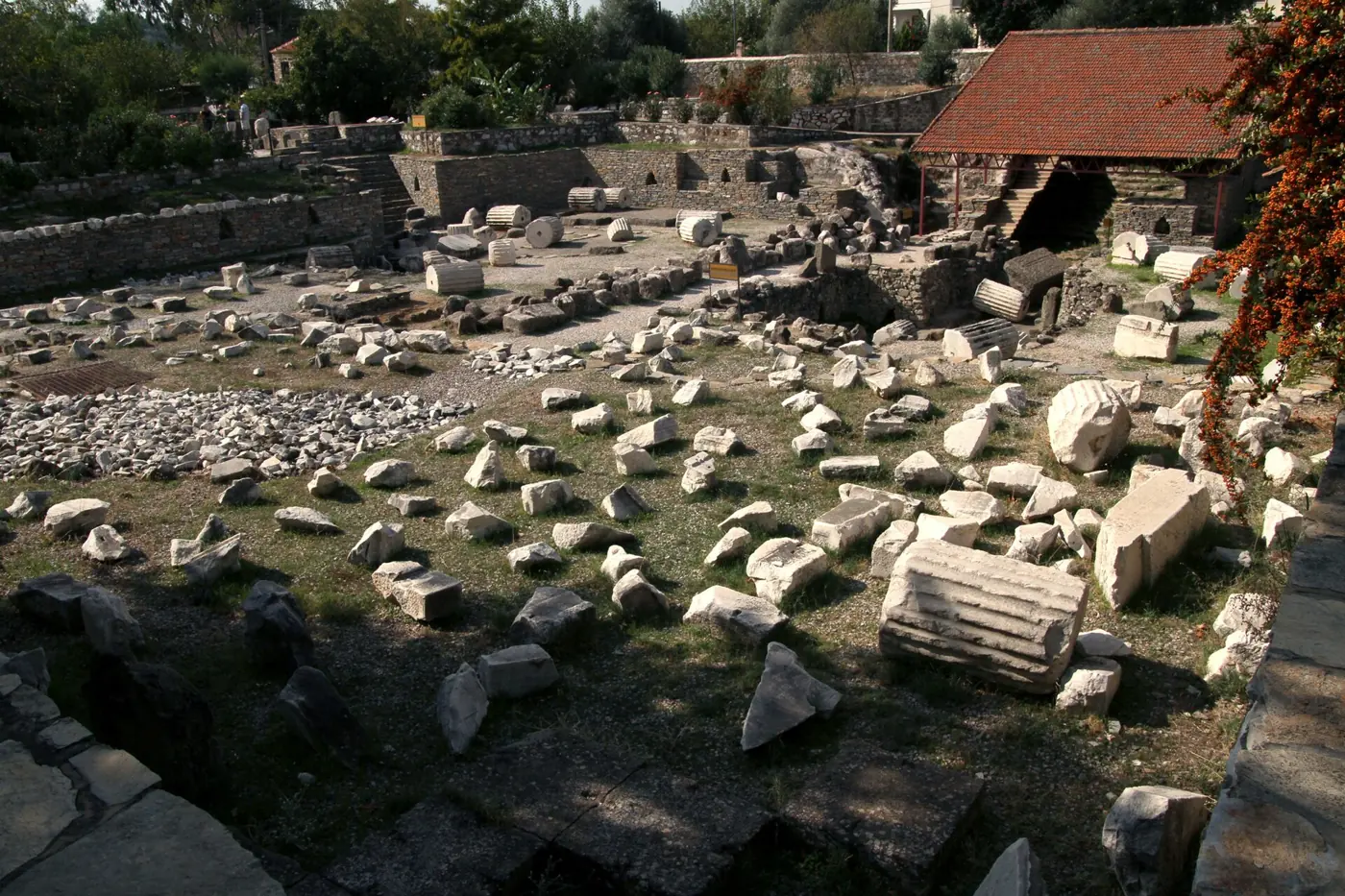
1 Halikarnas Mozolesi
The main site of this guide. Visit for the story of a world wonder, and keep expectations realistic: foundations and fragments remain.
- Built: 353-351 BC
- Built for: Mausolus and Artemisia II
Show map
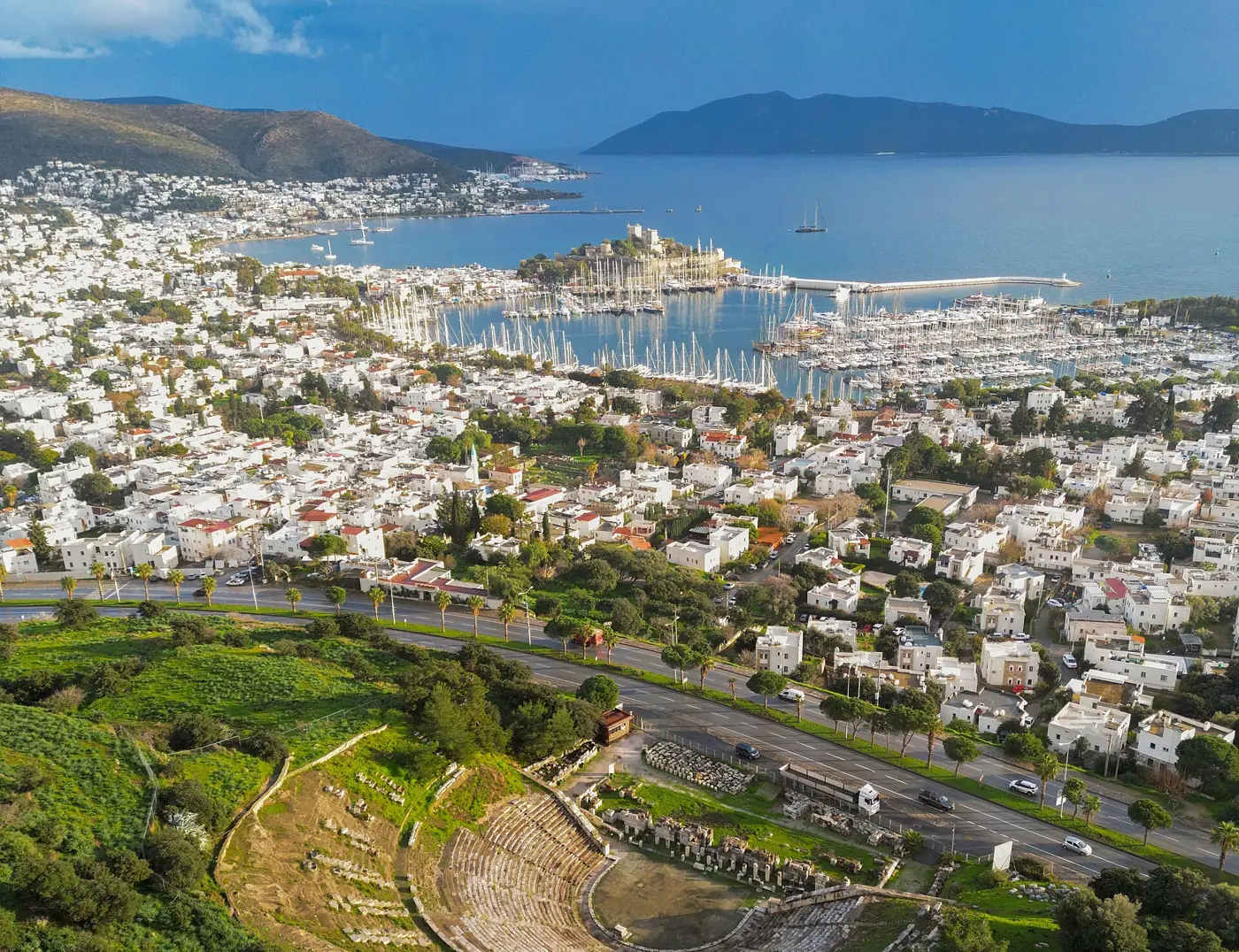
2 Bodrum Antik Tiyatro
A 4th-century BC theatre in the style of Epidaurus, restored and used for performances. It is the best-preserved ancient structure here.
- Built: 4th century BC
- Style: Greco-Roman, similar to Epidaurus
Show map
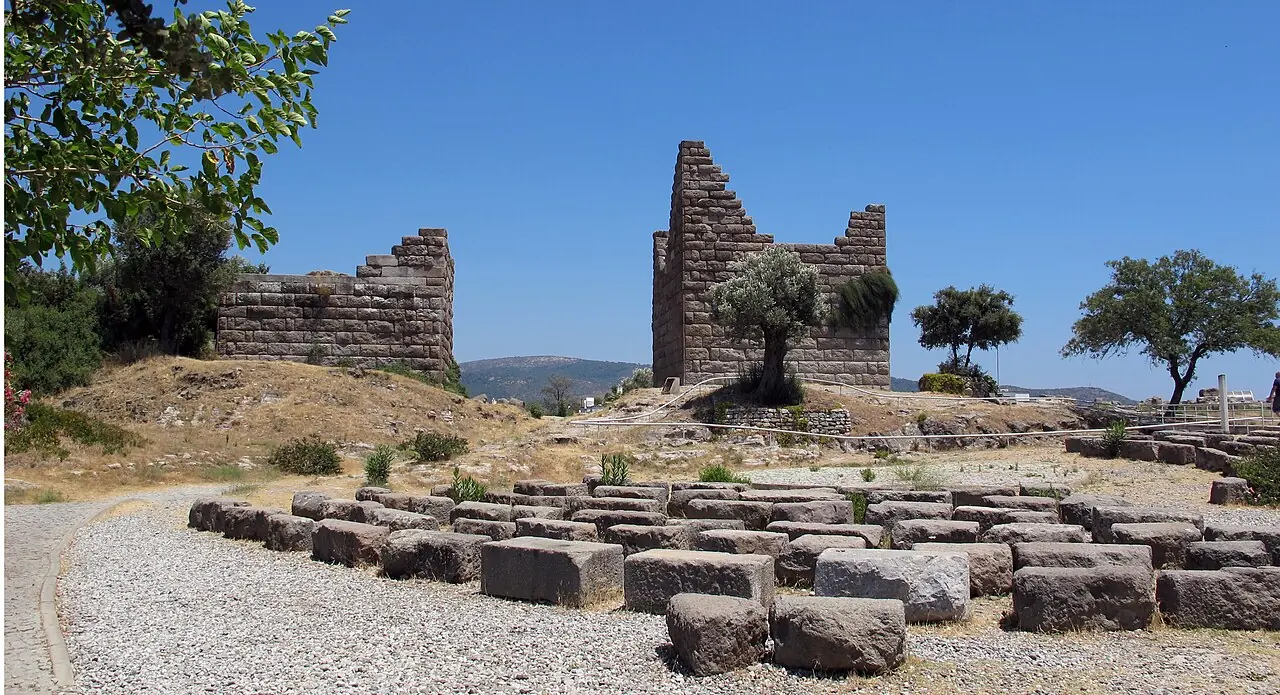
3 Myndos Kapısı
The remains of the ancient city gate of Halicarnassus, west of the centre. A free, short stop for ruin lovers.
- Type: Ancient city gate remains
- City: Halicarnassus
Show map
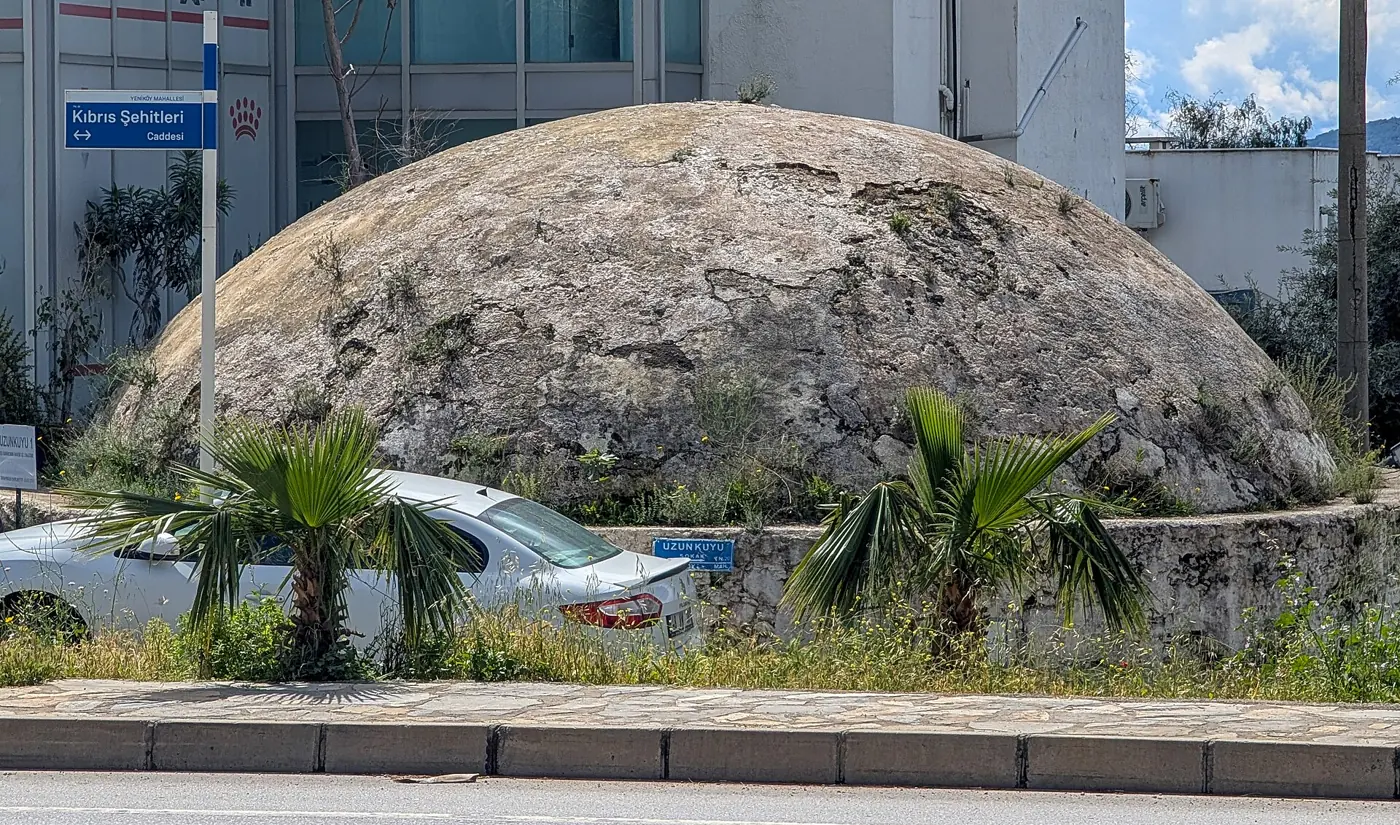
4 Bodrum Tarihi Sarnıçları
Old stone cisterns, including Uzunkuyu and Yenikoy, which show how Bodrum collected water. Look for them as a quiet, free addition.
- Examples: Uzunkuyu Cistern No. 1, Yeniköy Cistern
Show map
5 Bodrum Sualtı Arkeoloji Müzesi
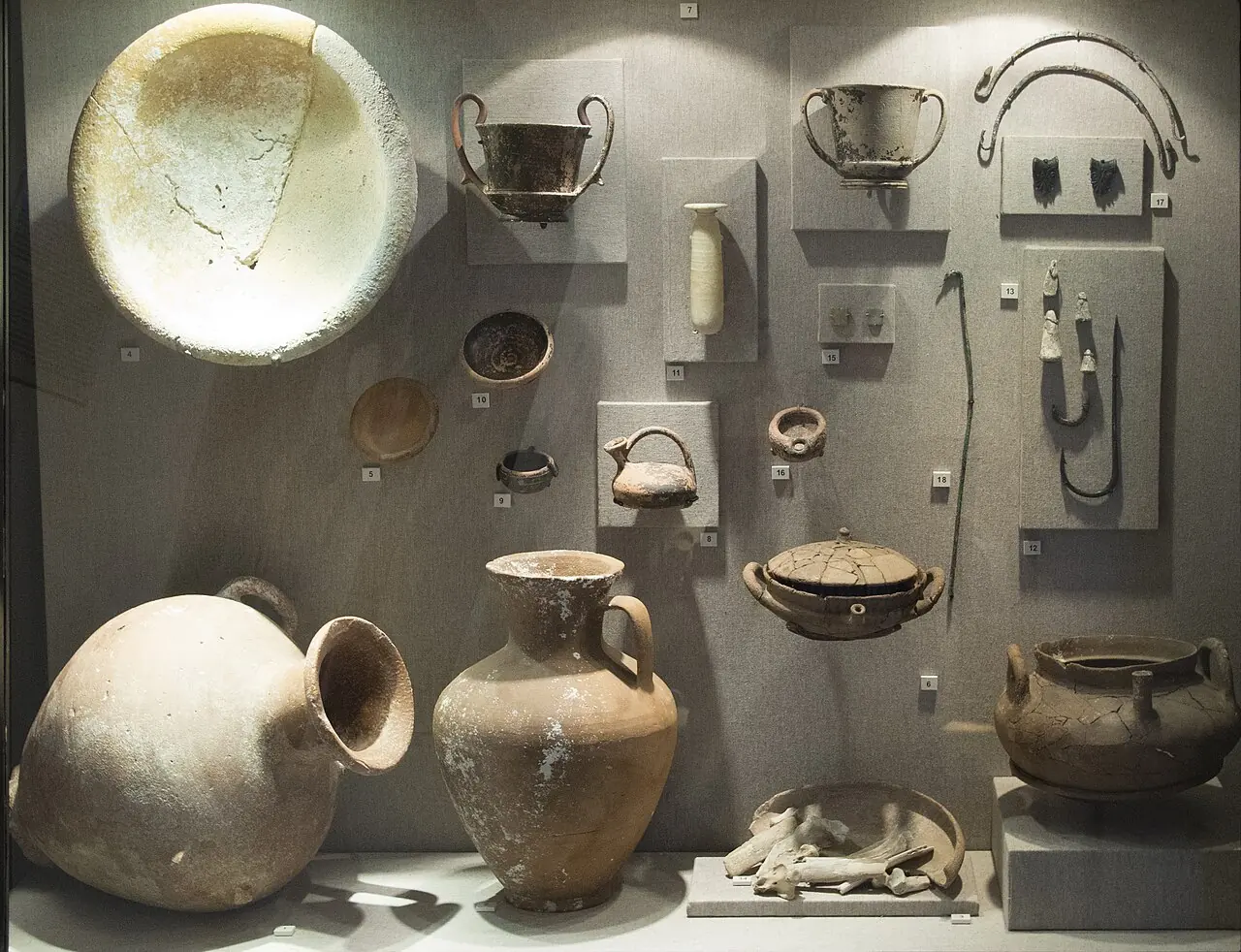
The museum in the castle holds shipwreck cargoes, amphorae, glass and gold. It completes the ancient-sea story.
- Location: Inside Bodrum Castle
- Collection: Shipwreck cargoes, amphorae, glass, gold
Show map
Are there ancient sites outside Bodrum centre?
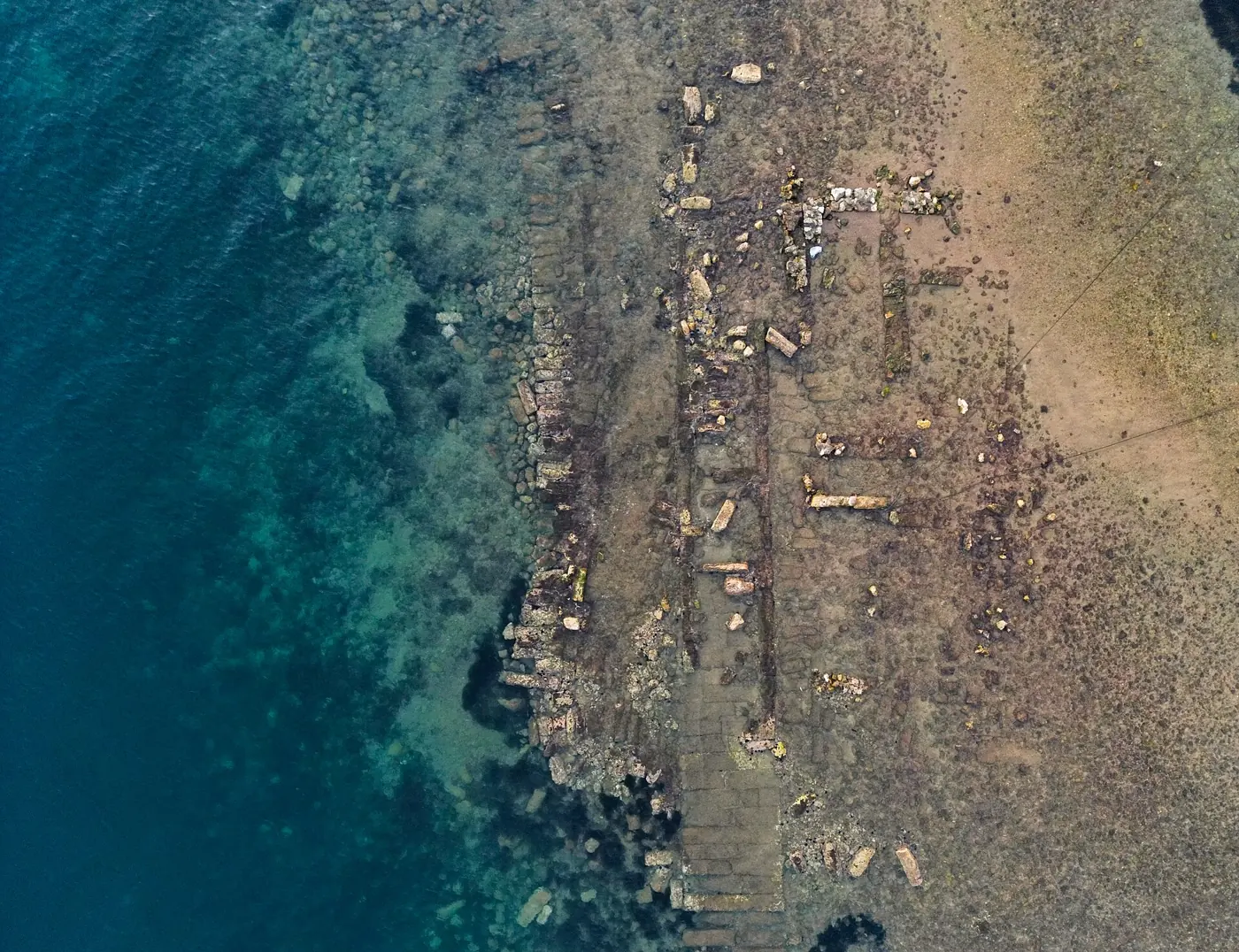
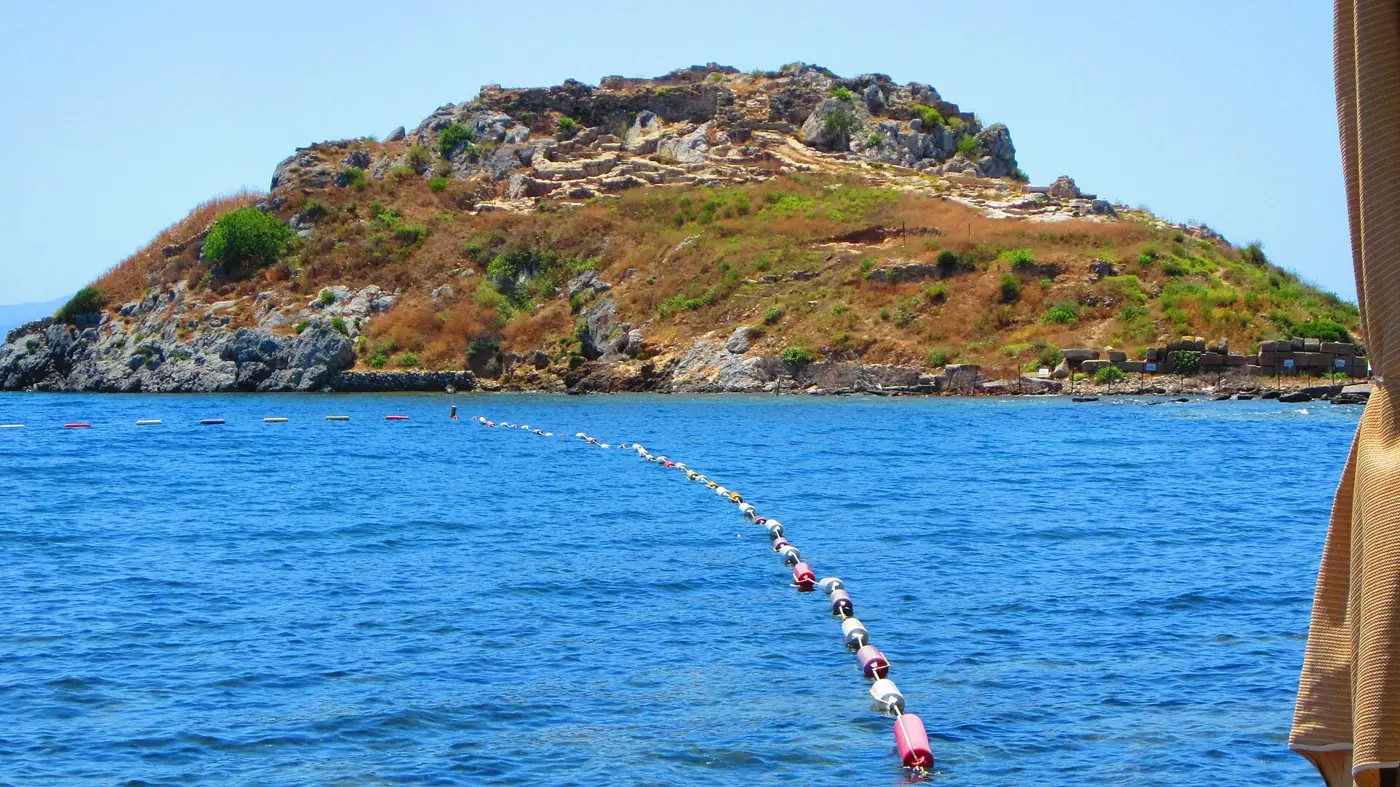
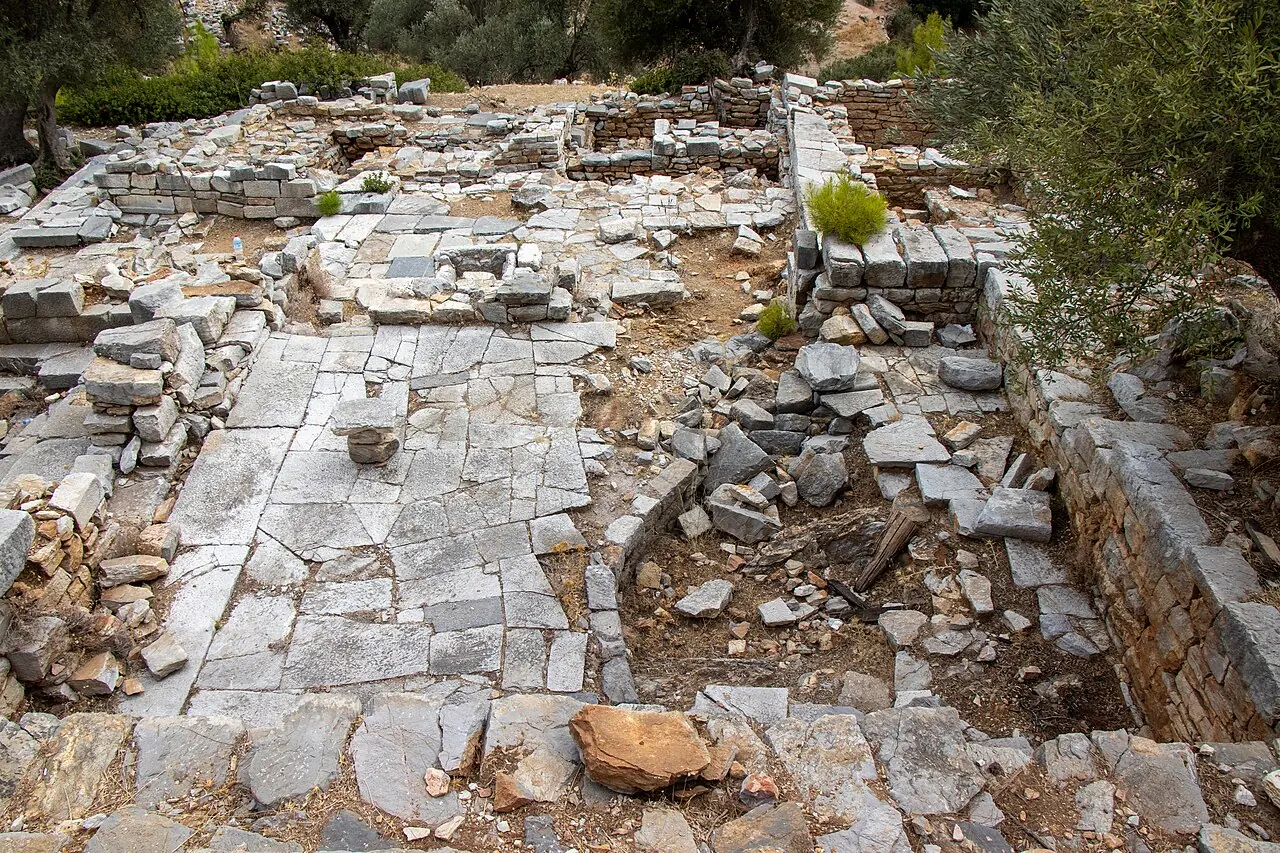
Yes. Myndos at Gumusluk is a Dorian colony site where the modern village sits on the old city, with walls visible on land and partly under the sea. Rabbit Island lies in the same bay and is part of the Myndos landscape. Pedasa is an ancient Carian site on the peninsula, listed as a ruin on the Carian Trail.
These sites suit a half day by car. Moreover, they let you combine history with a sea view and a village meal. Check access and conditions before you go, especially for walking sites.
6 Myndos Antik Kenti
A Dorian colony site at Gumusluk with city walls, partly submerged. Pair it with a village sunset.
- Founded: Dorian colony of Troezen
- Modern site: Gümüşlük
Show map
7 Tavşan Adası
A small island in Gumusluk bay, part of the ancient Myndos landscape and a sunset viewpoint.
- Area: Gümüşlük bay, Bodrum Peninsula
- Link: Ancient Myndos
Show map
8 Pedasa Antik Kenti
An ancient Leleg-Carian site on the peninsula, mentioned as a Carian Trail ruin. Suitable for walkers; confirm access first.
- Type: Ancient Carian site
- Trail: Carian Trail
Show map
How did we choose these places?
We chose places from a registry of Bodrum sites that each have an official or reference source and a photo. We looked at the type of place, its location and the details given by official or reference sources. TurkGT does not accept payment for placement. However, opening hours, prices and visitor opinions change, so please check the place’s page or Google Maps through the card button before you go.
For this ruins guide we selected sites with a recorded ancient or historic link to Halicarnassus, Myndos or Caria, using reference sources such as Wikipedia and Wikimedia Commons.
How do the ancient sites compare?
The table compares each site by period, what remains and where it is. It helps you pick a route that matches your interest and energy.
Compare the ancient sites at a glance.
| Site | Period or origin | What remains | Area |
|---|---|---|---|
| Mausoleum | 353-351 BC | Foundations, fragments | Bodrum centre |
| Ancient theatre | 4th century BC | Restored theatre | Hillside above town |
| Myndos Gate | Ancient Halicarnassus | Gate remains | West of centre |
| Cisterns | Traditional water supply | Stone cisterns | Bodrum |
| Myndos | Dorian colony | Walls, partly submerged | Gumusluk |
| Pedasa | Leleg-Carian | Ancient ruins | Peninsula |
How do you get to the ancient sites?
The Mausoleum, theatre and Myndos Gate lie in or near Bodrum centre, so you can reach them by taxi or a short walk with some slopes. Gumusluk is a separate trip, and Pedasa needs a car or guided walk. Plan the order geographically to save time.
To understand the Mausoleum, imagine the monument at its height. Ancient sources describe a tall tomb with a stepped roof and sculpture, and the site was famous across the Mediterranean. Today the plan survives mainly in foundations, but archaeologists and guides use the remains to reconstruct the idea. Therefore, reading a short description before you arrive makes the stop much richer.
The wider ancient city of Halicarnassus also had walls, gates and a theatre. The Myndos Gate belongs to that defensive line, and the theatre belongs to the civic life of the city. In contrast, Myndos at Gumusluk was a separate settlement on the coast, which is why it feels like a different trip. Pedasa adds the Carian side of the story for walkers.
If you enjoy history, spend more time at the museum in the castle, because its shipwreck cargoes show the trade that made the region rich. Photographers should visit the theatre late in the day. However, always check access on the day, since archaeological sites can close for work.
This table gives rough access notes for each ruin.
| Site | How to reach | Note |
|---|---|---|
| Mausoleum | Walk or taxi | Central |
| Theatre | Walk uphill or taxi | Wear good shoes |
| Myndos Gate | Taxi or walk | West of centre |
| Myndos, Rabbit Island | Minibus, taxi or private car | Check wading conditions |
| Pedasa | Car or guided walk | Confirm access |
What tips make the ruins easier to enjoy?
Read about the monument before you go, because ruins reward knowledge. Visit early in summer, carry water and wear sturdy shoes. Photograph the theatre in late afternoon light.
However, do not rely on one source for hours. Official opening times and ticket rules change, so verify them on the site’s page or Google Maps. A guide can also stitch the Mausoleum, theatre, Myndos Gate and castle museum into one clear story.
Use these tips for a better visit:
- Read a summary of the Mausoleum before you arrive.
- Visit early in summer.
- Bring water and a hat.
- Wear sturdy shoes for the theatre slope.
- Confirm access for Pedasa and Rabbit Island conditions.
What does a one-day ancient Bodrum plan look like?
One day fits the Mausoleum, the theatre, the Myndos Gate and the castle museum. Add Myndos in the evening if you have a car.
This sample plan follows the ancient city in order.
| Time | Stop | Focus |
|---|---|---|
| Morning | Mausoleum site | Seven Wonders story |
| Late morning | Ancient theatre | Stone seats and view |
| Midday | Myndos Gate and lunch | Ancient gate remains |
| Afternoon | Castle museum | Shipwreck finds |
| Evening | Myndos at Gumusluk | Sunset by the bay |
Frequently asked questions
What remains of the Mausoleum today?
Foundations and fragments remain. The building itself no longer stands.
When was the Mausoleum built?
Between 353 and 351 BC for Mausolus and Artemisia II.
Who designed it?
Satyros of Paros and Pythius of Priene were the architects.
Is the ancient theatre in Bodrum used today?
The registry notes it was restored and hosts performances. Check events locally.
What is Myndos?
A Dorian colony site at Gumusluk where city walls are visible on land and partly under the sea.
Do I need a guide?
A guide is helpful at the Mausoleum, where little is standing. The theatre and gate are easier alone.
Are there ratings here?
No. We do not publish ratings. Use Google Maps for current visitor information.
Plan this with TurkGT
TurkGT can provide a licensed guide for the Mausoleum, theatre and Myndos, plus a private car with driver for Gumusluk and Pedasa. We can also book airport transfer and a hotel in Bodrum. Send your dates and group size by WhatsApp or the inquiry form, and we will reply with options.
Request a booking
Related guides
- Top Sights in Bodrum: A Practical Visitor Guide
- Bodrum Castle and the Underwater Archaeology Museum
- Ancient Theatre, Windmills and Bodrum’s Old Quarters
- Best Hotels in Bodrum: Top 10 Picks by Area and Style
- Top 10 Restaurants in Bodrum: Michelin-Listed Picks
- Best Beaches in Bodrum: Gumbet, Bitez, Bardakci and More
- Best Shopping in Bodrum: Malls, Marinas and Weekly Markets
Related destinations and attractions
Explore more city guides
Sources
Last reviewed: 2026-11-21.