
Cappadocia’s essential sights are the Göreme Open Air Museum, the underground cities of Kaymaklı and Derinkuyu, Zelve, Uçhisar Castle and the fairy chimney valleys. Ihlara and Soğanlı add depth for a longer stay. Plan three days, group sights by area, and start early.
Key facts
- Heritage status: Göreme National Park and the Rock Sites of Cappadocia, UNESCO 1985
- Core base towns: Göreme, Uçhisar, Ürgüp, Avanos
- Best first stop: Göreme Open Air Museum
- Underground cities: Kaymaklı and Derinkuyu, only some levels open
- Longer hike: Ihlara Valley, a roughly 14 km canyon
- Quieter option: Soğanlı Valley
- Ideal stay: 3 days for the main sights
- Tickets and hours: Check each site’s page or Google Maps
What are the must-see sights in Cappadocia?
The must-see list is the Göreme Open Air Museum, one underground city, Zelve, a castle viewpoint and one or two valleys. Together they show Byzantine art, volcanic landscape and village life. Most sit within 30 minutes of Göreme, so a base there works well.
We list a dozen sights below, grouped by theme. However, you do not need all of them. Moreover, trying to see everything in two days usually leads to tired legs and rushed photos.
Cappadocia sits in Nevşehir Province in Central Anatolia, and its landscape came from volcanic ash that wind and water carved into chimneys and valleys. People then cut homes, churches and storerooms into the soft stone. Therefore, every sight combines geology with human history, and a good itinerary balances both.
The short list for a first visit:
- Göreme Open Air Museum for frescoed rock churches.
- Kaymaklı or Derinkuyu for an underground city.
- Zelve for an abandoned cave village.
- Uçhisar Castle for panoramas.
- Love Valley or Pigeon Valley for a short walk.
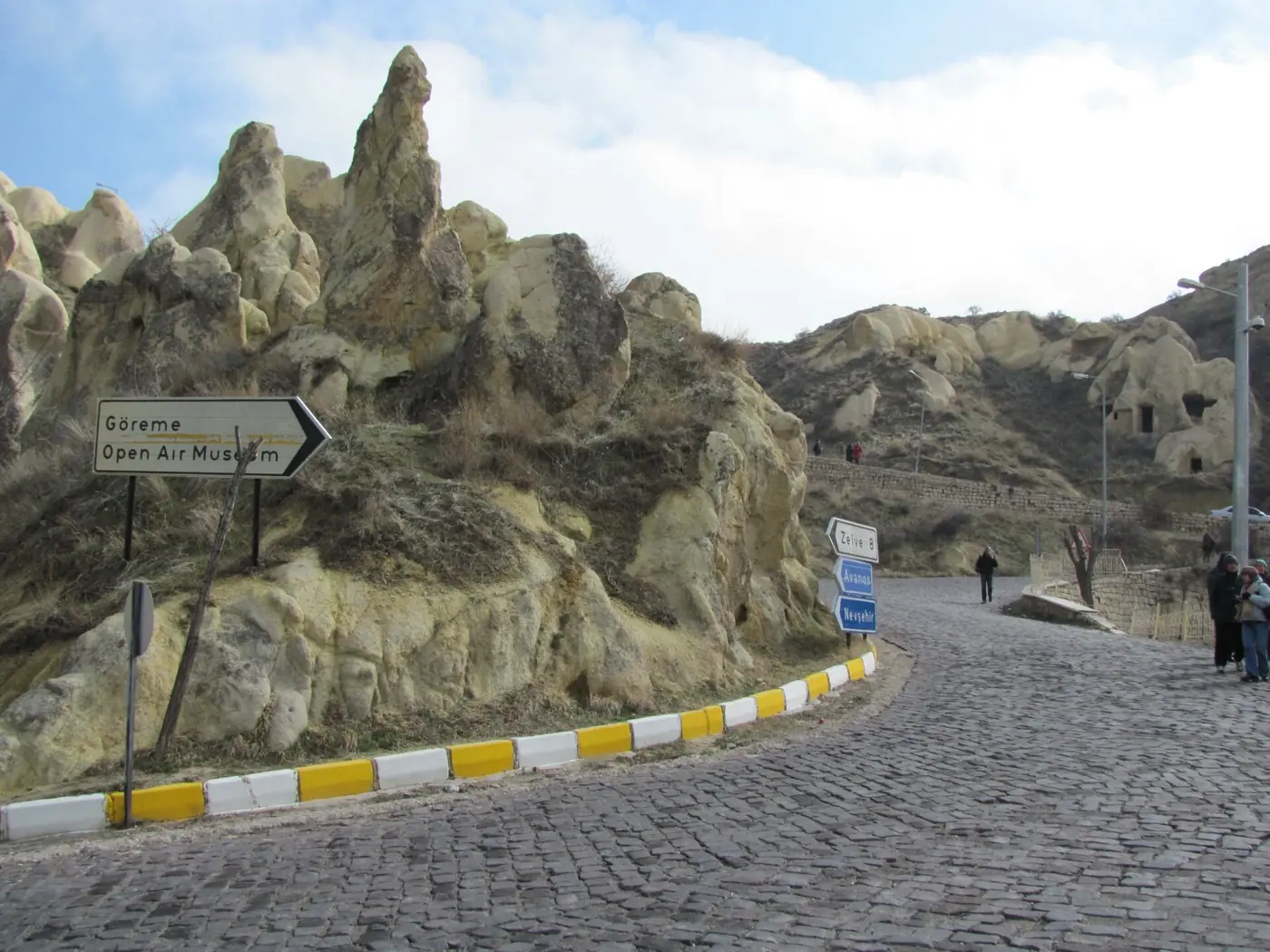
1 Göreme Açık Hava Müzesi
A monastic complex of rock-cut churches, chapels and refectories with Byzantine frescoes. It lies about 1 km from Göreme town and is part of the UNESCO-listed national park.
- UNESCO: 1985
- Location: About 1 km from Göreme
Show map
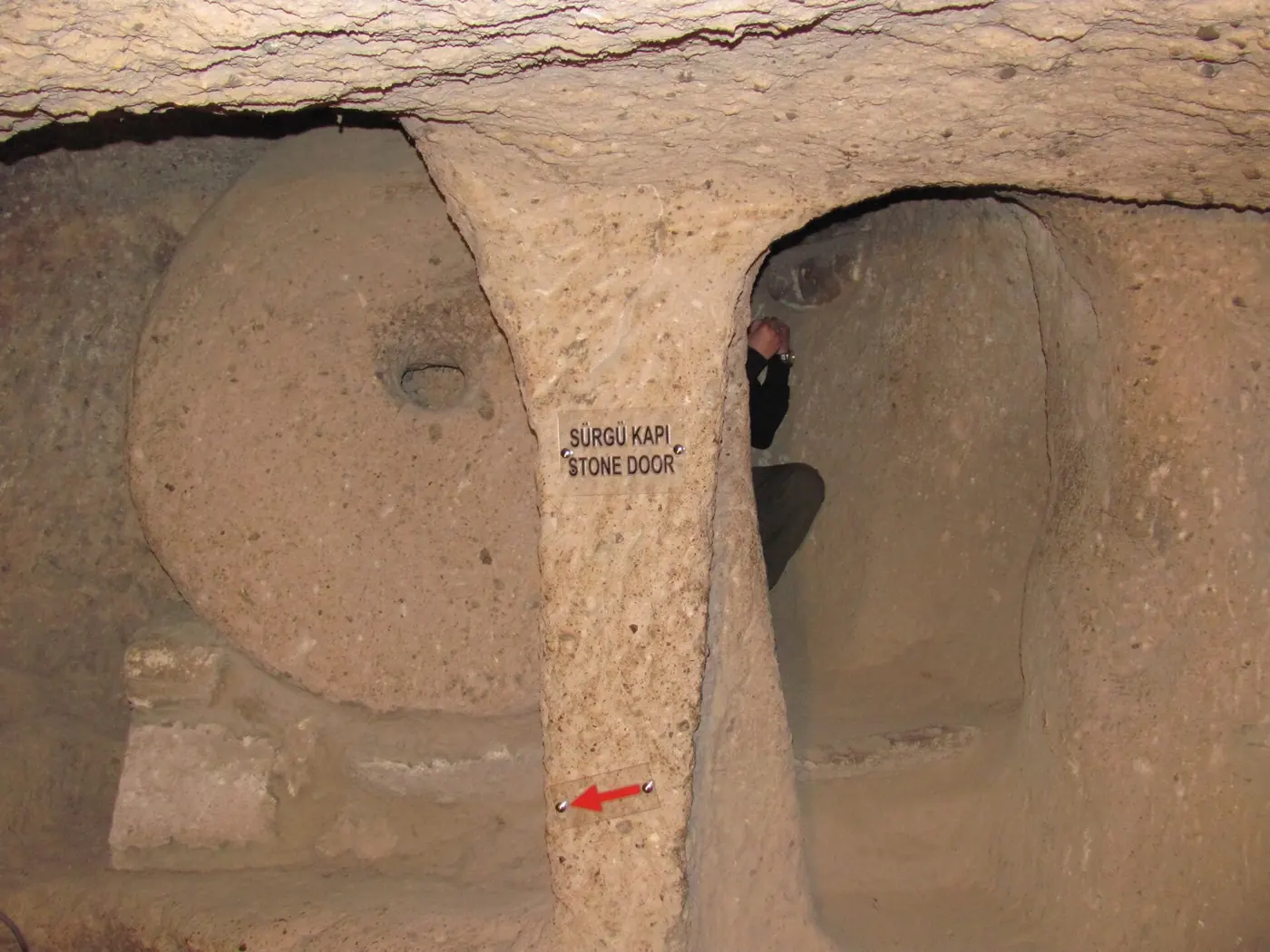
2 Kaymaklı Yeraltı Şehri
A multi-level underground city carved into volcanic tuff, with stables, kitchens, storerooms and rolling stone doors. Only some levels are open to visitors.
- Type: Underground city
- Road: Nevşehir to Niğde road
Show map
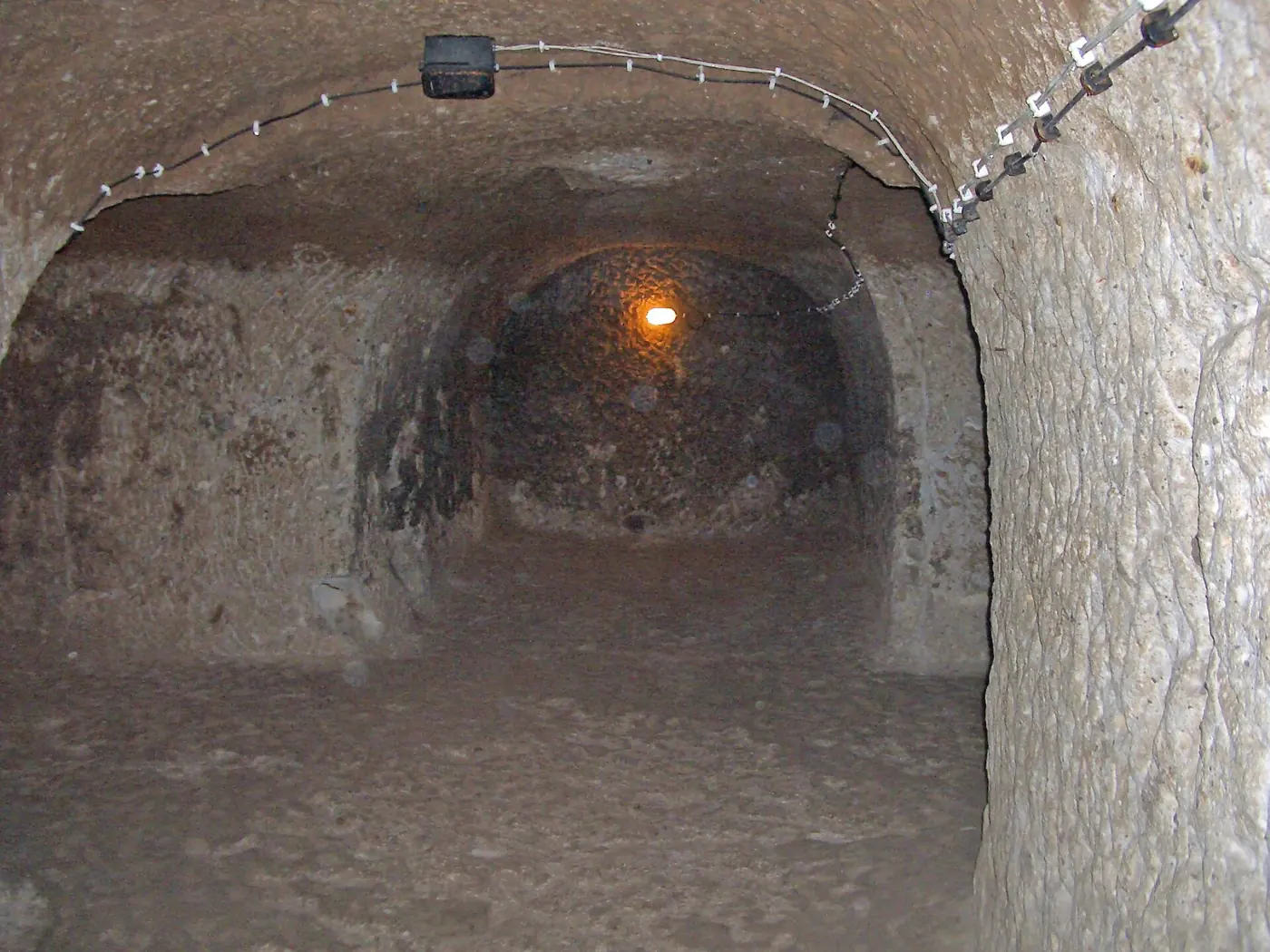
3 Derinkuyu Yeraltı Şehri
One of the deepest underground cities in Cappadocia, with ventilation shafts, a chapel and rolling stone doors. Only some levels are open.
- Location: Derinkuyu, Nevşehir Province
Show map
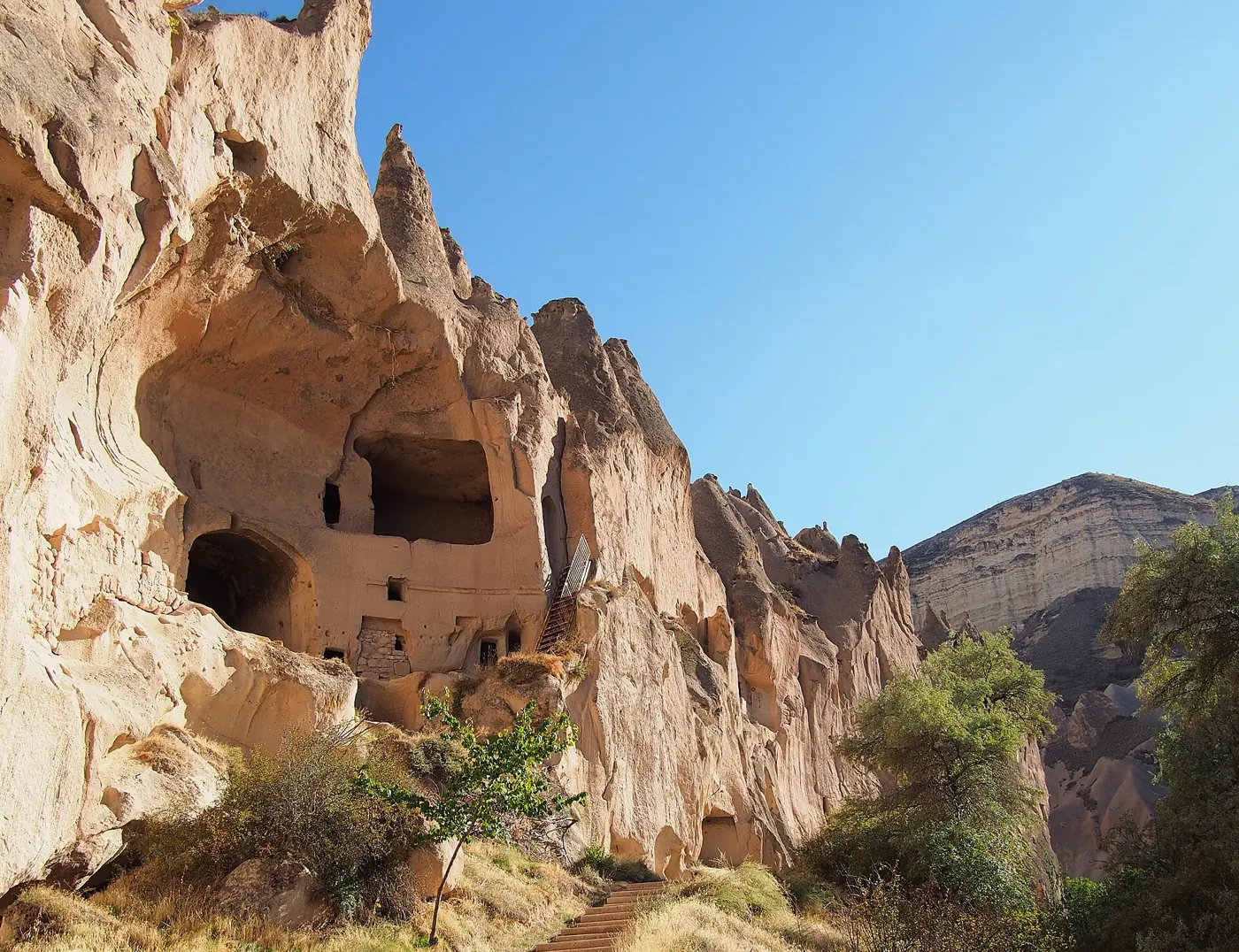
4 Zelve Açık Hava Müzesi
An abandoned cave village and monastic valley of three canyons with rock chapels, inhabited until the 1950s. It gives a clear picture of how people lived in the tuff.
- Type: Cave village and monastic valley
Show map
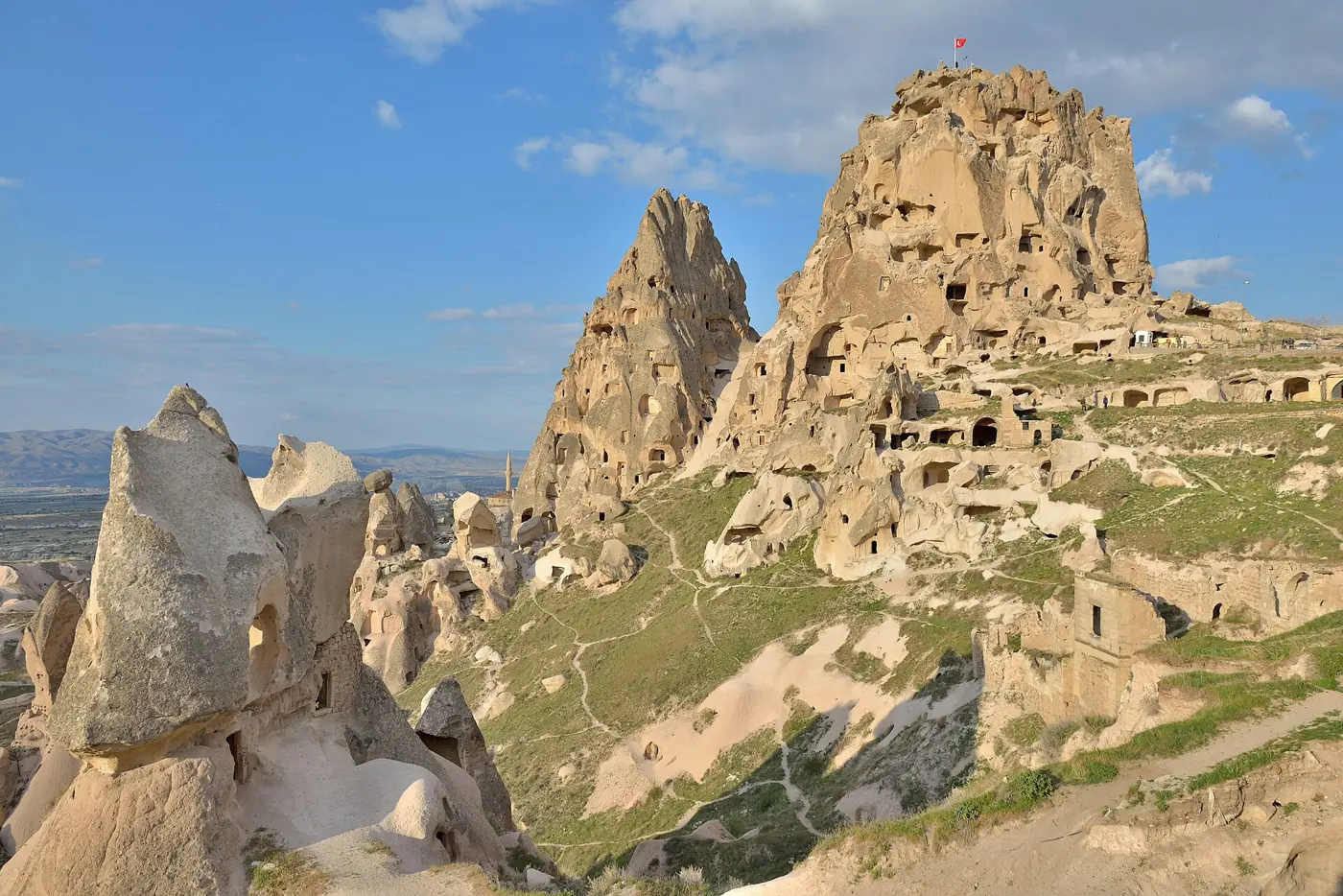
5 Uçhisar Kalesi
A huge natural rock pinnacle riddled with rooms and tunnels. It is the highest point in the area and a panoramic viewpoint over Göreme and Pigeon Valley.
- Type: Natural rock citadel
Show map
Which valleys and villages are worth your time?
Valleys give you the landscape that photographs promise. Rose Valley, Love Valley and Pigeon Valley are the most accessible from Göreme, while Paşabağ and Devrent offer the strangest chimney shapes. Pick one or two, not all of them.
Villages add culture. Çavuşin has a cliffside old village, and Avanos is the pottery town on the Kızılırmak river. Therefore a half-day can mix a short walk with a workshop visit.
Walking is the best way to feel the scale of the valleys. Trails are mostly short and well used, yet some paths cross loose gravel and steep steps. Moreover, shade is limited, so a hat and water matter more than most visitors expect, especially from late spring to early autumn.
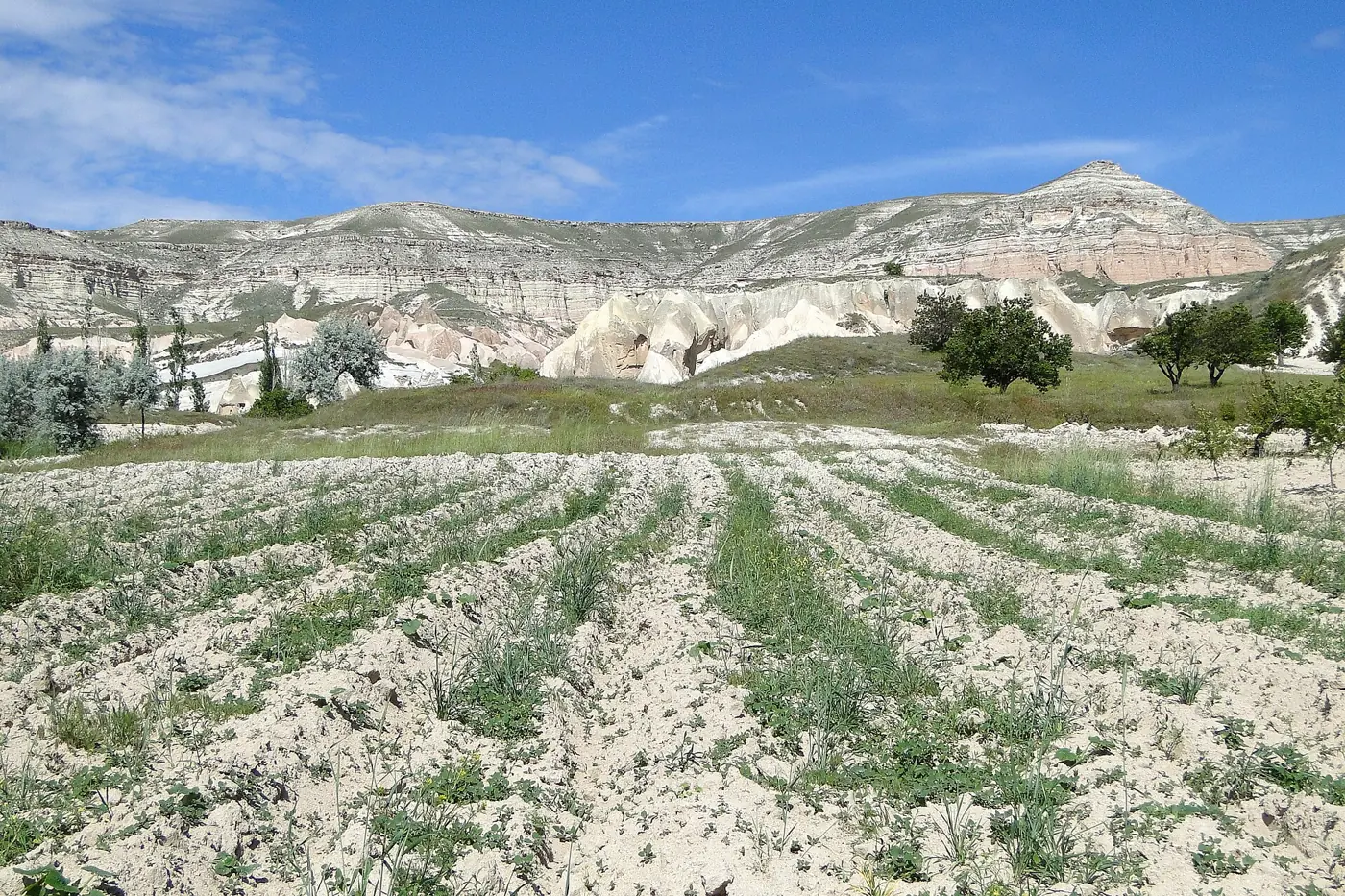
6 Güllüdere Vadisi
A pink-tinted rock valley between Göreme and Çavuşin with rock-cut churches along the Güllüdere trail. It is popular for hiking, horse riding and sunset.
- Known for: Pink rock, churches, sunset
Show map
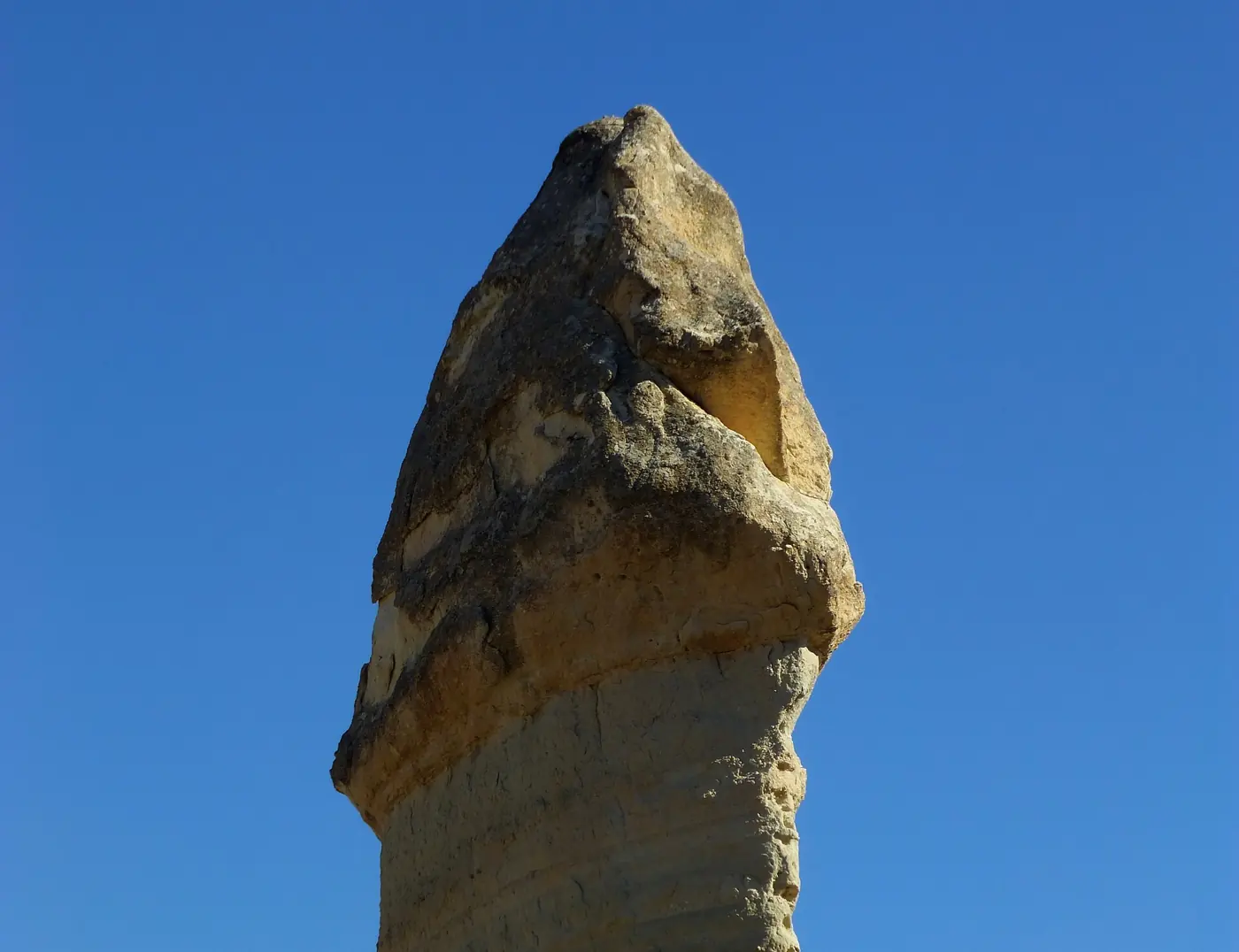
7 Aşk Vadisi
A valley near Göreme known for tall tuff pillars, also called Bağıldere. It is a short hike and a classic photo stop.
- Known for: Tall fairy chimneys
Show map
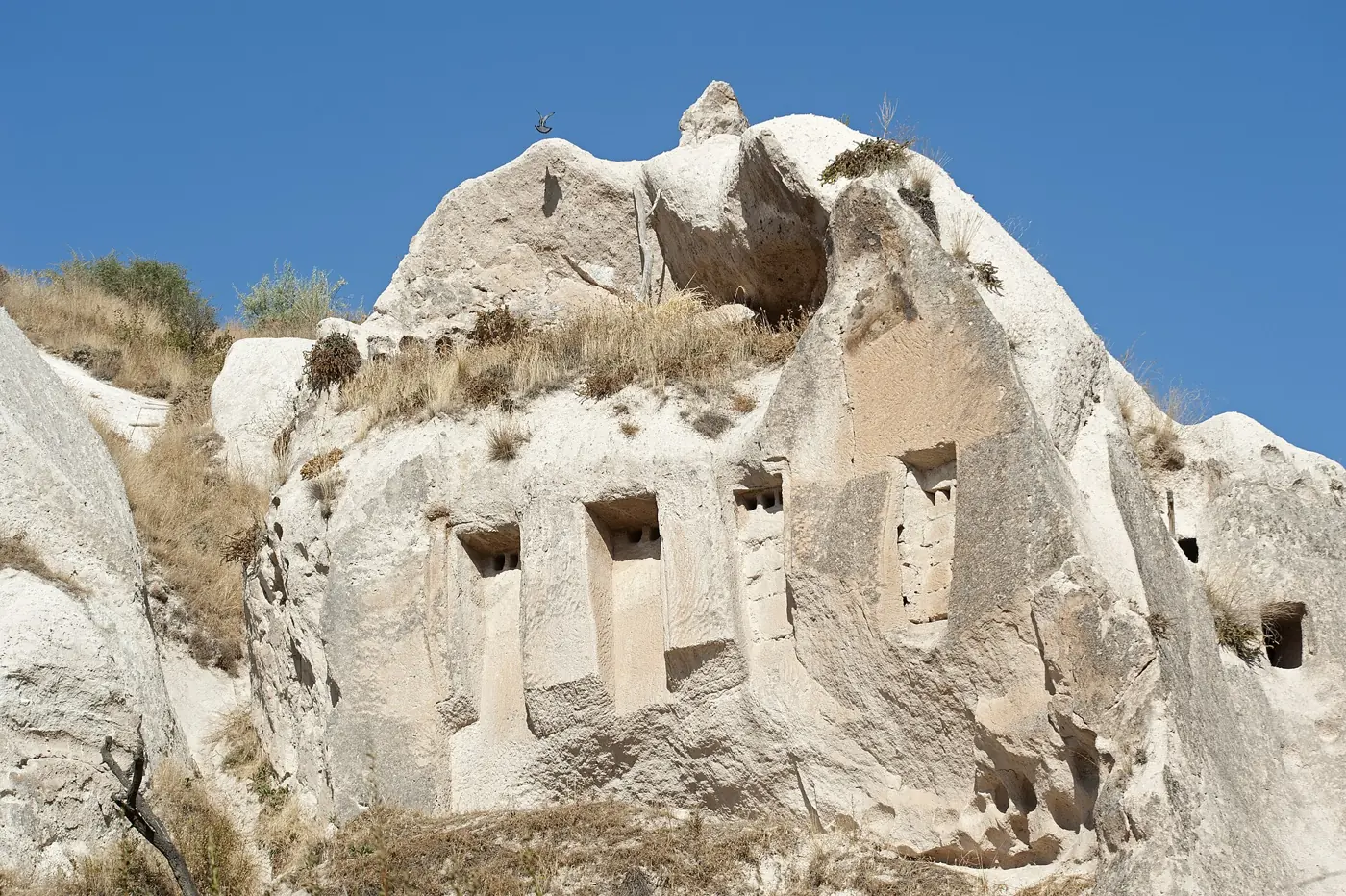
8 Güvercinlik Vadisi
A valley between Uçhisar and Göreme with hundreds of carved dovecotes in the tuff walls. It is a useful walking link between the two towns.
- Known for: Carved dovecotes
Show map
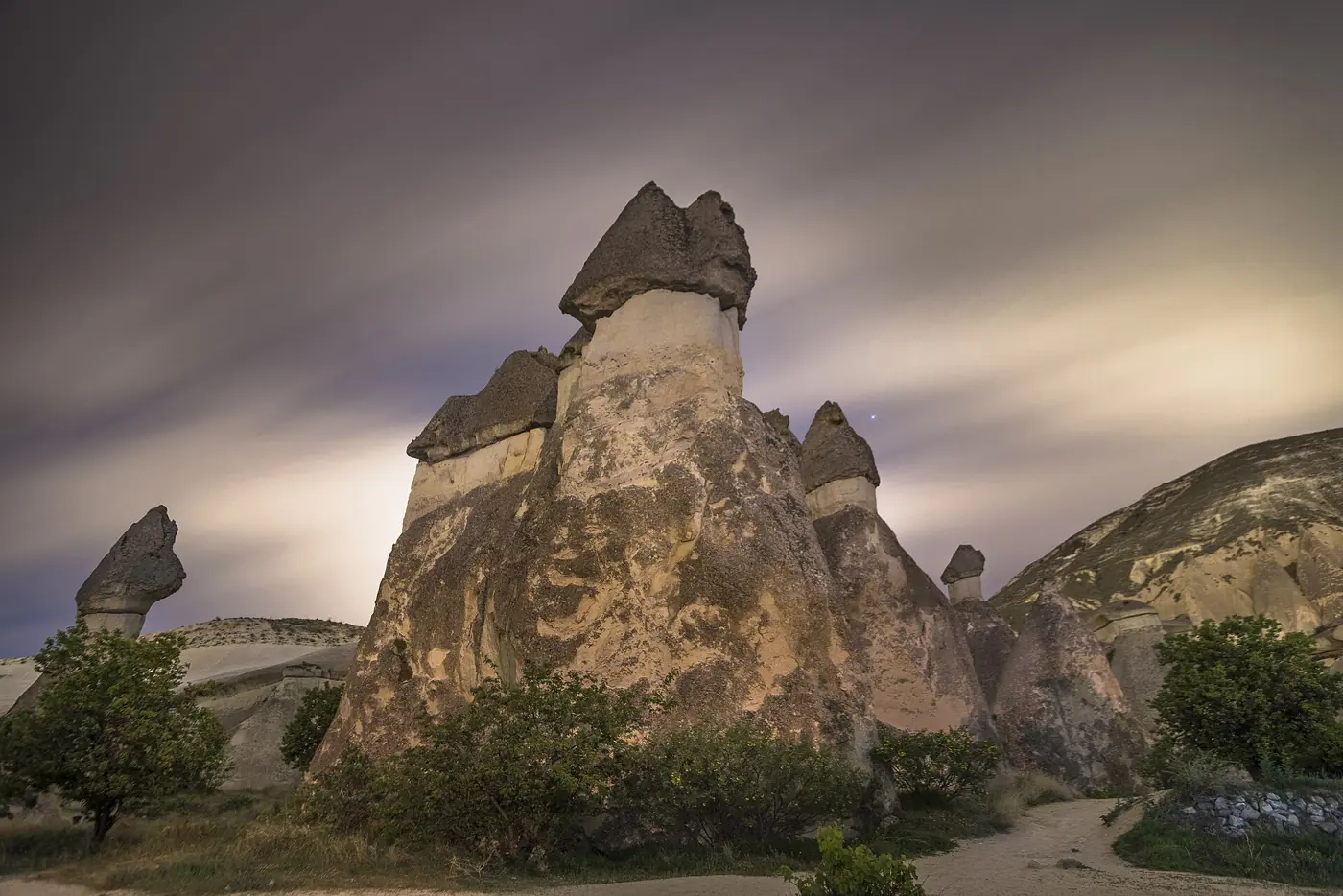
9 Paşabağ
A valley near Zelve with multi-headed mushroom fairy chimneys and a rock-cut hermit cell. It is part of the UNESCO-listed area.
- Known for: Mushroom chimneys
Show map
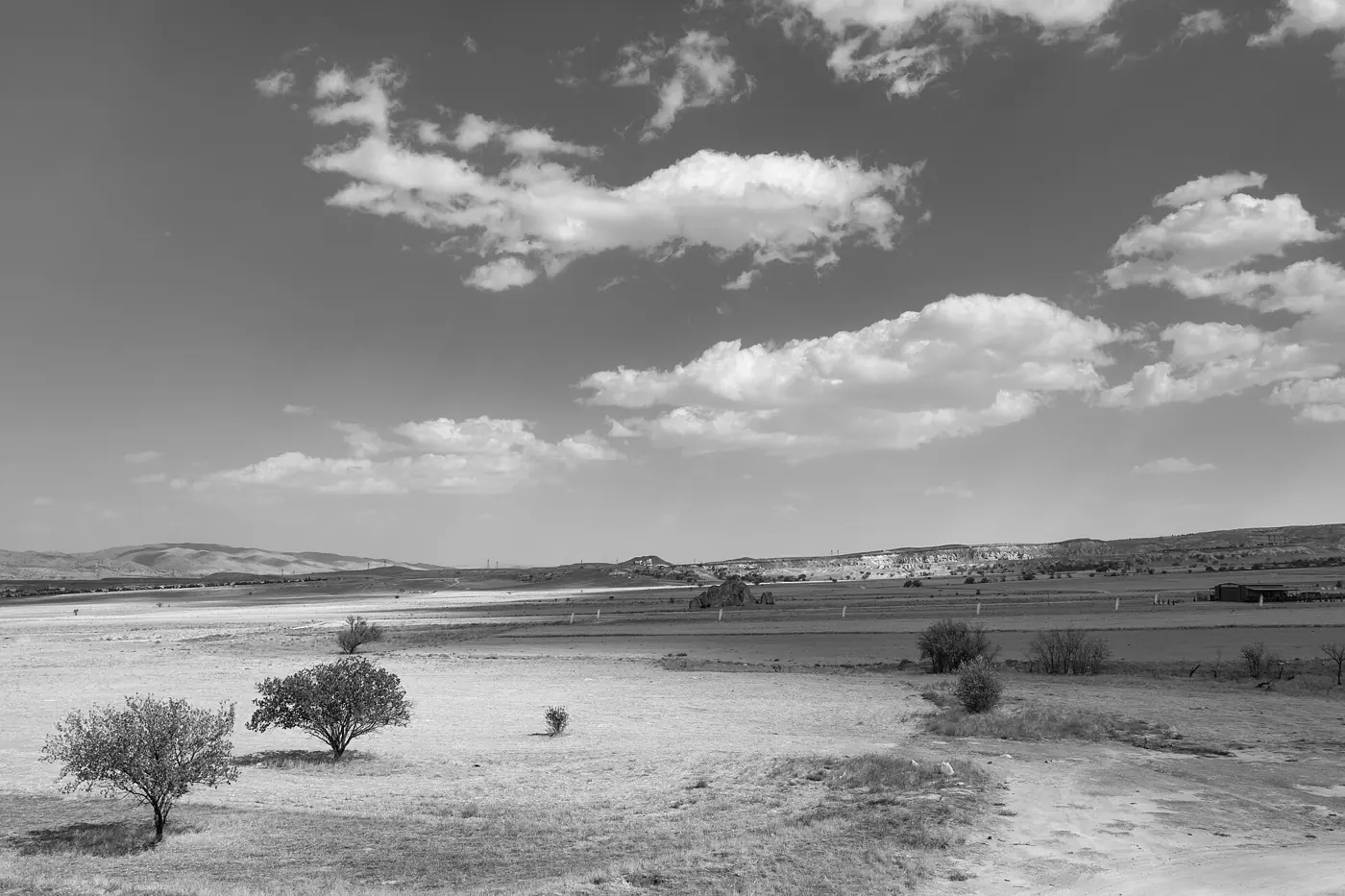
10 Çavuşin Eski Köy
An abandoned cliffside village at Çavuşin with the rock-cut Church of Saint John the Baptist. It is quiet and photogenic.
- Site: Church of Saint John the Baptist
Show map
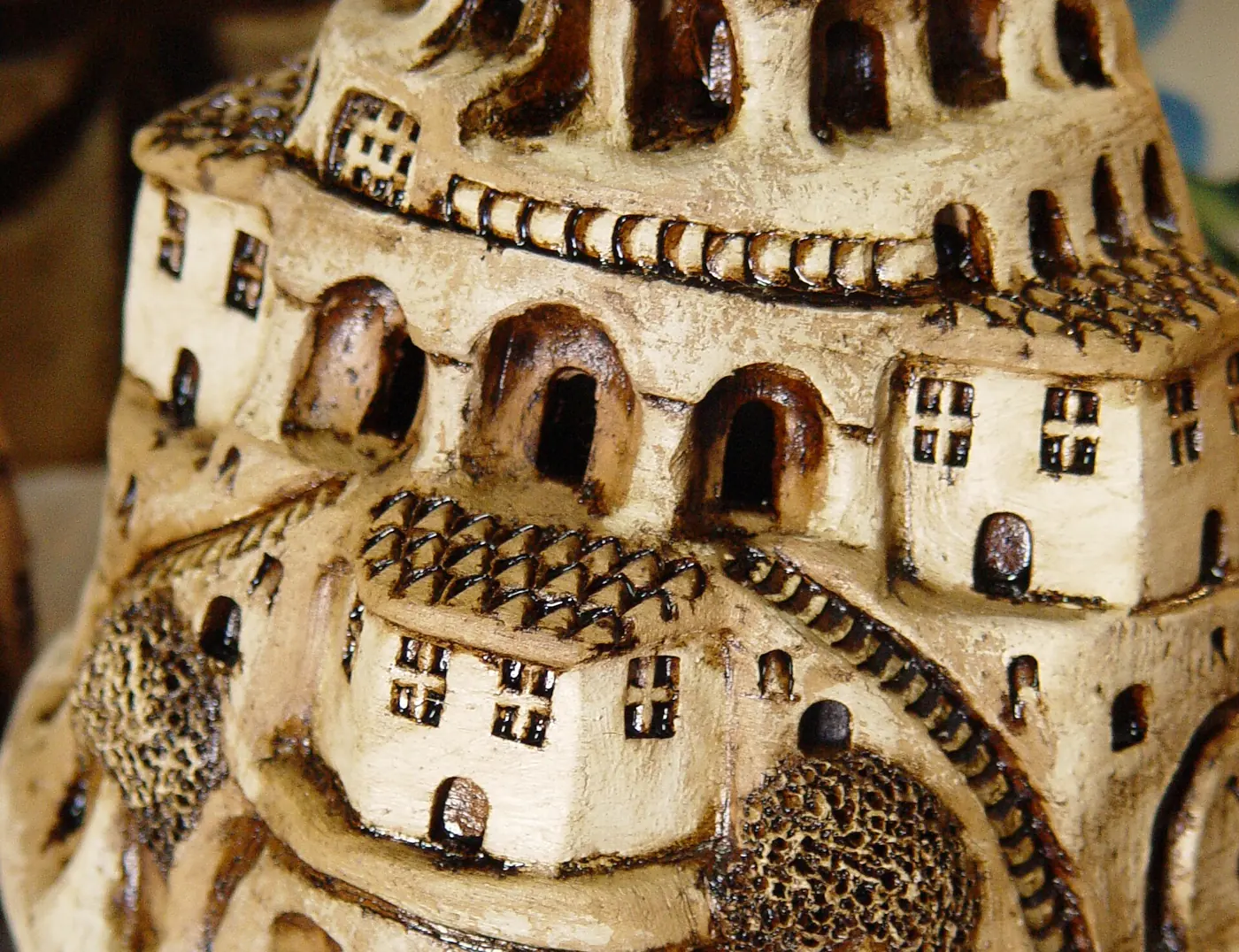
11 Avanos Çömlekçileri
Avanos on the Kızılırmak river is famous for its red-clay pottery and workshops. It makes a good souvenir and craft stop.
- Known for: Red-clay pottery
Show map
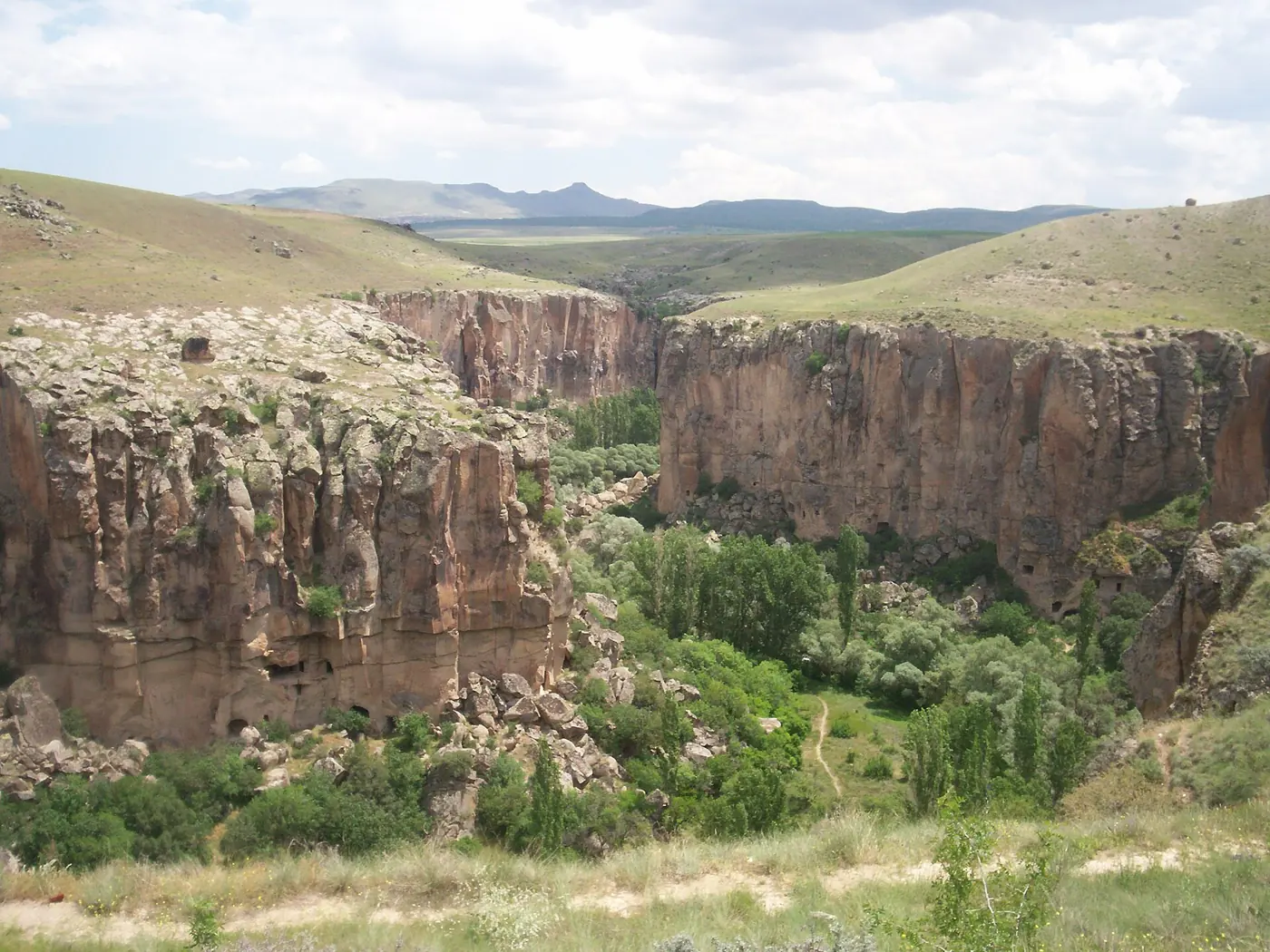
12 Ihlara Vadisi
A roughly 14 km canyon along the Melendiz River with many rock-cut Byzantine churches. It suits a day trip with a long walk in nature.
- Length: About 14 km
- River: Melendiz
Show map
How did we choose these sights?
We chose sights using official classifications, location and details from public sources. UNESCO listing, museum status and published descriptions guided us. TurkGT does not accept payment for placement, and every sight here is a real place you can find on a map.
Visitor scores and crowd levels change quickly. Therefore, use the Google Maps button on each card to read current comments, opening hours and any closures.
Before you commit to a route, read each card and ask a simple question: what do I want to feel here? Awe at carved churches, curiosity underground, or quiet on a trail all need different energy. Therefore, a mixed day usually works better than three similar stops in a row.
Moreover, keep a loose margin of one hour in your schedule. Queues, photo stops and a slow lunch can easily consume it, and rushing damages the experience more than skipping a minor sight would.
Our criteria:
- Heritage value, such as UNESCO listing or museum status.
- Distance from the main base towns.
- Variety, so the list mixes art, nature and craft.
- Clear public information from official or encyclopedia sources.
How do the main sights compare?
Sights differ in time, effort and best season. Churches and museums suit any weather. Valleys suit spring and autumn, because summer midday heat is strong. The table helps you balance a day.
Moreover, pair one indoor sight with one outdoor sight each day. This keeps energy up and photos varied.
Seasons change the experience. Spring and autumn offer mild walking weather and softer light for photographs. Summer brings long days but strong heat at midday, while winter can bring snow and quiet roads. In contrast to the high season, a winter visit means fewer people, though some paths may be wet or icy.
Budget your effort as well as your time. Stairs at Uçhisar, narrow tunnels at the underground cities and uneven paths in the valleys each tire different muscles. In addition, children and older travellers may prefer shorter walks and longer breaks, which is perfectly reasonable in this landscape.
Use this table to compare the sights by type and effort.
| Sight | Type | Effort | Suggested time |
|---|---|---|---|
| Göreme Open Air Museum | Frescoed churches | Easy | 1.5 to 2 hours |
| Kaymaklı / Derinkuyu | Underground city | Medium, narrow passages | 1 to 1.5 hours each |
| Zelve | Cave village | Medium, paths | 1 to 2 hours |
| Uçhisar Castle | Viewpoint | Medium, stairs | 45 to 60 minutes |
| Love / Pigeon Valley | Walk | Easy to medium | 1.5 to 3 hours |
| Ihlara Valley | Canyon hike | Medium to long | Half to full day |
How do you get around between the sights?
A private car with a driver is the most efficient way to link sights. Public transport exists between towns, but it is slow for remote sites. Distances are short, yet sights lie in different directions from Göreme.
Therefore, group them: Göreme, Zelve, Çavuşin and Avanos in the north; Kaymaklı and Derinkuyu to the south; Ihlara further west.
Booking a driver for the first two days also saves energy for walking. Public buses connect the main towns, but they do not reach every trailhead. Therefore, many visitors combine a driver for distant sights with walking for the nearby valleys, which keeps the plan flexible and the cost reasonable.
A simple grouping by direction from Göreme.
| Direction | Sights | Day type |
|---|---|---|
| North and east | Zelve, Paşabağ, Çavuşin, Avanos | Half day |
| Nearby valleys | Love, Rose, Pigeon valleys | Half day on foot |
| South | Kaymaklı, Derinkuyu | Half day |
| West | Ihlara Valley | Full day |
What does a three-day plan look like?
Three days covers the main sights without rushing. Day one focuses on Göreme and the valleys, day two on the north and Avanos, and day three on the underground cities or Ihlara. Adjust for your pace and the weather.
In contrast, a two-day plan should drop Ihlara and choose only one underground city.
Keep one slot free for weather or fatigue. Cappadocia rewards slow travel, and a long coffee in a village square often becomes a highlight. Moreover, sunrise and sunset light changes the colour of the rock, so even a repeat visit to the same valley can feel new at a different hour.
Practical tips:
- Start early at popular sites to avoid crowds.
- Wear shoes with grip for rock paths.
- Carry water in summer.
- Check ticket rules and hours on each place’s page.
- Respect church rules on photography and dress.
Suggested three-day plan.
| Day | Morning | Afternoon |
|---|---|---|
| 1 | Göreme Open Air Museum | Love or Pigeon Valley, Uçhisar Castle at sunset |
| 2 | Zelve and Paşabağ | Çavuşin and Avanos pottery |
| 3 | Kaymaklı or Derinkuyu | Soğanlı or Ihlara, depending on energy |
Frequently asked questions
How many days do you need in Cappadocia?
Three days cover the main sights comfortably. Two days work if you skip Ihlara and pick one underground city.
What is the single best sight?
Most first-time visitors start with the Göreme Open Air Museum, because it shows the rock churches and sits close to town.
Are the underground cities fully open?
No. Only some levels of Kaymaklı and Derinkuyu are open to visitors. Passages are narrow.
Is Ihlara Valley worth the trip?
Yes, if you like walking. It is a roughly 14 km canyon with rock-cut churches, and it needs a half or full day.
Which valley is best for a short walk?
Love Valley and Pigeon Valley are short and close to Göreme and Uçhisar.
Do I need a guide?
Not required, but a licensed guide explains the frescoes and history, which many visitors value.
Where can I check opening hours?
Use each place’s official page or the Google Maps button on the card, because hours change.
Plan this with TurkGT
A private car with driver and a licensed guide let you cover these sights efficiently without parking or navigation stress. We can also arrange your airport transfer and hotel booking. Send your dates and group size by WhatsApp or the inquiry form, and we will reply with options.
Request a booking
Related guides
- Göreme Open Air Museum and Its Rock-Cut Churches
- Kaymaklı and Derinkuyu: Cappadocia’s Underground Cities
- Uçhisar and Ortahisar Rock Castles in Cappadocia
- Best Cave Hotels in Cappadocia: Top 10 Picks
- Best Restaurants in Cappadocia: Top 10 Picks
- Cappadocia Hot Air Balloon Flights: Booking and Tips
- Best Places to Shop in Cappadocia: Pottery, Carpets, Wine
Related destinations and attractions
- Göreme National Park and the Rock Sites of Cappadocia
- Göreme Open Air Museum
- Nevşehir
- Göreme
- Central Anatolia Region, Türkiye: Ankara, Cappadocia and Konya
Explore more city guides
Sources
- Wikipedia: Göreme Open Air Museum
- Wikipedia: Kaymaklı Underground City
- Wikipedia: Derinkuyu underground city
- Wikipedia: Uçhisar
- Wikipedia: Çavuşin
Last reviewed: 2026-11-21.