
Çanakkale is a province in north-western Türkiye that spans Europe and Asia across the Dardanelles strait. It holds the archaeological site of Troy and the Gallipoli campaign landscape. Visit for ancient history, memorials, island ferries and local food.
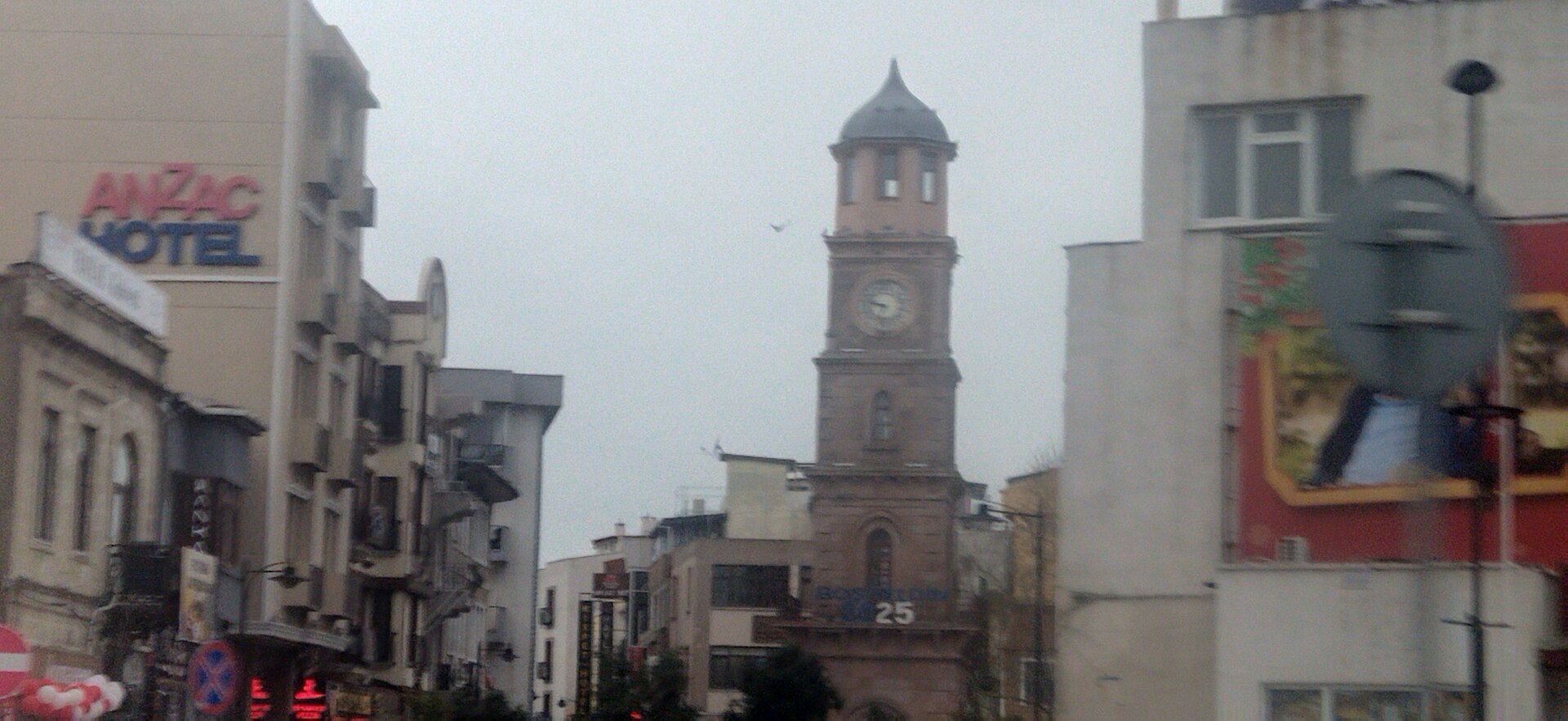
Key facts
- Location: North-western Türkiye, on the Dardanelles
- Continents: Europe (Gallipoli) and Asia (Troad)
- Nearest major gateway: Istanbul airports, then road transfer; check current timetable
- Area / population: 9,817 km2; 559,383 (2022)
- Best season: Spring and autumn; summer for coast and islands
- Typical visit time: 2-3 days
- Key sites: Troy, Troy Museum, Gallipoli memorials
- UNESCO status: Troy is a World Heritage site
- Entrance: See official page of each site
What is Çanakkale and why visit it?
Çanakkale is a province and port city in north-western Türkiye on the Dardanelles strait. It spans Europe and Asia, holds the archaeological site of Troy, and preserves the Gallipoli battlefields. Visitors come for ancient history, First World War memorials, island ferries and Aegean-facing coastal towns.
The province covers 9,817 square kilometres and had 559,383 residents in 2022. Moreover, it has 12 districts, so a trip here usually combines a city base with day outings. The central district, also called Merkez, sits on the Asian shore at the strait’s narrow point.
In contrast to many Turkish destinations, Çanakkale offers three layers of heritage at once. Ancient Troy belongs to the Bronze Age world of the Troad. The Gallipoli peninsula holds twentieth-century memorials. The city itself keeps an Ottoman fortress and a lively waterfront.
Visitors typically choose Çanakkale for these reasons.
- Archaeology: the Troy site near the village of Tevfikiye, plus the Troy Museum in our encyclopedia.
- War history: the Gallipoli peninsula on the European side of the strait.
- Strait views: ferries, Kilitbahir and the Çimenlik fortress area.
- Food and drink: Ezine cheese and the Gelibolu-Saros wine region.
- Islands: seasonal ferry links to Gökçeada, according to Wikipedia.
What is the history of Çanakkale?
Çanakkale’s history runs from about 3,000 years of recorded civilizations to the Ottoman fortress Kala-i Sultaniye of 1462-63 and the Gallipoli campaign of 1915-16. The strait made the area strategic, so empires fortified it repeatedly. Therefore the province is both an ancient and a modern memory landscape.
Wikipedia notes that the province has hosted many civilizations for about 3,000 years. Troy, near Tevfikiye, is the best-known ancient site. The Troad, the historic region on the Asian side, matches much of the province today.
Sultan Mehmed II had Kala-i Sultaniye built on the Asian shore in 1462-63, and the city grew around it. The Culture Portal says the name Çanakkale is generally believed to derive from the potters (çanakçı) of that settlement.
The Gallipoli campaign, also called the Dardanelles campaign, ran from 19 February 1915 to 9 January 1916. An amphibious landing on the peninsula began in April 1915. As a result of the campaign, the Ottomans held the strait; Wikipedia gives approximately 250,000 casualties on each side. Çanakkale province itself came into existence when the sanjaks of Biga and Gelibolu were abolished.
The timeline below lists the dated points sourced above.
- About 3,000 years ago: earliest civilizations recorded in the province (Wikipedia).
- 1462-63: Kala-i Sultaniye built by Mehmed II.
- March 1915: Royal Navy fails to force the Dardanelles.
- April 1915: amphibious landing on Gallipoli begins.
- 9 January 1916: campaign ends.
What are the main things to see in Çanakkale?
The main sights are Troy, the Troy Museum, the Gallipoli peninsula memorials, the Çanakkale waterfront with Çimenlik and Kilitbahir, and Aynalı Bazaar. Most visitors need two days to cover the ancient and the military sites without rushing. Each stop suits a different interest, as the table shows.
Troy is the headline ancient site, and UNESCO lists it as a World Heritage property. The Troy Museum explains the finds in context, so many visitors go there first or last. On the European side, the Gallipoli Historical National Park and its cemeteries tell the 1915 story.
In the city, Aynalı Bazaar on Çarşı Street is described by Go Türkiye as one of the city’s symbols. The waterfront also displays the Trojan horse that appeared in the 2004 film Troy.
Use this checklist to shape your sightseeing.
- Archaeological site of Troy, near Tevfikiye.
- Troy Museum, for context and finds.
- Gallipoli peninsula memorials and cemeteries.
- Kilitbahir and Çimenlik fortress area on the strait.
- Aynalı Bazaar on Çarşı Street.
- Waterfront promenade and the film-prop horse.
This table summarises each highlight at a glance.
| Highlight | Side of the strait | Interest | Typical visit |
|---|---|---|---|
| Troy | Asian (Troad) | Archaeology, Homeric legend | Half day |
| Troy Museum | Asian | Finds and context | 1-2 hours |
| Gallipoli memorials | European (Thrace) | 1915 campaign history | Half to full day |
| Kilitbahir and Çimenlik | Both shores | Ottoman fortifications | 1-2 hours |
| Aynalı Bazaar | Asian (city) | Shopping, local snacks | 1 hour |
| Waterfront | Asian (city) | Views, cafés, horse prop | Evening stroll |
How do you get to Çanakkale and get around?
Çanakkale is reached by road from Istanbul and İzmir, as Wikipedia notes that intercity buses run to Bursa, Istanbul and İzmir. Regular ferries cross the strait to Kilitbahir. Therefore most visitors arrive by bus or private transfer, then use ferries and local transport. Always check the current timetable.
Çanakkale has no major international airport of its own in our sources, so most international visitors fly into Istanbul first. Our encyclopedia has pages on Istanbul Airport and Sabiha Gökçen Airport transfers for that first leg. Moreover, a private car or guided trip is the practical way to reach Troy and the Gallipoli sites, which lie some distance apart.
Within the city, the waterfront and bazaar are walkable. In summer, ferries also reach Gökçeada. As a result, many travellers base themselves in the city and take day trips.
Typical options are listed here; durations vary, so check the current timetable and traffic.
| Route | Mode | Notes |
|---|---|---|
| Istanbul to Çanakkale | Intercity bus or private transfer | Road trip around the Marmara coast; check current timetable |
| İzmir to Çanakkale | Intercity bus | Listed by Wikipedia as a bus route |
| Bursa to Çanakkale | Intercity bus | Listed by Wikipedia as a bus route |
| Çanakkale to Kilitbahir | Regular ferry | Short crossing; check current timetable |
| City to Troy | Car, taxi or guided trip | Site lies near Tevfikiye |
| Summer island link | Ferry to Gökçeada | Seasonal; check current timetable |
When is the best time to visit Çanakkale?
Spring and early autumn suit sightseeing in Çanakkale because the weather is mild. Wikipedia describes the city climate as hot, dry summers with cool, humid winters. Therefore summer suits the coast and islands, while the open sites of Troy and Gallipoli feel easier outside midday heat.
Commemorative events around the anniversary of the landings can draw large crowds, so book transport and rooms early if you plan to attend. The Culture Portal and local authorities publish official event details; check them before travelling.
In winter, the sites stay open but services thin out, and sea crossings can be affected by wind. Consequently, check ferry status on the day.
The table compares the seasons.
| Season | Weather | Crowds | Notes |
|---|---|---|---|
| Spring | Mild, some rain | Moderate | Good for Troy and Gallipoli; wildflowers on open ground |
| Summer | Hot and dry | High on the coast | Island ferries run; visit sites early |
| Autumn | Mild | Lower | Comfortable for walking tours |
| Winter | Cool and humid | Low | Wind may affect ferries; fewer services |
How long should you stay in Çanakkale?
Plan two days for the essentials: one for Troy and the museum, one for Gallipoli. A half day covers only the city and strait. Three days add an island or a wine-region drive. These plans assume a base in the city, so adjust them to your transport.
Short stays work if you travel from Istanbul by private transfer. However, rushing both the ancient and the war sites in one day leaves little time to read the memorials. In contrast, a longer stay lets you walk the waterfront and taste Ezine cheese, which Go Türkiye describes as the first cheese that comes to mind in the country.
Choose a plan from the table.
| Duration | Suggested plan | Best for |
|---|---|---|
| Half day | City waterfront, Aynalı Bazaar, Kilitbahir ferry | Passing through |
| 1 day | Troy and Troy Museum, or Gallipoli memorials | One main interest |
| 2-3 days | Troy, Gallipoli, city, plus island or wine region | History and food travellers |
What practical tips should you know?
Dress modestly for memorials, carry water and sun protection for open sites, and check official pages for tickets. We do not quote entrance fees here because they change; see the official page of each site. Photography is generally allowed outdoors, but respect cemeteries and signs.
The Troy and Gallipoli sites are largely outdoors with uneven ground, so wear sturdy shoes. Accessibility varies by site; ask the museum or national park office before arrival. Moreover, a guide helps decode the layered ruins at Troy, where several settlement levels overlap.
Keep these points in mind.
- Entrance: see the official page of each site; fees change.
- Dress: modest clothing at memorials and mosques.
- Weather: shade is limited at Troy and Gallipoli in summer.
- Etiquette: speak quietly in cemeteries.
- Safety: use the strait ferries only at official piers.
- Photography: avoid flash in museum galleries unless signs allow it.
Where should you stay and eat?
Most visitors stay in the city centre near the waterfront, which gives easy access to restaurants, ferries and the bazaar. Quieter choices exist along the Asian coast and on the Gallipoli peninsula. Local specialities include Ezine cheese and wines from the Gelibolu-Saros area.
The waterfront district suits short stays and evening walks. Coastal villages suit travellers with a car and a longer itinerary. Meanwhile, the area between the Gulf of Saros and Gelibolu is noted by Wikipedia for viticulture, so wine-minded travellers can plan a tasting drive with a driver.
The table compares areas for staying.
| Area | Suits | Notes |
|---|---|---|
| City centre waterfront | First-time visitors | Walkable to ferries and bazaar |
| Near Troy (Tevfikiye area) | Archaeology focus | Quiet, needs transport |
| Gallipoli peninsula | Battlefield visitors | Rural, limited services |
| Islands in summer | Beach stays | Seasonal ferry access |
What nearby places and day trips can you add?
From Çanakkale you can reach Troy, the Gallipoli peninsula, Gökçeada in summer, and Bursa by road. Istanbul lies at the other end of the Marmara route. These links make Çanakkale a useful stop between the Aegean and Marmara regions.
Troy and its museum are covered on their own pages. Bursa offers Ottoman monuments and works as a next stop. Istanbul, the usual arrival point, has its own guide, and Edirne is another Thracian city to pair with a Marmara route.
Related pages in our encyclopedia.
- Archaeological Site of Troy and Troy Museum.
- Bursa for Ottoman heritage.
- Istanbul as the main gateway.
- Airport transfer guides for Istanbul.
Plan this with TurkGT
TurkGT is an Istanbul-based travel company that arranges guided trips, private transfers, and guide or interpreter services for Çanakkale itineraries. Tell us your dates and interests, and we shape a Troy and Gallipoli plan. We confirm the details with you by WhatsApp.
Frequently asked questions
Where is Çanakkale?
It is a province in north-western Türkiye on the Dardanelles strait, spanning Europe and Asia.
Is Troy in Çanakkale?
Yes. The archaeological site of Troy is in the province, near the village of Tevfikiye.
How long is the Dardanelles?
The Ministry of Culture and Tourism portal gives its length as 68 km.
How narrow is the strait?
The narrowest point is 1,250 m, between Kilitbahir and Çimenlik Castle.
When was the Gallipoli campaign?
Wikipedia dates it from 19 February 1915 to 9 January 1916.
How many days do I need?
Two days cover Troy and Gallipoli; add a third for an island or wine drive.
Can I reach Çanakkale by bus?
Wikipedia notes intercity buses to Bursa, Istanbul and İzmir. Check the current timetable.
Do I need tickets for the sites?
Check the official page of each site for current entrance details and fees.
Related on TurkGT
- Places and guides in Çanakkale:
- Archaeological Site of Troy
- Troy Museum
Sources
- Çanakkale Province (Wikipedia)
- Çanakkale – Türkiye Kültür Portalı (Ministry of Culture and Tourism)
- Go Türkiye: Çanakkale
Last reviewed: 2026-11-17.