
Bursa is a province in north-western Anatolia on the Sea of Marmara coast, and its city was the first Ottoman capital from 1326 to 1365. Visit for the early Ottoman tombs and mosques, Uludağ’s forests and ski slopes, thermal baths and İskender kebab. It lies south of Istanbul and works as a day trip or a two-day stop.
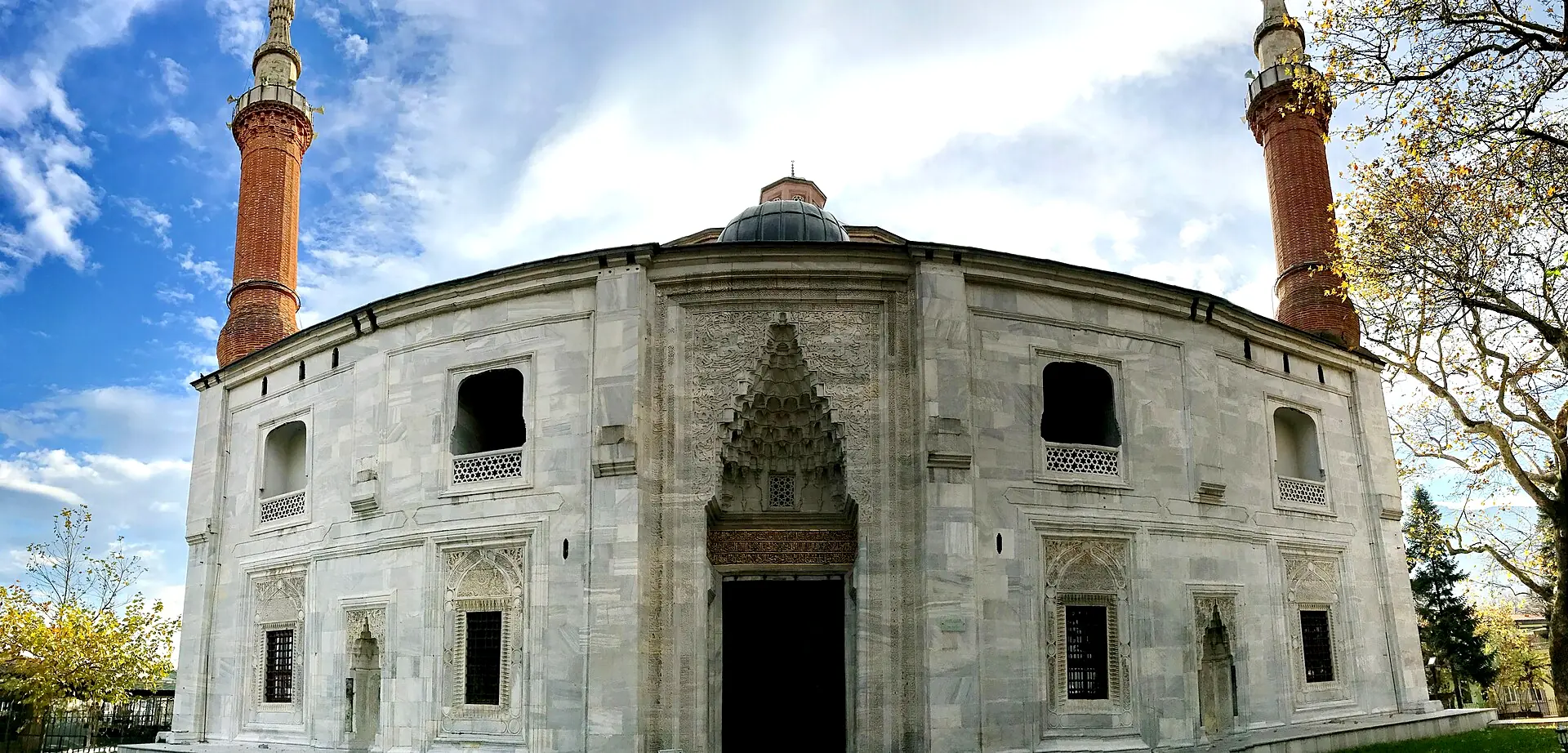
Key facts
- Location: North-western Anatolia, Sea of Marmara coast, south of Istanbul
- From Istanbul: About 2 h 10 min non-stop by coach from Istanbul Anadolu / Harem (Wikivoyage); check current timetable
- Airports: Sabiha Gökçen is the usual Asia-side option; check current onward options
- Population: 3,194,720 (2022)
- Highest point: Uludağ, 2,543 m
- Best season: Spring and autumn for the city; winter for Uludağ snow
- Typical visit time: 1 day for the old centre; 2-3 days with Uludağ and villages
- UNESCO: Bursa and Cumalıkızık World Heritage property
- Entrance: See official page
What is Bursa and why visit it?
Bursa is a province and metropolitan municipality in north-western Anatolia, on the Sea of Marmara coast. Its city was the first Ottoman capital, its tombs hold the first six sultans, and Uludağ rises above it. Visitors come for early Ottoman architecture, thermal baths, skiing and food.
The city sits south of Istanbul across the Marmara Sea. Therefore many travellers add Bursa as a day trip or an overnight stop on a longer route through the Marmara region. In contrast to Istanbul, Bursa feels calmer, greener and more compact, with mosques, covered markets and old inns within walking distance of each other.
The province is also larger than the city. It stretches from the Marmara shore through the Orhangazi and Mudanya coast to forested mountains. As a result, one trip can combine a mosque visit in the morning, a village lunch and a cable-car ride in the afternoon.
The main reasons to plan a visit fall into five groups.
- Early Ottoman heritage: the Grand Mosque (Ulu Camii), the Green Tomb (Yeşil Türbe) and the Koza Han silk market.
- Mountain scenery: Uludağ National Park, with forest walks in summer and snow sports in winter.
- Thermal culture: Bursa is known to Turkish visitors as a city of hot-spring baths.
- Food: İskender kebab, chestnut candy (kestane şekeri) and Marmara seafood.
- Villages and towns: Cumalıkızık, İznik and Mudanya, all within the province.
What is the history of Bursa?
Bursa was the capital of the Ottoman State from 1326 to 1365. Orhan took the city on 6 April 1326, and the capital then moved to Edirne. Bursa kept its status as a spiritual capital, and the tombs of the first six Ottoman sultans are here.
People lived in the area long before the Ottomans. Archaeological sources date the Bursa area back about 8,500 years, and around 30 prehistoric mounds (höyük) have been identified in the province. Moreover, the sites include Neolithic, Chalcolithic and Early Bronze Age settlements, which shows a very long human presence.
After Edirne and then Istanbul became the political centres, Bursa did not disappear from the story. In contrast, it stayed a place of pilgrimage, trade and religious scholarship. This explains why so many early Ottoman monuments, such as the Green Tomb, the Grand Mosque and Koza Han, survive in one area.
The table below places the key dates of Bursa in order.
| Period | Event | Why it matters for a visitor |
|---|---|---|
| About 8,500 years ago | Earliest settlement evidence in the Bursa area | Prehistoric mounds exist across the province |
| 6 April 1326 | Orhan takes the city | Start of Bursa’s role as Ottoman capital |
| 1326-1365 | Capital of the Ottoman State | Early Ottoman buildings date from this setting |
| After 1365 | Capital moves to Edirne, later Istanbul | Bursa remains the spiritual capital |
| 2022 | Province population 3,194,720 | One of the larger provinces of the Marmara region |
What should you see in Bursa? (highlights at a glance)
Start with the historic centre, where the Grand Mosque, Koza Han and the Green Tomb lie within the old city. Then add Cumalıkızık village and Uludağ. Most visitors need one full day for the city and a second day for the mountain and villages.
Bursa and Cumalıkızık appear on the UNESCO World Heritage List as one property, so heritage-minded travellers often build the day around them. Check the UNESCO page and the official museum pages for current details.
These highlights make a practical short list.
- Grand Mosque of Bursa: known for the calligraphic panels on its walls and columns.
- Green Tomb: an early Ottoman tomb in the historic area, linked with the first sultans’ monuments.
- Koza Han: the old silk inn and market in the city centre.
- Cumalıkızık: a historic village part of the UNESCO property Bursa and Cumalıkızık.
- Uludağ: forest and ski mountain reached by gondola, as GoTürkiye notes.
- Mudanya and the Marmara beaches: Kumla, Kurşunlu, Orhangazi, Mudanya, Manastir and Kapakli are listed on Wikipedia.
Use this table to compare the main stops at a glance.
| Stop | Type | Typical time on site | Best for |
|---|---|---|---|
| Grand Mosque (Ulu Camii) | Mosque | 30-60 minutes | Calligraphy and architecture |
| Green Tomb | Tomb and monument | 20-40 minutes | Early Ottoman history |
| Koza Han | Historic market inn | 30-60 minutes | Silk, shopping and tea |
| Cumalıkızık | Village | 1-2 hours | Old houses and village lunch |
| Uludağ | Mountain and national park | Half to full day | Snow, forest and views |
| Mudanya coast | Seaside district | 2-3 hours | Marmara views and seafood |
How do you get to Bursa and get around?
From Istanbul, the usual choices are a ferry plus road transfer, or a direct coach. Wikivoyage says Mudanya and Güzelyalı are 20 km north of Bursa, and that ferries to Güzelyalı take just under two hours. Always check current timetables before you travel.
Wikivoyage adds that Pamukkale coaches run from Istanbul Anadolu / Harem to Bursa, taking 2 hr 10 min non-stop. Therefore road travel is a strong option when traffic is light. However, timings vary with traffic and the ferry crossing, so keep a buffer on the day.
Inside the city, the main sights sit close together around the old centre. In contrast, Uludağ and Cumalıkızık need a bus, taxi, gondola or a private transfer.
The table lists typical routes and durations, using Wikivoyage figures where available.
| Route | Mode | Typical duration | Note |
|---|---|---|---|
| Istanbul Anadolu / Harem to Bursa | Coach | About 2 h 10 min non-stop (Wikivoyage) | Traffic may add time |
| Istanbul to Güzelyalı | Ferry | Just under 2 hours (Wikivoyage) | Then continue about 20 km by road |
| Sabiha Gökçen Airport | Air then road | Check current options | Wikivoyage notes many European and domestic flights |
| Bursa city to Uludağ | Gondola or road | Check current timetable | Gondola noted by GoTürkiye |
| Within the old centre | On foot | Short walks between sights | Wear flat, comfortable shoes |
When is the best time to visit Bursa?
Spring and autumn suit city sightseeing, while winter suits Uludağ. Wikivoyage warns that summers are hot and can be sticky, with occasional thundery downpours. Therefore plan outdoor walking early in the day in July and August, and check the forecast before any mountain trip.
As a result, the right month depends on your goal. Skiers need snow on Uludağ, while photographers prefer clear spring and autumn light.
This table compares the seasons for a typical visitor.
| Season | Weather (general) | Crowds | Notes |
|---|---|---|---|
| Spring | Mild, some rain | Moderate | Good for villages and city walks |
| Summer | Hot and sticky (Wikivoyage) | Moderate to busy at weekends | Start early; use the mountain for relief |
| Autumn | Cooler, changeable | Moderate | Good for mosque and market visits |
| Winter | Cold; snow on Uludağ | Busy at ski weekends | GoTürkiye calls Uludağ a snowy wonderland in winter |
How long should you stay in Bursa?
One full day covers the old centre. Two days allow Uludağ and Cumalıkızık. Three days add İznik and the Marmara coast. Choose the plan that matches your interest, and leave time for a long lunch, because food is part of the visit.
The plans below show realistic itineraries.
| Time | Suggested plan | Who it suits |
|---|---|---|
| Half day | Grand Mosque, Koza Han, Green Tomb | Day-trippers from Istanbul on a tight schedule |
| 1 day | Old centre plus lunch and one tomb or mosque more | First-time visitors |
| 2-3 days | Add Cumalıkızık, Uludağ and İznik or Mudanya | Culture and nature travellers |
What practical tips help in Bursa?
Dress modestly for mosques and tombs, carry a scarf if needed, and remove shoes at the entrance. For tickets and fees, always see the official museum or municipality page, because prices and hours change. Do not rely on old blog posts for opening times.
These tips apply to most visits.
- Dress code: cover shoulders and knees; women usually cover their hair in active mosques.
- Tickets: see official page (muze.gov.tr or the site’s own page) for current fees and hours.
- Accessibility: old streets and tomb steps can be uneven; ask about step-free access in advance.
- Photography: ask before photographing worshippers; some interiors restrict flash.
- Safety: standard city care applies; keep valuables in front pockets in crowded markets.
- Etiquette: lower your voice near tombs and during prayer times.
Where should you stay and eat in Bursa?
Stay near the historic centre for sightseeing, or in the Uludağ foothills for winter sports. For food, try İskender kebab and chestnut candy. Wikivoyage says you cannot visit Bursa and leave without trying the dish, and calls chestnut candies the most iconic sweets from the city.
Neighbourhood-level suggestions are listed below.
- Old centre (Ulu Camii and Koza Han area): walkable, best for first-time visitors.
- Mudanya waterfront: quieter, with Marmara sea views and seafood.
- Uludağ base: practical for skiing and hiking trips.
- Try İskender kebab, chestnut candy, and thermal bath visits for a local experience.
What are the nearby places and day trips from Bursa?
Nearby places include Cumalıkızık, İznik, Mudanya, Uludağ and Sapanca for a lake break. Each is a short regional hop. Combine two of them with the city for a full, varied day.
Related pages on this site:
- Cumalıkızık village
- İznik
- Mudanya
- Uludağ National Park
- Sapanca lake area
Plan this with TurkGT
TurkGT is an Istanbul-based travel company that offers guided trips, private transfers, and guide or interpreter services. Tell us your dates and group size, and we will confirm availability and the final price by WhatsApp. We do not publish invented prices here.
Frequently asked questions
Why is Bursa famous?
Bursa is famous as the first Ottoman capital from 1326 to 1365, and the tombs of the first six Ottoman sultans are here. It also has Uludağ, thermal baths and İskender kebab.
How far is Bursa from Istanbul?
Wikivoyage gives 2 hr 10 min non-stop by coach from Istanbul Anadolu / Harem, and just under two hours by ferry to Güzelyalı. Check current timetables.
Can I visit Bursa in one day from Istanbul?
Yes, the old centre works as a day trip. Start early, and keep Uludağ and Cumalıkızık for a second day.
Is Bursa a UNESCO site?
Bursa and Cumalıkızık is a UNESCO World Heritage property. See the official UNESCO page for details.
When did the Ottomans take Bursa?
Orhan took the city on 6 April 1326, according to the Ministry of Culture and Tourism’s Culture Portal.
What is the highest mountain in Bursa province?
Uludağ is the highest mountain in the province, at 2,543 metres, according to Wikipedia.
What should I eat in Bursa?
İskender kebab and chestnut candy are the classic choices named by Wikivoyage. Marmara seafood is also common near the coast.
How much are entrance fees?
Fees change, so see the official museum or municipality page before you go. We do not list prices here.
Related on TurkGT
- Places and guides in Bursa:
- Uludağ
- Cumalıkızık
- İznik
- Mudanya
- Bursa and Cumalıkızık
- Uludağ National Park
- Grand Mosque of Bursa
- Koza Han
- Green Tomb
Sources
- Bursa Province (Wikipedia)
- Bursa – Türkiye Kültür Portalı (Ministry of Culture and Tourism)
- Go Türkiye: Bursa
- Bursa – Wikivoyage
Last reviewed: 2026-11-17.