
Kırşehir is a province in central Türkiye with about 5,000 years of known history. It was the centre of the Ahilik craft brotherhood and home to the Cacabey Astronomy Madrasa. Visitors also come for underground cities, Lake Seyfe and the Japanese garden at Kaman.
Key facts
- Location: Central Türkiye, Central Anatolia Region
- Capital: Kırşehir
- Elevation: About 985 m on average
- From airports and cities: By road from Ankara; Lake Seyfe is 220 km from Ankara; check current timetables
- Districts: 7
- Main themes: Ahilik, Seljuk astronomy, underground cities, birds
- Best season: Spring and early autumn
- Typical visit time: 1 to 3 days
- UNESCO status: Ahi Evran tomb and Cacabey Madrasa are on Türkiye’s Tentative List (2014)
- Entrance: See official page of each site
What is Kırşehir and why visit?
Kırşehir is a province in central Türkiye, in the Central Anatolia Region. Visitors come for the Ahi Evran complex, the Cacabey Astronomy Madrasa, underground cities, Lake Seyfe and a Japanese garden. Moreover, Kırşehir is a quiet stop between Ankara and Cappadocia.
The city has about 5,000 years of known history, according to the Culture Portal. It was a major cultural centre under the Anatolian Seljuks. Therefore the sights focus on Seljuk learning, craft guilds and early Turkish poetry, rather than on large Roman ruins.
What is the history of Kırşehir?
Kırşehir has been a settlement for about 5,000 years and changed names with each ruler. It was Akua Saravena under the Hittites, Katpatukya under the Persians, Makissos in the Roman period, Justinianapolis in the Byzantine period and Gülşehri under the Anatolian Seljuks. The Culture Portal credits the Seljuks with its revival.
After the Battle of Kösedağ in 1243, the Mongols dominated Anatolia, and the governor Cacaoğlu Nureddin kept Kırşehir prosperous through peaceful policy. Later it passed between principalities and came fully under Ottoman rule in the time of Murad II. Furthermore, the province was created in 1924, dissolved in 1954 and re-established in 1957.
Main points of the story:
- Hittite period: the city was called Akua Saravena, meaning Water City.
- 13th century: Ahilik, the craft and trade brotherhood, emerged in Anatolia.
- 1243: the Battle of Kösedağ brought Mongol influence.
- 1272: the Cacabey Astronomy Madrasa was built.
- 1924, 1954, 1957: province created, dissolved and re-established.
What are the main sights to see in Kırşehir?
The main sights are the Ahi Evran Social Complex, the Cacabey Astronomy Madrasa and the Kaman Kalehöyük museum with its Japanese garden. In addition, nature lovers can visit Lake Seyfe and Hirfanlı Dam Lake. Most sights are within a short drive of the city centre.
Highlights from the official Go Türkiye guide:
- Ahi Evran Social Complex: tomb and zawiyah linked to the Ahilik founder.
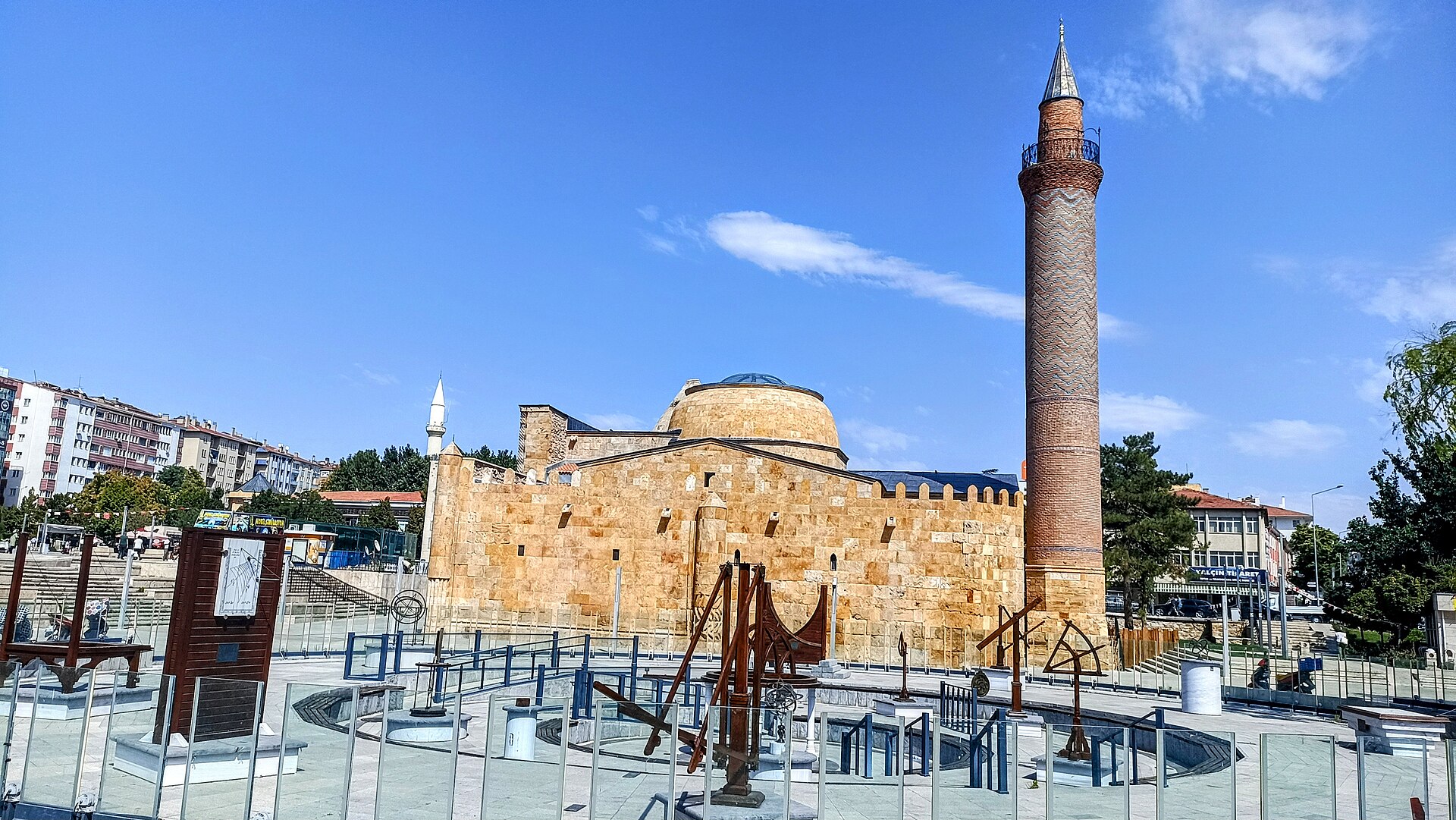
- Cacabey Astronomy Madrasa: built in 1272, with an observation tower.
- Kesikköprü and its caravanserai: a Seljuk bridge and inn.
- Ağalar Mansion: a Culture House with a restaurant.
- Mucur and Kepez underground cities.
- Lake Seyfe Bird Sanctuary and Hirfanlı Dam Lake.
At a glance: Kırşehir sights
| Sight | Type | Notes |
|---|---|---|
| Ahi Evran Social Complex | Tomb and complex | Spiritual centre of craft guilds |
| Cacabey Astronomy Madrasa | Seljuk madrasa | Built in 1272; now a mosque |
| Kaman Kalehöyük Museum | Archaeology museum | Mound-shaped building |
| Mikasanomiya Memorial Garden | Japanese garden | Built in 1993 at Kalehöyük |
| Mucur Underground City | Early Christian shelter | 7-8 m below ground |
| Lake Seyfe | Bird sanctuary | 186 species recorded |
How do you get to Kırşehir and get around?
Kırşehir is reached by road from Ankara, Kırıkkale, Yozgat, Nevşehir and Aksaray. Ankara airports and nearby Cappadocia airports are the usual gateways, and service varies by season. Check current bus, rail and flight timetables, because we do not list fares or times.
The Go Türkiye guide states that Lake Seyfe is 36 km from Kırşehir and 220 km from Ankara. Moreover, Kaman and Mucur are separate districts, so sights are not clustered. As a result, a car or private driver works best.
Typical ways to reach and tour Kırşehir
| Option | Notes | Check |
|---|---|---|
| Private car or transfer | Best for Kaman, Mucur and Lake Seyfe | Route and duration |
| Intercity bus | Links Kırşehir with Ankara and neighbours | Current timetable |
| Flight plus road | Fly to Ankara or a Cappadocia airport | Airline schedules |
| Local taxi | Useful in the city centre | Fare and availability |
| Guided day trip | Combine city sights and Lake Seyfe | Itinerary and pick-up |
When is the best time to visit Kırşehir?
Spring and early autumn suit sightseeing and birdwatching. Wikipedia gives an average elevation of about 985 metres, so winters can be cold and summers dry; check the forecast. Flamingos and other birds visit Lake Seyfe, so ask locally about the best bird season.
Seasons in Kırşehir, with general planning advice
| Season | Weather | Notes |
|---|---|---|
| Spring | Mild; fresh air at altitude | Good for sights and birds |
| Summer | Warm and dry | Lake activities at Hirfanlı; start early |
| Autumn | Cooler and clear | Comfortable for city and mound visits |
| Winter | Cold at 985 m elevation | Fewer visitors; check roads |
How long should you stay in Kırşehir?
A single day covers the city sights. Two days add Kaman and Lake Seyfe. A third day suits underground cities and relaxed time at Hirfanlı.
Suggested plans by time available
| Time | Plan | Focus |
|---|---|---|
| Half day | Ahi Evran complex, Cacabey Madrasa | Seljuk learning and Ahilik |
| 1 day | Add Ağalar Mansion and Kesikköprü | City and Seljuk bridge |
| 2 days | Add Kaman Kalehöyük museum and Japanese garden, Lake Seyfe | Archaeology and birds |
| 3 days | Add Mucur and Kepez underground cities, Hirfanlı | Underground cities and lake |
What practical tips help when visiting Kırşehir?
Dress modestly for the tomb and mosques, and check the official page of each museum or site for entry details and opening hours. We do not publish fees. In addition, bring binoculars to Lake Seyfe and a torch for underground sites.
Reminders for this province:
- Tombs and mosques: cover shoulders and knees, and remove shoes.
- Underground cities: low passages and steps; wear sturdy shoes.
- Birdwatching: keep distance from nesting areas.
- Photography: follow signs and ask before photographing worshippers.
- Distances: sights are spread between districts, so plan driving time.
Where to stay and eat in Kırşehir?
Most visitors stay in Kırşehir city, which has the widest choice and is close to the main monuments. We list no business names; check current availability. The Culture Portal names su böreği, içli saç böreği, ayran çorbası and kuru patlıcan yemeği among local dishes, and it lists onyx stone as a souvenir. The Ağalar Mansion has a restaurant next to it, according to Go Türkiye.
What are the nearby places and day trips from Kırşehir?
Kırşehir lies near Ankara, Kırıkkale, Yozgat, Nevşehir and Aksaray. A day trip can reach Cappadocia towns or the Ihlara Valley. Moreover, travellers on the Ankara to Cappadocia road can stop here for a half day.
Good add-ons:
- Aksaray and the Ihlara Valley.
- Nevşehir and Göreme.
- Kırıkkale, the next province north.
- Ankara, the capital.
- Yozgat, the neighbouring province.
Plan this with TurkGT
TurkGT is an Istanbul-based travel company. We can arrange guided trips, private transfers, a local guide or an interpreter for Kırşehir and routes to Cappadocia. Tell us your dates, and we will confirm the details with you by WhatsApp.
Frequently asked questions
Where is Kırşehir?
Kırşehir is a province in central Türkiye, part of the Central Anatolia Region, with the city of Kırşehir as its capital.
Was Kırşehir ever not a province?
Yes. Wikipedia says it was dissolved in 1954 and re-established on 1 July 1957.
What is Ahilik?
Ahilik is a craft and trade system that emerged in Anatolia in the 13th century; Kırşehir was its centre.
What is special about the Cacabey Madrasa?
It was built in 1272 and offered astronomy and mathematics; it has an observation tower and is now used as a mosque.
Is there a Japanese garden in Kırşehir?
Yes. The Mikasanomiya Memorial Garden at Kaman Kalehöyük was built in 1993 and is described as the largest of its kind outside Japan.
How many days do I need?
One day covers the city. Two or three days add Kaman, Lake Seyfe and underground cities.
When is the best time to visit?
Spring and early autumn are comfortable. Check the forecast; the elevation is about 985 m.
Do I need to pay to enter the sights?
Some sites have fees and set hours. Check the official page of each museum or site.
Sources
- Kırşehir Province – Wikipedia
- Kırşehir – Ministry of Culture and Tourism, Culture Portal (general information, Turkish)
- Top Things to See in Kırşehir – GoTürkiye
Last reviewed: 2026-11-18. Opening hours, ticket prices and other changeable details are not listed because they change; check the official source before you travel.