
Spring and autumn are the most comfortable seasons for walking Mardin’s Old City and visiting nearby sites. Summers are hot, so start early and rest at midday. Winters are cooler and quieter. Check forecasts before you travel.
Key facts
- Most comfortable: Spring and autumn
- Hot season: Summer; plan early mornings and evenings
- Quiet season: Winter; check weather for day trips
- Indoor options: Mardin Museum, madrasas, cafes
- Sunset views: Old City terraces facing the plain
- Always check: Forecast and opening hours
When is the best time to visit Mardin?
The best time to visit Mardin is spring or autumn, when walking uphill through the Old City is comfortable. Summer works with early starts and long breaks in shade. Winter suits travellers who prefer quiet streets and accept cooler, changeable weather.
We do not give exact temperatures here because they vary by year. Instead, we describe general patterns and suggest how to adapt your day. Therefore, check a current forecast a few days before you travel.
Moreover, holidays and school breaks can make hotels busier. Book early if your dates fall on a public holiday.
Mardin sits above a wide plain, so the light changes strongly through the day. Morning and late afternoon give soft colour on the stone, while midday light is harsh. Therefore, plan photography and long walks around those softer hours in every season.
A quick seasonal summary:
- Spring: pleasant for walking and day trips.
- Summer: hot; schedule outdoor sights early or late.
- Autumn: comfortable again for long days out.
- Winter: cooler, fewer visitors, flexible plans.
The table summarises each season and what it suits.
| Season | General feel | Best for | Tip |
|---|---|---|---|
| Spring (Mar-May) | Mild and fresh | Old City walks, Dara, Savur | Pack a light layer for evenings |
| Summer (Jun-Aug) | Hot | Early sunrise views, indoor stops | Start before the heat; drink water |
| Autumn (Sep-Nov) | Comfortable | Midyat and monasteries | Good light for photos |
| Winter (Dec-Feb) | Cooler, quieter | Cafes, museum, food | Check road conditions |
What is Mardin like month by month?
This month-by-month view is a planning aid, not a weather report. Conditions differ from year to year, so use it to choose a likely season and then confirm with a forecast.
In the shoulder months of March, April, May, September, October and November, the balance between daylight and comfort is usually good. In contrast, midsummer asks for careful timing. Mid-winter asks for flexible plans.
The table gives a planning view by month.
| Month | Planning note |
|---|---|
| January-February | Quiet season; combine museum and cafes with short outdoor walks |
| March | Spring begins; good for first visits |
| April-May | Comfortable days for the Old City and day trips |
| June | Warming up; shift sightseeing to mornings |
| July-August | Hottest period; early starts, shade, long lunch |
| September | Heat eases; good for longer excursions |
| October-November | Comfortable; popular for monasteries and Midyat |
| December | Cooler; pack layers and check forecasts |
Which sights suit which season?
In cooler months, open-air sites such as Dara and Savur are pleasant for long walks. In hot months, choose indoor stops like the museum, madrasas with shaded courtyards and cafes with terraces for evenings.
Mardin Castle is a skyline landmark, but its upper part is a military zone and generally closed to visitors. Therefore, enjoy the view from old-town terraces instead of planning a castle visit.
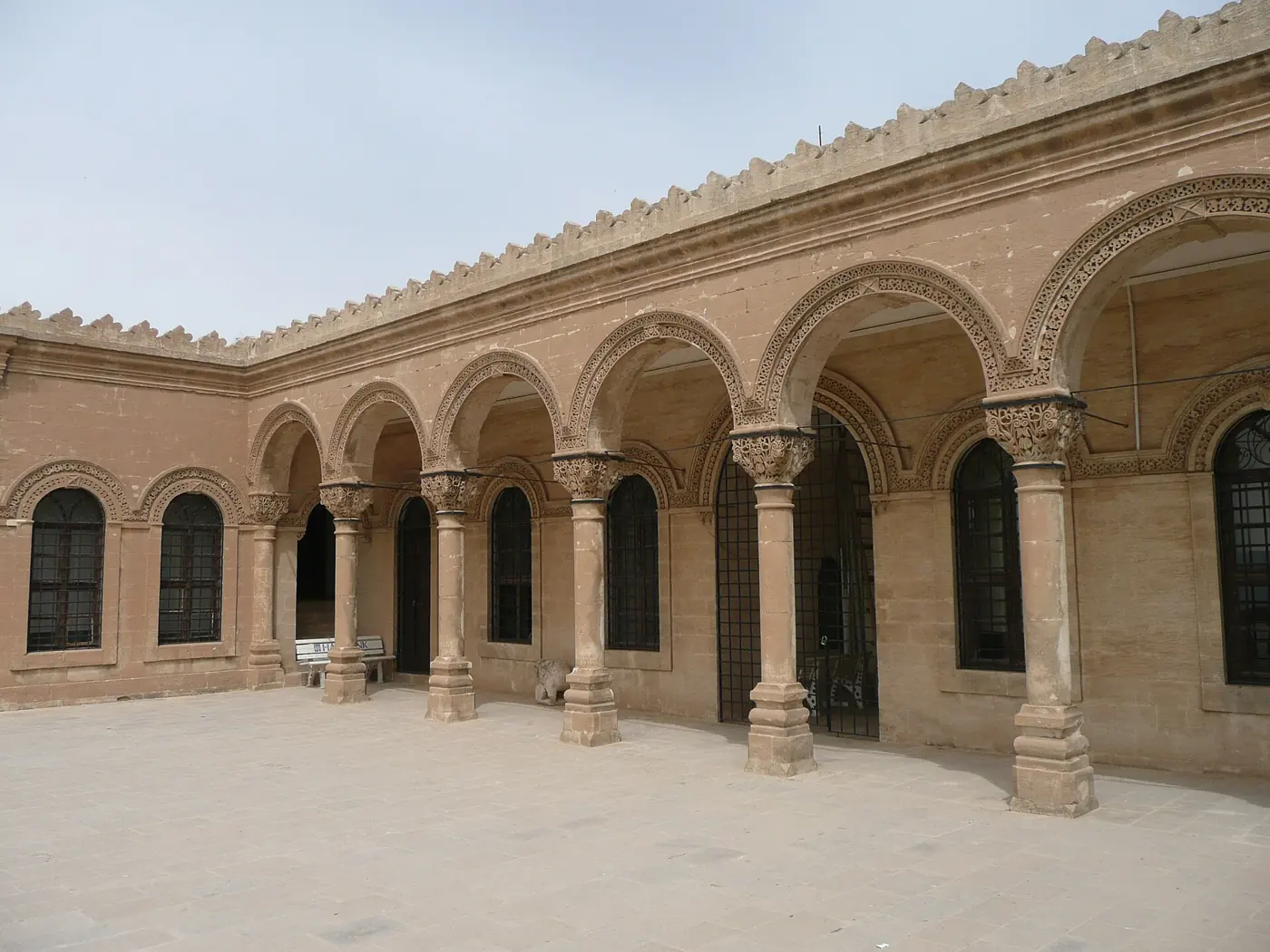
1 Mardin Muzesi
A regional archaeology and ethnography museum in the old city, useful on hot or cold days because it is indoors. Check opening hours first.
- City: Mardin old town
- Collection: Archaeology and ethnography
Show map
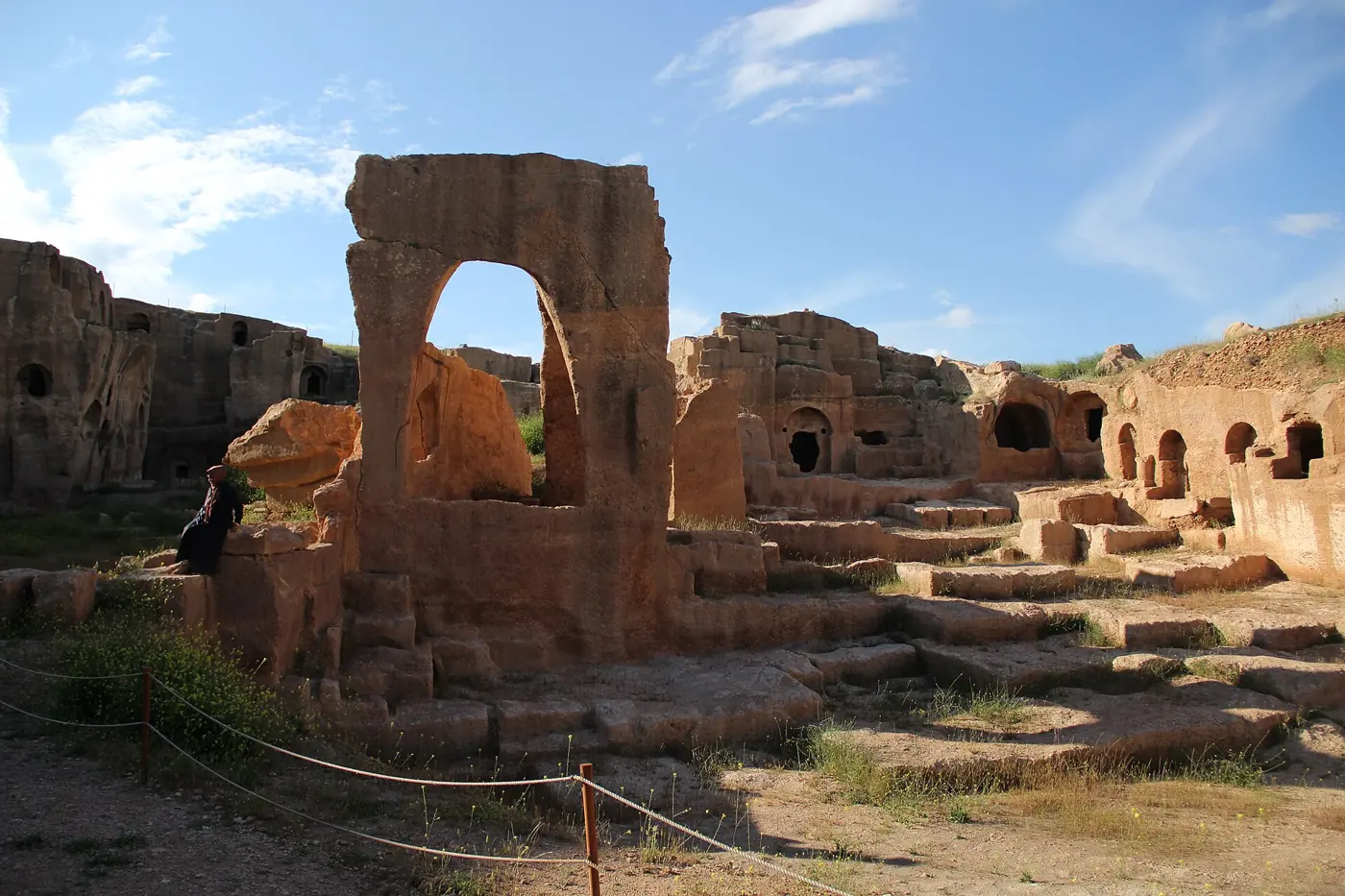
2 Dara Antik Kenti
An open-air Late Roman fortress city with rock-cut tombs and cisterns. Best in mild weather and with water and sun protection.
- Period: 6th-century fortress city
- Distance: About 30 km from Mardin city (approximate)
Show map
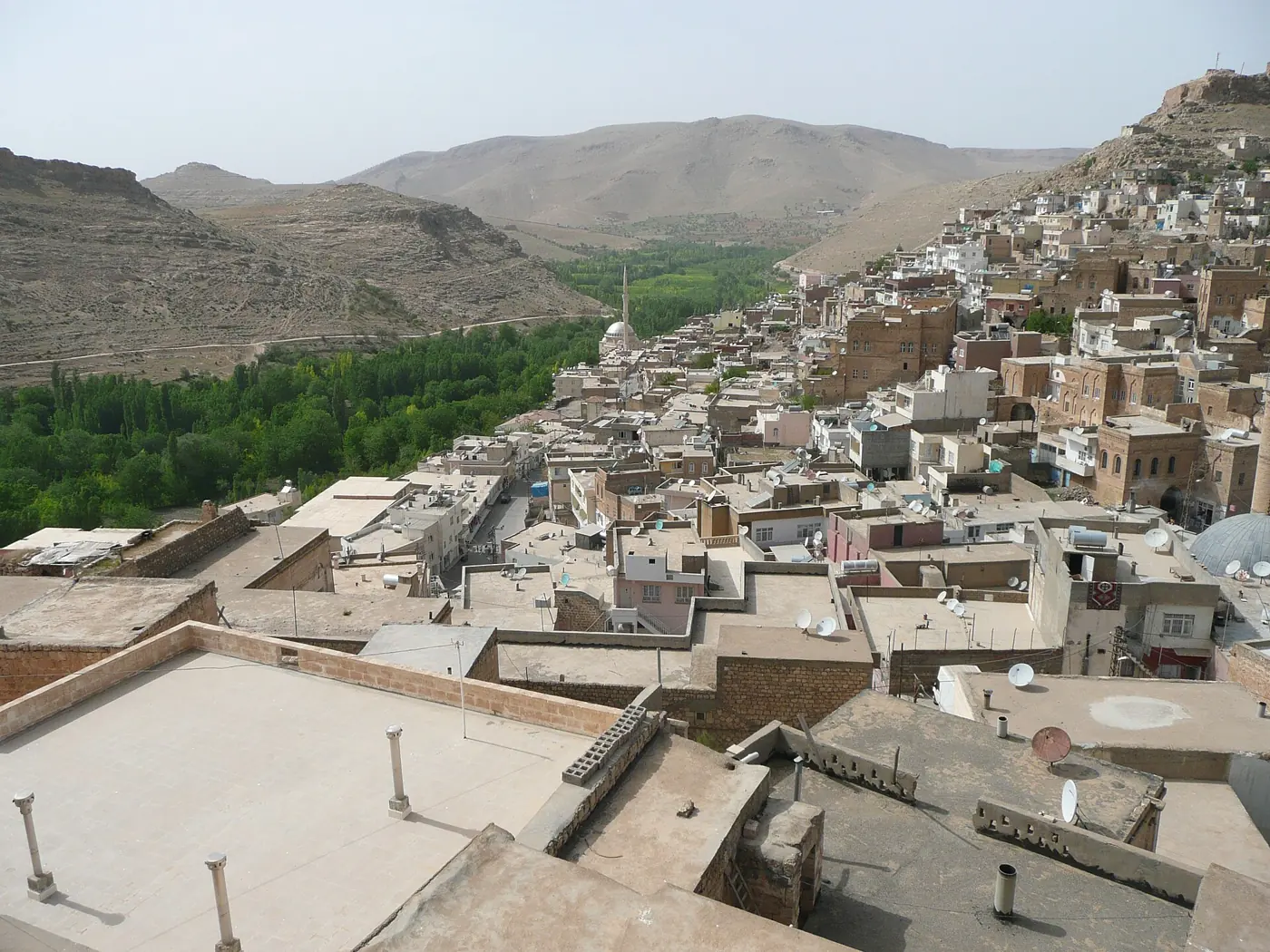
3 Savur
A small stone town in Mardin Province with a calmer pace. Good for a relaxed walk in spring or autumn.
- Type: District town of Mardin Province
- Character: Traditional stone architecture
Show map
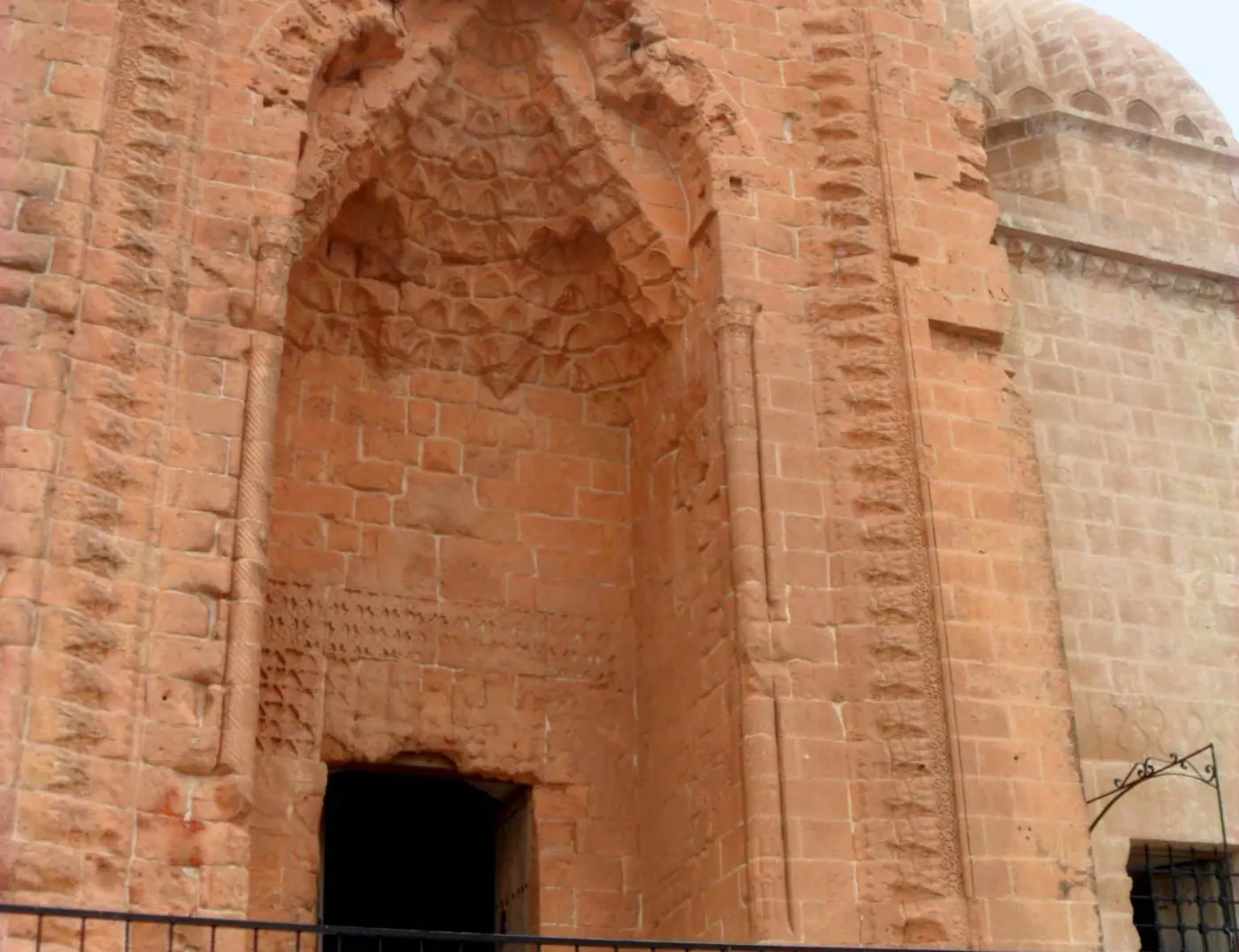
4 Kasimiye Medresesi
An Artuqid-era madrasa on the southern edge of the old city with a courtyard, domes and views over the plain. Come in the late afternoon for softer light.
- Type: Madrasa, 15th century
- Features: Portal, courtyard, domes
Show map
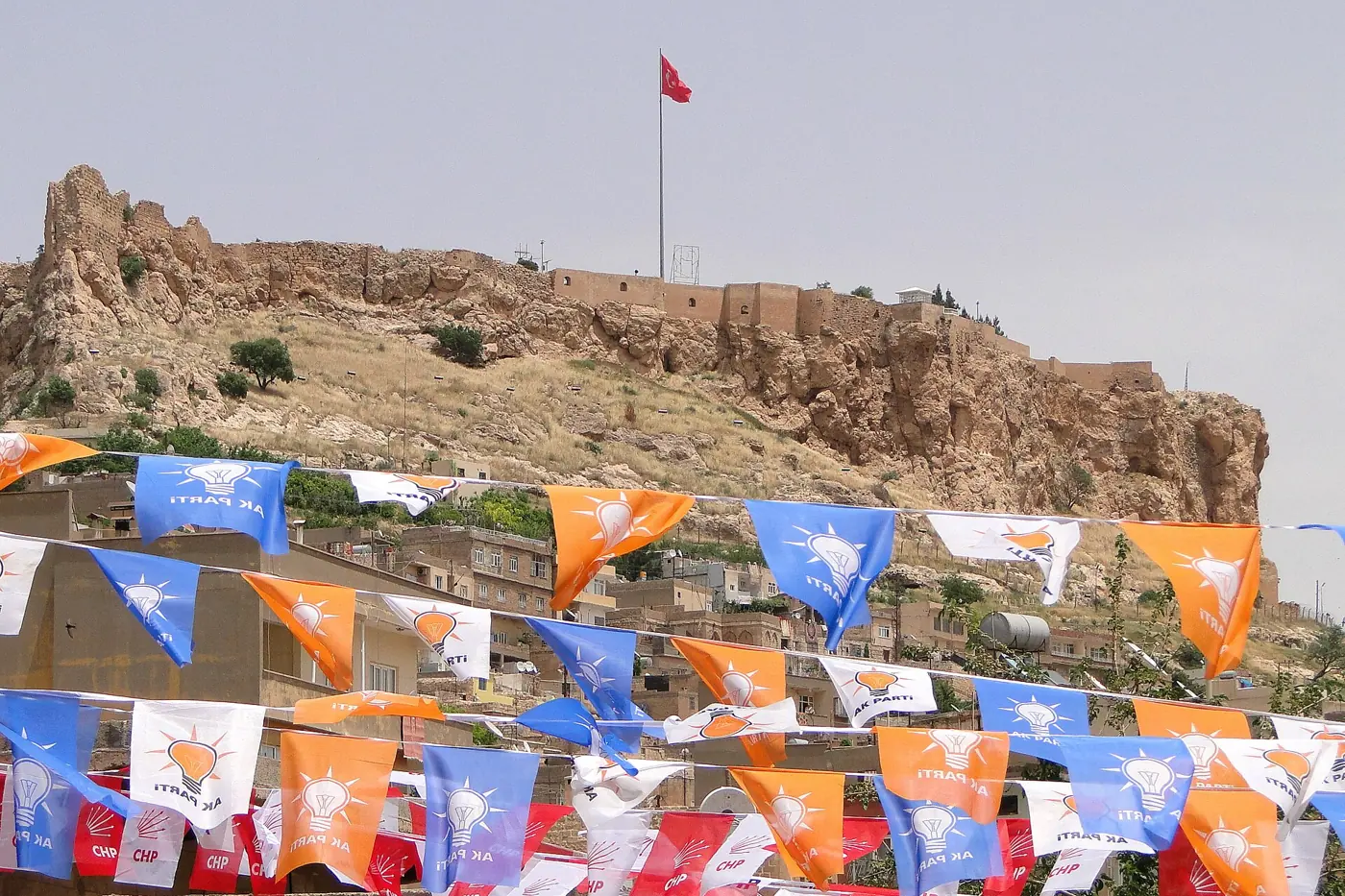
5 Mardin Kalesi
The hilltop fortress is the famous skyline feature. The upper part is military, so look at it from old-town viewpoints.
- Age: About 3,000 years of fortification
- Access: Upper citadel is military
Show map

6 Yay Konağı
A historic stone mansion on Birinci Cadde with a cafe, restaurant and terrace. A pleasant stop in any season for breakfast or a break.
- Area: Birinci Cadde, Old Mardin
- Offers: Breakfast, regional dishes, terrace
Show map
How we chose these suggestions
We selected places from official classifications, Wikipedia and Wikivoyage entries and the venues’ own descriptions. We do not accept payment for placement.
Seasonal patterns here are general. Ratings and visitor comments change, so open Google Maps from each card before you go.
Practical tips for each season
Whatever the month, wear comfortable shoes with grip, because stone steps can be slippery. Bring a hat and water in warm months, and a light jacket for evenings in the cooler ones.
Moreover, plan your longest outdoor activity for the part of the day with the best light and temperature. Therefore, in summer, sunrise and evening are better than noon.
Packing checklist:
- Flat shoes with grip
- Sun protection in warm months
- Light layer for evenings
- Water bottle
- Phone charger and offline map
How does the season change what you eat and wear?
Seasons shape the Mardin day. In warm months, cafes and terraces become the heart of the city in the evening, when the air cools. In cool months, warm dishes and hot drinks suit the stone streets.
Wear light, breathable clothes in summer and cover your head and shoulders from the sun. In contrast, bring a warm coat and a hat in winter, because wind can feel strong on exposed terraces. Modest clothing also helps when you visit mosques and monasteries.
Moreover, choose shoes with grip in every season. Stone paths can be slippery when wet and hot when sunny. Therefore, closed shoes are safer than sandals for long walks.
Simple seasonal rules:
- Warm months: water, hat, sun cream, early start.
- Cool months: layers, warm drink stops, flexible timing.
- All year: modest clothes for religious sites.
- All year: check opening hours the day before.
How do holidays and crowds affect your plan?
Public holidays and school breaks bring more visitors, so popular terraces and hotels fill up. Book ahead and visit the busiest sights early. In contrast, quiet weeks offer more space and easier photos.
If you travel in a religious holiday period, check that restaurants and shops keep their usual hours. Some businesses change their timetable, so ask your hotel. Therefore, a short phone call can save a wasted trip.
We cannot list exact holiday dates here, because they change each year. Check an official calendar when you set your plans.
What should you check right before you travel?
Check three things a few days before departure: the weather forecast, the opening hours of the sights you want and the transport schedule. Moreover, confirm your hotel booking and ask whether heating or cooling works well in your room.
If the forecast looks extreme, swap your plan. Move outdoor sights to the cooler hours or choose the museum and cafes instead. Therefore, a flexible mind matters more than a perfect month.
Finally, keep a margin in your timetable. Day trips can take longer than expected when you stop for photos and tea. In contrast, a relaxed schedule lets you enjoy the plain at golden hour without stress.
Sample day plan by season
In warm seasons, walk the Old City in the early morning, rest during the middle of the day, and return for sunset. In cool seasons, do the long outdoor part at midday when it is warmest.
This rhythm keeps energy high and makes the best of the terraces facing the plain.
The table shows a simple rhythm for one day.
| Time | Warm season | Cool season |
|---|---|---|
| Morning | Old City walk and bazaar | Museum and cafe |
| Midday | Shade, lunch, rest | Open-air sight such as Dara |
| Evening | Terrace dinner with view | Early dinner, warm drink |
Frequently asked questions
What is the best month to visit Mardin?
April, May, September and October are usually the most comfortable for walking, but check a current forecast.
Is Mardin too hot in summer?
It can be hot. Start sightseeing early, rest at midday and enjoy terraces in the evening.
Is winter a good time for Mardin?
Yes, if you like quiet streets. Pack layers and confirm road conditions for day trips.
How many days do I need?
Two days cover the Old City and one day trip. See our two-day plan for details.
Are sights open all year?
Hours can change by season. Check each place’s page or Google Maps.
Can I visit Mardin Castle?
The upper part is a military zone and generally closed to visitors, so enjoy the views from the old town.
Do hotels fill up on holidays?
They can, so book early for public holidays and school breaks.
Plan this with TurkGT
TurkGT can plan a Mardin trip around the season with a licensed guide, a private car with driver and hotel booking. We can adjust the daily rhythm to the weather. Send your dates and group size by WhatsApp or the inquiry form.
Request a booking
Related guides
- Getting to Mardin: Airport, Buses and Transfers Explained
- Mardin in Two Days: A Step-by-Step Itinerary
- Mardin for Arab Families: Practical Tips and Easy Stops
- Best Hotels in Mardin: Top 10 Picks by Area and Style
- Best Restaurants in Mardin: Top Picks for Local Food
- Top Sights in Mardin: A Practical Visit Guide
- Day Trips from Mardin: Midyat, Diyarbakir and Hasankeyf
Related destinations and attractions
Explore more city guides
Sources
Last reviewed: 2026-11-21.