
Mardin’s main sights sit in a compact old city on a hill above the Mesopotamian plain. Start with the castle views, the madrasas and the Grand Mosque, then add Deyrulzafaran Monastery and the museum. Dara, Midyat and Savur work well as day trips from the city.
Key facts
- Best base: Old city (Artuklu), walkable on foot
- Core old-city sights: Madrasas, Grand Mosque, Forty Martyrs Church, bazaar
- Outside the centre: Deyrulzafaran Monastery, a few kilometres east
- Day trips: Dara (about 30 km, approximate), Midyat, Savur
- Castle access: Upper citadel is a military zone; view from the old town
- Suggested time: 2 days for the city, 3 to 4 with day trips
- Before you go: Check hours and access on Google Maps
What are the top sights in Mardin?
The top sights in Mardin are the Artuqid madrasas, the Grand Mosque, the Syriac churches, the museum, the old bazaar and the castle views. Deyrulzafaran Monastery lies just outside the city. Dara, Midyat and Savur add archaeology and stone-town scenery for those with an extra day.
The old city climbs a steep slope, so the best plan is to walk downhill from the upper terraces. In contrast, the outer sights need a car or a guide because distances are longer than they look on a map.
The highlights, in the order most visitors see them:
- Castle and old-town terraces for the first view of the plain
- Kasimiye and Sultan Isa madrasas for carved portals and rooftops
- Grand Mosque and Sehidiye on the main street
- Forty Martyrs Church for the Syriac Orthodox heritage
- Mardin Museum for archaeology and ethnography
- Deyrulzafaran Monastery as a half-day outing
How did we choose these places?
We chose places that exist in our Mardin registry and that appear in official or encyclopedic sources such as Wikipedia, Wikimedia Commons and the Turkish culture ministry. We looked at location in the old city, the kind of monument and the details those sources give. Where the registry gives a 15th-century or 14th-century date for a building, we repeat it as given and no more.
We do not accept payment for placement. Moreover, opening hours and visitor access change, therefore please check Google Maps through the card button before you go.
Which old-city sights come first?
The old city is the heart of any visit. Its madrasas, mosques and church sit within walking distance of each other, so you can see several in one morning. Each card below states only what our sources record about the place.
However, the hill is steep and the stone lanes are uneven. Wear flat, grippy shoes and carry water in summer.
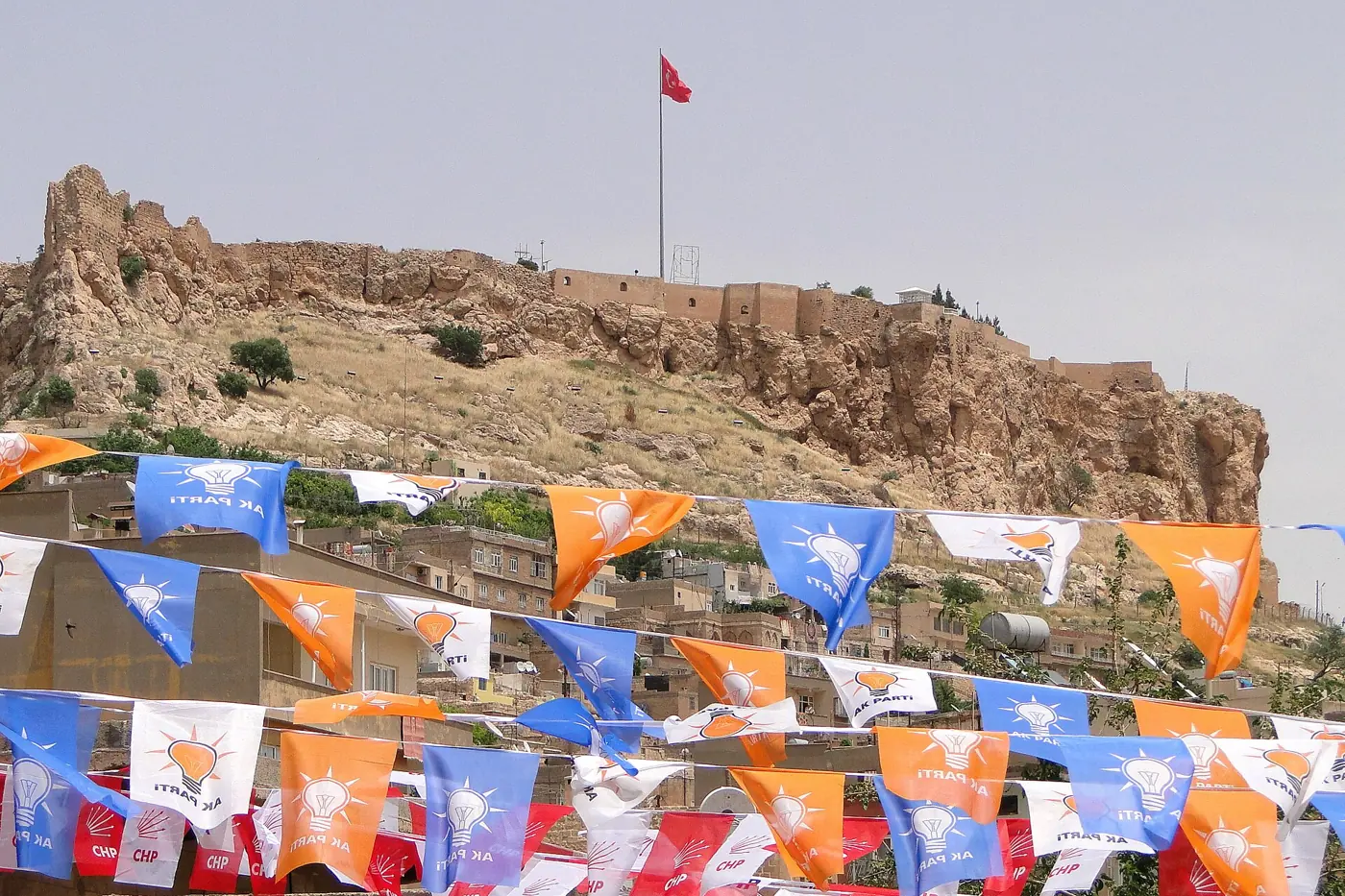
1 Mardin Kalesi
This is the skyline landmark, called the Eagle’s Nest, with views over the Mesopotamian plain towards Syria. The upper part is a military zone and generally closed, so most people look from the old-town terraces instead.
- Access: Upper citadel is military; view from the old town
- View: Old city and the plain
Show map
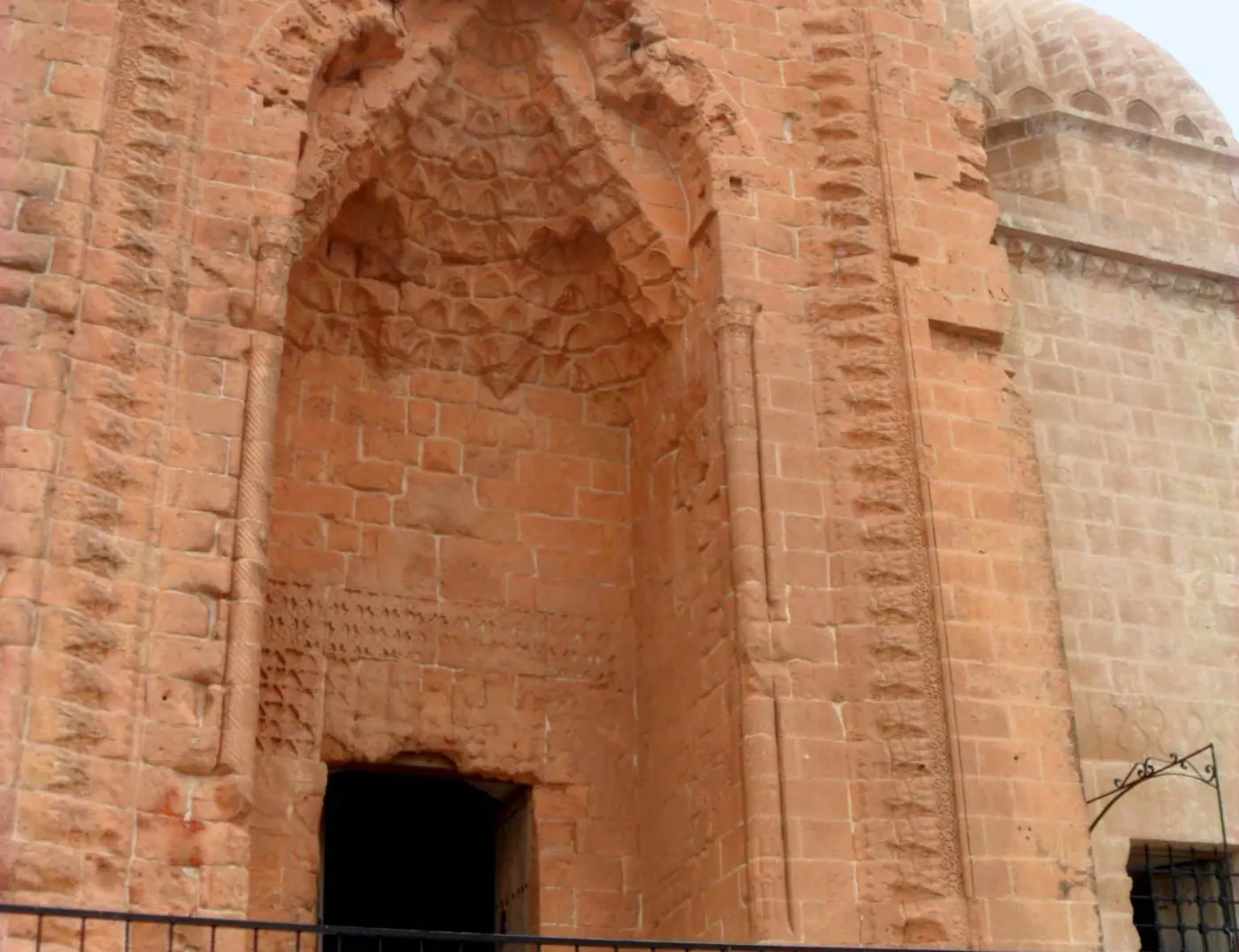
2 Kasimiye Medresesi
An Artuqid-era madrasa on the southern edge of the old city. It is known for its ornate portal, courtyard and domed tomb chamber, and for terraces with plain views.
- Type: Madrasa, 15th century
- Area: Southern edge of old city
Show map
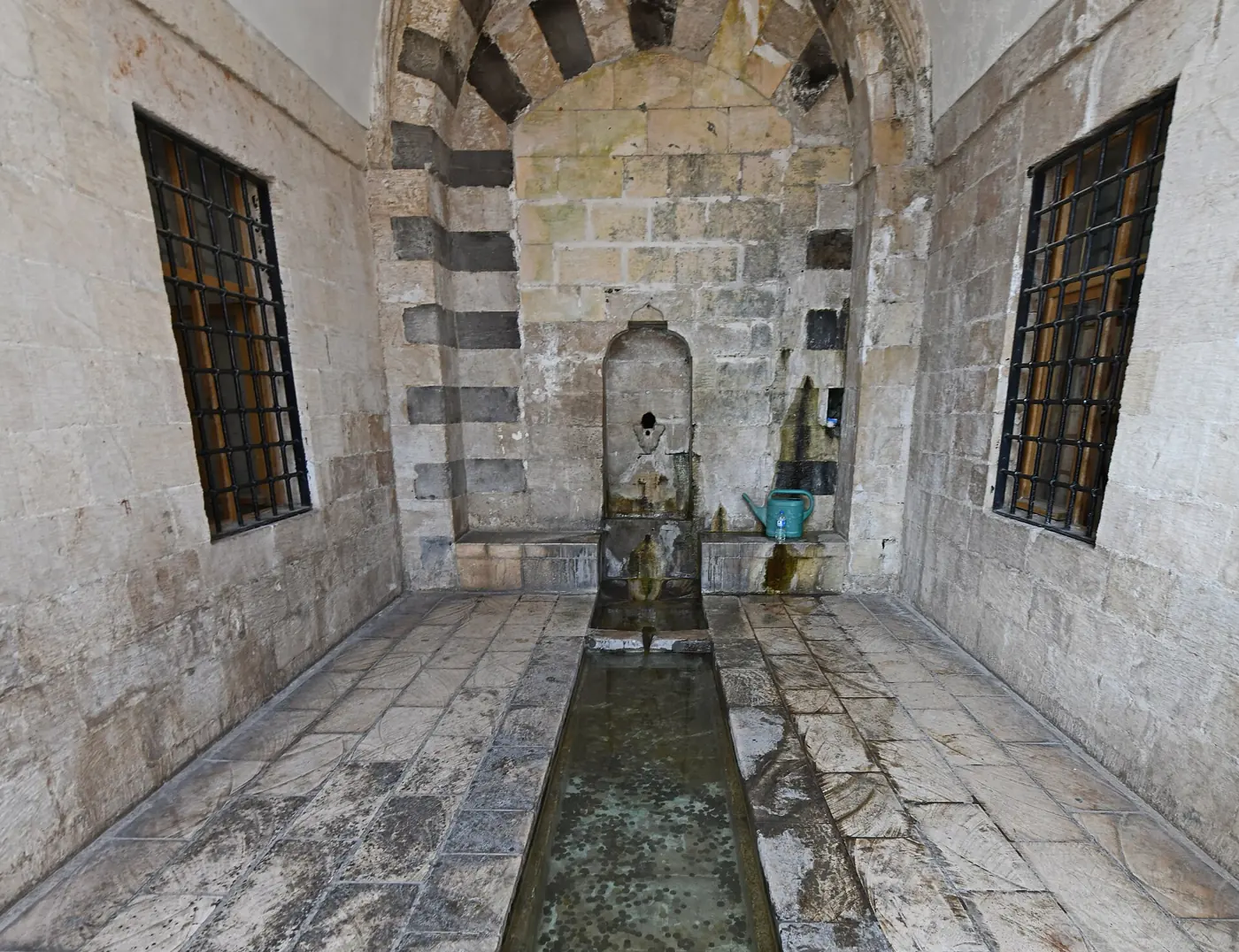
3 Sultan İsa Medresesi (Zinciriye)
Built in 1385 by Sultan Isa, it is also called Zinciriye after the chain motif at its entrance. Our sources mention a carved portal, a two-storey courtyard and terraces.
- Built: 1385
- Also known as: Zinciriye
Show map
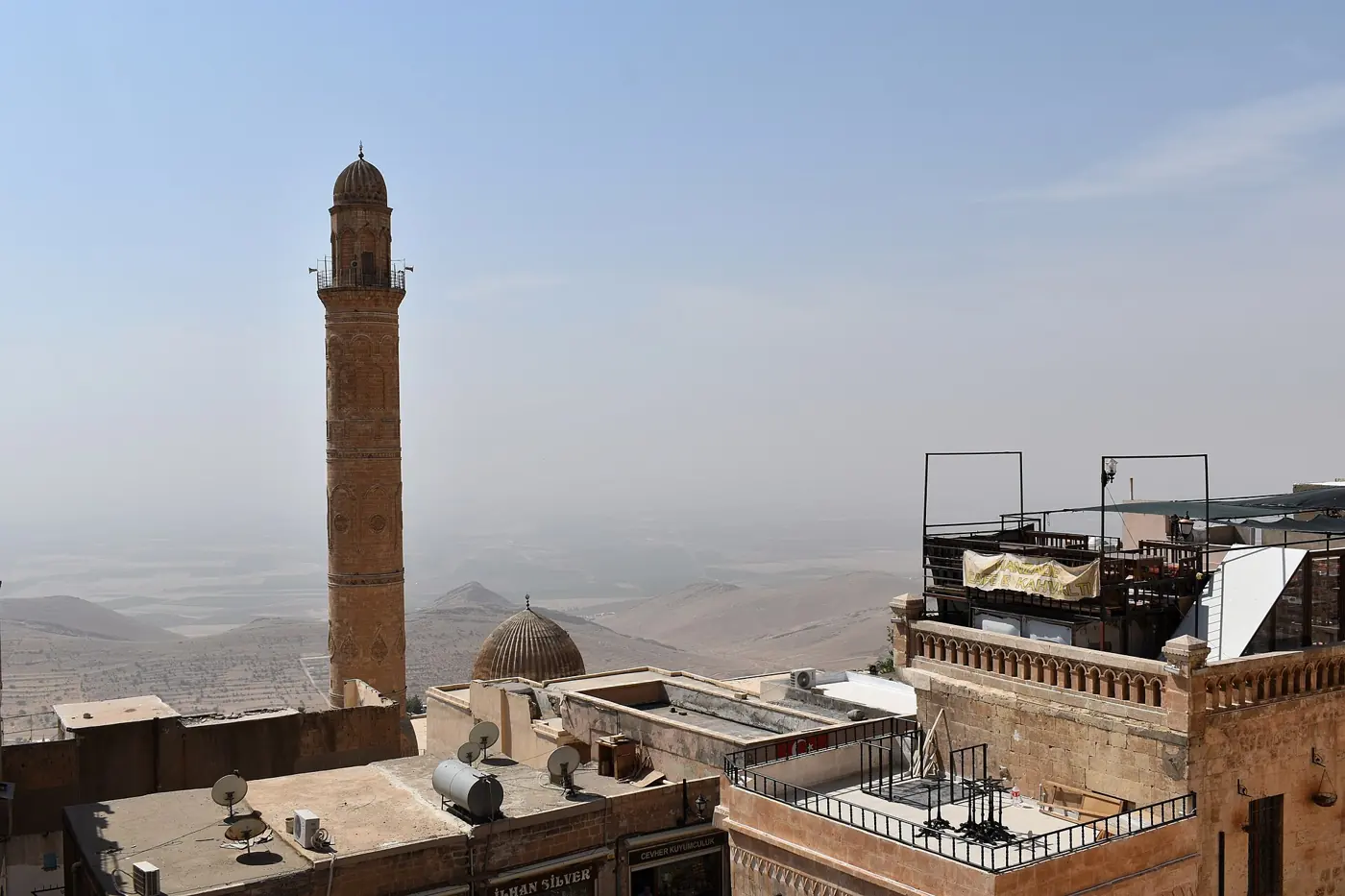
4 Mardin Ulu Cami
A 12th-century congregational mosque near the bazaar. It is notable for its Artuqid-period stone minaret and carved stonework.
- Built: 12th century
- Area: Old Mardin, near the bazaar
Show map
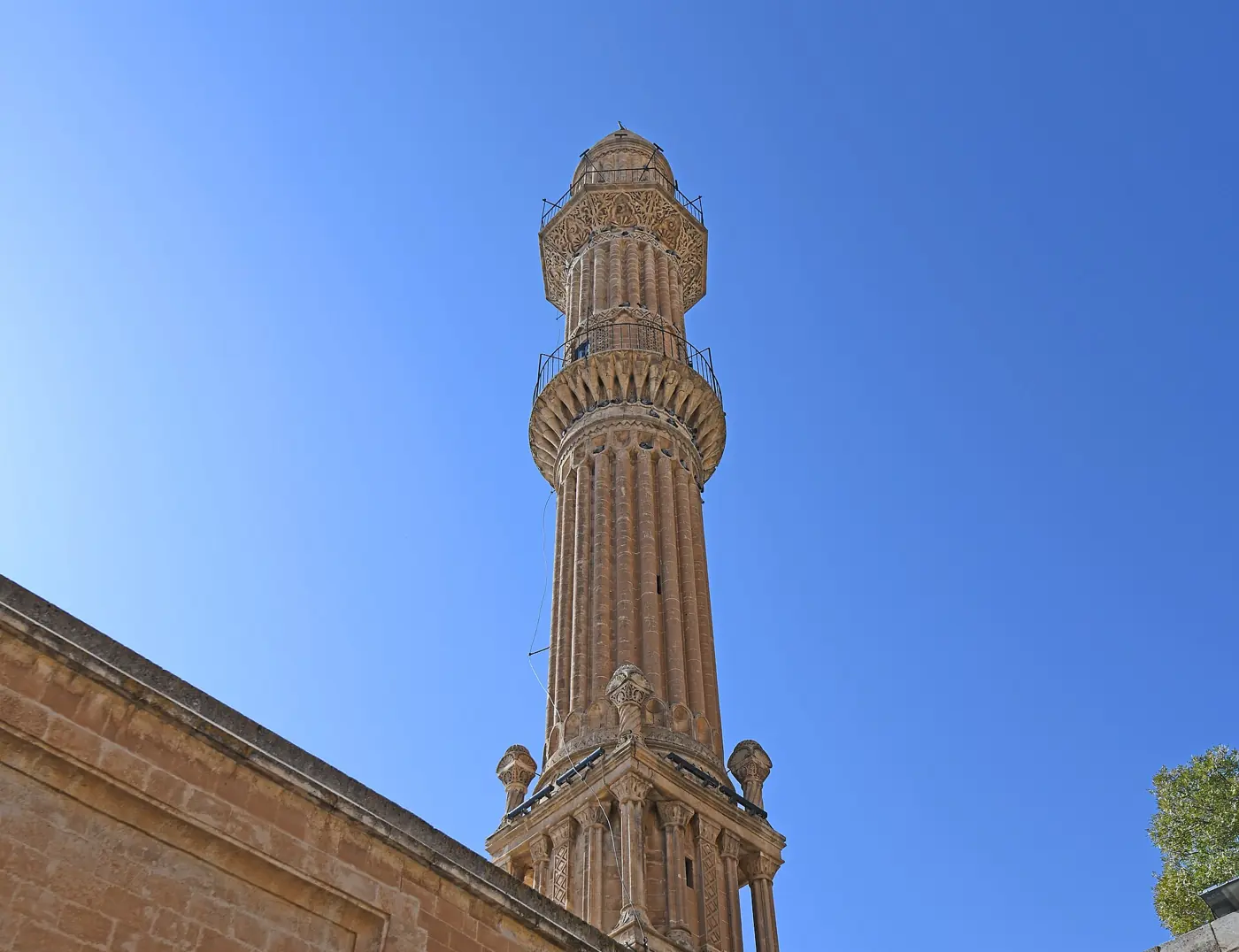
5 Şehidiye Camii ve Medresesi
A mosque and madrasa complex on Cumhuriyet Street, noted for a slender minaret and carved stone details. It is easy to fit between the Grand Mosque and the bazaar.
- Area: Cumhuriyet Street
- Features: Stone minaret, carved portal
Show map
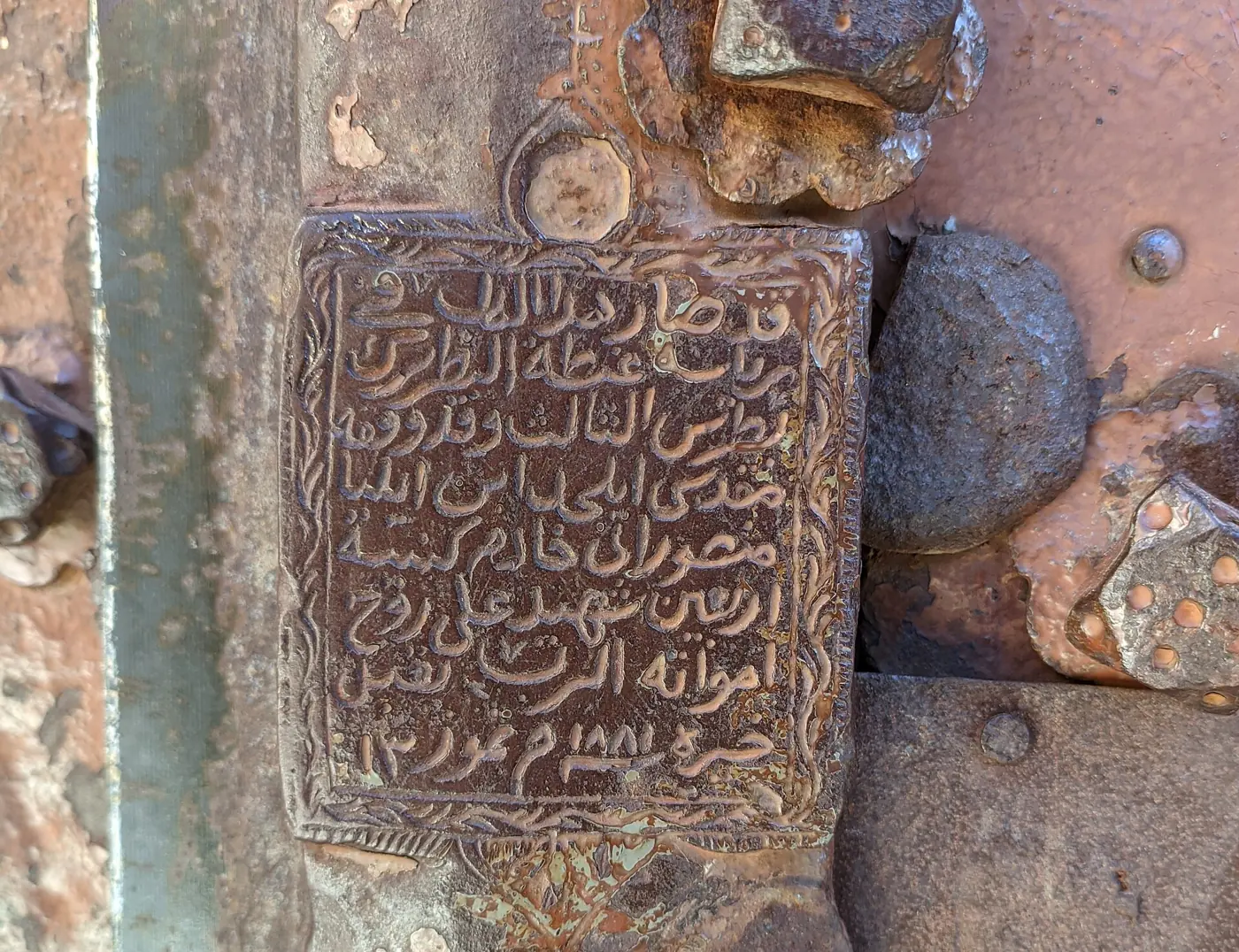
6 Kırklar Kilisesi
A Syriac Orthodox church dedicated to the Forty Martyrs of Sebaste. The structure dates to the 15th century, while tradition places its origins in the 6th century.
- Community: Syriac Orthodox
- Area: Old Mardin, Artuklu
Show map
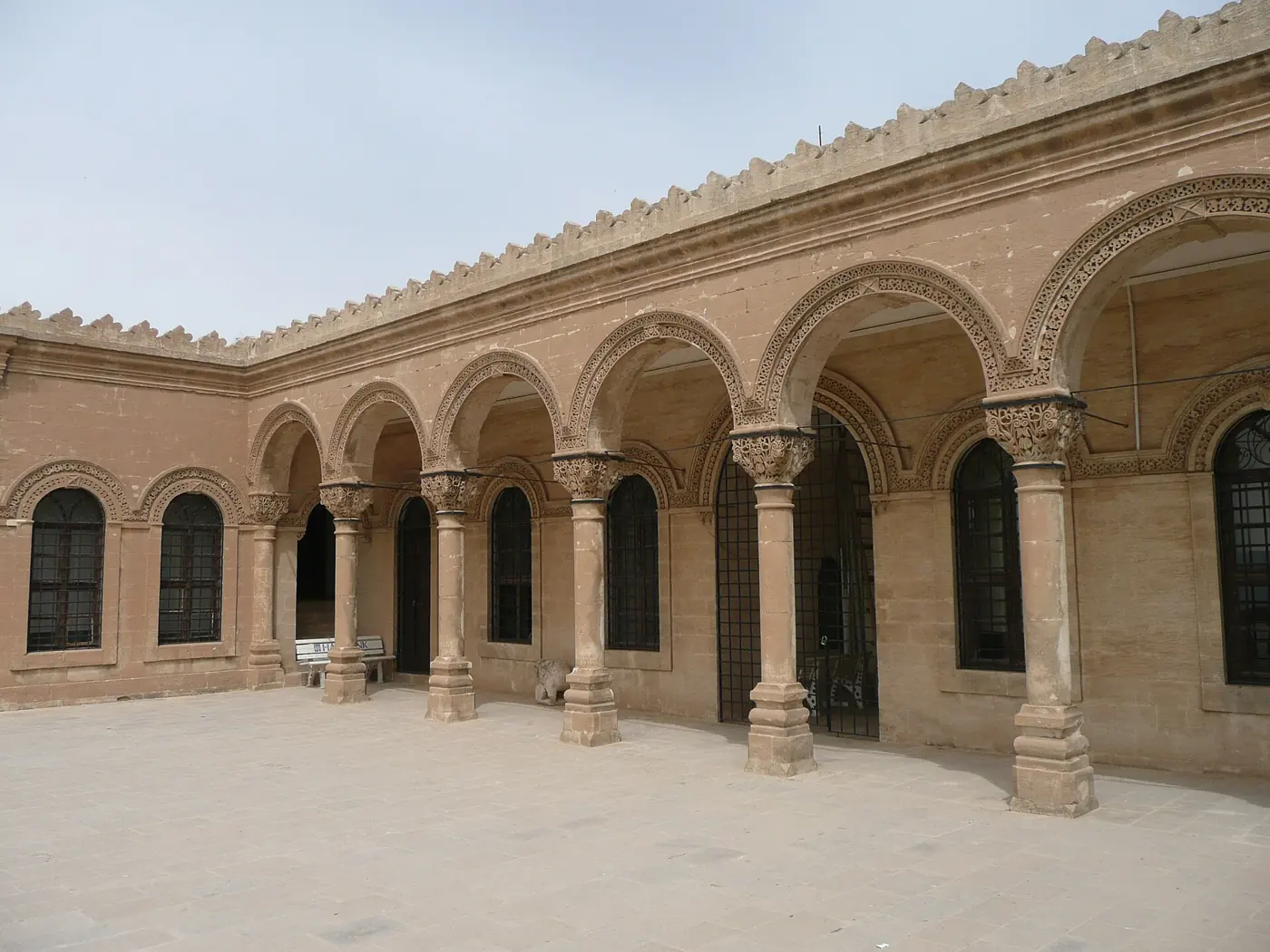
7 Mardin Muzesi
The regional museum shows archaeology and ethnography, including finds from Girnavaz and Kiziltepe-Girbek Hoyuk. It is a good indoor stop in hot afternoons.
- Collection: Archaeology and ethnography
- City: Old town
Show map
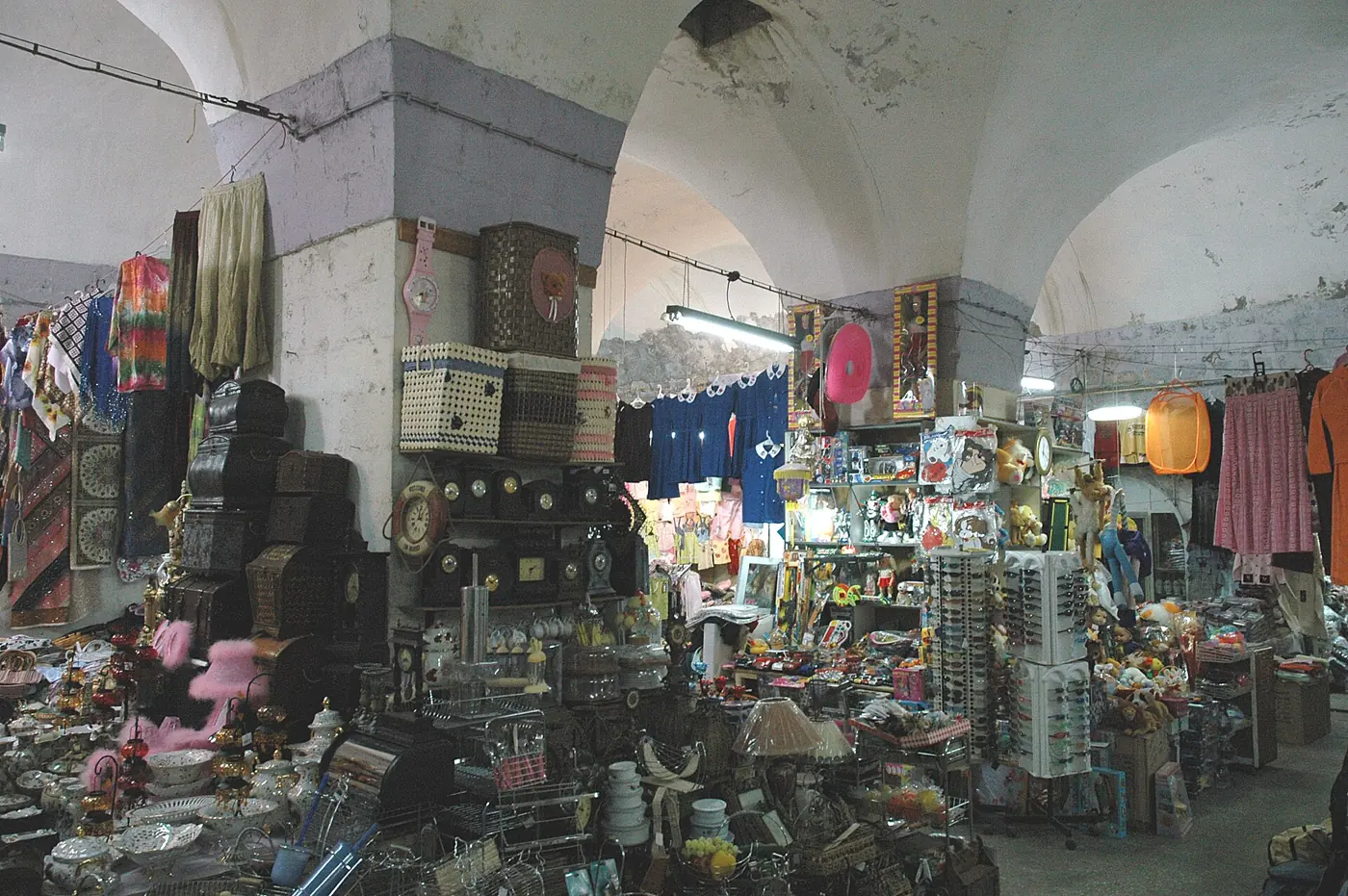
8 Mardin Uzun Çarşı
Covered and open-air lanes along the main street where local crafts such as telkari silver, soap and almond sweets are sold, according to travel guides.
- Area: Old town, Artuklu
- Goods: Telkari, soap, sweets
Show map
Which sights are outside the old city?
Deyrulzafaran Monastery lies a few kilometres east of Mardin and was long the seat of the Syriac Orthodox patriarchs. Dara is a Late Roman fortress city about 30 km away. Midyat and Mor Gabriel lie further east, while Savur is a quiet stone town.
Therefore, plan these as separate half-day or day trips rather than squeezing them into an old-city morning.
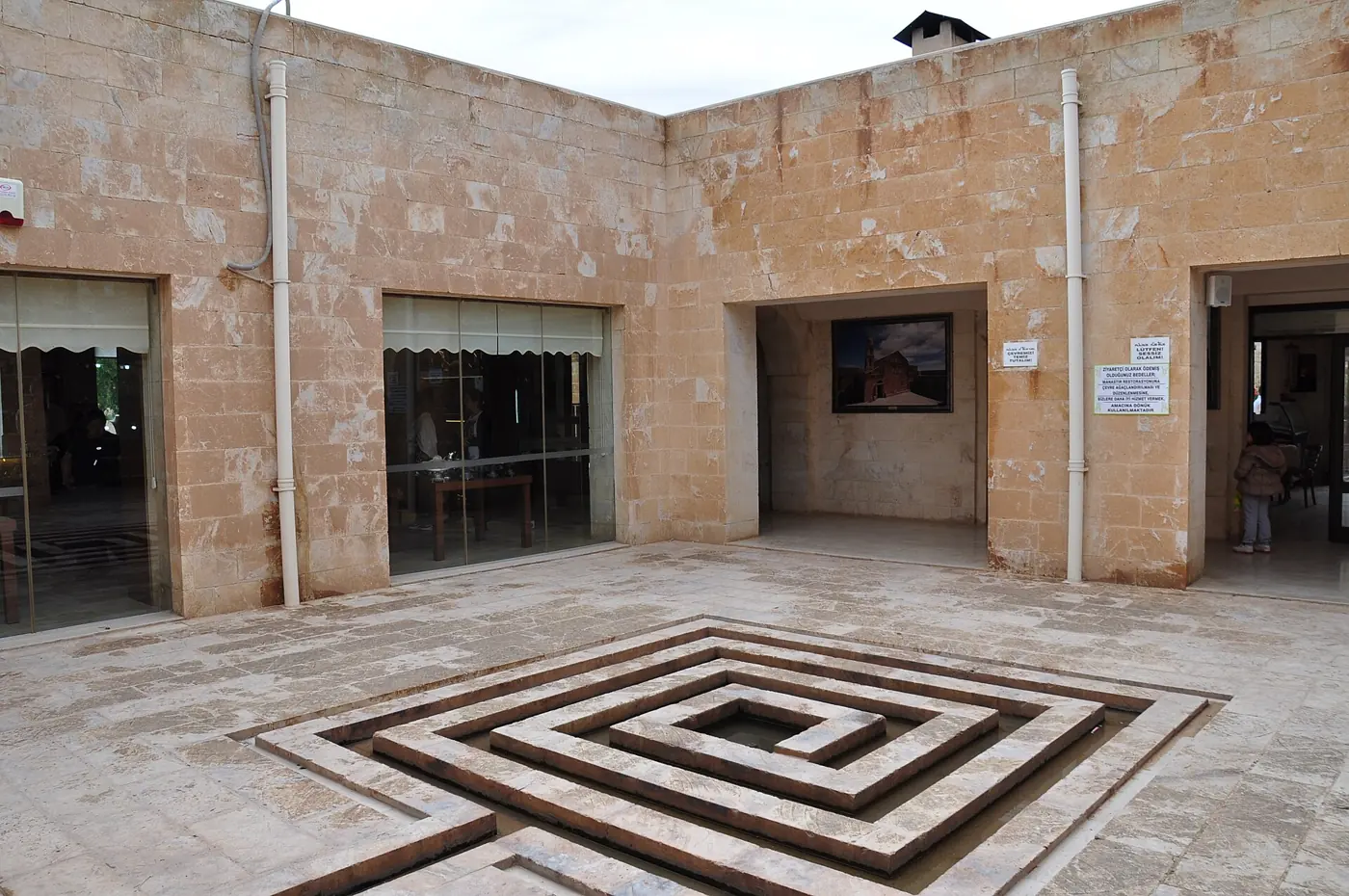
9 Deyrulzafaran Manastiri
A historic Syriac Orthodox monastery where visitors can see courtyards, chapels and underground rooms. Check visiting hours before going.
- Tradition: Syriac Orthodox
- Location: East of Mardin city
Show map
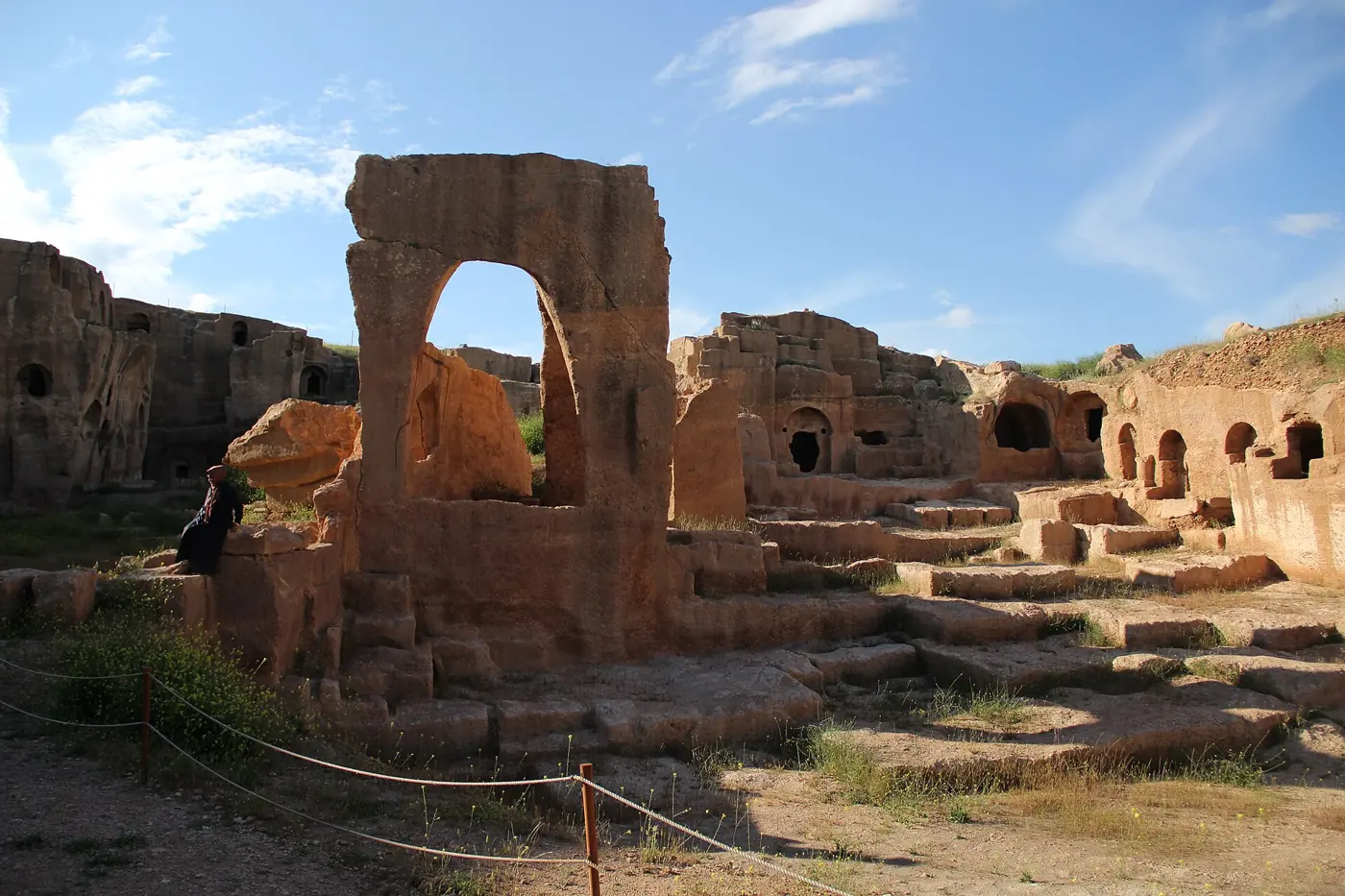
10 Dara Antik Kenti
Ruins of a Late Roman frontier fortress city of the 6th century, with a rock-cut necropolis and large underground cisterns on the edge of the plain.
- Period: Late Roman / Byzantine
- Distance: About 30 km (approximate)
Show map
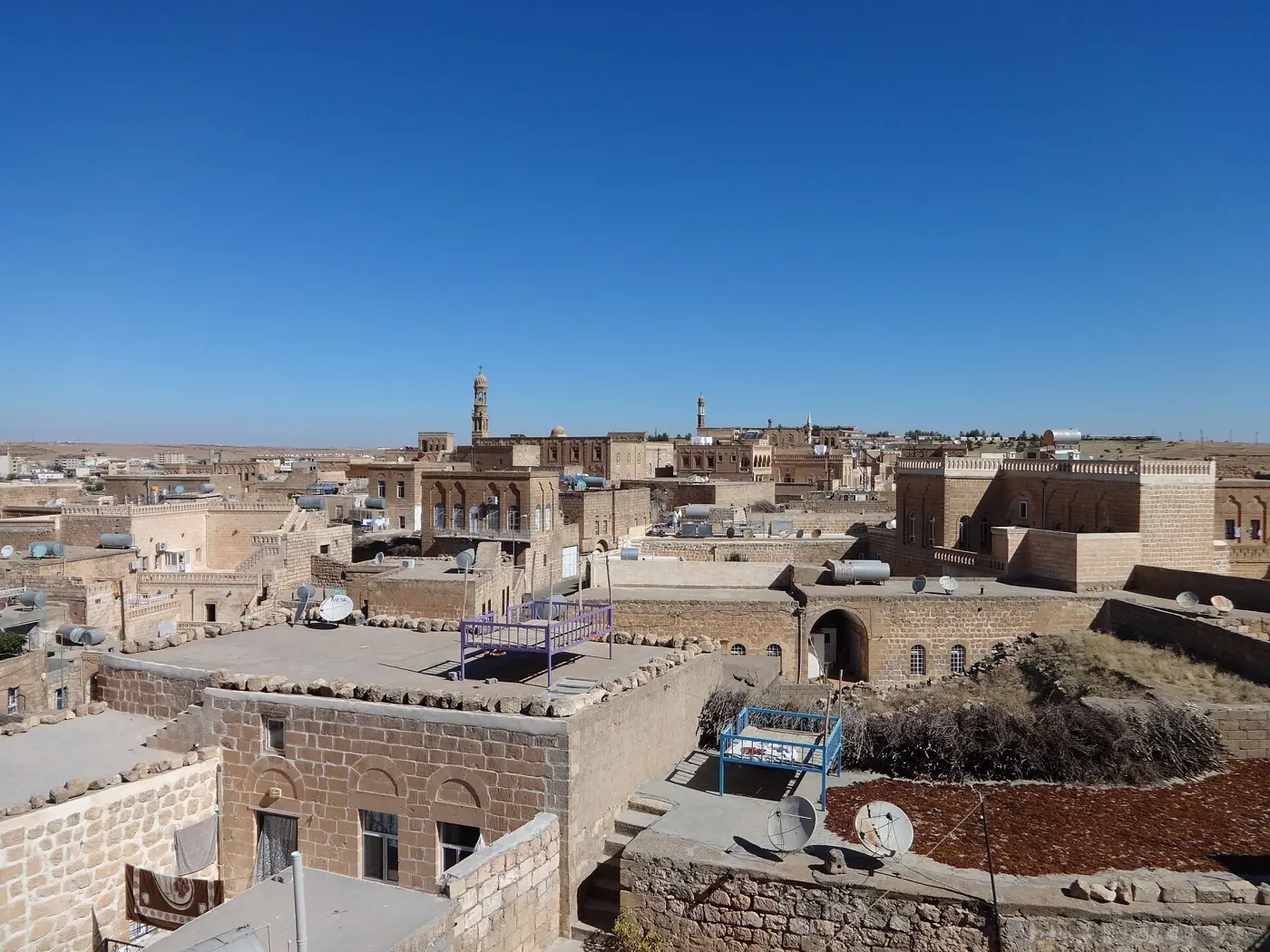
11 Midyat Eski Şehir (Estel)
The historic quarter of Midyat has honey-coloured limestone houses, churches, mosques and telkari workshops in the Tur Abdin region.
- Craft: Telkari silver filigree
- Region: Tur Abdin
Show map
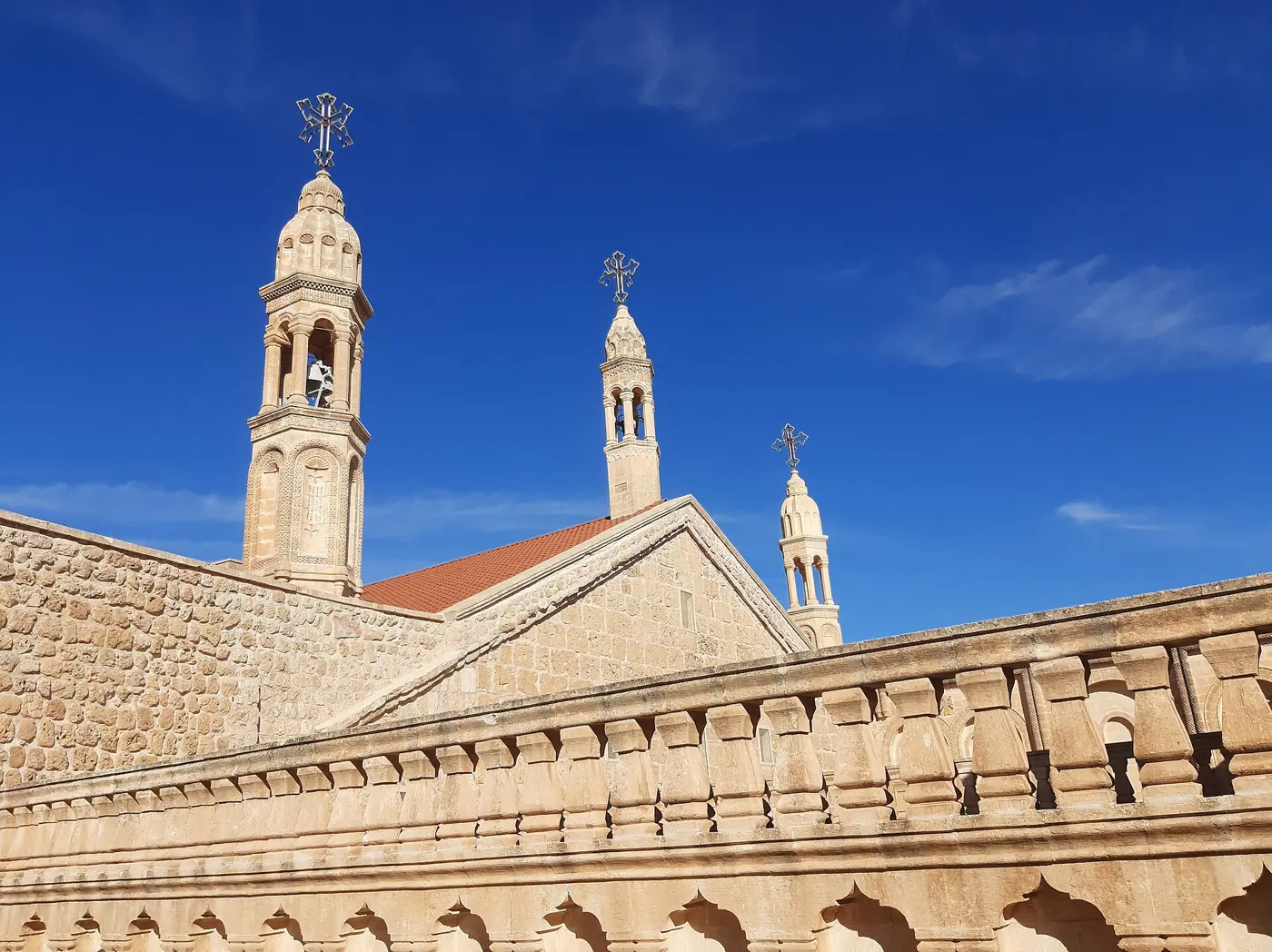
12 Mor Gabriel Manastiri
One of the oldest surviving Syriac Orthodox monasteries, on the Tur Abdin plateau near Midyat and a frequent half-day stop.
- Region: Tur Abdin, near Midyat
Show map
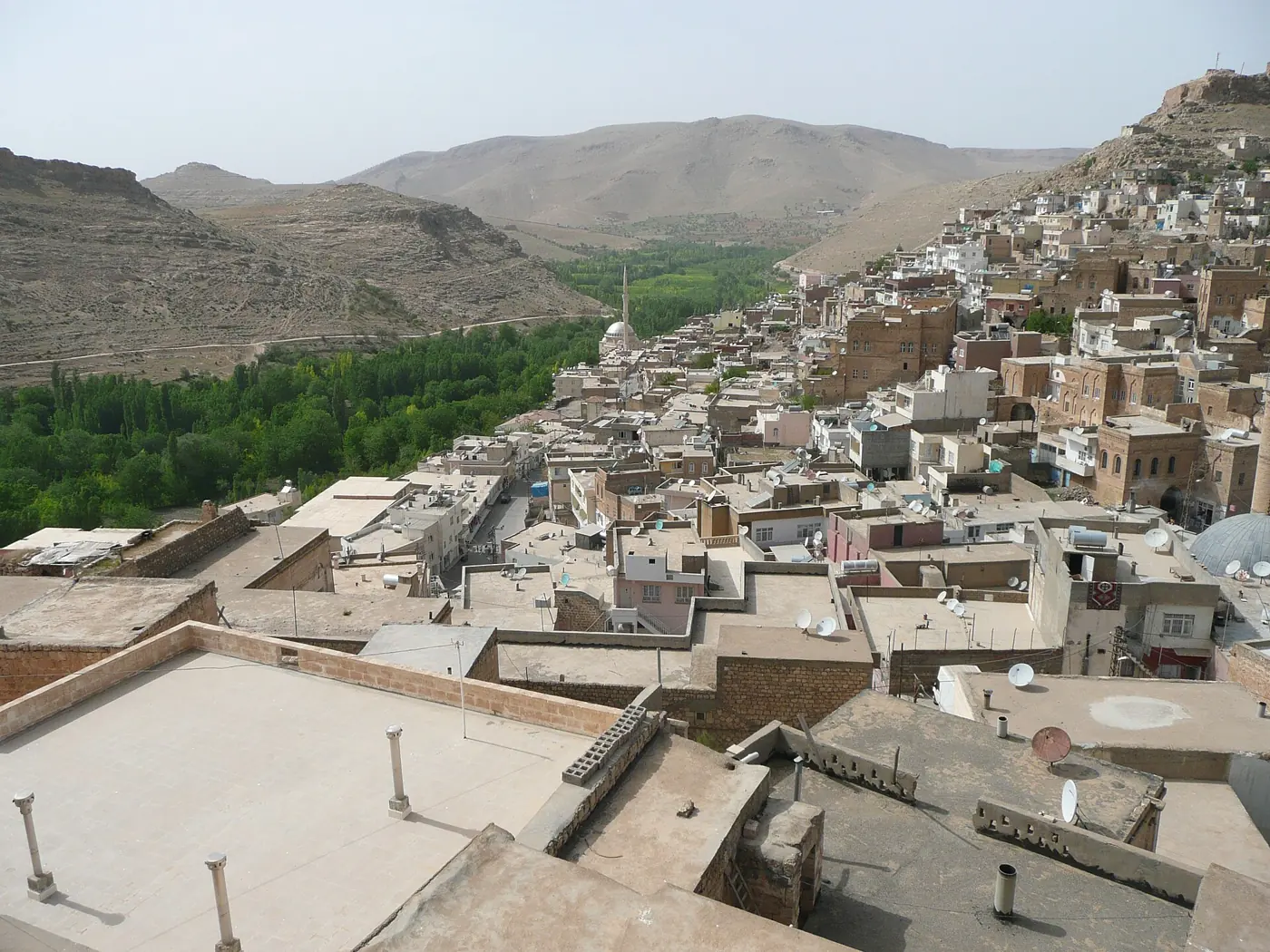
13 Savur
A small stone town with traditional Mardin-style houses and a calmer, more rural feel. It suits a relaxed half-day walk.
- Type: District town
- Character: Stone architecture, calm
Show map
How do the sights compare?
The table below groups the sights by effort and by the kind of experience, so you can match them to your time.
Sights grouped by distance and focus:
| Sight | Where | Focus | Plan as |
|---|---|---|---|
| Madrasas (Kasimiye, Sultan Isa) | Old city | Architecture, terraces | Morning walk |
| Grand Mosque and Sehidiye | Old city | Stone minarets | Walk |
| Mardin Museum | Old city | Archaeology | 1 to 2 hours |
| Deyrulzafaran | East of city | Syriac monastery | Half day |
| Dara | About 30 km | Late Roman ruins | Half day |
| Midyat and Mor Gabriel | East | Tur Abdin heritage | Full day |
| Savur | District town | Stone town | Half day |
How do you get around Mardin?
The old city is best on foot. For Deyrulzafaran, Dara, Midyat and Savur, a private car with driver is the simplest option because public connections vary. Check local schedules or ask TurkGT for a quote.
Moreover, a driver can wait while you visit, which saves time on steep roads.
Getting around by purpose:
| Goal | Best option | Note |
|---|---|---|
| Old-city sights | On foot | Steep, uneven stone |
| Deyrulzafaran | Car or taxi | A few km east |
| Dara | Car with driver | About 30 km (approximate) |
| Midyat and Mor Gabriel | Car with driver | Plan a full day |
What makes Mardin different from other Turkish destinations?
Mardin stands out because several communities have shaped it over many centuries. Syriac Orthodox churches, Artuqid madrasas and Ottoman-era stone houses share the same hillside. As a result, a short walk can take you from a mosque courtyard to a church entrance without leaving the old city.
The setting adds to the effect. The city overlooks the Mesopotamian plain, and in clear weather the view reaches towards Syria. Therefore many travellers plan at least one terrace stop at sunrise or sunset, when the light is softest and the stone changes colour.
Moreover, the regional cuisine and craft traditions are part of the experience. Telkari silver filigree, almond sweets and dibek coffee appear in our sources as local specialities, and the bazaar lanes are the easiest place to meet them.
How should you choose between the old city and the day trips?
Choose the old city first if you have only one or two days. It holds the madrasas, the Grand Mosque, the Forty Martyrs Church and the museum, and everything lies within walking distance. A second day then fits Deyrulzafaran and a slow lunch.
Choose the day trips if you already know the old city or enjoy archaeology and villages. Dara offers Late Roman ruins, Midyat offers stone houses and telkari workshops, and Savur offers a quieter walk. However, each outing takes a large part of a day, so avoid combining all three.
In contrast to the old city, the outer sites have fewer facilities. Carry water, wear a hat in summer and confirm opening hours in advance.
Quick rules of thumb:
- One day: stay inside the old city
- Two days: add Deyrulzafaran
- Three days: add Dara or Midyat
- Four days: add Savur and Mor Gabriel
Which plan fits which traveller:
| Traveller | Suggested focus | Time |
|---|---|---|
| First-time visitor | Old city and Deyrulzafaran | 2 days |
| Heritage enthusiast | Old city, museum, Dara | 3 days |
| Culture and crafts | Old city, Midyat, Savur | 3 to 4 days |
| Short stop | Terraces, Grand Mosque, bazaar | Half day |
What is a good sample day?
A balanced first day follows the slope of the hill and keeps the hottest hours for indoor stops. Adjust it to season and opening hours.
The list below gives one possible order.
In summer, swap the morning and afternoon blocks so you walk early.
One-day plan:
- Morning: castle views, Kasimiye and Sultan Isa madrasas
- Midday: Grand Mosque, Sehidiye and lunch on the main street
- Afternoon: Mardin Museum and the bazaar
- Late afternoon: Deyrulzafaran Monastery if hours allow
What practical tips should you know?
Dress modestly for mosques and churches and carry a scarf if needed. Prices, hours and access can change, so check each place on Google Maps. Photograph respectfully in religious buildings and ask before filming services.
Tips:
- Start early to avoid midday heat
- Bring water and flat shoes
- Keep cash and a card for small purchases
- Check monastery and museum hours before travelling
Frequently asked questions
How many days do I need in Mardin?
Two days cover the old city and Deyrulzafaran. Add one or two days for Dara, Midyat, Mor Gabriel and Savur.
Can I enter Mardin Castle?
Our sources say the upper citadel is a military zone and generally closed. Most visitors enjoy the views from the old-town terraces.
Is Deyrulzafaran Monastery far from the city?
It lies a few kilometres east of Mardin. A taxi or private car is the easiest way.
Is Mardin walkable?
The old city is walkable but steep. Good shoes matter more than distance.
What is Dara?
Dara is a Late Roman frontier fortress city with a rock-cut necropolis and cisterns, about 30 km from Mardin.
Do you list ratings?
No. Ratings change, so use the Google Maps button on each card.
Can TurkGT guide me?
Yes. We arrange licensed local guides and private cars on request.
Plan this with TurkGT
TurkGT can arrange a private car with driver for Mardin, Deyrulzafaran and Midyat, an airport transfer, a licensed local guide and an interpreter. Send your dates and group size by WhatsApp or through the form, and we will suggest a realistic route.
Request a booking
Related guides
- Mardin’s Historic Mosques and Madrasas: A Visitor Guide
- Deyrulzafaran Monastery and Mardin’s Syriac Churches
- Mardin Castle and the Old Town Main Street
- Best Hotels in Mardin: Top 10 Picks by Area and Style
- Best Restaurants in Mardin: Top Picks for Local Food
- Day Trips from Mardin: Midyat, Diyarbakir and Hasankeyf
- Mardin Old Bazaar and Markets: What to See and Buy
Related destinations and attractions
Explore more city guides
Sources
Last reviewed: 2026-11-21.