
Spring and early autumn are the most comfortable times for Troy, Gallipoli and the city walks. Summer suits Bozcaada, Gökçeada and beaches but is busy and hot. Winter is quiet and cooler, with fewer visitors. Commemoration dates on 18 March and 25 April bring crowds to the Gallipoli sites, so plan early.
Key facts
- Best for sightseeing: Spring and early autumn
- Best for islands and beaches: Summer
- Quietest season: Winter
- Naval battle anniversary: 18 March (1915)
- Anzac landing anniversary: 25 April (1915)
- Wine and vineyards: Bozcaada vineyards; harvest timing varies by year
- Weather: Check a forecast before you go
When is the best time to visit Çanakkale?
The best time depends on what you want. Spring and early autumn give comfortable temperatures for walking the ruins at Troy and the Gallipoli battlefields. Summer favours the sea, ferries and island days. Winter gives quiet streets and lower demand, but some seasonal services slow down.
Therefore match the season to your plan, not the other way around. Moreover, check a short-range forecast, because wind on the Dardanelles can affect ferries.
Finally, remember that Çanakkale works as a base all year. The city has museums, cafes and a walkable waterfront, so even a cold or windy day has something to offer, and a clear day can open up the ridges, islands and ruins again.
Our quick guide by season:
- Spring: Troy, Gallipoli and city walks; commemoration dates in March and April.
- Summer: Bozcaada, Gökçeada, Assos and beaches; book early.
- Autumn: calm sightseeing and the wine landscape of Bozcaada.
- Winter: quiet city, museums and indoor stops.
How we built this guide
We chose places from the official provincial and heritage classifications, from location on the routes in this guide, and from details published by official or reference sources. TurkGT does not accept payment for placement. Opening hours, ticket prices and crowd levels change, so check each place’s own page or Google Maps before you go. Weather and crowd comments are general and based on typical seasonal patterns, not a forecast.
What happens in each month?
The table below gives a general picture, not a forecast. March and April combine changeable spring weather with commemoration crowds. May and June are popular for sightseeing. July and August are the hottest months and the busiest for beaches and islands. September and October keep warm days with fewer crowds.
In contrast, November to February is cooler and quieter. Rain is more likely, so keep museum and city stops as backup.
Planning tips by period:
- Book hotels early for March, April, July and August.
- Start Gallipoli tours early in the day.
- Carry a light rain layer outside summer.
- Check ferry timetables when winds are strong.
General guide to the year; confirm conditions before you travel.
| Period | What it suits | Watch out for |
|---|---|---|
| December-February | Quiet city, museums, cafes | Cooler weather, some seasonal slowdowns |
| March-April | Troy, Gallipoli, 18 March and 25 April events | Changeable weather and commemoration crowds |
| May-June | Sightseeing, ferry trips, villages | Busy weekends |
| July-August | Beaches, Bozcaada, Gökçeada, Assos | Heat, crowds, early booking |
| September-October | Sightseeing, vineyards, calm islands | Shorter days toward October |
| November | Quiet city and museum visits | Rain and wind on the strait |
When should you visit the Gallipoli sites?
Visit Gallipoli in spring or autumn for comfortable walking and manageable crowds. On 25 April, the anniversary of the 1915 landing, memorial sites such as Anzac Cove attract large crowds and access can be controlled, so check official notices well ahead. On 18 March the city marks the 1915 naval battle.
If you prefer quiet reflection, choose a weekday outside those dates. However, always follow instructions at memorial sites.
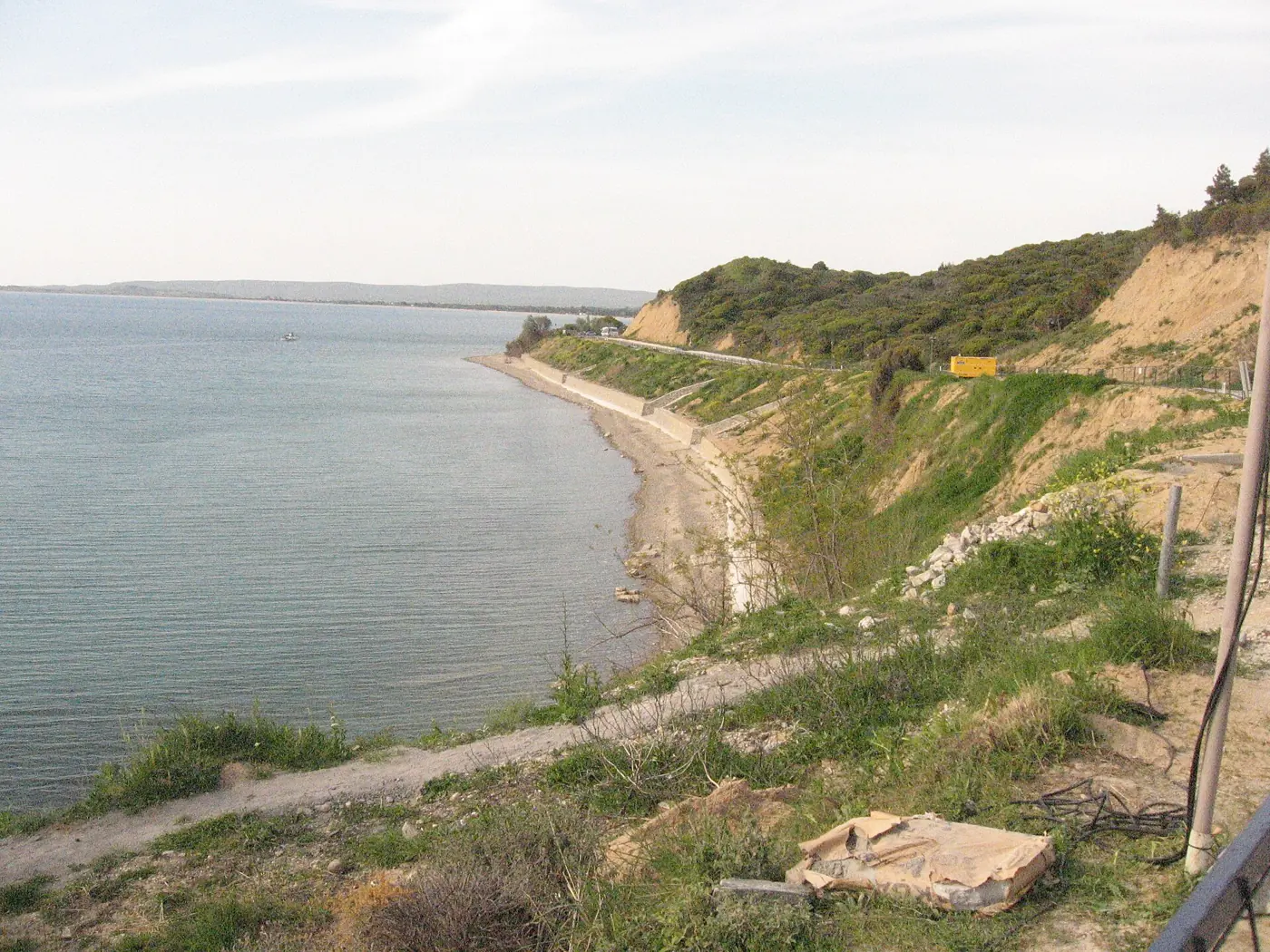
1 Arıburnu (Anzac Koyu)
A small beach on the Aegean coast of the Gallipoli peninsula where Australian and New Zealand troops landed on 25 April 1915. It is now a memorial site and gets very busy around that date.
- Landing: 25 April 1915
- Setting: Memorial beach on the Aegean coast
Show map
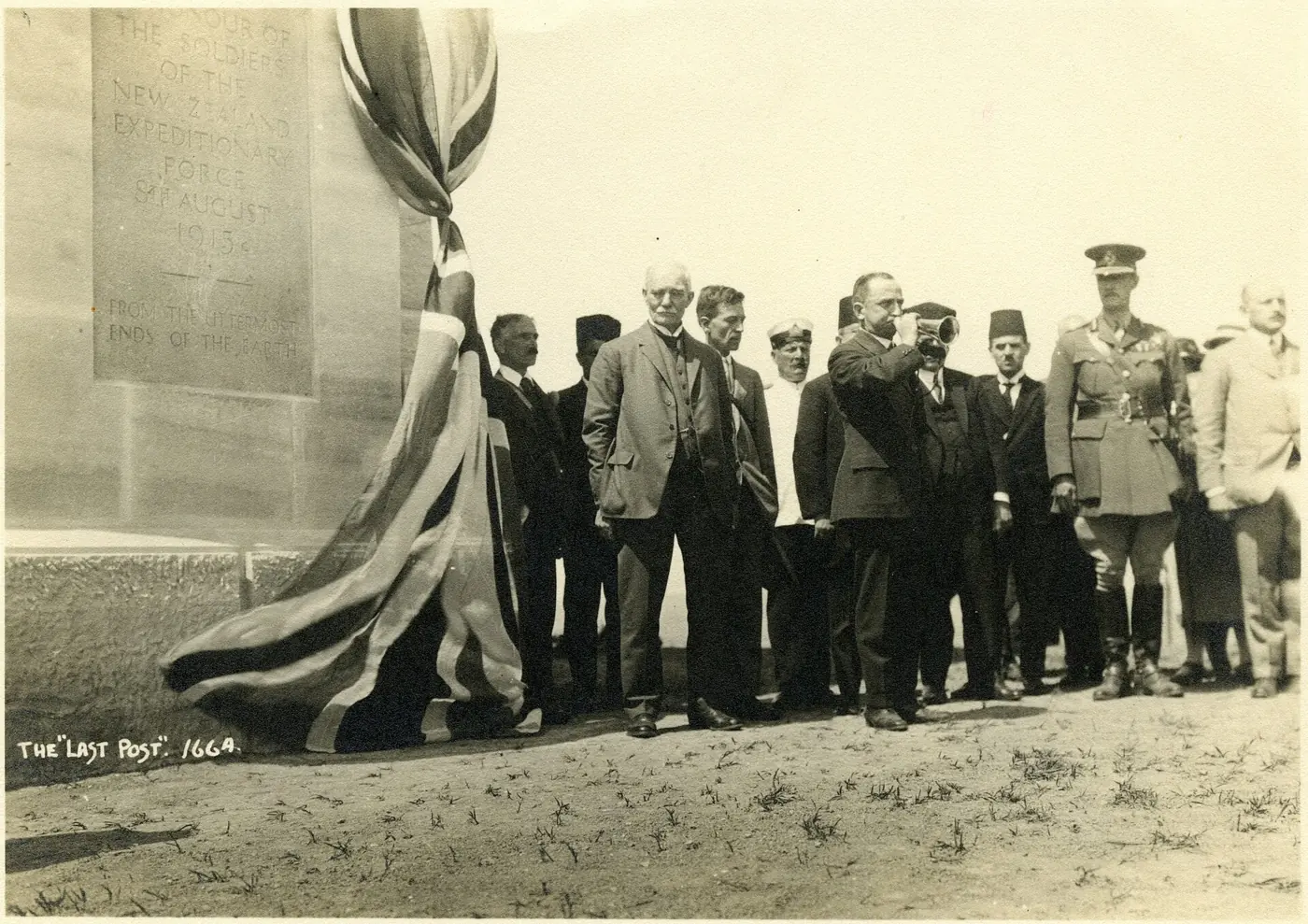
2 Conkbayiri
This peak on the Sari Bair ridge was the site of the Chunuk Bair battle of August 1915. Its viewpoint is best visited in good visibility.
- Event: Battle of Chunuk Bair, August 1915
- Turkish name: Conkbayiri
- Range: Sari Bair
Show map
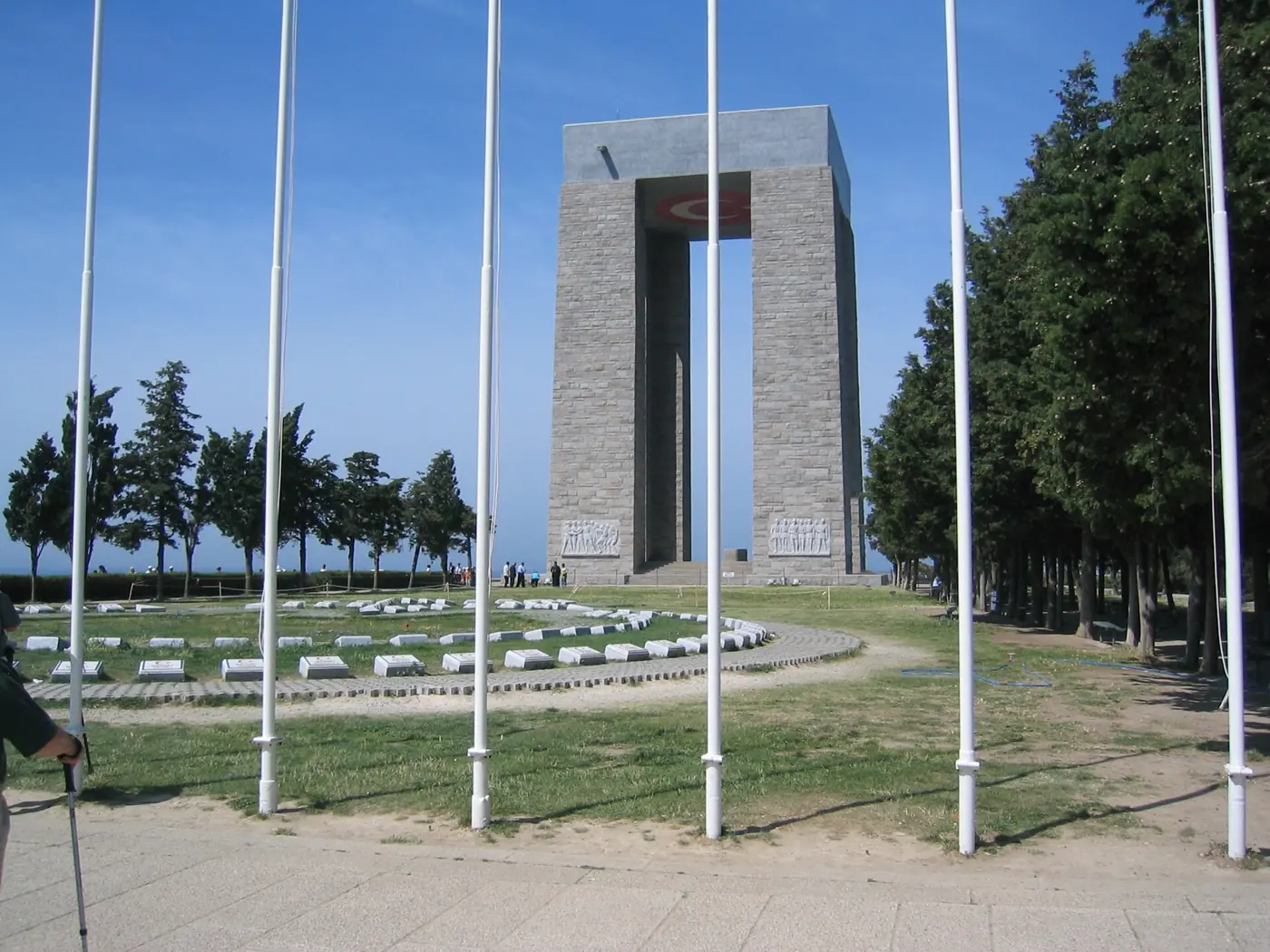
3 Canakkale Sehitleri Aniti
A large memorial at the tip of the Gallipoli peninsula commemorating about 253,000 Turkish soldiers. Entry is free and it suits spring and autumn visits.
- Commemorates: About 253,000 Turkish soldiers
- Location: Southern tip of the Gallipoli peninsula
- Type: War memorial
Show map
How should you pack and plan by season?
In spring and autumn, pack layers, comfortable shoes and a light rain jacket. Mornings and evenings on the strait can feel cooler, and wind is common. In summer, bring sun protection, a hat and water, especially for open-air sites such as Troy and the Gallipoli ridges.
In winter, expect cooler and wetter days. Moreover, keep indoor options ready, such as the naval museum in Çimenlik Castle or the Troy Museum. Therefore a rainy morning need not ruin the day.
Also plan around daylight. Days are shorter from late autumn, so start early for peninsula tours. In contrast, summer evenings are long, which suits a late walk on the Kordon after a day trip.
Packing and planning notes by season.
| Season | Pack | Plan around |
|---|---|---|
| Spring | Layers, light rain jacket | Commemoration crowds in March and April |
| Summer | Sun protection, water, swimwear | Heat at open-air sites, early bookings |
| Autumn | Layers, comfortable shoes | Shorter daylight toward the end |
| Winter | Warm clothes, rain layer | Wind on ferries, fewer services |
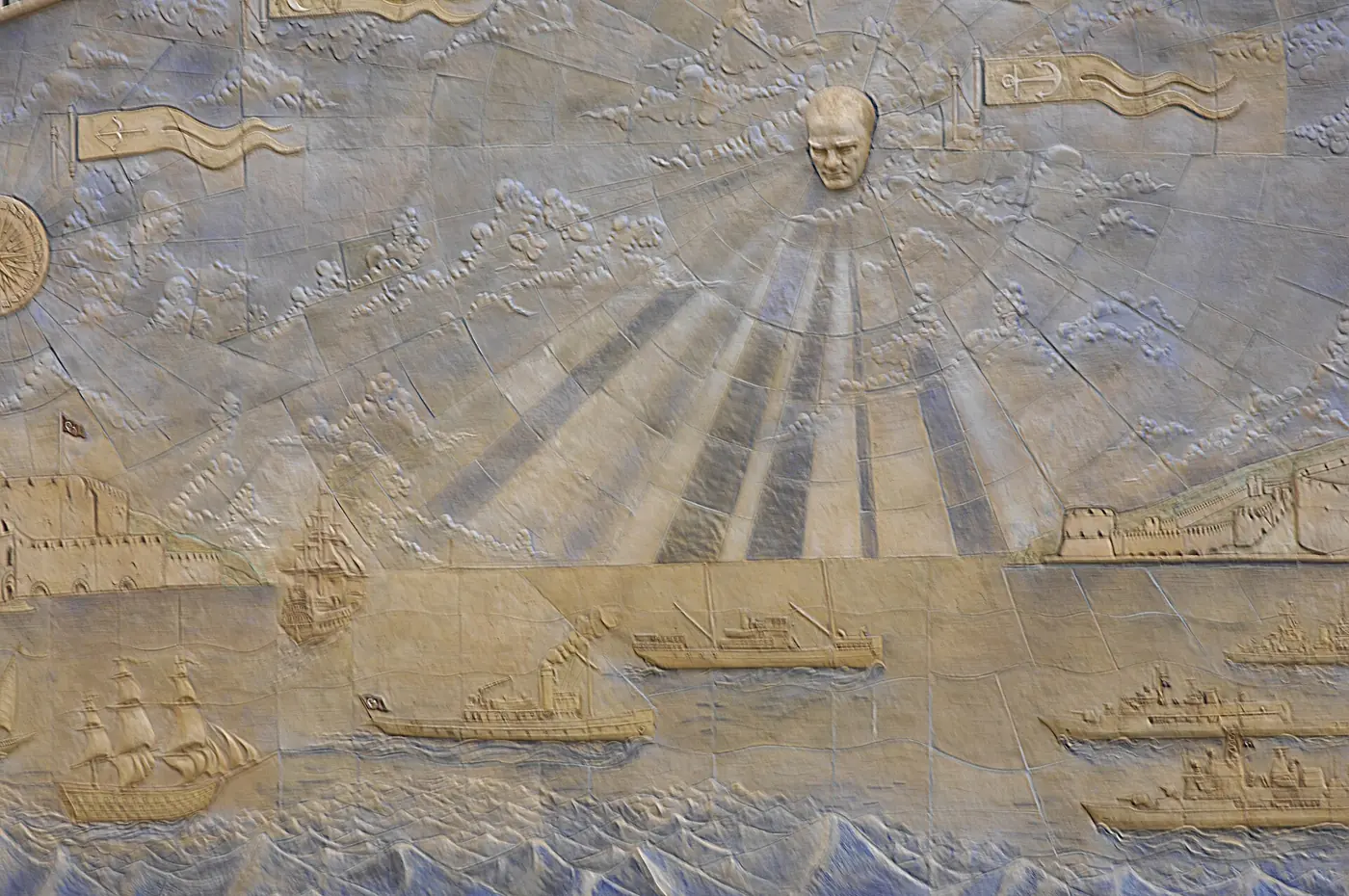
4 Çanakkale Deniz Müzesi
An indoor stop in the Çimenlik Castle area that presents the 1915 naval campaign, useful on wet or windy days.
- Location: Çimenlik Castle area, Çanakkale
- Theme: 1915 Dardanelles naval campaign
Show map
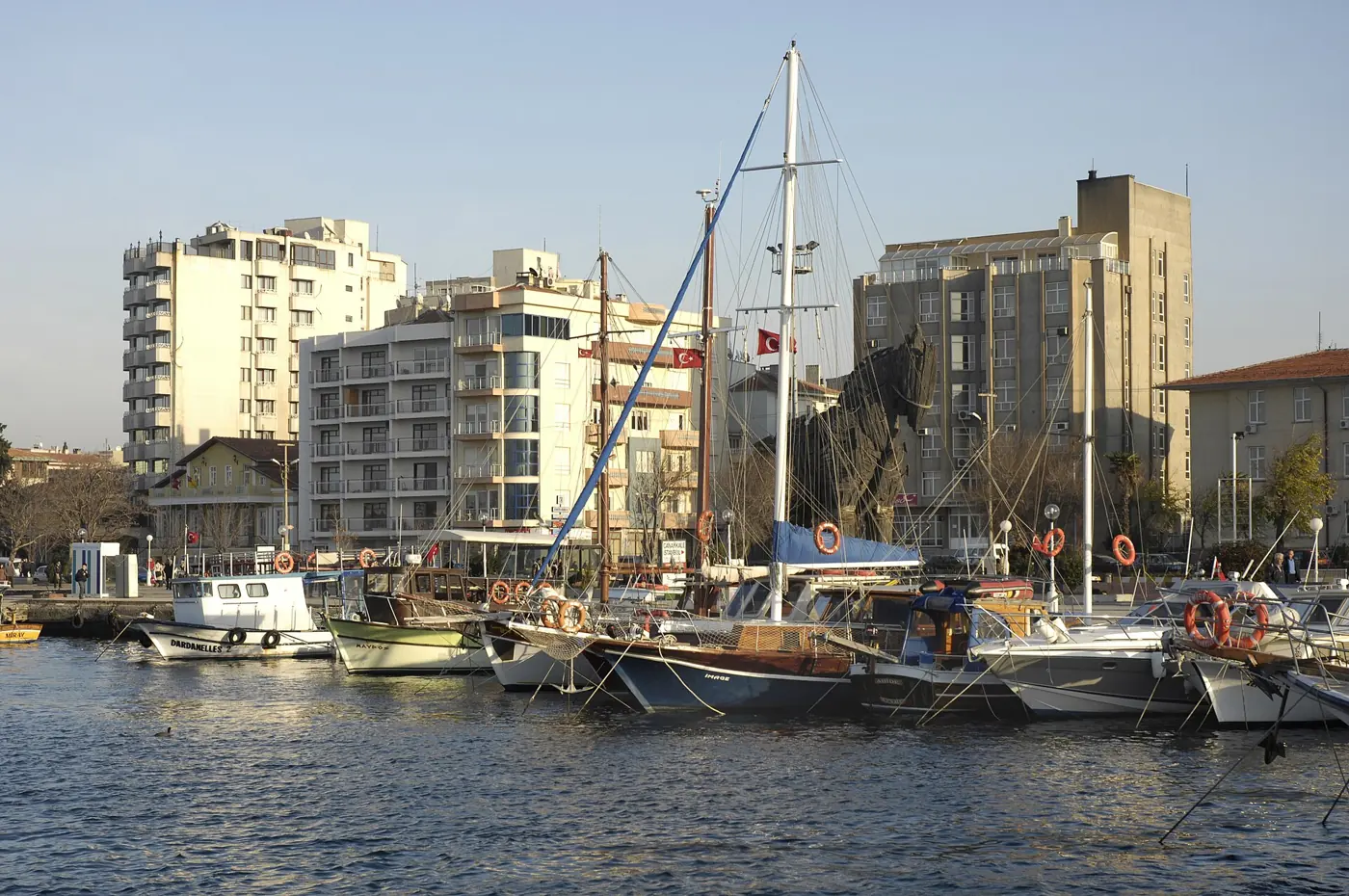
5 Çanakkale Kordon
The seafront promenade is free and works in any season, with ferries and ships in view.
- Location: Çanakkale city waterfront
- Includes: Trojan Horse, clock tower nearby, ferry pier
Show map
How do you avoid the crowds?
Crowds concentrate around the two commemoration dates, summer weekends and public holidays. Choose weekdays and early starts to ease the pressure. At the Gallipoli sites, early morning also gives softer light and calmer paths.
If you must travel in a busy week, book hotels, ferries and any guide early. However, accept that some roads or sites may have controlled access on commemoration days, so follow official notices. Therefore keep your schedule flexible and have a backup plan in the city.
Simple ways to beat the crowds:
- Travel on weekdays where you can.
- Start the Gallipoli day early.
- Book accommodation well ahead for March, April and summer.
- Keep a free hour for queues.
- Check official notices around 18 March and 25 April.
Which month fits which kind of traveller?
History readers do best in spring and autumn, when walking at Troy and on the Gallipoli ridges is comfortable. Families with children often prefer late spring or early summer, when the sea is pleasant and the Kordon is lively. Couples may enjoy early autumn, with calmer islands and vineyard scenery.
Budget travellers should look at the shoulder months, because rooms are easier to find and demand is lower. In contrast, anyone who wants beaches and island nights should accept the summer crowds and book early. Moreover, those who follow the Anzac story may choose the commemoration dates, but they must plan far ahead and follow official instructions.
Therefore ask yourself three questions: what do I want to see, how much heat can I accept, and how flexible are my dates. The answers point to a month more reliably than any fixed rule.
Matching travellers to seasons:
- History and archaeology: spring and autumn.
- Family sea holiday: late spring and summer.
- Wine and quiet islands: early autumn.
- Low cost and quiet: winter and shoulder months.
- Commemoration visitors: around 18 March and 25 April, with early planning.
When is Troy best, and what about the islands and Assos?
Troy is open-air, so shade is limited in summer. Spring and autumn are more comfortable, and the museum next door offers an indoor option on hot or wet days. Bozcaada is at its liveliest in summer, but the vineyards are lovely in early autumn.
Assos and the Temple of Athena reward a clear day for sea views. Moreover, Gökçeada’s villages suit a slower trip outside the peak weeks.
Which season fits which sight.
| Sight | Better in | Reason |
|---|---|---|
| Troy and museum | Spring or autumn | Open-air ruins, comfortable walking |
| Bozcaada vineyards | Late summer or early autumn | Vineyard landscape and tastings |
| Assos and the temple | Clear spring or autumn days | Sea views and fewer crowds |
| Gökçeada villages | Early summer or early autumn | Quieter pace |
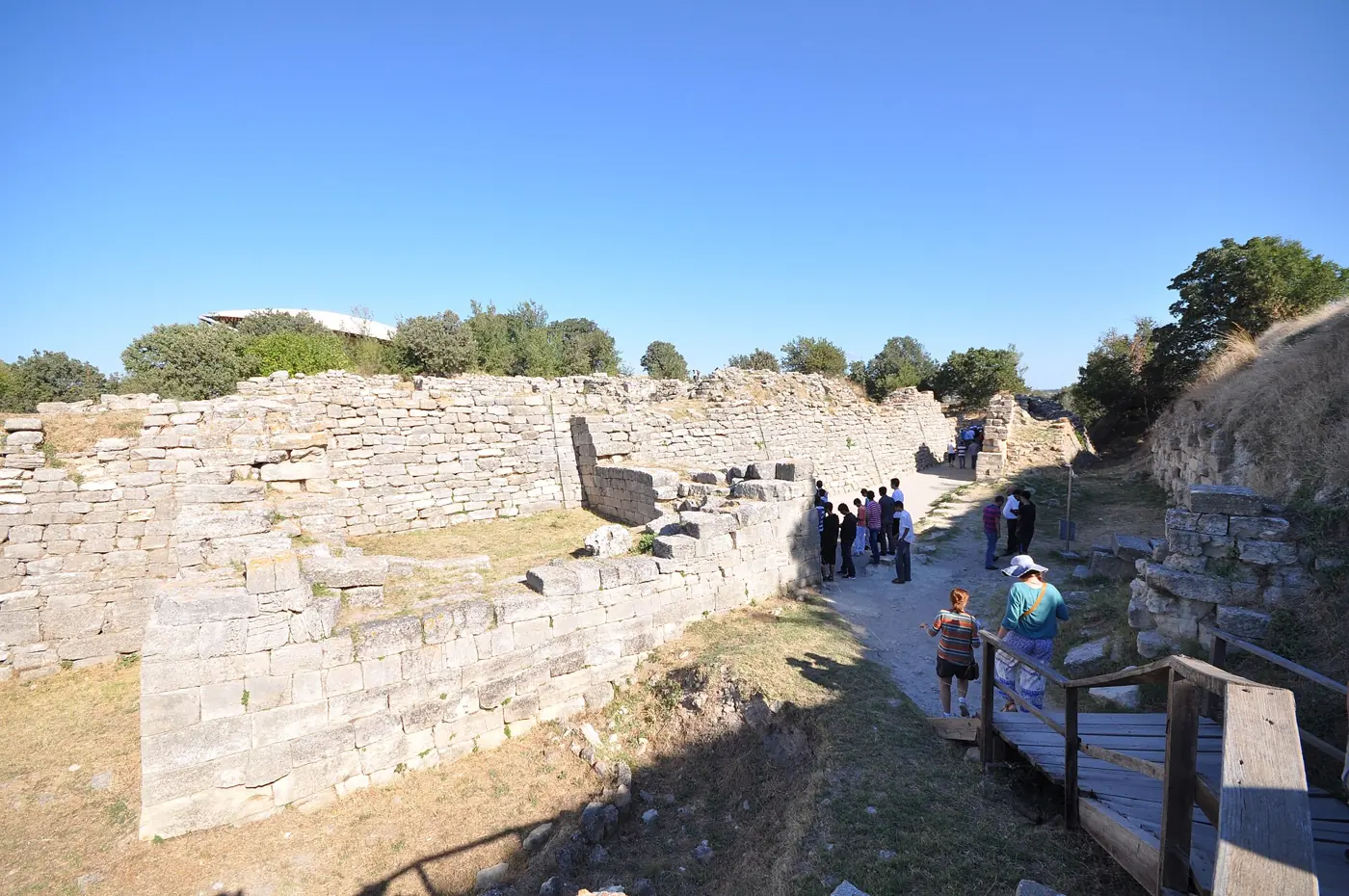
6 Truva (Troya Antik Kenti)
Troy is a UNESCO World Heritage Site with nine main settlement layers. It is open-air, so choose a comfortable season.
- Designation: UNESCO World Heritage Site (1998)
- Mound: Hisarlik, near Tevfikiye village
- Nearby: Troy Museum
Show map
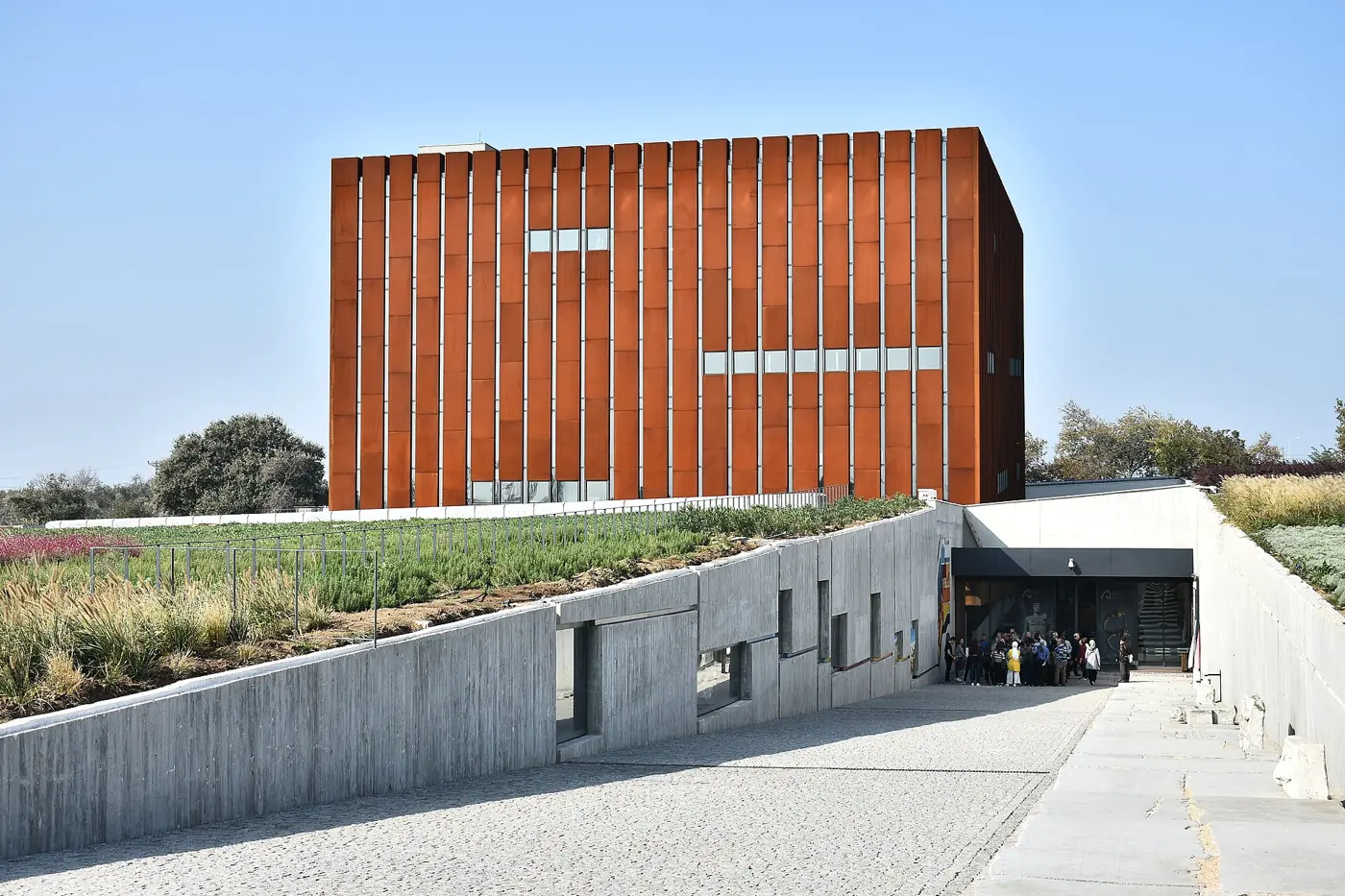
7 Troya Muzesi
The museum next to Troy opened in 2018 and gives an indoor stop on hot or wet days.
- Opened: 2018
- Location: Next to the Troy archaeological site, Tevfikiye
- Replaces: Canakkale Archaeological Museum collection
Show map
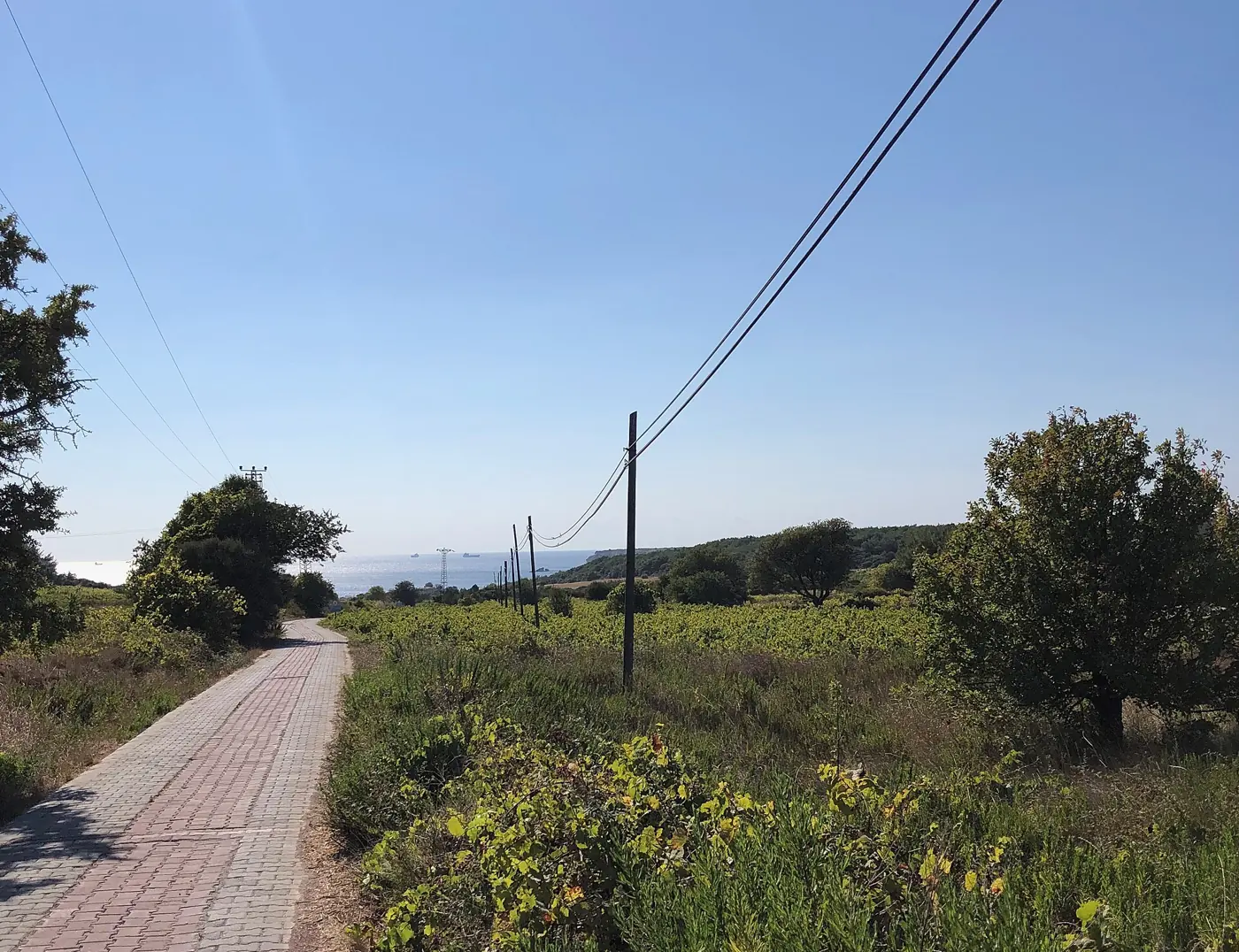
8 Bozcaada Bağları
Vineyards cover much of Bozcaada. Çavuş and Kuntra are typical island grapes, and the lanes suit cycling or walking.
- Local grapes: Çavuş and Kuntra are typical island varieties
- Activity: Winery visits, cycling and walking lanes
Show map
9 Athena Tapinagi
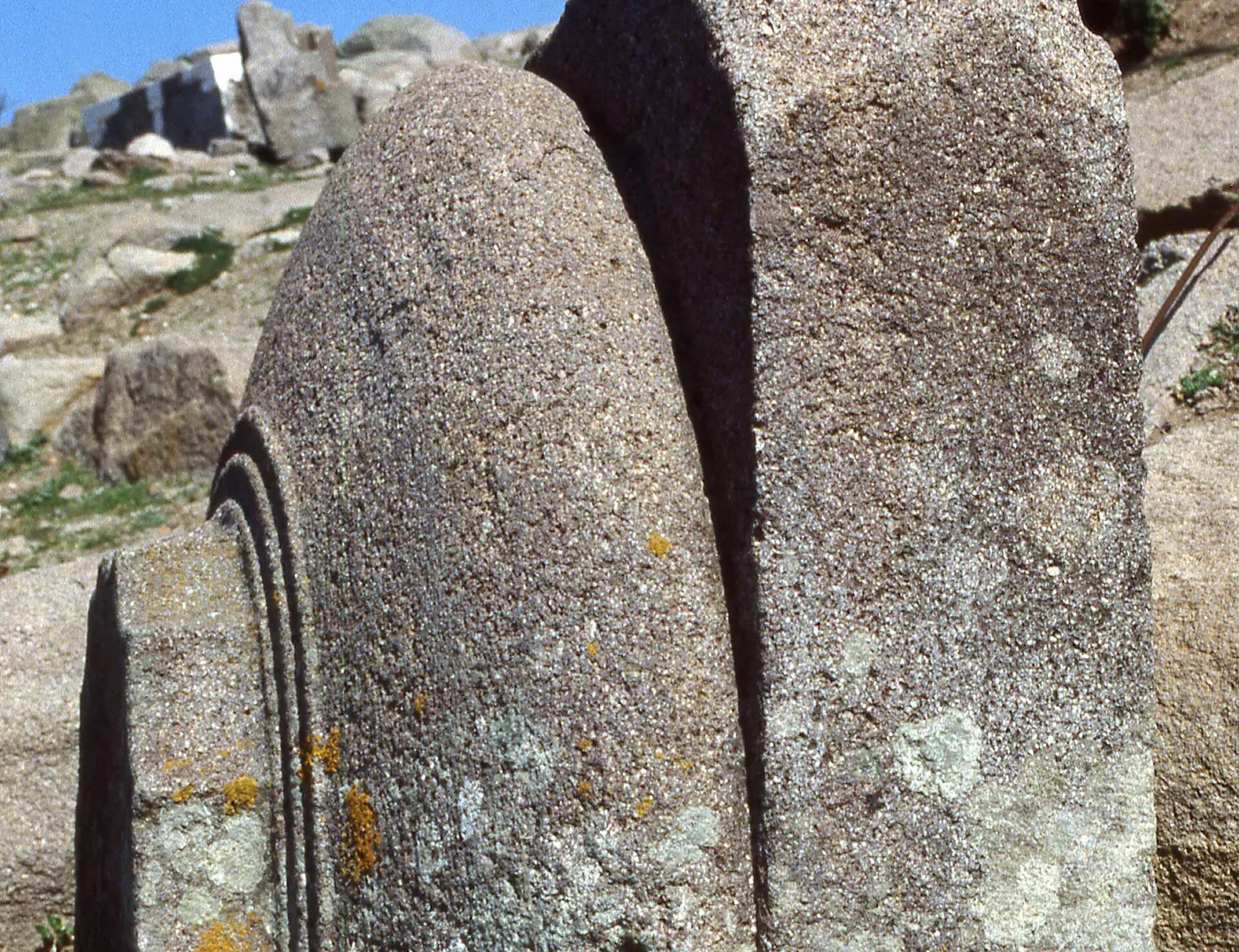
A Doric temple from 530 BC with six of its 38 columns standing, above the Aegean. Choose a clear day for the view.
- Built: 530 BC
- Order: Doric
- Surviving columns: 6 of 38
Show map
10 Kaleköy
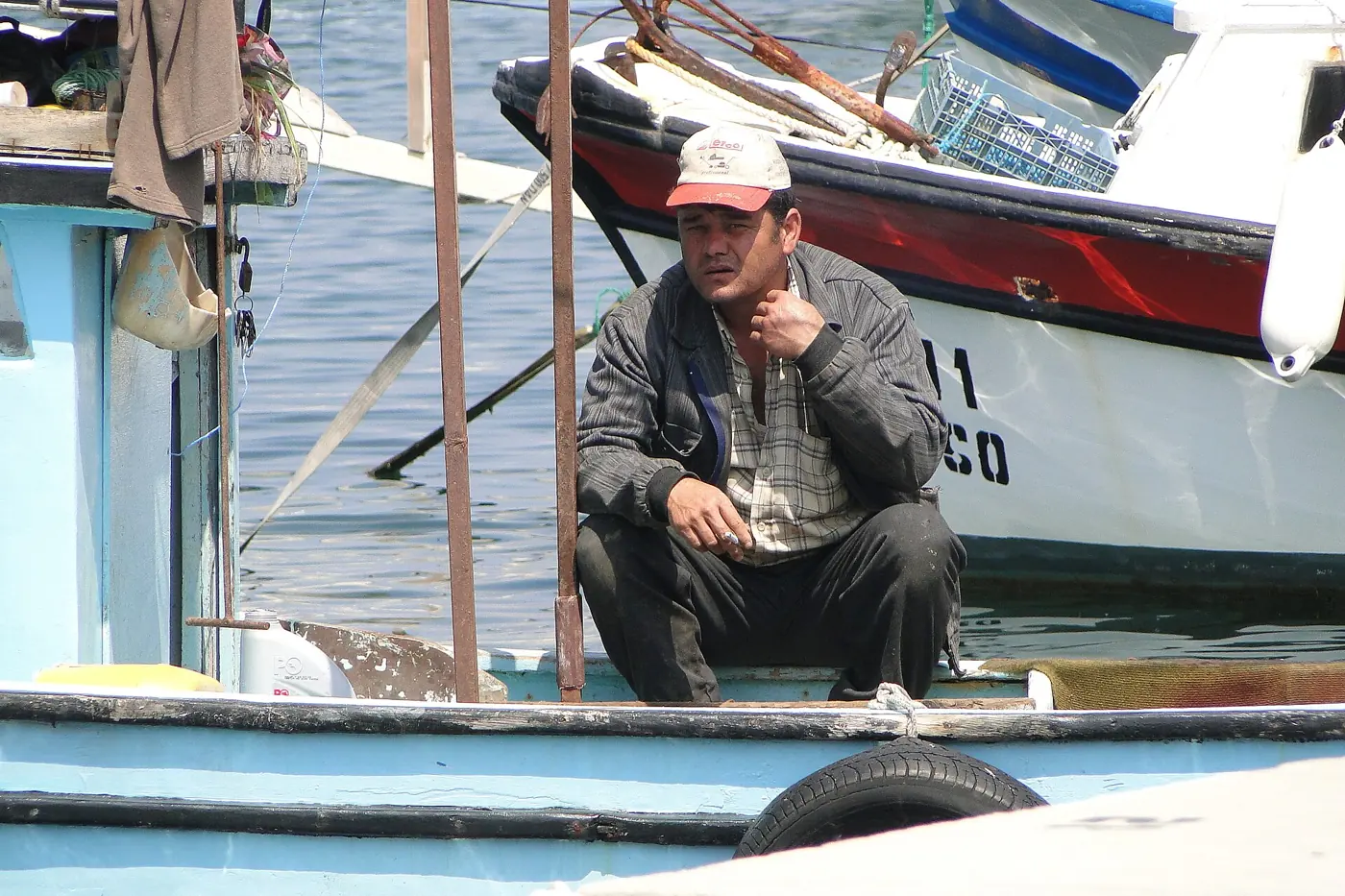
A small harbour village on Gökçeada with stone houses and fish restaurants, a good base outside the busiest weeks.
- Island: Gökçeada (Imbros)
- Character: Stone houses, small harbour, bars and fish restaurants
Show map
Frequently asked questions
What is the best month to visit Çanakkale?
Spring and early autumn are the most comfortable for sightseeing. Summer suits beaches and islands.
When are the Gallipoli commemoration dates?
18 March marks the 1915 naval battle and 25 April marks the 1915 landings. Expect crowds and check official notices.
Is winter a bad time to visit?
No, but it is cooler and quieter. Plan museum and city stops as backup.
Is Troy too hot in summer?
The ruins are open-air with limited shade, so spring and autumn are more comfortable.
When is Bozcaada best?
Summer is the liveliest, while early autumn suits the vineyards. Book accommodation early for peak weeks.
Do ferries run in bad weather?
Strong wind can disrupt crossings. Check with the operator before you travel.
Should I book ahead?
Yes for March, April, July and August.
Plan this with TurkGT
TurkGT can match your dates to a private car with driver, a licensed guide for Troy and Gallipoli, an Anzac Day transfer plan, or a hotel booking in the city. Send your dates and group size by WhatsApp or the inquiry form, and we will reply with options.
Request a booking
Related guides
- Getting to Çanakkale: Ferries and Buses from Istanbul
- Istanbul to Çanakkale: Every Way to Get There
- Çanakkale in Two Days: A Step-by-Step Itinerary
- Top 10 Hotels in Çanakkale: Kordon, Spa and City Centre
- Top 10 Restaurants in Çanakkale: Fish, Kebab and Home Cooking
- Top Sights in Çanakkale: Troy, Gallipoli, Assos and Bozcaada
- Çanakkale, Bozcaada and Gökçeada Beaches: A Practical Guide
Related destinations and attractions
- Çanakkale
- Archaeological Site of Troy
- Troy Museum
- Marmara Region, Türkiye: Istanbul, Bursa, Edirne and Troy
Explore more city guides
Sources
- Dardanelles (Wikipedia)
- 1915 Çanakkale Bridge (Wikipedia)
- Çanakkale (Wikipedia)
- Bozcaada (Wikipedia)
- Assos (Wikipedia)
Last reviewed: 2026-11-21.