
Çanakkale’s top sights combine ancient history at Troy and Assos, 1915 battlefield memorials on the Gallipoli peninsula, and city-centre landmarks such as the Kordon and Çimenlik Castle. Bozcaada Castle adds an island stop. We list twelve verified sights below.
Key facts
- UNESCO site: Troy, listed in 1998
- Troy distance: About 30 km south of Çanakkale city
- Strait castles: Çimenlik (1462) and Kilitbahir (1463)
- Gallipoli landing: Anzac Cove, 25 April 1915
- Island castle: Bozcaada, by the harbour
- Ancient city: Assos at Behramkale, with a Doric temple of Athena
- Hours and tickets: Check each site’s page or Google Maps
What are the top sights in Çanakkale?
The province has four themes. Ancient sites include Troy and Assos. Gallipoli adds the 1915 battle memorials. The city centre offers the Kordon, the Trojan Horse and the two castles. Finally, Bozcaada gives an island fortress and harbour.
You can see the city sights in half a day. Troy and the peninsula each need most of a day, and Assos or Bozcaada need another. Therefore plan two to three days for a full visit.
How did we choose these sights?
We chose these places from the registry of places we have verified, using four criteria: the official or listed classification, the location, the details published by the place or by neutral sources, and whether we could match it to a photo and a map pin. We do not accept payment for placement in any TurkGT guide.
Moreover, we do not publish review scores. Ratings change week by week, so the Google Maps button on each card is the better place to read recent opinions. Therefore treat this list as a starting shortlist, then confirm hours and menus before you go.
Our criteria:
- Official designation, such as UNESCO listing, or a clear historic role
- Location in Çanakkale province
- Details from neutral sources such as Wikipedia and Commons
- A verified photo and map pin
- No payment for placement, and no review scores
Which sights are in Çanakkale city?
The city centre is compact. The Kordon runs along the water and holds the Trojan Horse. The clock tower stands beside the main square. Çimenlik Castle and the naval museum sit nearby on the Asian shore of the strait.
Kilitbahir faces Çimenlik on the other side, so the two fortresses show how the strait was guarded. Moreover, the narrow strait lets you watch ships pass close to shore.
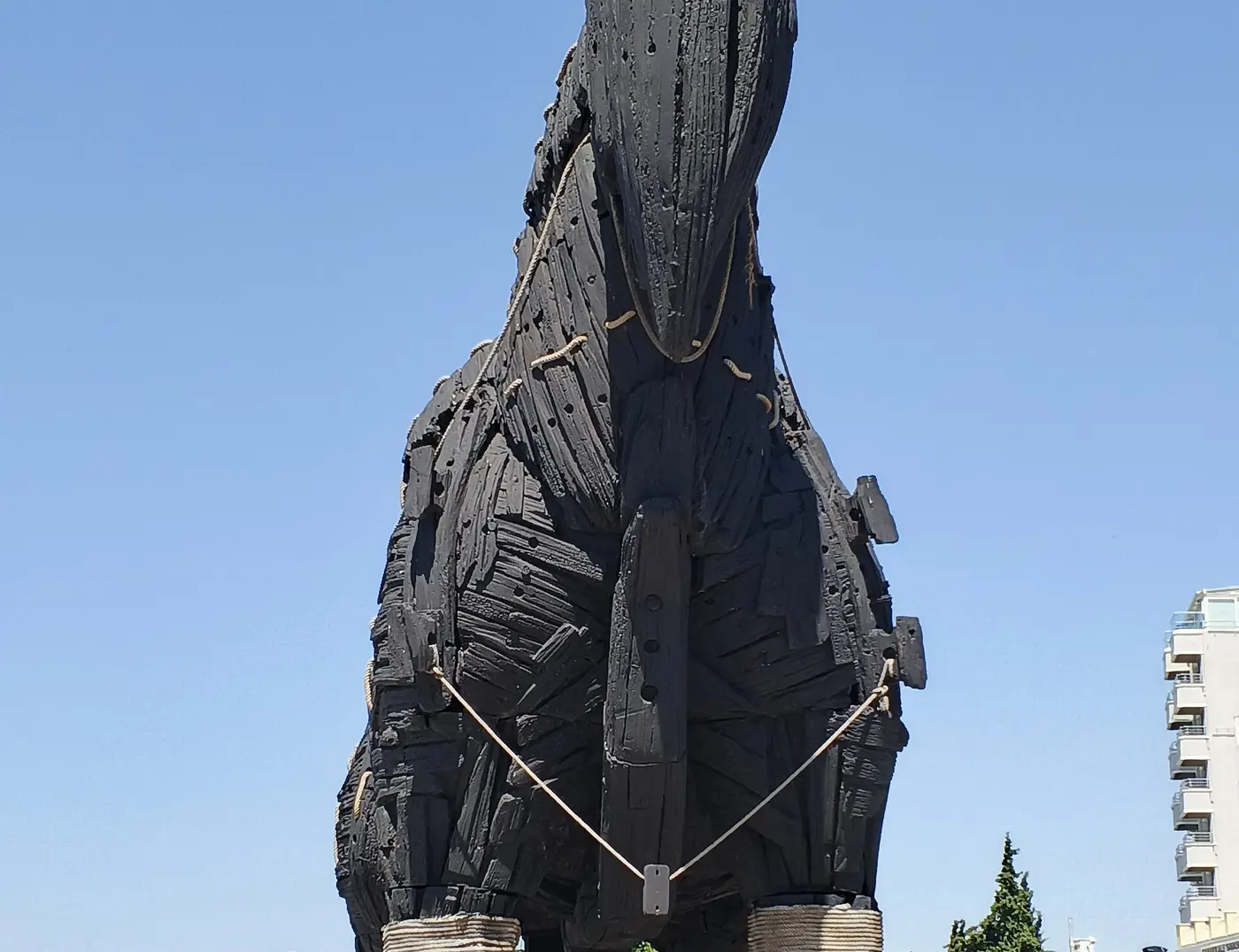
1 Truva Atı (Çanakkale Kordon)
The wooden horse on the Kordon was a prop for the 2004 film Troy and was later given to the city. It is free and open-air.
- Location: Kordon waterfront promenade, Çanakkale city centre
- Origin: Film prop from the 2004 movie Troy
Show map
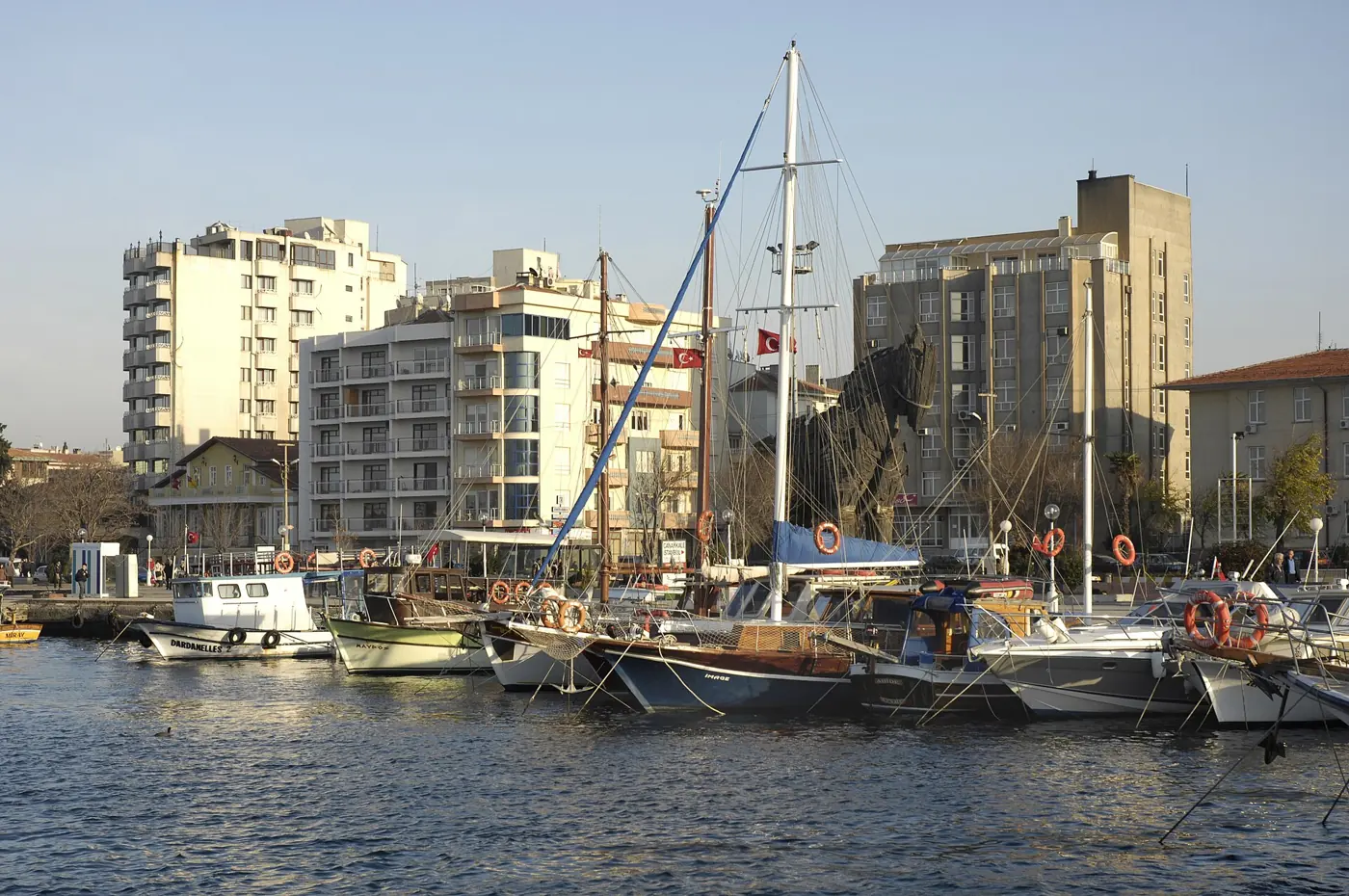
2 Çanakkale Kordon
The Kordon is the seafront promenade, with cafes, the Trojan Horse and ferries crossing the strait in view.
- Location: Çanakkale city waterfront
- Includes: Trojan Horse, clock tower nearby, ferry pier
Show map
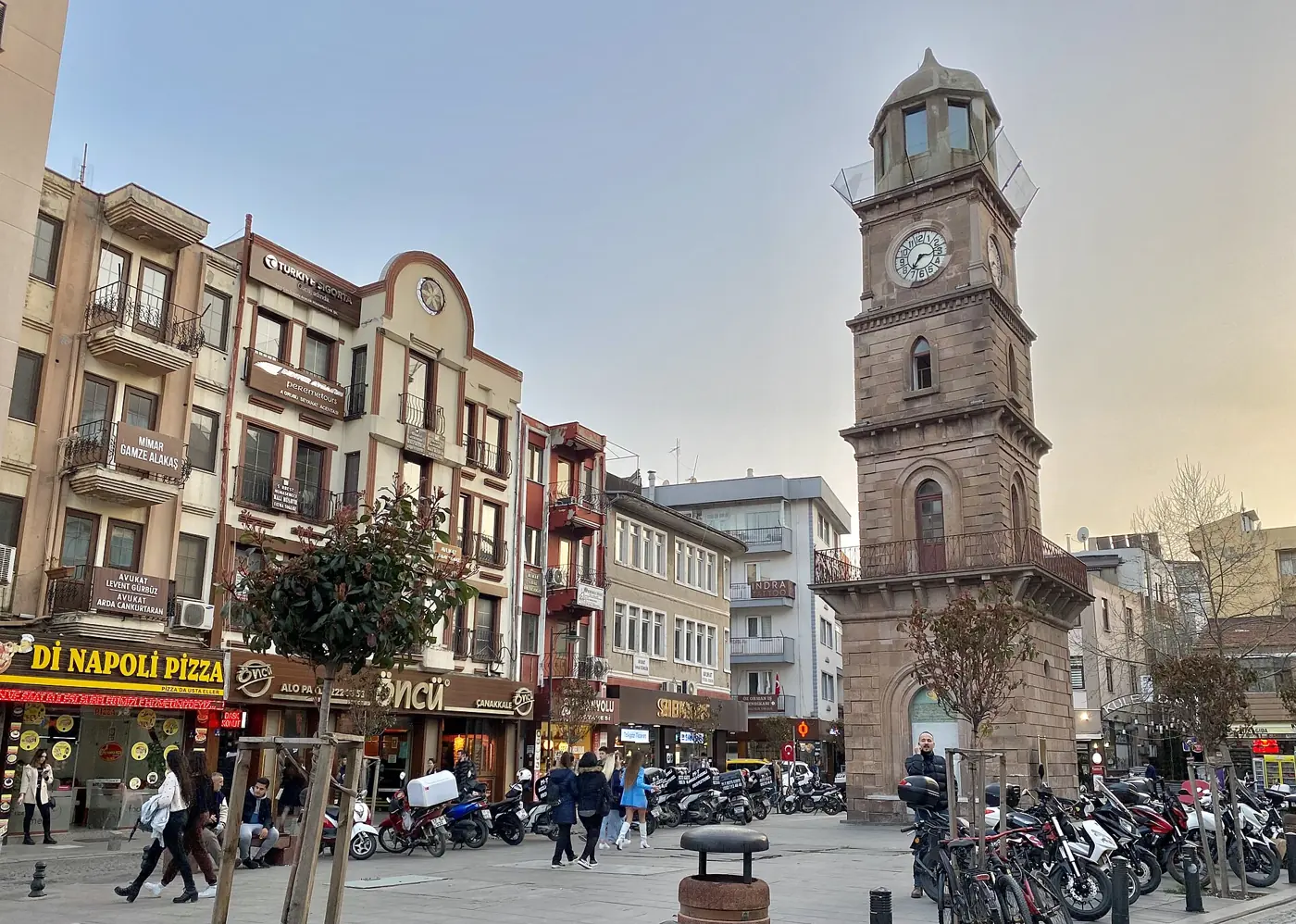
3 Çanakkale Saat Kulesi
The Ottoman-era clock tower stands in the centre beside the main square and fountain.
- Location: Central Çanakkale, near the waterfront
- Era: Ottoman, 19th century
Show map
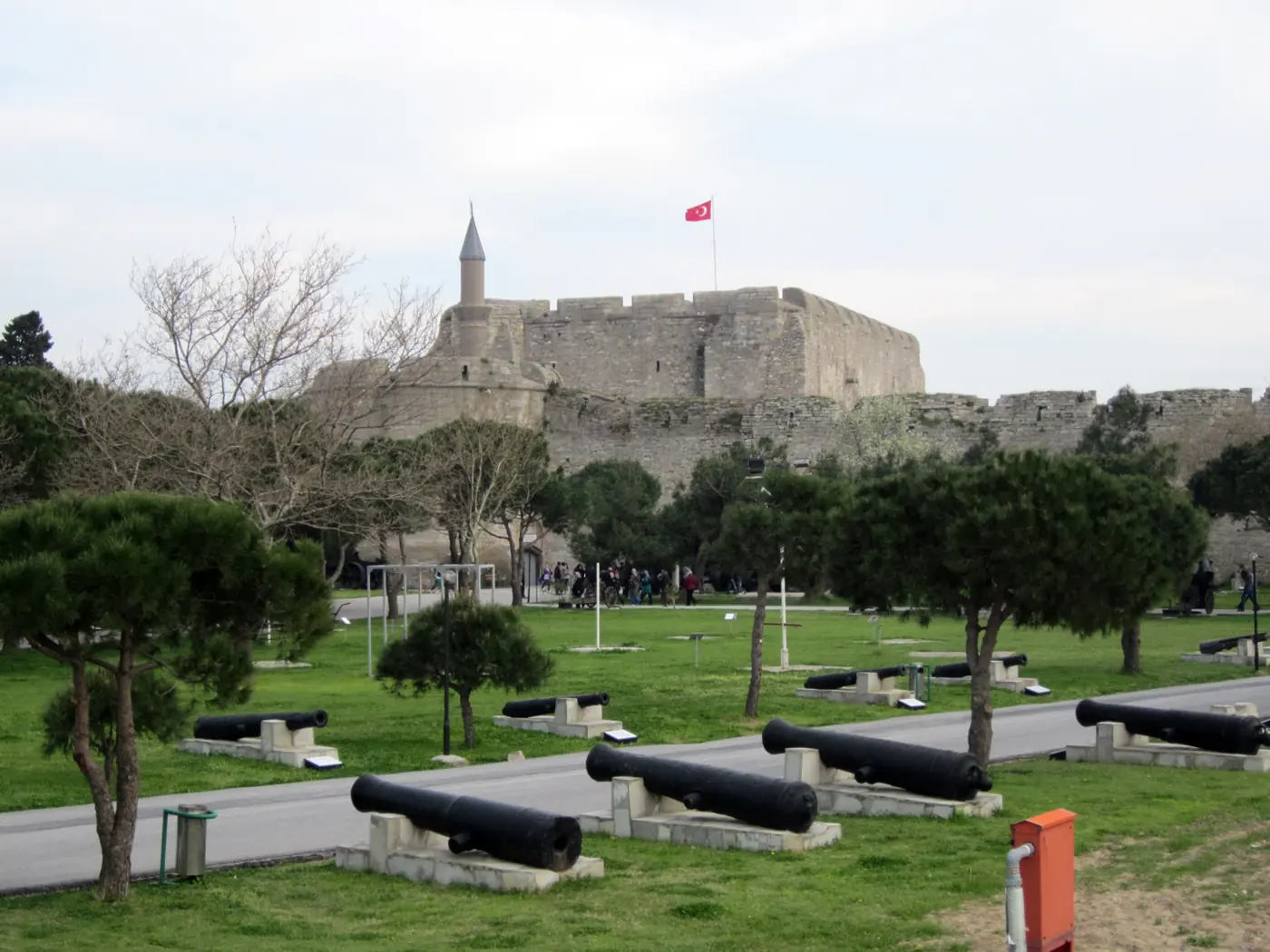
4 Çimenlik Kalesi
Mehmed II built Çimenlik in 1462 on the Asian shore. It pairs with Kilitbahir opposite and now holds the naval museum.
- Built: 1462, under Mehmed II
- Twin fortress: Kilitbahir, on the European shore
Show map
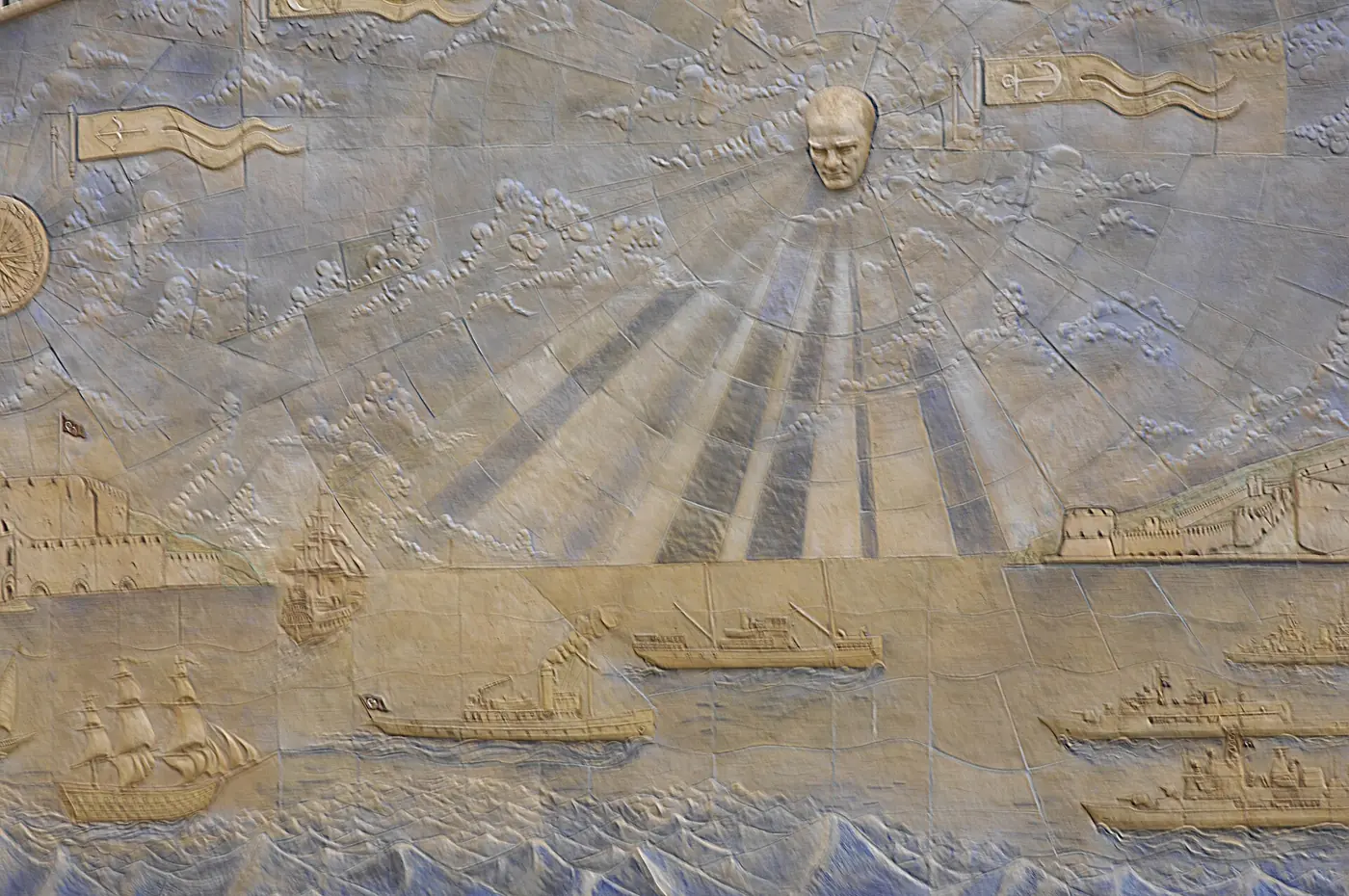
5 Çanakkale Deniz Müzesi
The naval museum inside Çimenlik presents the 1915 naval battle, and the replica minelayer Nusret is displayed nearby.
- Location: Çimenlik Castle area, Çanakkale
- Theme: 1915 Dardanelles naval campaign
Show map
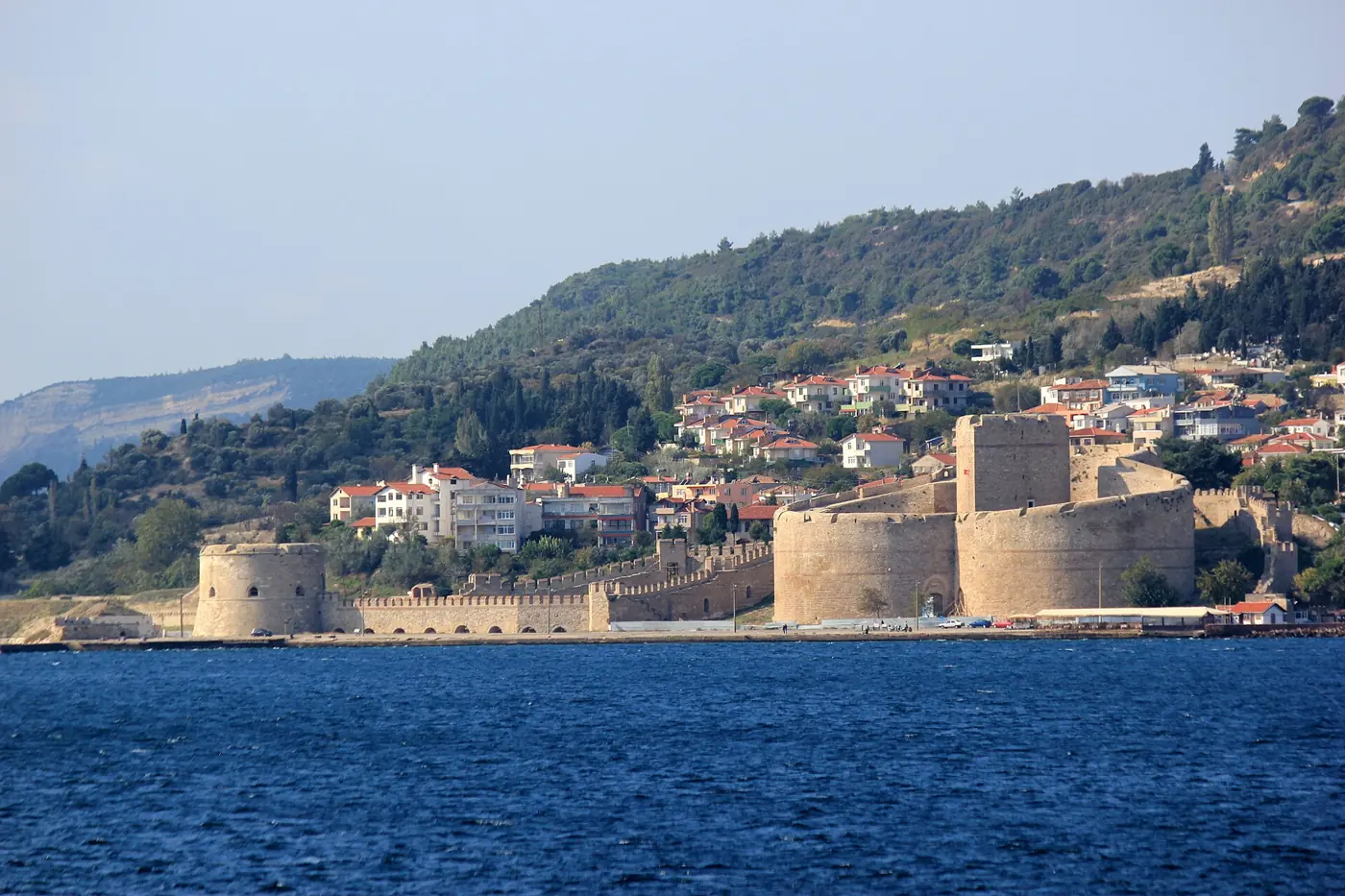
6 Kilitbahir Kalesi
Kilitbahir is a clover-shaped fortress built in 1463 on the Gallipoli side, facing Çimenlik across the strait.
- Built: 1463, under Mehmed II
- Shape: Three-lobed (clover) plan
Show map
What should you see at Troy?
Troy lies about 30 km south of the city near Tevfikiye. Visit the site first and the museum second, or the other way round if you prefer context before the ruins. The Troy Museum opened in 2018 beside the site.
Both are described on our Troy pages. Check the official pages for current opening hours and ticket rules.
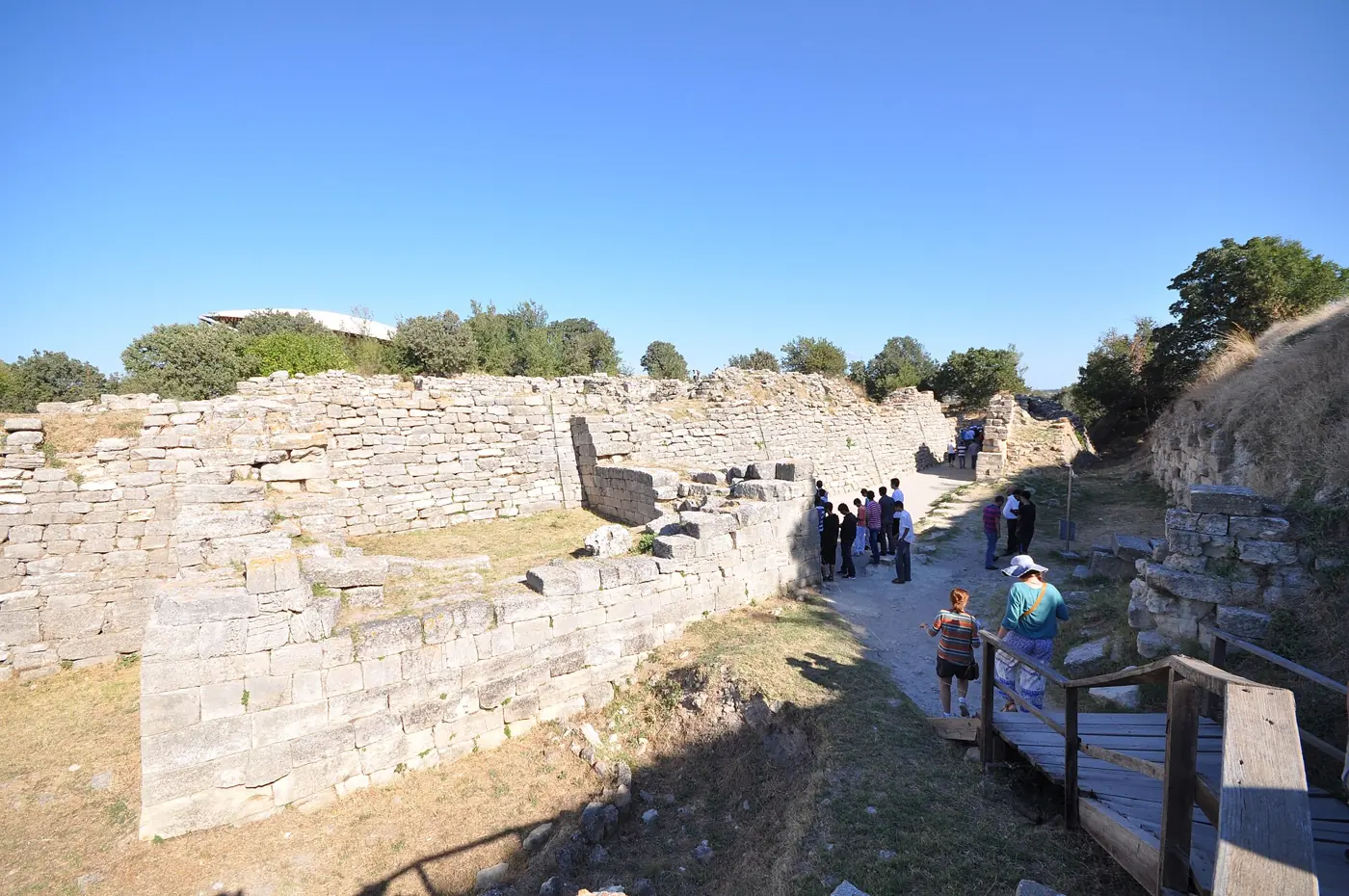
7 Truva (Troya Antik Kenti)
Troy is a UNESCO World Heritage Site listed in 1998, on the Hisarlik mound near Tevfikiye. It has nine main settlement layers from the Bronze Age to Roman times.
- Designation: UNESCO World Heritage Site (1998)
- Mound: Hisarlik, near Tevfikiye village
Show map
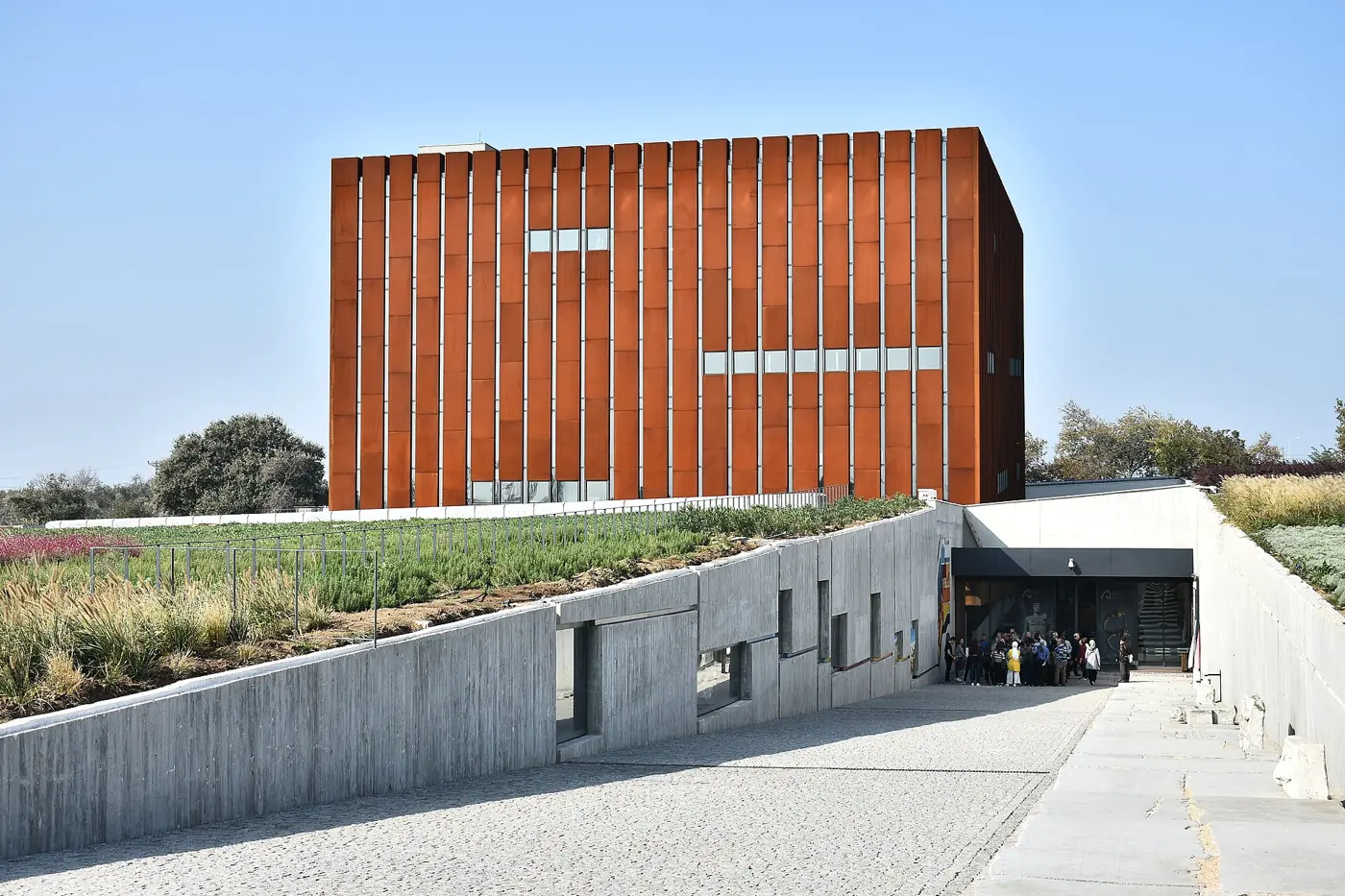
8 Troya Muzesi
The Troy Museum stands beside the site in Tevfikiye and opened in 2018. It displays finds from Troy and the wider Troad, so visit it with the ruins.
- Opened: 2018
- Location: Next to the Troy archaeological site, Tevfikiye
Show map
Which Gallipoli sights should you add?
Gallipoli is a day trip by ferry and road. Anzac Cove marks the 25 April 1915 landing, and the Çanakkale Martyrs’ Memorial stands at the peninsula tip. These sites are solemn, so dress and behave respectfully.
A licensed guide explains the battle sequence far better than signs alone. Therefore many visitors book a guided or private-car tour.
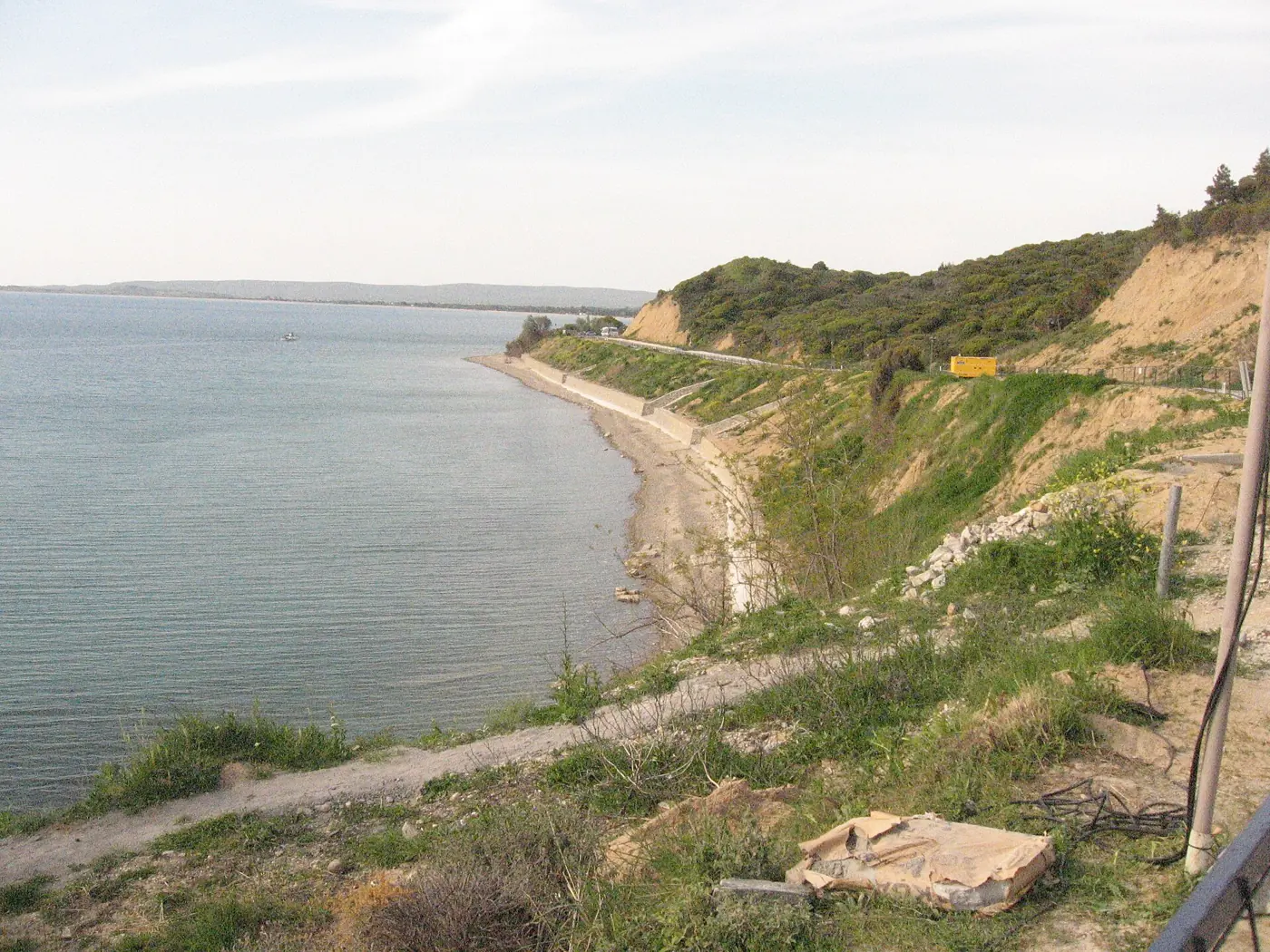
9 Arıburnu (Anzac Koyu)
Anzac Cove is a small Aegean beach where Australian and New Zealand troops landed on 25 April 1915. It is now a memorial site.
- Landing: 25 April 1915
- Setting: Memorial beach on the Aegean coast
Show map
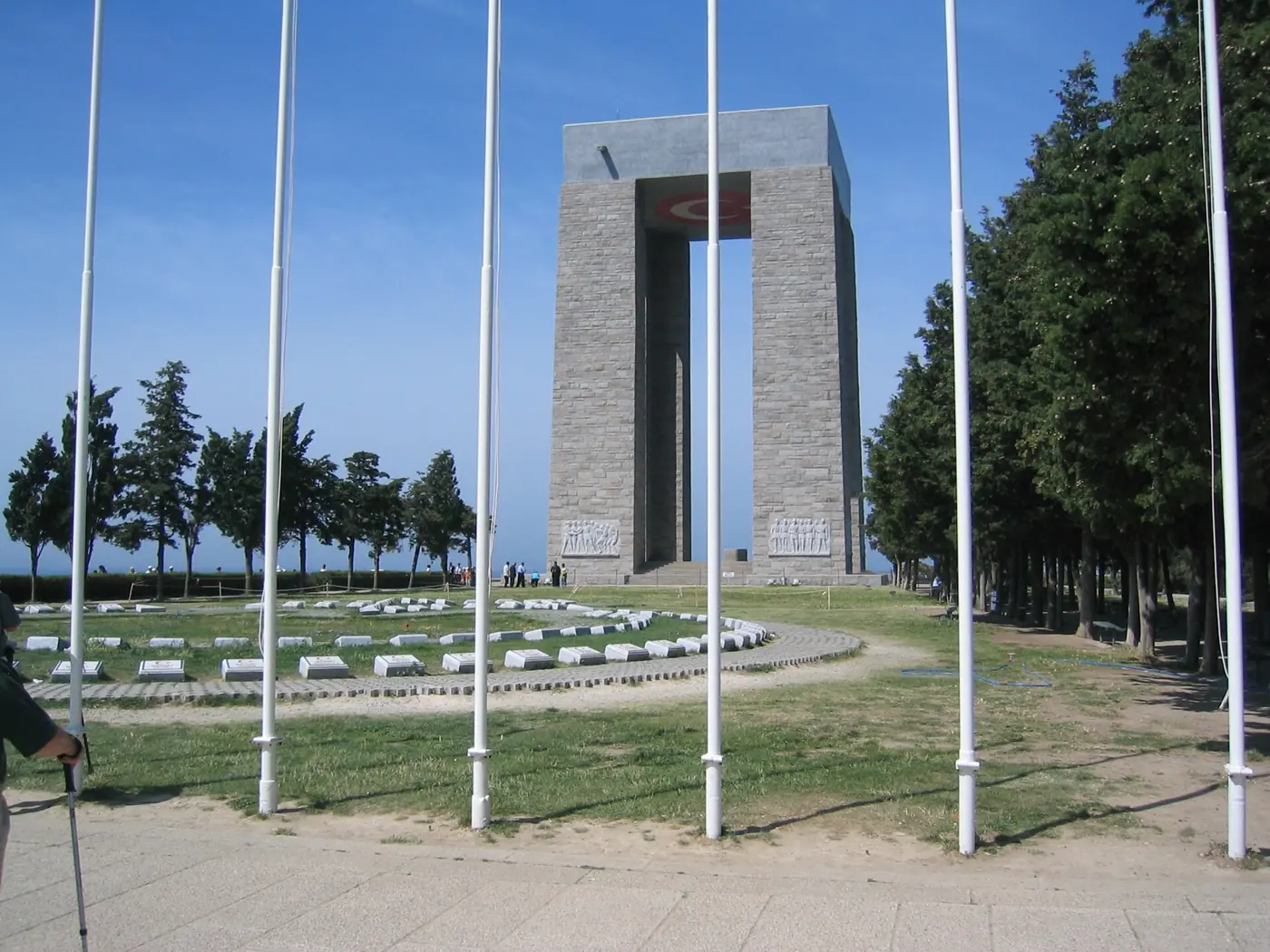
10 Canakkale Sehitleri Aniti
The memorial at the tip of the Gallipoli peninsula commemorates about 253,000 Turkish soldiers who fought in the battle.
- Commemorates: About 253,000 Turkish soldiers
- Location: Southern tip of the Gallipoli peninsula
Show map
What about Assos and Bozcaada?
Assos and Bozcaada are the scenic extensions. Assos sits on a volcanic crag at Behramkale with a Doric temple of Athena, built in 530 BC, with six of 38 columns standing. Bozcaada Castle rises above the island’s only town and harbour.
Assos is a drive from the city, while Bozcaada needs the Geyikli ferry. Plan each as its own day.
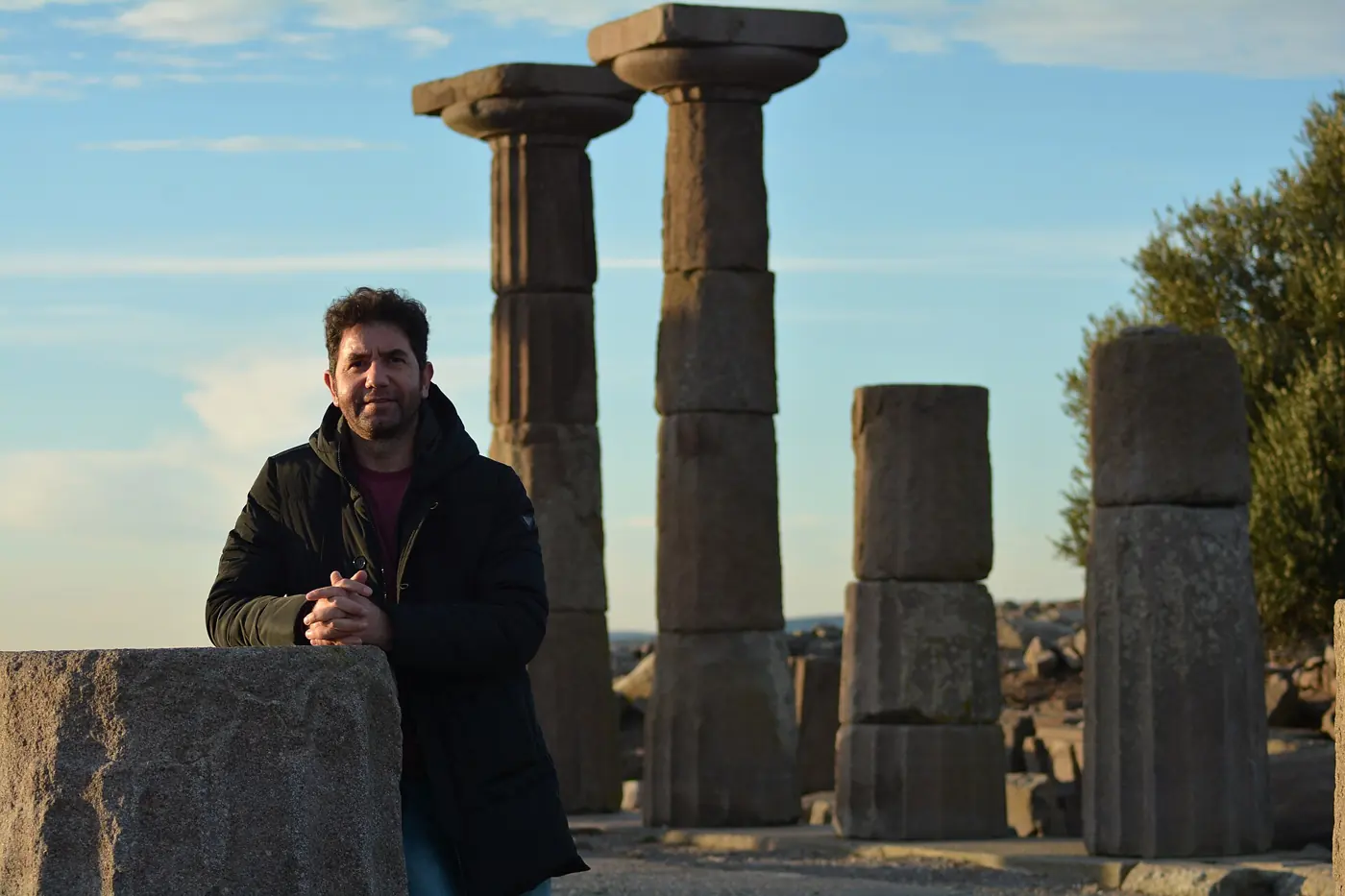
11 Assos Antik Kenti
Assos is an ancient Greek city on a volcanic crag at Behramkale, with a Doric temple of Athena, a medieval mosque and a bridge.
- Founded by: Colonists from Lesbos
- Temple: Doric Temple of Athena, 530 BC
Show map
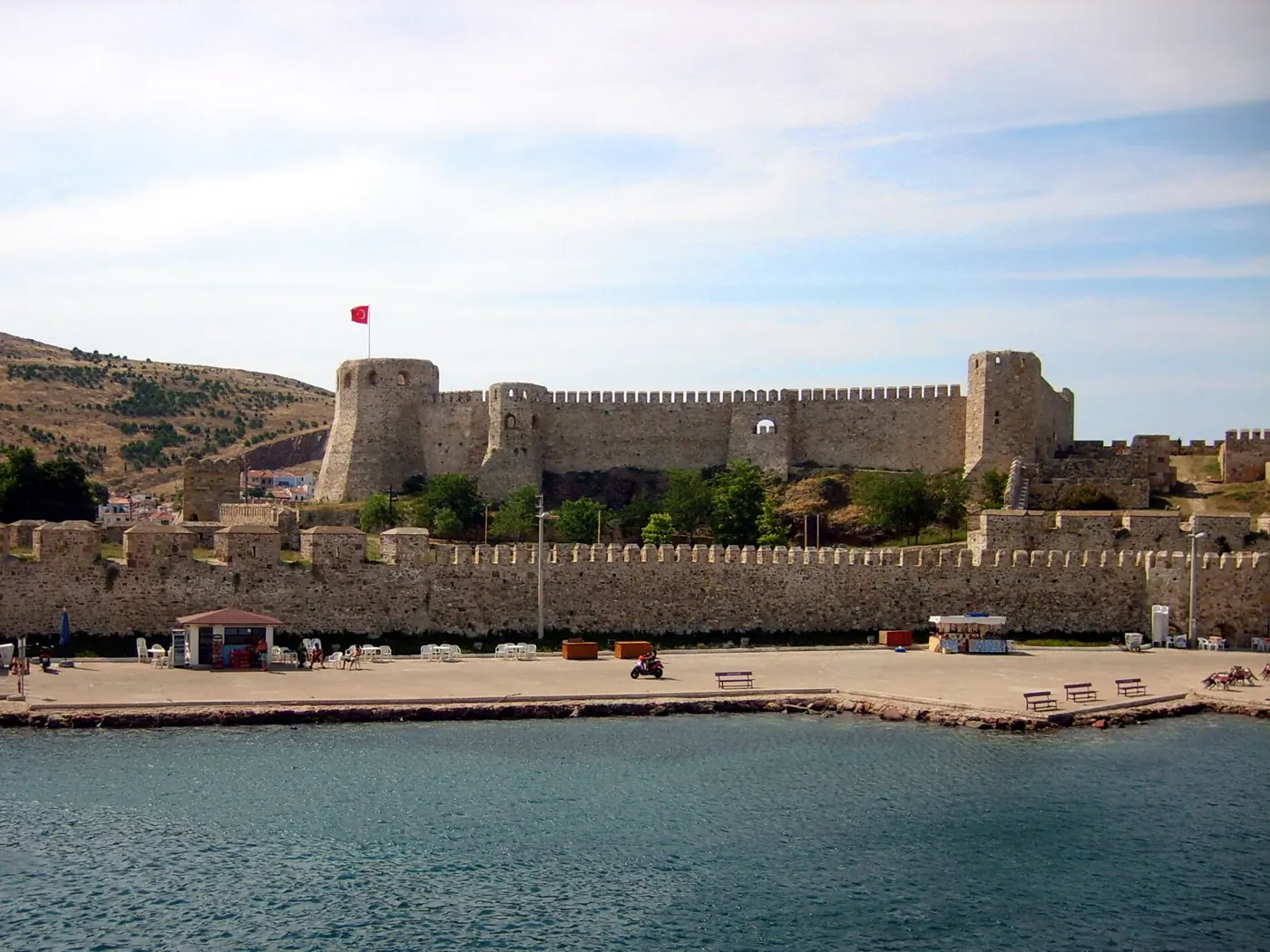
12 Bozcaada Kalesi
The fortress above Bozcaada harbour dominates the island’s only town. It has Byzantine origins and later Genoese, Venetian and Ottoman work.
- Location: Beside Bozcaada harbour in the island town
- Origins: Byzantine period, rebuilt several times
Show map
How do the sights compare?
The table sorts the sights by theme and time needed. Times are rough planning guides, not official figures.
Match the sight to your interests.
| Sight | Theme | Area | Plan |
|---|---|---|---|
| Troy | Ancient, UNESCO | Tevfikiye | Half day |
| Troy Museum | Archaeology | Tevfikiye | With Troy |
| Trojan Horse | Photo stop | Kordon | Short stop |
| Kordon | Promenade | City centre | Evening walk |
| Clock tower | Ottoman | City centre | Short stop |
| Çimenlik Castle | Castle | City | 1 to 2 hours |
| Naval museum | 1915 campaign | City | With castle |
| Kilitbahir | Castle | Gallipoli side | 1 hour |
| Anzac Cove | 1915 memorial | Gallipoli | Full-day tour |
| Martyrs’ Memorial | 1915 memorial | Peninsula tip | Full-day tour |
| Assos | Ancient city | Behramkale | Half or full day |
| Bozcaada Castle | Fortress | Bozcaada | Full day |
Why does this region matter historically?
Çanakkale lies on the Dardanelles, the narrow strait between the Aegean and the Sea of Marmara. Because ships had to pass close to shore, rulers built fortresses on both banks. Çimenlik and Kilitbahir are the best-known pair, and they show how control of the strait shaped history.
The land behind the strait is just as rich. The Troad, the ancient region around Troy, holds layered ruins from the Bronze Age to Roman times. Moreover, Assos adds a Greek acropolis with a Doric temple, which broadens the story beyond Troy.
In 1915, the Gallipoli campaign brought the strait into modern memory. Memorials, cemeteries and landing beaches now cover the peninsula. As a result, a visit mixes archaeology, castles and war history in a small area.
Visitors often ask how much to see in a short stay. For a first trip, pick one ancient site, one castle and one Gallipoli memorial, then add an island if time allows. This keeps the days balanced and leaves room for meals on the Kordon.
Timeline of the sights in this guide.
| Period | Sight | Note |
|---|---|---|
| Bronze Age to Roman | Troy | Nine main settlement layers |
| 530 BC | Temple of Athena, Assos | Doric temple |
| 1462 and 1463 | Çimenlik and Kilitbahir | Twin fortresses built under Mehmed II |
| 1915 | Anzac Cove and memorials | Gallipoli campaign |
| 2004 | Trojan Horse prop | Film prop now on the Kordon |
| 2018 | Troy Museum | Opened beside the site |
How do you get there and get around?
Çanakkale city is walkable. The ferry to Eceabat takes you to the Gallipoli side, and Troy is a short drive south. Assos is a drive down the Aegean coast, and Bozcaada needs the Geyikli ferry.
Check the ferry operators’ pages for current schedules, because they change by season.
Getting around:
- City: walk
- Gallipoli: ferry to Eceabat, then car
- Troy: car or taxi
- Assos: drive
- Bozcaada: Geyikli ferry
Transport by sight.
| Sight | Mode | Notes |
|---|---|---|
| City sights | Walk | Compact centre |
| Troy | Car or taxi | About 30 km |
| Gallipoli | Ferry and car | Guide recommended |
| Assos | Road | Coastal drive |
| Bozcaada | Ferry | Full day |
What practical tips help you visit?
Start early on hot days, wear walking shoes, and bring water. Treat memorial sites with respect. Check opening hours and ticket details on each site’s page or Google Maps, because they change.
A sample plan: day one covers the Kordon, Çimenlik and Troy. Day two covers Gallipoli. Day three covers Assos or Bozcaada.
Tips:
- Start early in summer
- Dress respectfully at memorials
- Confirm hours and tickets
- Book a guide for Gallipoli
Frequently asked questions
What is the most famous sight in Çanakkale?
Troy, a UNESCO World Heritage Site listed in 1998, about 30 km south of the city.
How many days do I need?
Two to three days cover the city, Troy and Gallipoli, with a third day for Assos or Bozcaada.
Is the Trojan Horse the original from Troy?
No. The Kordon horse was a prop for the 2004 film Troy and was later given to the city.
Which castles face each other across the strait?
Çimenlik Castle (1462) and Kilitbahir Castle (1463), both built under Mehmed II.
What is Anzac Cove?
A small beach on the Gallipoli peninsula where Australian and New Zealand troops landed on 25 April 1915.
How do I reach Bozcaada?
Take the car and passenger ferry from Geyikli. Check the operator’s page for times.
Are tickets and hours listed?
No. Check each site’s page or Google Maps.
Plan this with TurkGT
A private car with driver and a licensed guide is the simplest way to combine Troy, Gallipoli and Assos, and we can add hotel booking and ferry planning. Send your dates and group size by WhatsApp or the inquiry form, and we will reply with options.
Request a booking
Related guides
- Gallipoli Battlefield Sites: How to Visit From Çanakkale
- Ancient Troy: How to Visit the Site and Museum
- Assos, Pergamon and Ancient Sites Near Çanakkale
- Top 10 Hotels in Çanakkale: Kordon, Spa and City Centre
- Top 10 Restaurants in Çanakkale: Fish, Kebab and Home Cooking
- Çanakkale, Bozcaada and Gökçeada Beaches: A Practical Guide
- Best Places to Shop in Çanakkale: Malls and Bazaars
Related destinations and attractions
Explore more city guides
Sources
- en.wikipedia.org
- en.wikipedia.org
- commons.wikimedia.org
- commons.wikimedia.org
- commons.wikimedia.org
- commons.wikimedia.org
- commons.wikimedia.org
- en.wikipedia.org
- commons.wikimedia.org
- en.wikipedia.org
- commons.wikimedia.org
- en.wikipedia.org
- en.wikipedia.org
- en.wikipedia.org
Last reviewed: 2026-11-21.