
Most visitors reach the Gallipoli battlefields by taking the Çanakkale–Eceabat ferry, then driving or joining a guided tour through the Gallipoli Peninsula Historical National Park. The main stops are Anzac Cove, Lone Pine, Chunuk Bair and Cape Helles. A full day with a driver covers the highlights comfortably.
Key facts
- Where: Gallipoli Peninsula, Eceabat and Gelibolu districts
- Park established: 1973 (Historical National Park)
- Main sectors: Anzac sector (north) and Cape Helles (south)
- Getting there: Çanakkale–Eceabat ferry, then road
- Key dates: 18 March (naval victory), 25 April (landings)
- Entry to memorials: Free, open-air sites
- Best way: Private car with driver or licensed guide
What is the best way to visit the Gallipoli battlefields?
The best way is a full-day trip from Çanakkale by ferry to Eceabat, followed by a private car or guided tour. The battlefields are spread across a national park, and public transport between sites is limited. A driver lets you stop at memorials, cemeteries and viewpoints without watching the clock.
The peninsula has two main areas. The Anzac sector lies on the Aegean coast in the north. Cape Helles lies at the southern tip. Moreover, the Suvla Bay area sits further north. Therefore most itineraries pick one or two sectors per day.
The campaign of 1915 shaped the peninsula, and today the land is a protected historical park. Visitors come from Türkiye, Australia, New Zealand, the United Kingdom and many other countries. Each group remembers the events in its own way, so a guide who explains several viewpoints adds real value to the day.
Seasonal timing matters. Spring brings green slopes and mild temperatures. Summer is hot and dry, and the open ridges offer little shade. Autumn is calm and often the most comfortable season for walking between memorials.
How did we choose these places?
We chose places from our registry of Çanakkale locations that have confirmed photos. We looked at official classification, location on the map and details published by official or encyclopedic sources. We do not accept payment for placement. Ratings and opening details change often, so check Google Maps or the place’s own page before you go.
For this guide we also grouped sites by sector, so that your route avoids backtracking.
Which battlefield sites are most worth seeing?
The most visited sites are Anzac Cove, Lone Pine, Chunuk Bair, The Nek, Cape Helles and the Çanakkale Martyrs’ Memorial. Each tells a different part of the 1915 campaign. Below are the places we recommend, grouped from the Anzac sector to the southern tip.
Moreover, think about the story you want to follow. If you care about the naval fight in the strait, add Kilitbahir and the Çanakkale city sites. If you care about the land campaign, spend more time on the ridges of the Anzac sector. In contrast, if you want a short visit, choose Anzac Cove, Chunuk Bair and the Martyrs’ Memorial.
Many travellers underestimate distances on the peninsula. The roads wind between ridges and valleys, and each stop needs time for walking, reading signs and simply standing still. Therefore a realistic plan has fewer stops than a map suggests.
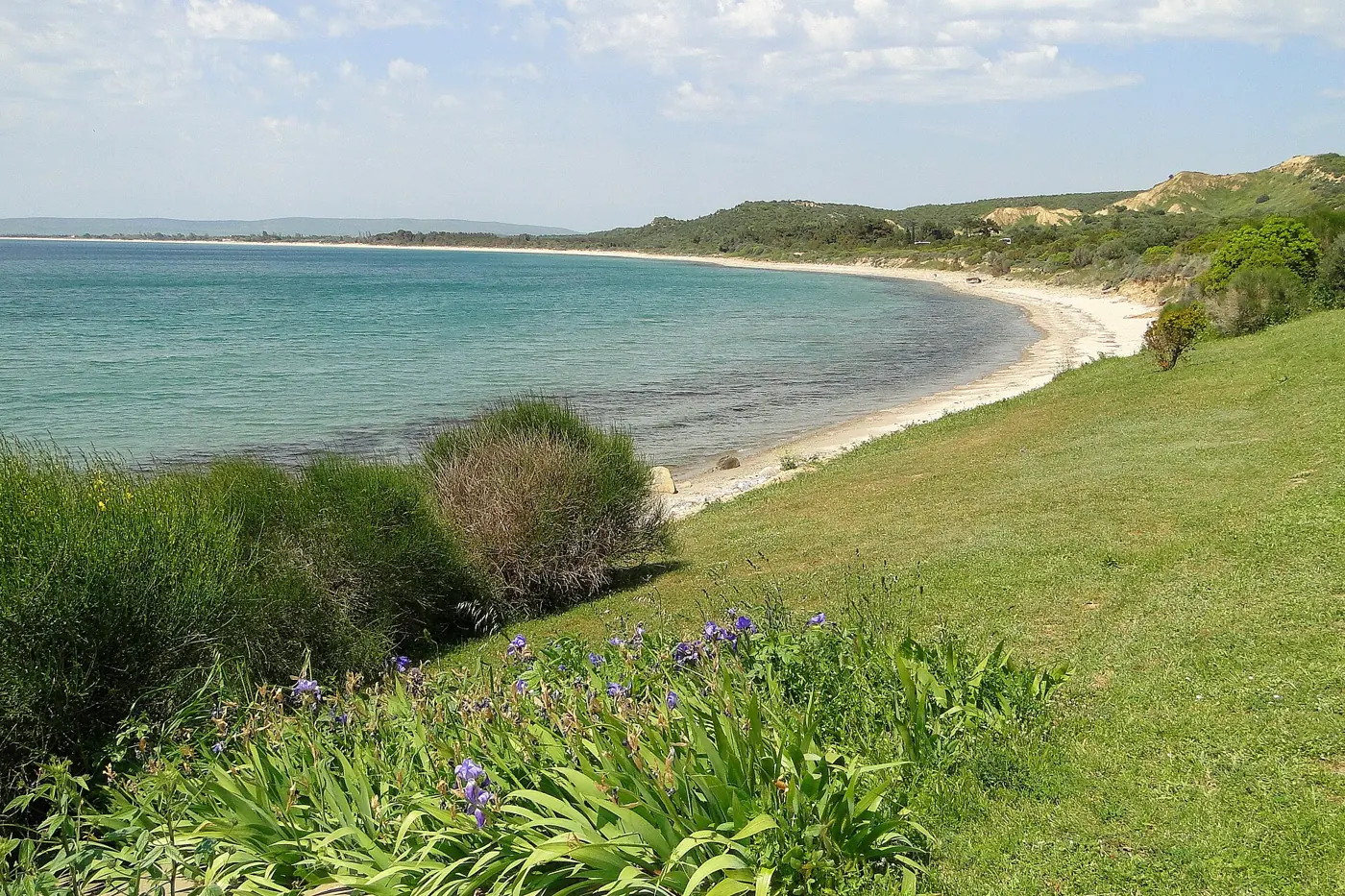
1 Gelibolu Yarımadası Tarihi Milli Parkı
This national park is the frame for your whole visit. It protects memorials, cemeteries, trench sites and coastal scenery, so use it as the base for planning your route.
- Established: 1973
- Contains: Memorials, cemeteries, trench sites, beaches
Show map
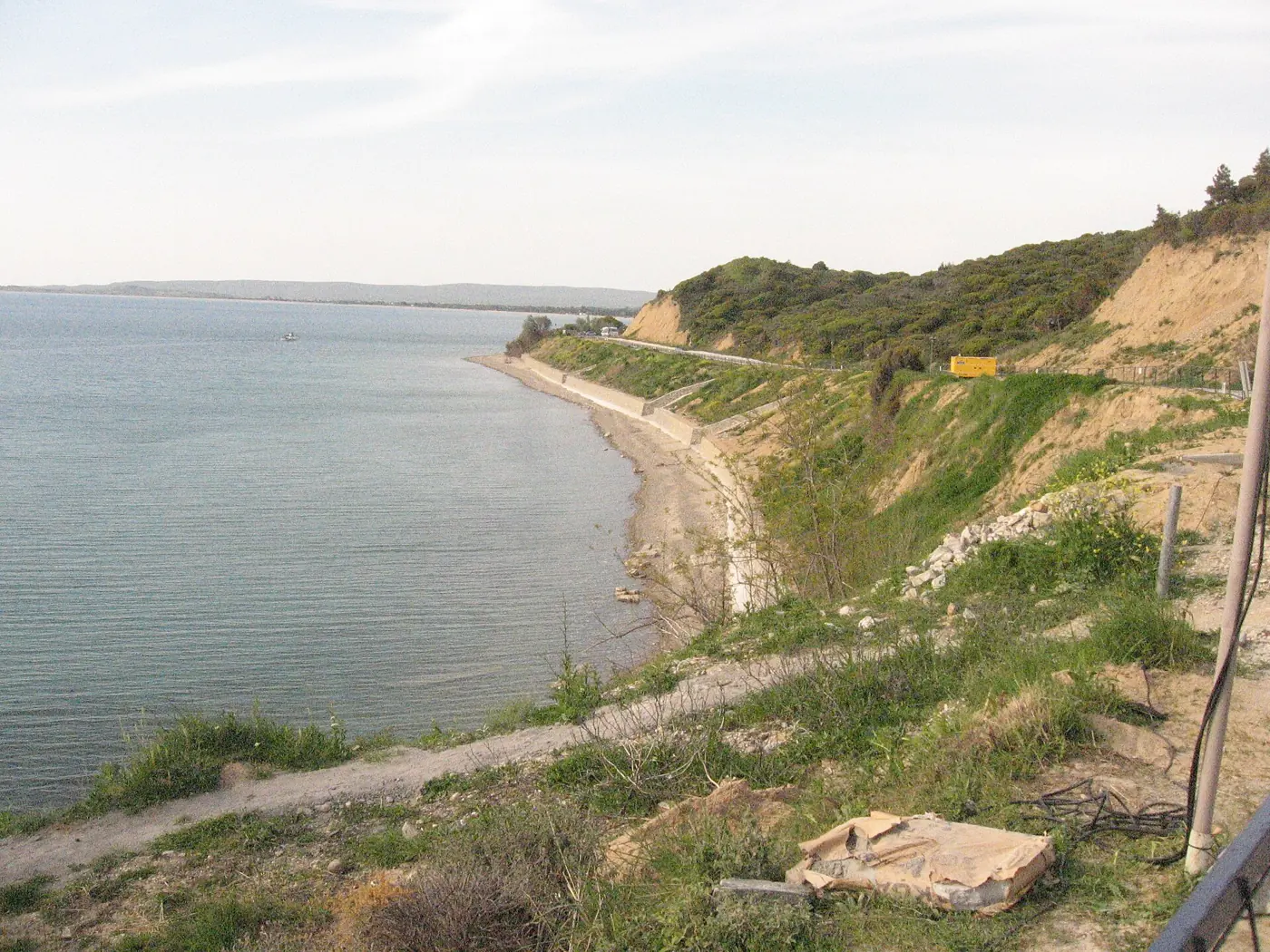
2 Arıburnu (Anzac Koyu)
Anzac Cove is the small beach where Australian and New Zealand troops landed on 25 April 1915. It is now a memorial site, so visit quietly and respect any ceremonies.
- Landing: 25 April 1915
- Setting: Memorial beach on the Aegean coast
Show map
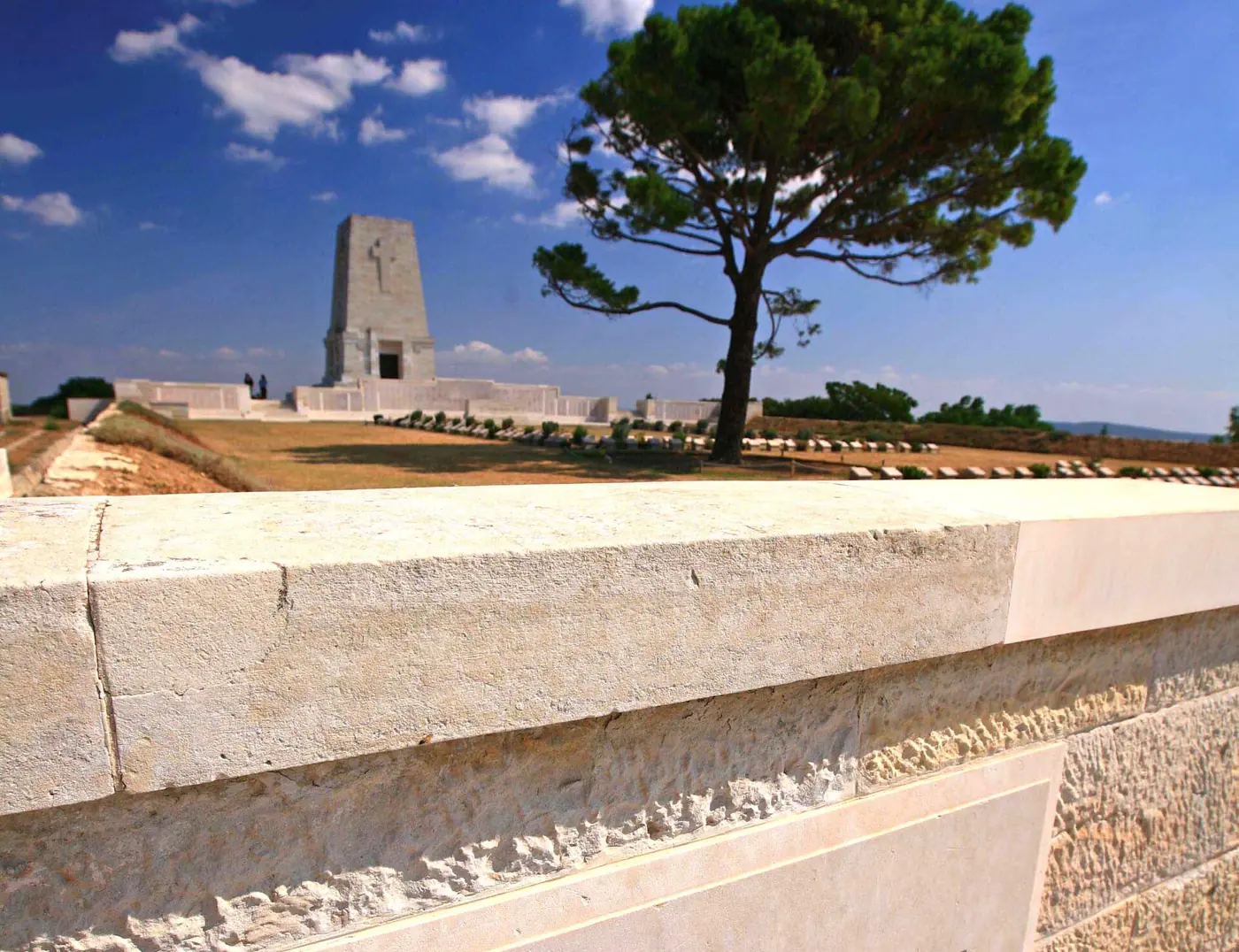
3 Lone Pine Mezarligi
Lone Pine is a Commonwealth War Graves Commission cemetery in the former Anzac sector. It carries the memorial to Australian and New Zealand missing.
- Operator: Commonwealth War Graves Commission
- Sector: Former Anzac sector
Show map
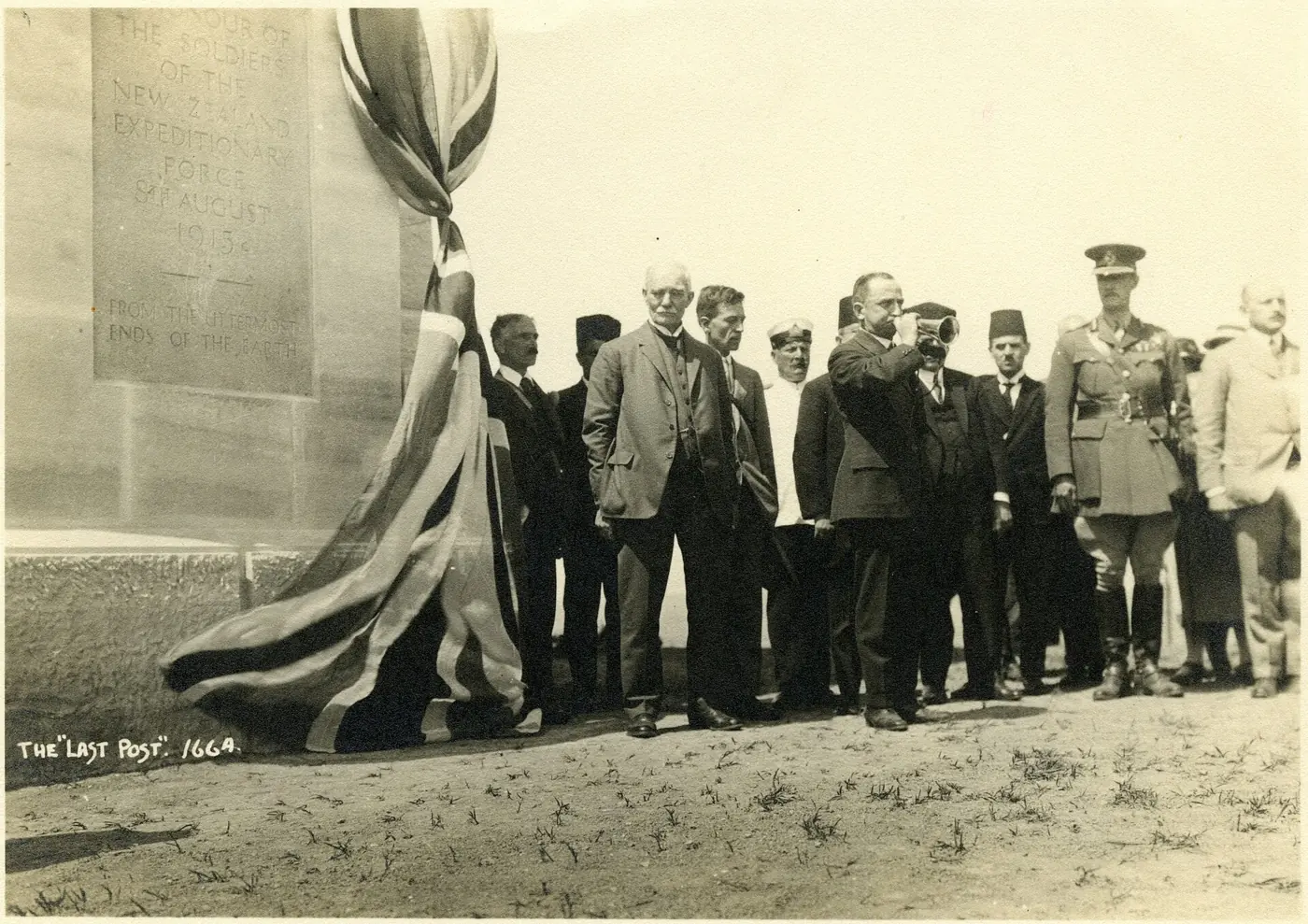
4 Conkbayiri
Chunuk Bair is a peak on the Sari Bair ridge. It is the site of the August 1915 battle between Ottoman defenders and British Empire troops, and it offers wide views.
- Event: Battle of Chunuk Bair, August 1915
- Turkish name: Conkbayiri
- Range: Sari Bair
Show map
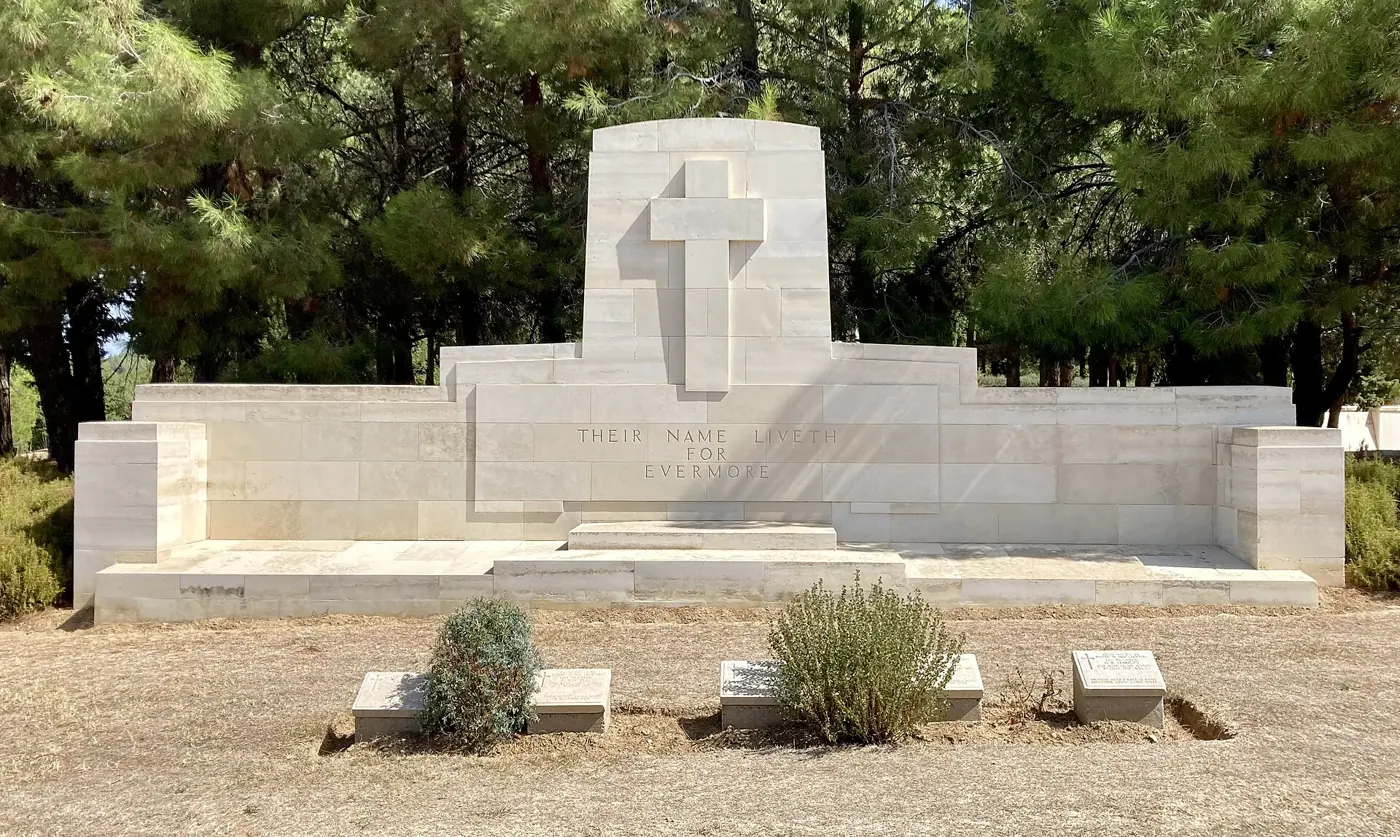
5 Kilic Bayiri
The Nek is a narrow ridge stretch in the Anzac sector. Visitors come to learn about the battle of 7 August 1915.
- Event: Battle of the Nek, 7 August 1915
- Turkish name: Kilicbayiri
Show map
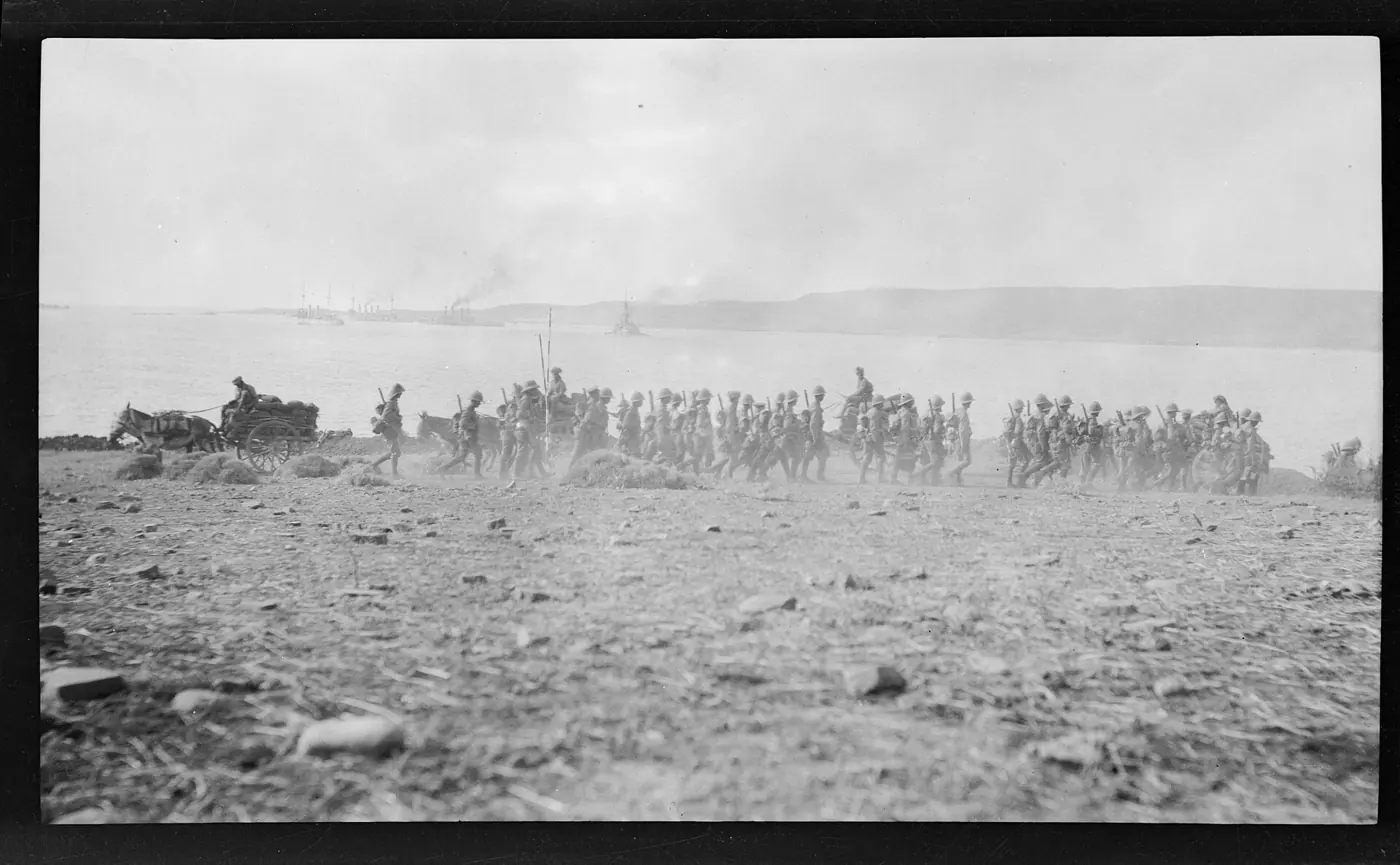
6 Suvla Koyu
Suvla Bay on the Aegean coast saw an Allied landing on 6 August 1915. It makes a useful stop if you want to understand the August offensive.
- Event: Landing at Suvla Bay, 6 August 1915
Show map
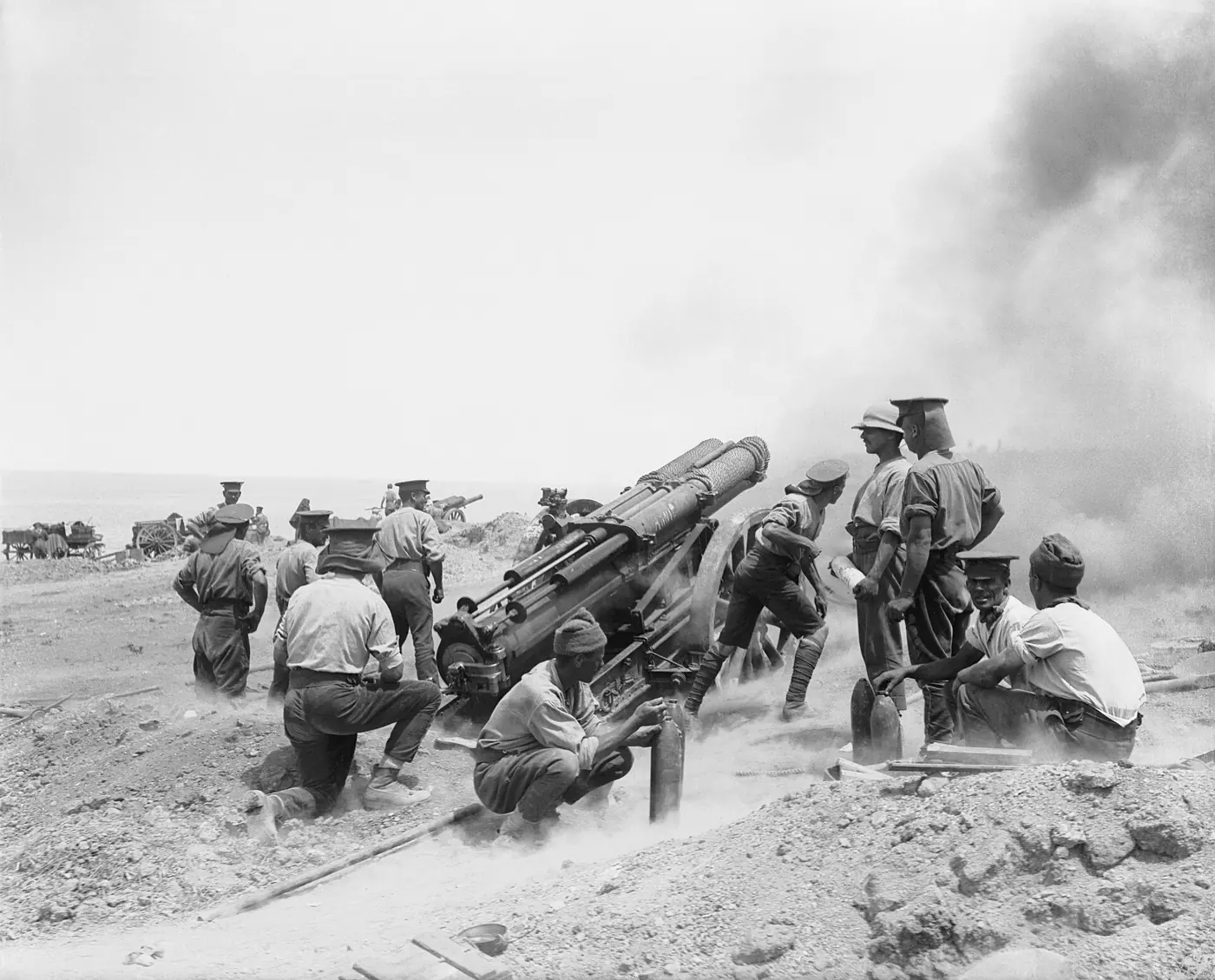
7 Helles Burnu
Cape Helles is the rocky headland at the southwestern tip of the peninsula. British and French forces landed here in April 1915.
- Location: Southwestern tip of Gallipoli peninsula
- Event: Landing at Cape Helles, 25 April 1915
Show map
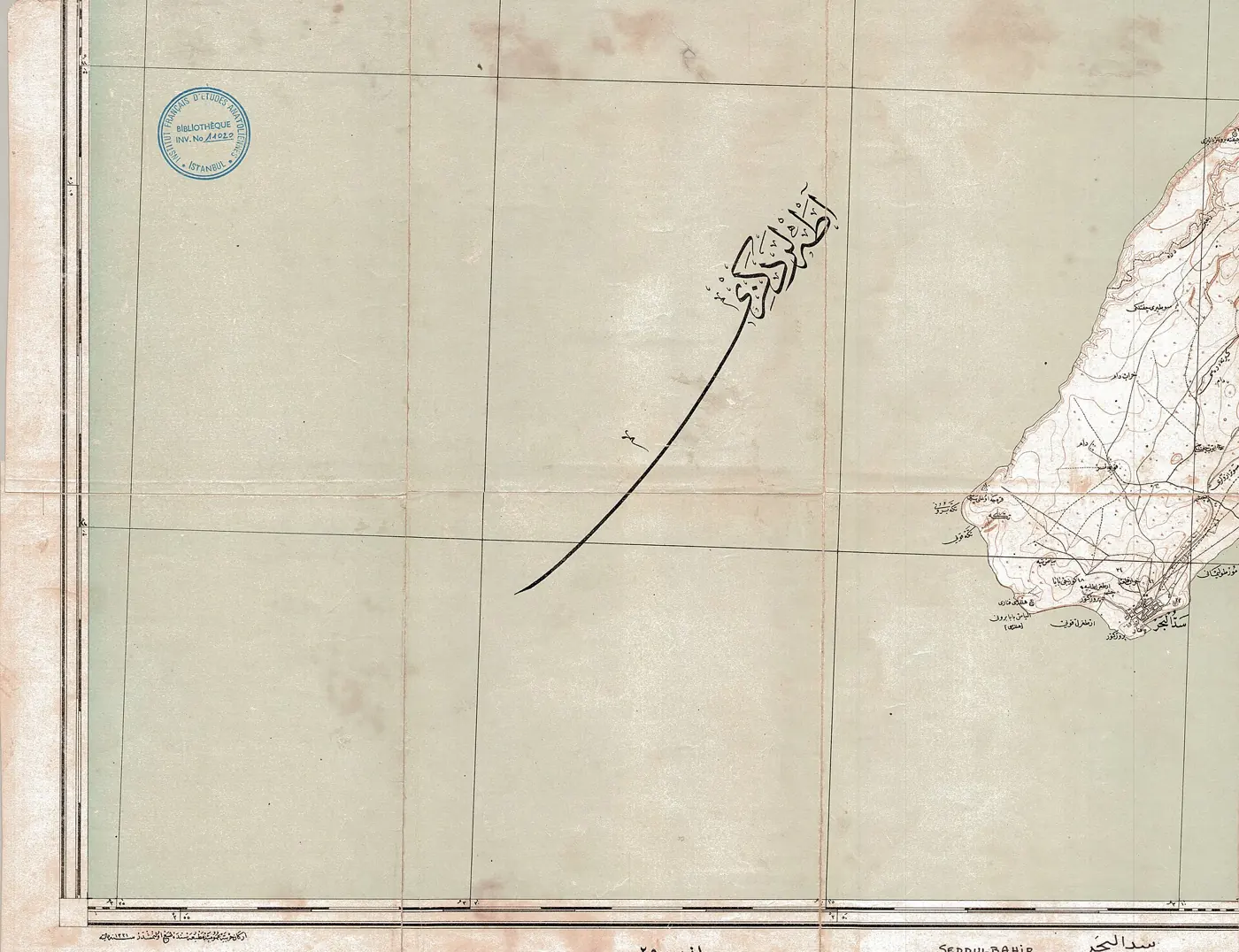
8 Seddulbahir Kalesi
Seddulbahir means Walls of the Sea. The fortress and village sit at Cape Helles and are linked to the V Beach landing.
- Meaning: Walls of the Sea
- Location: Cape Helles, Eceabat district
- Event: Cape Helles landing, 25 April 1915
Show map
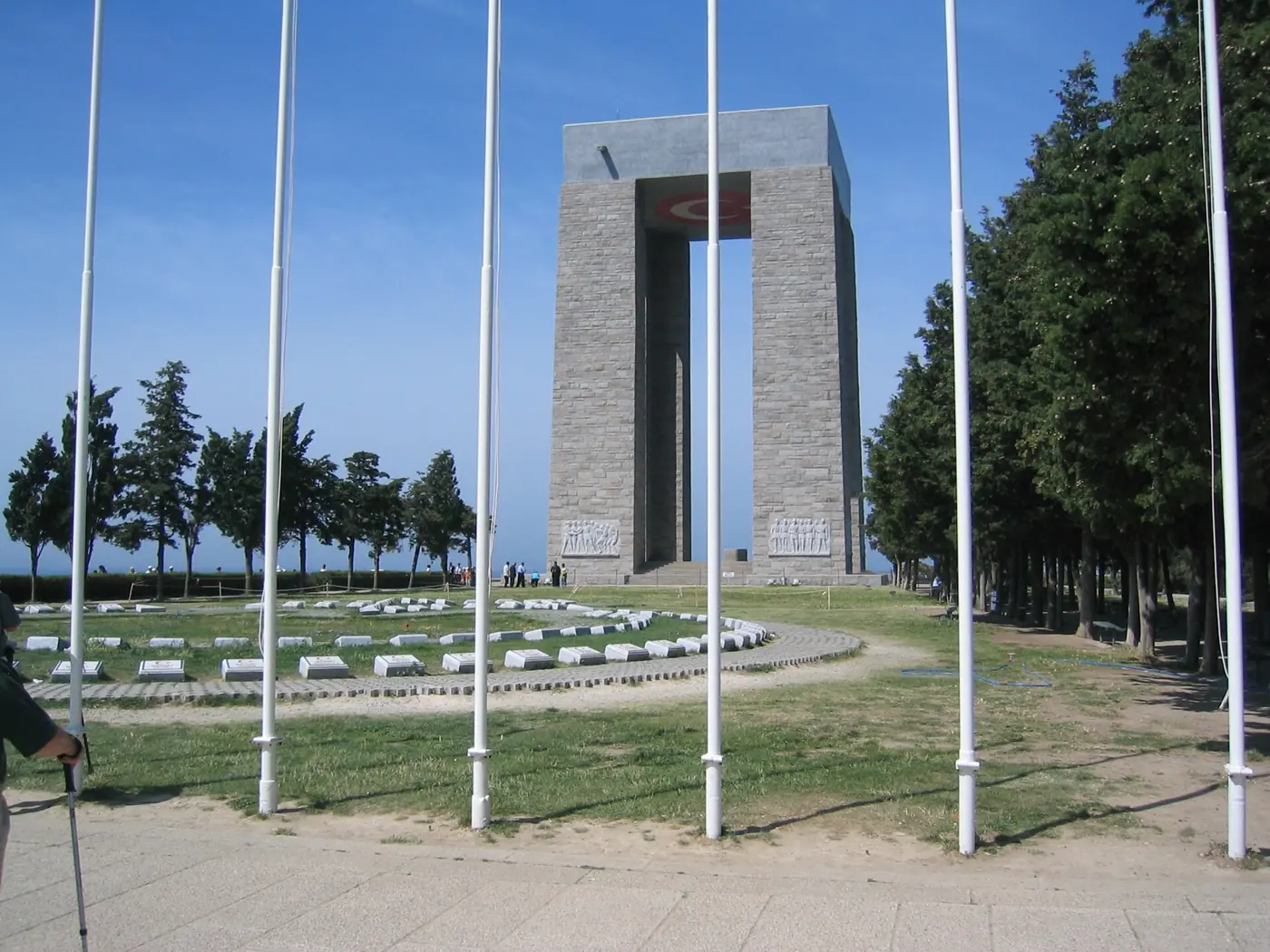
9 Canakkale Sehitleri Aniti
The large memorial at the southern tip honours about 253,000 Turkish soldiers who fought at Gallipoli. It is free to visit.
- Commemorates: About 253,000 Turkish soldiers
- Location: Southern tip of the Gallipoli peninsula
- Type: War memorial
Show map
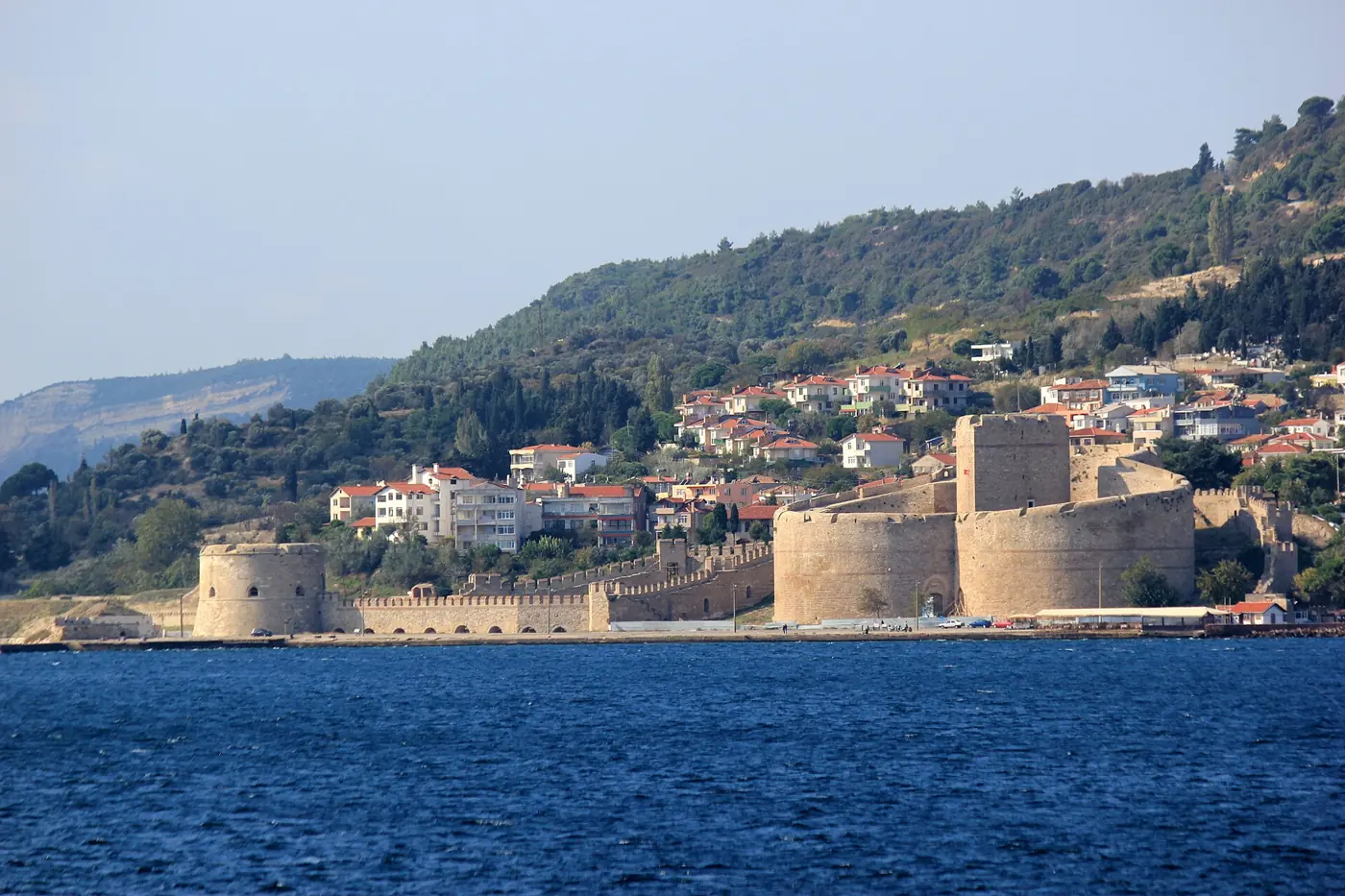
10 Kilitbahir Kalesi
Kilitbahir Castle is a clover-shaped fortress from 1463. It is a good stop on the Gallipoli side of the strait, close to the ferry landing.
- Built: 1463, under Mehmed II
- Shape: Three-lobed (clover) plan
Show map
How do the main sectors compare?
The two main sectors differ in distance, theme and the time you need. The table below compares them so you can pick a route. Times depend on traffic and the number of stops, so treat them as planning guides only.
Consequently, travellers with one day usually pick either the northern or the southern sector and add a brief stop at the other. Those with two days can take each sector separately and add Suvla and Kilitbahir without hurry. Always confirm current access and any seasonal closures on official pages or Google Maps.
Use this table to choose between the northern and southern parts of the peninsula.
| Sector | Main sites | Theme | Suggested time |
|---|---|---|---|
| Anzac sector (Aegean coast) | Anzac Cove, Lone Pine, The Nek, Chunuk Bair | Australian and New Zealand landings, ridge battles | Half a day |
| Cape Helles (southern tip) | Cape Helles, Seddulbahir, Martyrs’ Memorial | British and French landings, Turkish memorial | Half a day |
| Suvla (north) | Suvla Bay | August 1915 landing | 1 to 2 hours |
| Kilitbahir (strait side) | Kilitbahir Castle, Corporal Seyit Statue | Ottoman fortress and 1915 naval story | 1 hour |
How do you get to Gallipoli and move around?
From Çanakkale, board the car and passenger ferry to Eceabat. The crossing is short and scenic, and ships pass close in the narrow strait. After landing, you can drive south or north along the peninsula roads. A private car with driver avoids parking and navigation stress.
Distances are the main reason to hire a driver. The sites lie many kilometres apart, and parking at busy memorials can be hard around commemoration dates. A driver drops you at the entrance, waits, and then continues to the next stop. This also lets you enjoy the views instead of watching the road.
If you cross by ferry with your own car, check the queue times in the busy season. Foot passengers board faster, which makes the ferry-plus-driver combination popular. On the return trip, allow a safety margin before the last sailing, because the peninsula roads can be slow at the end of the day.
Choose your transport using these points.
- Ferry: the Çanakkale–Eceabat route carries cars and foot passengers.
- Own car: possible, but signage and distances need planning.
- Private car with driver: flexible stops and no parking worry.
- Licensed guide: adds historical context at each site.
- Bridge option: the 1915 Çanakkale Bridge links Lapseki and Gelibolu for a longer route.
This table compares ways to reach and tour the peninsula.
| Option | Best for | Main advantage | Main limit |
|---|---|---|---|
| Ferry plus private driver | Families and groups | Door-to-door flexibility | Book ahead in high season |
| Ferry plus own car | Independent drivers | Full control of timing | You plan all stops |
| Guided small-group tour | Solo travellers | Story-led visit | Fixed itinerary |
| 1915 Çanakkale Bridge route | Longer road trips | Different view of the strait | Longer drive |
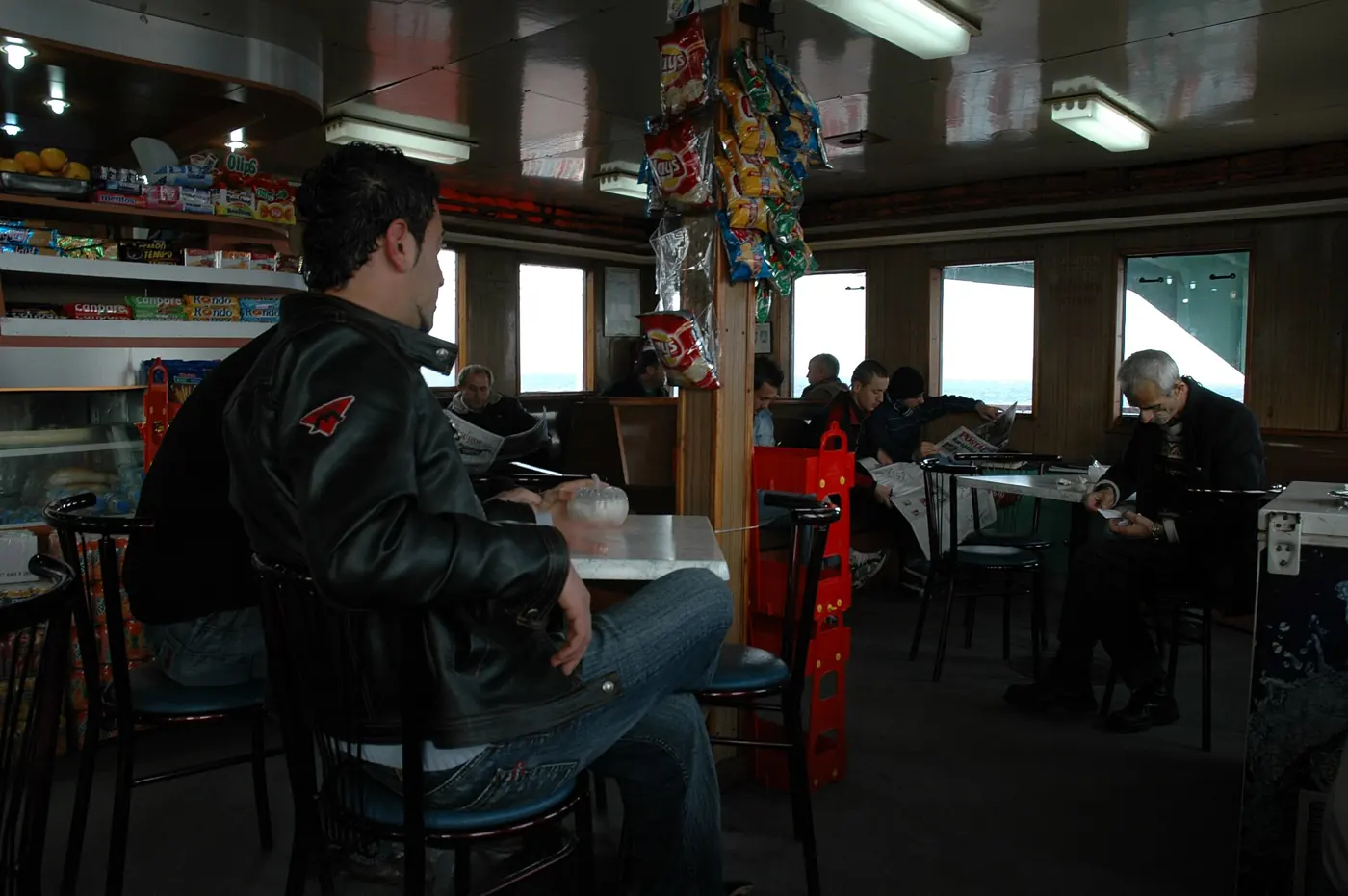
11 Çanakkale-Eceabat Feribotu
The ferry is the usual way to reach the peninsula from Çanakkale. It also gives a short scenic ride across the Dardanelles. Check the current timetable on the operator’s page or Google Maps.
- Route: Çanakkale pier to Eceabat (Gallipoli peninsula)
- Carries: Cars and foot passengers
Show map

12 1915 Çanakkale Köprüsü
The suspension bridge opened in March 2022 and links Lapseki and Gelibolu. Its 2,023 m main span is the longest in the world. It is an alternative route and a photo stop.
- Opened: March 2022
- Main span: 2,023 m
- Links: Lapseki and Gelibolu
Show map
What practical tips should you know?
Dress modestly and speak quietly at cemeteries and memorials. Many visitors come to honour relatives, so behave as you would at any grave. Moreover, the sites are open-air, so bring water, sun protection and comfortable shoes, and check the weather before you set out.
Weather on the peninsula changes quickly, and wind can make the ridges feel cold even in spring. Bring a light jacket in the shoulder seasons. Moreover, sunburn is common in summer because the open fields give no cover. Hats, water and sunscreen are as important as a good map.
Keep these tips in mind.
- Visit memorials early to avoid crowds around 25 April and 18 March.
- Do not climb on monuments or remove objects from the ground.
- Carry water; open sites have limited shade.
- Plan lunch in Eceabat or Çanakkale before or after the route.
- Check the official site pages and Google Maps for current opening details.
What does a sample one-day Gallipoli plan look like?
A good day starts with an early ferry to Eceabat. You then drive to the Anzac sector, continue to Chunuk Bair, and move south to Cape Helles. You end at the Martyrs’ Memorial before returning by ferry. The plan below is a guide, not a fixed timetable.
Here is a sample day built around the ferry and the two main sectors.
| Time block | Stop | Notes |
|---|---|---|
| Morning | Ferry to Eceabat, then Anzac Cove | Quiet start at the beach memorial |
| Late morning | Lone Pine, The Nek, Chunuk Bair | Ridge sites with views |
| Lunch | Eceabat or a roadside stop | Allow a full hour |
| Afternoon | Cape Helles, Seddulbahir, Martyrs’ Memorial | Southern tip |
| Evening | Return ferry to Çanakkale | Check last sailing times |
Frequently asked questions
How long do you need for Gallipoli?
One full day covers the main sites in both sectors. Two days let you add Suvla, Kilitbahir and the smaller cemeteries at a calmer pace.
Can you visit Gallipoli from Çanakkale in a day?
Yes. Take the ferry to Eceabat, tour the peninsula by car or with a guide and return by ferry in the evening. Check the last sailing time first.
Are the Gallipoli memorial sites free?
The open-air memorials listed here are marked as free in our sources. Some museums and castles may charge, so check each page or Google Maps.
What is the best time to visit?
Spring and autumn are comfortable for walking. Around 18 March and 25 April the sites are busy with ceremonies, so plan ahead.
Do I need a guide?
A guide is not required, but it adds context about the 1915 campaign. A licensed guide helps you understand what each ridge and cemetery represents.
Is the area suitable for children?
Yes, with care. The sites are open-air and solemn, so prepare children for quiet behaviour and plan breaks.
Where should I stay for an early start?
Eceabat and Kilitbahir have many small hotels and guesthouses on the peninsula side. Çanakkale city also works and uses the ferry.
Plan this with TurkGT
TurkGT can arrange a private car with driver and a licensed guide for a full Gallipoli day, including the ferry crossing. We can also book hotels in Çanakkale or Eceabat. Send your dates by WhatsApp or the inquiry form.
Request a booking
Related guides
- Top Sights in Çanakkale: Troy, Gallipoli, Assos and Bozcaada
- Ancient Troy: How to Visit the Site and Museum
- Assos, Pergamon and Ancient Sites Near Çanakkale
- Top 10 Hotels in Çanakkale: Kordon, Spa and City Centre
- Top 10 Restaurants in Çanakkale: Fish, Kebab and Home Cooking
- Çanakkale, Bozcaada and Gökçeada Beaches: A Practical Guide
- Best Places to Shop in Çanakkale: Malls and Bazaars
Related destinations and attractions
Explore more city guides
Sources
Last reviewed: 2026-11-21.