
Çorum is an inland province in Türkiye’s Black Sea Region with the character of Central Anatolia. Its Boğazkale district holds Hattusa, the UNESCO-listed Hittite capital, plus Yazılıkaya and Alacahöyük. It is the main base for Hittite sightseeing, about 240 km northeast of Ankara.
Key facts
- Location: Inland Black Sea Region; central Anatolian character; city elevation 801 m
- From Ankara: 240 km, about 3 hr by road (Wikivoyage); check current timetable
- From Istanbul: Buses about 10 hr via Ankara (Wikivoyage)
- UNESCO status: Hattusa inscribed 1986, criteria i, ii, iii, iv
- Best season: Spring and autumn for open-air ruins
- Typical visit time: 1-2 days
- Other Hittite sites: Yazılıkaya, Alacahöyük
- Local food: Leblebi, roasted chickpeas
- Entrance fees: See official page for each site
What is Çorum and why visit?
Çorum is a Central Anatolian-style province that belongs to the Black Sea Region. Visitors come mainly for Hittite heritage: Hattusa, Yazılıkaya and Alacahöyük, plus an archaeology museum. The city itself is a practical base with hotels and restaurants.
Wikivoyage says travellers often stop in Çorum to break up the journey from Ankara to the Black Sea coast. However, it deserves more than a stop. Therefore plan at least one night so you can see the ruins and the museum.
Reasons to visit:
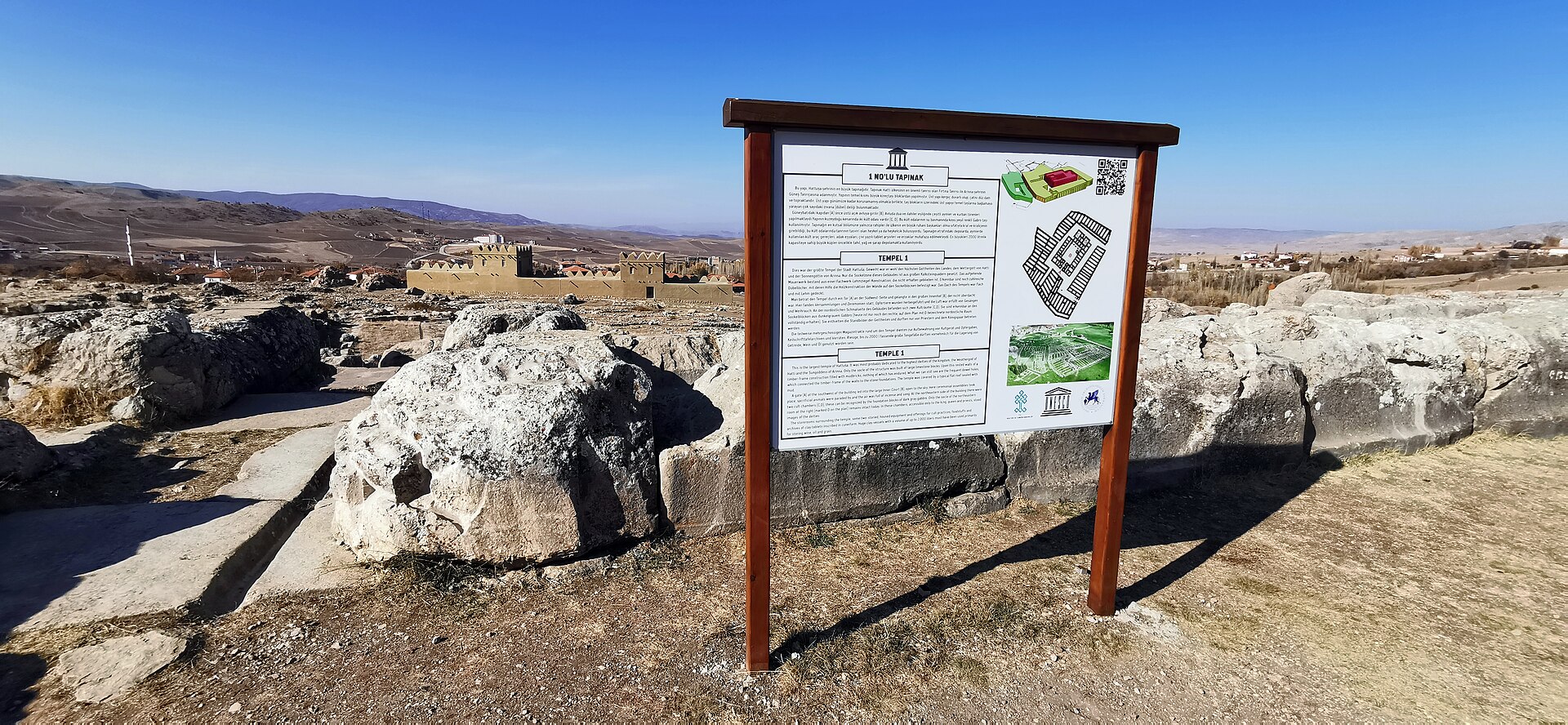
- Hattusa, the Hittite capital and UNESCO World Heritage site
- Yazılıkaya open-air sanctuary
- Alacahöyük, an extensive archaeological site
- Çorum Museum with Hittite finds
- Leblebi, the local roasted chickpea snack
What is the history of Çorum?
Çorum’s history is dominated by the Hittites, who ruled from Hattusa between 1700 BC and 1200 BC. Earlier settlers left Paleolithic, Neolithic and Chalcolithic remains. Phrygians, Seljuks and Ottomans followed in later periods.
Wikipedia says Hattusa was located here owing to its inherent geographic protection. In contrast, the modern city of Çorum can be traced only to the 16th century. The Culture Portal calls the region the cradle of many civilisations.
The Hittite capital was rediscovered by Europeans in the 19th century. Wikipedia says a visitor found monumental ruins near Boğazköy in 1834, and that Winckler began real excavations in 1906, focusing on the royal fortress area. Moreover, a copy of the Treaty of Kadesh, which came from Hittite archives, is displayed at the United Nations in New York. Therefore the site matters well beyond Türkiye.
The table lists key periods and sites.
| Period | Detail |
|---|---|
| Paleolithic to Chalcolithic | Remains at Büyük Güllüce, Eskiyapar and Kuşsaray |
| Hittite | Hattusa capital, 1700 BC to 1200 BC |
| Phrygian | Remains at Pazarlı |
| Seljuk and Ottoman | Castles, bridges and mosques |
| 16th century | Settlement of Çorum proper traced from this period |
What are the highlights of Çorum?
The highlights are Hattusa, Yazılıkaya, Alacahöyük and the Çorum Museum. Wikivoyage says the museum has a good display of the area’s civilisations with English signage. Check the official page for hours and fees before you go.
The museum shows the Hüseyindede Vase and a bronze sword of King Tudhaliya II. Furthermore, Hattusa’s royal residence stood on Büyükkale ridge, and about 30,000 clay tablets from the city form the main corpus of Hittite literature.
Hattusa deserves the most time. The ruins stretch across a large hillside, and Wikipedia notes that excavations began in 1906 under Winckler after the site was first noticed in 1834. Excavations also suggest the city was gradually abandoned over several decades. Therefore the site rewards a guide who can explain the layout.
What to see:
- Hattusa, including the Lion Gate and the Büyükkale citadel ridge
- Yazılıkaya, the sanctuary with twelve Hittite gods
- Alacahöyük, 90 km southwest of the city (Wikivoyage)
- Çorum Museum: Hüseyindede Vase, bronze sword, Boğazköy tablets
- Ulu Cami and the 19th-century clock tower in the city
This at-a-glance table groups the sights.
| Sight | Type | Notes |
|---|---|---|
| Hattusa | UNESCO site | Inscribed 1986; check official page |
| Yazılıkaya | Rock sanctuary | Near Hattusa |
| Alacahöyük | Archaeological site | Hittite; check hours |
| Çorum Museum | Museum | Hittite finds; English signage |
| Ulu Cami | Mosque | City centre |
How do you get to Çorum and get around?
Çorum is easiest by road from Ankara, about 240 km and 3 hours. Wikivoyage says Istanbul buses take about 10 hours via Ankara. Check the current timetable for flights and trains before you plan.
Hattusa lies in the Boğazkale district, reached by car or private transfer. Public transport to the ruins is limited, so a driver saves time. A guide adds context at the site.
The table compares the main ways to arrive.
| From | Mode | Typical duration |
|---|---|---|
| Ankara | Road | About 3 hr, 240 km |
| Istanbul | Bus | About 10 hr via Ankara |
| Kayseri | Bus | About 4 hr |
| Çorum to Boğazkale | Car or transfer | Check a route planner |
When is the best time to visit Çorum?
Spring and autumn suit open-air ruins best. Wikipedia describes a warm-summer continental climate with dry summers and cold, snowy winters. Wikivoyage adds that the city stands at 801 m, so winters are cold.
As a result, summer visits to Hattusa need hats and water, and winter visits need warm layers.
The table shows a seasonal guide.
| Season | Weather | Crowds | Notes |
|---|---|---|---|
| Spring | Mild | Moderate | Good for ruins |
| Summer | Dry and warm | Moderate | Little shade at ruins |
| Autumn | Mild | Low | Comfortable |
| Winter | Cold and snowy | Low | Check road conditions |
How long should you stay?
One day covers Hattusa and Yazılıkaya with a stop at the museum. Two days add Alacahöyük and a slower pace. Three days suit a longer Hittite route that links Çorum with Amasya or Ankara.
These plans suit different schedules.
| Time | Plan |
|---|---|
| Half day | Çorum Museum and city centre |
| 1 day | Hattusa and Yazılıkaya |
| 2-3 days | Add Alacahöyük and a link to Amasya or Ankara |
What practical tips should you know?
Wear sturdy shoes, because Hattusa is large and hilly. Carry water and sun protection, since shade is limited at the ruins. Check the official page for tickets, opening hours and accessibility before you go.
Photography rules differ between the site and the museum, so follow signs and staff instructions. Respect fences around excavation areas. Moreover, visiting early in the day gives the best light on the stone and avoids midday heat.
Useful points:
- Carry water and sun protection
- Allow several hours at Hattusa
- Respect site rules on climbing and photography
- Dress modestly at mosques
- Check the official page for accessibility
Where should you stay and eat?
Stay in Çorum city, where Wikivoyage says accommodation runs along the east-west highway through town. A smaller base is possible at Boğazkale. We name no businesses, so check current reviews.
The city’s native roasted chickpeas, leblebi, are known nationally. Moreover, they make a practical snack for a day among ruins.
What are the nearby places and day trips?
Amasya is a short road trip north, Yozgat lies south and Ankara to the west. Hattusa has its own page for deeper detail. Use our linked pages to build a route.
Plan this with TurkGT
TurkGT is an Istanbul-based travel company. We can arrange guided trips, private transfers, a local guide or an interpreter for this area. Send us your dates and group size on WhatsApp, and we confirm the plan with you there before anything is booked. We do not publish fixed prices on this page.
Frequently asked questions
Is Çorum on the Black Sea coast?
No. It belongs to the Black Sea Region but lies inland, with Central Anatolian characteristics.
Which UNESCO site is in Çorum Province?
Hattusa, inscribed in 1986.
How far is Çorum from Ankara?
About 240 km, a 3-hour drive.
What is Yazılıkaya?
An open-air Hittite sanctuary near Hattusa with reliefs of twelve gods.
What is the Çorum Museum known for?
Hittite finds including the Hüseyindede Vase and a bronze sword of Tudhaliya II.
What is leblebi?
Roasted chickpeas, a popular local snack.
When is the best time to visit?
Spring and autumn for the open-air ruins.
How long should I stay?
One day for Hattusa, two to add Alacahöyük.
Sources
- Çorum Province – Wikipedia
- Çorum – Wikipedia
- Çorum – Wikivoyage
- Hattusa – Wikipedia
- Çorum – Culture Portal
- Top Things to See in Çorum – GoTürkiye
Last reviewed: 2026-11-18. Opening hours, ticket prices and other changeable details are not listed because they change; check the official source before you travel.