
Kilis is a small province and city in southern Türkiye, about 58 km south of Gaziantep and a few kilometres from the Syrian border. It has Ottoman mosques, courtyard stone houses, a famous local kebab and the prehistoric mound of Oylum Höyük. Many monuments were damaged in the February 2023 earthquakes, so check what is open.
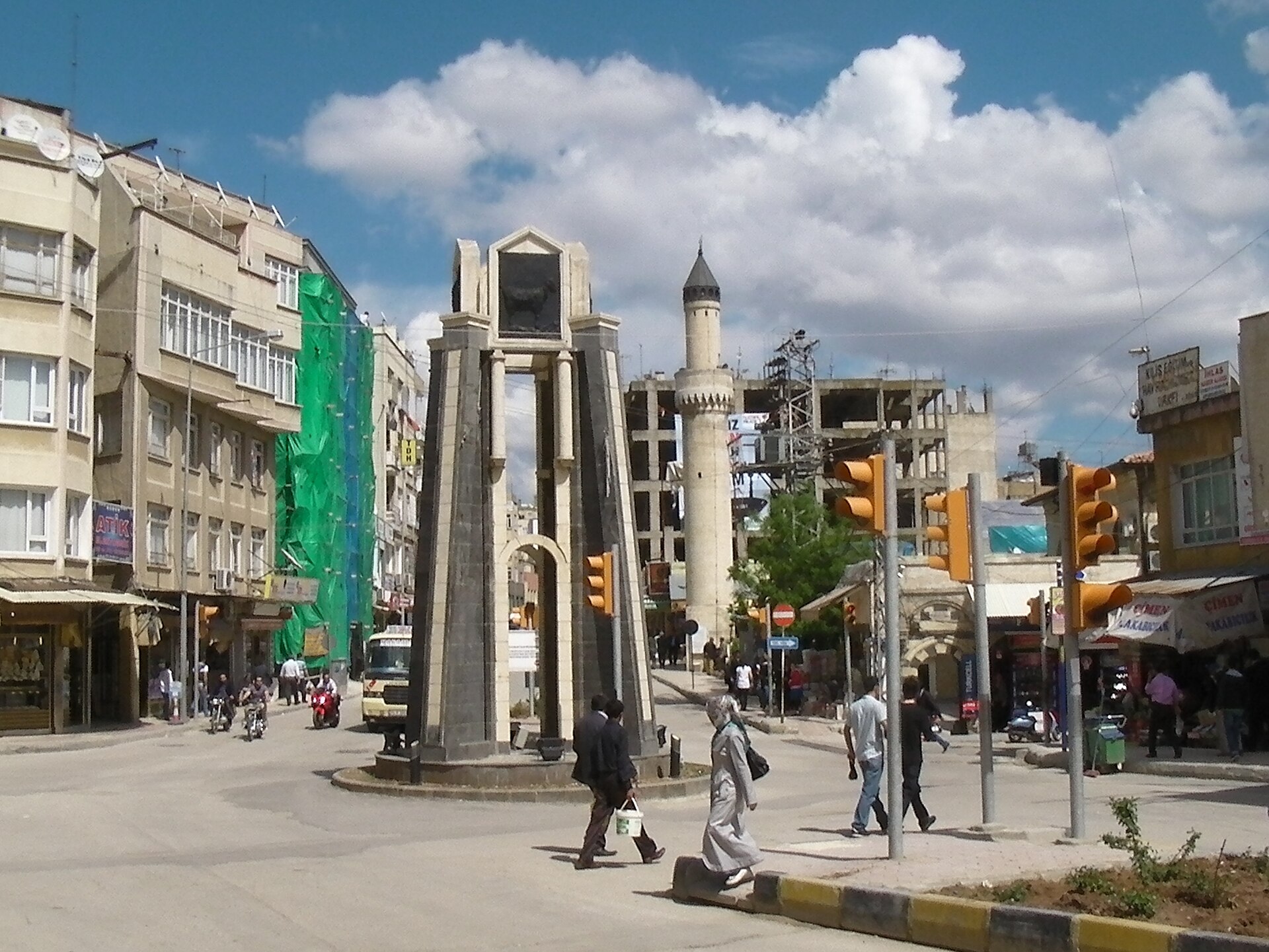
Key facts
- Location: Southern Türkiye on the Syrian border, where the Mediterranean and South East Anatolia regions meet
- Area and population: 1,412 km²; 147,919 residents in 2022 (Wikipedia)
- Province created: 1995, from the southern part of Gaziantep; four districts
- Distance from Gaziantep: About 58 km by road (Wikivoyage); dolmuş takes about an hour
- Nearest airport: Gaziantep Airport is the usual gateway; check current flights and transfers
- Best season: Spring and autumn; summers are very hot, winters cool and rainy
- Typical visit time: Half day from Gaziantep; one day with Oylum Höyük
- UNESCO status: None in the province; Gaziantep and Şanlıurfa provinces have nearby sites
- Entrance: Mosques are free; museum and site access: see the official page
What is Kilis and why visit?
Kilis is a small border province in southern Türkiye with a compact Ottoman-era city centre. It offers mosques, stone courtyard houses and a distinct food tradition, at a pace far quieter than nearby Gaziantep. It suits travellers who enjoy local culture and short, unhurried visits.
GoTürkiye describes Kilis as the place where the Mediterranean Region transitions into the South East Anatolia Region. Moreover, Wikipedia places the city at a crossroads of Anatolia and Syria, surrounded by Gaziantep, Antakya and Aleppo. As a result, its food and architecture mix both worlds.
In contrast to larger southeastern cities, Kilis has few ticketed attractions. However, its stone streets, bakeries and the mound at Oylum make a rewarding half day. Visitors should also know that the 2023 earthquakes left several historic buildings damaged or closed.
What is the history of Kilis?
Kilis grew as an Ottoman town, but settlement in the area is far older. The Culture Portal says excavations at Oylum Höyük show that the region’s history reaches back to the Late Chalcolithic, about 3500-3000 BC. Wikipedia adds that Assyrian tablets mention the name Ki-li-zi in cuneiform.
Hittite, Greek, Persian, Roman, Byzantine, Crusader, Mamluk and Ottoman periods followed in turn. The two oldest standing structures in the centre are Mamluk: the Ulu Mosque of 1388 and the Katrancı Mosque of 1460. After 1516, about 135 monumental structures were added under the Ottomans.
Kilis belonged to the Aleppo Vilayet until the First World War. After the war it passed to the Republic of Türkiye. In 1995 it became a province of its own, created from southern Gaziantep.
Main periods that shaped Kilis:
- Late Chalcolithic: settlement at Oylum Höyük, about 3500-3000 BC.
- Assyrian era: the name Ki-li-zi appears in cuneiform tablets.
- 1388 and 1460: the two oldest mosques in the centre, from the Mamluk period.
- From 1516: Ottoman rule and a large building programme.
- 1995: Kilis becomes a province.
What are the highlights of Kilis?
The main sights of Kilis are its Ottoman mosques, old stone houses, the Kilis Museum and Oylum Höyük. Several are under repair after the earthquake, so verify each stop before you travel. The list below groups the places by type to help you plan a walking route.
Sights that Wikipedia and Wikivoyage list for Kilis:
- Ulu Mosque (Great Mosque): built in its present form in 1388; damaged in 2023 and under repair.
- Tekke (Canbolat) Mosque: a centrepiece of a 16th-century Ottoman complex, hit by a rocket in 2016 and still being rebuilt.
- Murtaza Pasha Mosque: built in the 17th century and rebuilt to its original pattern in 1948.
- Kilis Museum: housed in a former soap factory; check whether it is open.
- Courtyard stone houses with carved wooden fittings, visible on a walk through the old quarter.
- Oylum Höyük: a prehistoric tell with Chalcolithic to Iron Age layers.
The table gives Kilis’s main stops at a glance.
| Place | Type | Why go | Planning note |
|---|---|---|---|
| Ulu Mosque | Mamluk-era mosque, 1388 | Oldest landmark in the centre | Damaged in 2023; check status |
| Tekke Mosque | Ottoman complex | Centrepiece of 16th-century architecture | Rebuilding under way |
| Kilis Museum | Local museum | History in a former soap factory | Check opening status |
| Old stone houses | Domestic architecture | Courtyards and carved wood | Walk the old quarter |
| Oylum Höyük | Archaeological mound | Chalcolithic to Iron Age layers | Excavation site: access varies |
How do you get to Kilis and get around?
Most visitors reach Kilis from Gaziantep by road. Wikivoyage lists Highway D-850 from Gaziantep, 58 km, and dolmuş minibuses that leave when full and take about an hour. The Kilis bus station lies 1 km south of the centre. Check current timetables, because services change.
Inside the city, dolmuşes and taxis cover the main streets, and the old centre is walkable. Wikipedia places the Öncüpınar border crossing 5 km south of Kilis. However, border rules change quickly, so do not plan to cross without checking current official advice.
Typical access options for Kilis:
| From | Mode | Typical time or distance | Note |
|---|---|---|---|
| Gaziantep | Dolmuş or bus | About 1 hour; 58 km | Departures when full; check current timetable |
| Gaziantep Airport | Transfer | Via Gaziantep; check time | Pre-book a private transfer |
| Antakya | Road | Check current road conditions | Region damaged in 2023 |
| Öncüpınar border | Local taxi | About 5 km south | Do not assume the crossing is available |
When is the best time to visit Kilis?
Spring and autumn are the best seasons for walking around Kilis. Wikipedia describes a hot-summer Mediterranean climate with very hot, dry and long summers, and cool, rainy winters with occasional snow. The record high was 47.6 °C in August 2023, so summer afternoons are demanding.
Seasonal conditions in Kilis:
| Season | Weather | Crowds | Notes |
|---|---|---|---|
| Spring | Mild, some rain | Low | Good for walking and the mound |
| Summer | Very hot and dry | Low | Visit early or late; carry water |
| Autumn | Warm, then cooler | Low | Comfortable for day trips |
| Winter | Cool and rainy, occasional snow | Very low | Dress in layers |
How long should you stay in Kilis?
Half a day is enough for the central sights, and one day lets you add Oylum Höyük. Most travellers visit Kilis as a day trip from Gaziantep, though a night in a restored mansion hotel adds atmosphere. Choose from the plans below.
Choose a plan by time available:
| Time | Suggested plan | Best for |
|---|---|---|
| Half day | Old quarter, mosques, lunch of Kilis tava, sweets | Day trip from Gaziantep |
| 1 day | City plus Oylum Höyük and a market stop | Archaeology fans |
| 2-3 days | Kilis, Gaziantep museums and a southern loop | Regional food and history |
What are the practical tips for Kilis?
Dress modestly in mosques, carry ID, and drink bottled water. Wikivoyage says tap water is not safe to drink. Entry fees and opening hours change, so see the official page of the Ministry of Culture and Tourism. Because the area was affected by the 2023 earthquakes, expect closures and scaffolding.
Quick practical points for Kilis:
- Remove shoes and cover shoulders and knees in mosques.
- Ask before photographing people, and avoid photographing the border area or security sites.
- Carry your passport; checkpoints are common in border provinces.
- Confirm each monument is open, since earthquake repairs continue.
- Keep cash for small shops and dolmuşes.
- Check current official travel advice for the Syrian border region before leaving.
Where should you stay and eat in Kilis?
Stay in the city centre and eat in the blocks north of Cumhuriyet Avenue. Wikivoyage describes pleasant hotels in restored Ottoman mansions, and simple, comfortable options elsewhere. Eating places are mostly central and open from morning until evening, so you can combine lodging and meals within a short walk.
The local kebab known as Kilis tava is renowned, according to Wikipedia. In addition, breads, baklava, künefe and stuffed vegetables are typical. Therefore a food-focused half day is a good use of time.
What are the nearby places and day trips from Kilis?
Gaziantep is the obvious base and day trip from Kilis. It has the Zeugma Mosaic Museum, where mosaics from the Euphrates valley are displayed, and a famous food scene. Antakya and Şanlıurfa lie further afield and need a full day each. See the linked pages for planning.
Nearby places from Kilis:
| Place | Distance | What to see |
|---|---|---|
| Gaziantep | About 58 km north | Zeugma Mosaic Museum, bazaars, food |
| Oylum Höyük | Near Kilis (sources differ on distance) | Prehistoric mound and excavations |
| Antakya | Check current road status | Ancient Christian churches; damaged in 2023 |
| Şanlıurfa | Longer day trip | Balıklıgöl, Harran and Göbekli Tepe |
Plan this with TurkGT
TurkGT is an Istanbul-based travel company. We can arrange guided tours, private transfers, an English-speaking guide or an interpreter for trips to Kilis, Gaziantep and the surrounding south-east. Tell us your dates and interests by WhatsApp and we confirm the plan with you there. We do not publish fixed prices on this page.
Frequently asked questions
Where is Kilis?
Kilis is a province in southern Türkiye on the Syrian border. GoTürkiye describes it as the point where the Mediterranean Region meets South East Anatolia.
When did Kilis become a province?
Wikipedia says Kilis Province was created in 1995 from the southern part of Gaziantep Province.
How do I get from Gaziantep to Kilis?
Wikivoyage lists Highway D-850, 58 km, and dolmuşes that take about an hour. Check current timetables.
What is Kilis famous for?
Kilis tava kebab, baklava, künefe and Ottoman mosques, according to Wikipedia. The Oylum Höyük mound adds archaeology.
How old is Oylum Höyük?
The Culture Portal says excavations date the area to the Late Chalcolithic, about 3500-3000 BC. Wikipedia describes settlement into the Bronze and Iron Ages.
Was Kilis affected by the 2023 earthquakes?
Yes. Wikipedia says Kilis was badly affected, and Wikivoyage says many historic buildings were damaged and reconstruction continues. Check what is open.
When is the best time to visit?
Spring and autumn. Summers are very hot and dry, and winters are cool and rainy with occasional snow.
Can TurkGT organise a Kilis trip?
TurkGT can arrange guided tours, private transfers, a guide or an interpreter. Contact us by WhatsApp to confirm the plan.
Sources
- Kilis Province (Wikipedia)
- Kilis (Wikipedia)
- Kilis (Wikivoyage)
- Oylum Höyük (Wikipedia)
- Kilis: general information (Türkiye Kültür Portalı)
- Kilis (GoTürkiye)
Last reviewed: 2026-11-18. Opening hours, ticket prices and other changeable details are not listed because they change; check the official source before you travel.