
Osmaniye is a province in south-central Türkiye, in the Çukurova region between Adana, Hatay and Kahramanmaraş. Its draw is the countryside: Karatepe-Aslantaş, the Roman ruins of Castabala and several castles. It was part of Adana from 1933 and became a province again in 1996.
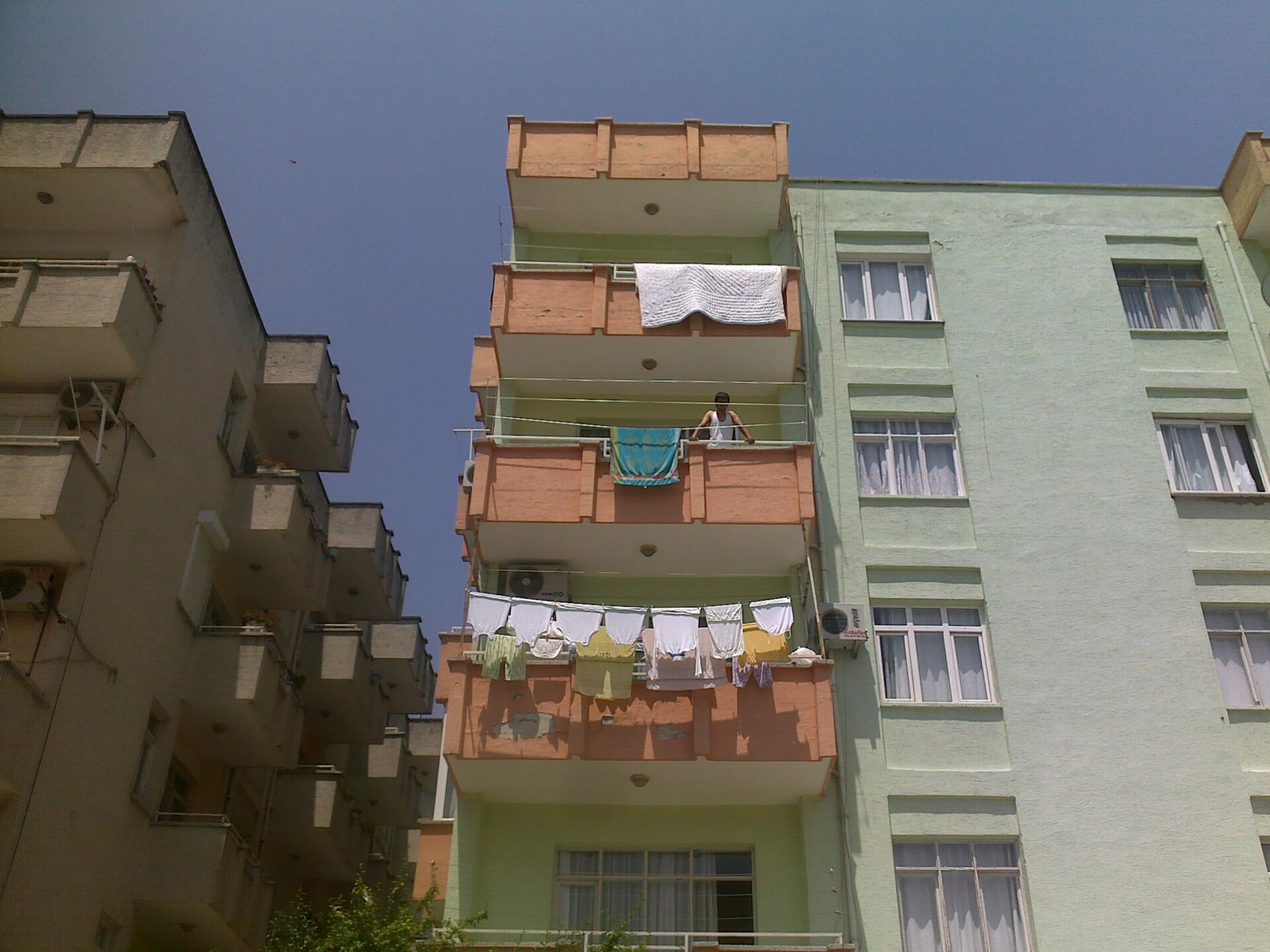
Key facts
- Location: South-central Türkiye, southeast corner of the Cilician Plains, in Çukurova
- Capital and towns: Osmaniye; Kadirli and Düziçi are other major towns
- Nearest airports: Çukurova (COV) about 130 km west; Kahramanmaraş 112 km, Hatay 116 km, Gaziantep 160 km (Wikivoyage)
- From Istanbul: Direct bus about 13-15 hours (Wikivoyage); check current timetable
- Best season: Spring and autumn; summers are hot, mountain villages such as Zorkun are cooler
- Typical visit time: 1 to 2 days, often combined with Adana or Hatay
- UNESCO status: No inscribed World Heritage Site in the province
- Key sites: Karatepe-Aslantaş, Castabala, Toprakkale Castle, Ala Mosque (Kadirli)
- Festival: Karakucak Wrestling Festival in Kadirli, 25-26 May (Wikipedia)
- Entrance fees: See the official page of each site
What is Osmaniye and why visit it?
Osmaniye is a province in south-central Türkiye, in Çukurova. Its city has few attractions, but it is a good base for outlying sites. Visitors come for Neo-Hittite ruins, Roman remains, castles and cooler mountain villages. It suits travellers who prefer quiet places and history.
The province covers about 3,320 km2 and has seven districts: Bahçe, Düziçi, Hasanbeyli, Kadirli, Osmaniye, Sumbas and Toprakkale. Moreover, the national tourism site calls Osmaniye the “city of castles”. As a result, a typical visit follows fortresses and ruins across the plain and the foothills of the Nur Mountains.
Reasons to include Osmaniye in a route.
- Karatepe-Aslantaş: a Neo-Hittite fortress site in a national park.
- Castabala: a Roman-era city with a colonnaded street and amphitheatre.
- Toprakkale Castle: a basalt-outcrop fortress west of the city.
- Zorkun and Yarpuz: cooler mountain settlements.
- Kadirli: the Ala Mosque, a former Byzantine church.
What is the history of Osmaniye?
People have lived in the Osmaniye area for thousands of years. Domuztepe shows Neolithic to Iron Age settlement, Neo-Hittite rulers built Karatepe, and Turkish nomads arrived from the 11th century. The city of Osmaniye grew from the market town Kınık, and the province was re-established in 1996.
Wikivoyage explains that the region came under Neo-Hittite polities after the Hittite collapse, and that in the Middle Ages it was the seat of the Armenian Kingdom of Cilicia. The Culture Portal adds that the region has been a Turkish homeland since the early 12th century. In the 1860s the cotton boom pushed nomads into settled farming, and the market town Kınık was renamed Osmaniye.
Therefore the administrative story is short. The area was Cebel-i Bereket in the early republic, joined Adana in 1933, and became a province again in 1996.
This table sets out the main dates.
| Period | Event |
|---|---|
| Neolithic to Iron Age | Settlements at Domuztepe, partly under the Aslantaş reservoir |
| About 8th century BC | Neo-Hittite remains at Karatepe-Aslantaş |
| Middle Ages | Seat of the Armenian Kingdom of Cilicia; castles built |
| From 11th-12th century | Turkish nomads arrive; the region becomes a Turkish homeland |
| 1860s | Cotton boom; nomads settle; Kınık grows |
| 1933 and 1996 | Incorporated into Adana; made a province again |
What are the main places to see in Osmaniye?
The main sights are Karatepe-Aslantaş, Castabala, Toprakkale Castle and the Ala Mosque in Kadirli. Mountain villages such as Zorkun suit cooler days. Check official pages for opening arrangements and fees, because this guide gives neither. Confirm each place on its official page before you leave, because opening arrangements can change without notice.
Karatepe-Aslantaş lies about 34 km north of Osmaniye and has Neo-Hittite fortress walls with lion motifs. Castabala is about 16 km north at Kırmıtlı and mostly shows Roman remains. In addition, Kırmıtlı Bird Sanctuary lies along the Ceyhan River.
Highlights, from archaeology to nature.
- Karatepe-Aslantaş Open Air Museum: Neo-Hittite fortress in a national park.
- Castabala: Roman bathhouse, paved road, colonnaded street and amphitheatre.
- Toprakkale Castle: built by the Abbasids and later held by several powers.
- Gökçedam: castle village linked to writer Yaşar Kemal.
- Karaçay Waterfalls: a canyon boardwalk off the Zorkun road.
- Kırmıtlı Bird Sanctuary: wetland by the Ceyhan River.
The table gives a quick overview.
| Place | Type | Where | Note |
|---|---|---|---|
| Karatepe-Aslantaş | Neo-Hittite fortress | About 34 km north of Osmaniye | Check the official page for access |
| Castabala | Roman-era ruins | About 16 km north, Kırmıtlı | Parts still under excavation or closed |
| Toprakkale Castle | Castle | About 14 km west | Basalt outcrop; reached via D817 |
| Ala Mosque, Kadirli | Former church and mosque | Kadirli, about 46 km north | Built in the 5th century as a church |
| Zorkun and Karaçay | Mountain and canyon | About 25 km south | Cooler; falls access can close after rain |
| Enverül Hamit Mosque | Mosque | Osmaniye centre | Damaged in 2023; reconstruction continues |
How do you get to Osmaniye and get around?
Fly to Çukurova Airport, about 130 km west, or take a bus. Wikivoyage lists five direct buses a day from Istanbul, taking 13-15 hours. Trains were reported suspended. Always check the current timetable before booking. Confirm every service on each operator official page before you book, as timetables and routes change often.
Other airports are Kahramanmaraş (112 km), Hatay (116 km) and Gaziantep (160 km). The bus station lies 4 km north of downtown, so you need a dolmuş or taxi. In contrast to the compact, walkable city centre, outlying sites require a car, according to Wikivoyage. Therefore a rental car or private transfer is the practical choice.
The table compares the main options.
| Option | Typical duration or distance | Notes |
|---|---|---|
| Flight to Çukurova (COV) | About 130 km west of Osmaniye | Flights from Istanbul reported frequent; check timetable |
| Bus from Istanbul | 13-15 hours (Wikivoyage) | Five direct buses a day reported |
| Bus from Ankara | About 8 hours (Wikivoyage) | Six per day reported |
| Train | Check current timetable | All trains reported suspended for engineering works |
| Dolmuş from Adana, İskenderun, Gaziantep | Within about 100 km | Shared taxis or minibuses |
| Car or private transfer | Depends on route | Best for Karatepe, Castabala and castles |
When is the best time to visit Osmaniye?
Spring and autumn are the most comfortable seasons. Osmaniye has a hot-summer Mediterranean climate, and Wikivoyage calls summers hot and mosquito-ridden. Therefore visit ruins in the morning, or head to Zorkun, which is cooler. Check the weather forecast shortly before you travel, and confirm site closures with official pages.
A late-May visit can coincide with the Karakucak Wrestling Festival in Kadirli, listed for 25-26 May. Confirm dates with an official source.
Seasonal guidance in one table.
| Season | Weather | Crowds | Notes |
|---|---|---|---|
| Spring | Mild and pleasant | Low | Good for ruins and wetlands; festival in late May |
| Summer | Hot | Low | Start early; Zorkun at 1,400 m is cooler |
| Autumn | Warm to mild | Low | Comfortable for castles |
| Winter | Mild and wetter | Low | Waterfall access can close after heavy rain |
How long should you stay in Osmaniye?
Plan one to two days. One day covers the city, Toprakkale Castle and Castabala. Two days add Karatepe-Aslantaş and Kadirli. Many travellers pair Osmaniye with Adana or Hatay, since the region has few hotels in operation. Your own pace, interests and transport choices also change the time you need, so treat these plans as a starting point.
Suggested plans.
| Plan | What it covers |
|---|---|
| Half day | Osmaniye city museum area and Toprakkale Castle |
| 1 day | Castabala and Karatepe-Aslantaş, or Zorkun and Karaçay Waterfalls |
| 2-3 days | Karatepe-Aslantaş, Castabala, Kadirli, Gökçedam and a mountain village |
What practical tips help when visiting Osmaniye?
Confirm site access before travelling, because parts of Castabala are closed and earthquake repairs continue. Wear sturdy shoes, bring water and sun protection, and dress modestly at mosques. For fees, use the official museum page. These habits apply across Türkiye, and they make the visit smoother for you and respectful for local people.
Moreover, Osmaniye is a conservative town, so dress and behave modestly. Parking and one-way streets can complicate city driving. Ask before photographing local people.
Quick checklist.
- Confirm access to Castabala and Karatepe on official pages.
- Carry water, sun protection and insect repellent in summer.
- Plan a car or transfer for outlying sites.
- Check waterfall access after heavy rain.
Where should you stay and eat in Osmaniye?
Stay in Osmaniye city for simple access, or base yourself in Adana for more choice. Wikivoyage reports that many surviving Osmaniye hotels mainly house workers after the earthquake, so book ahead. We name no businesses here. Neighbourhood choice matters more than any single venue, so pick the area first and the exact place second.
Try kömbe, the local clove-and-cinnamon cookie dipped in grape molasses. Small eateries are common downtown. Cafes may serve alcohol, but the town is conservative.
What are the nearby places and day trips from Osmaniye?
Adana lies to the west, İskenderun to the south and Gaziantep to the east. Wikivoyage lists these as the natural next stops. Kadirli, Castabala and Karatepe-Aslantaş serve as day trips from the city itself. These links help you build a longer route, and each destination has its own TurkGT guide you can read next.
Plan this with TurkGT
TurkGT is an Istanbul-based travel company. We offer guided trips, private transfers and guide or interpreter services that can include Osmaniye. Send your dates by WhatsApp, and we confirm the plan with you there. There is no obligation: you can ask questions first, and we only confirm a plan once you agree to it.
Frequently asked questions
Where is Osmaniye?
Osmaniye is a province in south-central Türkiye, in the Çukurova region, east of Adana and north of Hatay.
When did Osmaniye become a province?
It was incorporated into Adana in 1933 and made a province again in 1996.
What was Osmaniye called earlier?
Wikipedia says it was named Cebel-i Bereket, meaning Fertile Mountain, in the early republic. Wikivoyage says the market town was first called Kınık.
What can I see in Osmaniye?
Main sights are Karatepe-Aslantaş, Castabala, Toprakkale Castle and the Ala Mosque in Kadirli.
Which airport is closest to Osmaniye?
Wikivoyage names Çukurova Airport, about 130 km west, as the most convenient. Kahramanmaraş is 112 km and Hatay 116 km away.
Do I need a car in Osmaniye?
Wikivoyage says the city centre is walkable, but you need a car for the outlying sites. A private transfer is an alternative.
What is Karatepe-Aslantaş?
It is an open-air museum and national park about 34 km north of Osmaniye with Neo-Hittite remains from about the 8th century BC.
How many days should I spend in Osmaniye?
One to two days is enough for the main sites. It is often combined with Adana or Hatay.
Sources
- Osmaniye Province (Wikipedia)
- Osmaniye (Wikivoyage)
- Osmaniye: general information (Culture Portal)
- Go Türkiye: Osmaniye
Last reviewed: 2026-11-18. Opening hours, ticket prices and other changeable details are not listed because they change; check the official source before you travel.