
Hatay is Türkiye’s southernmost province, on the Levantine Sea coast, with Antakya (ancient Antioch) as its capital. Visitors come for early Christian history, Roman mosaics, Titus Tunnel and the Arab-influenced food. The 2023 earthquakes damaged the province badly, so check which sites are open before you travel.
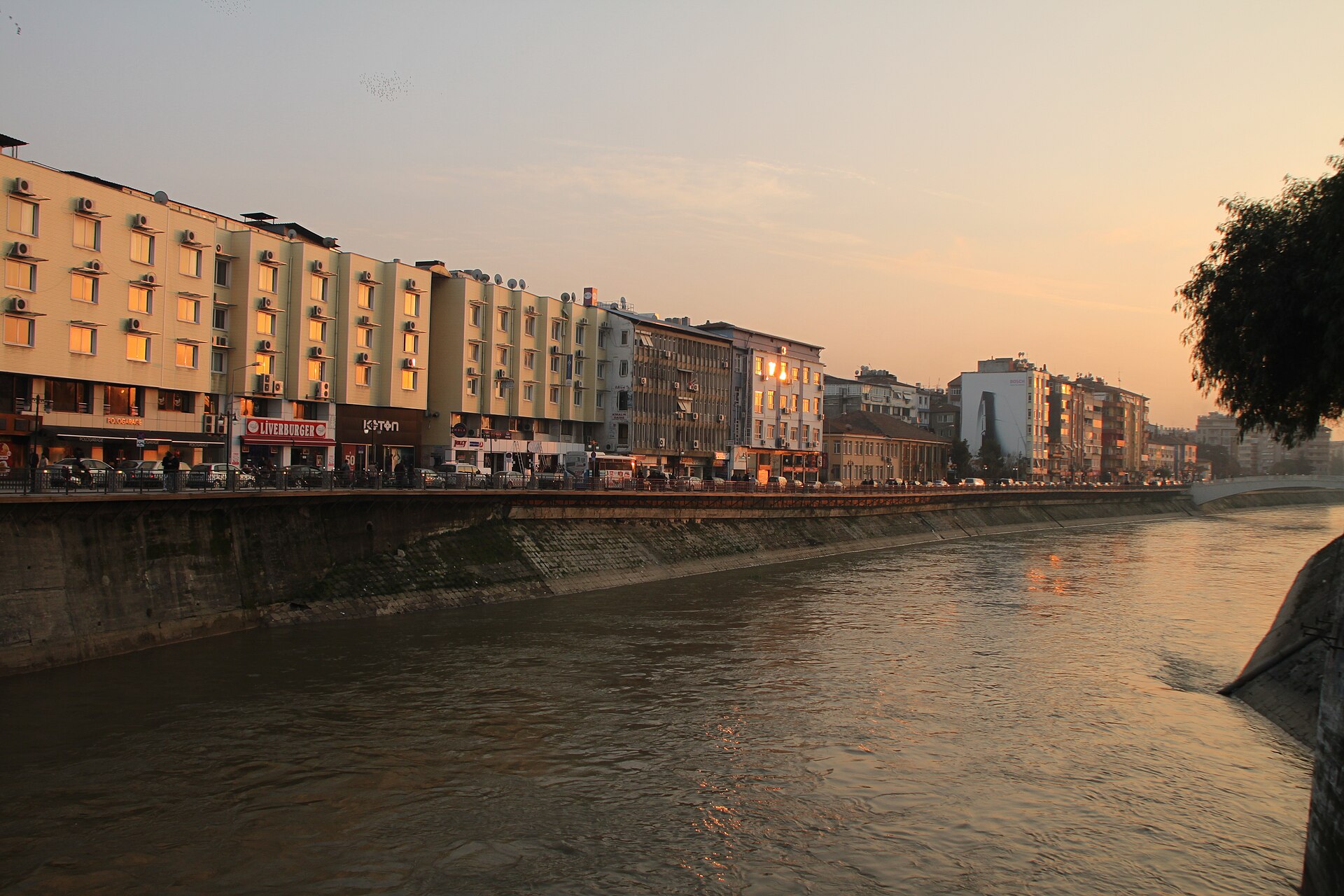
Key facts
- Location: Southernmost province of Türkiye, on the eastern Levantine Sea coast; borders Syria
- Capital and main cities: Antakya (ancient Antioch); İskenderun is the second-largest city
- Airport: Hatay Airport (HTY), about 25 km north of Antakya centre (Wikivoyage)
- From Istanbul: Flight about 1 hr 50 min; bus about 14 hours (Wikivoyage); check current timetable
- Best season: Spring and autumn; summers are hot and long, winters mild and rainy
- Typical visit time: 2-3 days for Antakya, Samandağ and the coast
- UNESCO status: Titus Tunnel on the UNESCO Tentative List (2014); no inscribed World Heritage Site in the province
- Local specialities: Künefe, hummus, muhammara, pomegranate syrup, laurel soap
- Entrance fees: See the official page of each site; they change and some sites are closed
- Current conditions: Recovering from the 2023 earthquakes; confirm openings before travelling
What is Hatay and why visit it?
Hatay is the southernmost province of Türkiye, on the eastern coast of the Levantine Sea. Its capital, Antakya, stands on ancient Antioch, an early centre of Christianity. Visitors come for mosaics, rock-cut churches, a Roman tunnel and a cuisine that blends Turkish and Arab traditions.
The province borders Syria to the south and east. It also touches Adana, Osmaniye and Gaziantep. Geographically it sits mostly outside Anatolia, on the Amik plain and the slopes of the Nur Mountains. The Orontes River (Asi) crosses it and reaches the sea at a delta in Samandağ.
Moreover, Hatay is one of the most culturally mixed provinces in Türkiye. Sunni Muslims, Alawites and several Christian communities live here, and Arabic is still widely spoken. As a result, a visit feels different from the Anatolian interior. However, the earthquakes of February 2023 changed the city. Many historic streets were damaged, and reconstruction continues.
Hatay’s identity in five points.
- Antioch heritage: a Seleucid capital and a major Roman city.
- Early Christianity: the city where followers of Jesus were first called Christians.
- Mosaics: the Hatay Archaeology Museum is famous for Roman floor mosaics.
- Mixed culture: Turkish, Arab, Armenian and Greek Orthodox traditions.
- Food: künefe, hummus, muhammara, kıtte and pomegranate syrup.
What is the history of Hatay and Antioch?
Hatay has been settled since the early Bronze Age, and Antioch was founded in 300 BC by Seleucus I. The city later became a major Roman centre and an early Christian hub. It joined the Ottoman Empire in 1516 and became part of Türkiye in 1939.
In antiquity the region was part of the Akkadian Empire, the Kingdom of Yamhad and the Kingdom of Mitanni. Hittite and Neo-Hittite rulers followed, then Assyrians, Neo-Babylonians and Persians. Archaeological sites such as Alalakh and Tell Tayinat belong to these early periods.
The Seleucid Empire made Antioch its capital. Rome took over in 63 BC, and Antioch became a cosmopolitan seaport. Around 42 AD Barnabas brought Paul of Tarsus to the city, and their missionary work spread Christianity across Asia Minor. Later, Arab dynasties, Byzantines and Seljuks held the city. The Crusaders founded the Principality of Antioch in 1098, and the Mamluks captured the region in 1268.
In contrast to most of Anatolia, Hatay was part of French-mandate Syria after the First World War. The short-lived Hatay State existed from September 1938 to June 1939. After a referendum in 1939, Hatay became a Turkish province.
The table below lists the main periods in order.
| Period | Key events |
|---|---|
| Bronze and Iron Ages | Akkadian, Yamhad, Mitanni, Hittite and Neo-Hittite rule; sites such as Alalakh and Tell Tayinat |
| 300 BC | Seleucus I founds Antioch; it becomes the Seleucid capital |
| 64-63 BC | Rome takes over; Antioch grows into a major regional centre |
| 1st century AD | Early Christian community; Barnabas and Paul work in the city |
| 526-528 | Earthquakes damage the city and port |
| 1098 / 1268 | Crusader Principality of Antioch; Mamluk conquest |
| 1516 | Ottoman Sultan Selim I takes the area |
| 1938-1939 | Hatay State; referendum; Hatay becomes a Turkish province |
| 2023 | Major earthquakes damage Antakya, Kırıkhan and İskenderun |
What are the main places to see in Hatay?
The main sights are in and around Antakya: the Necmi Asfuroğlu Archaeological Museum, the Church of St Peter and Habib-i Najjar Mosque. Further out are the Titus Tunnel, St Simeon Monastery and Harbiye. Many sites were damaged in 2023, so confirm each opening before you go.
Hatay’s landmark list includes the Hatay Archaeology Museum, the rock-carved Church of St Peter and the Titus Tunnel. The Hatay Archaeological Museum holds classical mosaics, coins and sarcophagi. Wikivoyage’s June 2026 update says it was temporarily closed and being repaired rather than rebuilt.
Highlights to consider, in rough order of proximity to Antakya.
- Necmi Asfuroğlu Archaeological Museum: a museum built over remains of ancient Antioch, with a Roman road, a bathhouse and mosaics.
- Church of St Peter: a cave church on a cliff face associated with St Peter, enlarged by the Crusaders.
- Habib-i Najjar Mosque: a rebuilt mosque on a former pagan temple site, once a church.
- Charon relief and Iron Gate (Demir Kapı): ancient remains on the hillside above the city.
- Titus Tunnel at Çevlik: a Roman channel and tunnel near ancient Seleucia Pieria.
- Monastery of St Simeon: the ruined site of a stylite saint, with hilltop views.
- Harbiye (ancient Daphne): laurel groves and waterfalls south of the city.
- Vakıflı and Moses’ Tree: the Armenian village and a plane tree in Samandağ district.
This at-a-glance table summarises the sights and their setting.
| Sight | Area | Type | Note |
|---|---|---|---|
| Necmi Asfuroğlu Archaeological Museum | Antakya centre | Museum | Built over Antioch remains; check official page for hours |
| Church of St Peter | Antakya, northeast | Cave church | Several km from the centre; fee on official page |
| Habib-i Najjar Mosque | Antakya centre | Mosque | Rebuilt after 2023; respect prayer times |
| Hatay Archaeological Museum | Antakya, Reyhanlı road | Museum | Mosaics; repairs reported, check status |
| Titus Tunnel | Çevlik, Samandağ | Roman engineering | About 1.4 km of channel and tunnel |
| Monastery of St Simeon | 22 km southwest of Antakya | Ruins | Hilltop site with ruined churches |
| Harbiye | South of Antakya | Nature and dining | Laurel groves and waterfalls |
| Vakıflı | North of Samandağ | Village | Damaged in 2023; facilities may be closed |
How do you get to Hatay and get around?
Most visitors fly to Hatay Airport or take an intercity bus. Wikivoyage lists flights of about 1 hr 50 min from Istanbul and a bus journey of about 14 hours. Always check the current timetable, because services changed after the earthquakes.
Hatay Airport is 25 km north of Antakya. Wikivoyage reports that Turkish Airlines and Pegasus connect it with Istanbul, and that the airport has only basic facilities since the earthquake. The Havas shuttle, a dolmuş or a taxi can take you downtown. In addition, trains from Adana and Mersin were reported suspended. Therefore, buses and cars are the practical overland options.
Inside Antakya the centre is walkable, but St Peter’s Church lies several kilometres northeast. Dolmuşes and taxis are plentiful. For a wider tour, a car or a private transfer saves time. For example, Samandağ, the Titus Tunnel and St Simeon are spread across different roads.
The table compares the main ways to reach Hatay.
| Option | Typical duration | Notes |
|---|---|---|
| Flight from Istanbul | About 1 hr 50 min (Wikivoyage) | To Hatay Airport, 25 km from Antakya; check current timetable |
| Intercity bus from Istanbul | About 14 hours (Wikivoyage) | Select “Hatay”, not “Antakya”, on bus websites |
| Road from Adana | Check a route planner | Motorway to İskenderun, then over the Belen Pass |
| Road from Gaziantep | Check a route planner | About 200 km northeast of Antakya (Wikivoyage) |
| Train | Check current timetable | Services from Adana and Mersin were reported suspended |
When is the best time to visit Hatay?
Spring and autumn are the most comfortable seasons for sightseeing in Hatay. The climate is Mediterranean, with hot, long, dry summers and mild, rainy winters. Therefore, plan outdoor sites such as Titus Tunnel and the coast for the cooler months.
Summer heat can make the walk to St Peter’s Church tiring, and Wikivoyage mentions the sun beating down on exposed roads. Winter rain is common, but the temperatures stay mild. As a result, visits are possible all year with sensible clothing.
This table summarises the seasons.
| Season | Weather | Crowds | Notes |
|---|---|---|---|
| Spring (Mar-May) | Mild, some rain | Moderate | Good for walking sites and Harbiye greenery |
| Summer (Jun-Aug) | Hot, long and dry | Domestic holidaymakers on the coast | Start early; carry water; avoid midday walks |
| Autumn (Sep-Nov) | Warm to mild | Moderate | Comfortable for Titus Tunnel and village visits |
| Winter (Dec-Feb) | Mild and rainy | Low | Take a rain jacket; some sites may close early |
How long should you stay in Hatay?
Allow two to three days for Antakya and its surroundings. A half day covers the central sights, one full day adds the coast, and a longer stay lets you see villages and castles. Travel times are long, so do not squeeze Hatay into a day trip from Adana.
Adana is about 200 km northwest of Antakya, according to Wikivoyage, and Gaziantep is about 200 km northeast. Consequently, many visitors combine Hatay with one of these cities.
Use this table to pick a plan.
| Plan | What it covers |
|---|---|
| Half day | Antakya centre: museum, Habib-i Najjar Mosque, a meal with künefe |
| 1 day | Antakya plus St Peter’s Church and Harbiye, or Titus Tunnel and Samandağ coast |
| 2-3 days | Antakya, Samandağ, Titus Tunnel, St Simeon, Vakıflı, and a castle such as Bakras if conditions allow |
What practical tips help when visiting Hatay?
Check every site before you travel, because earthquake repairs change opening status. Dress modestly at mosques and churches, carry water in summer, and respect prayer times. For fees, use the official museum or ministry page. We do not list prices here.
Wikivoyage warns that some castles are overgrown or unstable, so take care at Koz and Bakras. Moreover, the rubble and damaged buildings in the old centre call for caution. Photography is generally fine outdoors, but ask before photographing people and worshippers.
A short checklist for the trip.
- Confirm opening status of museums and churches on official pages.
- Wear comfortable shoes for uneven ground.
- Carry a flashlight for the Titus Tunnel interior.
- Patch-test laurel soap if you have sensitive skin.
- Use a private transfer or car to reach scattered sites.
- Mobile data: Wikivoyage reports 4G, with 5G in the city centre.
Where should you stay and eat in Hatay?
Most visitors stay around central Antakya, near Kurtuluş Avenue, or on the bypass for easy parking. İskenderun and the Samandağ coast are alternatives. Choose the area by your plan, and check which hotels are currently open. Neighbourhood choice matters more than any single venue, so pick the area first and the exact place second.
Hatay food shows Arab influence. Expect künefe, hummus, muhammara, baba ghanoush, kıtte and spicy içli köfte. Pomegranate syrup is the hallmark dressing, and zahter thyme is common. Wikivoyage says much of the old eating strip was destroyed, so ask locally for what is open.
Dishes and products worth trying.
- Künefe: shredded pastry with melted cheese.
- Hummus and tahini dishes.
- Muhammara: walnut and spice paste.
- Nar ekşisi: pomegranate syrup dressing.
- Laurel soap (defne sabunu) as a souvenir.
What are the nearby places and day trips from Hatay?
Nearby options include the Samandağ coast, İskenderun and the mountain roads toward Adana and Gaziantep. Gaziantep and Adana are each about 200 km away, so they suit onward travel rather than day trips. These links help you build a longer route, and each destination has its own TurkGT guide you can read next.
Within the province, Harbiye, Titus Tunnel, St Simeon and Vakıflı make good half-day excursions. You can also read about our pages for Adana, Osmaniye, Gaziantep and Kahramanmaraş.
Plan this with TurkGT
TurkGT is an Istanbul-based travel company. We can arrange guided trips, private transfers and a guide or interpreter for Hatay. Tell us your dates and interests on WhatsApp, and we confirm the plan with you there. There is no obligation: you can ask questions first, and we only confirm a plan once you agree to it.
Frequently asked questions
Where is Hatay?
Hatay is Türkiye’s southernmost province, on the eastern coast of the Levantine Sea. It borders Syria to the south and east, and Adana, Osmaniye and Gaziantep to the north.
What is the capital of Hatay?
The capital is Antakya, the site of ancient Antioch. İskenderun, formerly Alexandretta, is the second-largest city.
Why is Antakya important for Christianity?
Acts 11:26 says disciples were first called Christians in Antioch. Barnabas and Paul also worked there, and the Church of St Peter is a pilgrimage site.
How do I get to Hatay from Istanbul?
Wikivoyage lists flights of about 1 hr 50 min to Hatay Airport and buses of about 14 hours. Check the current timetable before booking.
Is Hatay safe to visit after the 2023 earthquakes?
The province was heavily damaged, and recovery continues. Check official sources for open sites, avoid damaged buildings and follow local guidance.
What food is Hatay known for?
Hatay is known for künefe, hummus, muhammara, kıtte and pomegranate syrup. Its cuisine shows Arab influence, and laurel soap is a typical souvenir.
What is the Titus Tunnel?
It is a Roman channel and tunnel of about 1.4 km near Çevlik, built to divert a river. It was added to the UNESCO Tentative List in 2014.
How many days do I need in Hatay?
Two to three days suit Antakya, Samandağ and the coast. A shorter stay covers only the central Antakya sights.
Sources
- Hatay Province (Wikipedia)
- Antakya (Wikivoyage)
- Hatay: general information (Culture Portal)
- Go Türkiye: Hatay
Last reviewed: 2026-11-18. Opening hours, ticket prices and other changeable details are not listed because they change; check the official source before you travel.