
The best time to visit Fethiye depends on your plan. May, June, September and October suit most travellers, with warm sea and manageable crowds. July and August are hottest and busiest. Winter is quiet and mild, good for sightseeing and walking but poor for beach days.
Key facts
- Climate: Mediterranean: hot dry summers, mild wetter winters
- Best overall: May-June and September-October
- Peak crowds: July and August
- Beach and sea days: Late spring to autumn
- Hiking and ruins: Spring and autumn
- Quiet season: November to March
When is the best time to visit Fethiye?
Late spring and early autumn give the best balance of warm weather, swimmable sea and fewer people. Summer is reliable for beaches but hot, so plan outdoor sightseeing for early morning. Winter is mild but wetter and quieter, and some seasonal businesses reduce hours or close.
Fethiye has a Mediterranean climate. Therefore, expect long dry summers and cooler, rainier months from late autumn to early spring. Exact weather varies each year, so check a forecast a few days before you travel.
How we built this guide
This guide uses general Mediterranean climate patterns and the nature of each place, not exact temperature or price data. We do not accept payment for placement. Opening hours and boat schedules change by season, so confirm them with the place or on Google Maps.
Which month suits which activity?
Match the activity to the season to get more from your trip. Beach days and boat trips peak in summer. Walking, ruins and canyon visits are more comfortable in spring and autumn. Paragliding depends on the weather and operators, so ask when you book.
Activities by season in Fethiye:
| Season | Months | Best for | Watch out for |
|---|---|---|---|
| Spring | March-May | Ruins, hiking, flowers, quiet beaches | Cooler sea early in the season, some seasonal venues still opening |
| Early summer | June | Beach, boats, long evenings | Rising heat and crowds toward July |
| Peak summer | July-August | Swimming, beach clubs, boat days | Heat, full hotels, busy roads |
| Early autumn | September-October | Warm sea, hiking, sightseeing | Shorter days later in October |
| Late autumn | November | Quiet sightseeing | Some businesses closing |
| Winter | December-February | Museums, local life, walking | Rain, limited boat trips and beach clubs |
Month by month
January and February are the quietest months. Expect mild but rainy days, closed beach businesses and good conditions for indoor visits such as the museum. March and April bring greener hills and cooler sea. Ruins and hiking are pleasant, and crowds are small.
May and June are a strong choice for most travellers. Beaches and boat trips are open and the heat is manageable. July and August are the peak, with the hottest days and highest demand for hotels. September and October keep the warm sea, and the light is softer. November returns to a quiet pace.
Quick month guide:
- January-February: quiet, mild, indoor sights
- March-April: green hills, early walking weather
- May-June: warm, good for beaches and boats
- July-August: hot and busy, book ahead
- September-October: warm sea, fewer crowds
- November-December: calm, limited seasonal services
Best places by season
Choose places that suit the weather. Oludeniz and its lagoon shine in warm months, while Kayakoy and the Lycian ruins reward cooler days. The canyon at Saklikent is a summer favourite for its cold river water, but check conditions before you go. Beaches near Patara are best from late spring to autumn.
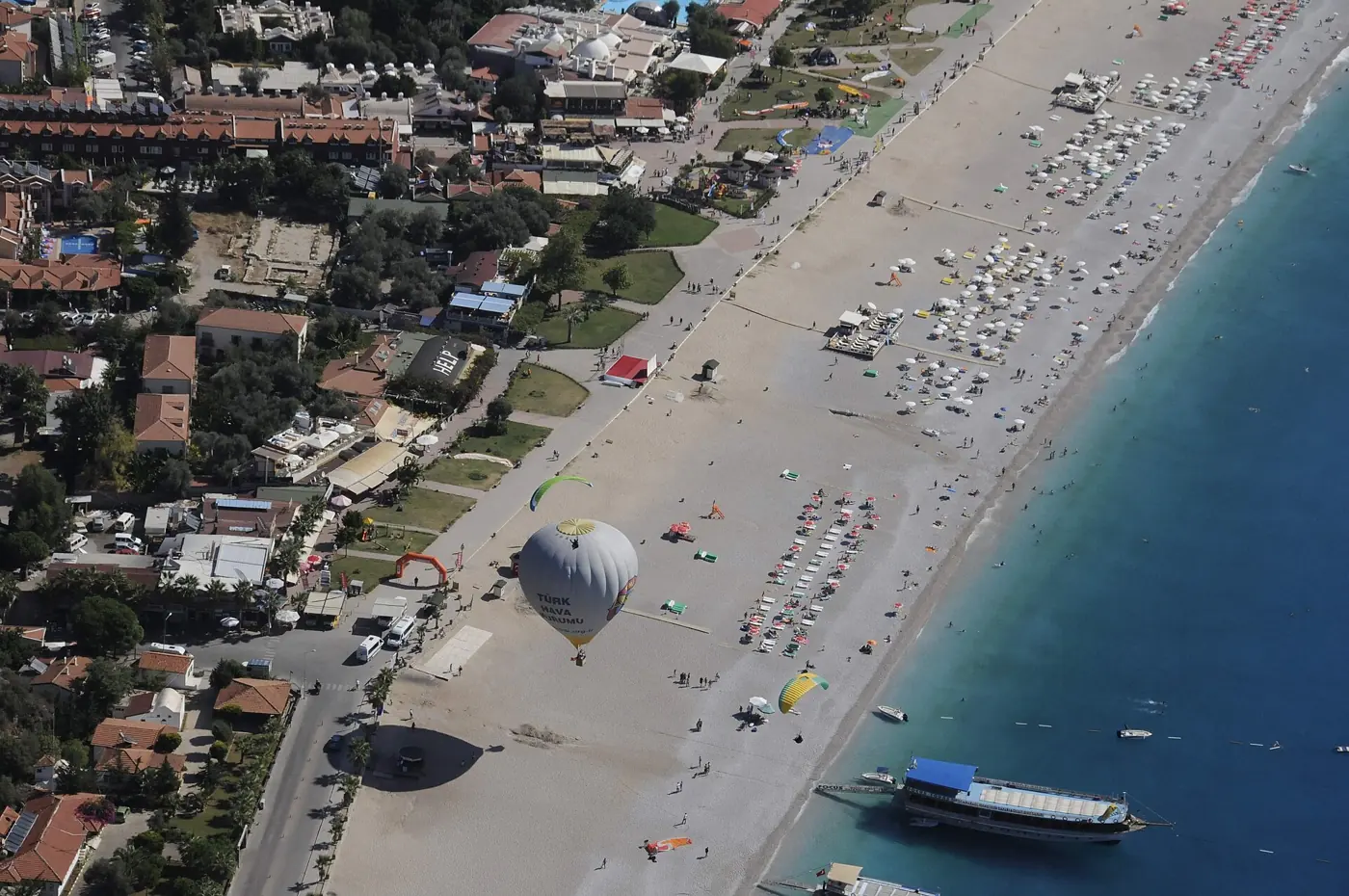
1 Ölüdeniz Plajı
Oludeniz Beach is best from late spring to early autumn, when the sheltered lagoon-side beach is busy with swimmers and paragliders landing from Babadag.
- Setting: Sheltered lagoon at the foot of Babadag
Show map
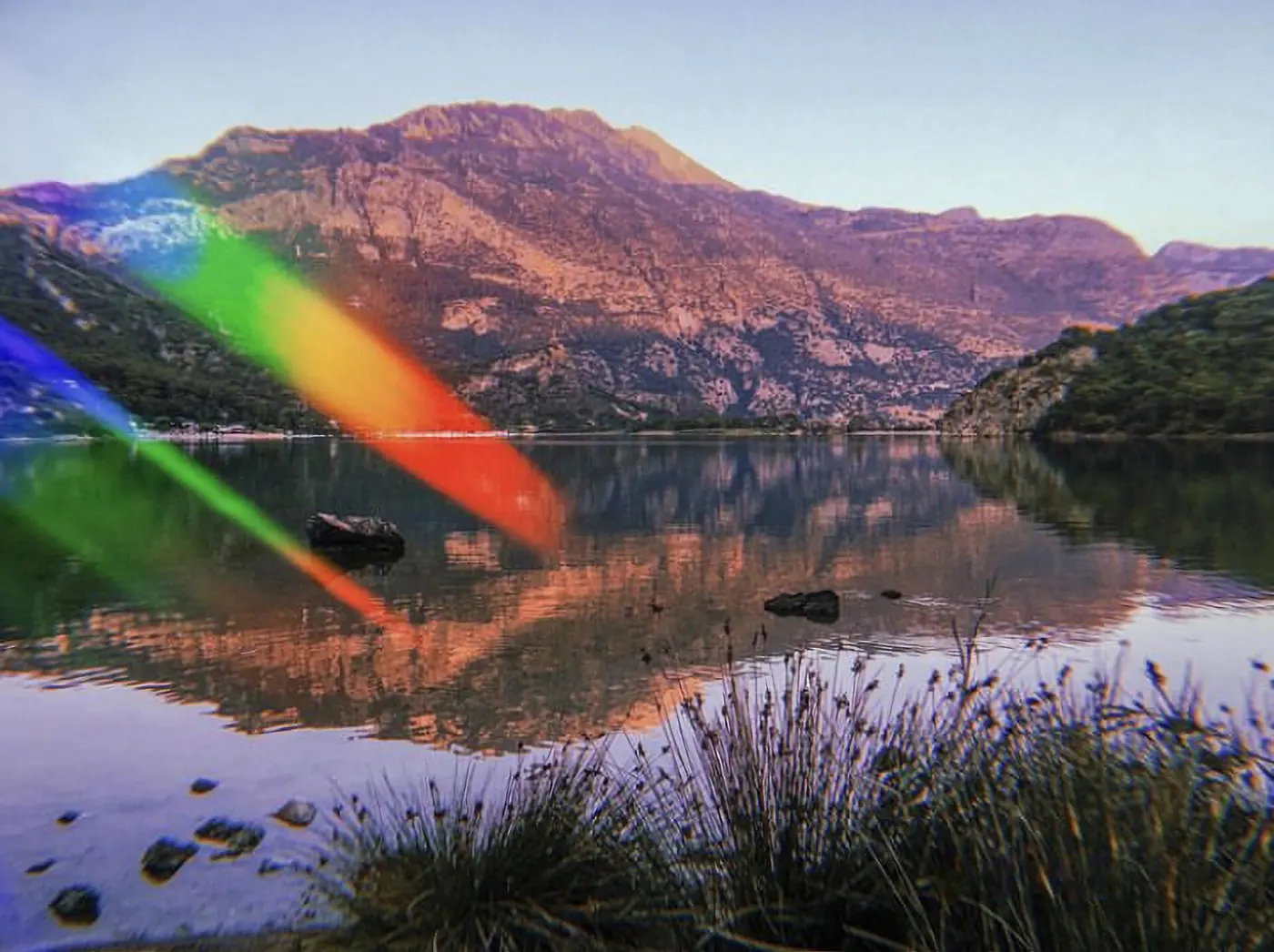
2 Babadağ
Babadag is the launch area for tandem paragliding above Oludeniz. Flights depend on weather and operators, so ask about conditions when you plan.
- Activity: Tandem paragliding
Show map
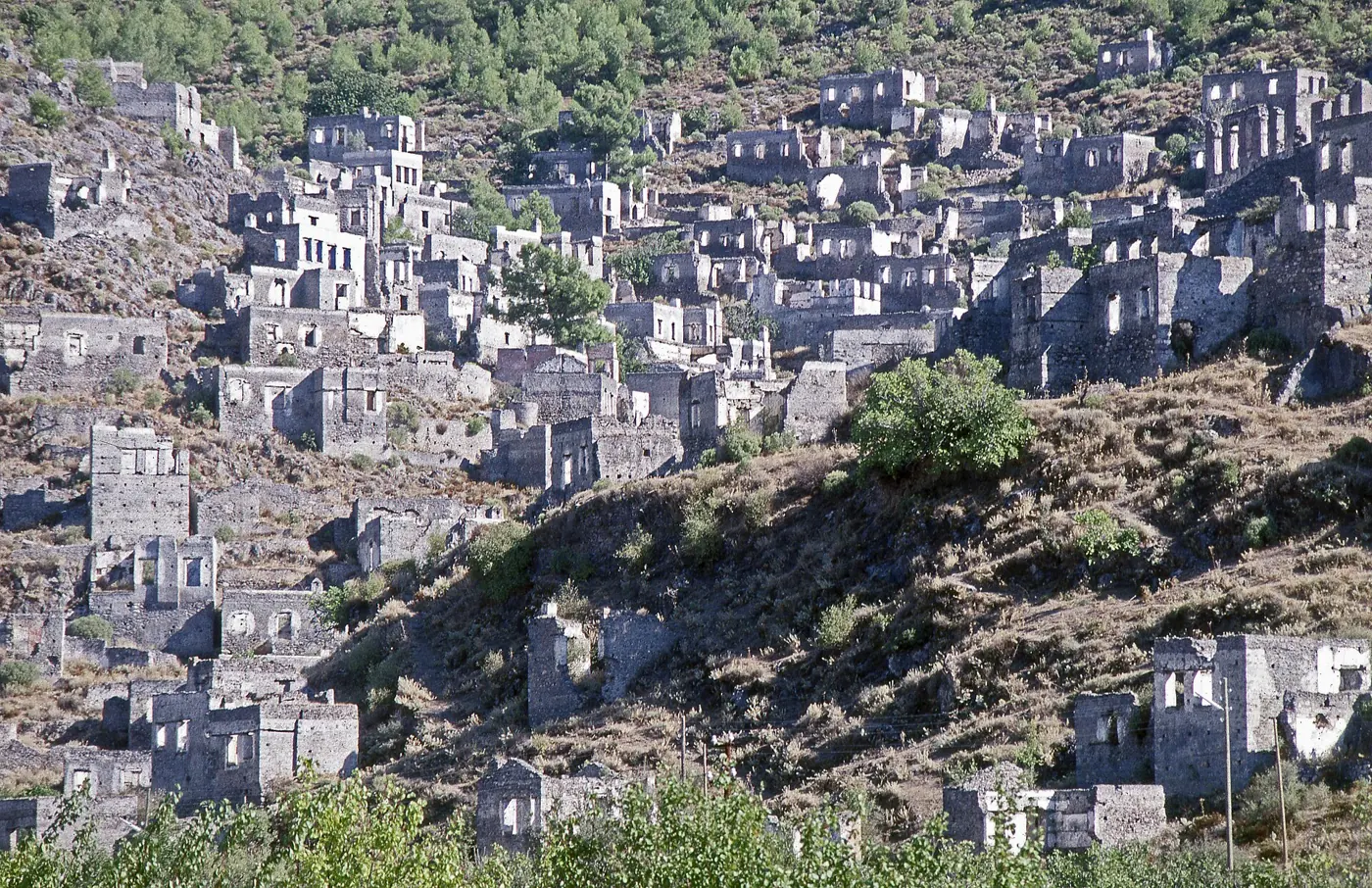
3 Kayaköy
Kayakoy is easier to walk in spring and autumn when the stone lanes are less hot. Visit early or late for softer light.
- Distance: About 8 km south of Fethiye
Show map
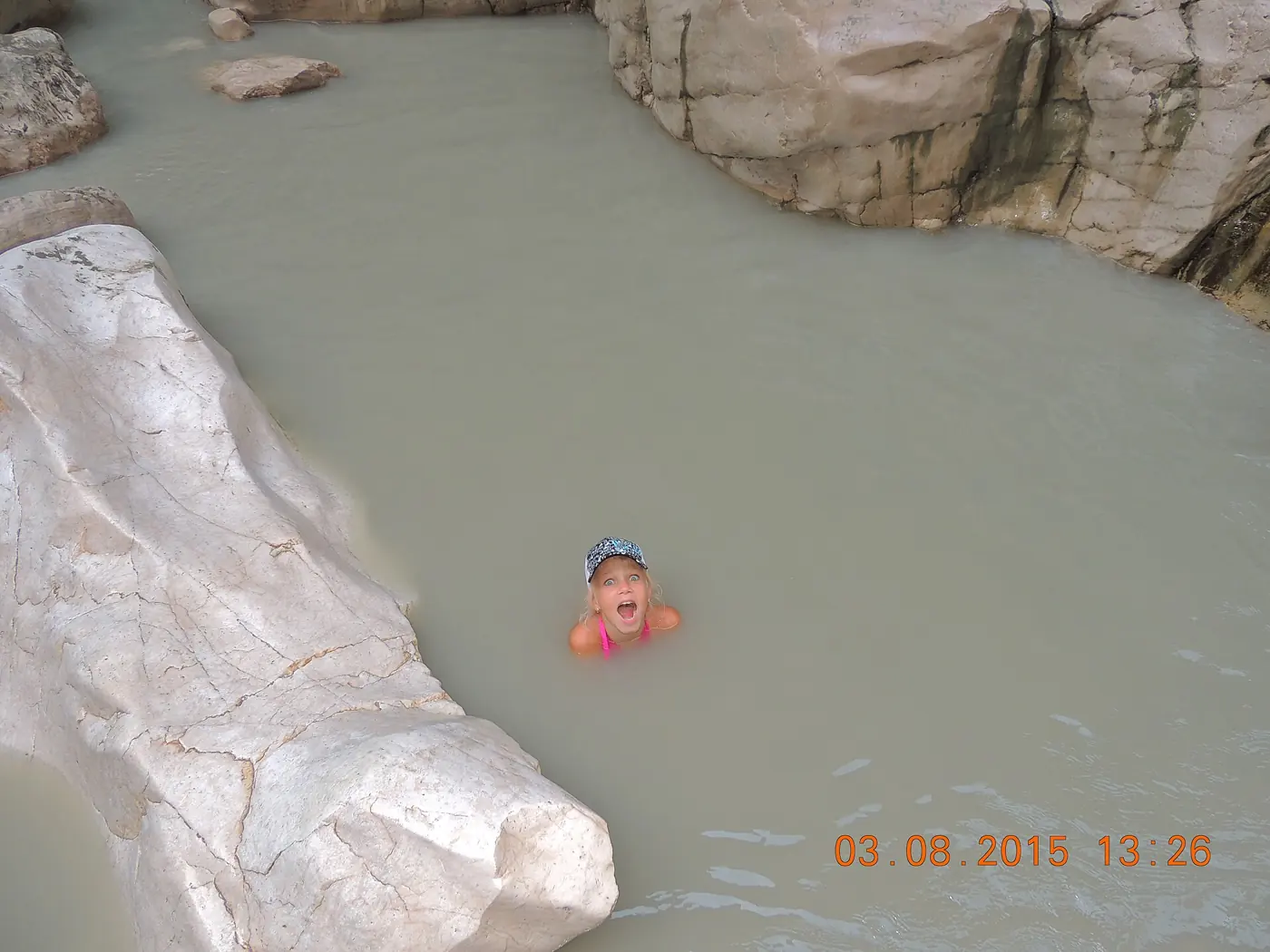
4 Saklıkent Kanyonu
Saklikent Gorge is a limestone canyon where visitors wade through cold river water. It is a popular summer cool-down, and conditions can vary with the river.
- Park established: 1996
- Type: National park and canyon
Show map
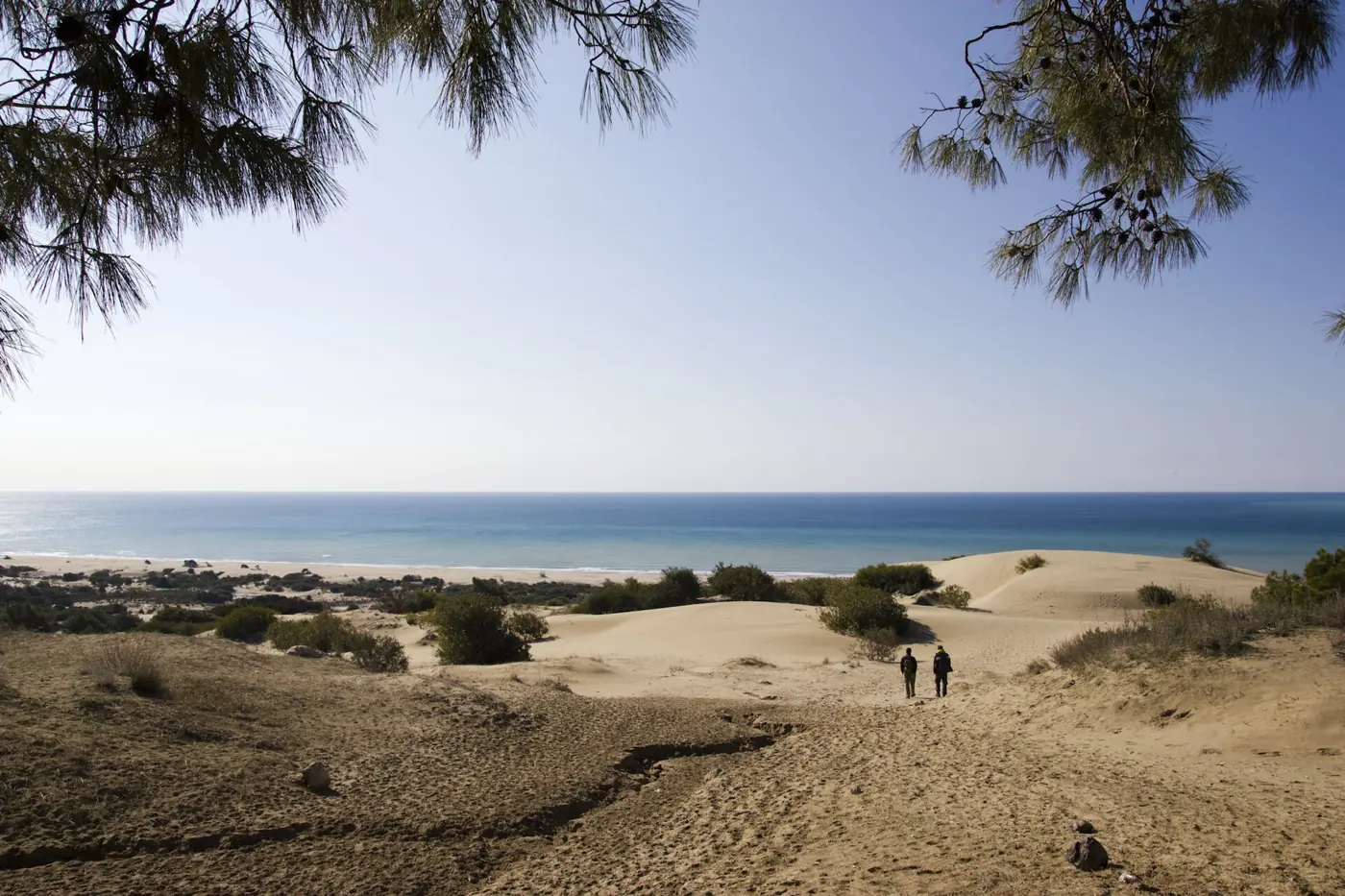
5 Patara Plajı
Patara Beach is a long sandy beach backed by dunes beside the ancient Lycian city. It is best in warm months.
- Setting: Beside the ancient city of Patara
Show map
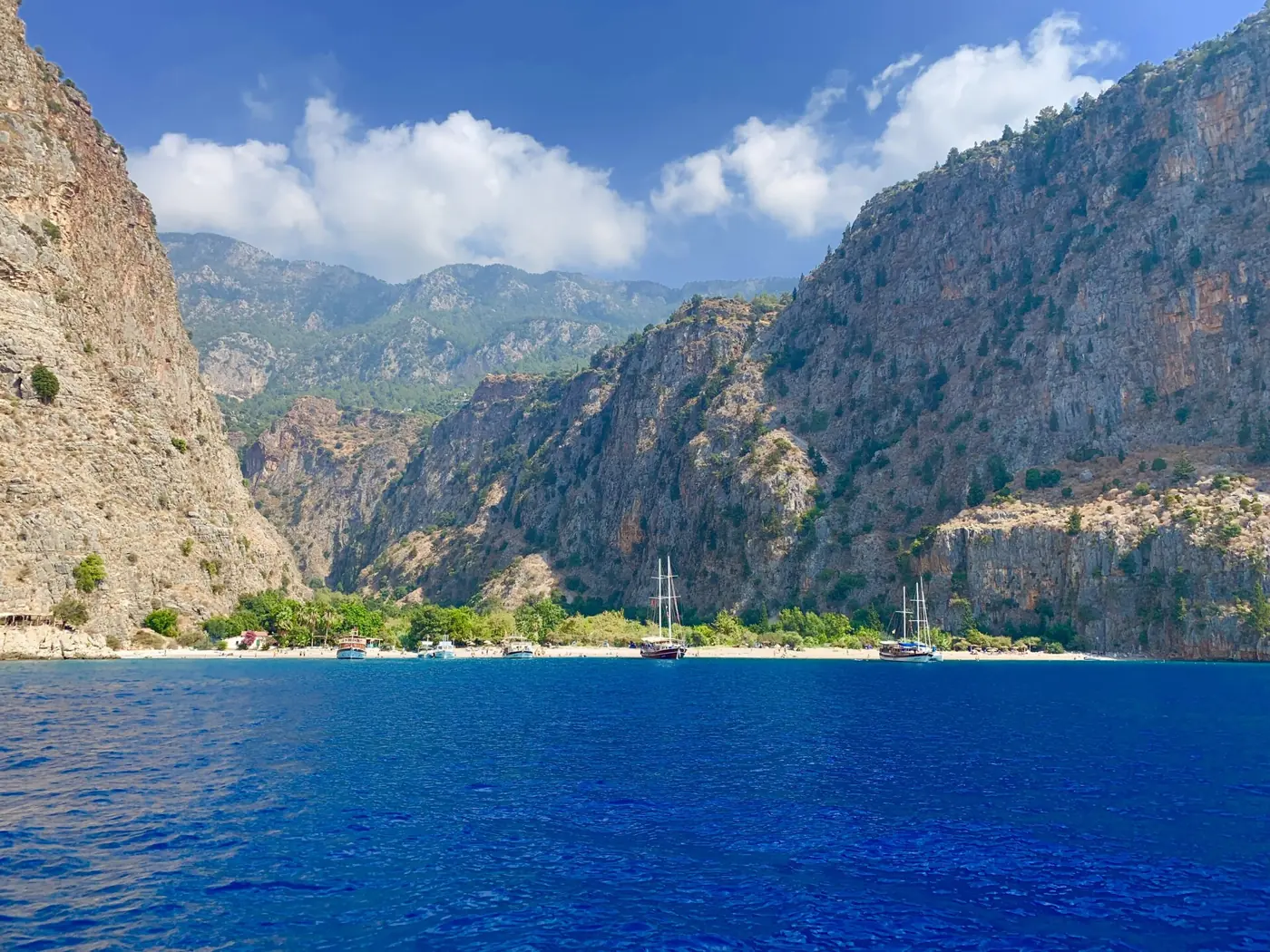
6 Kelebekler Vadisi
Butterfly Valley is a canyon-backed cove reached by boat from Oludeniz or on foot via Faralya. Boat access is mainly a warm-season option.
- Access: By boat from Oludeniz or on foot via Faralya
Show map
Seasonal packing and booking tips
Pack light, breathable clothes for summer and a light jacket for evenings in spring and autumn. Bring water shoes for pebbly coves and river walks. Moreover, book accommodation early for July and August, and ask boat operators about winter schedules if you travel off-season.
What to bring:
- Sun hat, sunscreen and a refillable water bottle
- Water shoes for canyon and pebble beaches
- Sturdy shoes for ruins and Lycian Way sections
- A light rain jacket for winter and shoulder months
What to do if the weather turns
Weather can change plans in any season. Rain in winter and shoulder months can close beach businesses for a day, and wind can delay boat trips. Strong heat in July and August can make midday sightseeing unpleasant. Therefore, keep a short list of backup activities in each area.
Indoor options include the Fethiye Museum, the Paspatur bazaar, covered shopping and long restaurant lunches. Moreover, a flexible schedule lets you swap a boat day for an inland day when the forecast changes.
Backup ideas:
- Fethiye Museum for Lycian finds
- Paspatur lanes and cafes in the old town
- A shopping stop in the main mall near the bus station
- Early morning at the ruins and afternoons in shade
Weather problems and what to do:
| Condition | Impact | Backup |
|---|---|---|
| Heavy rain | Beach and canyon plans suffer | Museum, bazaar, long lunch |
| Strong wind | Boat trips may be delayed | Switch to an inland day |
| Extreme heat | Midday sightseeing is hard | Start early, rest, evening walks |
| Cool sea in spring | Short swims only | Hiking and ruins instead |
Crowds, bookings and seasonal services
Crowds follow the season. July and August fill hotels and beaches, and popular restaurants may need reservations. May, June and September give a better balance. In winter, many beach clubs, seasonal bars and some boat operators close, so check each place before you plan a visit.
Booking early matters most in peak summer and around public holidays. In contrast, shoulder months often let you arrange boat trips or rooms locally with more flexibility. Always confirm opening hours and operator schedules on Google Maps or with the venue itself.
Booking guidance by season:
| Season | Hotels | Boat trips and clubs | Restaurants |
|---|---|---|---|
| Spring | Easy to find rooms | Opening, check dates | Most open |
| Early summer | Book a few weeks ahead | Open, busy at weekends | Open |
| Peak summer | Book well ahead | Busy, reserve | Busy, reserve popular ones |
| Autumn | Moderate demand | Open until season end | Open, some closing late |
| Winter | Easy | Limited | Reduced choices |
Seasonal themes: what each season feels like
Spring in Fethiye feels green and calm. Wildflowers and fresh air make it a good time for hikes, ruins and relaxed town walks. The sea is cooler than in summer, so most visitors swim briefly or skip it. Therefore, spring suits travellers who value scenery over beach time.
Summer is the classic beach season. Days are long, the sea is warm and every beach, boat and club is in full swing. However, heat and crowds peak in July and August, so early starts matter. Autumn keeps much of the warmth but softens the light and thins the crowds, which many regular visitors consider the sweet spot of the year.
Winter is the local season. Fethiye town carries on with markets, cafes and museums, while seaside resorts quiet down. Moreover, hotel demand is low, so travellers who do not need beach weather can find a calm and authentic visit.
How to choose in one line each:
- Spring: hikes, ruins and fewer people
- Summer: beach, boats and nightlife
- Autumn: warm sea with calmer streets
- Winter: culture, markets and quiet
Events, holidays and what they change
Public and religious holidays can change crowds and opening hours. Turkish national holidays and school breaks fill hotels and buses, and some shops close for a day or more. Check the calendar for your dates, and book transport earlier if your trip overlaps a long holiday.
In contrast, ordinary weekdays in the shoulder season are the easiest time to travel. Weekly markets add local colour on set days, with Tuesday and Friday in the centre and Sunday in Calis and Gocek. Confirm market days locally, because they can move.
Weekly markets near Fethiye:
| Day | Market | Area |
|---|---|---|
| Tuesday | Large weekly market | Fethiye centre |
| Friday | Village produce market | Fethiye centre |
| Sunday | Local produce market | Calis |
| Sunday | Local produce market | Gocek |
Sample plan for a shoulder-season day
Start with breakfast in Fethiye centre, then drive to Kayakoy before midday. Have lunch in Oludeniz, enjoy the beach in the afternoon, and finish with sunset at the harbour. This route works in May, June, September and October when conditions are comfortable.
Frequently asked questions
What is the best month to visit Fethiye?
May, June, September and October offer warm weather and manageable crowds for most travellers.
Is July too hot for Fethiye?
July is hot and busy. It suits beach and boat days, but plan sightseeing for early morning or evening.
Can I swim in Fethiye in winter?
The sea is cooler and many beach businesses close, so winter is better for sightseeing than swimming.
When is paragliding at Oludeniz possible?
It depends on weather and operators, and is most common in the warm season. Ask operators for current availability.
Is Fethiye crowded in August?
Yes, August is peak season with high hotel demand. Book early and use early starts for popular sights.
When is best for hiking the Lycian Way?
Spring and autumn are generally more comfortable than midsummer. Check conditions and daylight hours.
Is Fethiye open all year?
The town is, but some seasonal beach clubs and boat trips reduce service in winter. Verify before you go.
Plan this with TurkGT
TurkGT can arrange a private car with driver, airport transfers, a licensed local guide, a yacht day, hotel booking or an interpreter for your Fethiye trip. Send your dates and group size by WhatsApp or the inquiry form, and we will reply with a practical plan.
Request a booking
Related guides
- How to Get to Fethiye from Dalaman Airport and Beyond
- Fethiye in 3 Days: Step-by-Step Itinerary
- Best 10 Hotels in Fethiye: City, Marina and Calis Beach
- Top 10 Restaurants in Fethiye: Harbour, Calis and Beyond
- Top Sights in Fethiye: A Practical Visitor Guide
- Ölüdeniz and the Blue Lagoon: Beach Guide
- Best Shopping in Fethiye: Erasta Mall, Paspatur and Markets
Related destinations and attractions
Explore more city guides
Sources
Last reviewed: 2026-11-21.