
Fethiye’s main sights sit close together. The Lycian rock tomb above the old town, the Telmessos theatre, the archaeological museum, street sarcophagi, Paspatur bazaar and the harbour can all be covered in one relaxed half day on foot, starting with the tomb in the morning light.
Key facts
- Where: Fethiye town, Muğla Province
- Best known for: Lycian rock tombs above the old town
- Walkable core: Harbour, Paspatur bazaar, theatre, sarcophagi
- Time needed: Half a day for the town sights
- Indoor option: Fethiye Museum
- Nearby add-ons: Kadyanda, Kayaköy, Ölüdeniz
- Prices and hours: Check the place’s page or Google Maps
What are the main sights in Fethiye?
The main sights in Fethiye are the Lycian rock tomb carved into the cliff above town, the Telmessos ancient theatre, the Fethiye Museum, the Lycian sarcophagi in the streets, Paspatur bazaar and the waterfront. Most are within walking distance of the harbour, so you can see them without a car.
Fethiye is a municipality and district of Muğla Province on the Turkish Riviera. Its ancient name was Telmessos, which was the largest city in Lycia. Therefore the town centre still holds tombs and stones from that period, mixed in with cafes, shops and boat piers.
In contrast to Ölüdeniz, which is built around the beach, Fethiye town is the place for history and everyday Turkish life. Moreover, it works as a base for day trips to Kayaköy, Kadyanda and the Xanthos valley. See our Fethiye area page for the wider picture.
Visitors often ask whether Fethiye is only a gateway to Ölüdeniz. In practice, the town rewards a slow half day. The old town, the theatre and the tombs are close together, and the waterfront gives a calm end to the day. Therefore it makes sense to sleep in town for at least one night.
How did we choose these sights?
How we chose: we looked at official or encyclopedic classification, the location, and details from the sources listed below. We do not accept payment for placement. Opening hours, entry fees and conditions change, so check the place’s page or Google Maps before you go.
Our shortlist uses places with a clear historical or cultural identity and a fixed location in the town. We left out anything we could not tie to a source. Ratings change from season to season, so we send you to Google Maps for current visitor opinions.
Our selection criteria were:
- Official or encyclopedic description of the site
- Location inside or close to Fethiye town
- Ease of reaching it on foot or by short taxi ride
- Variety: tombs, theatre, museum, market and waterfront
Which sights should you see first?
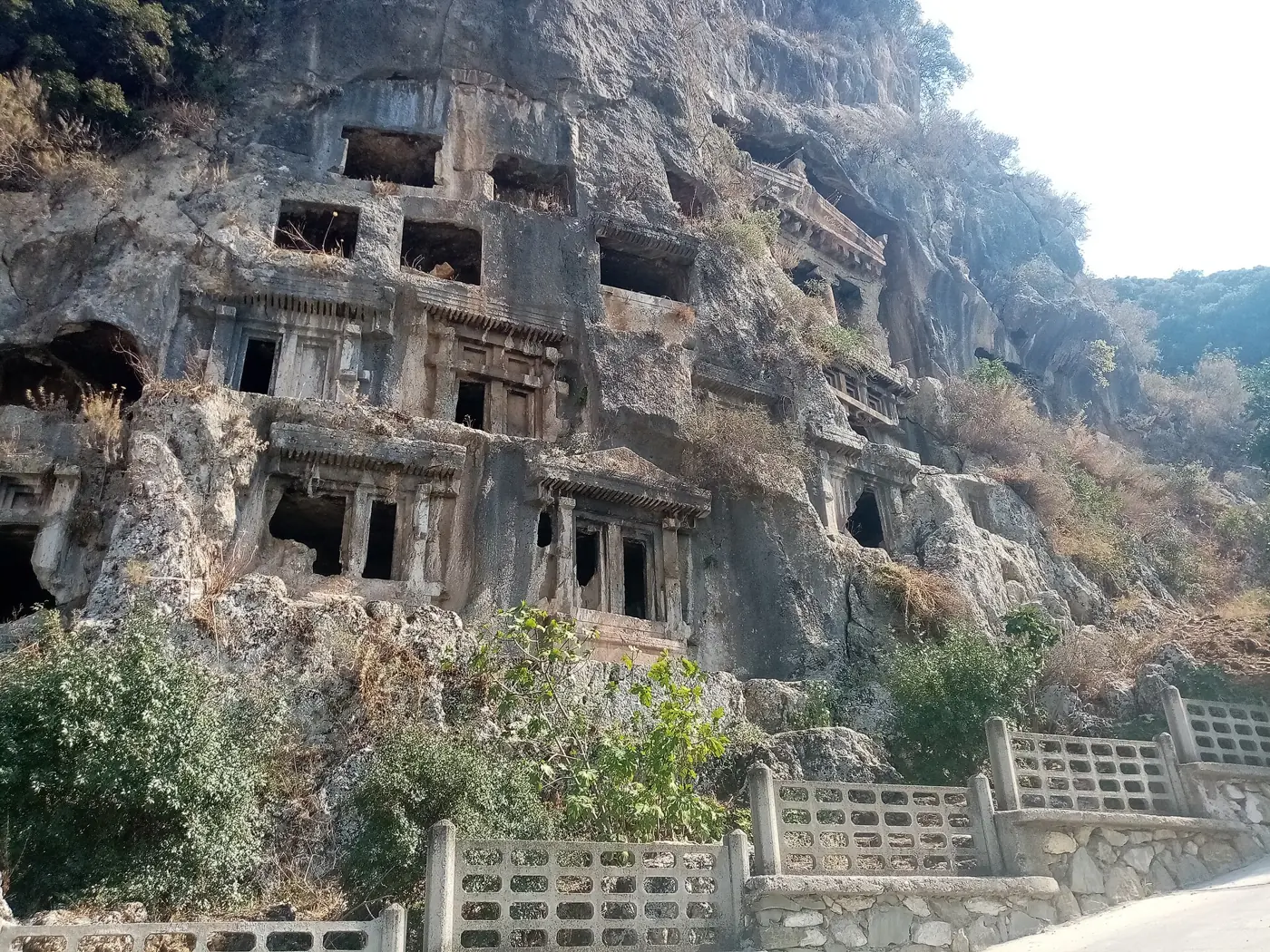
Start with the Lycian rock tomb, the Tomb of Amyntas, because it is the best-known landmark of Fethiye and dates to the 4th century BC. Then walk down toward the old town to see the theatre, the street sarcophagi and Paspatur. Finish at the harbour at sunset.
The cards below describe each sight in the order of a sensible walking route. However, the tomb involves a climb above the old town, so wear comfortable shoes and go early or late in summer.
Do not rush the tomb. The facade faces the town, so the view back over the roofs and the bay is part of the visit. In addition, the cliff setting explains why the Lycians chose this spot for a monument that could be seen from far below.
Next, the theatre and the sarcophagi show two different sides of Telmessos: public life and burial. Seeing both in the same morning gives a clearer picture of the ancient city than any single stop.
1 Amintas Kaya Mezarları
This is the landmark most visitors come for: an Ionic temple front cut into the cliff above Fethiye. It dates to the 4th century BC and looks over the town centre. It also works well as a photo stop.
- Period: 4th century BC
- Location: Cliff above the town centre
Show map
2 Telmessos Ancient Theatre
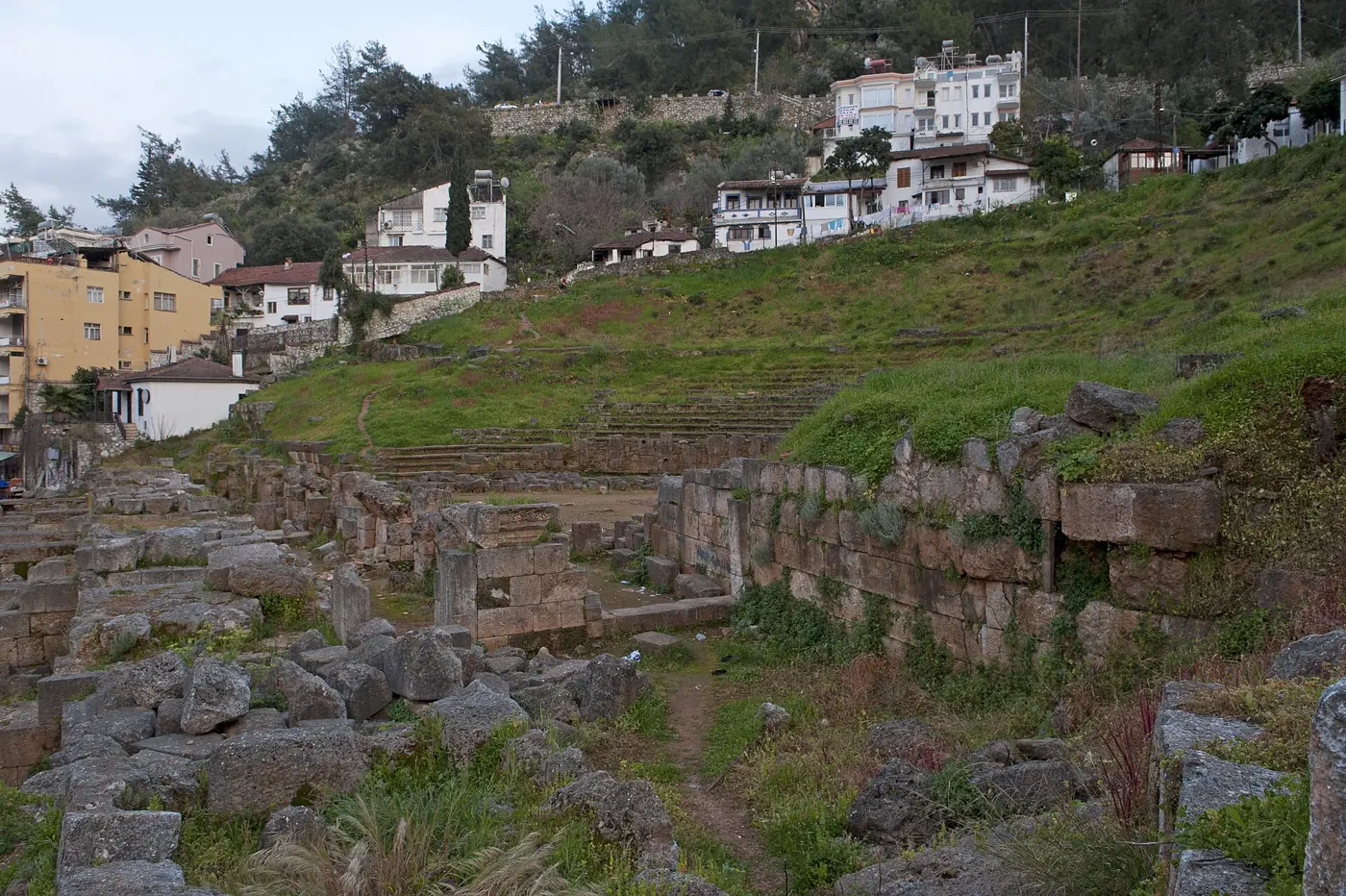
The theatre belongs to Telmessos, the largest city in Lycia. It is a short walk from the old town and Paspatur, so it combines easily with the bazaar.
- Ancient city: Telmessos
- Nearby: Paspatur bazaar
Show map
3 Fethiye Müzesi
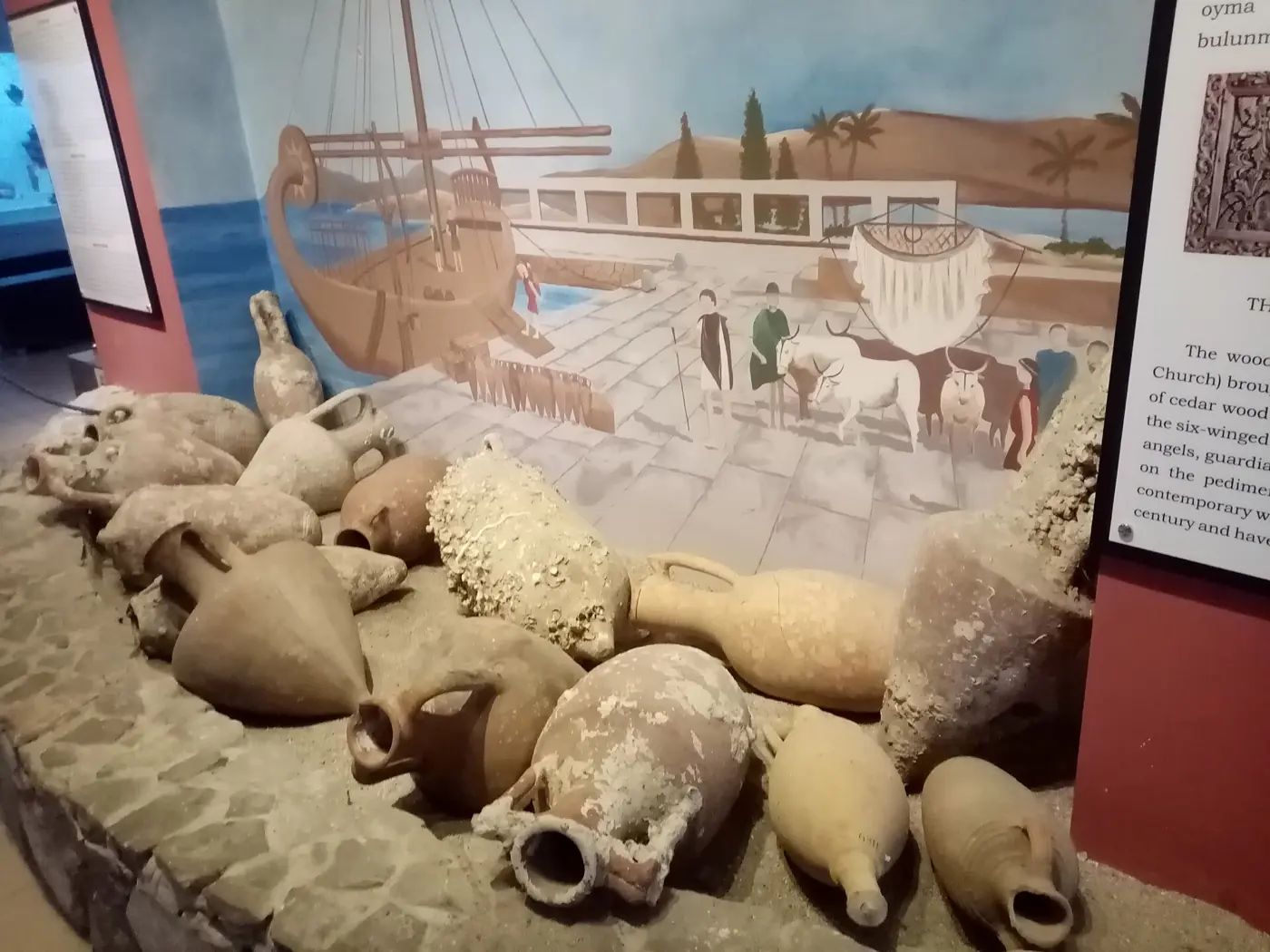
Fethiye Museum shows archaeological finds from Lycian sites around the town. It is a good indoor stop in the heat of the day. Check opening days before you go.
- Collection: Finds from Lycian sites
- Area: City centre
Show map
4 Fethiye Lahitleri
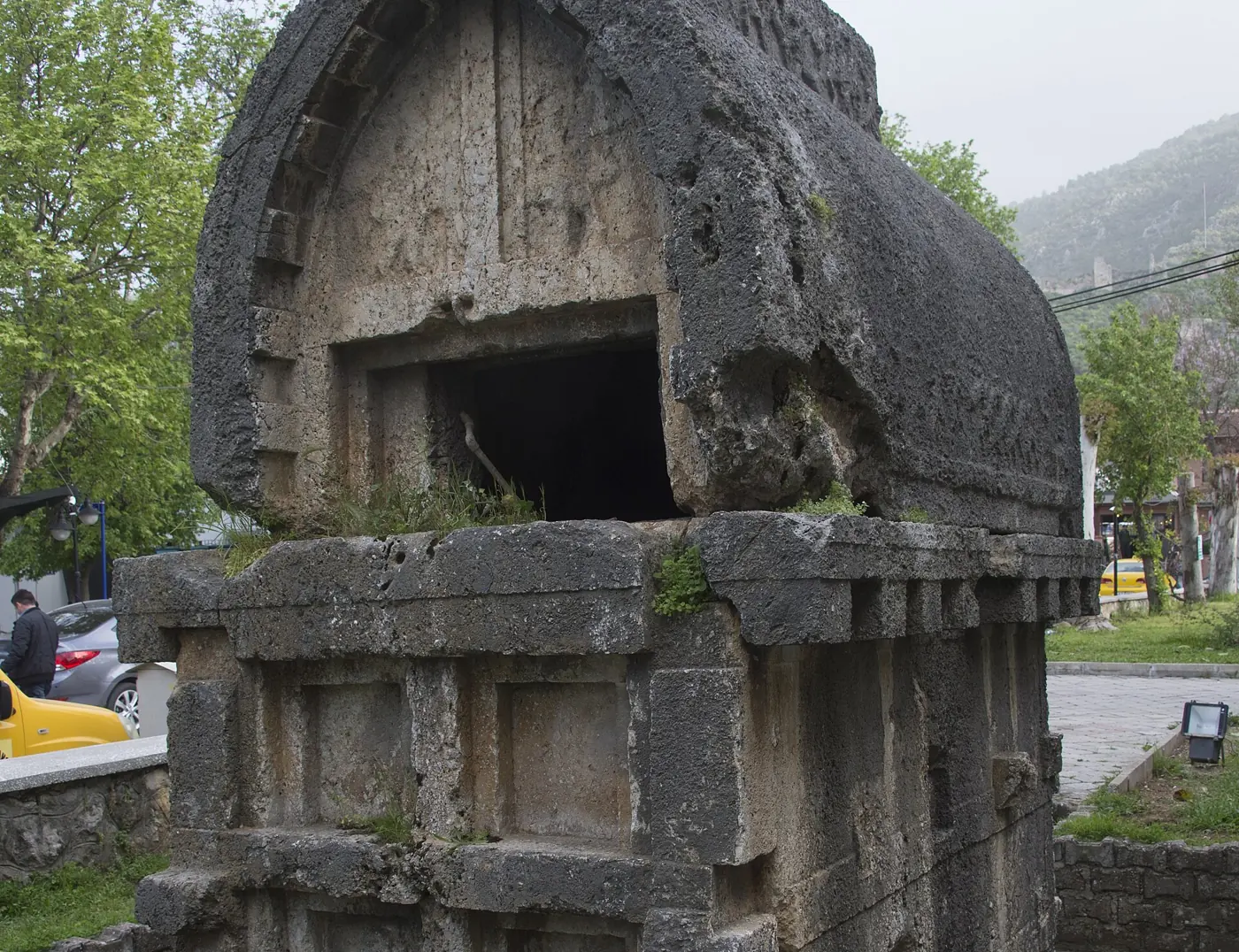
Lycian stone sarcophagi stand right in the streets, for example along Kaya Caddesi. They are remnants of the Telmessos necropolis and are free to view from the pavement.
- Type: Lycian stone sarcophagi
- Location: Streets of Fethiye
Show map
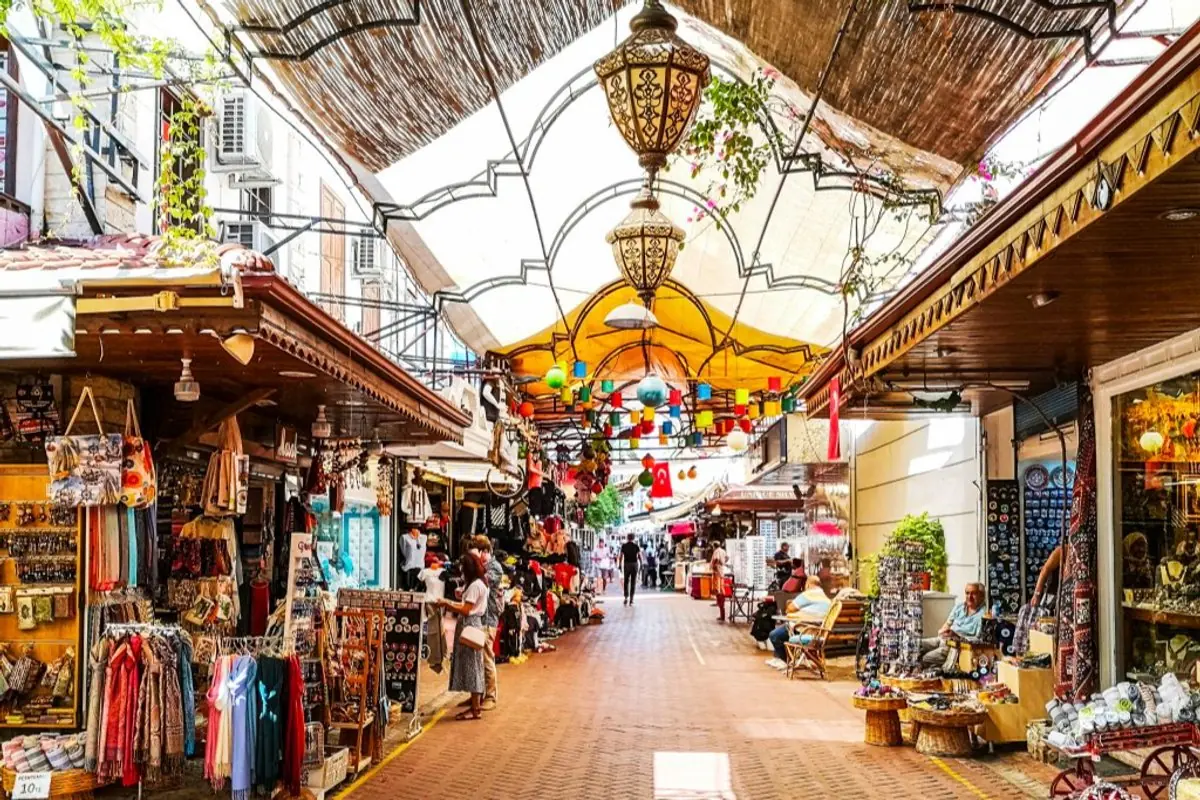
5 Paspatur Çarşısı
Paspatur is the pedestrianised old-town bazaar behind the harbour. Expect carpets, kilims, ceramics, jewellery and leather, plus cafes for an evening break. Bargaining is expected.
- Best for: Browsing and evening atmosphere
- Nearby: Fethiye Ancient Theatre
Show map
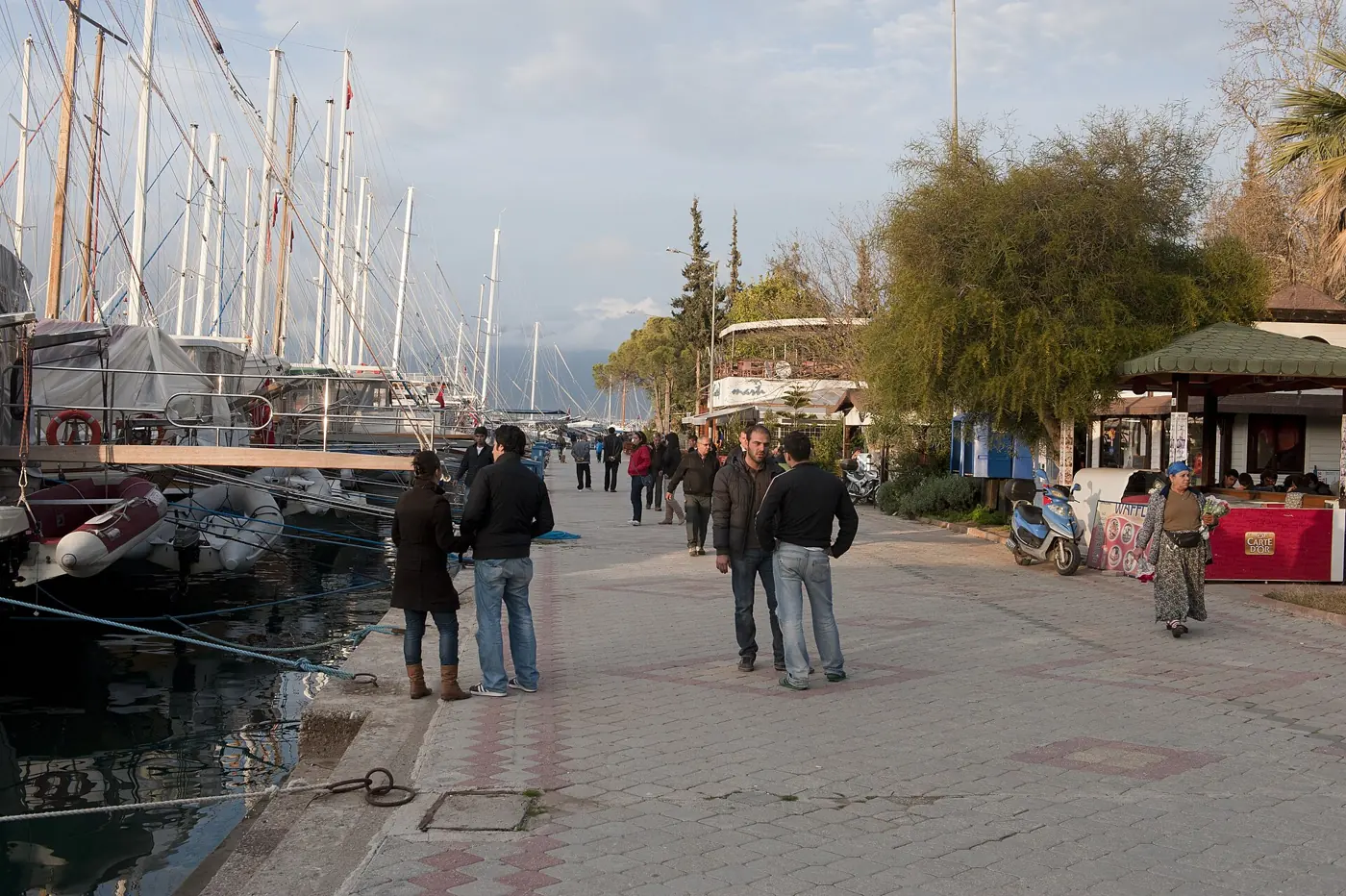
6 Fethiye Limanı ve Kordon
The harbour and waterfront is where boat tours depart. It is the natural place to end the walk and to arrange a sea trip for another day.
- Use: Boat tours depart from the harbour
Show map
How do the sights compare?
The table below compares the six main stops by type and effort. Tombs and the theatre are outdoors, the museum is indoors, and the bazaar and harbour are best in the evening. Use it to match the stops to your energy and the weather.
Fethiye town sights compared by type and best use.
| Sight | Type | Best time | Notes |
|---|---|---|---|
| Rock tomb (Amyntas) | Lycian tomb | Morning or late afternoon | Climb above the old town |
| Telmessos theatre | Ancient theatre | Daytime | Near Paspatur |
| Fethiye Museum | Museum | Midday heat | Indoor stop |
| Street sarcophagi | Lycian tombs | Any time | Free to view, e.g. Kaya Caddesi |
| Paspatur bazaar | Old-town bazaar | Evening | Bargaining expected |
| Harbour and waterfront | Promenade | Sunset | Boat tours depart here |
How do you get around Fethiye?
Walking is the best way to link the sights, because the old town, theatre, bazaar and harbour are close together. For the tomb above town and for villages such as Kayaköy or Üzümlü, a taxi or a private car with driver saves time and effort.
Moreover, Kadyanda, a mountain-top Lycian city above Üzümlü, is reachable by road from Fethiye. It is quieter than the town sights, so it suits visitors who want views and few crowds.
If you travel with children or older relatives, split the route into two short sessions. Do the tomb in the morning, rest at the harbour, and return to the old town after the midday heat. Moreover, a private car with driver can wait at the base of the climb.
Distances and transport options from the centre.
| Destination | Direction | Suggested transport |
|---|---|---|
| Old town and Paspatur | In the centre | On foot |
| Rock tomb | Above the old town | Walk or short taxi |
| Kayaköy | About 8 km south | Taxi or private car |
| Kadyanda | Above Üzümlü | Car by road |
| Ölüdeniz | South of town | Dolmuş, taxi or private car |
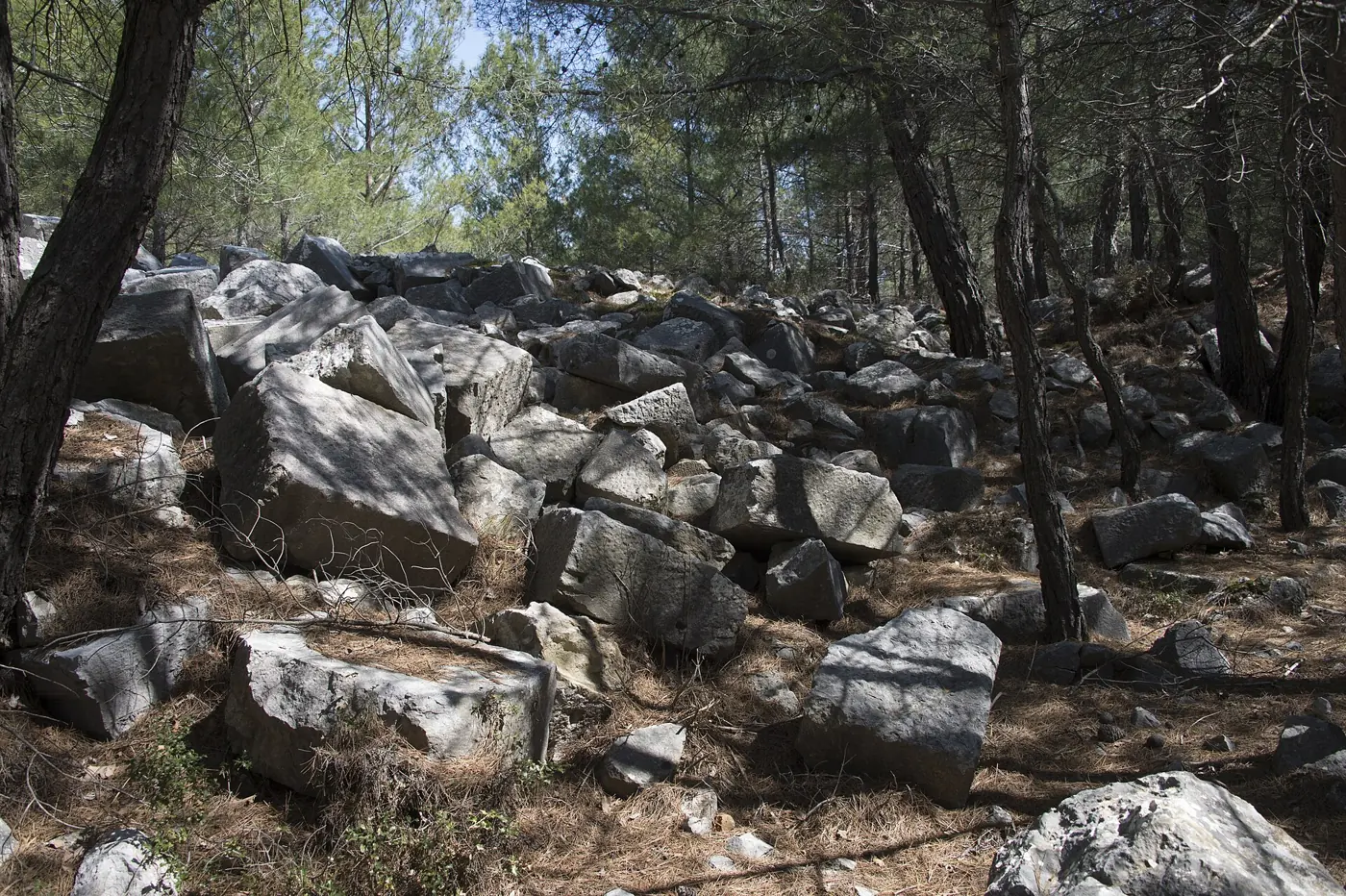
7 Kadyanda Antik Kenti
Kadyanda is a mountain-top Lycian city with a theatre, temple remains and city walls. It is reachable by road from Fethiye and is a quiet option for views.
- Village: Üzümlü, Fethiye
- Highlights: Theatre, temple remains
Show map
What practical tips help?
Go to the tomb and theatre early or late in summer, carry water, and wear shoes with grip on stone. Check opening days for the museum on its page or on Google Maps, because they change. Bargain politely in Paspatur and compare a few shops first.
Keep these points in mind:
- Start with the tomb in the morning light
- Keep the museum for the hottest hours
- Eat dinner in or near Paspatur after the shops open up
- Check weekly market days in the market pages before planning shopping
What does a sample half-day plan look like?
A simple plan starts with the tomb at about 9:00, then walks down to the street sarcophagi and the theatre. Next, visit the museum, have lunch near the harbour and spend the afternoon in Paspatur. Finally, watch sunset on the waterfront. Times are suggestions only.
A relaxed half-day route.
| Time | Stop |
|---|---|
| Morning | Rock tomb above the old town |
| Late morning | Street sarcophagi and Telmessos theatre |
| Midday | Fethiye Museum |
| Afternoon | Paspatur bazaar |
| Evening | Harbour and waterfront |
Frequently asked questions
How long do you need to see Fethiye’s sights?
Half a day is enough for the rock tomb, theatre, museum, bazaar and harbour. Add another half day for Kayaköy or Kadyanda.
What is the best-known landmark in Fethiye?
The Lycian rock tomb with an Ionic temple front, carved into the cliff above the town and dating to the 4th century BC.
Can you walk between the sights?
Yes. The old town, theatre, bazaar and harbour are close together. The tomb involves a climb, and villages need a taxi or car.
Are entry prices listed here?
No. Prices and hours change, so check the place’s page or Google Maps before you go.
Is Fethiye good for history lovers?
Yes. It was ancient Telmessos, the largest city in Lycia, and the tombs, theatre and museum reflect that past.
Where can you see Lycian sarcophagi for free?
Some stand in the streets of Fethiye, such as along Kaya Caddesi, and can be seen from the pavement.
Is there an indoor option for hot days?
Yes. Fethiye Museum displays finds from Lycian sites and suits the hottest hours.
Plan this with TurkGT
A private car with driver and a licensed guide make the tomb, theatre and nearby ancient cities easy to link in one day, with an airport transfer if you need one. Send an inquiry by WhatsApp or through the form on TurkGT.com, and we will reply with options.
Request a booking
Related guides
- Fethiye Rock Tombs and Telmessos Ruins Explained
- Kayaköy Ghost Village, Xanthos and Pinara Guide
- Best 10 Hotels in Fethiye: City, Marina and Calis Beach
- Top 10 Restaurants in Fethiye: Harbour, Calis and Beyond
- Ölüdeniz and the Blue Lagoon: Beach Guide
- Best Shopping in Fethiye: Erasta Mall, Paspatur and Markets
- Fethiye Areas Guide: Centre, Oludeniz, Hisaronu, Kalkan
Related destinations and attractions
Explore more city guides
Sources
Last reviewed: 2026-11-21.