
Fethiye was ancient Telmessos, the largest city in Lycia. Its best-known remains are the rock tomb of Amyntas, the Lycian sarcophagi in the streets, the theatre and the museum. Together they take a few hours on foot, and Kadyanda or Tlos extend the trip.
Key facts
- Ancient name: Telmessos (later Makri)
- Main tomb: Tomb of Amyntas, 4th century BC
- Tomb style: Ionic temple front cut into cliff
- Free to view: Street sarcophagi (e.g. Kaya Caddesi)
- Indoor stop: Fethiye Museum
- Nearby Lycian cities: Kadyanda, Tlos, Pinara, Araxa
- Prices and hours: Check the place’s page or Google Maps
What are the Lycian rock tombs in Fethiye?
The Lycian rock tombs of Fethiye are burial chambers cut into the cliff above the town. The best known is the Tomb of Amyntas, a 4th-century BC tomb with an Ionic temple front. It overlooks the centre and is the city’s best-known landmark.
The Lycians marked the dead with monumental stone. Therefore they carved house-like facades into rock faces and also built free-standing sarcophagi. Both types survive around Fethiye, so you can compare them in a single morning.
The tombs are also a useful way to understand Lycian belief. A house-like facade carved into rock suggests a home for the dead, while a sarcophagus stands alone in the open. However, both forms mark status, so you will see the difference between a modest burial and a monument meant to be noticed.
Fethiye keeps these remains inside a living town. As a result, you can pass from a cafe terrace to a Lycian sarcophagus in a few steps, which is rare on the Turkish coast.
How did we choose these places?
How we chose: we looked at official or encyclopedic classification, the location, and details from the sources listed below. We do not accept payment for placement. Opening hours, entry fees and conditions change, so check the place’s page or Google Maps before you go.
We prioritised sites tied to ancient Telmessos and to the wider Lycian world, then checked each against its encyclopedic description. Places with a quiet or hilltop setting are marked as such so you can plan the effort.
In addition, we avoid giving visiting hours or ticket prices, because these change and we cannot verify them for every season. Instead, each card gives the period, type and area so that you can judge the effort yourself, then confirm the practical details on Google Maps.
Which tombs and ruins are worth visiting?
Within town, see the Tomb of Amyntas, the Telmessos theatre, the street sarcophagi and the museum. Outside town, Kadyanda, Tlos, Pinara and Araxa show how widely Lycian cities spread across the hills. Choose by how much driving you want to do.
Start with the town sites, because they give you the vocabulary for the inland ones. After the tomb and the sarcophagi, the museum shows steles and finds from the same cities, so the names Tlos, Pinara and Araxa will already mean something when you reach them.
Choose only one or two inland cities per day. Tlos pairs naturally with Saklıkent Gorge, while Kadyanda is the closest to Fethiye and suits a short afternoon. In contrast, Pinara and Araxa reward visitors who like quiet places and are happy with a longer drive.
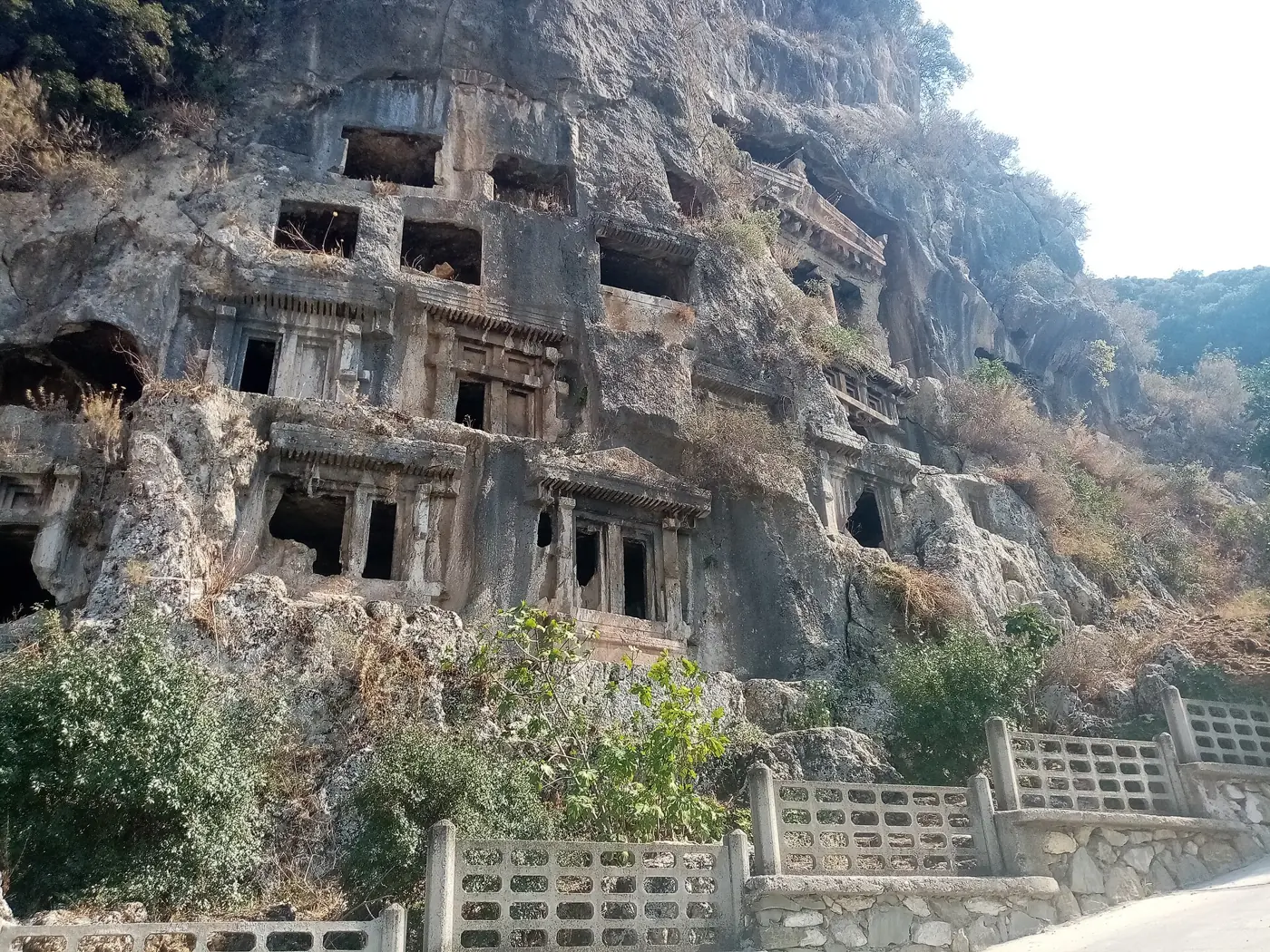
1 Amintas Kaya Mezarları
The classic stop. An Ionic temple facade is carved into the cliff above Fethiye, dating to the 4th century BC. Visit early or late for softer light and cooler air.
- Period: 4th century BC
- Type: Rock-cut tomb with Ionic facade
Show map
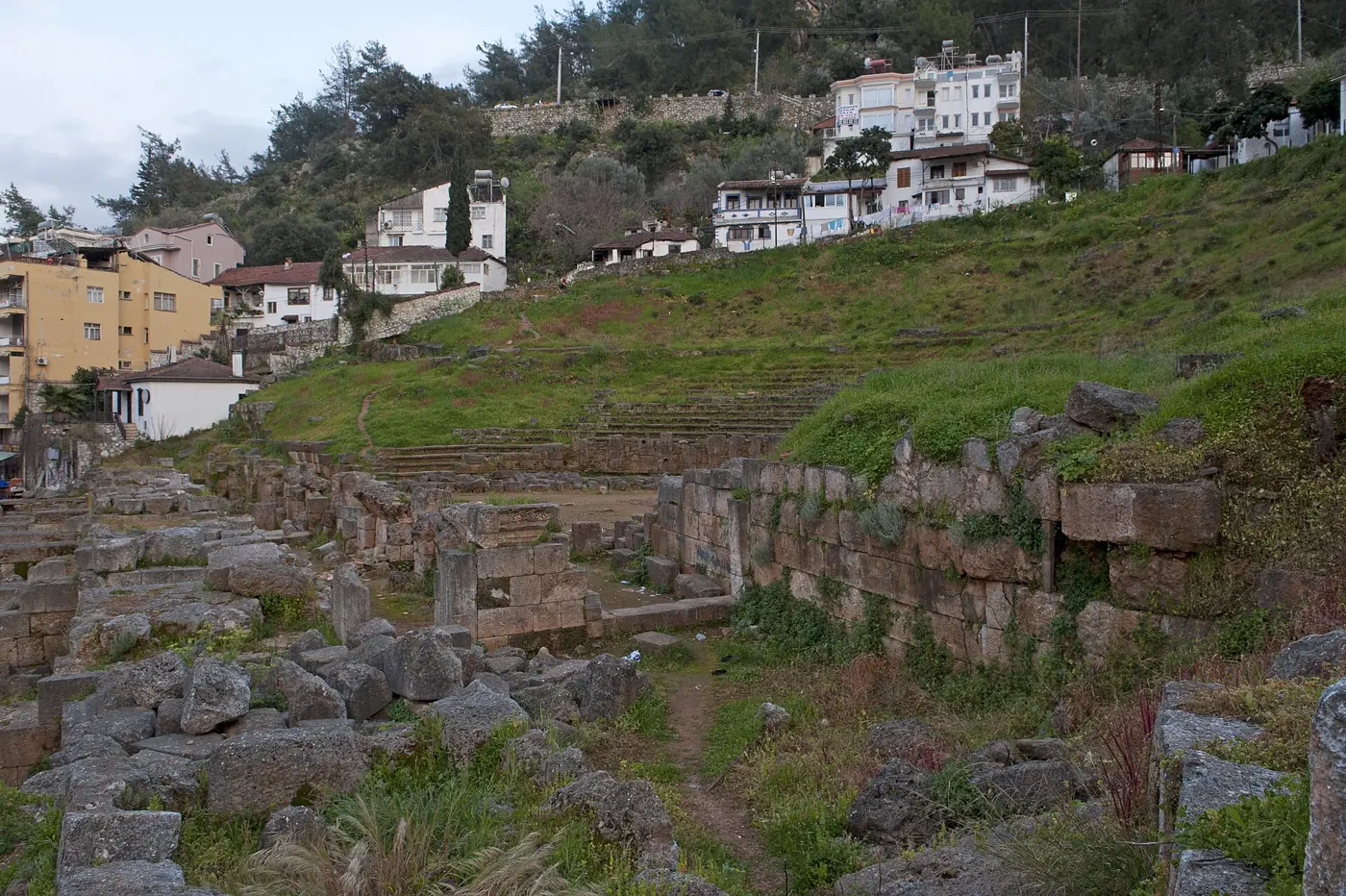
2 Telmessos Ancient Theatre
Telmessos was the largest city in Lycia, near the Carian border. The theatre is the visible reminder of that city, close to the old town and Paspatur.
- Ancient names: Telmessos, Anastasiopolis, Makri
Show map
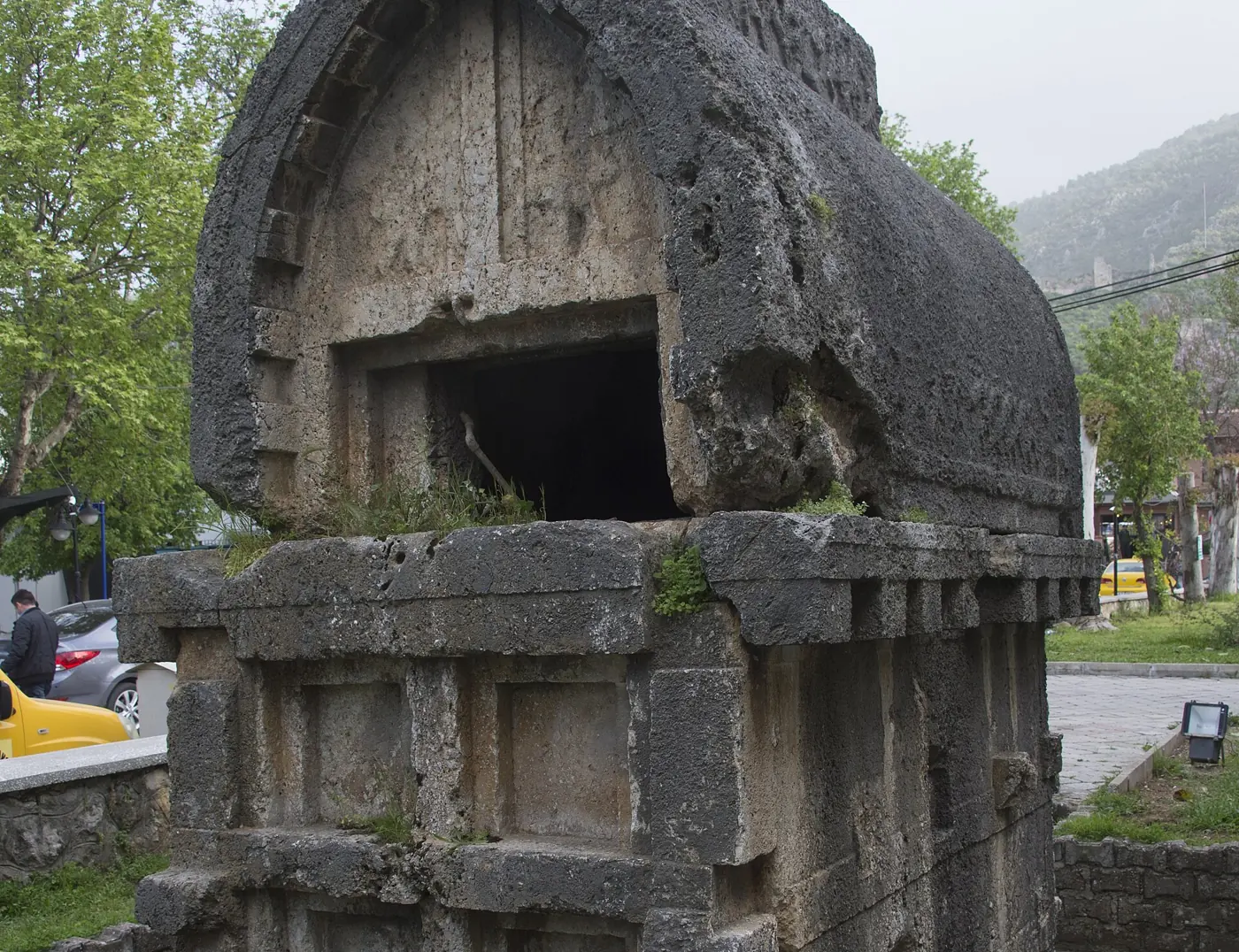
3 Fethiye Lahitleri
These Lycian sarcophagi stand in town streets such as Kaya Caddesi. They are remnants of the Telmessos necropolis and cost nothing to see.
- Type: Lycian stone sarcophagi
- Access: Streets of Fethiye
Show map
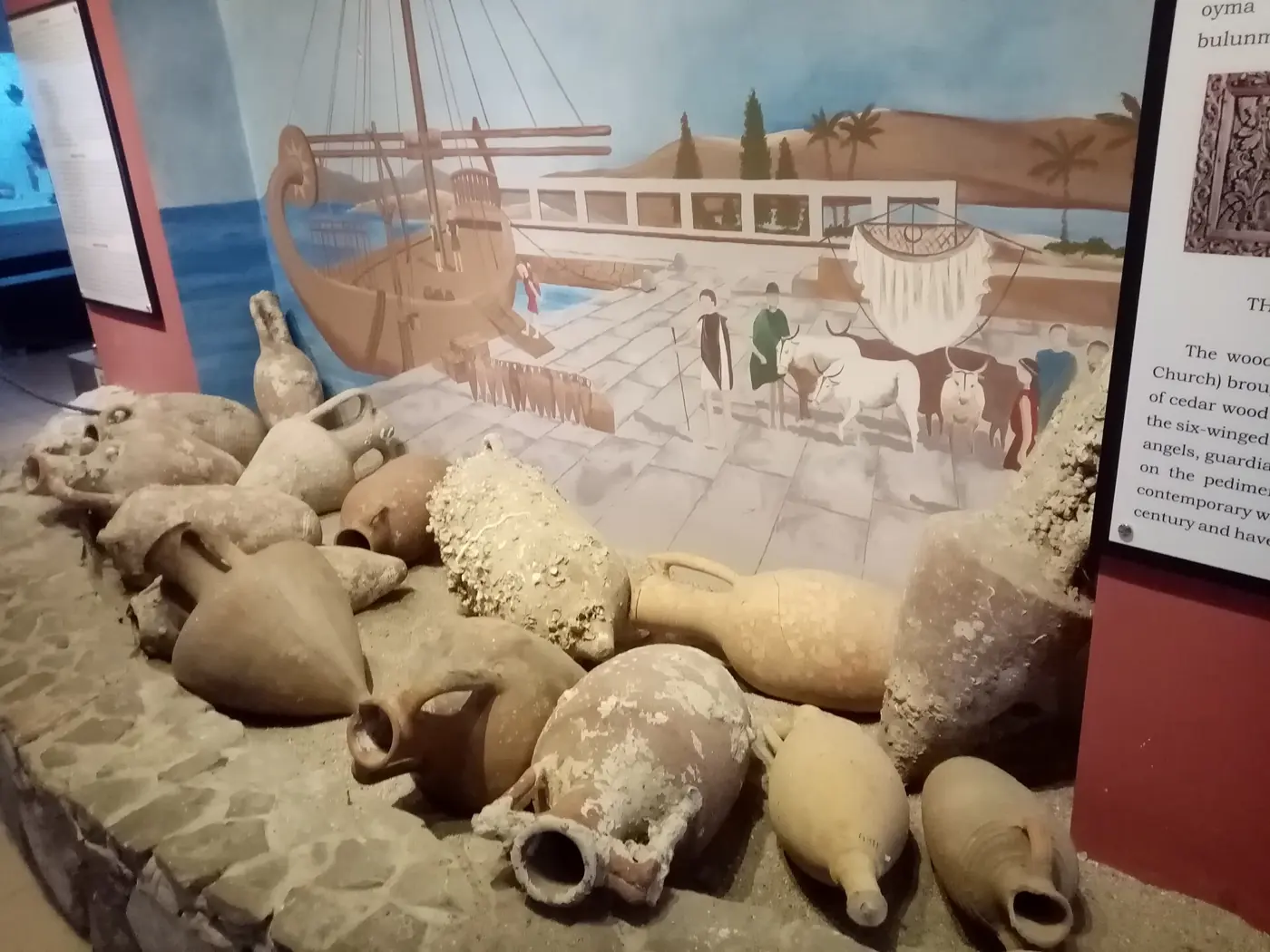
4 Fethiye Müzesi
The regional archaeological museum shows sarcophagi, steles and a model of the city castle, so it explains the tombs you see outside.
- Collection: Finds from Telmessos and nearby cities
Show map
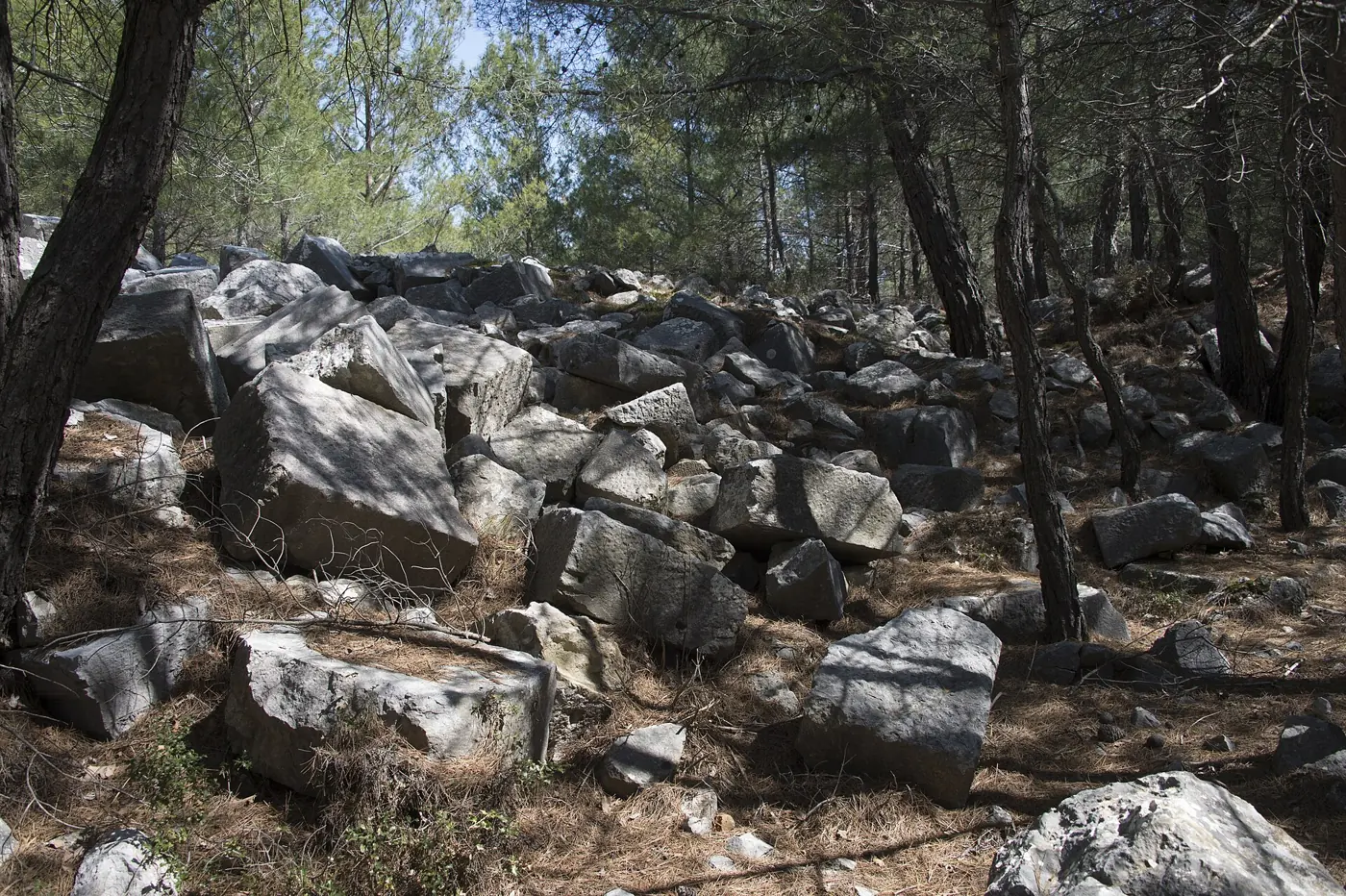
5 Kadyanda Antik Kenti
A mountain-top Lycian city above Üzümlü with a theatre, temple remains and city walls. It is a good choice if you want views and fewer visitors.
- Highlights: Theatre, temple remains
- Village: Üzümlü, Fethiye
Show map
6 Araxa Antik Kenti
Araxa sits in the hills above the Xanthos valley and is known for its rock-cut tombs. It is for travellers who like quiet sites.
- Highlights: Rock-cut tombs
- Village: Ören, Seydikemer
Show map
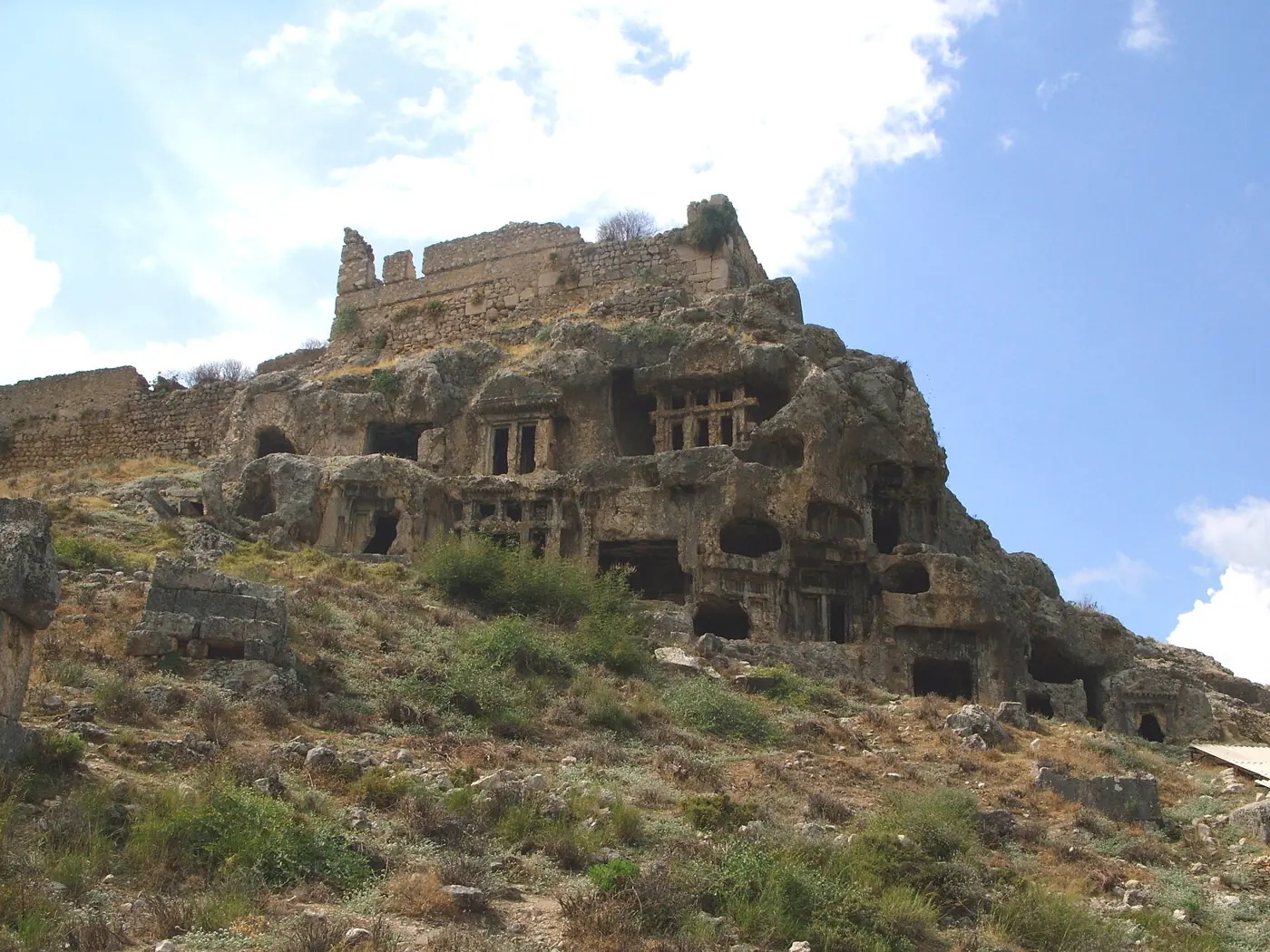
7 Tlos ancient city
Tlos is an ancient Lycian city near Seydikemer, about 4 km northwest of Saklıkent Gorge. It combines well with a canyon visit.
- Area: Seydikemer, Muğla
Show map
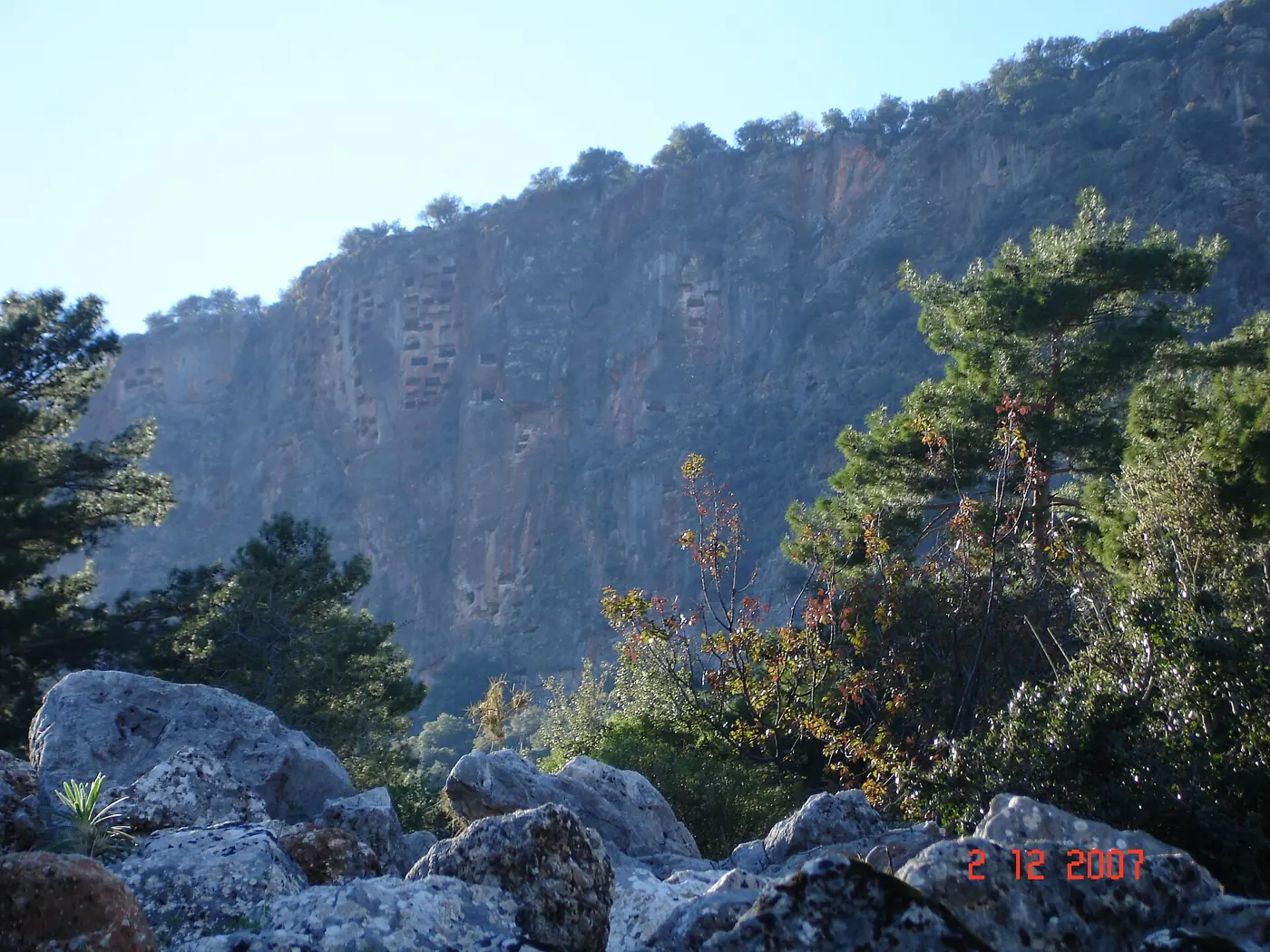
8 Pinara
Pinara was a large Lycian city at the foot of Mount Cragus, near the western bank of the River Xanthos.
- Area: Seydikemer
Show map
How do the sites compare?
The table below compares the sites by type, distance from Fethiye centre and effort. In contrast to the town sights, the inland cities need a car and more time, so it helps to decide first how many you want to see.
Finally, remember that signage varies from site to site. Download an offline map before you leave town, and save the names of the places in this guide so that a driver can find them quickly. Moreover, a short briefing from a guide helps you tell a Lycian tomb from a later Roman or Ottoman addition.
Lycian sites around Fethiye compared.
| Site | What you see | Setting | Effort |
|---|---|---|---|
| Tomb of Amyntas | Rock tomb | Cliff above town | Short climb |
| Street sarcophagi | Lycian sarcophagi | Town streets | Easy walk |
| Telmessos theatre | Ancient theatre | Old town | Easy walk |
| Fethiye Museum | Finds and steles | Town centre | Easy, indoor |
| Kadyanda | Theatre, temple, walls | Mountain top | Drive plus walk |
| Araxa | Rock-cut tombs | Hills above Xanthos valley | Drive, quiet |
| Tlos and Pinara | Ancient cities | Seydikemer area | Longer drive |
How do you get there and around?
The town sights are walkable from the harbour. For Kadyanda, Tlos, Pinara and Araxa, use a private car or a taxi with a fixed agreement, because public transport to the sites is limited and schedules change. Always confirm the route before you set out.
A licensed guide adds the most value at the inland sites, where signs can be limited. Therefore consider hiring one for Tlos or Kadyanda even if you explore the town sights on your own. Ask the guide to explain how the facade types differ, and which site layouts show a hilltop city plan.
Practical tips for site visits:
- Carry water and a hat, since many sites have little shade
- Wear shoes with grip for stone steps
- Check each site’s page or Google Maps for hours
Suggested transport by area.
| Area | Suggested transport |
|---|---|
| Town centre | On foot |
| Kadyanda | Car or taxi |
| Seydikemer sites | Car with driver |
| Xanthos valley | Car with driver |
What does a sample day look like?
A heritage day can start at the tomb at about 9:00, continue to the street sarcophagi, theatre and museum, then drive to Kadyanda after lunch. Alternatively, spend a second day on Tlos and Saklıkent. Times are suggestions only and depend on the season.
Photographers should note that the cliff tomb looks best when the sun is lower, in the morning or late afternoon. At midday the facade is flat in strong light, and the climb is hotter. Plan the museum for those hours instead.
A one-day Lycian route.
| Time | Stop |
|---|---|
| Morning | Tomb of Amyntas |
| Late morning | Sarcophagi, theatre, museum |
| Afternoon | Kadyanda |
| Evening | Harbour dinner |
Frequently asked questions
What is the Tomb of Amyntas?
A Lycian rock-cut tomb with an Ionic temple facade above Fethiye, dating to the 4th century BC.
What was Fethiye called in ancient times?
Telmessos, the largest city in Lycia, later also known as Anastasiopolis and Makri.
Can you see sarcophagi without paying?
Yes. Lycian sarcophagi stand in town streets such as Kaya Caddesi and can be viewed from the pavement.
Is the museum worth visiting?
It shows sarcophagi, steles and a model of the city castle, so it explains the outdoor sites well.
Which Lycian city is best for views?
Kadyanda is a mountain-top city above Üzümlü with a theatre, temple remains and city walls.
Do I need a car for the sites outside town?
Yes, a car or taxi is the practical choice for Kadyanda, Tlos, Pinara and Araxa.
Are prices and opening hours given here?
No. Check the place’s page or Google Maps, because they change.
Plan this with TurkGT
A licensed guide can explain the Lycian tombs on site, and a private car with driver links Fethiye, Kadyanda and Tlos in one day. Send an inquiry by WhatsApp or through the form on TurkGT.com, and we will reply with options.
Request a booking
Related guides
- Top Sights in Fethiye: A Practical Visitor Guide
- Kayaköy Ghost Village, Xanthos and Pinara Guide
- Best 10 Hotels in Fethiye: City, Marina and Calis Beach
- Top 10 Restaurants in Fethiye: Harbour, Calis and Beyond
- Ölüdeniz and the Blue Lagoon: Beach Guide
- Best Shopping in Fethiye: Erasta Mall, Paspatur and Markets
- Fethiye Areas Guide: Centre, Oludeniz, Hisaronu, Kalkan
Related destinations and attractions
Explore more city guides
Sources
Last reviewed: 2026-11-21.