
Gaziantep’s old town holds historic mosques, Ottoman hans and bathhouses within a short walk. Boyaci Mosque preserves a minbar inscription of 1357, Hisva Han dates from the 16th century, and the two baths date from 1577 and 1640. Visit outside prayer times and check each site’s status.
Key facts
- Oldest dated evidence: Boyaci Mosque minbar inscription of 1357 (Mamluk period)
- Oldest han in the centre: Hisva Han, probably 1563-1577
- Other han: Bayazhan, built 1909, restored 2009
- Baths: Hamam Museum (1577), Naib Hamami (1640)
- Main area: Old town, Sahinbey
- Etiquette: Modest dress, avoid prayer times
- Status caution: Some buildings were affected by the 2023 earthquakes
- Cards in this guide: 14 places with map buttons
Which historic mosques should you visit in Gaziantep?
The core mosque list is Boyaci, Ulu Cami, Kurtulus, Tahtani, Alauddevle and Sirvan. Boyaci Mosque is one of the oldest buildings in the city, with a minbar inscription of 1357 from the Mamluk period. Ulu Cami is the central congregational mosque near the castle.
Moreover, several smaller mosques, such as Alaybey, Omeriye, Seyh Fetullah, Nuri Mehmet Pasa and Kozluca, complete the picture. Therefore a mosque walk can run from a short visit to a half day.
Visitors often ask which mosque to see if time is short. Choose Boyaci for its age and Ulu Cami for its central role, then add Kurtulus for its unusual history as a former church building. These three show different periods and uses.
Moreover, the old town mosques stand close together, so you can combine two or three in a single walk without a car. Always check whether a mosque is open to visitors at that moment.
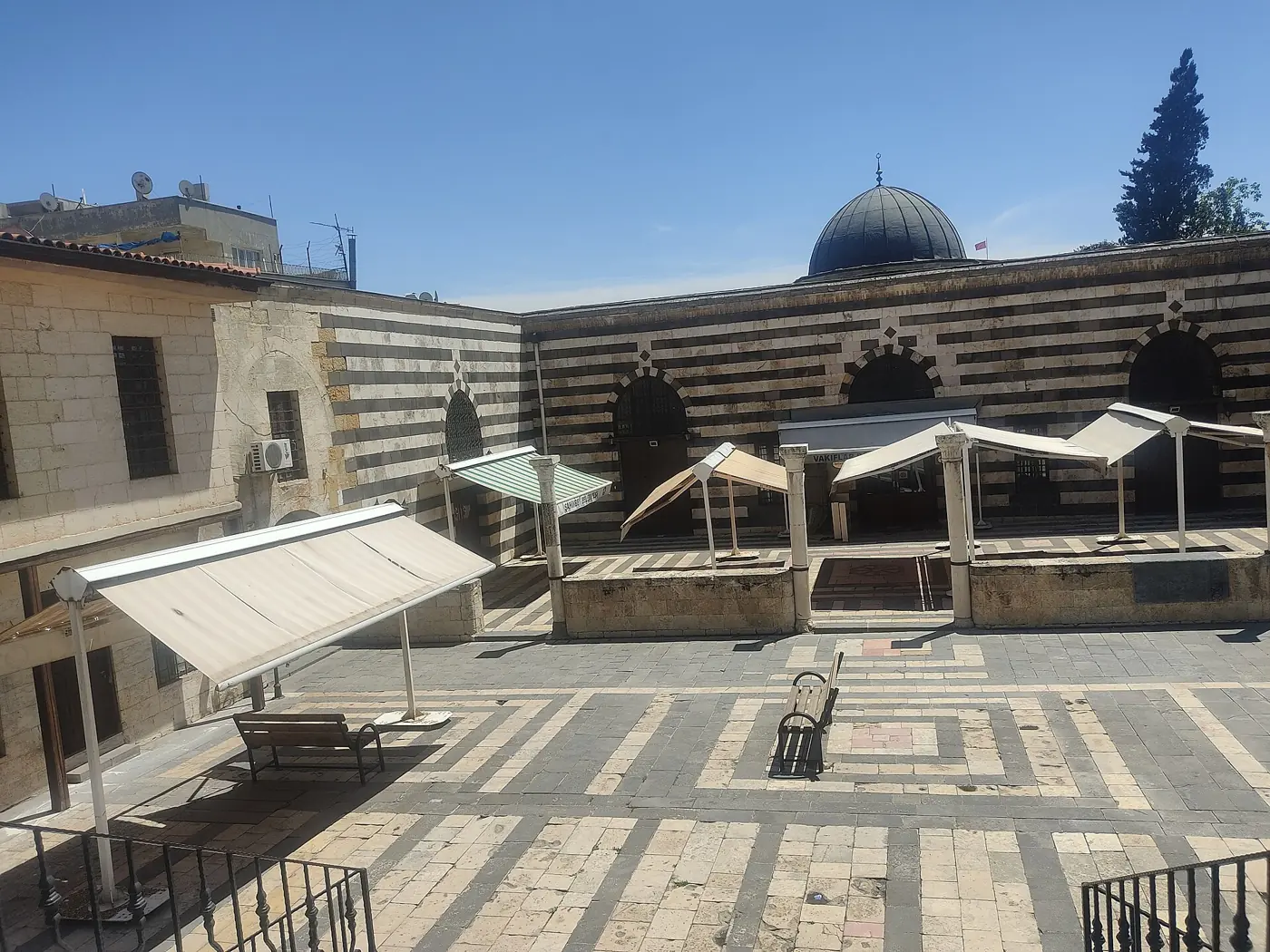
1 Boyacı Camii (Boyacıoğlu Camii)
One of the oldest buildings in Gaziantep. A minbar inscription records work under the Mamluks in 1357, and another inscription gives a later date.
- Oldest evidence: Minbar inscription dated 1357 (Mamluk period)
- District: Şahinbey
Show map
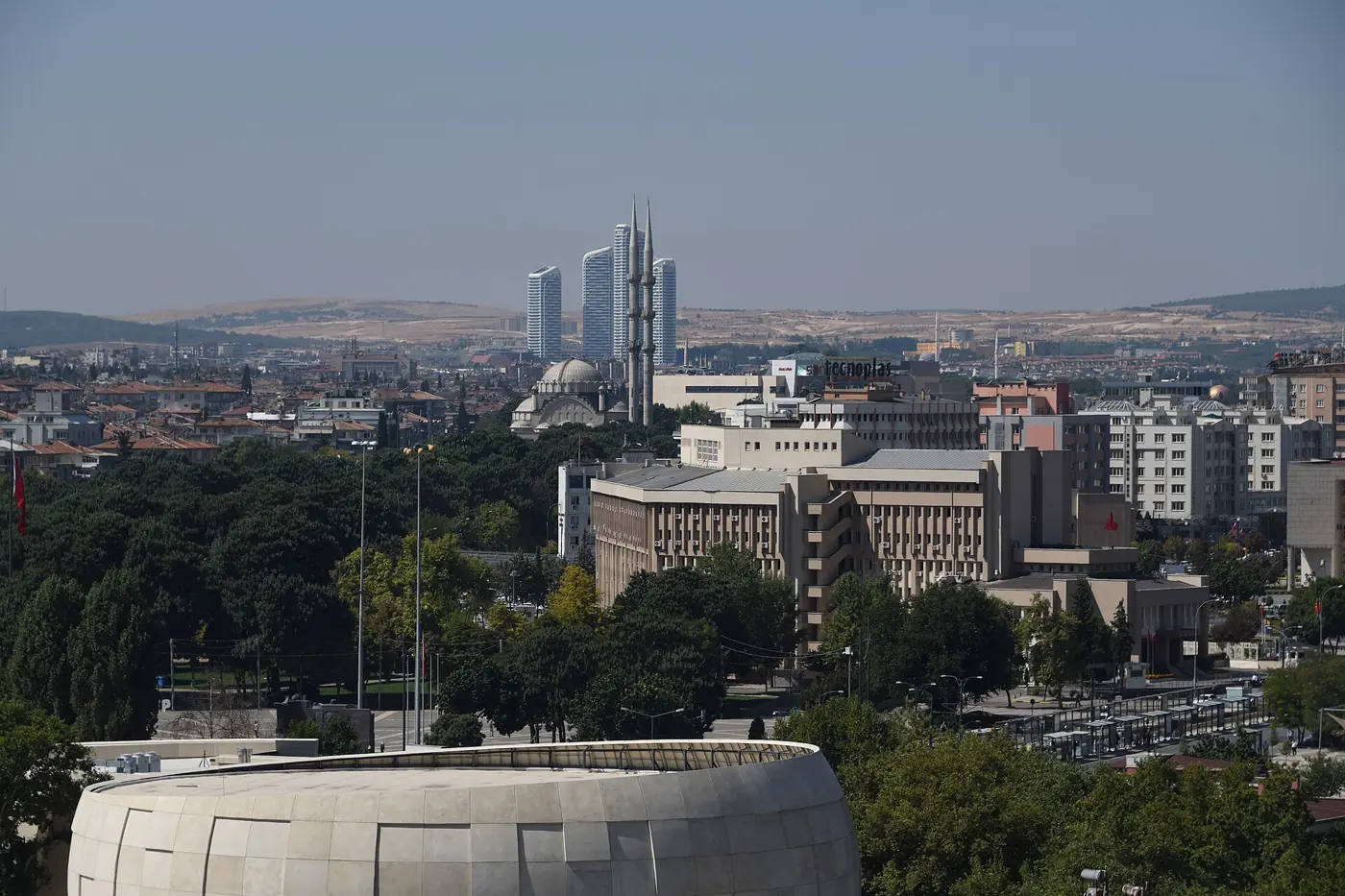
2 Gaziantep Ulu Camii
The central congregational mosque of Gaziantep, close to the castle and the Panorama Museum.
- Location: Near Gaziantep Castle
Show map
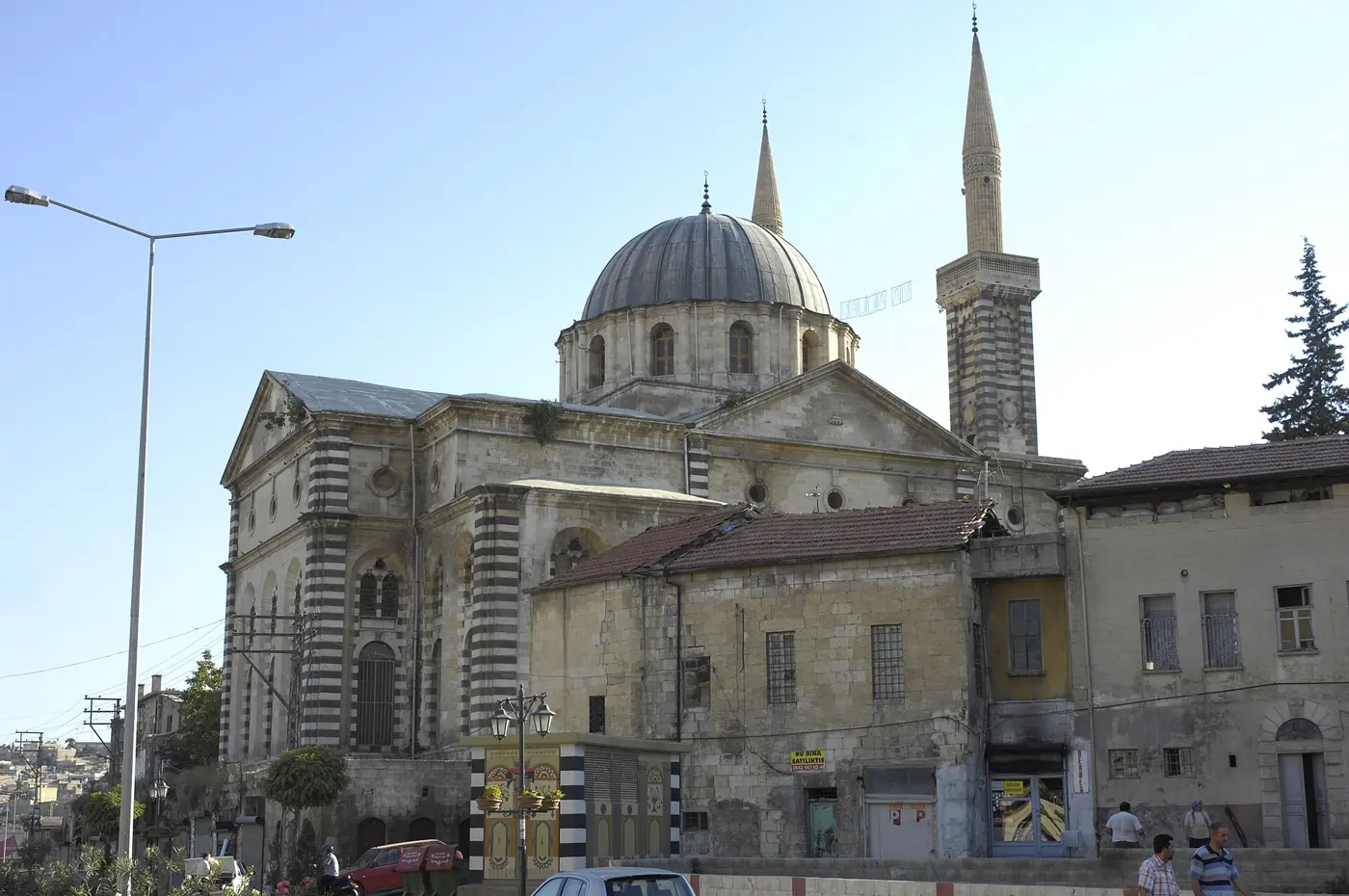
3 Kurtuluş Camii
Located in the old city and occupying a former church building. It is listed among the city’s main historical places.
- Area: Old city, Şahinbey
- Listed: Among Gaziantep’s main historical places
Show map
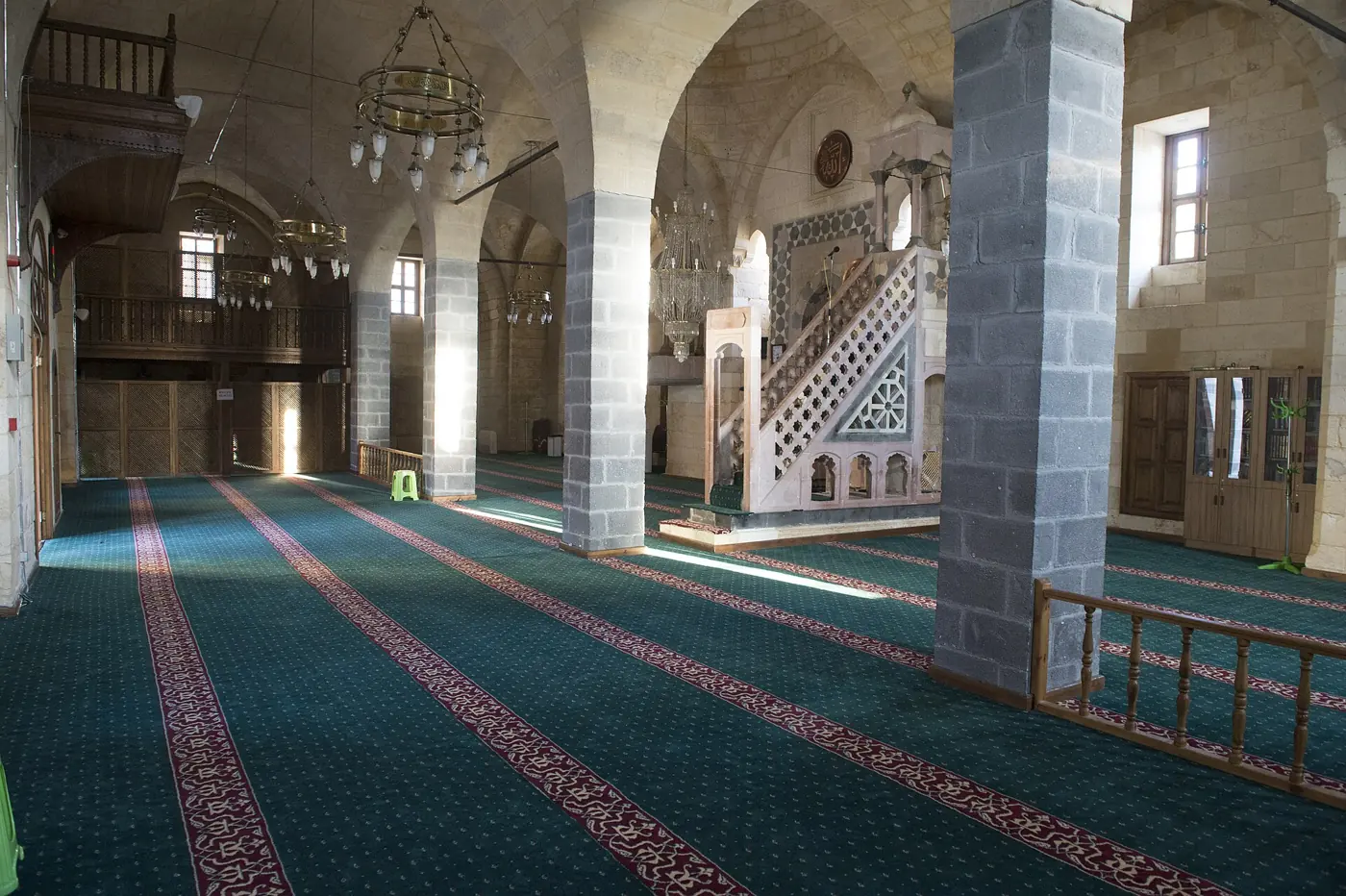
4 Tahtani Camii
A historic mosque in the old city of Sahinbey, documented with exterior and interior photographs on Wikimedia Commons.
- Area: Old city, Şahinbey
Show map
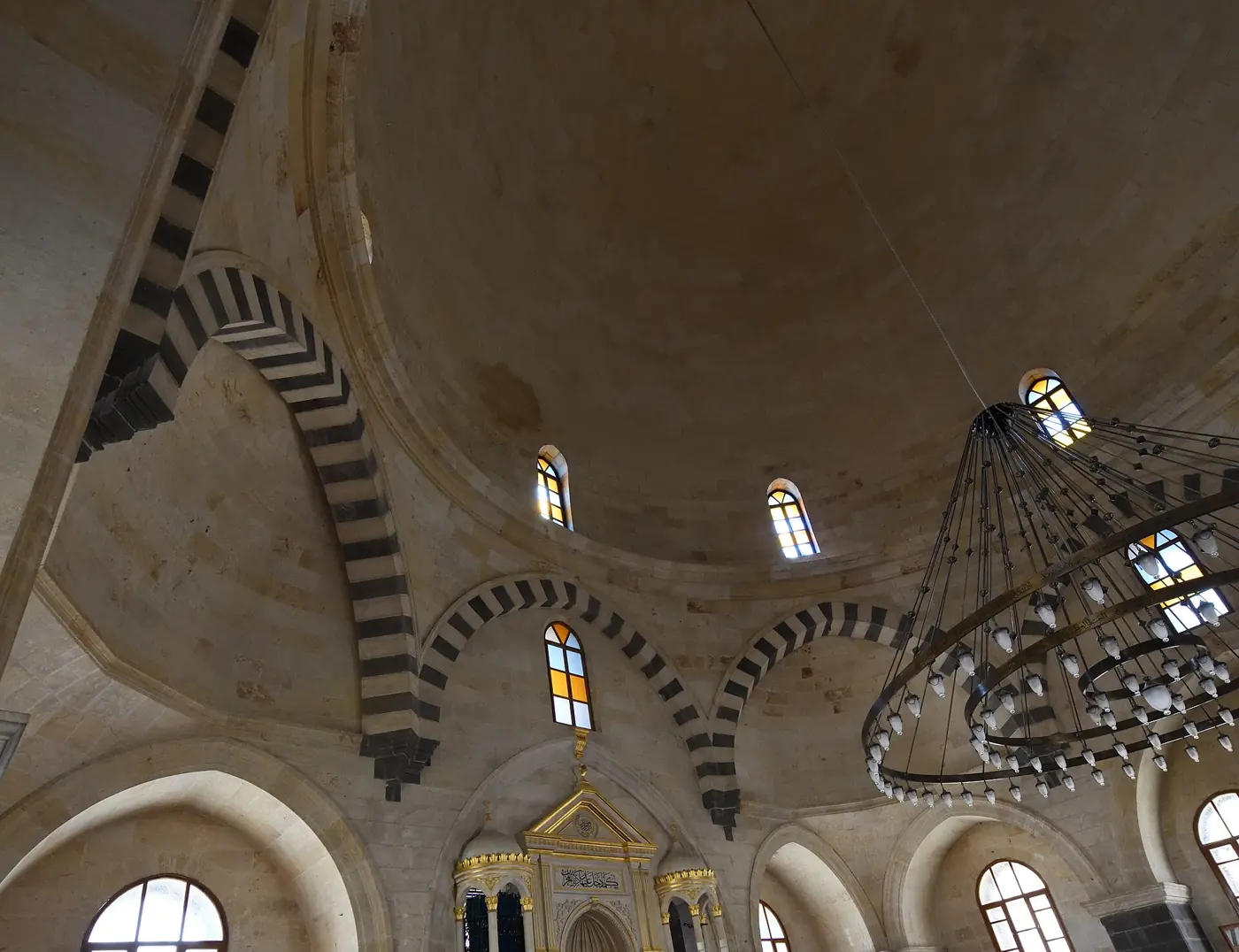
5 Alaüddevle Camii
A historic mosque in central Gaziantep, documented on Wikimedia Commons with photographs from 2008 to 2024.
- Area: Central Gaziantep, Şahinbey
Show map
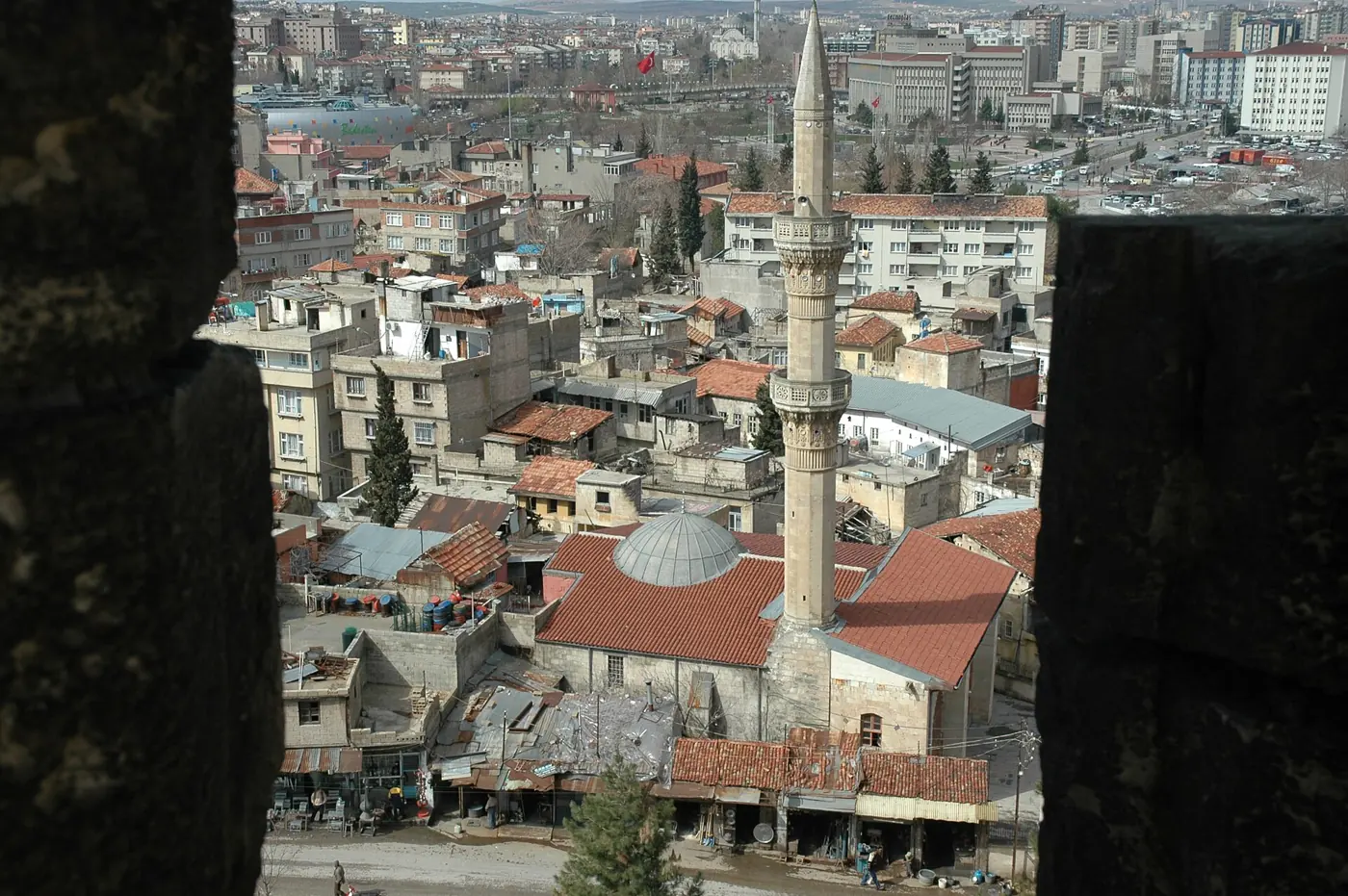
6 Şirvan Camii
Also called Sirvani Mehmet Efendi Camii and standing near the castle.
- Also known as: Şirvani Mehmet Efendi Camii
Show map
How did we choose these places?
We chose these places from the official and community sources listed at the end of this guide, looking at location, history and the details those sources record. We do not accept payment for placement. Opening hours, menus and conditions change, so check each place’s own page or Google Maps before you go. For mosques, hans and baths we focused on places with a documented history on public encyclopedia or Wikimedia sources.
Moreover, we leave out scores on purpose. Scores change from month to month, and Google Maps shows the current picture. Each card below carries a map button for that reason. Therefore you can compare recent visitor comments yourself before you decide.
What are the other historic mosques worth a quick stop?
Several smaller mosques reward a short stop if you are already in the area. Alaybey, Omeriye, Seyh Fetullah, Nuri Mehmet Pasa and Kozluca are documented as historic mosques in central Gaziantep, though our sources give few details beyond their location.
In contrast to the main mosques, these suit travellers who enjoy quiet streets. Use a local guide if you want history that our sources do not cover.
Beyond the main mosques, the smaller ones reveal how each neighbourhood had its own place of worship. Their courtyards and fountains often hold the quiet charm of the old town. Our registry confirms their existence and photographs, but not detailed histories, so we describe them briefly.
Therefore, if you want deeper information on a small mosque, ask a licensed guide or the local community. They can explain dates, donors and restoration work.
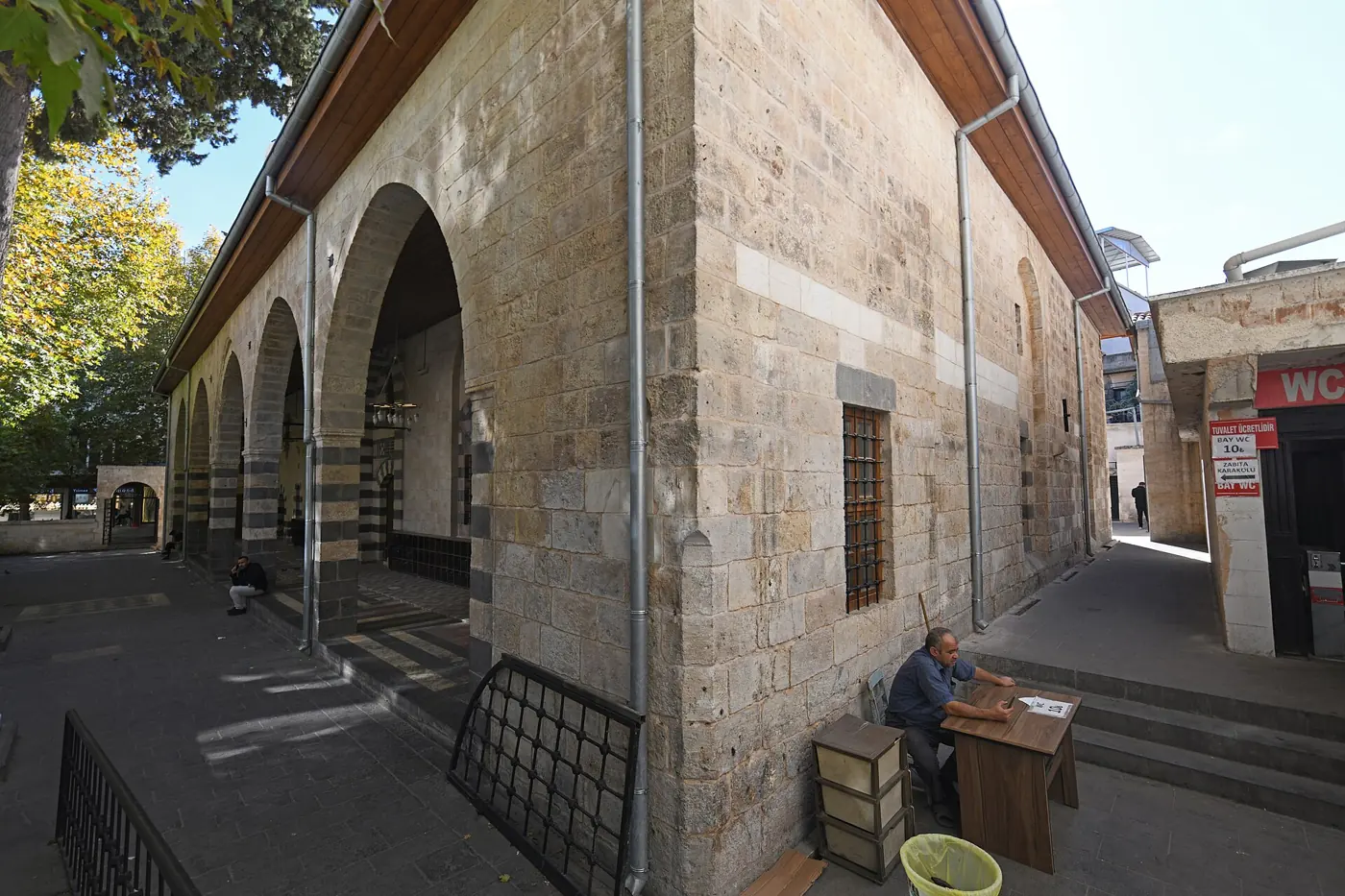
7 Alaybey Camii
A historic mosque in Gaziantep with photographs on Wikimedia Commons from 2025. Our sources give little more, so treat it as a quick stop.
- City: Gaziantep
Show map
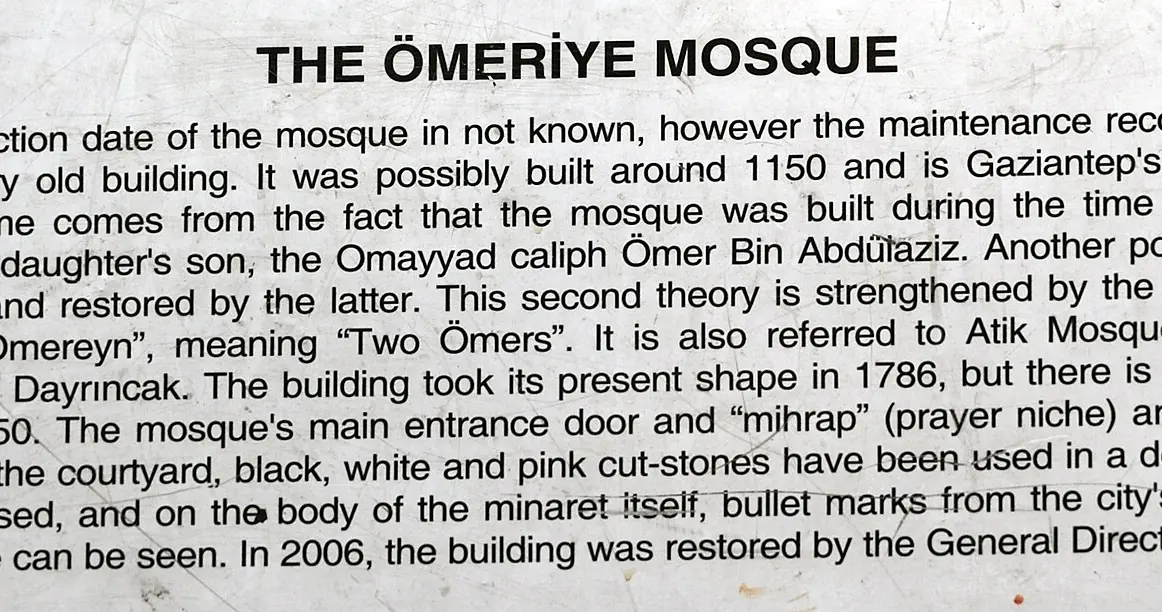
8 Ömeriye Camii
A historic mosque in central Gaziantep documented on Wikimedia Commons.
- City: Gaziantep
Show map
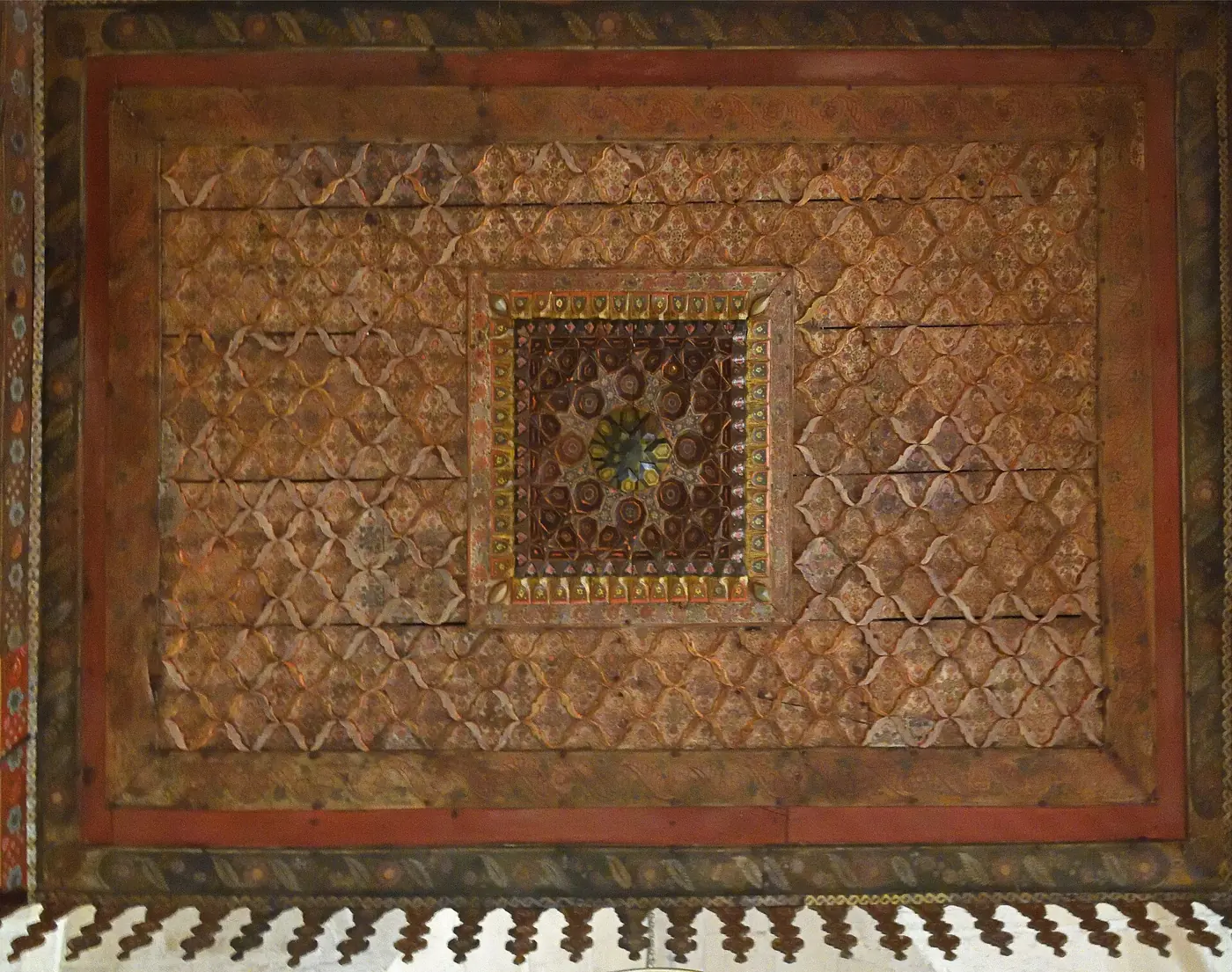
9 Nuri Mehmet Paşa Camii
A historic mosque documented with exterior and interior photographs on Wikimedia Commons.
- City: Gaziantep
Show map
Which hans tell the story of Ottoman trade?
Hisva Han is the oldest surviving han in the centre, built by Lala Mustafa Pasa and probably dated between 1563 and 1577. Bayazhan was built in 1909 by Bayaz Ahmet Efendi, served as a military headquarters and prison after the First World War, and was restored in 2009.
Today Bayazhan is a city museum of crafts with cafes and restaurants. Furthermore, Hisva Han lies south of the castle, so you can visit both in one walking route.
A han is easier to understand when you know its layout. Merchants stabled animals on the ground floor, stored goods in vaulted rooms and slept upstairs around a gallery. Look for the central courtyard, the entrance gate and the staircase.
In contrast, Bayazhan shows a later use. Its history as a military headquarters and prison after the First World War is part of why the building matters, and the 2009 restoration turned it into a space for crafts and cafes.
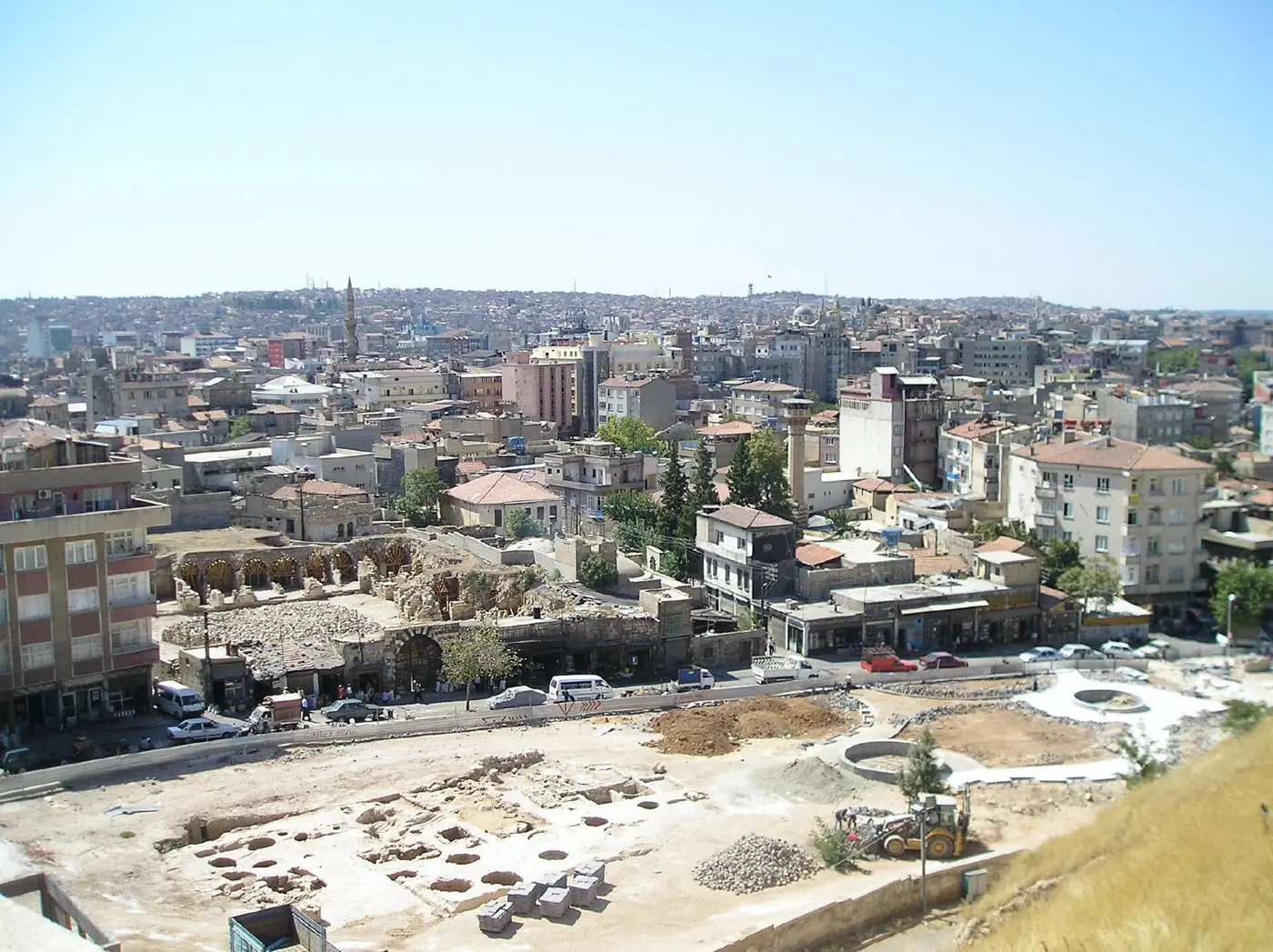
10 Hışva Han
The oldest surviving han in the city centre, south of the castle. Visit it to see Ottoman caravan architecture.
- Built: Probably 1563-1577
- Builder: Lala Mustafa Paşa
- Location: South of Gaziantep Castle
Show map
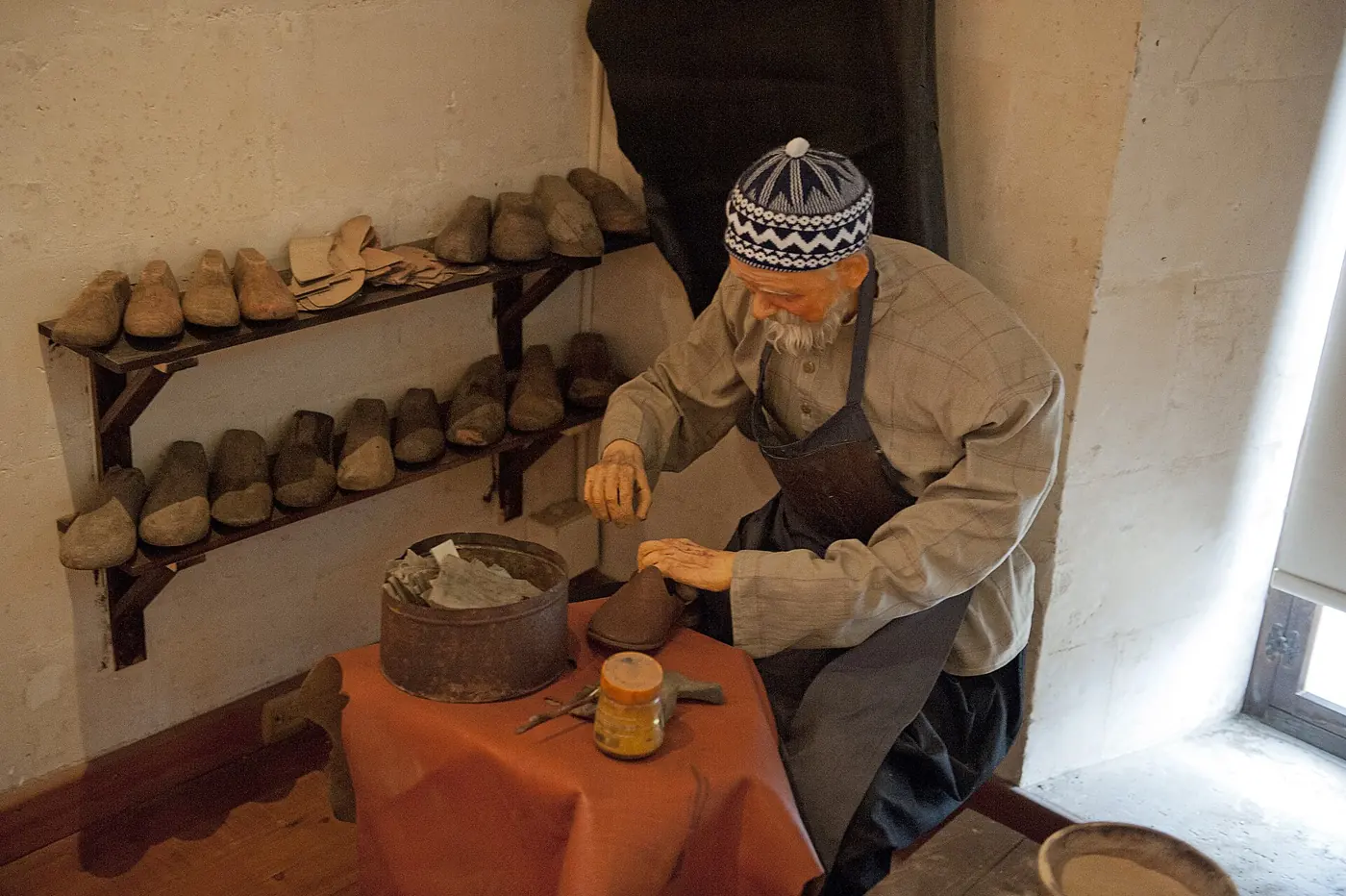
11 Bayazhan Gaziantep Kent Müzesi
A 1909 han now serving as a museum of Gaziantep crafts, with cafes and restaurants inside.
- Built: 1909, by Bayaz Ahmet Efendi
- Restored: 2009
- Today: City museum with cafes and restaurants
Show map
Which historic baths can you see?
Gaziantep has two bathhouses that welcome visitors in different ways. The Hamam Museum, built in 1577, is now a museum south of the castle. Naib Hamami, built in 1640, was restored in 2009 under the Culture Route project and also stands south of the castle.
However, check whether a bath is open for visiting or for bathing, because use differs. Our sources do not state hours beyond a Wikivoyage listing for the museum.
A hammam had a different purpose from a modern spa. It was a place for hygiene, ritual cleaning and social meeting, and its design reflects heat control, with domed halls and warm rooms. When you visit a bath-turned-museum, imagine the steam and the sounds.
Furthermore, the Culture Route project that restored Naib Hamami shows the city’s interest in preserving heritage. Check whether the building is open for visitors on the day you go.
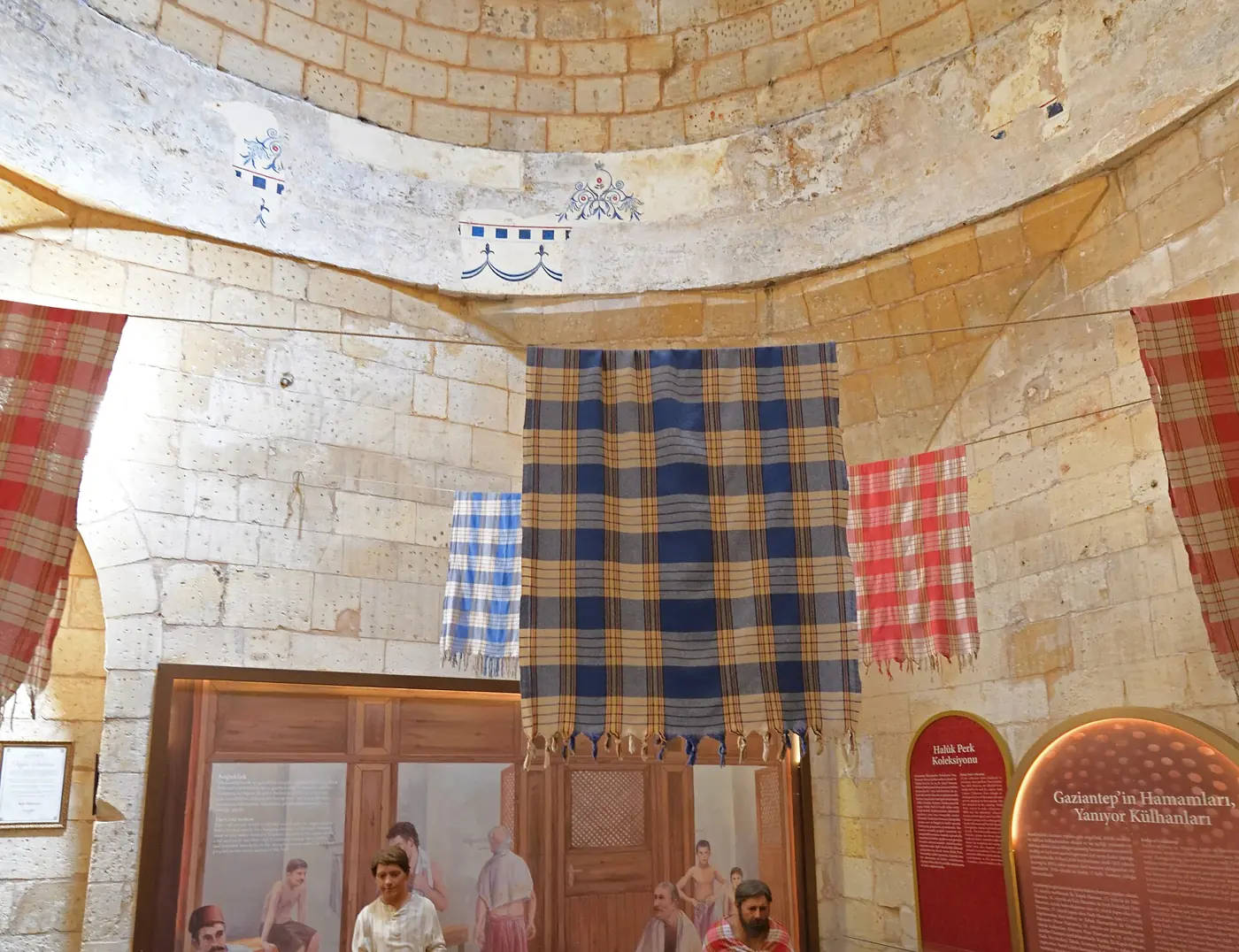
12 Hamam Müzesi
Built in 1577, reconstructed, and now a museum on Mehmet Dai Sokak. Wikivoyage lists daily hours, but check before you go.
- Built: 1577
- Address: Mehmet Dai Sokak 20
- Hours (Wikivoyage): Daily 08:30-17:30
Show map
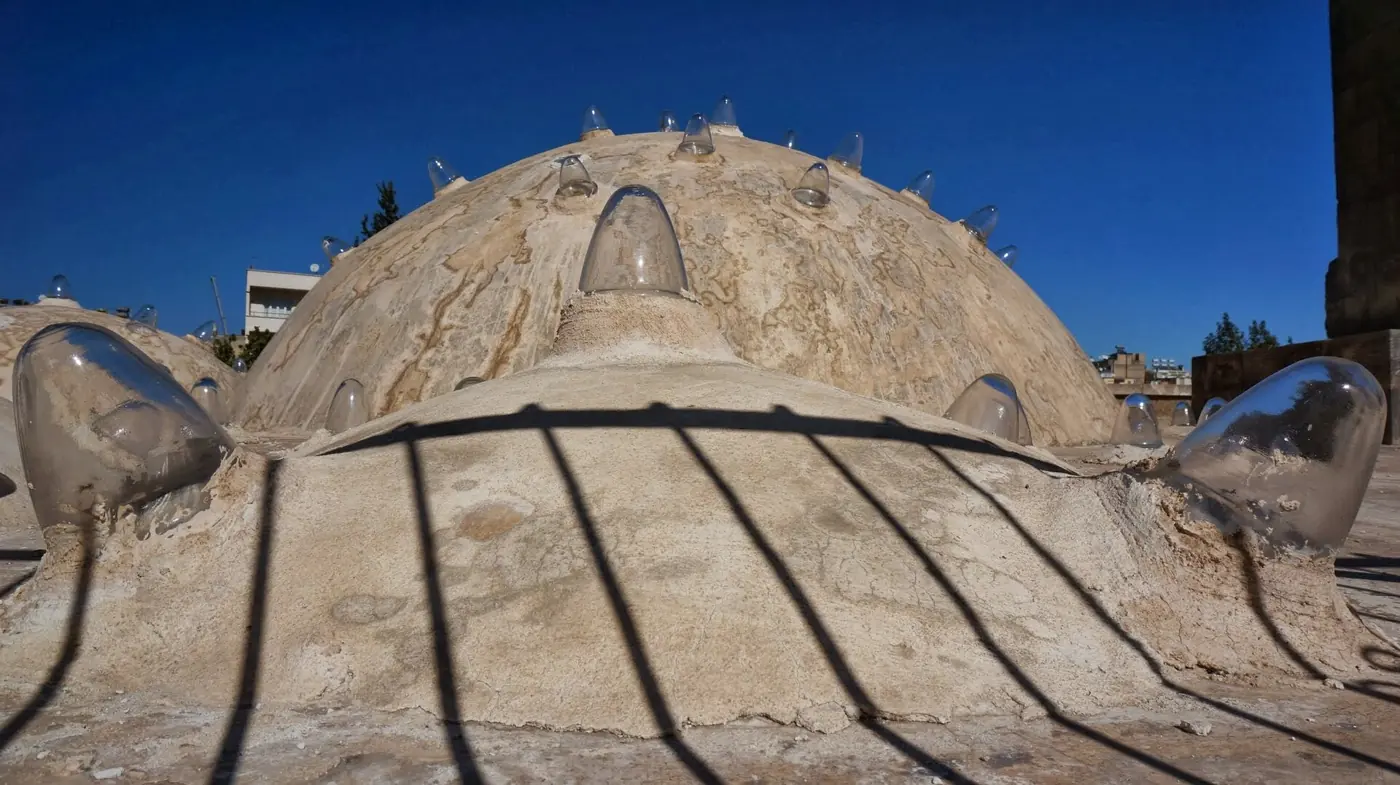
13 Naib Hamamı
Built in 1640 and restored in 2009. Its location south of the castle makes it easy to add to a han walk.
- Built: 1640
- Restored: 2009, Culture Route project
- Location: South of Gaziantep Castle
Show map
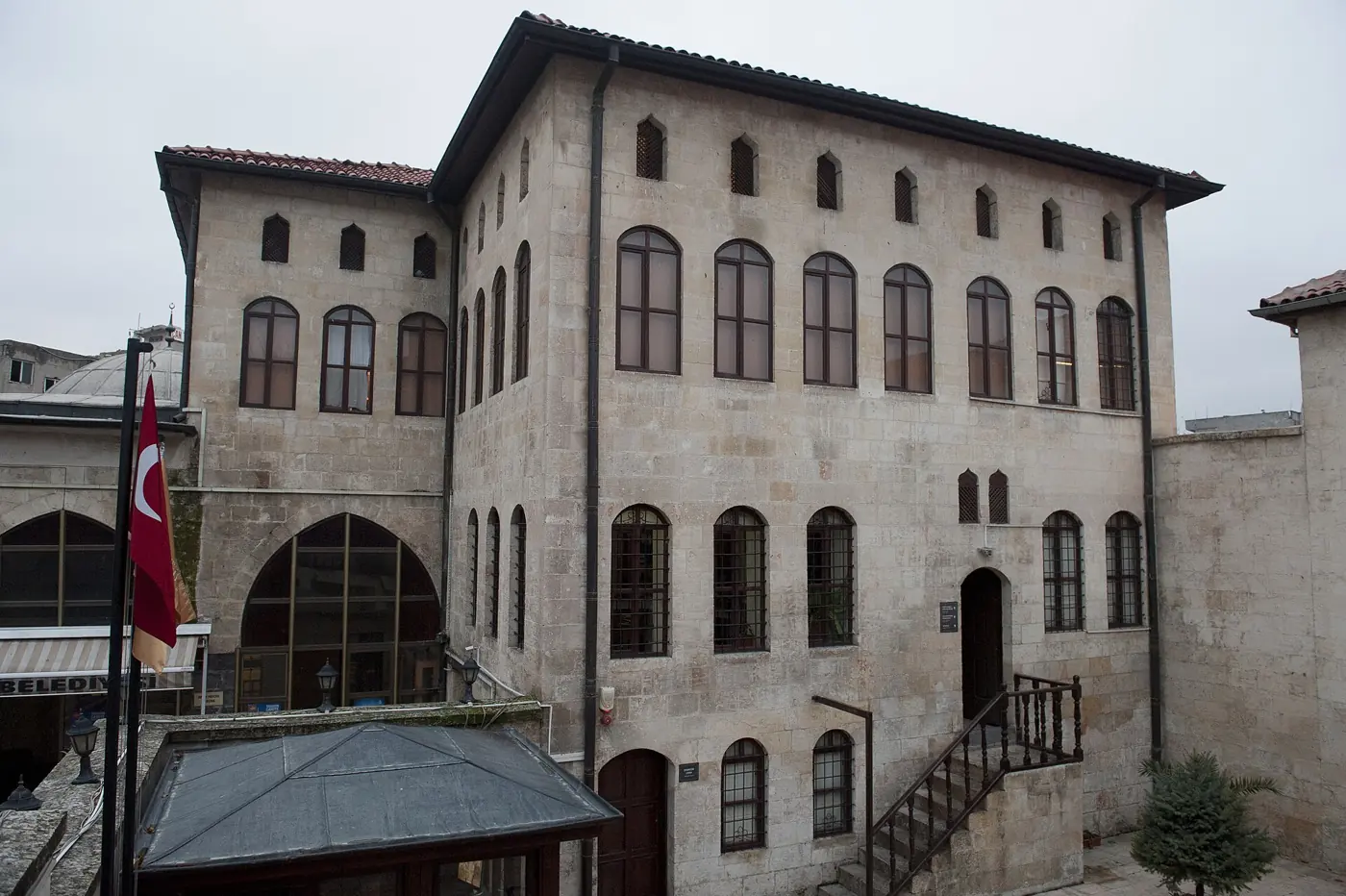
14 Gaziantep Mevlevihanesi Vakıf Müzesi
A museum in the historic Mevlevi lodge of Gaziantep. It adds a spiritual and architectural dimension to a heritage route.
- Building: Historic Mevlevihane
Show map
How do the main historic sites compare?
The table below puts the main sites side by side by type and documented date. Dates come from our registry and may differ in other sources.
Comparing dates shows the story of the city. The mosque inscription of 1357 comes from the Mamluk period, the han and bath come from the 16th and 17th centuries under Ottoman rule, and Bayazhan reaches into the early 20th century. Together they give you a time line in stone.
However, dates can differ between sources, so treat them as a guide and not as a final judgment.
Compare the main mosques, hans and baths.
| Site | Type | Documented date or fact |
|---|---|---|
| Boyaci Mosque | Mosque | Minbar inscription of 1357 |
| Hisva Han | Han | Probably 1563-1577 |
| Hamam Museum | Bath, museum | 1577 |
| Naib Hamami | Bath | 1640 |
| Bayazhan | Han, museum | Built 1909, restored 2009 |
| Kurtulus Mosque | Mosque | Former church building |
How do you reach the sites and walk between them?
Start at 15 July Democracy Square, a tram stop one block west of the castle. From there walk to Ulu Cami and the castle, then south to Hisva Han and the baths. Bayazhan and the smaller mosques lie within the old town, so a short walk or taxi connects them.
In addition, the old town streets are narrow, so walking beats driving.
Because these sites are close to each other, good walking shoes matter more than a car. Avoid the hottest hours in summer and start in the morning for cooler light and quieter streets.
In addition, carry a small bag for shoes if you plan several mosque visits, since you will remove them at each entrance.
Suggested approach by area.
| Area | How to move |
|---|---|
| Castle and Ulu Cami | Walk from Democracy Square |
| South of the castle (baths, Hisva Han) | Walk |
| Outlying mosques | Short taxi ride |
What etiquette and tips should you follow?
Treat each mosque as a working place of worship. Dress modestly, remove shoes at the entrance and avoid visiting during prayer times. Ask before taking photos inside.
Follow these points:
- Cover shoulders and knees.
- Women may bring a scarf for the head.
- Avoid prayer times, especially Friday midday.
- Speak quietly and do not enter prayer areas during services.
- Check each site’s status after the 2023 earthquakes.
What does a half-day heritage plan look like?
This plan runs from mosques to hans to baths in about four hours. Adjust it if a site is closed.
Sample half-day plan.
| Stop | Focus |
|---|---|
| Boyaci and Ulu Cami | Mosques |
| Hisva Han | Han |
| Naib Hamami and Hamam Museum | Baths |
| Bayazhan City Museum | Han, museum, coffee |
Frequently asked questions
Which is the oldest mosque in Gaziantep?
Boyaci Mosque is one of the oldest buildings, with a minbar inscription of 1357 from the Mamluk period.
What is Hisva Han?
It is the oldest surviving han in the city centre, built by Lala Mustafa Pasa and probably dated between 1563 and 1577.
Can I visit Bayazhan?
Yes. It is a restored han that now houses a city museum of crafts with cafes and restaurants. Check current hours on Google Maps.
When were the baths built?
The Hamam Museum dates from 1577 and Naib Hamami from 1640.
How should I dress for mosques?
Dress modestly, cover shoulders and knees, remove shoes and avoid prayer times.
Are all sites open after the 2023 earthquakes?
Not necessarily. Some buildings were affected, so check each site before you go.
Can TurkGT arrange a guide for this route?
Yes. A licensed guide can lead a mosque, han and hammam route with a private car.
Plan this with TurkGT
A licensed TurkGT guide can lead you through the mosques, hans and baths of the old town, and a private car with driver can add the Zeugma Mosaic Museum. Send your inquiry by WhatsApp or the form.
Request a booking
Related guides
- Top Gaziantep Attractions: Castle, Museums, Han and Mosques
- Zeugma Mosaic Museum Gaziantep: Visit Guide and Tips
- Gaziantep Castle and Old Town: Walking Guide and Sights
- Best Hotels in Gaziantep: Top Picks by Area and Style
- Best Restaurants in Gaziantep: 10 Top Picks for Visitors
- Gaziantep with Kids: Parks, Zoo Aquarium and Family Activities
- Where to Shop in Gaziantep: Malls, Bazaars and Sweet Gifts
Related destinations and attractions
Explore more city guides
Sources
- Boyacı Mosque (source)
- Hışva Han (source)
- Bayazhan Gaziantep City Museum (source)
- Naib Hamamı (source)
- Gaziantep Hamam Museum (source)
- Şirvan Mosque (Şirvani Mosque) (source)
- Gaziantep Grand Mosque (Ulu Cami) (source)
Last reviewed: 2026-11-21.