
The Zeugma Mosaic Museum in Gaziantep is one of the largest mosaic museums in the world. It opened on 9 September 2011 and shows Hellenistic and Roman mosaics rescued from the ancient city of Zeugma. Plan two to three hours, and add the old town for the rest of the day.
Key facts
- Opened: 9 September 2011
- Mosaic area: About 2,448 m2
- Best-known piece: The Gypsy Girl mosaic
- District: Sehitkamil, Gaziantep
- Origin of the finds: Ancient Zeugma on the Euphrates
- Suggested visit time: 2 to 3 hours (our suggestion)
- Tickets and hours: Check the museum’s page or Google Maps
- Nearby sights: Old town, Panorama Museum, Rumkale (day trip)
What is the Zeugma Mosaic Museum?
The Zeugma Mosaic Museum is a museum in Gaziantep that displays Hellenistic and Roman mosaics rescued from Zeugma, an ancient town on the Euphrates. Our sources describe it as one of the largest mosaic museums in the world, with a mosaic display area of about 2,448 m2.
Moreover, the museum opened on 9 September 2011. Its best-known object is the Gypsy Girl mosaic. For many travellers it is the main reason to include Gaziantep in a Southeastern Anatolia route.
The museum matters for a second reason: it shows how rescue archaeology saved art that a rising reservoir threatened. Visitors who read the labels learn which villas and rooms the mosaics came from. This context turns a walk among floors and walls into a story of lost houses and daily life.
In addition, the museum is accessible and family friendly. Children usually enjoy the large figures and the animal scenes, so it works for mixed-age groups.
The facts that matter before you go are:
- It shows mosaics rescued from Zeugma.
- The collection covers Hellenistic and Roman work.
- The Gypsy Girl is the famous piece.
- The museum is in Sehitkamil, outside the old town.
- Current tickets and hours are on its official page and Google Maps.
How did we choose these places?
We chose these places from the official and community sources listed at the end of this guide, looking at location, history and the details those sources record. We do not accept payment for placement. Opening hours, menus and conditions change, so check each place’s own page or Google Maps before you go. Here we used the museum’s own registered facts and the public encyclopedia sources listed below, and we avoid prices because they change.
Moreover, we leave out scores on purpose. Scores change from month to month, and Google Maps shows the current picture. Each card below carries a map button for that reason. Therefore you can compare recent visitor comments yourself before you decide.
What will you see inside the museum?
You will see large floor and wall mosaics from Roman houses and villas, arranged to show scenes and patterns from daily and mythical life. The Gypsy Girl is the highlight, and many visitors ask for it first.
In contrast to a small gallery, the space is large, so you should walk it slowly. Read the labels to learn which house or room each mosaic came from. Furthermore, take a moment at the largest panels, because photographs do not show their scale.
A good visit uses a simple method. Walk the whole display once without stopping, then return to the pieces that interested you most. This avoids tired legs at the end and makes sure you see the highlights.
Moreover, lighting and glass can make photography difficult. Follow the museum’s rules on flash and tripods, and take a few moments to look at the mosaics without a phone in your hand.
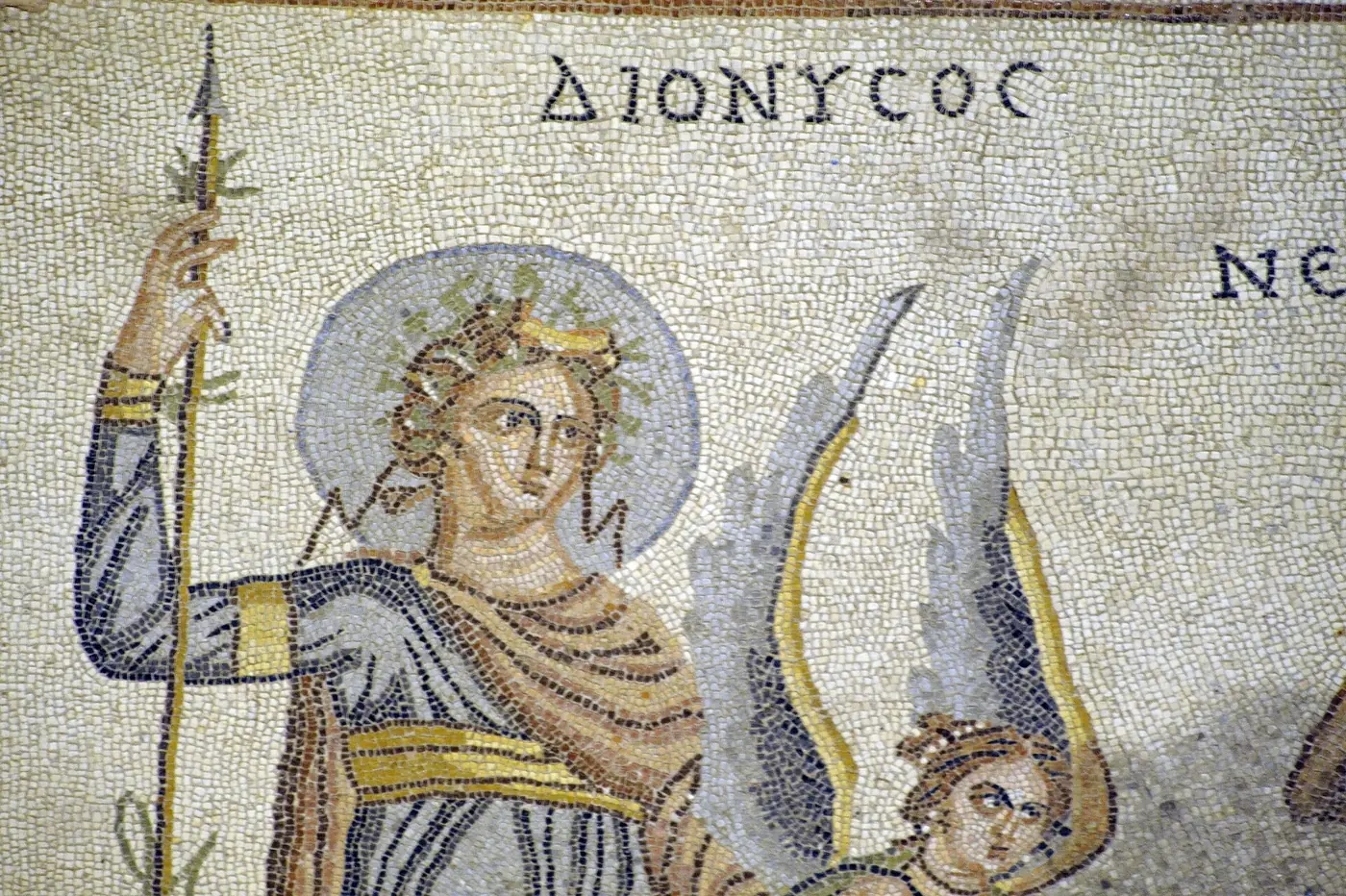
1 Zeugma Mozaik Müzesi
The centre of this guide. Give it a full morning, look first for the Gypsy Girl, then walk the larger panels at your own pace. Confirm tickets and hours on the official page or Google Maps.
- Opened: 9 September 2011
- Mosaic area: About 2,448 m2
- Famous piece: Gypsy Girl mosaic
Show map
What is the story of Zeugma?
Zeugma was an ancient town on the Euphrates, and the mosaics in Gaziantep were rescued from it. This history explains why a city far from the sea holds Roman art of this quality.
Therefore a visit works best when you pair the museum with a view of the river landscape. Rumkale, a ruined fortress on the Euphrates, shows the same river from a different period, and Doliche, an ancient city in Sehitkamil, adds an older layer of regional history.
Planning transport avoids the most common problem: waiting for a ride at the end of the visit. If you take a taxi, ask the driver for a return time or use a ride app to book the way back.
However, a private driver is the calmest option for families, because luggage, strollers and elderly relatives are easier to manage. Tell the driver which sights you want to add after the museum.
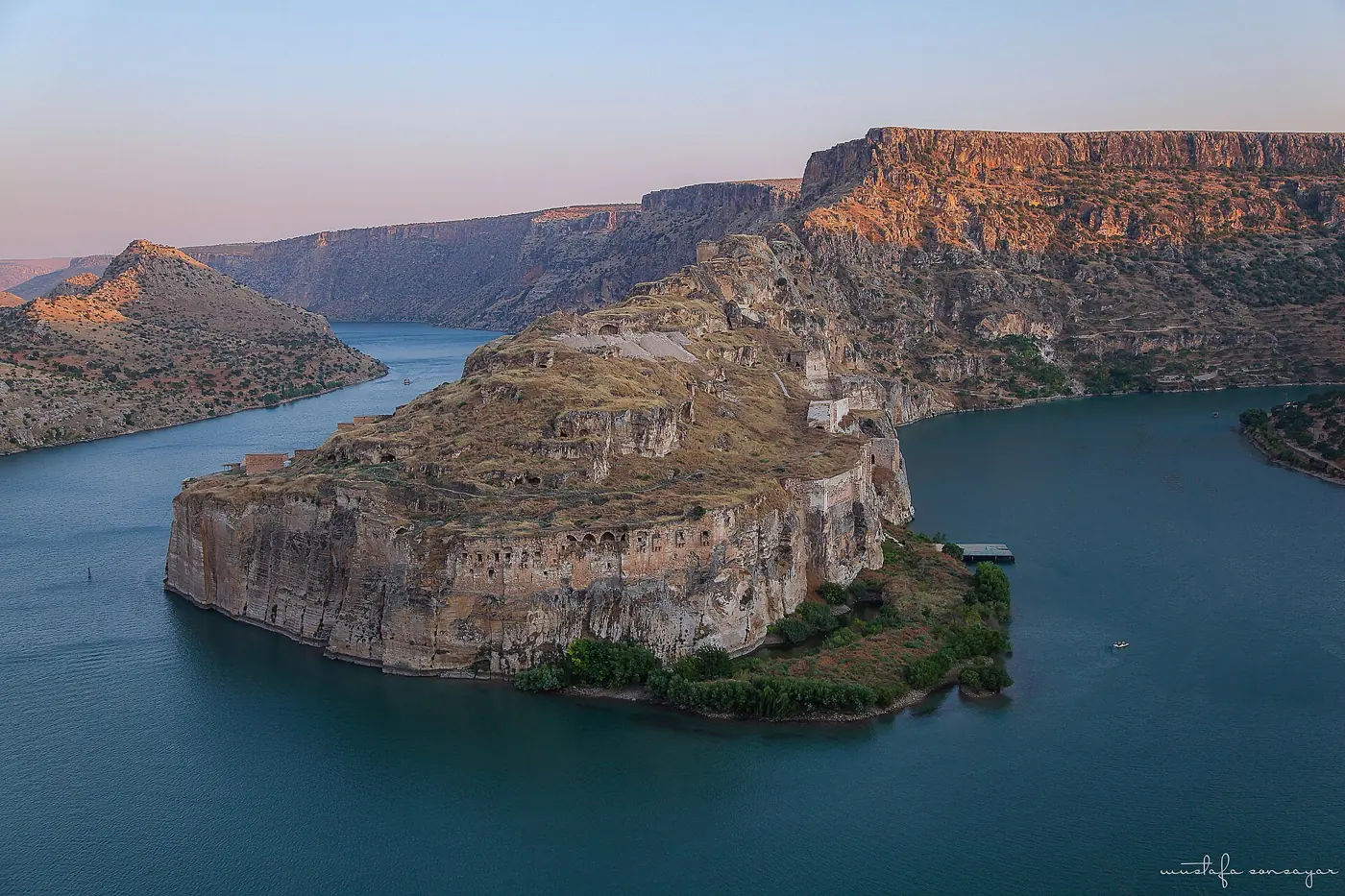
2 Rumkale
A ruined fortress on the Euphrates, usually seen from a boat. It adds river scenery and Byzantine and Armenian history to a Zeugma-themed day.
- Meaning: Roman Castle
- River: Euphrates
- History: Byzantine seat of a Syriac Orthodox bishopric; later an Armenian town
Show map
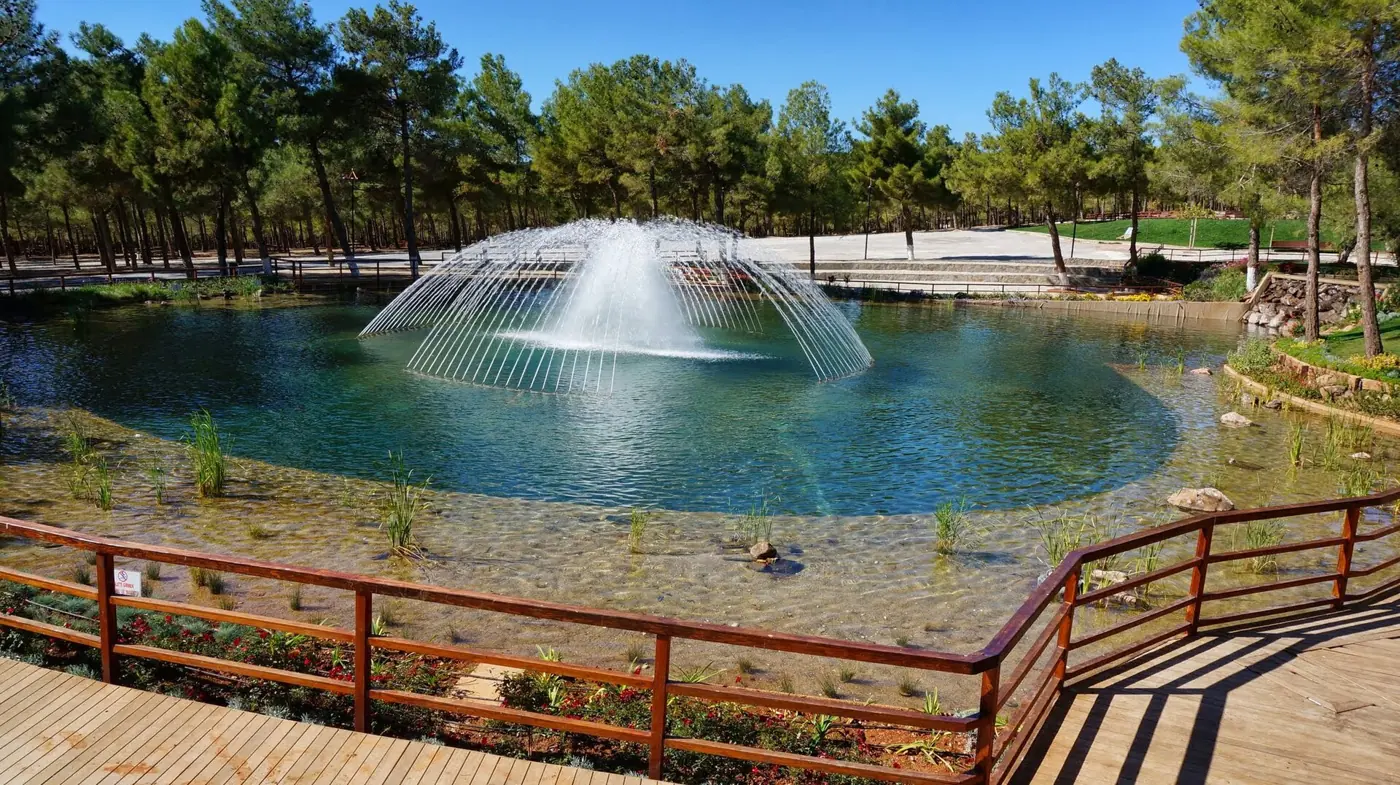
3 Dülük (Dolikhe / Doliche)
The ancient city of Doliche lies in Dulukbaba, Sehitkamil. It is described as one of Turkey’s oldest still-inhabited settlements, so it suits visitors who want more archaeology.
- Ancient name: Doliche (Dolikhe)
- District: Şehitkamil
Show map
How do you get to the museum from the city centre?
The museum is in Sehitkamil, a short taxi ride from the old town. A private car or taxi is the simplest option, and you can ask the driver to wait or return later. Public transport exists in Gaziantep, but routes change, so check a map app.
In addition, the old town and the tram stop at 15 July Democracy Square lie to the south. Combine the two areas in one day by visiting the museum in the morning and the old town in the afternoon.
The best time to visit depends on the season. In summer the museum offers cool shelter from the afternoon heat, while in spring and autumn you can combine it with outdoor stops. Winter days are shorter, so start early.
Furthermore, school groups sometimes fill the galleries on weekdays, so a very early arrival gives the quietest experience.
Choose a transport option based on your group and time.
| Option | Best for | Note |
|---|---|---|
| Taxi | Couples, small groups | Easy from the old town |
| Private car with driver | Families, groups | Can wait and continue to other sights |
| Public transport | Budget travellers | Check routes on a map app |
How long do you need and when should you go?
Allow two to three hours for a calm visit. Go in the morning to avoid heat and crowds, and check the museum’s own page for the current schedule. Indoor displays make it a good choice for hot or rainy days.
However, the exact opening days and ticket rules are not in our sources, so confirm them before you travel.
Think of the museum as the first stop in a regional story. Roman art here connects to the Euphrates landscape at Rumkale, to Hittite remains at Yesemek and to the wider Southeastern Anatolia route. Each of those places can be added by car.
In contrast, a single day in the city rarely covers more than the museum and the old town, so choose your priority honestly.
A quick planning table for the visit.
| Question | Answer |
|---|---|
| How long to stay | 2 to 3 hours (our suggestion) |
| Best time of day | Morning |
| Good for bad weather | Yes, it is indoors |
| Tickets and hours | Check the official page or Google Maps |
What can you combine with the museum in one day?
After the museum, move to the old town. The castle sits on a mound in the centre, and the interior was reported closed for restoration after the 2023 earthquakes, so check access. The Archaeology Museum has a prehistoric collection, but Wikivoyage reports closure after earthquake damage.
Therefore, use the afternoon for the streets, hans and bazaar rather than for another museum unless you have confirmed it is open.
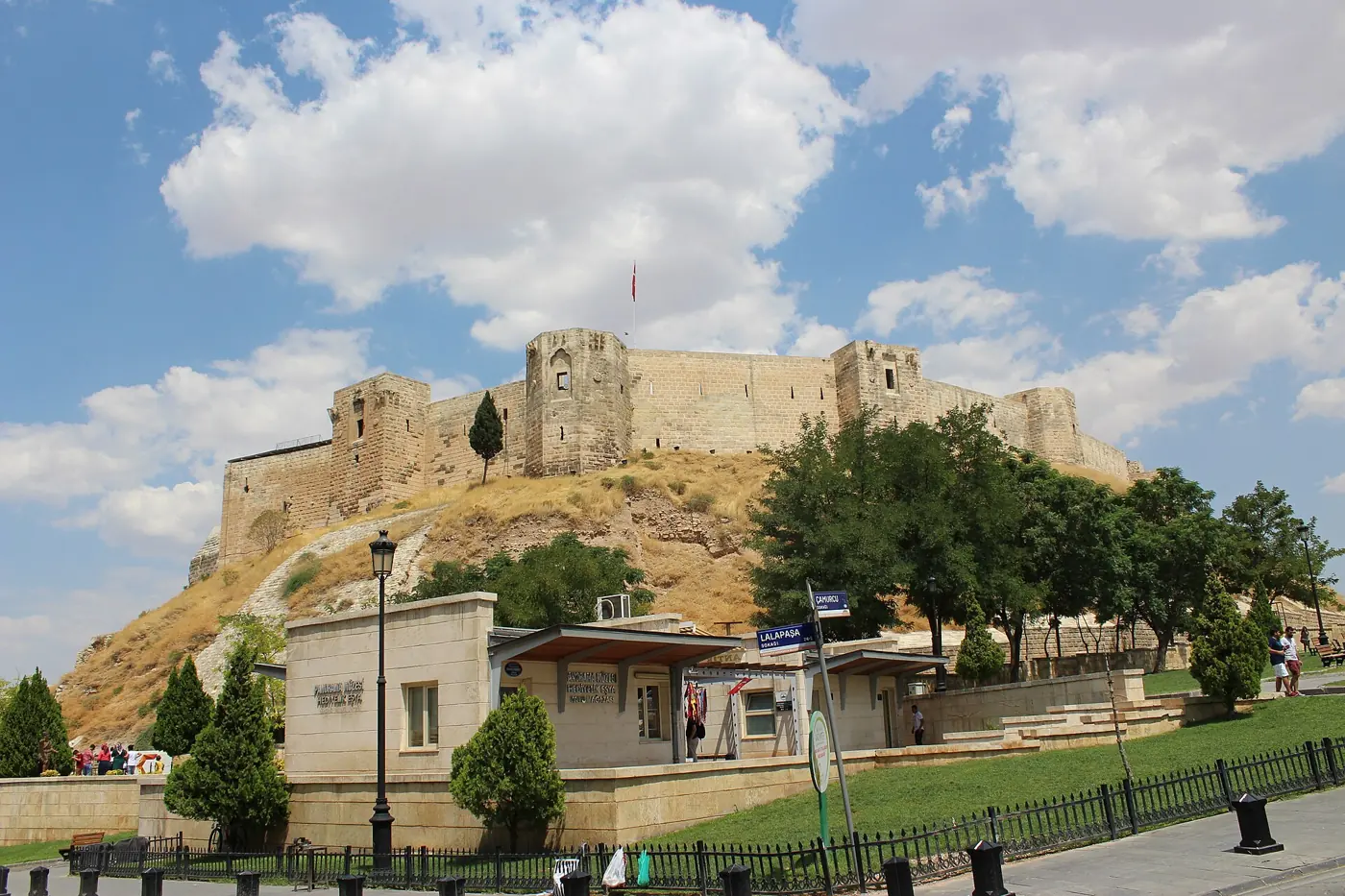
4 Gaziantep Kalesi
Walk to the castle area after the museum. The castle began as a Hittite lookout and was expanded under Roman rule. Check access before you climb.
- Origin: Hittite lookout, Roman castle
- Status: Interior closed for restoration after 2023 quake (Wikivoyage)
Show map
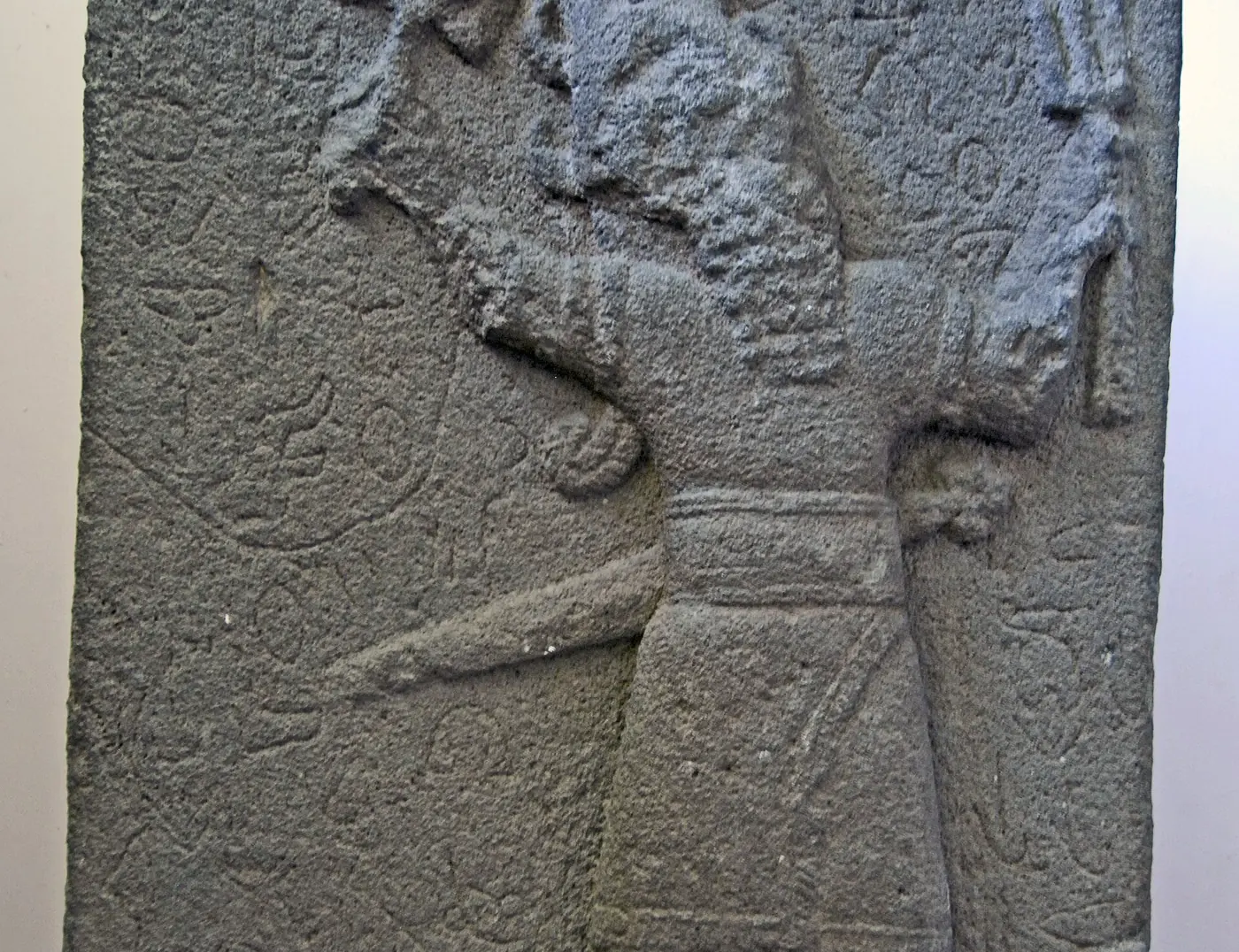
5 Gaziantep Arkeoloji Müzesi
Its prehistoric collection complements the mosaics, since its Roman mosaics moved to Zeugma. Wikivoyage notes a closure after earthquake damage, so check before going.
- Address: İstasyon Caddesi 2
- Status: Closed after earthquake damage (Wikivoyage)
Show map
What practical tips help your visit?
Keep your visit simple. Book a driver if you plan more than one stop, arrive in the morning and carry water.
Practical points:
- Check hours and tickets on the official page.
- Wear comfortable shoes for the large halls.
- Photograph the mosaics respectfully and follow the posted rules.
- Ask a licensed guide for context if you want deeper history.
- Keep the afternoon for the old town.
What is a sample day around the museum?
This day plan keeps travel short and mixes indoor and outdoor time.
Sample day plan.
| Time | Activity |
|---|---|
| Morning | Zeugma Mosaic Museum |
| Lunch | Local restaurant in Sehitkamil or the old town |
| Afternoon | Old town walk, castle area |
| Optional next day | Rumkale boat trip |
Frequently asked questions
When did the Zeugma Mosaic Museum open?
It opened on 9 September 2011, according to the museum’s encyclopedia entry.
What is the Gypsy Girl mosaic?
It is the best-known piece in the collection and a common first stop for visitors.
How big is the mosaic area?
About 2,448 m2, which is why it counts among the largest mosaic museums in the world.
How long should I stay?
Two to three hours is our suggestion for a calm visit.
Where is the museum?
In Sehitkamil, Gaziantep, a short taxi ride from the old town.
Do you list ticket prices?
No. Prices and hours change, so check the official page or Google Maps.
Can TurkGT arrange a guide?
Yes. A licensed guide and a private car can cover the museum, the old town and a Rumkale trip.
Plan this with TurkGT
TurkGT can arrange a licensed guide for the Zeugma Mosaic Museum and a private car with driver to link it with the old town or Rumkale. Send your dates by WhatsApp or the inquiry form.
Request a booking
Related guides
- Top Gaziantep Attractions: Castle, Museums, Han and Mosques
- Gaziantep Castle and Old Town: Walking Guide and Sights
- Historic Mosques, Hans and Hammams in Gaziantep
- Best Hotels in Gaziantep: Top Picks by Area and Style
- Best Restaurants in Gaziantep: 10 Top Picks for Visitors
- Gaziantep with Kids: Parks, Zoo Aquarium and Family Activities
- Where to Shop in Gaziantep: Malls, Bazaars and Sweet Gifts
Related destinations and attractions
Explore more city guides
Sources
- Zeugma Mosaic Museum (source)
- Rumkale (source)
- Dülük Baba and Doliche ancient city (source)
- Gaziantep Castle (source)
- Gaziantep Archaeology Museum (source)
Last reviewed: 2026-11-21.