
Mardin’s historic religious buildings are mostly Artuqid-era stone mosques and madrasas on the old-city hillside. Kasimiye and Sultan Isa offer terraces and carved portals, while the Grand Mosque, Latifiye and Sehidiye line the main street. All can be combined in one walking morning.
Key facts
- Style: Artuqid-era stonework, carved portals
- Oldest listed: Grand Mosque, 12th century
- Dated madrasa: Sultan Isa (Zinciriye), 1385
- Main street: Cumhuriyet Street (Sehidiye)
- Best views: Kasimiye and Sultan Isa terraces
- Dress: Modest clothing, scarf for women
- Before you go: Check access and prayer times on Google Maps
What are the historic mosques and madrasas of Mardin?
Mardin’s best-known religious monuments are the Kasimiye and Sultan Isa madrasas, the Grand Mosque, and the Latifiye, Sehidiye, Reyhaniye and Hatuniye buildings. They share local limestone, carved portals and courtyards, and many look out over the plain.
A madrasa was an Islamic school, so these buildings combine teaching rooms, courtyards and often a tomb chamber. Therefore they feel different from a simple prayer hall.
What to look for:
- Carved stone portals and inscriptions
- Courtyards with domes and arches
- Slender stone minarets
- Terraces facing the Mesopotamian plain
How did we choose these places?
We chose places that exist in our Mardin registry and that appear in official or encyclopedic sources such as Wikipedia, Wikimedia Commons and the Turkish culture ministry. We looked at location in the old city, the kind of monument and the details those sources give. Dates are quoted from Wikipedia and Wikimedia Commons descriptions, and we avoid claims our sources do not support.
We do not accept payment for placement. Moreover, opening hours and visitor access change, therefore please check Google Maps through the card button before you go.
Which madrasas are worth visiting?
Kasimiye and Sultan Isa are the two madrasas most visitors prioritise, because both combine architecture with views. Hatuniye adds a quieter stone courtyard in the old-city heritage walk.
However, access rules differ by building and season, so check before you climb.
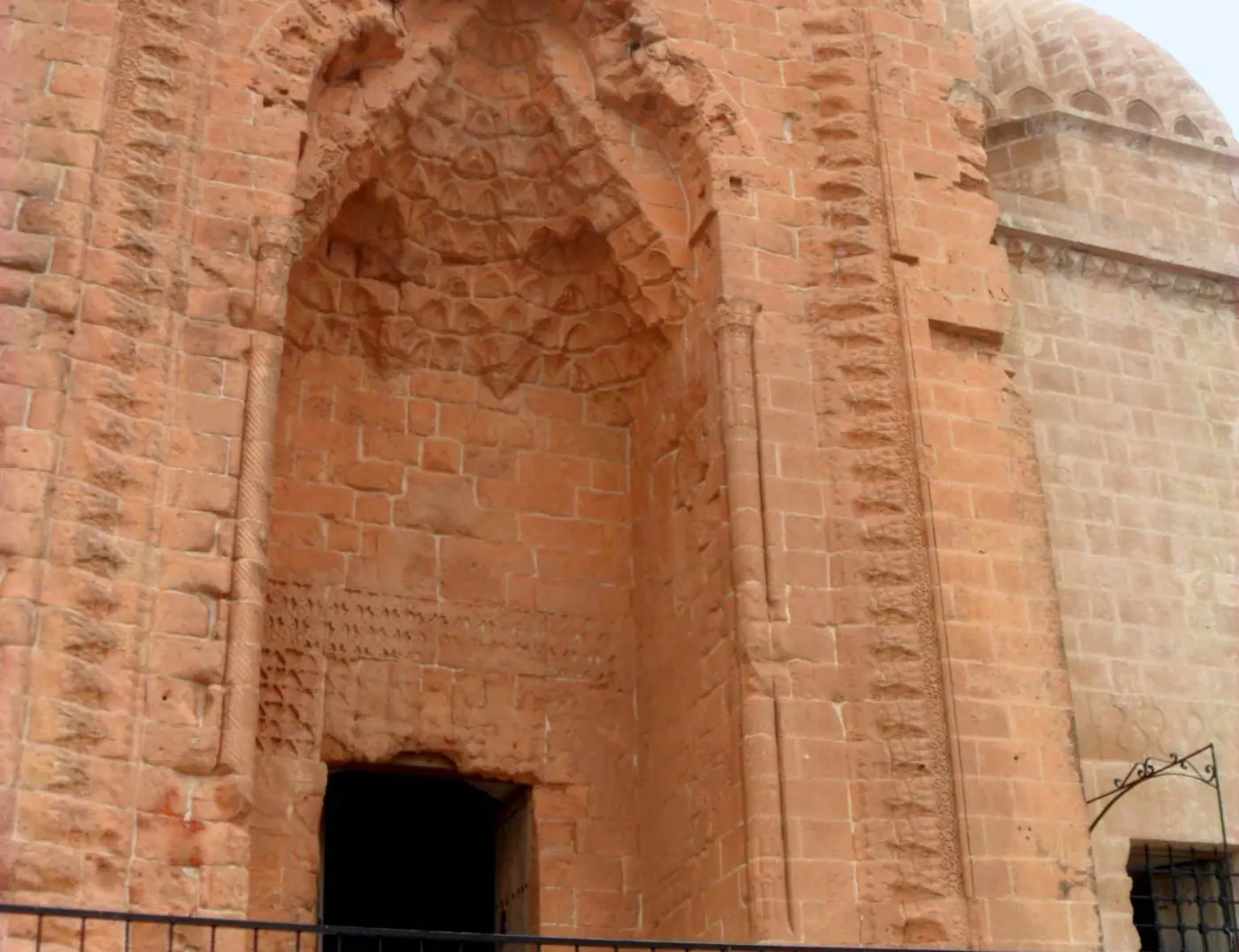
1 Kasimiye Medresesi
An Artuqid-era madrasa on the southern edge of the old city, known for an ornate portal, a courtyard and a domed tomb chamber.
- Type: Madrasa, 15th century
- Features: Portal, courtyard, domes
Show map
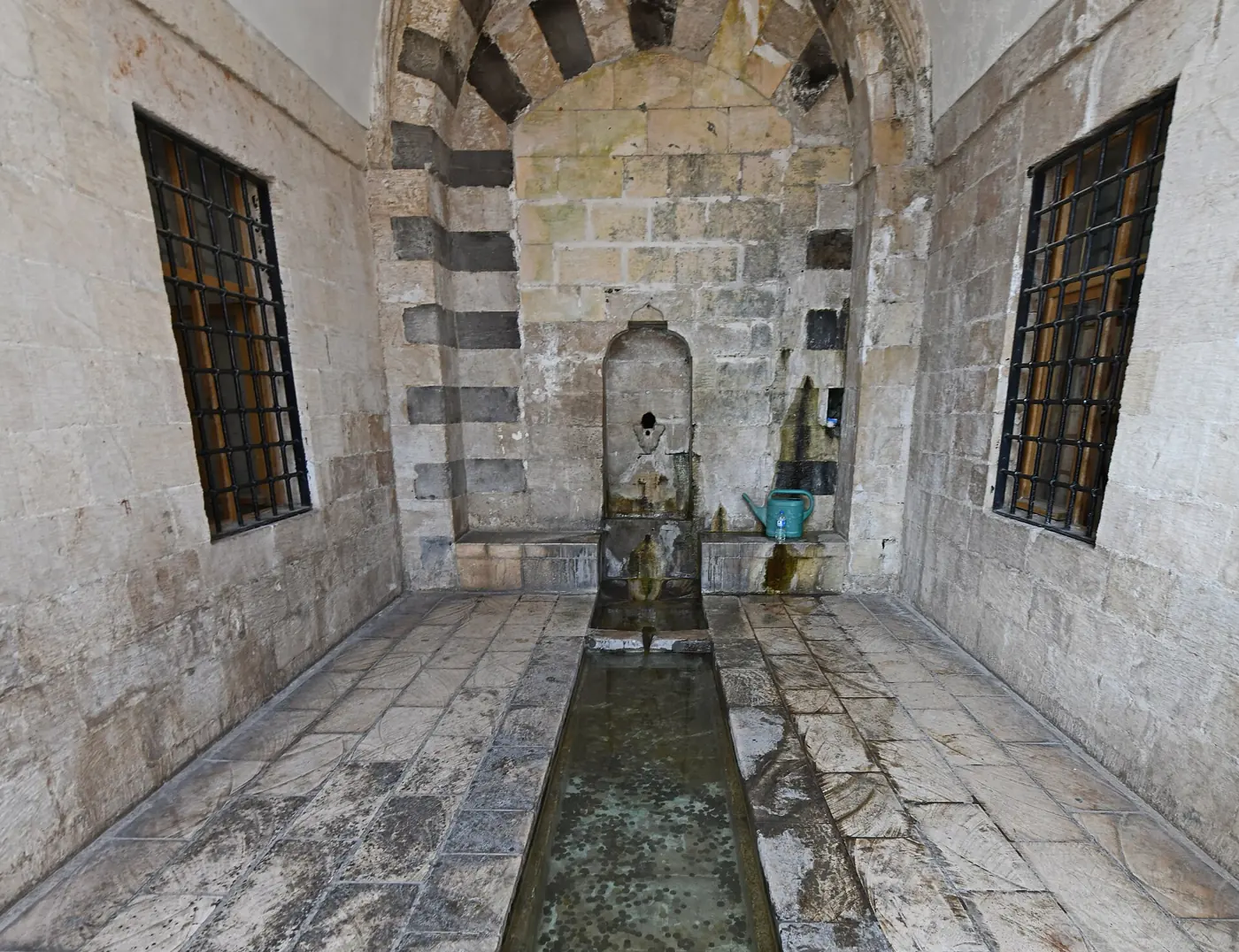
2 Sultan İsa Medresesi (Zinciriye)
Built in 1385 and named Zinciriye after the chain motif at its entrance. It has a carved portal and a two-storey courtyard with terraces.
- Built: 1385
- Also known as: Zinciriye
Show map
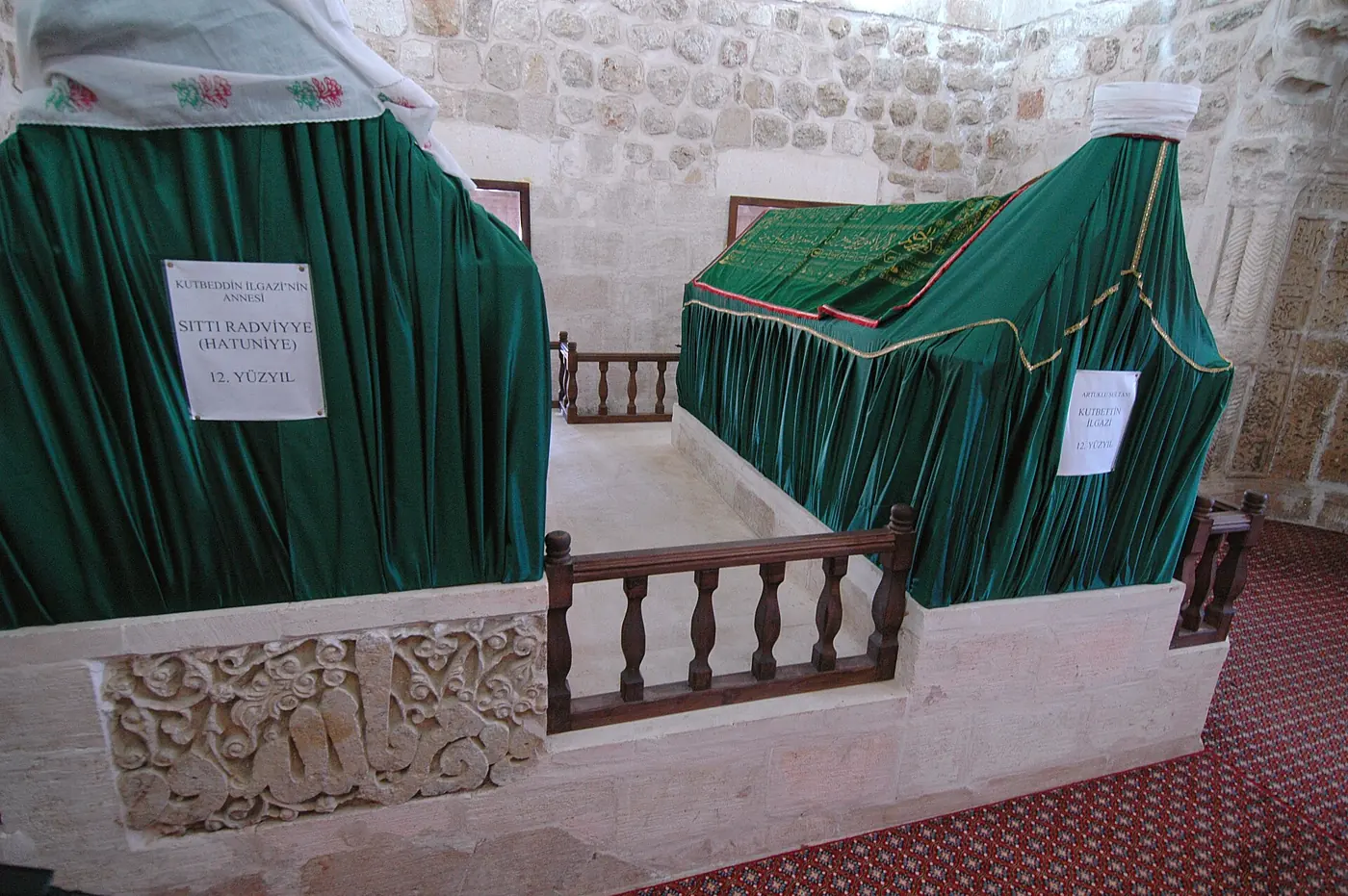
3 Hatuniye Medresesi
A historic madrasa with a stone courtyard, open to visitors as part of the old-city heritage walk.
- Type: Madrasa
- Location: Old city
Show map
Which mosques should you see?
The Grand Mosque is the oldest building on this list and sits near the bazaar. Latifiye has a finely carved portal, while Sehidiye and Reyhaniye stand side by side and shape the skyline.
Moreover, these four are close together, so they fit into a single short walk.
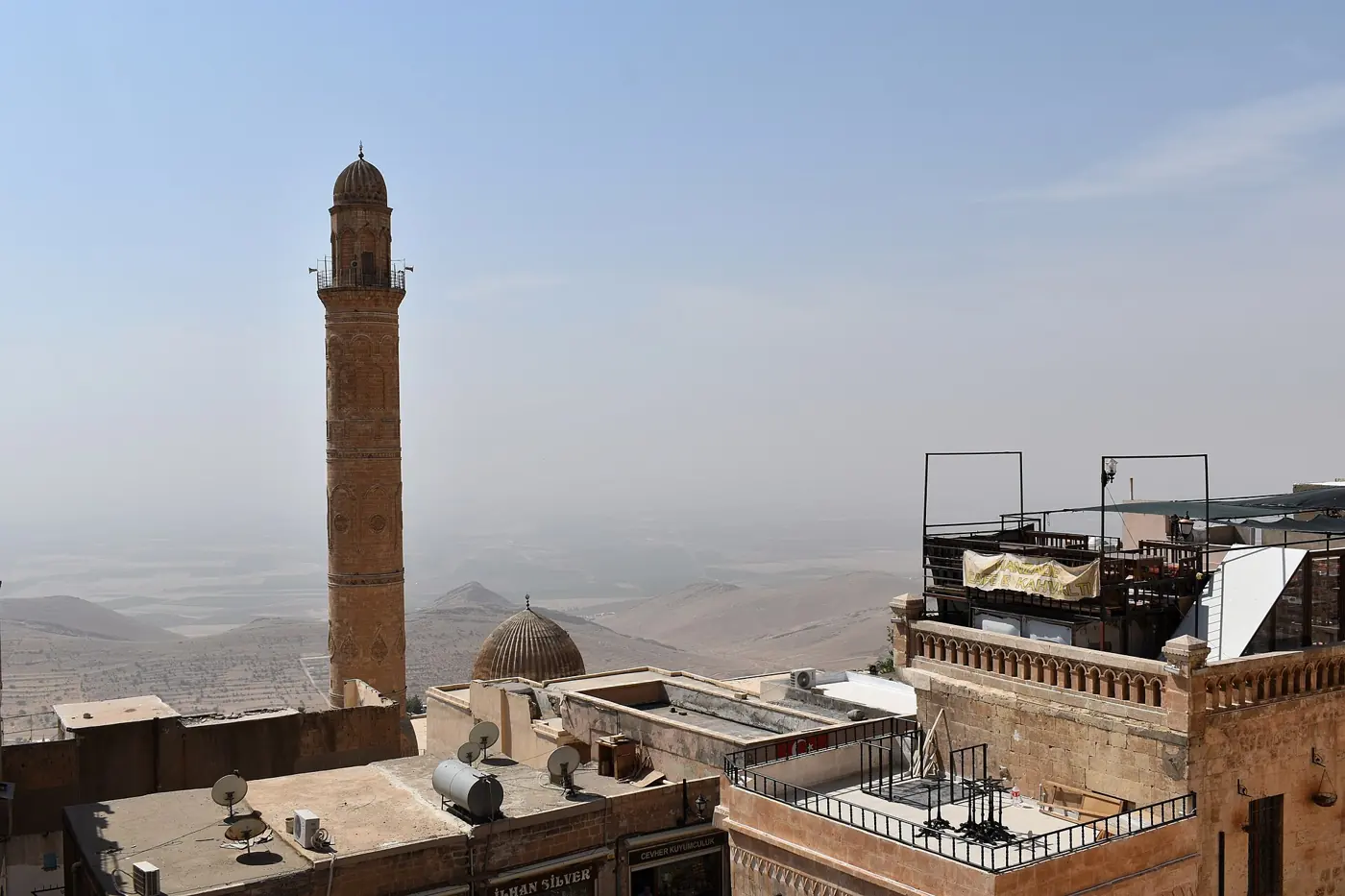
4 Mardin Ulu Cami
A 12th-century congregational mosque in the heart of the old city, notable for an Artuqid-period minaret and carved stonework.
- Built: 12th century
- Features: Stone minaret, courtyard
Show map
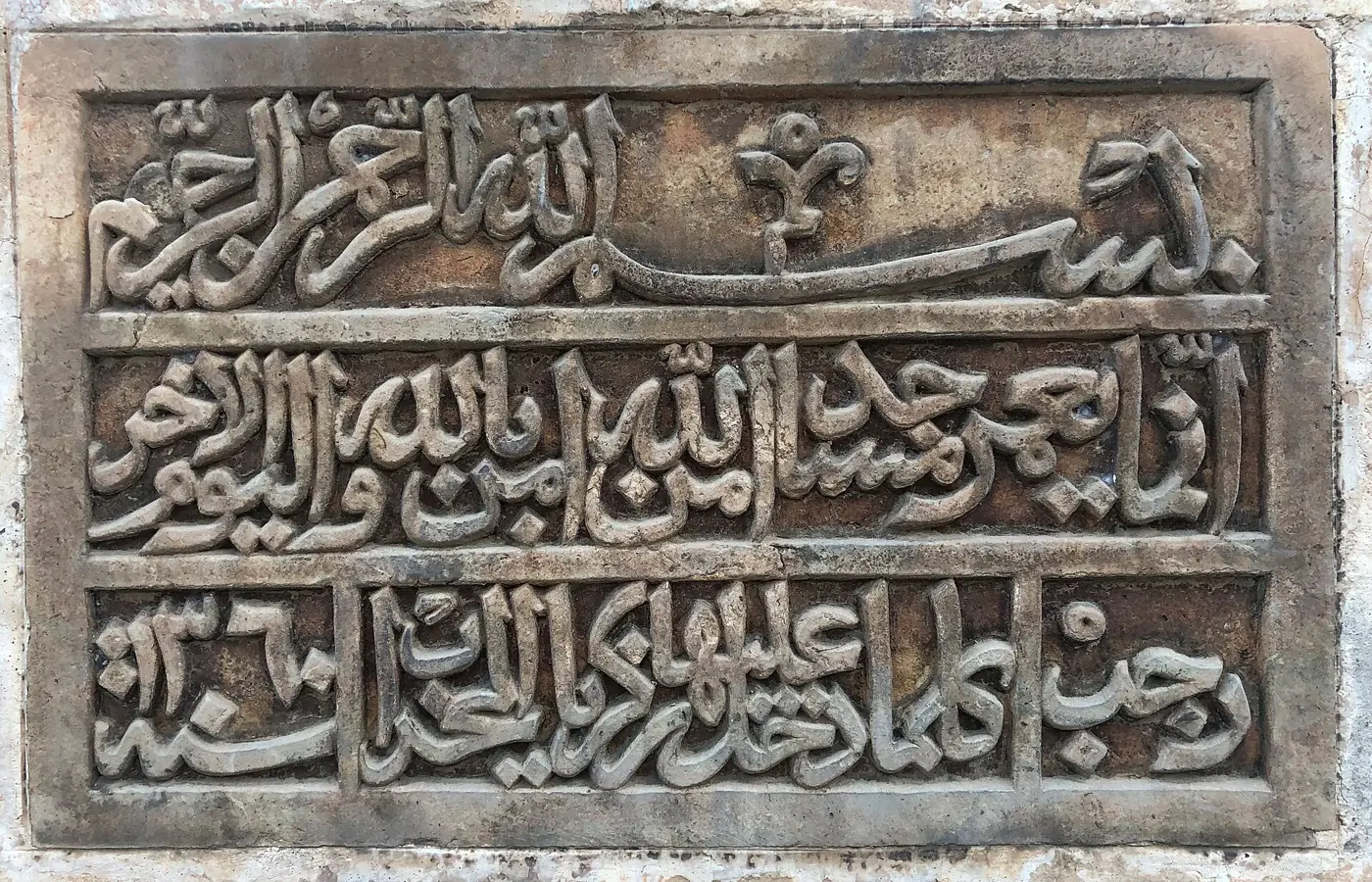
5 Latifiye Camii
A 14th-century mosque built in the Artuqid tradition, with a finely carved stone portal.
- Built: 14th century
- Style: Artuqid stonework
Show map
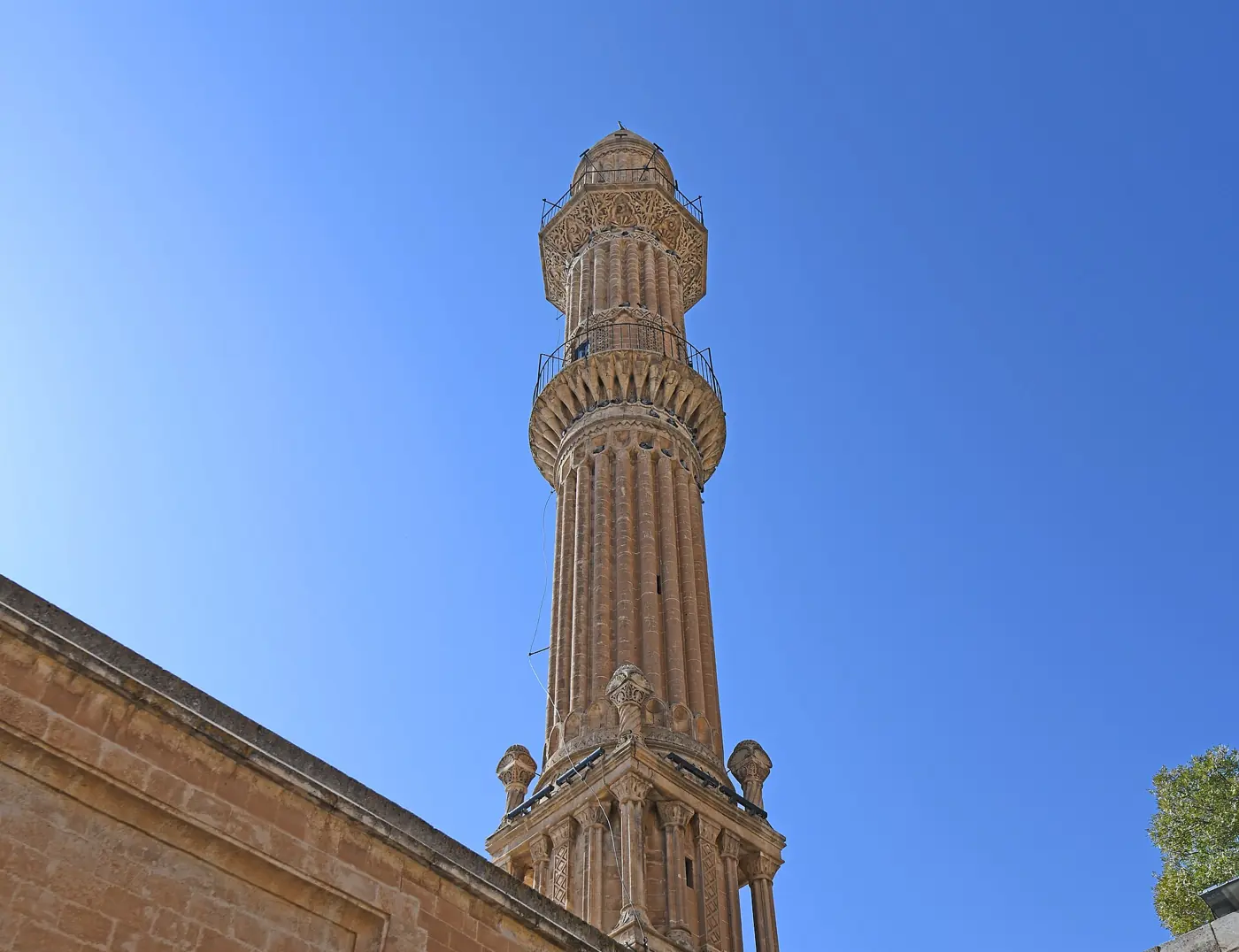
6 Şehidiye Camii ve Medresesi
A mosque and madrasa complex on Cumhuriyet Street with a slender minaret and carved details.
- Type: Mosque and madrasa
- Area: Cumhuriyet Street
Show map
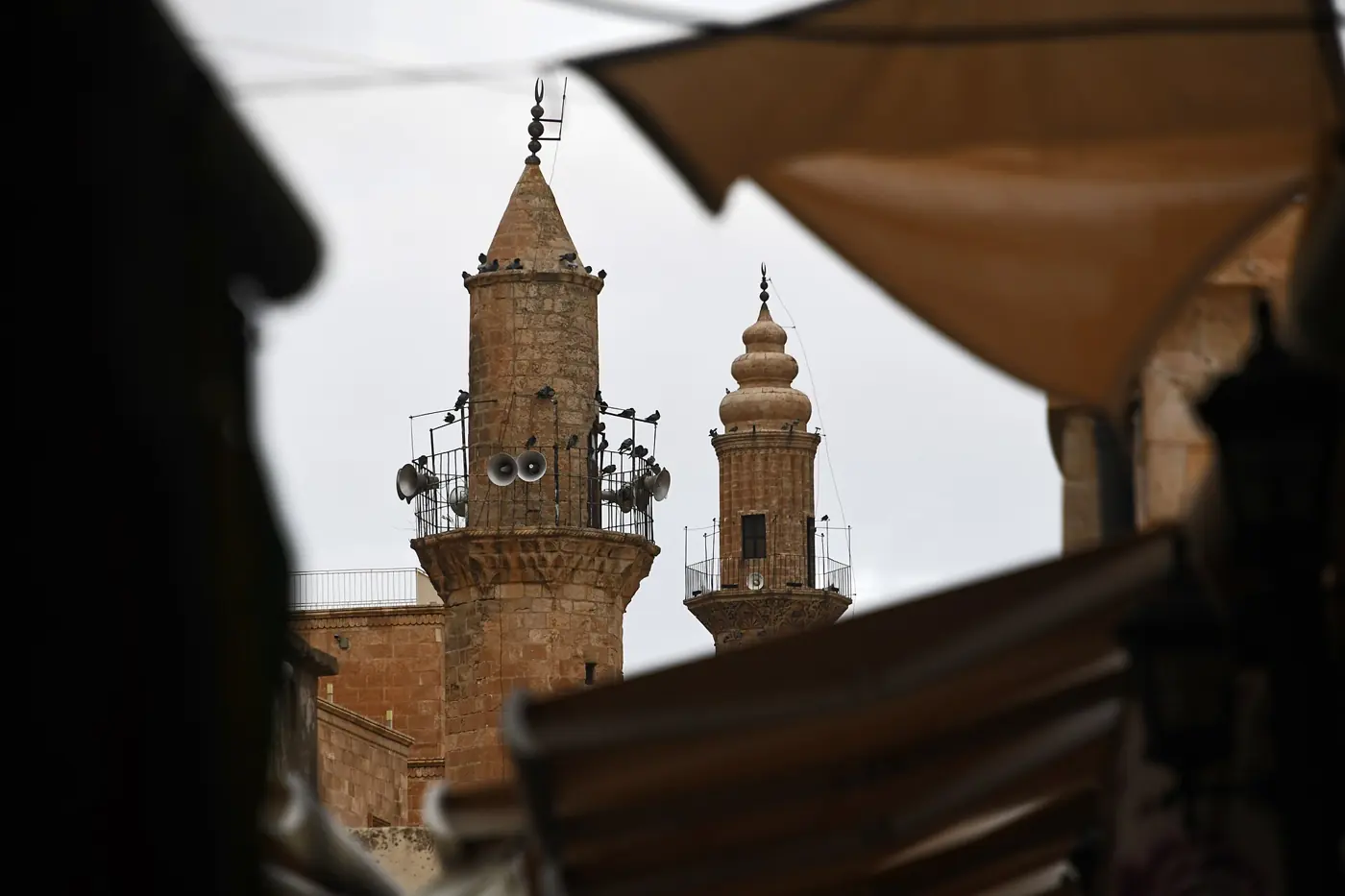
7 Reyhaniye Camii
A mosque next to Sehidiye, part of the old-city mosque cluster.
- Type: Mosque
- Location: Old city
Show map
How do the buildings compare?
The table summarises what our sources record for each monument.
Monuments by type and highlight:
| Building | Type | Dating in sources | Highlight |
|---|---|---|---|
| Kasimiye | Madrasa | 15th century | Portal, domes, plain views |
| Sultan Isa (Zinciriye) | Madrasa | 1385 | Chain motif, terraces |
| Hatuniye | Madrasa | Not stated | Stone courtyard |
| Grand Mosque | Mosque | 12th century | Stone minaret |
| Latifiye | Mosque | 14th century | Carved portal |
| Sehidiye | Mosque and madrasa | Not stated | Slender minaret |
| Reyhaniye | Mosque | Not stated | Beside Sehidiye |
How do you get there and move between them?
All seven sit in the old city (Artuklu). Taxis and private cars can drop you near the upper terraces, and you can then walk downhill towards the main street. This order saves effort on the steep lanes.
Suggested walking order:
| Step | Area | Why |
|---|---|---|
| 1 | Kasimiye (southern edge) | Start high for views |
| 2 | Sultan Isa | Next terrace and portal |
| 3 | Hatuniye | Quiet courtyard |
| 4 | Grand Mosque | Near the bazaar |
| 5 | Latifiye, Sehidiye, Reyhaniye | Main street cluster |
What is the Artuqid architectural tradition in Mardin?
The Artuqid tradition refers to the building style of the Artuqid dynasty, whose period our sources use to describe several Mardin monuments. In practice you see it in precise stone masonry, carved portals, domes and slim minarets built from local limestone.
This stone is why the old city looks uniform from a distance. Moreover, the carving rewards a closer look, because portals often carry geometric patterns and inscriptions. Therefore take time at each doorway instead of rushing inside.
Madrasas in particular show how religion, teaching and daily life met in one building. Courtyards gave light and air, while terraces and domes made the complex visible across the slope.
How do you visit respectfully and efficiently?
Plan the route from the top of the old city to the bottom. This way you walk downhill with the plain behind you and finish near the bazaar, where food and tea are easy to find. Starting early also avoids the heat and the midday crowds.
Respect is simple. Dress modestly, speak quietly and follow signs and staff instructions. In contrast to museums, mosques have prayer times that can limit access, so check Google Maps through the card button before each visit.
Photography rules vary. Exteriors and portals are usually easy to photograph, while interiors and worshippers need care and permission. If in doubt, ask.
Before you enter:
- Check access for each building
- Silence phones
- Carry a scarf
- Leave large bags at your hotel if possible
Practical visit checklist:
| Question | Answer |
|---|---|
| Shoes | Remove where required; wear easy slip-on pairs |
| Clothing | Shoulders and knees covered |
| Photography | Ask before photographing people |
| Timing | Avoid prayer times; check access |
| Water | Carry it; the slope is steep |
Which season and hour suit mosque and madrasa visits?
Spring and autumn are the most comfortable seasons for walking the old city, because the stone lanes are warm but not punishing. In summer, begin at sunrise and finish before the afternoon heat. In winter, check daylight hours, since the slope is harder to climb in the dark.
Hour of day matters for light as well. Morning sun shows the carving on portals clearly, while late afternoon light warms the terraces. Therefore a morning route for architecture and a late visit for views is a sensible split.
Finally, remember that religious holidays and Friday midday prayers can limit access. Plan flexible time, keep a second option nearby and ask your hotel or guide for current local advice.
What should you know about etiquette and timing?
Mosques are active places of worship. Remove shoes where required, dress modestly and avoid visiting during prayer unless invited. Madrasas may have separate opening rules, so check each one.
Therefore, a flexible plan works better than a fixed timetable.
Etiquette tips:
- Cover shoulders and knees
- Carry a scarf
- Keep voices low in courtyards
- Ask before photographing worshippers
What does a sample half-day look like?
Begin early at Kasimiye while the light is soft. Walk down to Sultan Isa and Hatuniye, then pause for tea. Finish along the main street with the Grand Mosque and Latifiye, and stroll the bazaar if time remains. Add Sehidiye and Reyhaniye to finish.
Half-day plan:
- 08:30 Kasimiye terraces
- 09:30 Sultan Isa and Hatuniye
- 11:00 Grand Mosque and Latifiye
- 12:00 Sehidiye, Reyhaniye and lunch
Frequently asked questions
What is a madrasa?
A madrasa is an Islamic school. In Mardin these buildings often have courtyards, domes and sometimes a tomb chamber.
Why is Sultan Isa called Zinciriye?
Our sources say it is named after the chain motif at its entrance.
Which is the oldest mosque listed here?
The Grand Mosque, dated to the 12th century in our sources.
Can non-Muslims enter?
Access varies by building and time. Check Google Maps and follow signs and staff guidance.
Are the sites close to each other?
Yes, all are in the old city, though the slope is steep.
Where are the best views?
Kasimiye and Sultan Isa have terraces towards the Mesopotamian plain.
Do you show ratings?
No. Ratings change, so use the Google Maps button on each card.
Plan this with TurkGT
TurkGT can arrange a private car with driver for Mardin, Deyrulzafaran and Midyat, an airport transfer, a licensed local guide and an interpreter. Send your dates and group size by WhatsApp or through the form, and we will suggest a realistic route.
Request a booking
Related guides
- Top Sights in Mardin: A Practical Visit Guide
- Deyrulzafaran Monastery and Mardin’s Syriac Churches
- Mardin Castle and the Old Town Main Street
- Best Hotels in Mardin: Top 10 Picks by Area and Style
- Best Restaurants in Mardin: Top Picks for Local Food
- Day Trips from Mardin: Midyat, Diyarbakir and Hasankeyf
- Mardin Old Bazaar and Markets: What to See and Buy
Related destinations and attractions
Explore more city guides
Sources
Last reviewed: 2026-11-21.