
Cumalıkızık is an early Ottoman vakıf village about 10 km east of Bursa, at the foot of Mount Uludağ. About 270 protected houses survive, 180 of them still homes, and no motor vehicles are allowed. It is part of the UNESCO World Heritage property Bursa and Cumalıkızık, inscribed in 2014.
Key facts
- Location: Neighbourhood of Yıldırım district, Bursa, at the foot of Mount Uludağ
- Distance: About 10 km east of Bursa centre; Istanbul to Bursa about 3 hours via ferry per Wikivoyage
- Best season: Spring and autumn; weekdays to avoid crowds
- Typical visit time: 1-2 hours in the village; half day with Bursa
- UNESCO status: World Heritage since 2014 (Bursa and Cumalıkızık), criteria (i)(ii)(iv)(vi)
- Protected buildings: 270, of which 180 are still homes
- Traffic: Motor vehicles not allowed
- Population: 707 (2022)
- Entrance: Village access: see the official page
What is Cumalıkızık and why visit it?
Cumalıkızık is an early Ottoman village about 10 km east of Bursa, at the foot of Mount Uludağ. It was founded as a vakıf (endowment) village and keeps hundreds of protected timber-framed houses. It is part of the UNESCO World Heritage property Bursa and Cumalıkızık, inscribed in 2014.
In addition, the village is car-free. Visitors therefore walk narrow cobbled lanes between overhanging upper floors, which makes it a strong stop for architecture and history.
The main reasons to go are listed below.
- Intact early Ottoman village architecture.
- A UNESCO World Heritage component linked to Bursa, the first Ottoman capital.
- A car-free, walkable layout.
- A short trip from the city centre and from the Uludağ gondola area.
What is the history of Cumalıkızık?
The history of Cumalıkızık goes back to the Ottoman foundation period in the 1300s. Oghuz Turks established it as a vakıf village in honour of Sultan Orhan Gazi. The name combines cuma, meaning Friday, with kızık, the tribe of settlers.
UNESCO explains the village’s role: it is the only rural village of the Bursa system that shows how the capital drew support from its hinterland. Later, electricity arrived in the 1970s and tourism began in the 1980s.
The table lists the key dates and facts we can source.
| Date | What happened |
|---|---|
| 1300s | Founded by Oghuz Turks as a vakıf village for Orhan Gazi |
| 1396 | The village mosque is built; it has a single minaret |
| 1970s | Electricity introduced; before that, streets were lit by candles or gaslight |
| 1980s | First tourists arrive |
| 2014 | Bursa and Cumalıkızık inscribed on the UNESCO World Heritage List |
| 2023 | Village designated a zero-waste zone |
Why is Cumalıkızık a UNESCO World Heritage Site?
Cumalıkızık is one of eight component sites in the serial property Bursa and Cumalıkızık: the Birth of the Ottoman Empire, inscribed in 2014. UNESCO lists criteria (i), (ii), (iv) and (vi). The village shows the rural side of the early Ottoman urban system.
The property includes commercial districts of khans, kulliyes with mosques, schools, baths and kitchens, and the tomb of Orhan Ghazi, plus the village itself.
The table summarises the inscription.
| Item | Detail |
|---|---|
| Property | Bursa and Cumalıkızık: the Birth of the Ottoman Empire |
| Inscription year | 2014 |
| Criteria | (i), (ii), (iv), (vi) |
| Components | Eight sites in Bursa and the village of Cumalıkızık |
| Role of the village | The only rural village of the system, showing hinterland support for the capital |
What is there to see in Cumalıkızık?
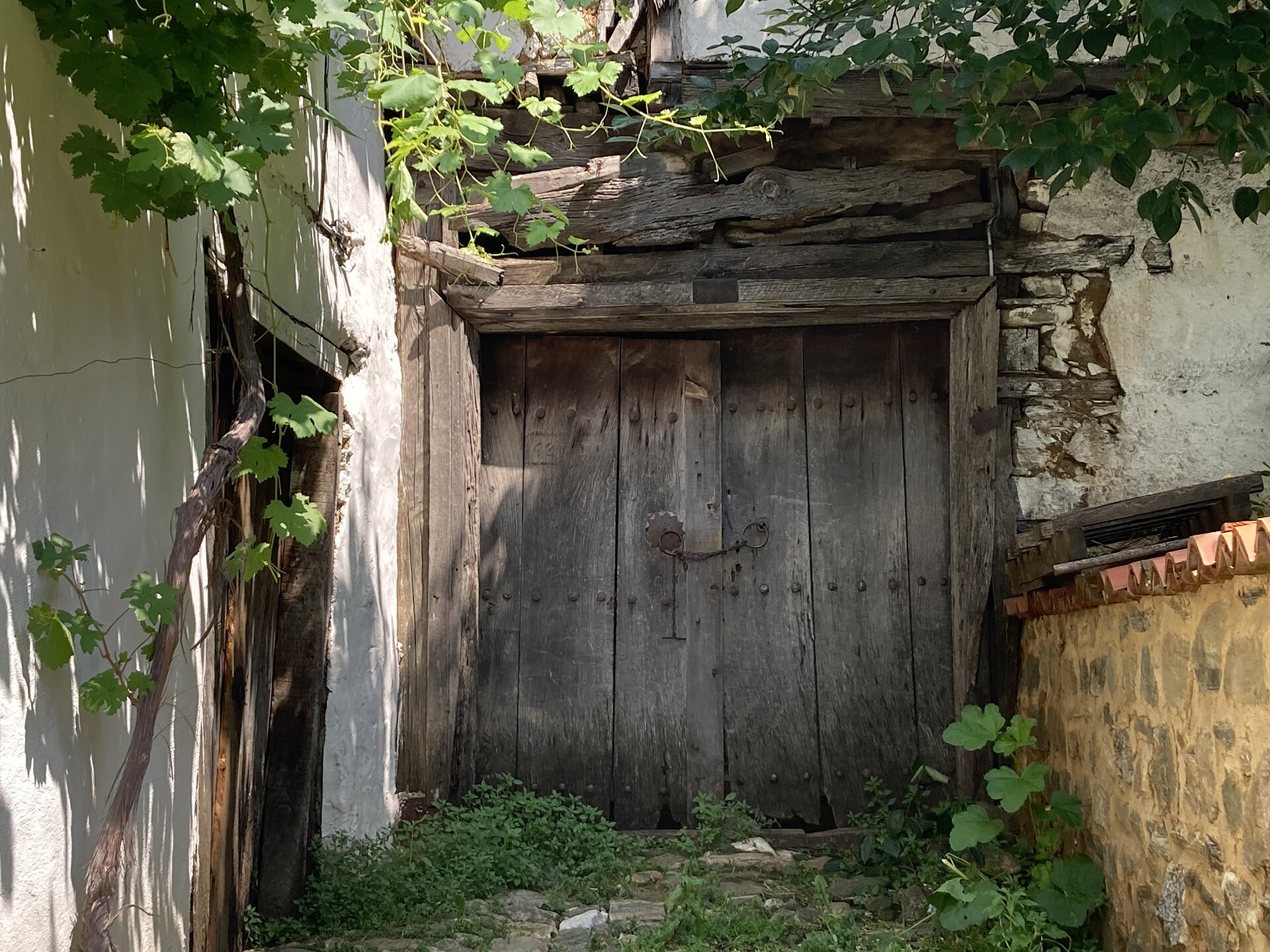
The village itself is the sight. Houses are typically two or three storeys high, with upper levels overhanging the streets. Frames are timber, mostly chestnut and oak, with gaps filled by brick or left bare. Large stones line the street centres and smaller stones sit near the houses to drain rainwater.
However, many houses are private homes, so look from the street and do not enter.
Look for these features.
- The village square and the mosque of 1396.
- Overhanging timber upper floors.
- The hayat, a small courtyard once used for the toilet, stables and storage.
- Ground floors without windows, a design linked to privacy.
- Stone-paved streets as narrow as 60 cm in places.
The table gives an at-a-glance view.
| Feature | What it shows |
|---|---|
| Timber frames | Local chestnut and oak used in construction |
| Low middle floors | Designed for winter warmth |
| High upper floors | Designed for summer comfort |
| Hayat courtyard | Household work space |
| Stone drainage | Natural rainwater system in the street |
How do you get to Cumalıkızık?
Cumalıkızık lies about 10 km east of Bursa city centre and belongs to Yıldırım district. Reaching it from Bursa takes a short local ride. Check current bus and dolmuş lines at Bursa’s transport pages, because routes and numbers change.
From Istanbul, the usual route is road to Bursa or ferry to Mudanya or Güzelyalı and then a bus onward. As a result, most visitors plan a full day.
The table lists common options.
| From | Option | Typical duration |
|---|---|---|
| Bursa centre | Local bus, dolmuş, taxi or private transfer | Short ride; check current timetable |
| Istanbul | Ferry to Mudanya or Güzelyalı, then bus to Bursa | About 2 hours by sea; total about 3 hours to Bursa per Wikivoyage |
| Istanbul airports | BBBus to Bursa bus terminal, then local transport | Check current timetable |
| Uludağ | Return to Bursa by gondola or road, then continue | Plan half a day |
When is the best time to visit Cumalıkızık?
Visit on a weekday and in the morning to avoid the crowds. Wikipedia reports up to 50,000 visitors a week in the peak season, mostly on Saturday and Sunday. Spring and autumn offer milder walking weather than midsummer.
In contrast, winter is quieter but can be wet and chilly in Bursa.
The table compares seasons.
| Season | Weather | Crowds | Notes |
|---|---|---|---|
| Spring | Mild, some rain | Rising at weekends | Pleasant for walking |
| Summer | Warm to hot | High on weekends | Go early |
| Autumn | Mild | Moderate | Good light for photography |
| Winter | Cool and wet | Low | Bring waterproofs; streets can be slippery |
How long should you stay?
Allow one to two hours for the village alone. Most visitors combine it with Bursa‘s Grand Mosque, Koza Han and the Green Tomb, or with Uludağ.
Therefore, plan the day around travel time rather than around the village.
The table proposes three plans.
| Plan | What to do |
|---|---|
| Half day | Walk the village, have a drink, return to Bursa |
| 1 day | Cumalıkızık in the morning, then Bursa centre sights |
| 2-3 days | Add Uludağ, İznik and Mudanya |
What practical tips apply in Cumalıkızık?
Wear flat, grippy shoes for the stone streets. No motor vehicles are allowed, so you walk in from the entrance. Respect residents: Wikipedia notes problems such as litter, vandalism and visitors entering private spaces.
Opening times of shops and any visitor facilities change, so check official or municipal pages.
Follow these courtesies.
- Do not climb on, write on or damage buildings.
- Ask before photographing people or entering courtyards.
- Take litter with you.
- Avoid peak weekend hours when possible.
- Streets are narrow and uneven, so accessibility for wheelchairs is limited.
Where should you stay and eat?
Most visitors stay in Bursa and visit for the day. In the village, small cafes and shops serve tea and snacks. In Bursa, the Heykel and Setbaşı areas offer many restaurants and hotels.
Bursa is also known for local dishes, so a meal in the city completes the trip.
Neighbourhood options include:
- Bursa centre for hotels and city food.
- Yıldırım district for access to the village.
- Uludağ for a mountain stay.
What is near Cumalıkızık?
Bursa‘s main monuments are a short ride away. Uludağ rises directly behind the village. Moreover, İznik and Mudanya give a coastal and lake contrast.
Use the related pages to extend the trip.
Nearby places include:
- Grand Mosque of Bursa.
- Koza Han, the silk caravanserai.
- Green Tomb.
- Uludağ National Park.
- İznik, about 80 km by road from Bursa.
Plan this with TurkGT
TurkGT is an Istanbul-based travel company. We can arrange guided tours, private transfers, a local guide or an interpreter for a trip to Cumalıkızık. Tell us your dates, group size and interests, and we will suggest a realistic itinerary. Everything is confirmed with you by WhatsApp before you travel. Related Istanbul departures include Bursa and Uludag Day Trip With Cable Car From Istanbul and the 5-Day Istanbul and Bursa Package with Hotel and Guide.
Frequently asked questions
Where is Cumalıkızık?
It is a neighbourhood of Yıldırım district in Bursa, about 10 km east of the city at the foot of Mount Uludağ.
Is Cumalıkızık a UNESCO World Heritage Site?
Yes. It is a component of Bursa and Cumalıkızık: the Birth of the Ottoman Empire, inscribed in 2014.
What do the UNESCO criteria say?
The inscription cites criteria (i), (ii), (iv) and (vi).
What does Cumalıkızık mean?
Cuma means Friday and kızık refers to the Oghuz tribe that founded the village.
Can cars enter the village?
No. Motor vehicles are not allowed, and some streets are only 60 cm wide.
How many historic houses survive?
Wikipedia counts 270 protected buildings, of which 180 are still used as homes.
When is the village least crowded?
Weekday mornings are quieter, since most visitors come on Saturday or Sunday.
Can you enter the mosque?
The 1396 mosque is not used for daily prayer because of structural concerns, so check locally for access.
Related on TurkGT
Sources
- Cumalıkızık – Wikipedia
- Cumalıkızık Köyü – Kültür Portalı
- Go Türkiye: Bursa – Smell
- Bursa and Cumalıkızık: the Birth of the Ottoman Empire – UNESCO World Heritage Centre
- Bursa – Wikivoyage
Last reviewed: 2026-11-18. Opening hours, ticket prices and other changeable details are not listed because they change; check the official source before you travel.