
Sardis and the Lydian Tumuli of Bin Tepe is a UNESCO World Heritage Site in Manisa province, western Türkiye, inscribed in 2025. Sardis was the capital of the Lydians, who invented coinage, and Bin Tepe is their royal burial ground north of the city. Visitors see Roman bath-gymnasium ruins, a synagogue and giant burial mounds.
Key facts
- Location: Sart village near Salihli, Manisa province, Aegean Türkiye
- Distance: About 72 km from İzmir and 62 km east of Manisa
- UNESCO status: World Heritage Site since 2025, criterion (iii), UNESCO reference 1731
- Components: Two: the city of Sardis and the Bin Tepe tumuli
- Bin Tepe: More than 119 tumuli, 7-17 km north of the Sardis citadel
- Protected area: 9,244 ha, buffer zone 6,835 ha
- Era: Lydian rise in the 8th-6th centuries BCE, then Persian, Hellenistic, Roman and Byzantine
- Best season: Spring and autumn
- Typical visit time: Half a day for Sardis; one day with Bin Tepe
- Entrance: See official page (Ministry of Culture and Tourism) for current fees and hours
What is Sardis and why visit?
Sardis was the capital of the Lydian kingdom, an Iron Age power in western Anatolia. UNESCO describes it as one of the pre-eminent Iron Age cities of the ancient world. You visit to see a layered ancient city, a Roman gymnasium and synagogue, and the huge tumuli of Bin Tepe nearby.
The Lydians are famous for coinage, wealth in gold and King Croesus. UNESCO says they invented coinage, and their downfall under Croesus has been reflected in literature since ancient times. As a result, Sardis ties together economic history, Greek and Persian history, and early Christian and Jewish history.
The site also fits a western Türkiye route. It lies near the Ankara to İzmir highway, so you can combine it with İzmir, Manisa, Pergamon or Ephesus. However, Sardis is a quieter, less crowded stop than those better-known sites.
Visitors usually come for these reasons.
- Walk through Roman bath-gymnasium ruins and Byzantine shops.
- See the ancient synagogue, used from the 4th to the 6th century.
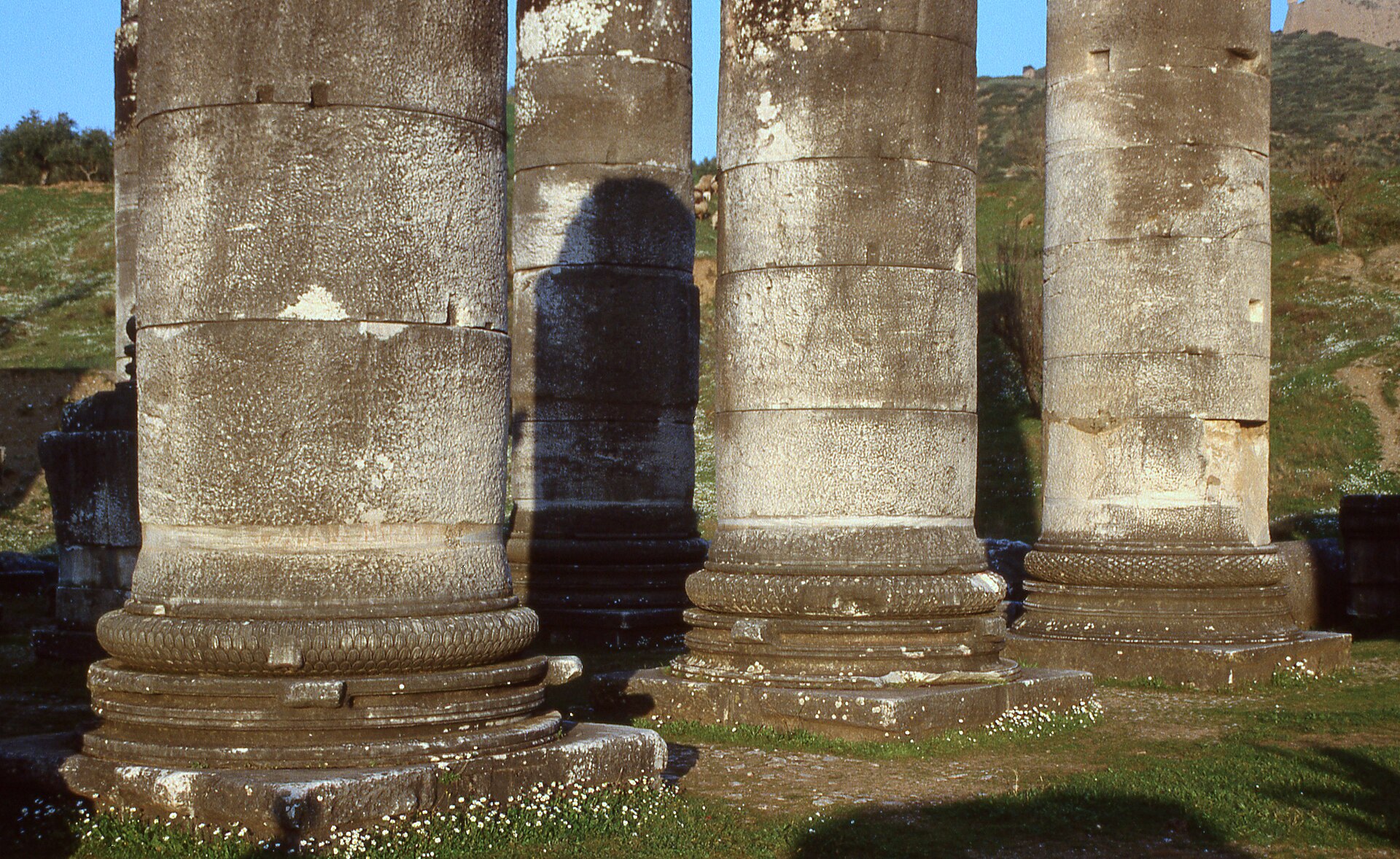
- Look at the remains of the massive Temple of Artemis.
- Climb or view the Lydian tumuli at Bin Tepe.
- Learn where coinage began.
What is the history of Sardis and Bin Tepe?
Sardis was occupied for at least 3500 years. It became the Lydian capital in the 7th century BC, fell to Cyrus the Great around 547 BC, and later passed through Persian, Hellenistic, Roman and Byzantine rule. It declined from the 600s and was reduced to hamlets by the 1700s.
In the Lydian period the city covered 108 hectares and was protected by walls twenty metres thick. The acropolis was terraced with white ashlar masonry. Moreover, UNESCO says the Lydians developed a distinctive system of monumental terraces unlike the urban planning of Greeks or Egyptians.
After the Persian conquest, Sardis served as satrapy capital and the end station of the Royal Road. Alexander the Great restored earlier Lydian customs and laws. In the Hellenistic period the city took on a Greek character, and Jews settled there and built the synagogue.
Rome took the city in 129 BC. After the earthquake of AD 17 it received ten million sesterces to recover. Sardis also had an early Christian community and is one of the seven churches of Asia. Later, Timur captured and probably destroyed the city in 1402.
The table below gives a timeline of the main periods.
| Period | Dates | What happened |
|---|---|---|
| Lydian | 7th century BC to 547 BC | Sardis becomes capital; Lydians invent coinage; Bin Tepe tumuli begin around 600 BC |
| Persian | 547 BC to Alexander | Cyrus conquers Sardis; it becomes satrapy capital and Royal Road terminus |
| Hellenistic | From Alexander | Greek language and buildings spread; Temple of Artemis; Jewish community settles |
| Roman | From 129 BC | Province of Asia; earthquake of AD 17 and imperial aid; gymnasium era |
| Byzantine and later | To 1402 | Early church; decline from the 600s; Timur in 1402 |
What is there to see at Sardis and Bin Tepe?
The main sights at Sardis are the bath-gymnasium complex, the synagogue, Byzantine shops and the Temple of Artemis. At Bin Tepe, the main sight is the Tumulus of Alyattes, 63 m high and 330 m across. Allow time for both components.
The bath-gymnasium complex and the synagogue were excavated and restored by the Archaeological Exploration of Sardis from 1958. The synagogue was in use from the 4th to the 6th century. The Temple of Artemis remains visible to modern visitors.
Bin Tepe lies 7-17 km north of the citadel on the southern shore of Lake Marmara. The Tumulus of Alyattes is generally accepted as the tomb of King Alyattes, who died in 560 BC. The tumuli have been thoroughly looted since ancient times, so few grave goods survive.
These are the highlights, in rough visiting order.
- Bath-gymnasium complex, excavated and restored.
- Synagogue with inscriptions, in use from the 4th to the 6th century.
- Byzantine shops along the road.
- Temple of Artemis.
- The citadel setting in the Hermus valley.
- Tumulus of Alyattes at Bin Tepe and the nearby smaller tumuli.
The table below shows the main sights at a glance.
| Sight | Period | What you see |
|---|---|---|
| Bath-gymnasium complex | Roman | Major excavated and restored complex |
| Synagogue | Roman and Byzantine, 4th-6th century | Assembly hall adorned with inscriptions |
| Byzantine shops | Byzantine | Row of shops by the main street |
| Temple of Artemis | Hellenistic and Roman | Massive temple remains |
| Tumulus of Alyattes | Lydian, about 560 BC | Largest tumulus, 63 m high, 330 m base |
| Bin Tepe field | Lydian and Persian | Over 100 mounds in a ridge landscape |
How do you get to Sardis and get around?
Sardis is about 72 km from İzmir and 62 km east of Manisa, near Salihli. A car or private transfer is the simplest way to visit. Public transport links the towns, but Wikivoyage notes that the site has little accommodation or other visitor amenities.
The regional train between İzmir, Manisa and Salihli was suspended in 2022, so check the current timetable. From Istanbul, travellers usually fly to İzmir and continue by road. Check the current timetable for flights and buses.
Bin Tepe lies 7-17 km north of the citadel, so it is a separate drive. Therefore plan a vehicle for both components, and carry water.
The table below lists typical ways to reach the site; check current timetables.
| From | Mode | Distance or time (typical) |
|---|---|---|
| İzmir | Car or private transfer | About 72 km by road |
| Manisa | Car or bus | About 62 km east |
| Salihli | Taxi or local transport | Short drive to Sart village |
| Istanbul | Flight to İzmir then road | Check current timetable |
| Ankara | Road via İzmir highway | Long drive; check route and time |
When is the best time to visit?
Spring and autumn are the most comfortable times. Aegean summers are hot, and the ruins offer little shade. Winters are mild but can be wet, and ground at Bin Tepe may be muddy. Morning visits work well at any time of year.
The site is described as open year-round, but hours and fees can change, so check the official page of the Ministry of Culture and Tourism.
The table below compares the seasons for a visit.
| Season | Weather | Crowds | Notes |
|---|---|---|---|
| Spring (April-June) | Mild, green fields | Low to moderate | Best light for photography |
| Summer (July-August) | Hot, dry | Low | Go early; bring water and a hat |
| Autumn (September-November) | Warm, then cooler | Low | Good for walking Bin Tepe |
| Winter (December-March) | Cool, some rain | Very low | Check weather and paths |
How long should you stay?
Allow half a day for Sardis alone and one full day for Sardis and Bin Tepe. If you combine the site with İzmir, Manisa or other western Türkiye sites, plan two to three days in total. Start early to avoid the midday heat, and check the current timetable for any buses.
The table below suggests three plans.
| Plan | Duration | What to do | Best for |
|---|---|---|---|
| Half day | 3-4 hours | Sardis city: gymnasium, synagogue, temple | Travellers short of time |
| One day | 6-8 hours | Sardis plus Bin Tepe and the Tumulus of Alyattes | Heritage visitors |
| 2-3 days | Two nights | Sardis, Manisa, İzmir and Pergamon or Ephesus | Aegean touring route |
What practical tips should you know before visiting?
Wear sturdy shoes and sun protection, because the ruins are open-air, with uneven ground and little shade. Check the official page of the Ministry of Culture and Tourism for current fees, tickets and opening hours before you go, as these details can change.
UNESCO notes that authenticity at the site has been reduced by some reconstructions at Sardis and by looting at Bin Tepe. Do not climb on fragile walls, do not remove stones and respect the rope barriers. Moreover, stay on marked paths at Bin Tepe.
Accessibility is limited because most surfaces are uneven. Photography is usually fine outdoors, but ask before using a drone. Visitor management actions are planned under the site management plan, so facilities may change.
Keep these points in mind on the day.
- Bring water, a hat and sunscreen.
- Wear closed shoes for uneven stones.
- Carry cash or card for fees; check the official page for current prices.
- Download offline maps for Bin Tepe roads.
- Respect barriers and do not remove stones or pottery.
- Ask before flying a drone.
Where should you stay and eat?
Stay in İzmir or Manisa and visit Sardis as a day trip. Wikivoyage notes that Sardis has little accommodation or other visitor amenities, so plan meals and water in advance. Salihli is the nearest town to the ruins and has everyday services.
In the area, look for Aegean meze, grilled meats and local dried fruit. Manisa has many old mosques. In İzmir, the Alsancak and Kemeraltı districts offer the widest choice of hotels and restaurants.
These bases suit different travellers.
- İzmir (Alsancak or Konak): city hotels and dining.
- Manisa city: quieter, closer to Sardis.
- Salihli: the nearest town to the ruins.
- Kula-Salihli geopark area for nature visits.
What are the nearby places and day trips?
From Sardis you can reach Manisa, İzmir, Pergamon, Ephesus and Pamukkale on a longer Aegean route. Manisa is 62 km west of the site, and İzmir is about 72 km away. Together these places form a classic Aegean heritage itinerary.
The area also lies near the Kula-Salihli UNESCO Global Geopark, which UNESCO lists among its protections for the property. As a result, Sardis combines well with a volcanic landscape day.
Consider these related TurkGT pages.
- Manisa and İzmir provincial guides.
- Pergamon (WHS-013) for another Aegean World Heritage Site.
- Ephesus (WHS-015) for Roman Ionia.
- Hierapolis-Pamukkale (WHS-006) for travertines.
- Aphrodisias (WHS-017) for Roman sculpture.
Plan this with TurkGT
TurkGT is based in Istanbul and can arrange guided trips, private transfers, a licensed guide or an interpreter for a visit to Sardis and Bin Tepe. Message us on WhatsApp with your dates and group size, and we confirm the plan with you by WhatsApp before you travel.
Frequently asked questions
What is Sardis?
Sardis was the capital and only city of the Lydians, one of the pre-eminent Iron Age cities of the ancient world, in western Türkiye.
What is Bin Tepe?
Bin Tepe is a necropolis north of Sardis with more than 119 tumuli according to UNESCO, including three among the largest tumulus tombs in the world.
When did Sardis become a World Heritage Site?
UNESCO inscribed Sardis and the Lydian Tumuli of Bin Tepe in 2025 under criterion (iii).
What did the Lydians invent?
According to UNESCO, the Lydians invented coinage, which their neighbours quickly adopted.
How far is Sardis from İzmir?
About 72 km by road. Sardis is 62 km east of Manisa, near the town of Salihli.
Can I visit Sardis and Bin Tepe in one day?
Yes, with a car or private transfer. Allow half a day for Sardis and more time for Bin Tepe, and start early.
Is there an entrance fee?
Fees and opening hours change, so check the official page of the Ministry of Culture and Tourism.
Does Sardis have early Christian links?
Yes. Sardis had an early Christian community and is one of the seven churches of Asia.
Sources
- UNESCO World Heritage Centre: Sardis and the Lydian Tumuli of Bin Tepe
- Wikipedia: Sardis
- Wikipedia: Bin Tepe
- Wikipedia: Lydia
- Wikivoyage: Manisa
- Bin Tepeler – Kültür Portalı
Last reviewed: 2026-11-17. Opening hours, ticket prices and other changeable details are not listed because they change; check the official source before you travel.