
Çanakkale city holds the Naval Museum, Çimenlik Castle and the Nusret minelayer replica. Across the strait, the Gallipoli Peninsula has memorials and Commonwealth War Graves Commission cemeteries such as Lone Pine and Twelve Tree Copse. Together they tell the 1915 story from both sides.
Key facts
- City museum: Çanakkale Naval Museum, Çimenlik Castle area
- Theme: 1915 Dardanelles naval campaign
- Twin fortresses: Çimenlik (1462) and Kilitbahir (1463)
- Turkish memorial: Çanakkale Martyrs’ Memorial, Morto Bay
- CWGC sites: Helles Memorial, Lancashire Landing, Lone Pine and more
- Entry: Memorials free; museums check official page
- Access: Ferry to Eceabat for the peninsula
Which museums and cemeteries should you visit first?
Start with the Çanakkale Naval Museum and Çimenlik Castle in the city, then cross by ferry to the peninsula. There, visit the Martyrs’ Memorial and a few Commonwealth cemeteries. This order gives you the naval story first and the land campaign second.
However, you can reverse the order if you arrive late in the day. The city sites are walkable from the pier and suit an evening visit.
Museums and cemeteries are different kinds of visits. The Naval Museum offers indoor displays and an organised story. The cemeteries are quiet open-air spaces where the experience is personal. Combining the two gives a balanced picture of the 1915 campaign.
The Dardanelles are central to the story. The strait is only about 1.2 km wide at its narrowest section near Çanakkale, which explains why both sides built fortresses here. Standing at Çimenlik and then at Kilitbahir shows this geography clearly.
How did we choose these places?
We chose places from our registry of Çanakkale locations that have confirmed photos. We looked at official classification, location on the map and details published by official or encyclopedic sources. We do not accept payment for placement. Ratings and opening details change often, so check Google Maps or the place’s own page before you go.
We also grouped sites by location so that each day has a clear geography.
What are the best museums, forts and memorials?
The places below fall into three groups. The city group covers naval history. The Kilitbahir group covers the strait’s second fortress. The peninsula group covers memorials and cemeteries. Visit with respect, because many of these sites are graves.
Visitors often ask which cemetery to choose. Lone Pine is the best known in the Anzac sector, and Shrapnel Valley is the second largest there. Quinn’s Post sits on the ridge and gives a sense of how close the lines were. At Helles, Lancashire Landing and Twelve Tree Copse tell the story of the southern landings.
In contrast, the Çanakkale Martyrs’ Memorial speaks for the Turkish side. Its scale reflects the number of soldiers who fought. Visiting both kinds of sites gives a fuller understanding than either alone.
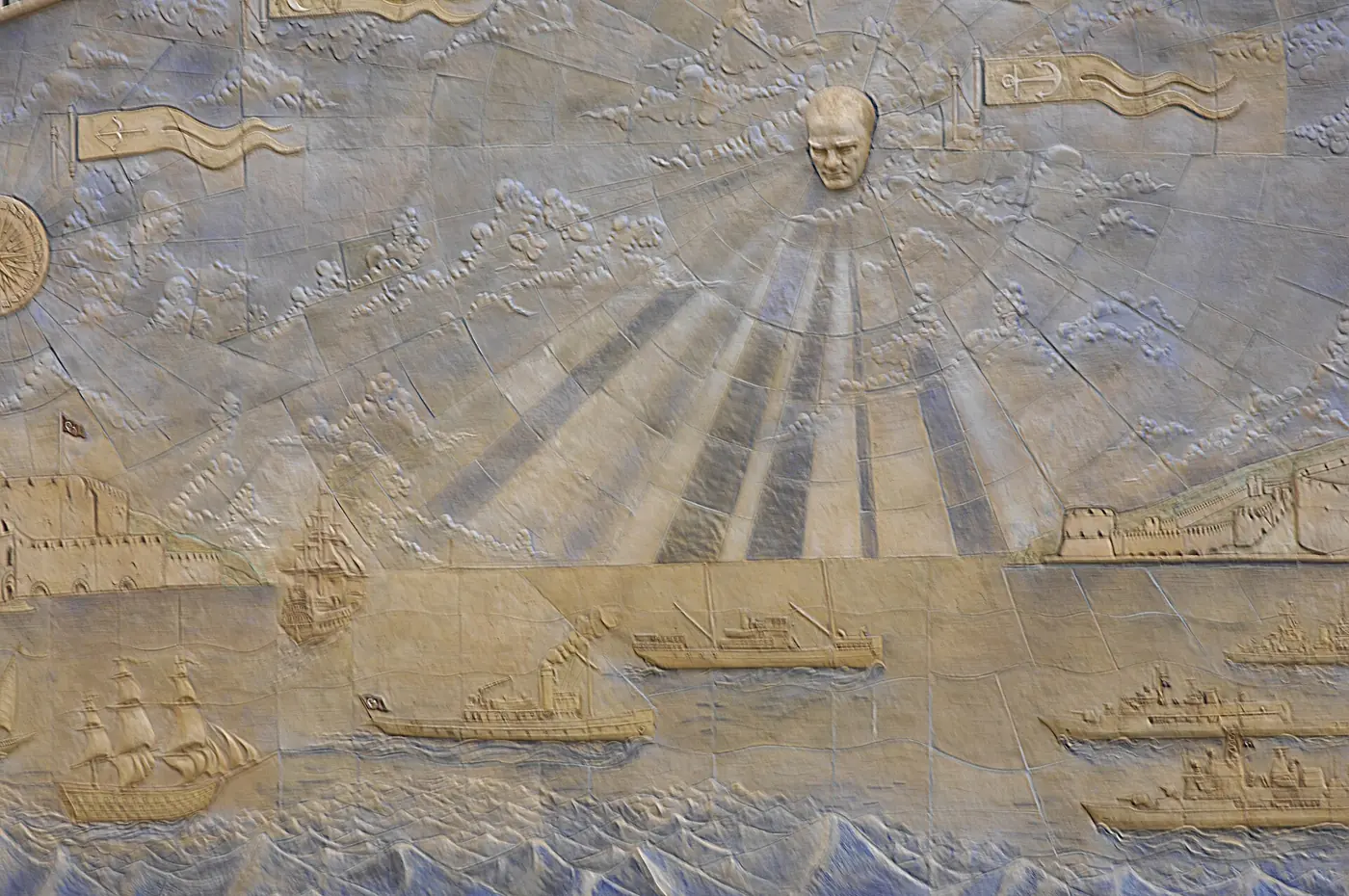
1 Çanakkale Deniz Müzesi
The museum sits inside Çimenlik Castle and presents the 1915 naval battle. It is a good first stop to understand the strait.
- Location: Çimenlik Castle area, Çanakkale
- Theme: 1915 Dardanelles naval campaign
Show map
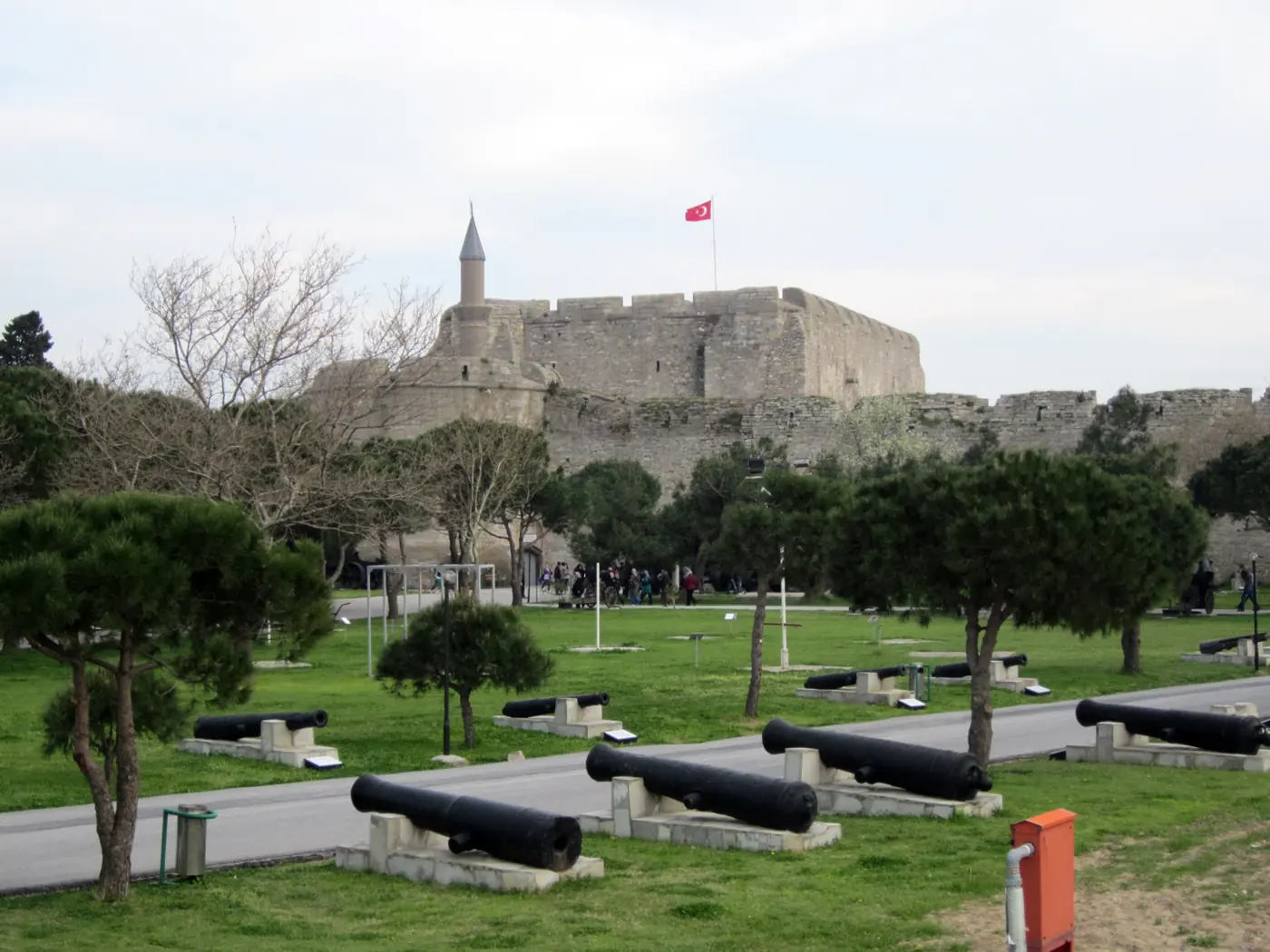
2 Çimenlik Kalesi
Mehmed II built this fortress in 1462 on the Asian shore. It is paired with Kilitbahir opposite and now holds the naval museum.
- Built: 1462, under Mehmed II
- Twin fortress: Kilitbahir, on the European shore
Show map
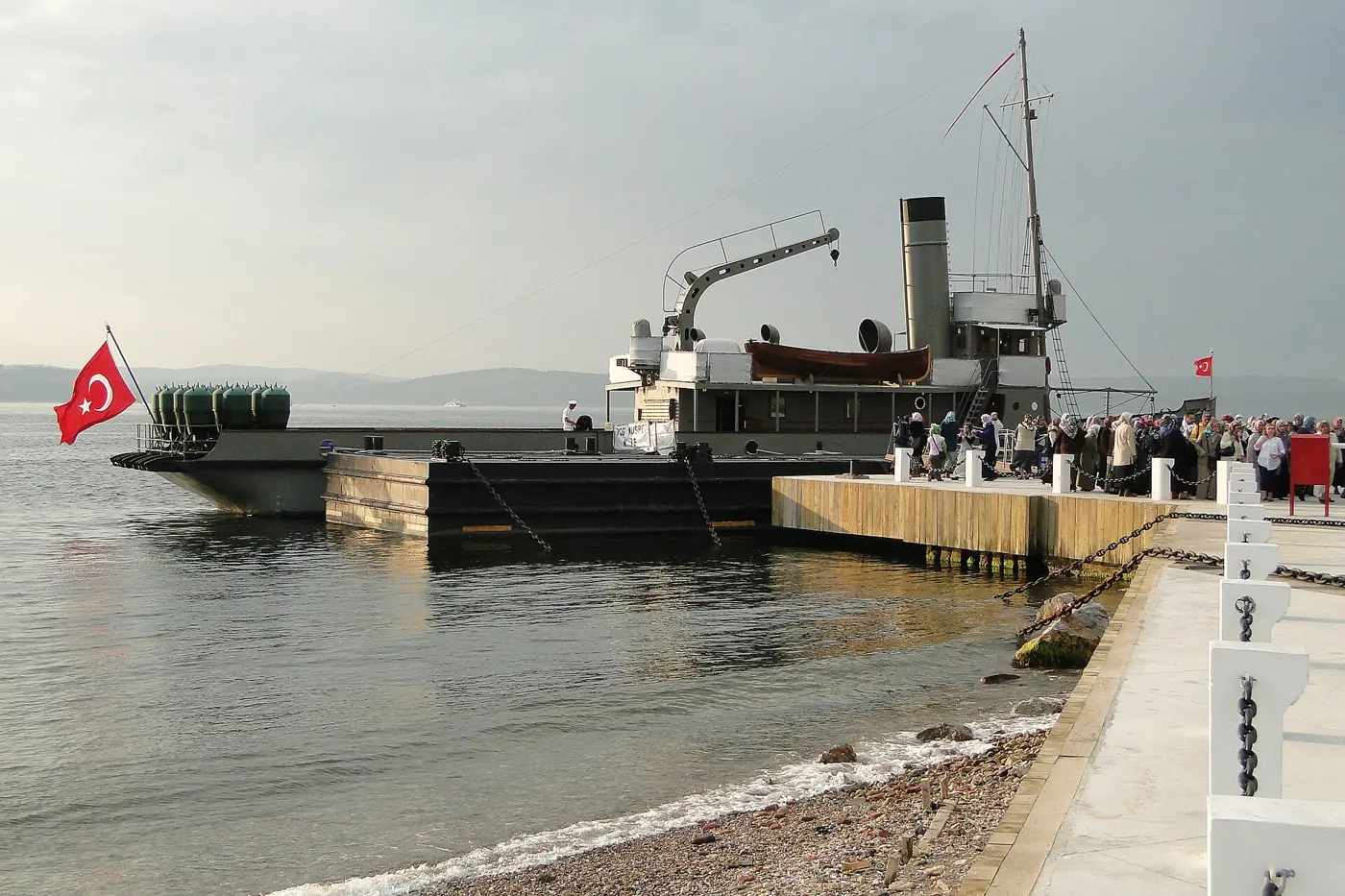
3 Nusret Mayin Gemisi
The replica of the Ottoman minelayer Nusret recalls the mines that sank allied ships on 18 March 1915. It stands at Çimenlik Castle.
- Original: Ottoman minelayer Nusret, 1915
- Location: Cimenlik Castle grounds
- Type: Replica ship
Show map
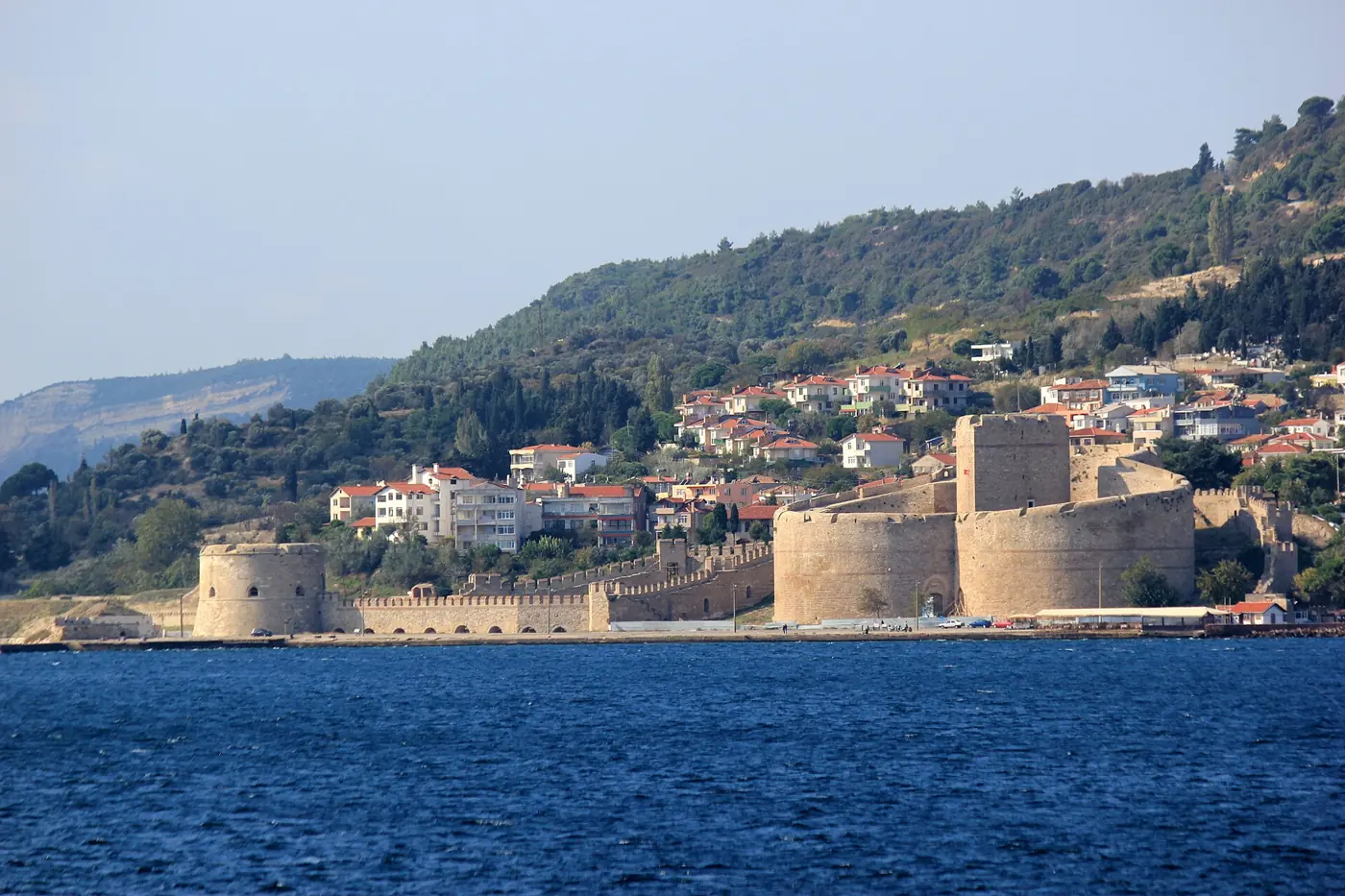
4 Kilitbahir Kalesi
Kilitbahir Castle is a clover-shaped fortress from 1463 on the Gallipoli side. It faces Çimenlik across the strait.
- Built: 1463, under Mehmed II
- Shape: Three-lobed (clover) plan
Show map
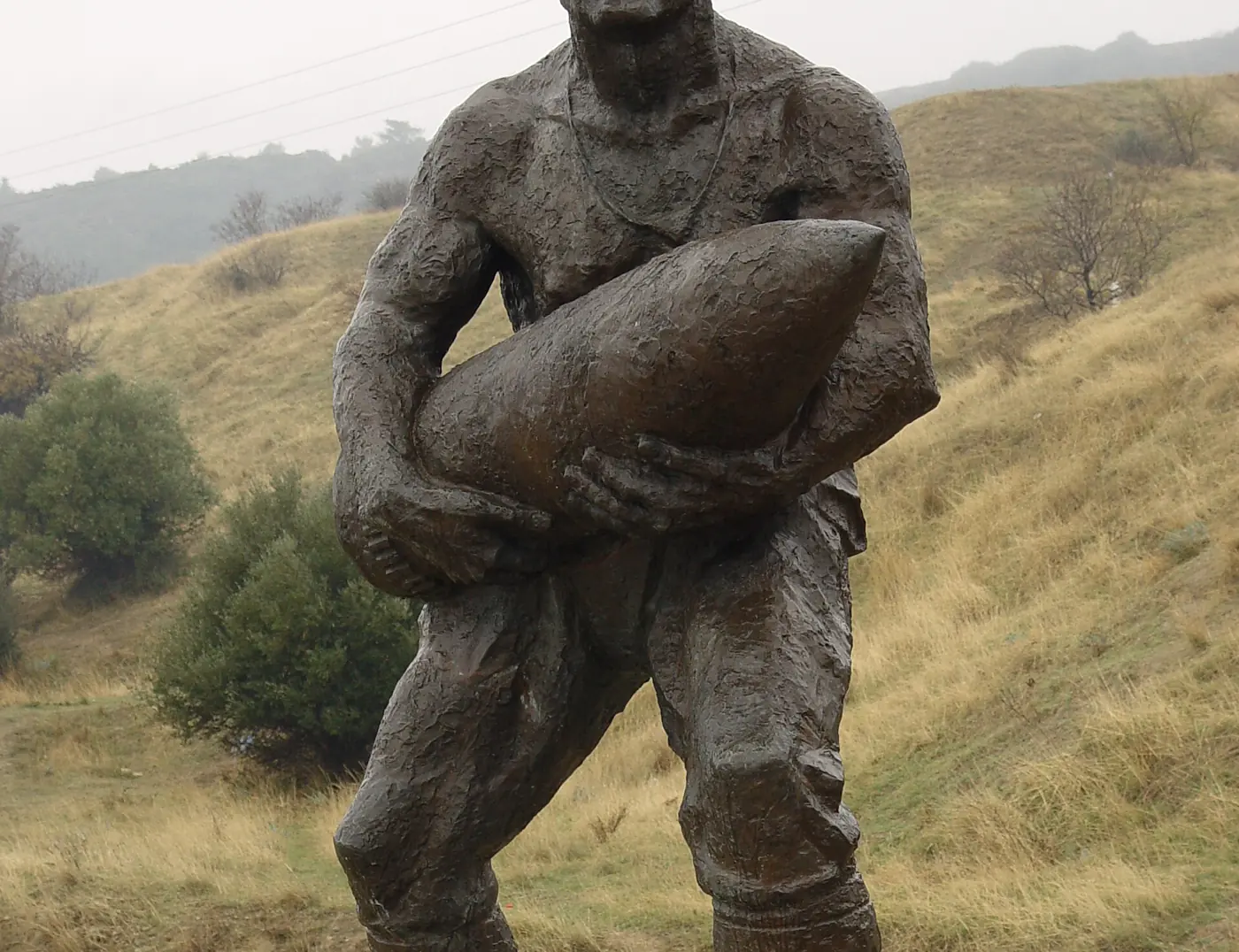
5 Seyit Onbasi Aniti
The 1992 statue near Kilitbahir Castle honours Corporal Seyit, remembered for carrying shells during the 1915 battle.
- Erected: 1992
- Location: Just south of Kilitbahir Castle
- Subject: Seyit Ali Cabuk (1889-1939)
Show map
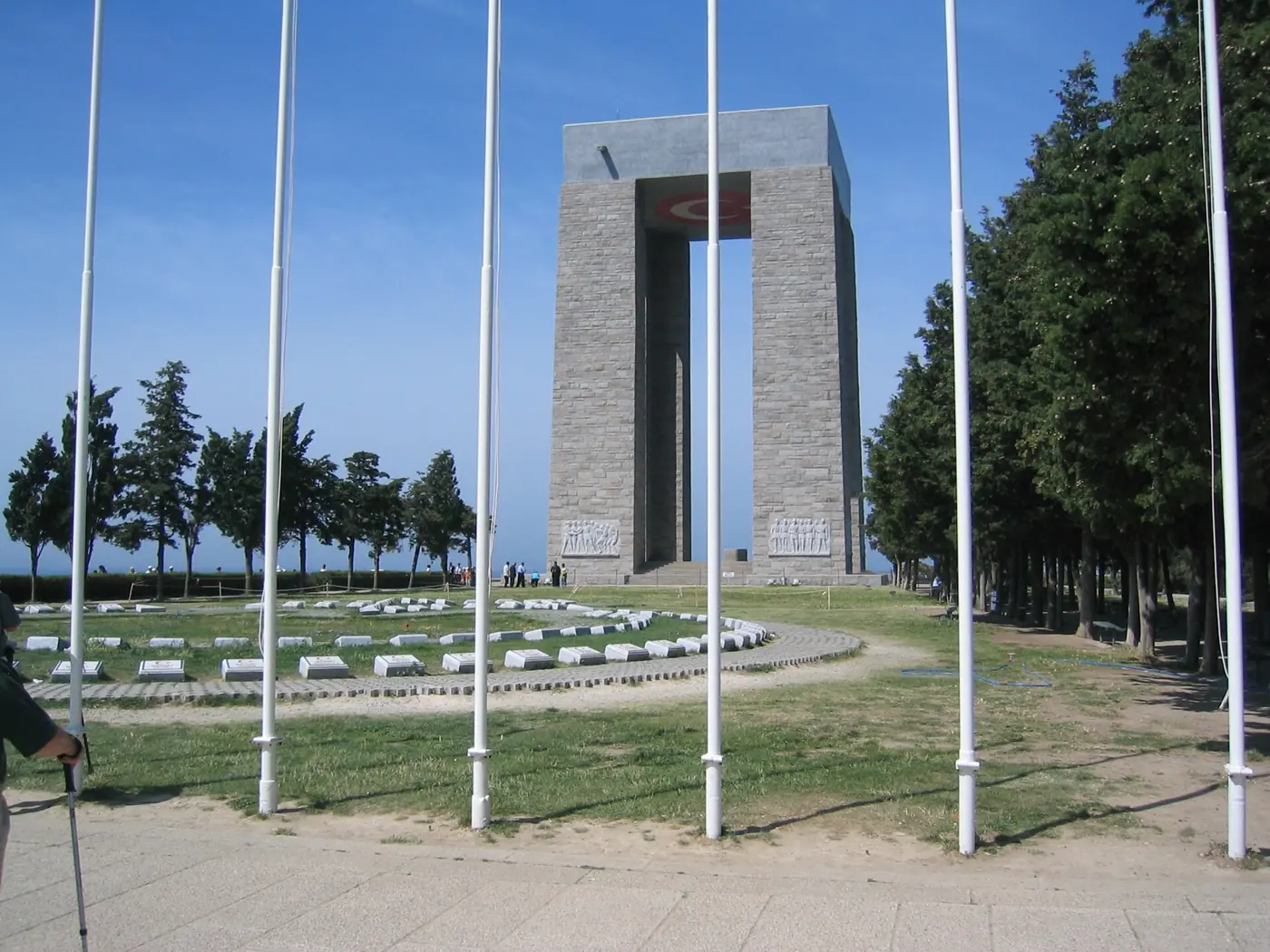
6 Canakkale Sehitleri Aniti
The large memorial at Morto Bay commemorates about 253,000 Turkish soldiers who fought at Gallipoli.
- Commemorates: About 253,000 Turkish soldiers
- Location: Southern tip of the Gallipoli peninsula
- Type: War memorial
Show map
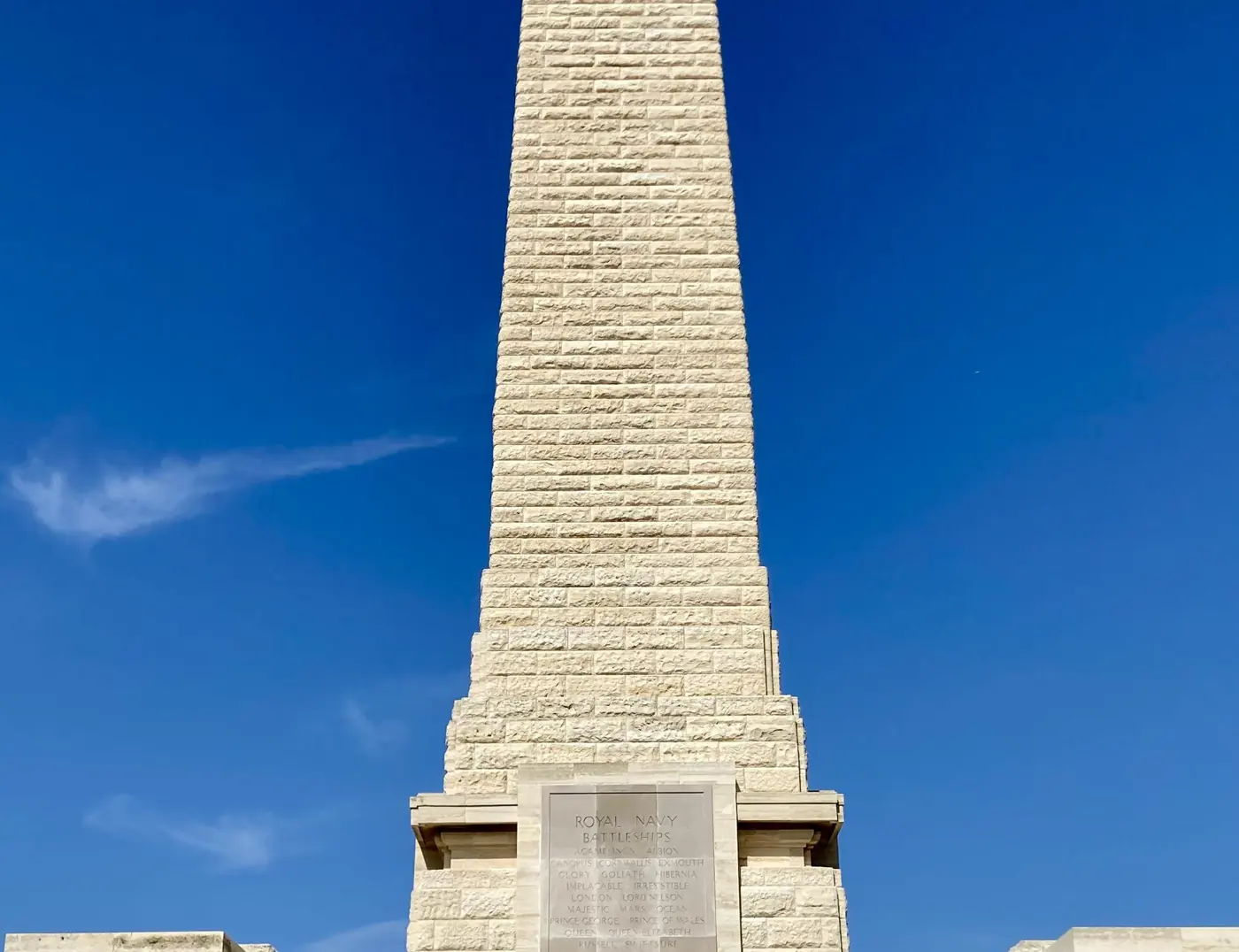
7 Helles Aniti
The Helles Memorial is a CWGC memorial near Sedd el Bahr that overlooks the Dardanelles.
- Operator: Commonwealth War Graves Commission
- Location: Near Sedd el Bahr, Cape Helles
Show map
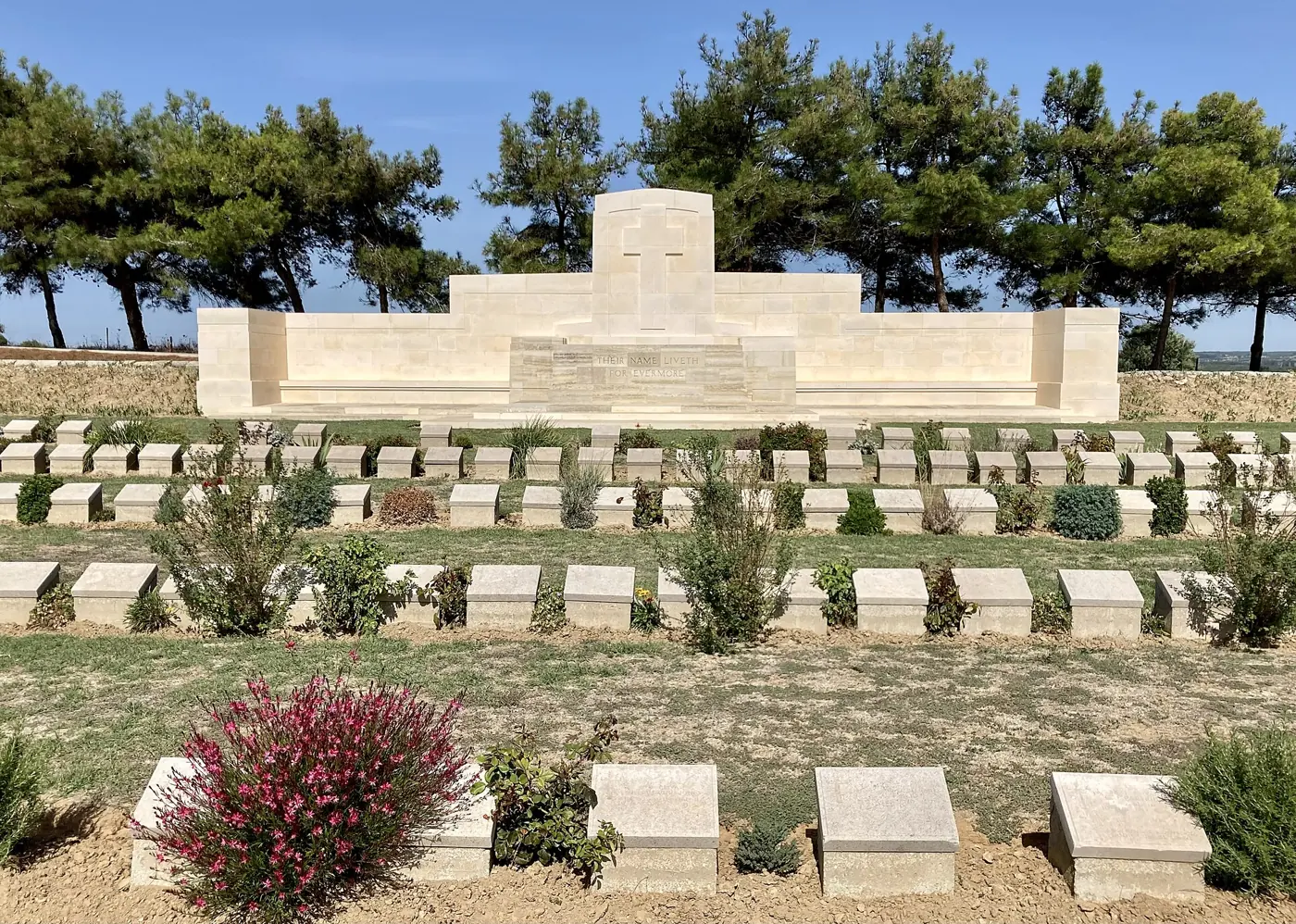
8 Lancashire Landing Mezarligi
This CWGC cemetery lies at W Beach near Cape Helles and holds graves from the 1915 landings.
- Operator: Commonwealth War Graves Commission
- Location: W Beach, Cape Helles
Show map
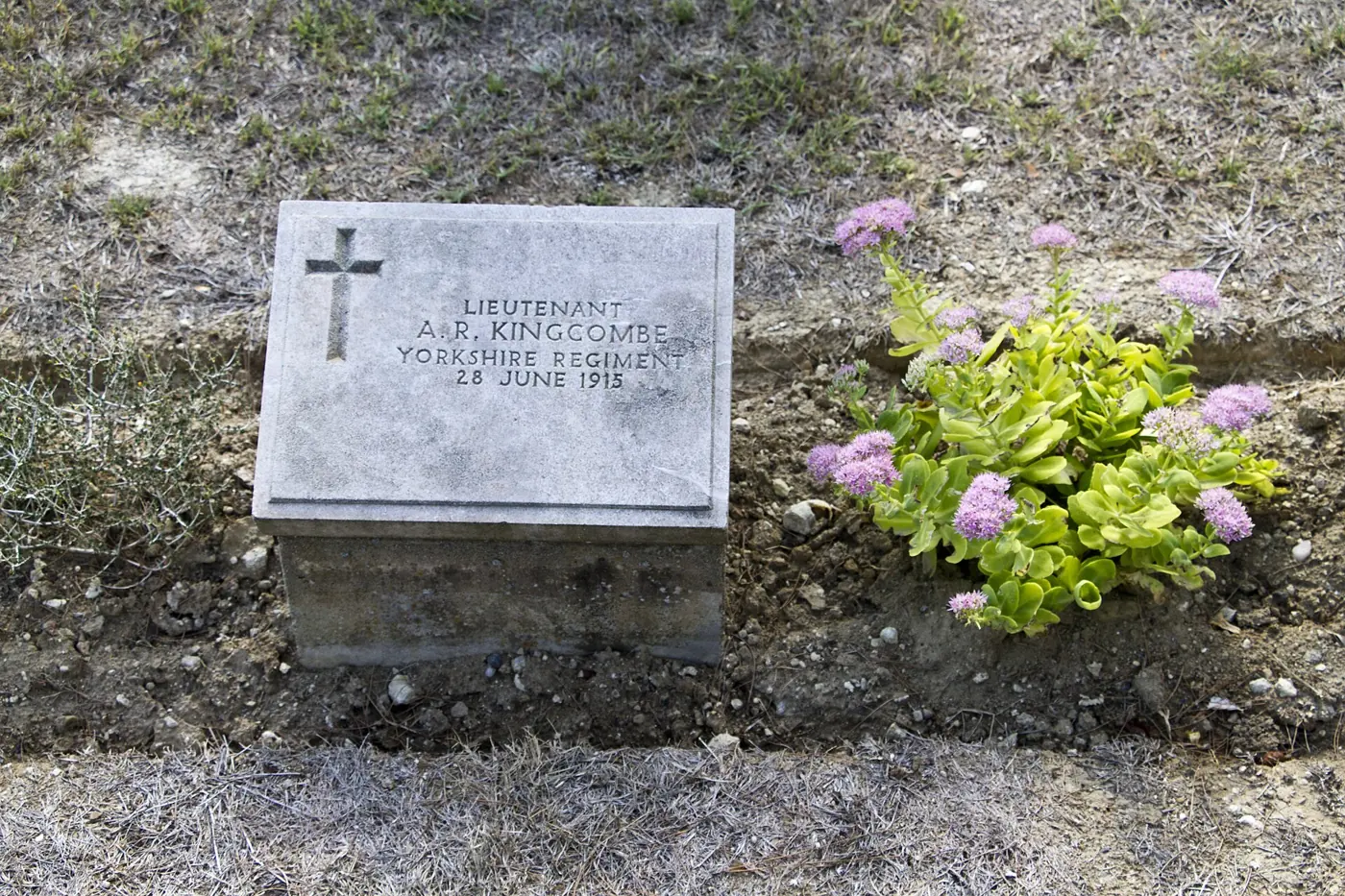
9 Twelve Tree Copse Mezarligi
Twelve Tree Copse Cemetery at Helles holds Allied troops who died during the Gallipoli campaign.
- Operator: Commonwealth War Graves Commission
- Location: About 1 km from the Helles coast
Show map
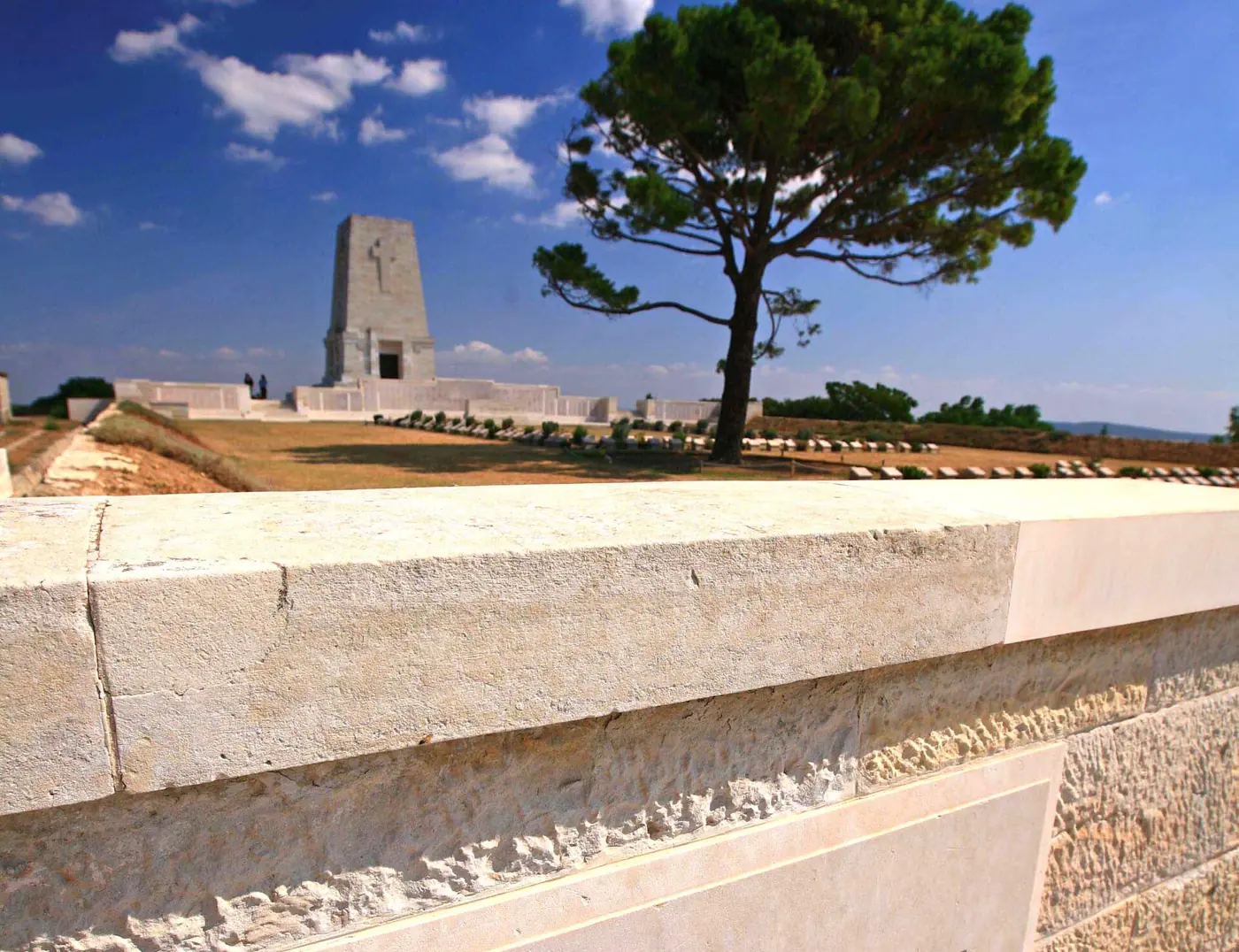
10 Lone Pine Mezarligi
Lone Pine, in the former Anzac sector, carries the memorial to Australian and New Zealand missing.
- Operator: Commonwealth War Graves Commission
- Sector: Former Anzac sector
Show map
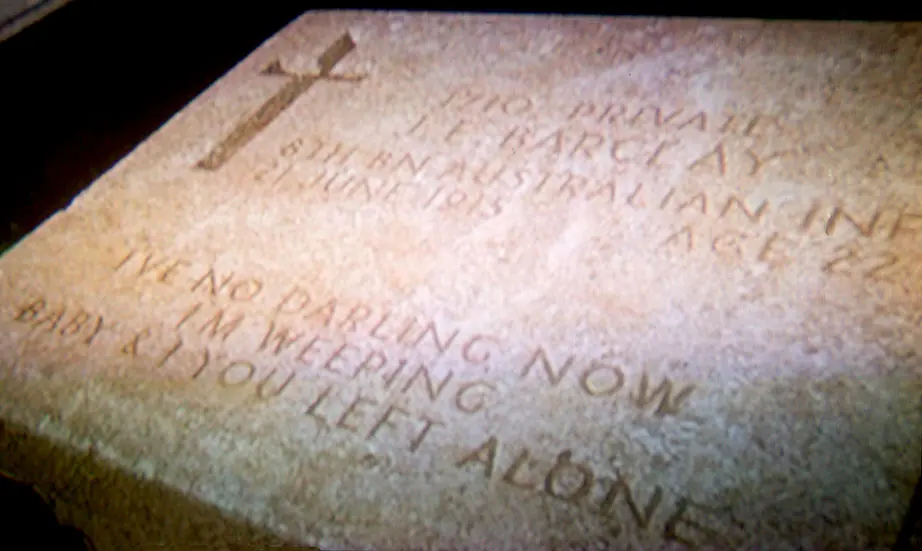
11 Shrapnel Valley Mezarligi
Shrapnel Valley is the second largest CWGC cemetery in the Anzac sector after Lone Pine.
- Operator: Commonwealth War Graves Commission
- Rank: Second largest in the Anzac sector
Show map
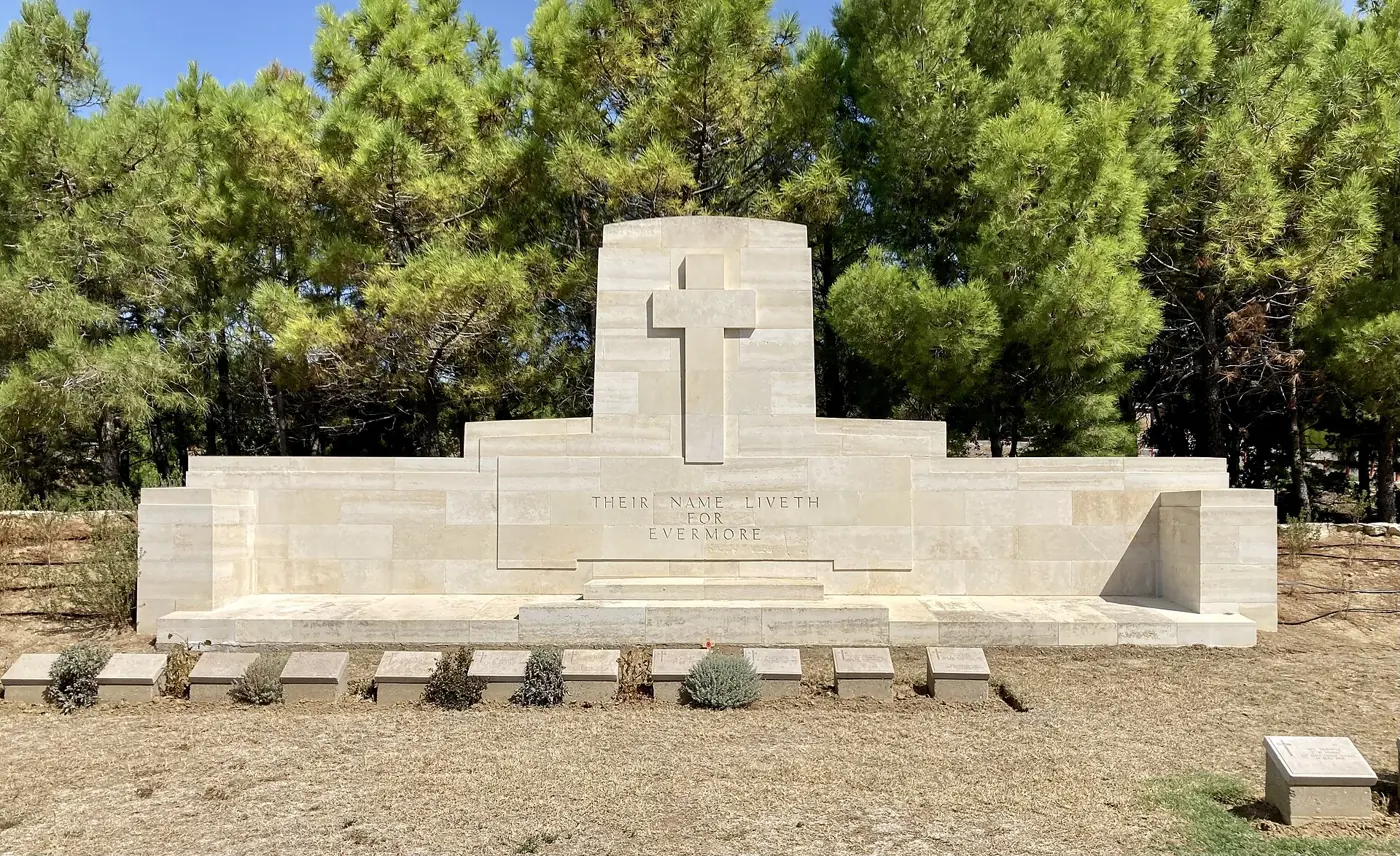
12 Quinn’s Post Mezarligi
Quinn’s Post Cemetery lies on the ridge in the Anzac sector and rewards a quiet stop.
- Operator: Commonwealth War Graves Commission
- Sector: Anzac
Show map
How do the sites compare?
Sites differ in theme and location. The table below groups them so you can build a day. It lists what each area covers, not opening hours, which you should check on official pages or Google Maps.
The structure of the day depends on how much time you have. With a few hours, choose the Naval Museum and one memorial. With a full day, add Kilitbahir and two cemeteries. With two days, spend one day in the city and at Kilitbahir, and a second day on the peninsula.
Use this table to group stops by area.
| Area | Sites | Theme | Entry note |
|---|---|---|---|
| Çanakkale city | Naval Museum, Çimenlik Castle, Nusret replica | Naval campaign of 1915 | Check museum page |
| Kilitbahir | Kilitbahir Castle, Corporal Seyit Statue | Fortress and gunner’s story | Statue is free |
| Cape Helles | Helles Memorial, Lancashire Landing, Twelve Tree Copse | Allied landings and graves | CWGC sites free |
| Anzac sector | Lone Pine, Shrapnel Valley, Quinn’s Post | Australian and New Zealand story | CWGC sites free |
| Morto Bay | Çanakkale Martyrs’ Memorial | Turkish soldiers’ memory | Free |
How do you get between them?
Çanakkale city sites are walkable from the waterfront. For the peninsula, take the ferry to Eceabat and continue by car. Memorials are spread over many kilometres, so a driver saves time. Therefore plan the peninsula as a separate half or full day.
Respectful behaviour is part of the visit. Many cemeteries are maintained by the Commonwealth War Graves Commission and welcome quiet visitors. Keep voices low, do not lean on headstones and take care with photography. Children should understand that these are places of remembrance.
Moreover, drones, loud music and picnics are inappropriate at memorial sites. If in doubt, follow the signs and the behaviour of other visitors.
Choose the transport that fits your day.
- City sites: walk along the Kordon from the ferry pier.
- Kilitbahir: short drive from Eceabat.
- Helles and Anzac: private car or guided tour.
- Ferry: check the current Çanakkale–Eceabat timetable.
This table lists typical ways to reach each group.
| Group | Best transport | Reason |
|---|---|---|
| City sites | On foot | Close to the waterfront |
| Kilitbahir | Car or taxi | Short drive from Eceabat |
| Helles cemeteries | Private car with driver | Spread over the southern tip |
| Anzac cemeteries | Private car or tour | Ridge roads and several stops |
What practical tips help?
Speak quietly at cemeteries, dress modestly and do not step on graves. Moreover, bring water and sun protection since the sites are mostly open-air. Check museum and castle hours before you travel, because they change by season.
Plan time at the ferry as well. The crossing is short, but queues build at busy times. Foot passengers usually move faster. If you travel with a driver, ask about the best crossing time, and allow a buffer before the last sailing back to Çanakkale.
Finally, combine remembrance with rest. After a cemetery visit, many travellers like a quiet meal or a walk along the Çanakkale Kordon. The waterfront, the ferry traffic and the view across the strait make a gentle end to a serious day. Check Google Maps for current opening details of cafes and restaurants nearby.
Remember these points.
- Do not touch or move items left at memorials.
- Photograph with respect; avoid posing on monuments.
- Combine a museum in the morning with the ferry after lunch.
- Use Google Maps for current opening details.
What does a sample day plan look like?
Start in Çanakkale with the Naval Museum, then take the ferry. Spend the afternoon at the Martyrs’ Memorial and a Helles cemetery. Return by the last convenient ferry. The table shows a simple plan.
This plan connects city and peninsula.
| Time block | Stop | Notes |
|---|---|---|
| Morning | Naval Museum, Çimenlik Castle, Nusret replica | Walkable |
| Midday | Ferry to Eceabat, lunch | Check timetable |
| Afternoon | Kilitbahir, Martyrs’ Memorial, Helles cemeteries | By car |
| Evening | Return to Çanakkale | Allow time |
Frequently asked questions
Where is the Çanakkale Naval Museum?
Inside the Çimenlik Castle area on the Çanakkale waterfront.
What is the Nusret replica?
A replica of the Ottoman minelayer whose mines sank allied ships on 18 March 1915. It stands at Çimenlik Castle.
Who is Corporal Seyit?
Seyit Ali Çabuk (1889-1939), remembered for carrying shells in the 1915 battle. A statue near Kilitbahir Castle honours him.
What does CWGC mean?
The Commonwealth War Graves Commission, which maintains cemeteries and memorials such as Lone Pine and Helles.
Are the cemeteries free to visit?
The open-air CWGC sites and memorials in this guide are listed as free. Check museum and castle pages for any fees.
Can I visit the peninsula without a car?
It is hard. Distances are large, so a private car with driver or a guided tour is the practical choice.
How much time do I need?
One day covers the city museum and the main peninsula memorials; two days are more relaxed.
Plan this with TurkGT
TurkGT can arrange a private car with driver and a licensed guide for museums, memorials and cemeteries in Çanakkale and Gallipoli, including the ferry. We can also book your hotel. Contact us by WhatsApp or the inquiry form.
Request a booking
Related guides
- Top Sights in Çanakkale: Troy, Gallipoli, Assos and Bozcaada
- Gallipoli Battlefield Sites: How to Visit From Çanakkale
- Ancient Troy: How to Visit the Site and Museum
- Top 10 Hotels in Çanakkale: Kordon, Spa and City Centre
- Top 10 Restaurants in Çanakkale: Fish, Kebab and Home Cooking
- Çanakkale, Bozcaada and Gökçeada Beaches: A Practical Guide
- Best Places to Shop in Çanakkale: Malls and Bazaars
Related destinations and attractions
Explore more city guides
Sources
Last reviewed: 2026-11-21.