
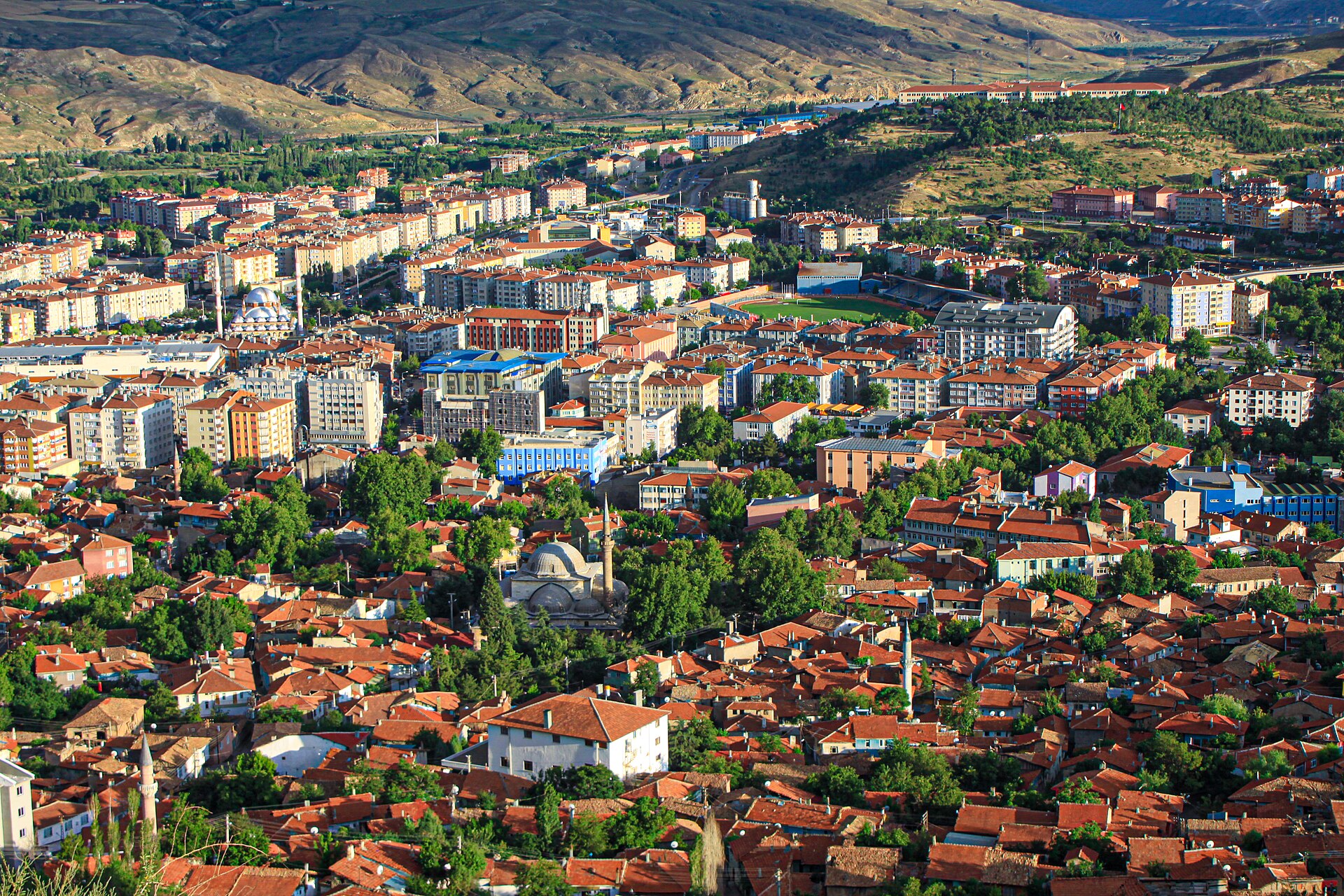
Çankırı is a province close to Ankara and the site of ancient Gangra. Visitors come for the Tuz Cave salt mine, the 1242 Taş Mosque, the hilltop castle, rock-cut tombs and the Ilgaz ski area. About 60 percent of the province is mountainous.
Key facts
- Location: North-central Türkiye, close to Ankara; Paphlagonia region
- Capital: Çankırı (ancient Gangra)
- From airports and cities: By road from Ankara; check current bus and flight timetables
- Districts: 12
- Terrain: About 60% mountainous; Ilgaz and Köroğlu ranges
- Main sights: Tuz Cave, Taş Mosque, Çankırı Castle, Çankırı Museum
- Best season: Spring and early autumn; winter for skiing
- Typical visit time: 1 to 2 days
- UNESCO status: None named by our sources in the province
- Entrance: See official page of each site
What is Çankırı and why visit?
Çankırı is a province in Türkiye close to Ankara, with the city of Çankırı as its capital. Visitors come for the Tuz Cave salt mine, the Seljuk Taş Mosque, an old castle with a tomb, rock-cut tombs and the Ilgaz ski area. Moreover, it is a short road trip from Ankara and a route towards Kastamonu.
About 60 percent of the province is mountainous, and agriculture drives the economy. The city kept its ancient name Gangra for centuries. Therefore Çankırı mixes ancient history, Seljuk and Ottoman buildings and mountain scenery in a quiet setting.
What is the history of Çankırı?
Çankırı lies in the ancient region of Paphlagonia, and its ancient name was Gangra. The Culture Portal says the oldest written source naming Gangra is the scholar Eratosthenes in the 3rd century BC. Later the Danishmends, Seljuks, Candaroğulları and Ottomans ruled the city in turn.
After the Seljuks formed their state, the commander Karatekin helped open the area to the Turks, and he is buried in the castle. The Danishmend period quickly Turkified the city. Furthermore, the Taş Mosque of 1242 is the only standing Seljuk building in the city, according to the Culture Portal. Çankırı became an Ottoman sanjak after 1464.
Key points in the timeline:
- 3rd century BC: Eratosthenes mentions Gangra.
- 1134: Danishmend power weakened after the death of Emir Gazi.
- 1235 and 1242: Cemaleddin Ferruh built the hospital and Darülhadis (Taş Mosque).
- 1383 or later: Çankırı passed from the Candaroğulları to the Ottomans, by two accounts.
- 1402: Timur gave the area to the Candaroğulları.
- 1464: Çankırı became an Ottoman sanjak.
What are the main sights to see in Çankırı?
The main sights are the Tuz Cave, the Taş Mosque, Çankırı Castle, the Çankırı Museum and the historic centre. In addition, rock-cut tombs and the underground city at Hüyük reward a longer stay. Most central sights are within walking distance of each other.
Highlights from Go Türkiye and the Culture Portal:
- Tuz Cave: a salt mine large enough for trucks, with salt sculptures.
- Taş Mosque: a 1242 Seljuk building with snake reliefs.
- Çankırı Castle and Karatekin Bey Tomb on a hill above the city.
- Çankırı Museum: finds from the Bronze Age to the Ottoman period, plus late Miocene fossils.
- Historical Laundry, a large Ottoman-era building used for cultural events.
- Sultan Süleyman Mosque, opened for worship in 1558.
At a glance: Çankırı sights
| Sight | Type | Notes |
|---|---|---|
| Tuz Cave | Salt mine | Salt used since Hittite times |
| Taş Mosque | Seljuk, 1242 | Snake reliefs, medical symbol |
| Çankırı Castle | Hilltop park and tomb | Reached by car |
| Çankırı Museum | Archaeology and fossils | In the old Government House |
| Clock Tower | Ottoman landmark | Swiss clock, 1866 |
| Ilgaz and Yıldıztepe | Winter sports | Black Sea and Central Anatolia border |
How do you get to Çankırı and get around?
Çankırı is reached by road from Ankara, Kastamonu, Karabük and Çorum. Ankara has the nearest large airport, and services vary by season. Check current bus and flight timetables, because we do not list fares or times.
The city centre is compact. Sites such as Hüyük Underground City (55 km from the centre) and the Ilgaz Doruk Region (73 km) need a vehicle. Therefore a car or private driver is the practical choice for district sights.
Typical ways to reach and tour Çankırı
| Option | Notes | Check |
|---|---|---|
| Private car or transfer | Best for Ilgaz, Hüyük and rock tombs | Route and duration |
| Intercity bus | Links Çankırı with Ankara and neighbours | Current timetable |
| Flight plus road | Fly to Ankara, then continue by road | Airline schedules |
| On foot in the centre | Taş Mosque, clock tower and madrasas are close | Opening hours |
| Guided day trip | Combine city sights and the salt cave | Itinerary and pick-up |
When is the best time to visit Çankırı?
Spring and early autumn suit sightseeing, while winter suits the Ilgaz ski area. Wikipedia says summers are hot and winters are cold and snowy. Therefore check weather and road conditions for any trip.
Seasons in Çankırı, based on the sources
| Season | Weather | Notes |
|---|---|---|
| Spring | Mild, with melting snow in the mountains | Good for city and castle visits |
| Summer | Typically hot | Cave stop is useful; start early |
| Autumn | Cooler and clear | Comfortable for district sights |
| Winter | Cold and snowy | Skiing at Ilgaz and Yıldıztepe; check roads |
How long should you stay in Çankırı?
A day is enough for the city sights and the Tuz Cave. A second day adds Ilgaz or the rock tombs. A winter ski trip works well as a weekend.
Suggested plans by time available
| Time | Plan | Focus |
|---|---|---|
| Half day | Taş Mosque, clock tower, castle | Seljuk and Ottoman centre |
| 1 day | Add Tuz Cave and the museum | Salt and fossils |
| 2 days | Add Hüyük Underground City or rock tombs | Rural heritage |
| Winter weekend | Ilgaz or Yıldıztepe skiing | Mountain sports |
What practical tips help when visiting Çankırı?
Dress modestly at mosques and tombs. Check the official page of each museum or site for entry details and hours, because we do not publish fees. In addition, bring warm clothes for the salt cave and for winter trips.
Useful reminders:
- Mosques: cover shoulders and knees, and remove shoes.
- Tuz Cave: it is cool and uneven underfoot; wear sturdy shoes.
- Mountain roads: check conditions in winter.
- Photography: follow signs inside the museum and mosques.
- Souvenirs: rock salt and salt lamps are listed local items.
Where to stay and eat in Çankırı?
Most visitors stay in Çankırı city, close to the castle and the central mosques. At Ilgaz, hotels serve winter visitors. We list no business names; check current availability. The Culture Portal names yazma çöreği, sarımsaklı et, pıhtı and tutmaç çorbası among local dishes.
What are the nearby places and day trips from Çankırı?
Çankırı lies close to Ankara and borders Kastamonu, Karabük, Çorum and Kırıkkale. Safranbolu in Karabük is a popular add-on, and Ankara has museums and Anıtkabir. Moreover, the Ilgaz mountains form a natural border with Kastamonu.
Ideas for add-ons:
- Ankara and Anıtkabir.
- Kastamonu and the Ilgaz area.
- Safranbolu in Karabük, a UNESCO-listed old town.
- Çorum and Hattusha.
- Wooden-hypostyle mosques, a UNESCO series; Çankırı’s Paşasultan Mosque follows the same wooden-column tradition.
Plan this with TurkGT
TurkGT is an Istanbul-based travel company. We can arrange guided trips, private transfers, a local guide or an interpreter for Çankırı and the route to Kastamonu or Safranbolu. Send us your dates, and we will confirm the details with you by WhatsApp.
Frequently asked questions
Where is Çankırı?
Çankırı is a province close to Ankara, with the city of Çankırı as its capital.
What was Çankırı called in antiquity?
Its ancient name was Gangra, in the region of Paphlagonia, according to the Culture Portal.
What is the Tuz Cave?
A salt mine cave with salt sculptures, described as Türkiye’s largest rock salt reserve; the salt has been used since Hittite times.
What is the Taş Mosque?
The only standing Seljuk building in Çankırı, built in 1242 by Cemaleddin Ferruh; it shows snake reliefs linked to the medicine symbol.
Can you ski near Çankırı?
Yes. Yıldıztepe and the Ilgaz winter sports centre offer ski facilities, according to the Culture Portal.
How many days do I need?
One day covers the city and the Tuz Cave. A second day adds Ilgaz or rock tombs.
When is the best time to visit?
Spring and early autumn for sightseeing; winter for skiing. Summers are hot and winters snowy.
Do I need to pay to enter the sights?
Some sites have fees and set hours. Check the official page of each museum or site.
Sources
- Çankırı Province – Wikipedia
- Çankırı – Ministry of Culture and Tourism, Culture Portal (general information, Turkish)
- Top Things to See in Çankırı – GoTürkiye
Last reviewed: 2026-11-18. Opening hours, ticket prices and other changeable details are not listed because they change; check the official source before you travel.