
Malatya is a province in the west of Eastern Anatolia, with the city of Malatya as its capital. It sits at a crossroads of east-west and north-south routes, and its history reaches back about nine thousand years. Visit it for Arslantepe Mound, a UNESCO site, for apricot orchards and as a practical stop between central and eastern Türkiye.
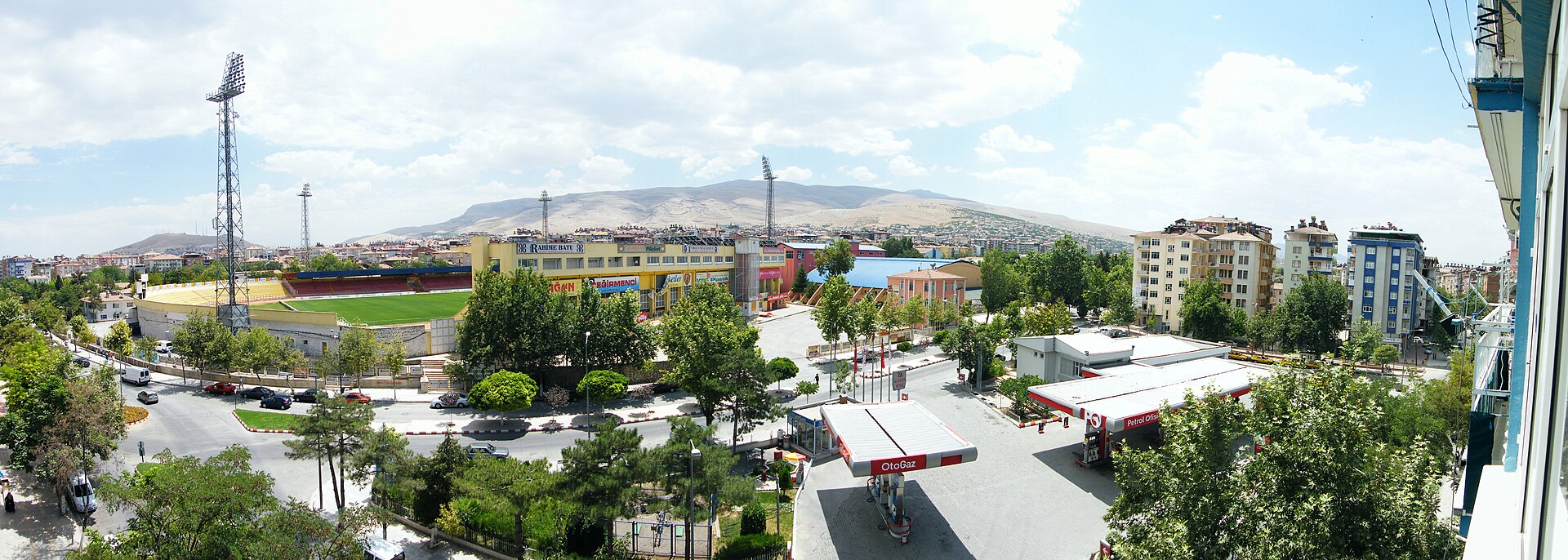
Key facts
- Location: Western Eastern Anatolia; capital city Malatya
- Area and population: 12,259 km²; 812,580 people (2022); city 485,484
- Districts: 13
- From the airports: Wikivoyage lists several daily flights from Istanbul (about 2 hours); check current timetables
- Altitude and climate: City at 954 m; cold, snowy winters and hot summers
- Best season: Late spring and early autumn
- Typical visit time: 1 to 3 days
- UNESCO status: Arslantepe Mound, inscribed 2021
- Entrance: See official page for each museum or site
What is Malatya and why visit?
Malatya is a province and metropolitan municipality in eastern Türkiye. Its capital is the city of Malatya. Visitors come for Arslantepe Mound, an early urban site on the UNESCO list, and for a region known for apricots. In addition, the city works as a transport junction between Ankara, Sivas, Elazığ and the southeast.
The Culture Portal places the province in the west of Eastern Anatolia, at the junction of roads that run east-west and north-south. Wikipedia describes it as part of a larger mountainous area. As a result, the landscape mixes river valleys, orchards and high ground.
Malatya suits travellers who prefer history and food over big-name crowds. Moreover, it connects naturally with Adıyaman and Mount Nemrut to the south, and with Elazığ and Harput to the east.
What is the history of Malatya?
Malatya has been settled for about nine thousand years, according to the Culture Portal. Finds from the Cafer Höyük excavations, now under the Karakaya Dam lake, show this long record. Trade routes from Central Asia, the Middle East and Mesopotamia crossed here, so the town mattered in every period.
Wikivoyage says the Hittites ruled the city from 1400 BC and called it Malidiya. It adds that the city is now on its third site. The citizens moved to the rural district of Aspuzu, and this became the present city.
The best-known ancient site is Arslantepe. The earliest habitation dates back to the Chalcolithic period, and the site holds a Neo-Hittite lion from the era 1180-700 BC. UNESCO listed Arslantepe Mound in 2021.
Modern administration is more recent. Wikipedia notes that the present province does not fully match the province of Malatya before 1954.
Key periods and themes you will meet on the ground:
- Chalcolithic and early urban settlement at Arslantepe
- Hittite rule from about 1400 BC under the name Malidiya
- Neo-Hittite sculpture, including the lion at Arslantepe
- A move to the third and present city site at Aspuzu
- A long role as a trade and transport crossroads
What are the main things to see in Malatya?
The main sights are Arslantepe Mound, the old city quarters, orchards and the Atatürk mansion. Arslantepe is the anchor. Moreover, the province offers a food culture built on apricots and local meatball varieties. Plan one archaeological stop and one urban stop per day.
Wikivoyage says the city sights sit in a compact, walkable area. However, Malatya sprawls, so you need a bus or dolmuş for outlying sights and stations. Therefore a short taxi or a driver helps if time is limited.
Highlights worth a place on your list:
- Arslantepe Mound, with its Neo-Hittite lion at the entrance
- The mansion where Kemal Atatürk stayed during his visits to the city
- Malatya Turgut Özal Nature Park and its stream and trees
- Apricot orchards in the surrounding countryside
- Local meatball varieties and dried apricots as food stops
The table below summarises the main stops at a glance.
| Stop | Type | Why go | Plan |
|---|---|---|---|
| Arslantepe Mound | UNESCO archaeological site | Early urban site with a Neo-Hittite lion | Allow a morning; check museum page |
| City centre sights | Walkable area | Mansion linked to Atatürk and old streets | Half a day on foot |
| Turgut Özal Nature Park | Park | Stream and trees for a break | One hour |
| Apricot countryside | Orchards | Local fruit culture | Best in season; ask locally |
| Regional food | Meatballs and apricots | Tasting local varieties | One or two meals |
How do you get to Malatya and get around?
Most visitors fly into Malatya Erhaç Airport or arrive by long-distance bus. Wikivoyage says there are several daily flights from Istanbul (IST and SAW), taking about 2 hours, plus daily flights from Ankara and Izmir. Buses from Istanbul take 16 hours via Bolu, Ankara and Sivas. Always check the current timetable.
The following table compares the main ways to arrive.
| Option | Typical duration | Notes |
|---|---|---|
| Flight from Istanbul (IST or SAW) | About 2 hours | Several flights a day per Wikivoyage; check current timetable |
| Flight from Ankara or Izmir | Daily | Check current timetable |
| Bus from Istanbul | About 16 hours | Via Bolu, Ankara and Sivas |
| Train from Adana | Suspended | Wikivoyage reports engineering works; check current status |
| Road | Toll-free, mostly dual carriageway | Confirm route conditions before driving |
Getting around Malatya
Inside the city you can walk between the central sights. Beyond that, you need a bus or dolmuş, and Wikivoyage says the city buses are yellow. A rented car or a driver is easier for Arslantepe and the countryside. Moreover, a guide saves time with fares and routes.
When is the best time to visit Malatya?
Late spring and early autumn are the most comfortable seasons. Wikivoyage says the city lies at 954 m, so winters are cold and blanketed in snow. Spring is wet and summers can be sweltering. Early autumn is often a pleasant time to visit.
This table gives the season picture from Wikivoyage and general planning sense.
| Season | Weather | Crowds | Notes |
|---|---|---|---|
| Spring | Wet | Low | Pack a rain layer |
| Summer | Can be sweltering | Moderate | Start early; rest at midday |
| Early autumn | Often pleasant | Low to moderate | Good all-round window |
| Winter | Cold, snow-covered | Low | Check roads and flights |
How long should you stay in Malatya?
One full day covers Arslantepe and the city centre, while two to three days add food stops and day trips. Because Malatya works as a junction, many travellers use it as a base between Sivas and the southeast. Adjust the plan to your flight times and the season.
Use this table to choose a plan.
| Time | What fits | Notes |
|---|---|---|
| Half day | Arslantepe only, or the city centre | Taxi or driver helps |
| 1 day | Arslantepe plus city sights and a meal | Start early |
| 2-3 days | Add the orchards, a park and a day trip to Elazığ or Adıyaman | Good for slower travel |
What practical tips should you know?
Check each site’s official page for tickets, hours and closing days, because we do not list fees here. Wear comfortable shoes for the mound, and carry sun protection in summer. In addition, dress modestly for mosques and follow signs about photography.
A short checklist:
- Entrance: see official page for Arslantepe and local museums
- Dress: modest clothing for religious sites; layers in cold months
- Photography: follow posted rules at archaeological sites
- Cash and cards: carry some cash in smaller shops
- Winter: check road and flight status before travel
Where should you stay and eat in Malatya?
Stay in or near the city centre for walkable access to sights and the bus station. Wikivoyage lists modern hotels near the bus station. For food, look for dried apricots and local meatballs, which GoTürkiye highlights. Therefore plan a tasting stop rather than a single large meal.
What are the nearby places and day trips?
Neighbouring provinces make easy extensions. Elazığ lies to the east, and Wikivoyage says buses from Malatya to Elazığ run hourly and take 90 minutes. Adıyaman and Nemrut are to the south, and Sivas is to the north. Check current timetables before you set a schedule.
Related pages on TurkGT:
- Elazığ for Harput and Lake Hazar
- Adıyaman and Nemrut Dağ
- Arslantepe Mound
- Sivas and Diyarbakır as wider routing options
Plan this with TurkGT
TurkGT is an Istanbul-based travel company that offers guided tours, private transfers, local guides and interpreter support. We can combine this province with other eastern stops in one route. Send us your dates, group size and interests on WhatsApp, and our team will confirm what is available and how it would work. We do not publish fixed prices for custom trips here.
Frequently asked questions
Where is Malatya?
Malatya is a province in the west of Eastern Anatolia. The Culture Portal says it lies at a crossroads of east-west and north-south routes.
How old is settlement in Malatya?
The Culture Portal says finds from the Cafer Höyük excavations show that Malatya’s history goes back nine thousand years.
Is Malatya a UNESCO site?
Arslantepe Mound, near Malatya, was named a UNESCO World Heritage Site in 2021, according to Wikipedia.
How do I get to Malatya from Istanbul?
Wikivoyage lists several daily flights from IST and SAW, taking about 2 hours. Buses take about 16 hours. Check the current timetable.
When is the best time to visit?
Wikivoyage says early autumn is often pleasant. Winters are cold and snowy, and summers can be sweltering.
What is Malatya known for?
GoTürkiye says Malatya apricot is famous for its scent and taste, and that you will find many local meatball varieties.
How many districts does Malatya have?
Thirteen, according to Wikipedia.
How far is Elazığ from Malatya?
Wikivoyage says buses between Malatya and Elazığ run hourly and take 90 minutes. Check current timetables.
Sources
- Malatya Province – Wikipedia
- Malatya – Wikivoyage
- Arslantepe – Wikipedia
- Malatya general information – Culture Portal
- Malatya – GoTürkiye
Last reviewed: 2026-11-18. Opening hours, ticket prices and other changeable details are not listed because they change; check the official source before you travel.