
Sivas is a province and city in eastern Central Anatolia, the second largest province by area. It is known for 13th-century Seljuk madrasas, the 1919 Sivas Congress, thermal springs and the nearby Divriği Grand Mosque, a UNESCO site.
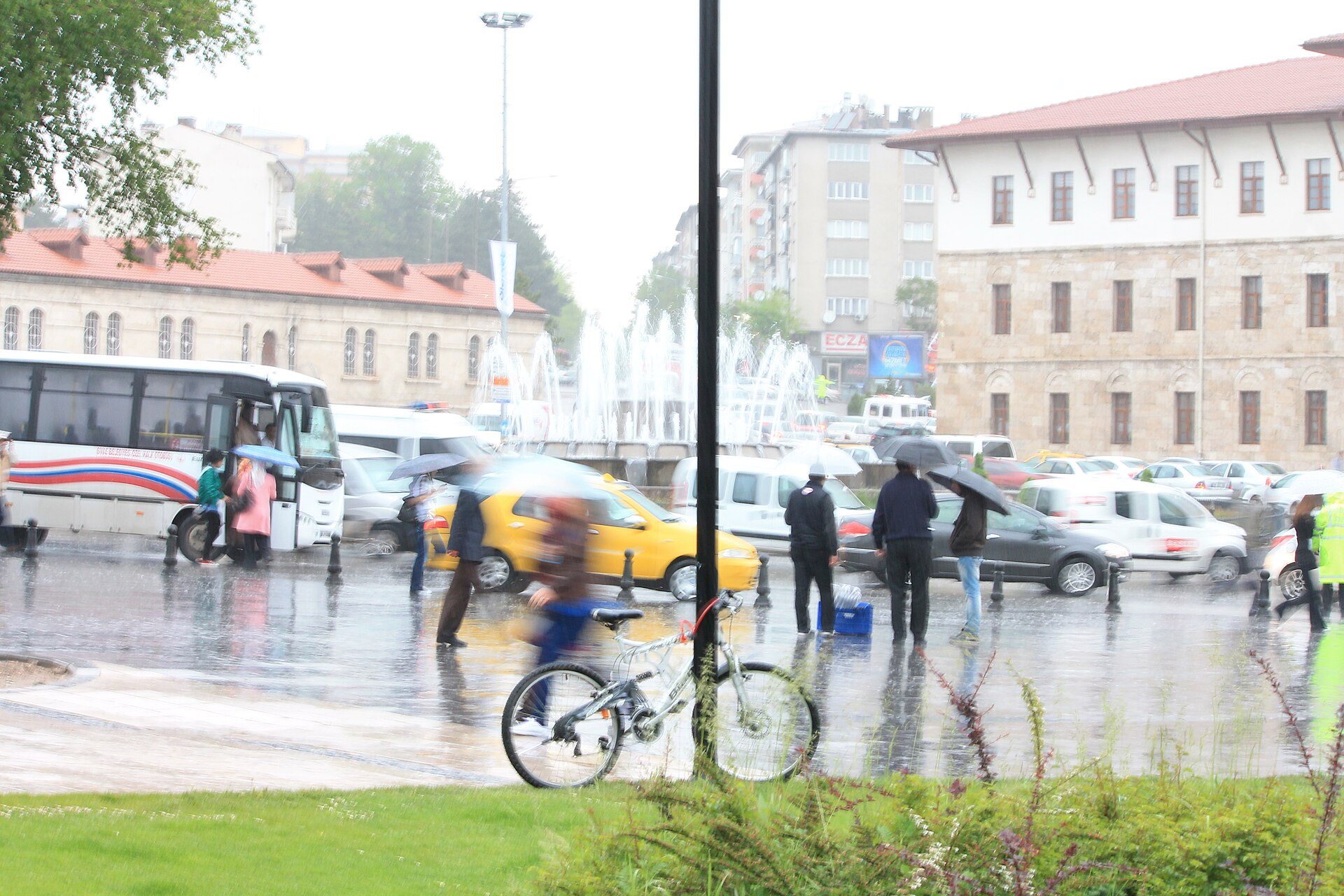
Key facts
- Location: Eastern Central Anatolia, about 450 km east of Ankara
- From airports: Sivas Nuri Demirağ Airport (VAS) in the city; flights from Istanbul about 90 min
- Elevation: About 1,278 m (city)
- Best season: Late spring to early autumn; winter for skiing
- Typical visit: 1 to 3 days
- Historic role: Seljuk centre and 1919 Congress site
- Key sites: Şifaiye, Gök, Buruciye and Çifte Minareli madrasas
- UNESCO status: Divriği Great Mosque and Hospital (about 180 km away)
- Entrance: See official page
What is Sivas and why visit?
Sivas is a province and city in eastern Central Anatolia, about 450 km east of Ankara. It is the second largest province in Türkiye by area. Visit for 13th-century Seljuk madrasas, the 1919 Sivas Congress sites, thermal springs and the Divriği Grand Mosque, which is a UNESCO World Heritage site.
Moreover, Sivas works as a hub on the rail and road corridor towards the east. Many travellers meet it on the way to Erzurum, Kars or Malatya. As a result, a stop here gives a compact look at Seljuk architecture and early republican history.
The table gives Sivas at a glance.
| Item | Detail |
|---|---|
| Region | Eastern Central Anatolia |
| Province area | 28,164 km², second largest after Konya |
| Provincial capital | Sivas, at about 1,278 m elevation |
| Districts | 17, including Divriği, Kangal, Zara, Şarkışla and Suşehri |
| Byzantine name | Sebasteia |
| Main themes | Seljuk madrasas, 1919 Congress, thermal springs, Divriği |
What is the history of Sivas?
Written sources place the first settlement in the Hittite period, by the beginning of 2000 BC. Later the region passed through Armenian, Roman, Byzantine, Seljuk and Ottoman rule. The Seljuks took Sivas in 1174, and their madrasas shaped the city centre. The 1919 Sivas Congress then made it central to the Republic’s founding.
The name Sebasteia, used in the Byzantine period, is a Greek word meaning venerable or exalted. In contrast to the monuments of later eras, little survives from Roman times. However, the Silk Road and the Persian Royal Road both ran through the province, which explains why caravanserais and hans appear in the city.
Timur’s campaign of 1400 almost crushed the Ottoman dynasty, and the Ottomans regained the town in 1408. Therefore the Seljuk monuments you see today stand beside later Ottoman additions such as the Kale Mosque of 1580.
Key dates from the sources:
- By the beginning of 2000 BC: first settlement in the Hittite period.
- 1174: the Seljuks take Sivas.
- 1197 and 1213: the Grand Mosque and its minaret.
- 1217: the Şifaiye Medrese is completed.
- 1271 to 1272: the Buruciye, Gök and Çifte Minareli madrasas.
- 1408: the Ottomans regain the town after Timur.
- 4 September 1919: the Sivas Congress assembles.
What should you see in Sivas?
The Seljuk madrasas around Cumhuriyet Square (Meydan) are the heart of a visit. Add the Congress and Atatürk Museum, the Grand Mosque and the Behram Paşa Han. Outside the city, thermal springs and Divriği extend the trip. Check opening hours with the official page before you go.
The main places to know are:
- Şifaiye Medrese: a hospital and medical school from 1217, with the founder’s tomb.
- Çifte Minareli Medrese: a monumental gate and twin minarets from 1272.
- Gök Medrese: an imposing gate with twin minarets and blue tilework.
- Buruciye Medrese: a square Seljuk courtyard school completed in 1271.
- Ulu Camii: the Grand Mosque, built in 1197.
- Congress and Atatürk Museum: the former high school where the 1919 congress met.
- Divriği Grand Mosque and Hospital: a UNESCO site about 180 km southeast; see our page on it.
- Kurşunlu Hammam: a 16th-century bath.
The table below lists the headline sites at a glance.
| Site | Type | Period |
|---|---|---|
| Şifaiye Medrese | Madrasa and hospital | Completed 1217 |
| Buruciye Medrese | Madrasa | Completed 1271 |
| Gök Medrese | Madrasa | 1271 |
| Çifte Minareli Medrese | Madrasa gate and minarets | 1272 |
| Sivas Ulu Camii | Grand Mosque | 1197; minaret 1213 |
| Kale Mosque | Mosque | 1580 |
| Kurşunlu Hammam | Bath | 16th century |
How do you get to Sivas and get around?
Sivas has its own airport, a high-speed train line from Ankara and long-distance buses from Istanbul and Ankara. Flights from Istanbul take about 90 minutes. The Ankara train takes about 2 hours 30 minutes, calling at Kırıkkale and Yozgat. Check current timetables before booking.
Getting around in practice:
- The railway station is about 2 km southwest of the centre.
- The intercity bus station is about 2 km south, just off the D200 highway.
- Town buses connect the stations; the main sights are walkable around the square.
- For Yıldız Dağı, the spas and Divriği, a car, taxi or tour is more practical.
The table compares the main routes; times are typical and need checking.
| From | Mode | Typical duration |
|---|---|---|
| Istanbul | Flight | About 90 min; two flights a day listed |
| Ankara | High-speed train (YHT) | About 2 h 30 min |
| Ankara | Bus | About 7 h |
| Istanbul | Bus | About 12 h |
| Samsun | Regional train | About 8 h via Havza and Amasya |
| Divriği | Bus or train | About 180 km southeast |
When is the best time to visit Sivas?
Late spring to early autumn gives the easiest travel. Sivas stands on a high plain with hot, dry summers and bitterly cold, snowy winters. Summer nights can still be chilly, so pack warm layers in any season. Winter suits visitors who plan to ski at Yıldız Dağı.
The seasonal summary below is based on the climate sources.
| Season | Weather | Crowds | Notes |
|---|---|---|---|
| Spring | Cool to mild | Low | Good for city walking; layers help |
| Summer | Hot, dry | Low to moderate | Best for Divriği and countryside trips |
| Autumn | Cool, dry | Low | Comfortable for sightseeing |
| Winter | Cold, snowy | Low | Ski season at Yıldız Dağı; plan for travel delays |
How long should you stay in Sivas?
One full day covers the city madrasas and the Congress Museum. Two days let you add the spas or a skiing day. Three days allow the long trip to Divriği with an overnight stop.
The table suggests three plans.
| Plan | Itinerary | Best for |
|---|---|---|
| Half day | Gök and Çifte Minareli madrasas, Meydan, Ulu Camii | Rail or road stopover |
| 1 day | All madrasas, Congress Museum, Behram Paşa Han, bath | First-time visitor |
| 2 to 3 days | City, a spa at Sıcak or Soğuk Çermik, then Divriği | Heritage and wellness |
What practical tips help in Sivas?
Dress for the altitude, check museum hours and use the official page for tickets. Sivas is a conservative city, so modest clothing is advisable inside mosques. Hours listed in guidebooks can change, so confirm them locally.
Practical points:
- Dress: modest clothing for mosques and warm layers outdoors.
- Tickets: see the official museum pages for current fees.
- Accessibility: historic courtyards have steps and uneven stone.
- Safety: winter roads can be icy; check forecasts.
- Photography: ask before photographing people; follow signs in museums.
- Etiquette: remove shoes in mosques; be quiet during prayer times.
Where should you stay and eat in Sivas?
Stay around the central Meydan area for walking access to the madrasas. A hotel in the 16th-century Behram Paşa caravanserai offers an atmospheric alternative. Drivers may prefer the highway edge. Eat local dishes such as Sivas köfte, Sivas kebap and yumurta erişte.
Local foods named in our sources:
- Sivas köfte, Sivas döner and Sivas kebap.
- Pezük pickle and sübüra.
- Hurma and yumurta erişte.
Which places are near Sivas for day trips?
The best-known trip is Divriği, 180 km southeast, with its UNESCO mosque and hospital. Closer options are the Soğuk Çermik and Sıcak Çermik spas, Yıldız Dağı and Kangal. Kayseri and Yozgat lie on the main routes.
Nearby places:
- Divriği: Great Mosque and Hospital, a World Heritage site.
- Yıldız Dağı: a mountain resort about 50 km north.
- Soğuk Çermik: a spa about 20 km east.
- Sıcak Çermik: a council-run spa about 30 km west.
- Kangal: home of the Kangal sheepdog breed.
- Kayseri, Yozgat and Malatya: neighbouring provinces.
Plan this with TurkGT
TurkGT is an Istanbul-based travel company. We offer guided tours, private transfers, guides and interpreters, and we can plan a Sivas and Divriği route for you. Message us on WhatsApp and we will confirm what is available.
Frequently asked questions
Where is Sivas?
Sivas is in the eastern part of Central Anatolia, about 450 km east of Ankara.
What is Sivas famous for?
It is known for Seljuk madrasas, the 1919 Sivas Congress, thermal springs and the Divriği Grand Mosque.
How do I get to Sivas from Istanbul?
The sources list a flight of about 90 minutes and a bus of about 12 hours. Check current timetables.
How far is Divriği from Sivas?
About 180 km southeast, reached by bus or train.
Is Sivas a good winter destination?
Winters are cold and snowy. Yıldız Dağı, about 50 km north, has ski lifts.
What is the Sivas Congress?
It assembled on 4 September 1919 under Mustafa Kemal Atatürk and laid foundations for the modern Republic.
What should I eat in Sivas?
Try Sivas köfte, Sivas kebap, sübüra and yumurta erişte.
How many days do I need in Sivas?
One day covers the city. Add one or two days for the spas and Divriği.
Sources
Last reviewed: 2026-11-18. Opening hours, ticket prices and other changeable details are not listed because they change; check the official source before you travel.