
Catalhoyuk is a UNESCO World Heritage mound southeast of Konya, inhabited from about 7500 to 5600 BC. Around it, Konya province offers Hittite monuments, a Seljuk palace at Lake Beysehir and a Seljuk caravanserai, best seen as separate day trips.
Key facts
- Catalhoyuk: Neolithic mound, c. 7500-5600 BC; UNESCO site
- Direction: Southeast of Konya city, near Cumra
- Hittite sites: Eflatunpinar and Ivriz Relief
- Seljuk sites: Kubadabad Palace and Obruk Han
- Museum in town: Konya Archaeological Museum
- Best way: Private car; sites are far apart
- Season: Spring and autumn are comfortable
What archaeological sites are around Konya?
Konya province has sites from the Neolithic to the Seljuk period. Catalhoyuk is the oldest and the most famous. The Hittite water monument at Eflatunpinar and the Ivriz relief near Eregli come next. Seljuk Kubadabad Palace and Obruk Han belong to the 13th century.
Moreover, the Konya Archaeological Museum holds finds from Catalhoyuk. Therefore, a city visit can introduce the mound before you drive there.
This guide groups the sites by era:
- Neolithic: Catalhoyuk
- Hittite: Eflatunpinar and Ivriz
- Seljuk: Kubadabad and Obruk Han
- City museum: Konya Archaeological Museum
How did we choose these sites?
We chose sites registered on our site and described by public sources such as Wikipedia. The criteria are historic importance, clear facts and day-trip potential. We do not accept payment for placement. Ratings change often, so we show none; use the Google Maps button on each card before you go.
However, access conditions at archaeological sites change. Therefore, check the site page or Google Maps for opening status, especially for Catalhoyuk.
Our criteria:
- Historic significance
- Facts from public sources
- Reasonable distance from Konya
- No payment for placement
Which sites are the best picks?
The cards below move from the museum in the city to the Neolithic mound, then to the Hittite and Seljuk sites. Add the Sille village for a gentler half day.
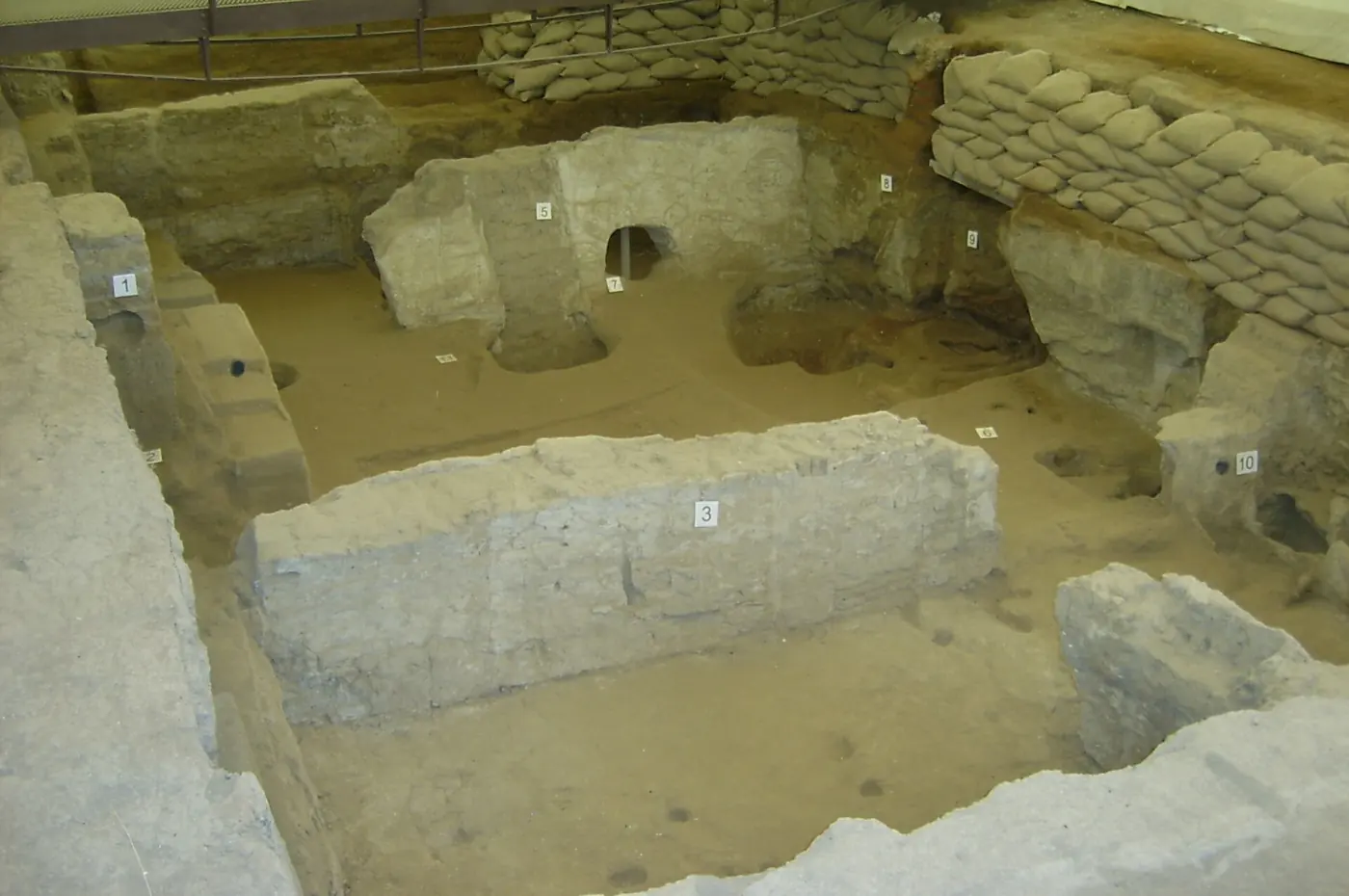
1 Çatalhöyük
Catalhoyuk is a very large Neolithic and Chalcolithic proto-city mound on the Konya Plain. It is a UNESCO World Heritage Site and one of the oldest known urban settlements. It lies southeast of Konya city.
- Occupied: c. 7500-5600 BC
- Peak: c. 7000 BC
- Status: UNESCO World Heritage Site
Show map
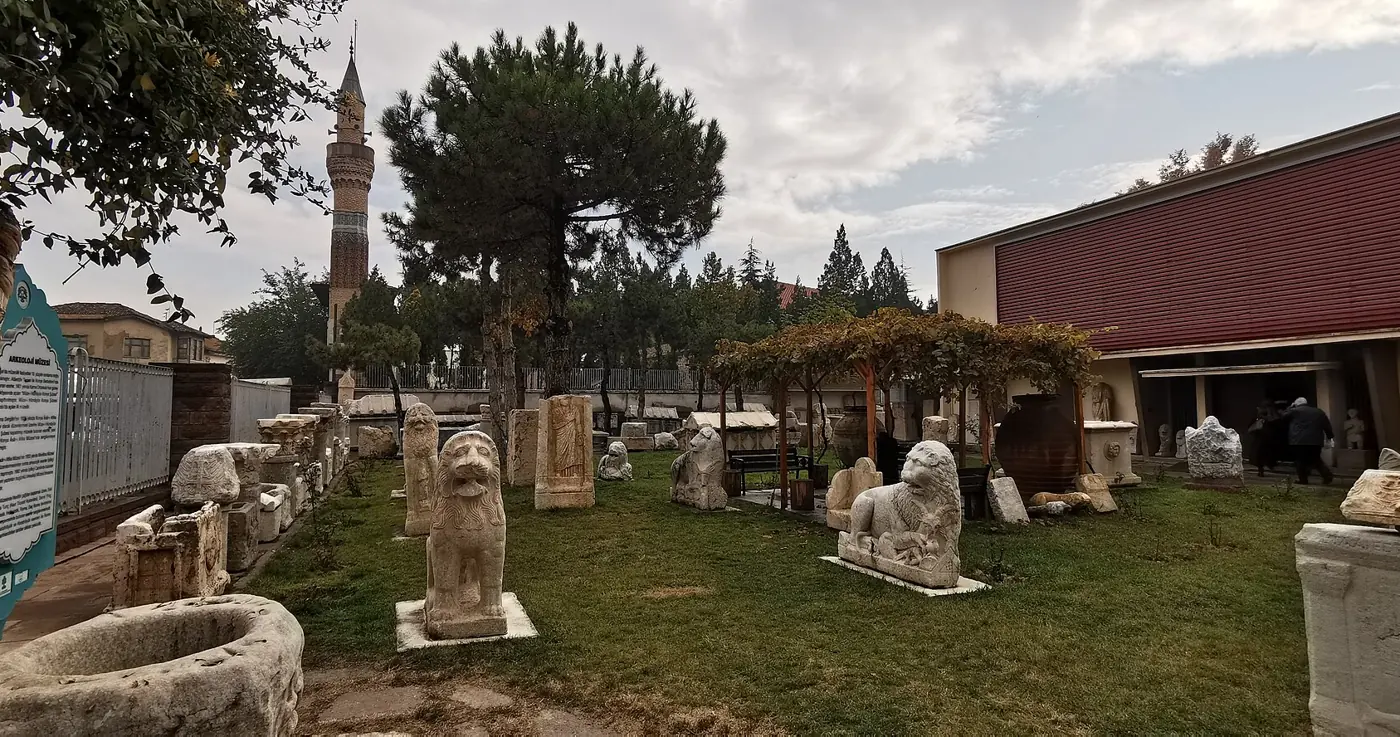
2 Konya Arkeoloji Müzesi
The Konya Archaeological Museum is a good city stop that includes carved sarcophagi and finds from Catalhoyuk. It sits on Sahibiata Street in the centre.
- Established: 1901 (current location since 1962)
- Highlights: Carved sarcophagi, Catalhoyuk finds
- Address: Sahibiata Cd 91
Show map
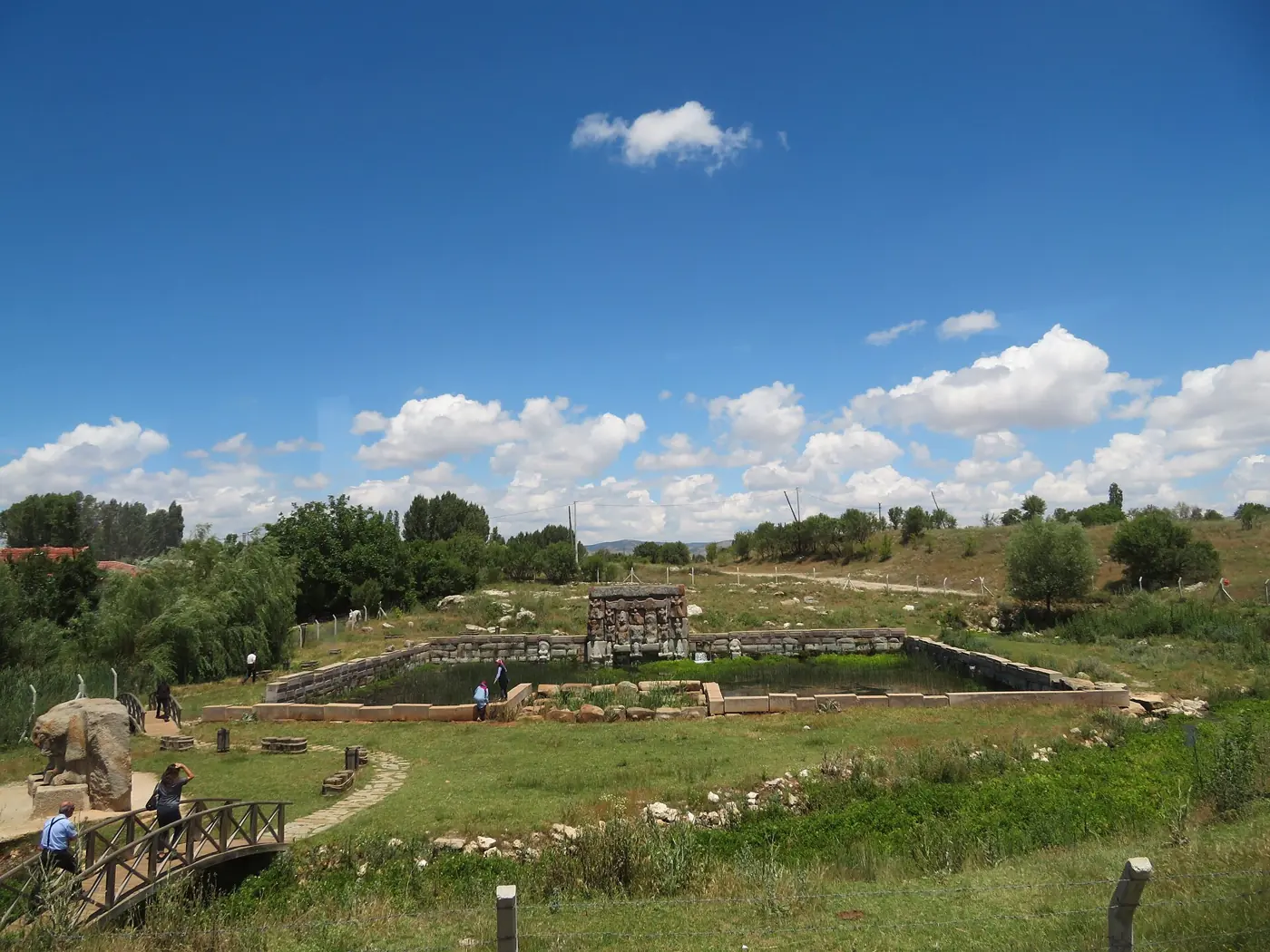
3 Eflatunpınar
Eflatunpinar is a Late Hittite sacred spring monument near Beysehir Lake, dated to the 14th century BC. The main monument is 7 m wide and 4 m high and has 14 stones. It is on the UNESCO Tentative List.
- Date: 14th century BC
- Main monument: 7 m wide, 4 m high, 14 stones
- Status: UNESCO Tentative List since 2014
Show map
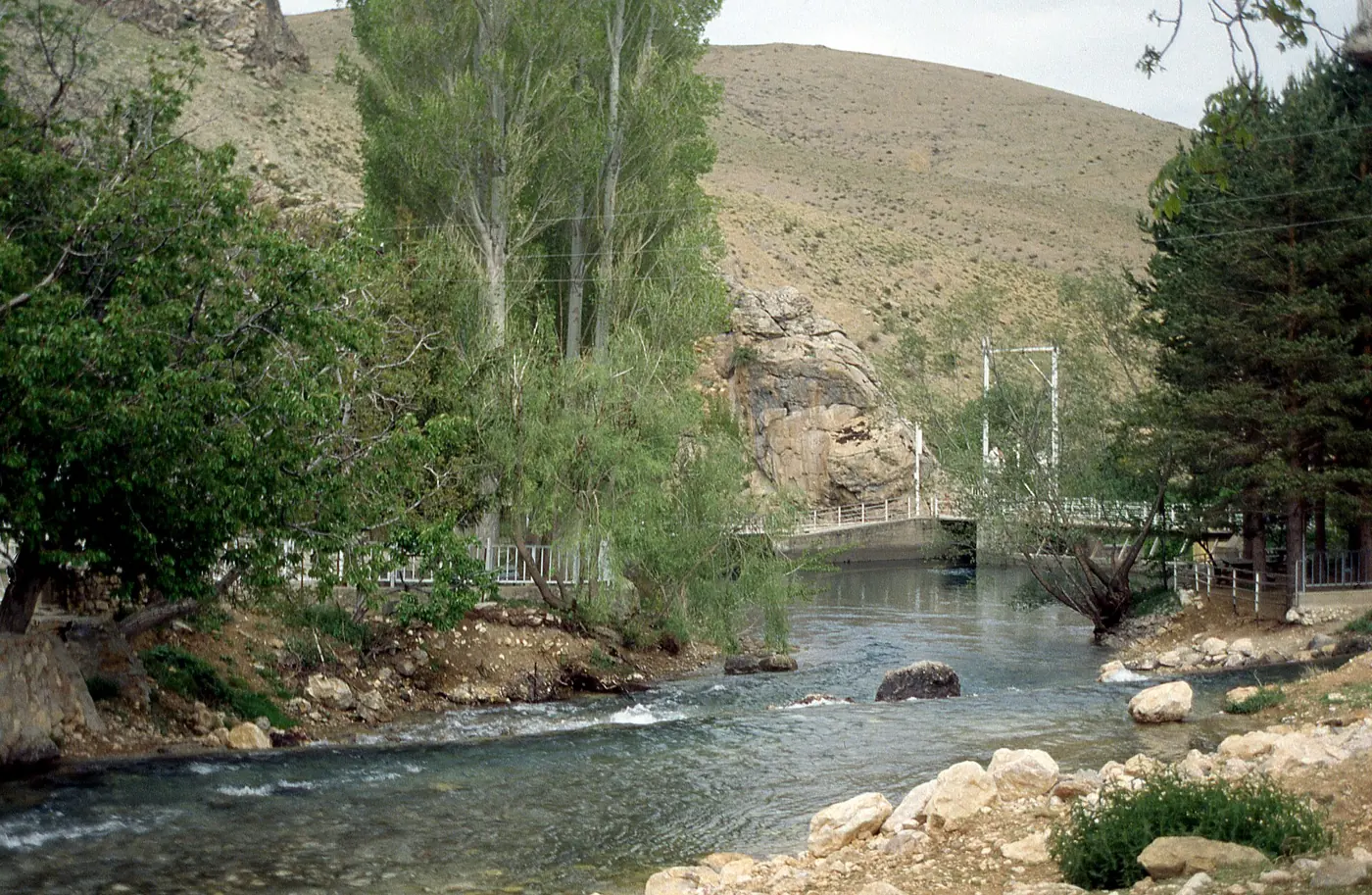
4 İvriz Kaya Anıtı
The Ivriz Rock Relief is a Neo-Hittite relief showing King Warpalawas before the storm-god Tarhunzas. It dates to the late 8th century BC and lies about 17 km southeast of Eregli.
- Date: Late 8th century BC
- Depicts: King Warpalawas and storm-god Tarhunzas
- Distance: About 17 km southeast of Eregli
Show map
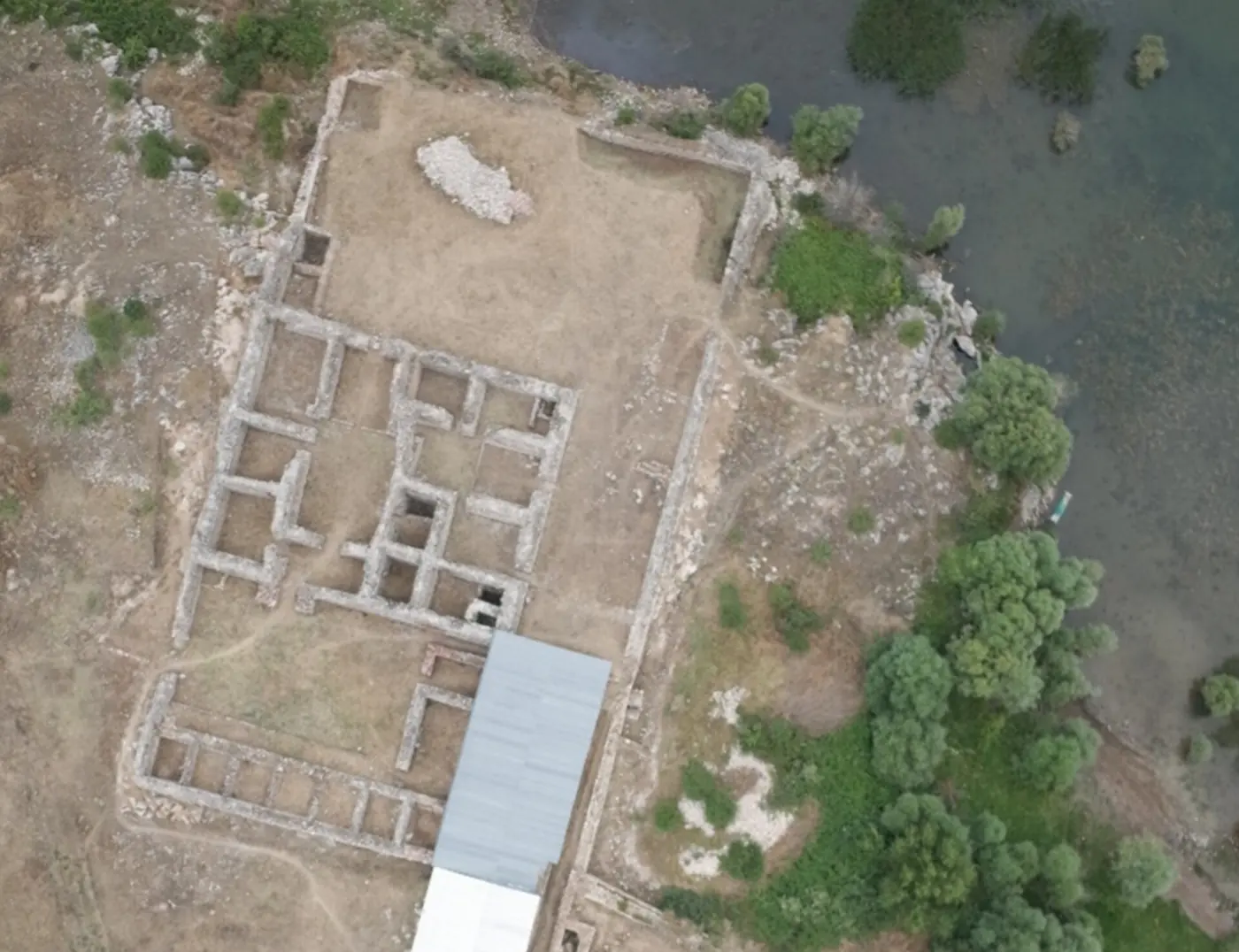
5 Kubadabad Sarayı
Kubadabad Palace was ordered by the Seljuk sultan Alaeddin Keykubad I and built between 1226 and 1236 on the shore of Beysehir Lake. It is the only Anatolian Seljuk palace to survive today.
- Built: 1226-1236
- Patron: Alaeddin Keykubad I
- Location: On the Beysehir-Isparta road
Show map
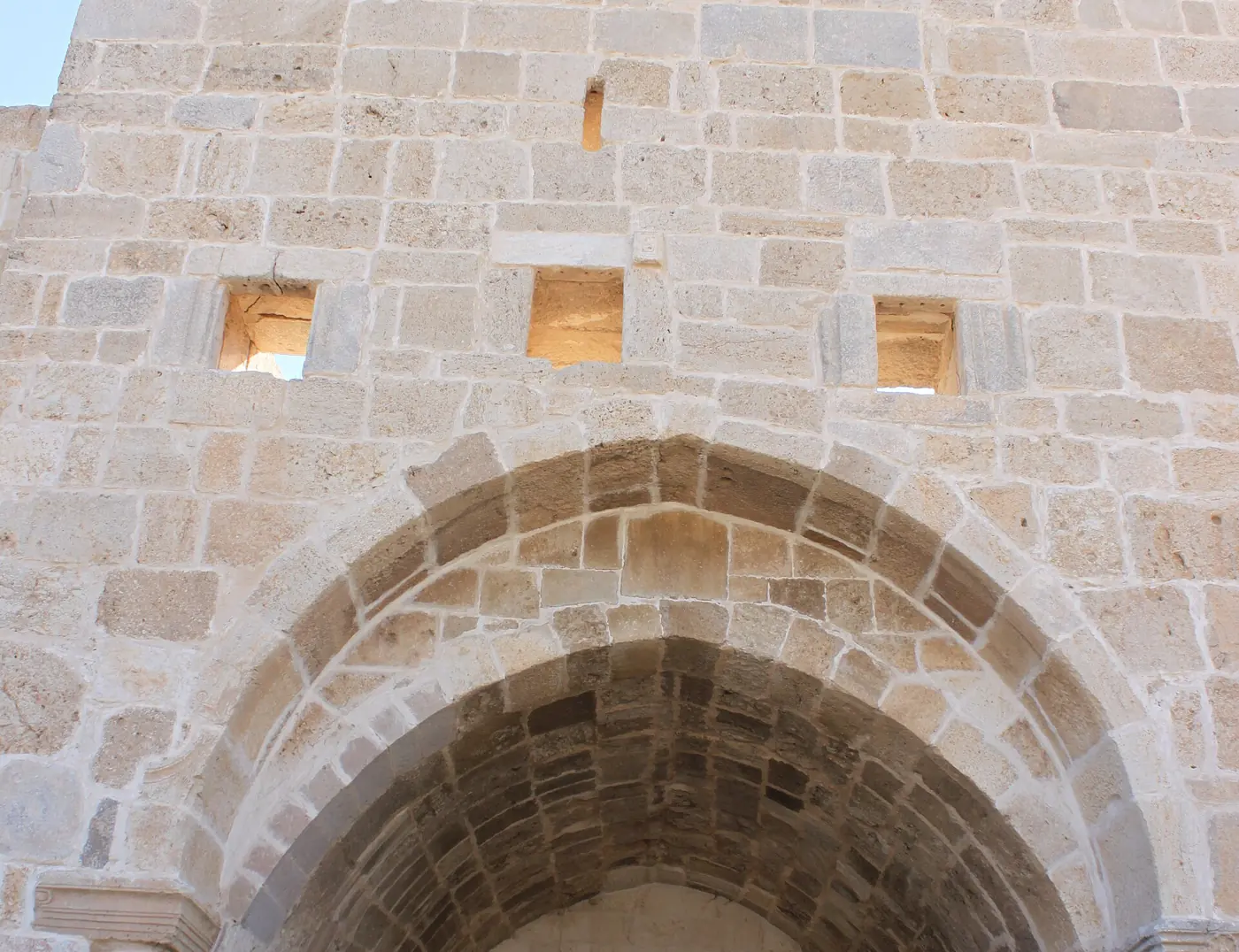
6 Obruk Hanı
Obruk Han is a Seljuk-era caravanserai on the western edge of the Kizoren sinkhole lake. It shows how trade routes crossed the plateau northeast of Konya.
- Era: Anatolian Seljuk
- Setting: West rim of Kizoren sinkhole lake
- District: Karatay, Konya
Show map
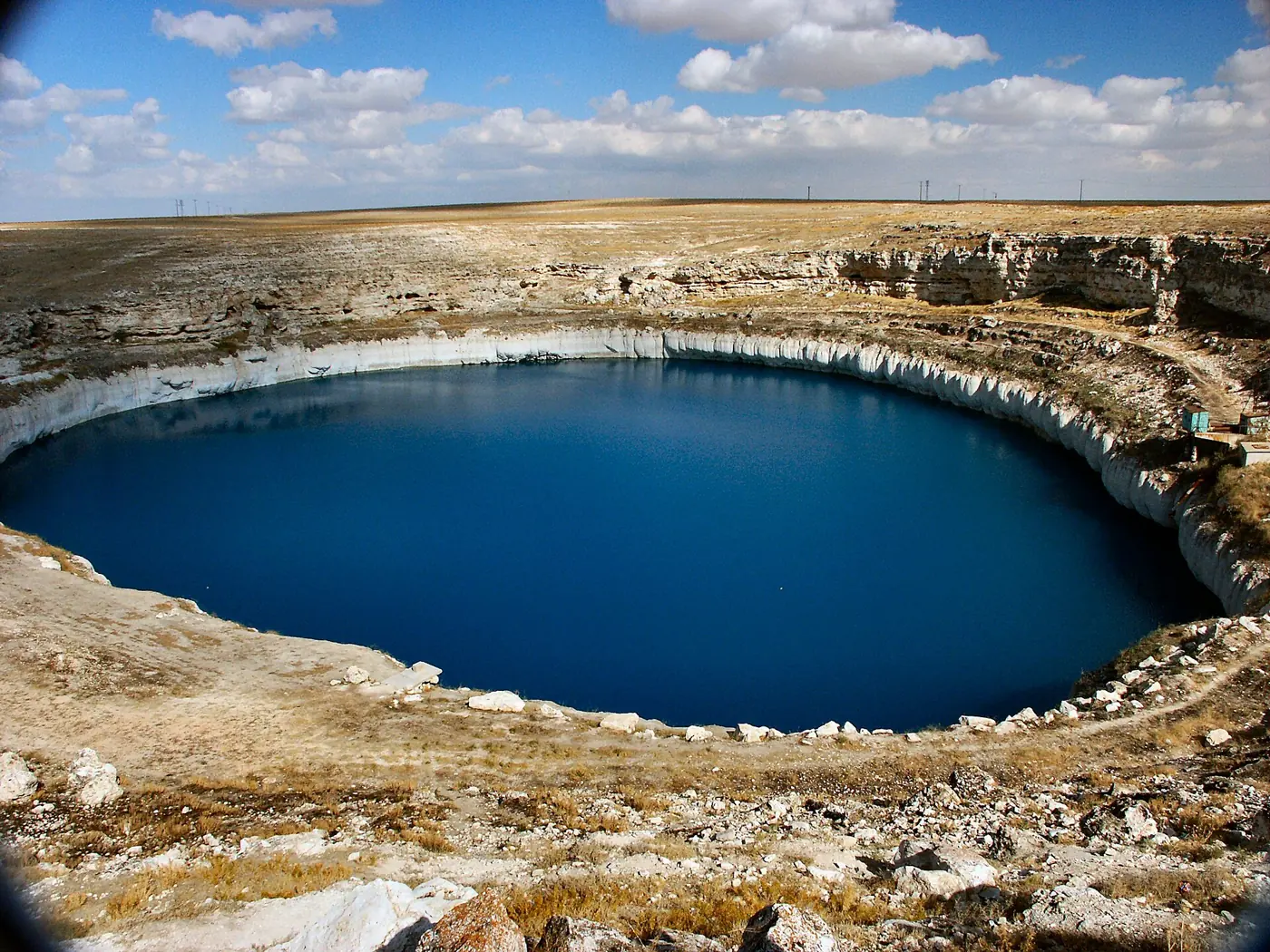
7 Kızören Obruğu
The Kizoren Obruk Lake is a karst sinkhole about 70 km northeast of Konya. The Seljuk Obruk Han stands on its western rim, so one stop gives you nature and history.
- Diameter: 228 m
- Depth: 171 m, of which 145 m is water-filled
- Location: 70 km northeast of Konya
Show map
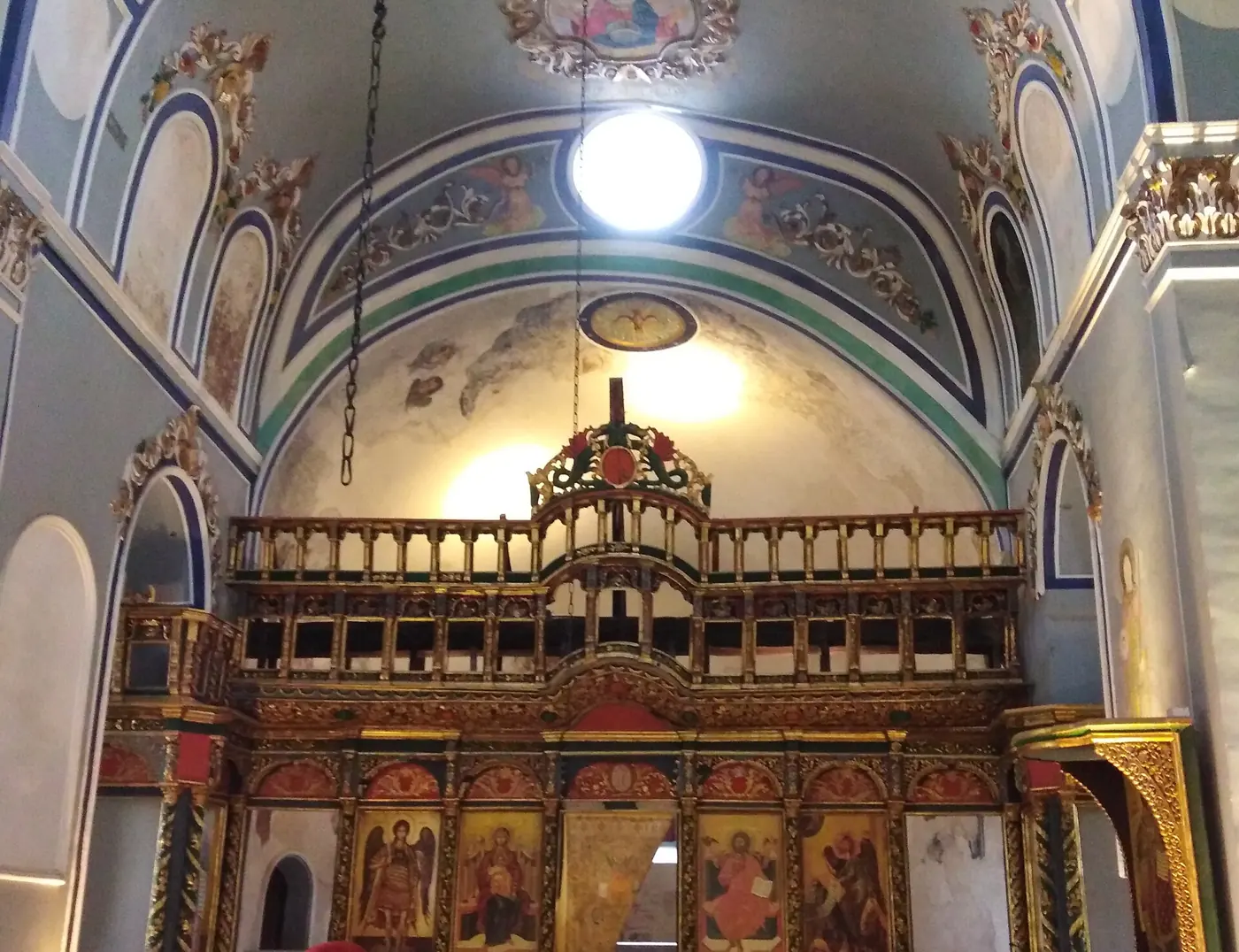
8 Aya Elena Kilisesi
The Aya Elena church in Sille is named after Helena, mother of Constantine. It has Karamanlidika inscriptions, which are Turkish in Greek letters. It suits a half-day trip.
- Named after: Helena, mother of Constantine
- Inscriptions: Karamanlidika (Turkish in Greek letters)
- Village: Sille, 11 km NW of Konya
Show map
How do the sites compare?
The table compares the sites by era and direction. In short, Catalhoyuk and Ivriz need separate trips, while Eflatunpinar and Kubadabad can be combined around Beysehir Lake.
Therefore, group sites by direction, not by era.
Distances are approximate and come from our registry notes.
| Site | Era | Direction from Konya | Trip idea |
|---|---|---|---|
| Catalhoyuk | Neolithic | Southeast, near Cumra | Half day |
| Eflatunpinar | Hittite | West, near Beysehir | Combine with Kubadabad |
| Kubadabad Palace | Seljuk, 13th century | West, Beysehir Lake | Combine with Eflatunpinar |
| Ivriz Relief | Neo-Hittite | About 17 km SE of Eregli | Separate day |
| Obruk Han and Kizoren | Seljuk | About 70 km northeast | Half day |
| Sille and Aya Elena | Christian heritage | About 11 km northwest | Short half day |
How do you get to these sites?
Catalhoyuk and the Beysehir sites need a car. The Sille village has bus lines 64 A and 64 B from the centre according to Wikivoyage. Obruk Han and the Ivriz relief lie far from the centre, and public transport is limited. Therefore, a private car with driver is the easiest way.
Moreover, a driver can combine nearby stops and save time.
Travel options:
- Private car with driver for Catalhoyuk and Beysehir
- Bus 64 A or 64 B for Sille
- Taxi for short trips
- Plan one direction per day
What practical tips help?
Bring water, sun protection and sturdy shoes, because these sites are open and exposed. Check opening status before you go, and avoid midday heat in summer. A licensed guide helps at Catalhoyuk, where the story is hard to see from the ground alone. Moreover, plan a break with water and shade, and check the weather forecast the day before. A relaxed pace gives better photographs, more time to read information boards, and less pressure when a site is closed or crowded. If something changes, you can adjust the order of stops without losing the whole day.
Tips:
- Visit in spring or autumn
- Check opening status on Google Maps
- Bring sun protection and water
- Use a licensed guide for Catalhoyuk
- Pack snacks for remote stops
Why is Catalhoyuk important?
Catalhoyuk is one of the oldest known urban settlements. People lived on the mound from about 7500 to 5600 BC, and the settlement peaked around 7000 BC. UNESCO lists it as a World Heritage Site. Therefore, it is a key place for readers of early human history.
Moreover, the site lies on the Konya Plain, southeast of Konya city, and finds from it are shown in the Konya Archaeological Museum. We do not give ticket prices or opening hours, because they change. Check the official page or Google Maps before you drive there. A guide helps a lot, since the mound is an excavation landscape and not a built monument.
What to expect:
- An open excavation landscape
- Protective shelters and information panels, depending on the season
- Few shops and limited shade
- A story that is clearer with a guide
How do Hittite and Seljuk sites differ?
The Hittite sites are older. Eflatunpinar is a sacred spring monument of the 14th century BC, and the Ivriz relief shows a Neo-Hittite king before a storm-god in the late 8th century BC. The Seljuk sites are from the 13th century AD. Kubadabad is a lake palace and Obruk Han is a caravanserai on the old trade routes.
Therefore, you can read the history of Konya province as three layers: the Neolithic, the Hittite and the Seljuk. In contrast to the city mosques, these sites are in the countryside, and every trip includes scenery, such as Lake Beysehir or the Obruk plateau.
The three historic layers at a glance.
| Layer | Example sites | What you see |
|---|---|---|
| Neolithic | Catalhoyuk | Mound of an early proto-city |
| Hittite | Eflatunpinar, Ivriz Relief | Spring monument and rock relief |
| Seljuk | Kubadabad Palace, Obruk Han | Lake palace and caravanserai |
How should you prepare for a day in the countryside?
These sites are far from city services. Fuel, water and food are not always available near the monuments, so prepare before you leave Konya. Wear closed shoes, use sun protection and carry a charged phone with an offline map. Therefore, a prepared traveller saves time and avoids stress.
Moreover, weather on the plateau can change quickly. Summer is hot and dry, and winter can be cold and windy. Spring and autumn are the most comfortable seasons for archaeology. In short, set a realistic number of stops per day, and let the driver or guide adjust the order to the weather.
Packing list:
- Water and snacks
- Hat, sunscreen and sunglasses
- Sturdy walking shoes
- Offline map and a power bank
- A light jacket for wind
What does a sample plan look like?
Spend the first morning at the Konya Archaeological Museum, which prepares you for Catalhoyuk. Drive to the mound on day two. On day three, head west to Eflatunpinar and Kubadabad Palace by Lake Beysehir. Keep Ivriz or Obruk Han for a fourth day.
A three-day archaeology plan.
| Day | Plan |
|---|---|
| Day 1 | Konya Archaeological Museum, then Sille in the afternoon |
| Day 2 | Catalhoyuk |
| Day 3 | Eflatunpinar and Kubadabad Palace around Lake Beysehir |
| Optional | Ivriz Relief or Obruk Han |
Frequently asked questions
What is Catalhoyuk?
It is a Neolithic proto-city mound southeast of Konya, inhabited from about 7500 to 5600 BC, and a UNESCO World Heritage Site.
How far is Catalhoyuk from Konya?
It lies southeast of the city on the Konya Plain. Check the exact distance on Google Maps.
What is Eflatunpinar?
It is a Late Hittite sacred spring monument near Beysehir Lake, dated to the 14th century BC.
What is Kubadabad Palace?
It is a Seljuk palace built between 1226 and 1236 on the shore of Beysehir Lake.
Where can I see finds from Catalhoyuk?
The Konya Archaeological Museum displays finds from Catalhoyuk.
Can I do all sites in one day?
No. The sites lie in different directions, so group them over two to four days.
Do I need a car?
For most sites, yes. Sille has bus lines from the centre per Wikivoyage.
Plan this with TurkGT
TurkGT can arrange a private car with driver to Catalhoyuk and Beysehir, a licensed guide for archaeology, and airport transfers. Send your dates and group size by WhatsApp or through the form, and we will reply with a plan.
Request a booking
Related guides
- Konya Parks and Family Activities: Where to Take Kids
- Day Trips from Konya: Beyşehir Lake, Sille and Çatalhöyük
- Top 10 Hotels in Konya: Where to Stay by Area and Budget
- Best Restaurants in Konya: 10 Top Picks for Local Food
- Top Attractions in Konya: A Visitor Guide to the Main Sights
- Best Places to Shop in Konya: Malls and Markets
- Konya Districts Guide: Meram, Selçuklu and Karatay
Related destinations and attractions
- Konya
- Neolithic Site of Çatalhöyük
- Central Anatolia Region, Türkiye: Ankara, Cappadocia and Konya
- Mevlana Museum
Explore more city guides
Sources
Last reviewed: 2026-11-21.