
Konya’s top attractions are the Mevlana Museum, Alaaddin Hill with its Seljuk mosque, three Seljuk madrasas, the Archaeological Museum, Sille village and Çatalhöyük. Most city sights lie within a compact central area, so one full day covers the main route. Check opening hours and closures before you go.
Key facts
- Must-see: Mevlana Museum, mausoleum of Rumi (died 1273)
- Seljuk core: Alaaddin Hill, Alaaddin Mosque, Karatay and İnce Minare madrasas
- Museums: Archaeological Museum, Sahib-i Ata complex
- Day trips: Sille (about 11 km), Çatalhöyük (UNESCO site)
- Sema ceremony: Saturday evenings per Wikivoyage; check tickets
- Entry: Several sights listed as free; check current rules
- Closures: Sırçalı and İnce Minare may be closed; check
What are the top attractions in Konya?
The top attractions in Konya are the Mevlana Museum, Alaaddin Hill and its mosque, the Seljuk madrasas, the Archaeological Museum, Sille and Çatalhöyük. Together they cover Sufi heritage, Seljuk architecture and prehistory. Moreover, the city centre is compact, so most stops are a short tram, taxi or walk apart.
Konya served as capital of the Seljuk Sultanate of Rum, and Rumi spent his later life here. Therefore, the city rewards visitors who like history, religion and architecture.
Many visitors ask how many days Konya needs. One full day covers the centre, while a second day adds Sille and Çatalhöyük. If you also plan to see other cities, Konya fits well between Cappadocia and Antalya on a Central Anatolia route, and our Konya destination page gives the wider picture.
The sights also reward different interests. Pilgrims will focus on the shrine and the Sema. Architecture lovers will spend time in the madrasas. Families with children may prefer Sille and a long lunch. Therefore, decide your priorities first, and then pick the stops.
The main sights at a glance.
| Sight | Type | Area | Why visit |
|---|---|---|---|
| Mevlana Museum | Museum, mausoleum | Karatay | Tomb of Rumi in a former Mevlevi lodge |
| Alaaddin Mosque and Hill | Mosque, park | Centre | Seljuk prayer hall and sultans’ tombs |
| Karatay Medrese | Museum | Centre | Seljuk tile work, built 1251 |
| İnce Minare Museum | Museum | Alaaddin Blvd | Stone and wood carving, 1265 |
| Konya Archaeological Museum | Museum | Sahibiata Cd | Sarcophagi, Çatalhöyük finds |
| Sille | Village | North-west | Rock-cut churches and old houses |
| Çatalhöyük | UNESCO site | Çumra | Neolithic mound, c. 7500-5600 BC |
How did we choose these attractions?
We chose sights from Wikipedia, Wikivoyage and official heritage listings. Our criteria were historical weight, ease of access and a clear visitor use. We do not accept payment for placement. Ratings change often, so we send readers to Google Maps for current opinions, hours and closures.
Our four criteria:
- Historical or religious importance.
- Reachable from the central area in a day.
- A clear visitor use, such as a museum or mosque.
- Notes on closures where sources mention them.
What should you see around the Mevlana Museum?
The Mevlana Museum is the former dervish lodge that holds the tomb of Rumi, who died in 1273. Wikivoyage lists free entry and daily hours of 09:00 to 17:00, but check locally. Next to it stands the Selimiye Mosque, and the Mevlana Cultural Centre stages the Sema ceremony.
Moreover, the plaza gives easy access to cafes and restaurants. Dress modestly, and expect crowds in religious seasons.
The tomb complex is a working place of visit and prayer, so move quietly and follow signs. Photography rules vary, so ask staff. Furthermore, the plaza around the museum is a good place to start the day, since cafes and restaurants stand nearby.
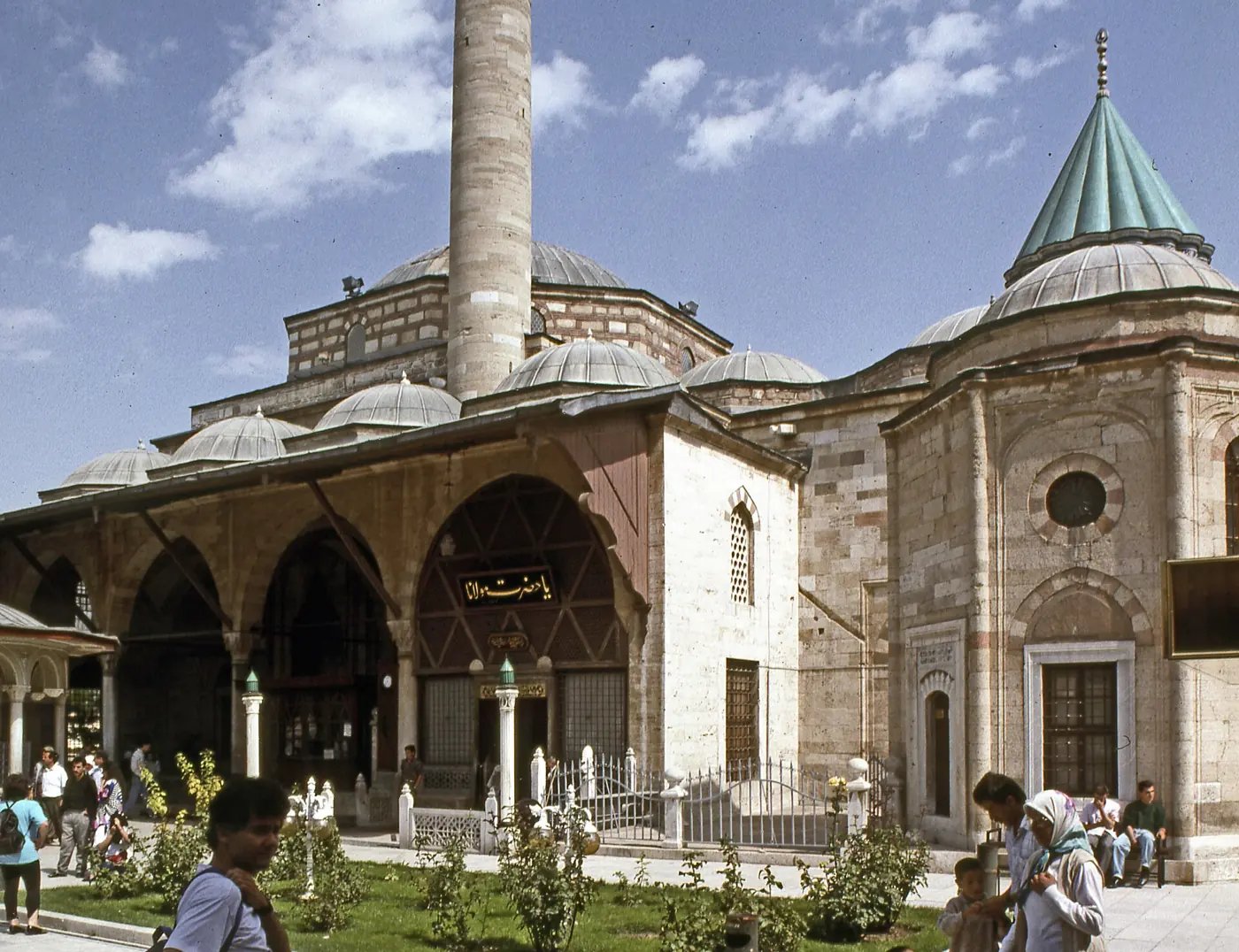
1 Mevlana Müzesi
The museum is the former Mevlevi tekke and holds the mausoleum of Rumi, with relics from his era. It is the key stop of any Konya visit.
- Holds: Mausoleum of Rumi (died 1273)
- Hours: Daily 09:00-17:00 (per Wikivoyage, check)
Show map
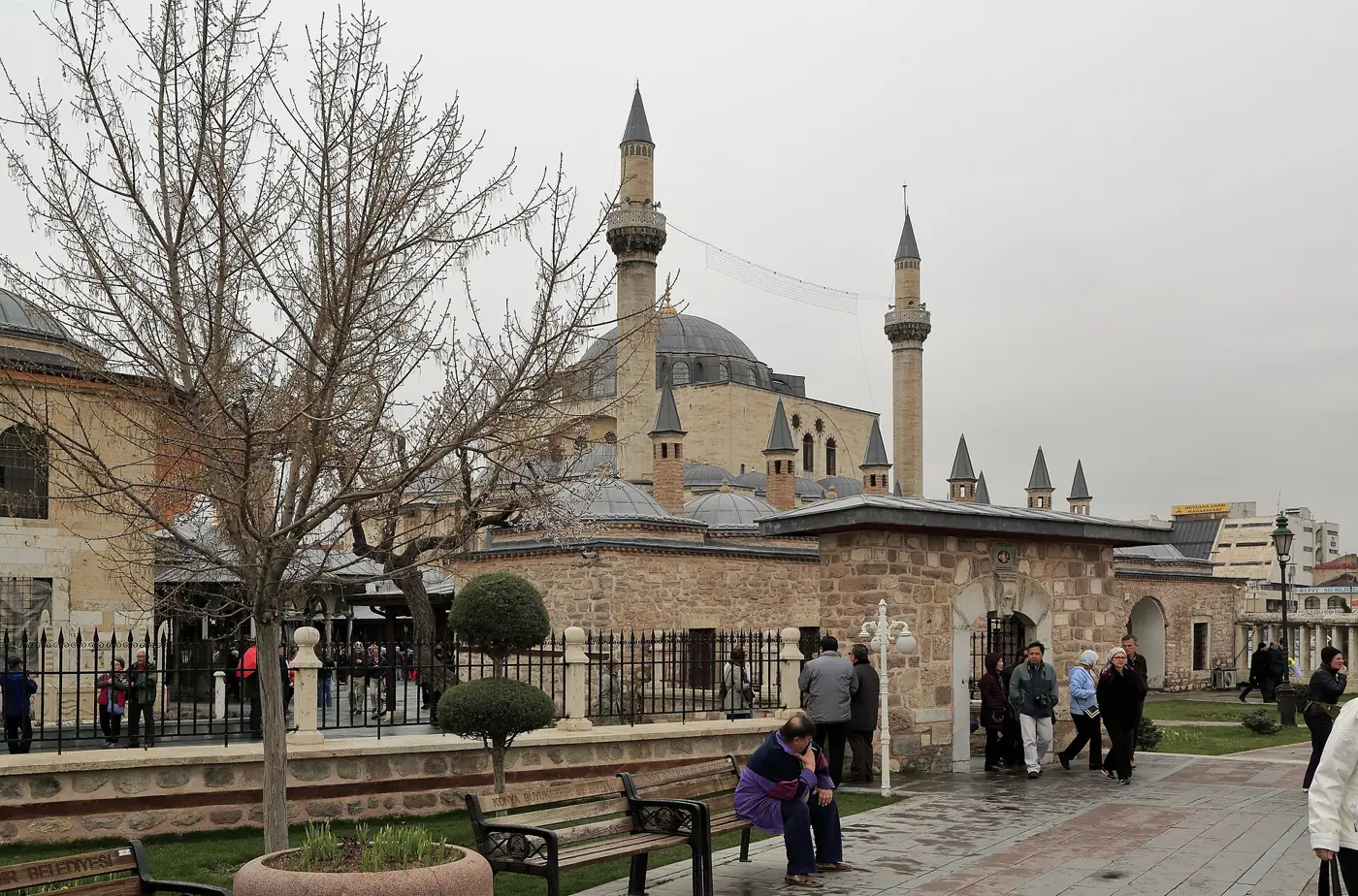
2 Selimiye Camii
Selimiye Mosque is a classical Ottoman mosque in the plaza outside the museum. Wikivoyage gives its completion as 1567.
- Style: Classical Ottoman
- Completed: 1567 (per Wikivoyage)
Show map
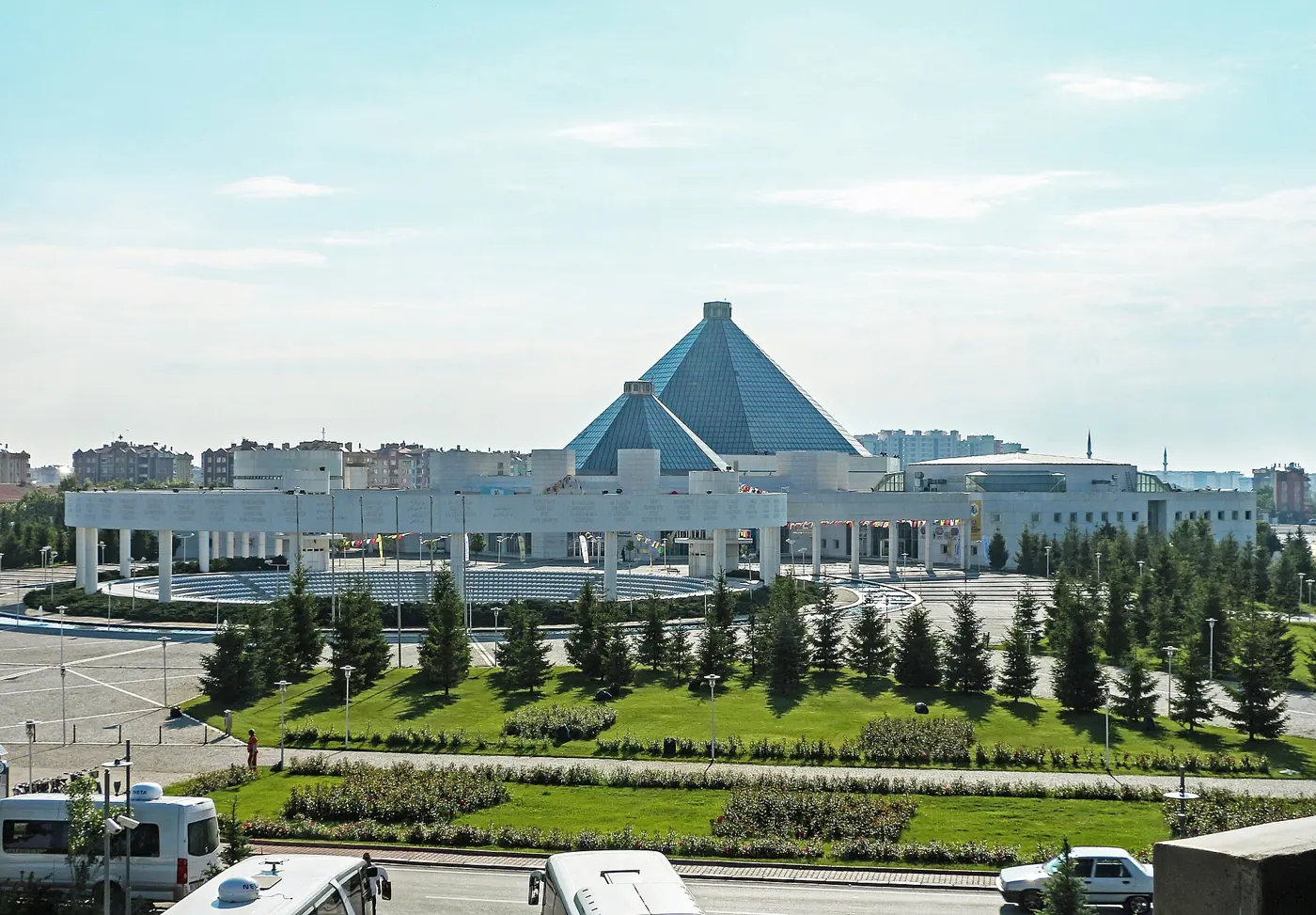
3 Mevlana Kültür Merkezi
The Mevlana Cultural Centre hosts the Sema ceremony. Wikivoyage lists Saturday evenings, at 19:00 in winter and 20:00 in summer, with tickets sold online. Confirm dates and prices before you go.
- Schedule: Sat 19:00 winter, 20:00 summer (per Wikivoyage)
- Tickets: Online; check current price
Show map
What are the Seljuk sights on and near Alaaddin Hill?
Alaaddin Hill is an artificial Seljuk mound at the heart of Konya, and the trams circle around it. On top stands the Alaaddin Mosque, with the tombs of Sultan Alaaddin Keykubat and other sultans. Moreover, the ruins of the Seljuk palace lie on the northern flank, under a concrete cover.
Nearby, three madrasas show Seljuk decoration. Karatay Medrese holds tile work, İnce Minare has carved stone, and Sırçalı is known for tile. However, sources note closures for İnce Minare and Sırçalı, so check before you go.
The Seljuk sultans built Konya’s monuments in the 12th and 13th centuries, and many still stand within walking distance of one another. Tilework, carved stone doors and brick domes show how the dynasty used art to display power. Moreover, the hill itself gives you a sense of the old city’s layout.
If a madrasa is closed, view its exterior and move on. The stops are close enough that a closure rarely spoils the day.
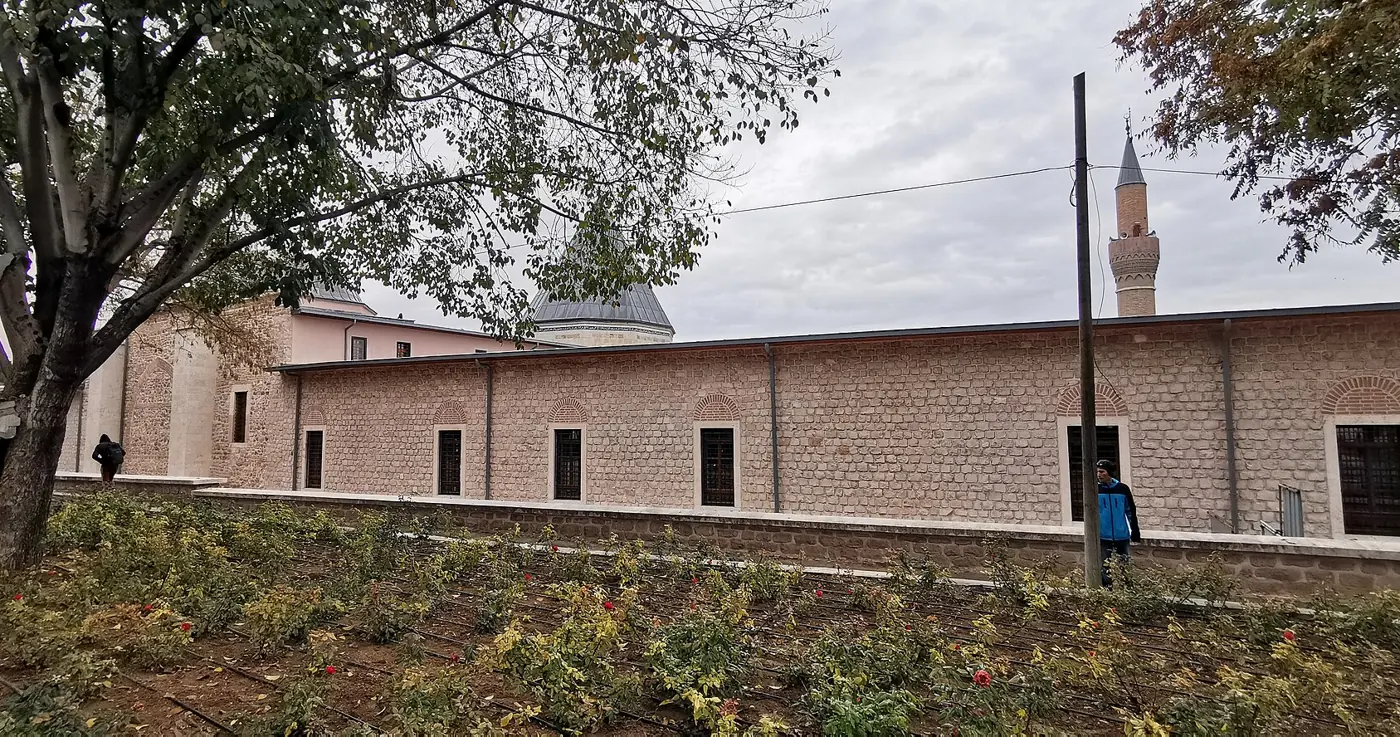
4 Alâeddin Camii
The Alaaddin Mosque is the main prayer hall of the Seljuk Sultans of Rum and has the tombs of several sultans in its courtyard. Wikivoyage lists daily hours of 08:00 to 23:00, and restoration began in 2014.
- Era: Seljuk
- Hours: Daily 08:00-23:00 (per Wikivoyage)
Show map
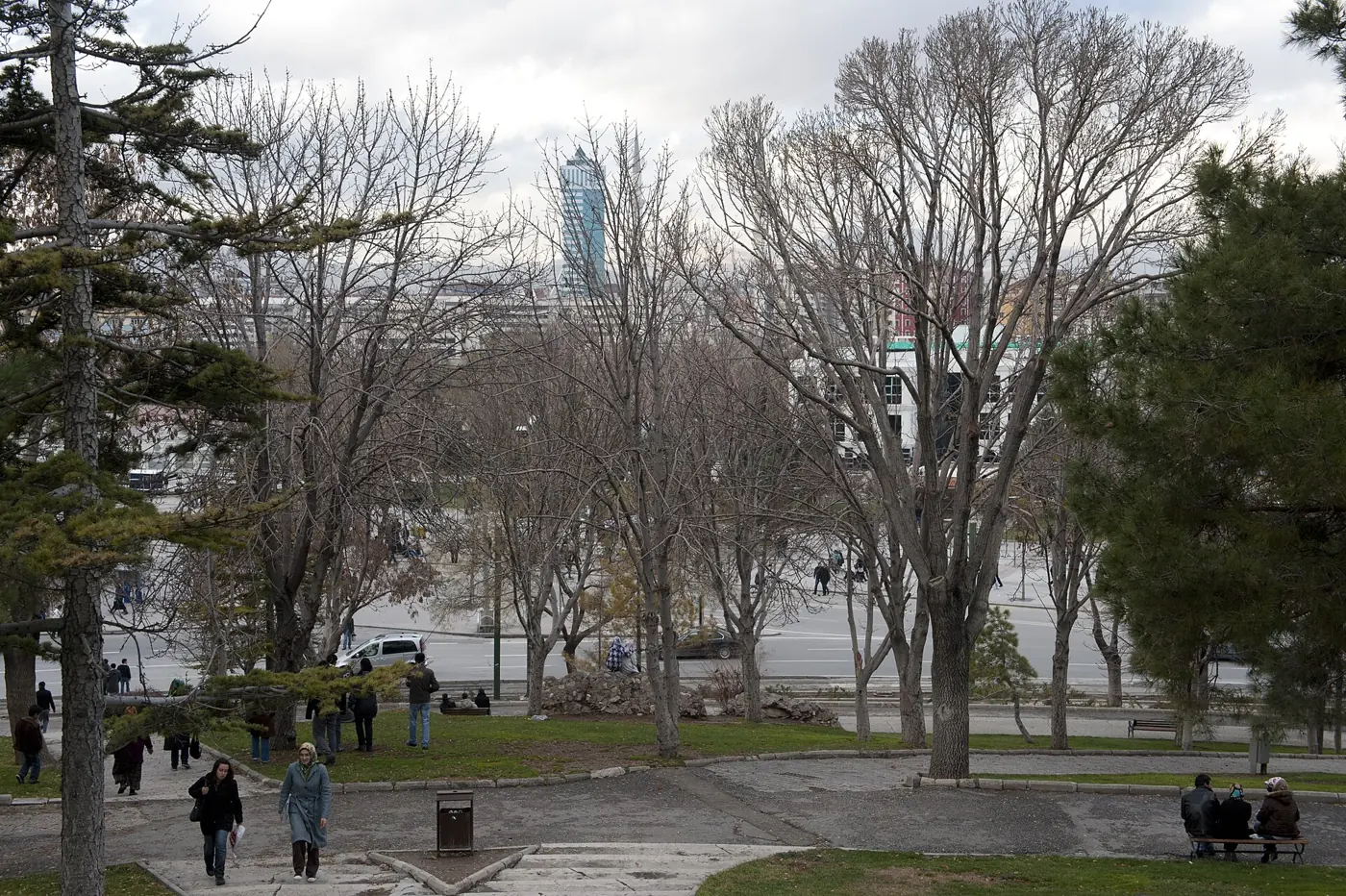
5 Alaaddin Tepesi
The hill is an artificial Seljuk knoll that is now a small central park. Trams circle it, which makes it a good starting point.
- Origin: Seljuk artificial hill
- Transport: City tram lines
Show map
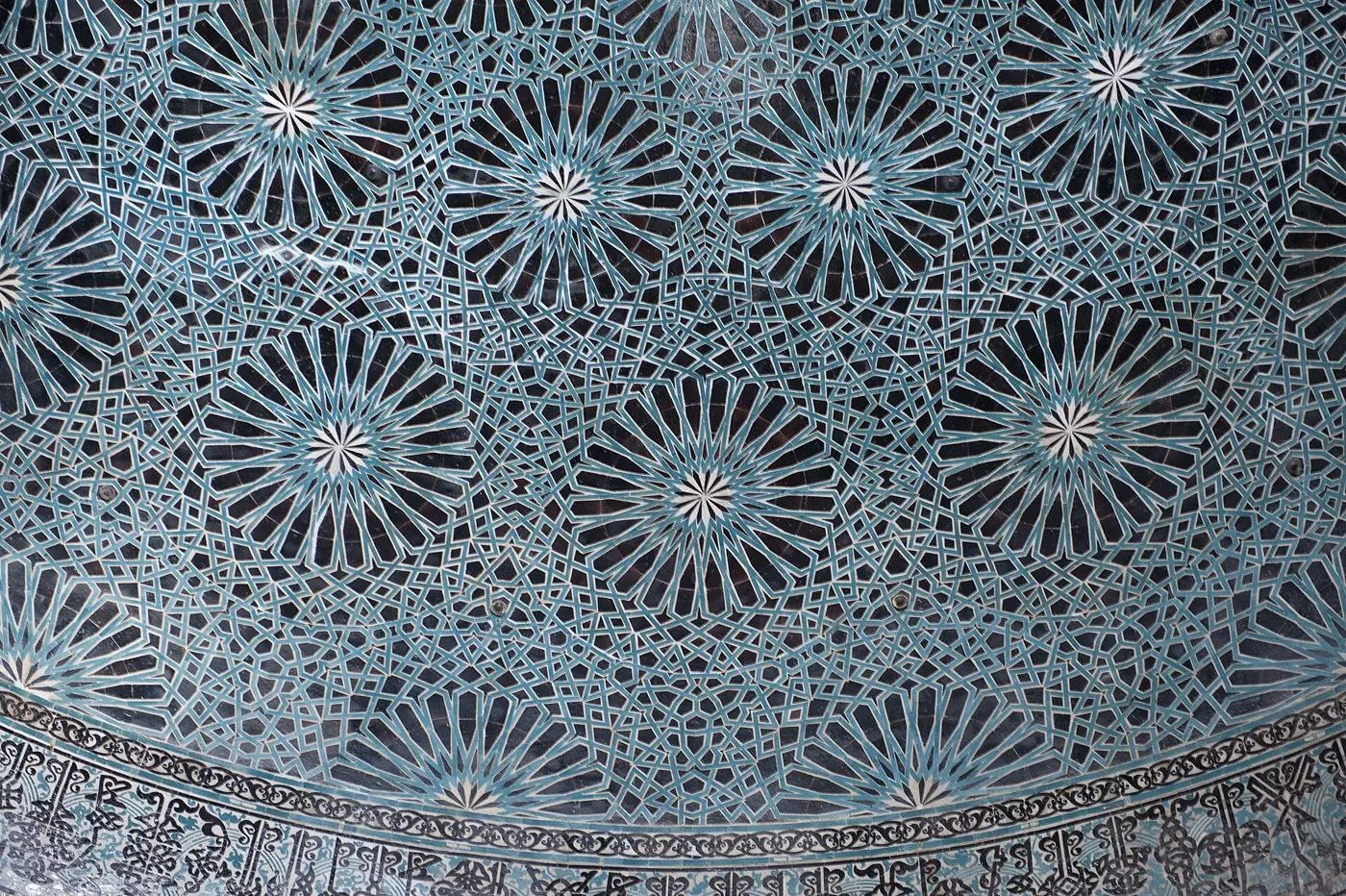
6 Karatay Medresesi
Karatay Medrese was built in 1251 and has been a museum since 1954. It displays Seljuk tile work, and sits across from the palace ruins.
- Built: 1251
- Hours: Daily 09:00-19:00 (per Wikivoyage)
Show map
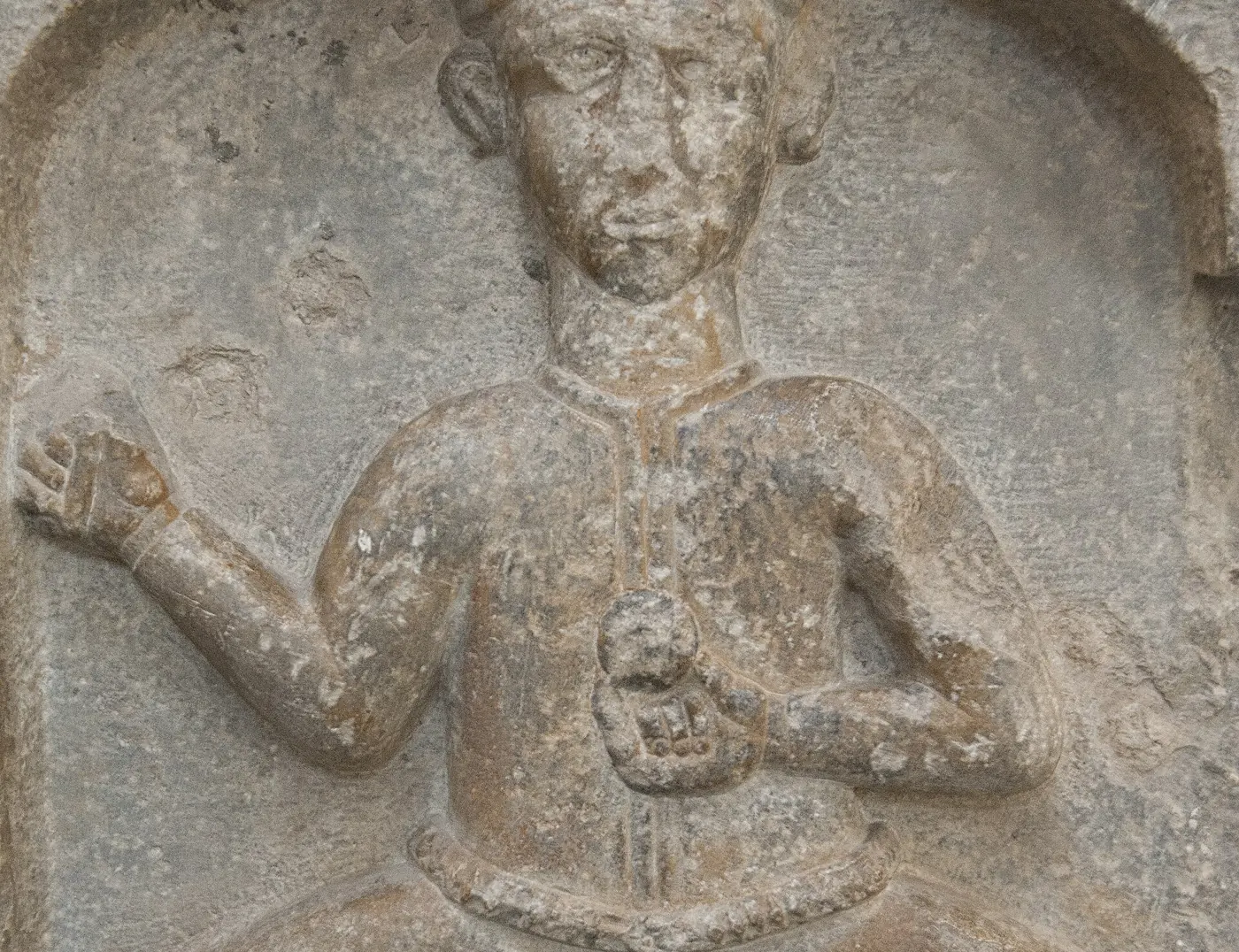
7 İnce Minareli Medrese Taş ve Ahşap Eserleri Müzesi
İnce Minare is a madrasa from 1265 with rich stone carving, now a stone and wood museum. Its minaret was damaged by lightning in 1901. Wikivoyage noted a temporary closure in December 2023.
- Built: 1265
- Status: Check before visiting
Show map
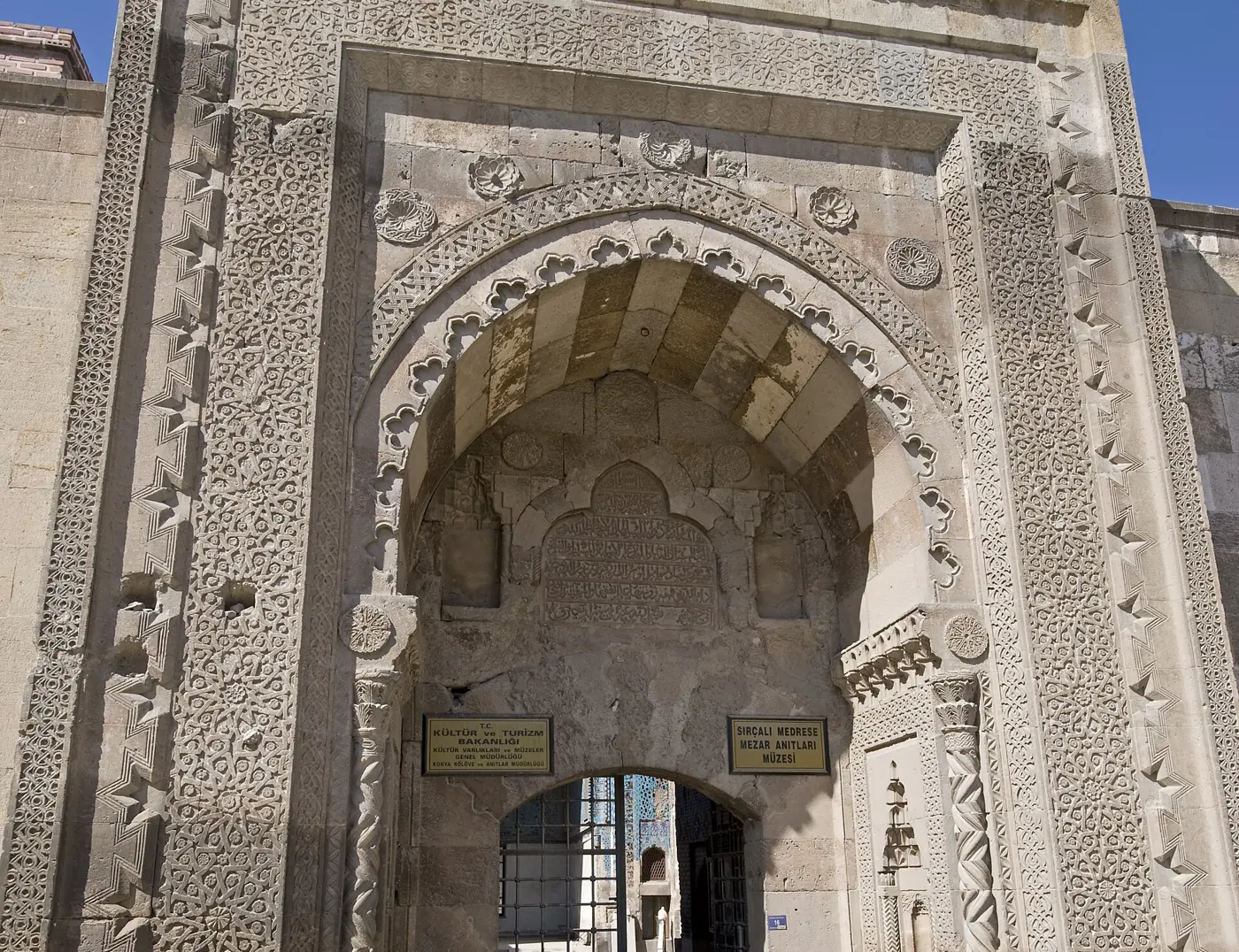
8 Sırçalı Medrese
Sırçalı Medrese was built in 1242 and is known for its tile work. Wikivoyage noted that it was closed in 2022, so check first.
- Built: 1242
- Status: Check before visiting
Show map
Which museum shows Konya’s deeper history?
The Konya Archaeological Museum shows carved sarcophagi and finds from Çatalhöyük. It was founded in 1901 and has used its current building since 1962. Wikivoyage lists free entry. Moreover, it lies next to the Sahib-i Ata complex, which adds a Seljuk mosque from 1283 and a museum of Seljuk-era arts.
Therefore, visit both on the same walk, and then continue to Çatalhöyük if you have a second day.
The Archaeological Museum gives context for Çatalhöyük, because it displays finds from the site. Visit the museum first if you plan to see the mound, since you will understand what you are looking at. In addition, Sille gives a very different mood: a quiet village of old houses, with a past as a Greek-speaking community until 1922, per Wikivoyage.
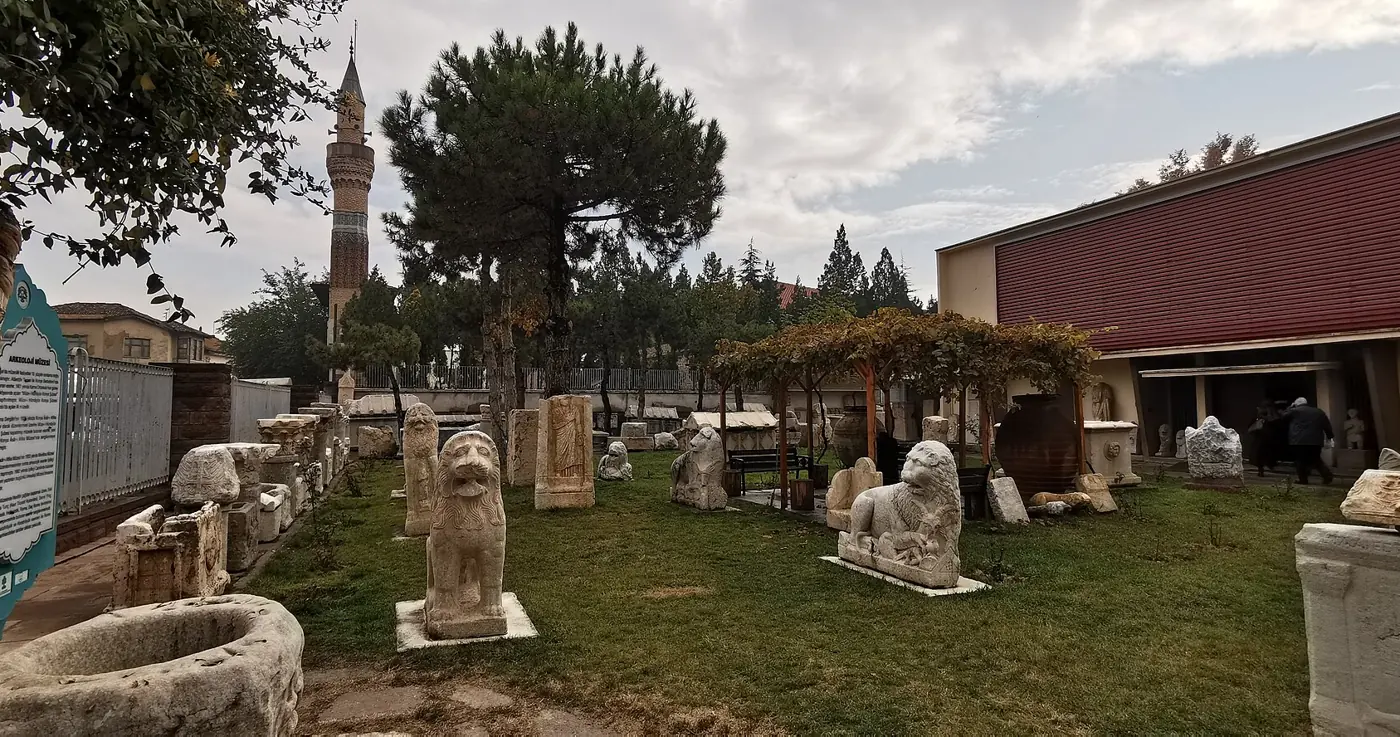
9 Konya Arkeoloji Müzesi
The Archaeological Museum is known for sarcophagi and Çatalhöyük finds. It stands on Sahibiata Caddesi.
- Established: 1901 (current building 1962)
- Entry: Free per Wikivoyage; check
Show map
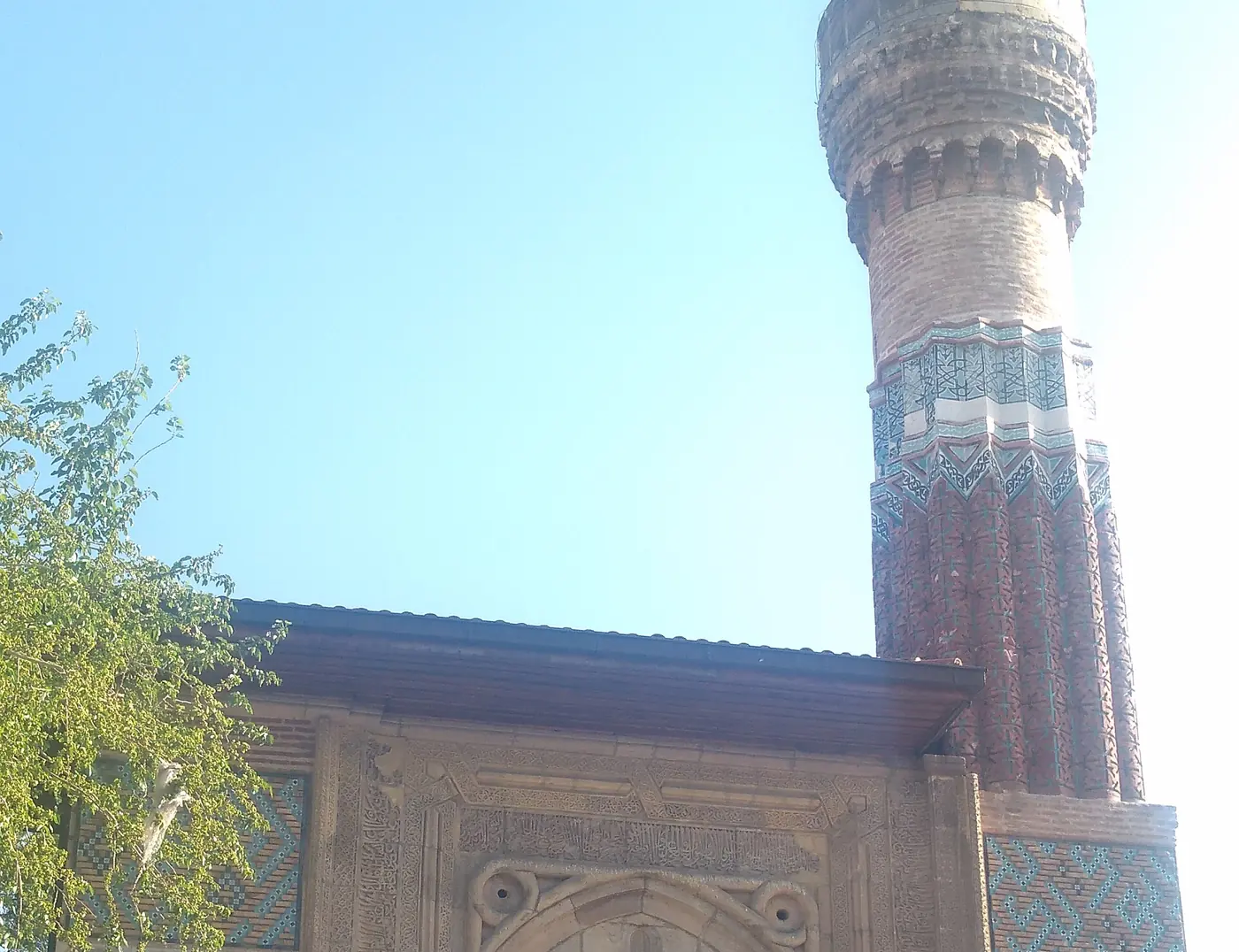
10 Sahip Ata Vakıflar Eserleri Müzesi
The Sahib-i Ata complex has a Seljuk mosque completed in 1283 and a refurbished madrasa that is now a museum of Seljuk-era arts.
- Mosque completed: 1283 (per Wikivoyage)
Show map
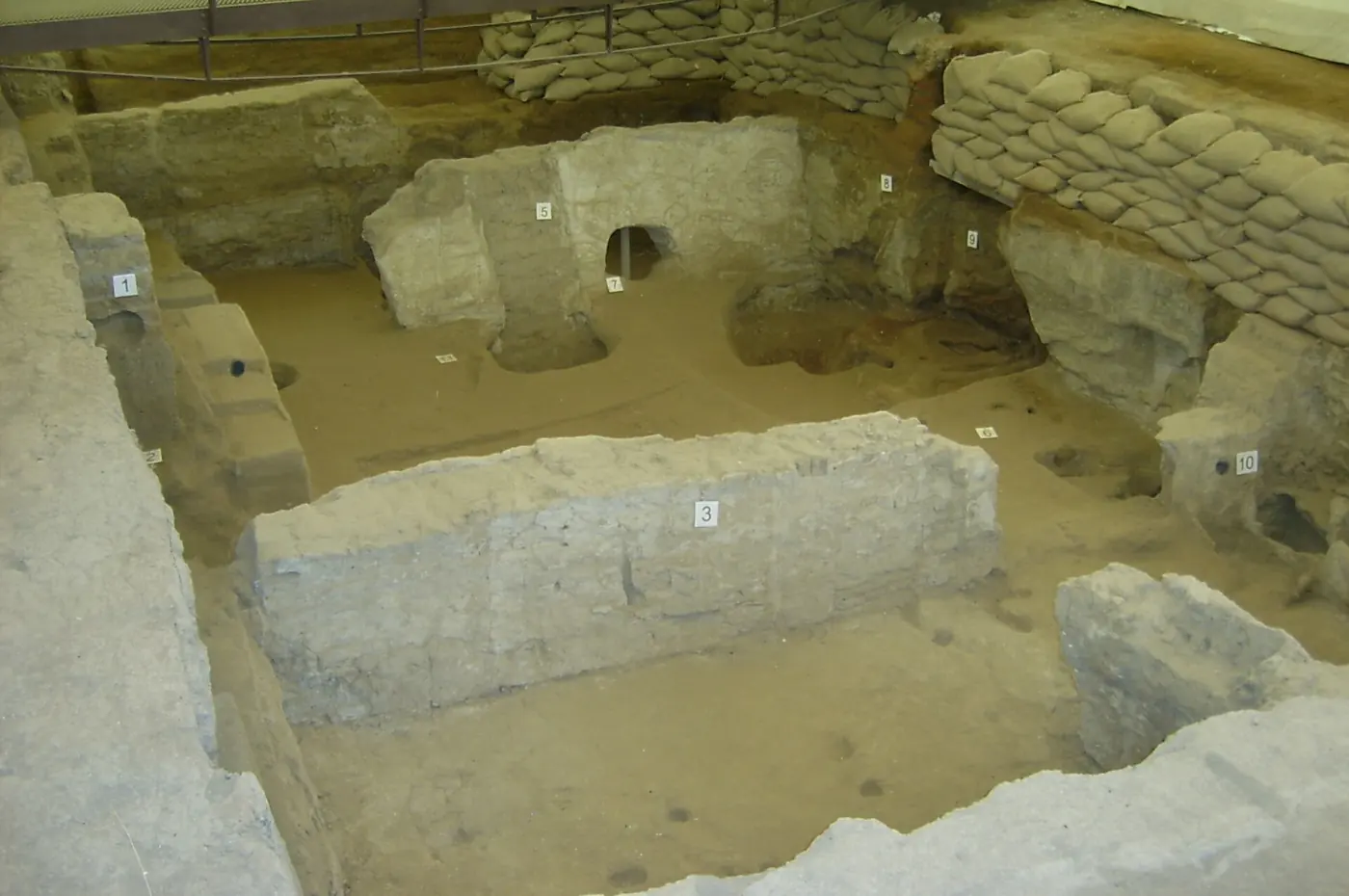
11 Çatalhöyük
Çatalhöyük is a Neolithic proto-city mound on the Konya Plain, inhabited from about 7500 to 5600 BC. It is a UNESCO World Heritage Site southeast of the city.
- Occupied: c. 7500-5600 BC
- Status: UNESCO World Heritage Site
Show map
12 Sille
Sille is a former Greek village about 11 km north-west of the centre. It has rock-cut churches, a small museum and the Aya Elena church, and Wikivoyage lists city bus lines 64 A and 64 B.
- Distance: About 11 km NW (per Wikivoyage)
- Bus: 64 A, 64 B
Show map
How do you get around Konya’s sights?
Use trams and walking for the centre, and a taxi or private car for Sille and Çatalhöyük. Alaaddin Hill is the focus of the city tram lines. Therefore, start there if you rely on public transport. A driver saves time if you plan to see both outlying sites.
Konya’s trams make the centre simple to cross. However, Sille buses and Çatalhöyük need more planning, so a driver or a tour is the comfortable choice for those two. Moreover, a licensed guide can add context at each stop.
Getting there.
| Destination | Suggested way | Note |
|---|---|---|
| Mevlana Museum | Walk or tram, then walk | Check tram stops |
| Alaaddin Hill and madrasas | Tram or walk | Central |
| Sille | Bus 64 A or 64 B, or car | Per Wikivoyage |
| Çatalhöyük | Private car or tour | Southeast, outside the city |
Practical tips and a one-day plan
Visit the Mevlana Museum early, since crowds build in the day. Dress modestly for mosques. Moreover, check each sight for closures, because Wikivoyage notes several. We list no ticket prices, because they change.
A one-day plan starts at the museum, moves to Alaaddin Hill and the madrasas, and ends with the Archaeological Museum. Therefore, you cover about seven sights on foot and by tram.
Keep these tips in mind.
- Start at the Mevlana Museum before the crowds.
- Dress modestly for mosques and the shrine.
- Check closures for İnce Minare and Sırçalı.
- Book the Sema ceremony in advance.
- Hire a driver for Sille and Çatalhöyük.
Sample one-day route
This route fits most travellers who arrive early and keep a steady pace.
One-day plan.
| Time | Stop | Area |
|---|---|---|
| Morning | Mevlana Museum and Selimiye | Karatay |
| Late morning | Alaaddin Hill and Mosque | Centre |
| Afternoon | Karatay Medrese, Archaeological Museum | Centre |
| Evening | Sema ceremony (Saturdays) | Cultural Centre |
Frequently asked questions
What is the most important sight in Konya?
The Mevlana Museum, which holds the mausoleum of Rumi, who died in 1273.
Is the Mevlana Museum free?
Wikivoyage listed free entry in December 2023, but please check locally.
When is the Sema ceremony?
Wikivoyage lists Saturday evenings, 19:00 in winter and 20:00 in summer. Check tickets online.
How long do you need in Konya?
One full day covers the central sights. Add a day for Sille and Çatalhöyük.
Are the madrasas open?
Karatay Medrese lists daily hours. İnce Minare and Sırçalı were noted as closed at times, so check.
How far is Sille?
About 11 km north-west of the centre per Wikivoyage.
Is Çatalhöyük worth a trip?
It is a UNESCO site from about 7500 BC. Many finds are also displayed in the Archaeological Museum.
Can TurkGT guide me around Konya?
Yes, we offer licensed guides and private cars. Send your dates by WhatsApp or the form.
Plan this with TurkGT
TurkGT can arrange a private car with driver for your Konya days, an airport or station transfer, and a licensed local guide who knows the old city. Send your dates and group size by WhatsApp or the inquiry form, and we will suggest a route that fits your plans.
Request a booking
Related guides
- Mevlana Museum in Konya: Visit Guide and Nearby Sights
- Seljuk and Ottoman Mosques in Konya: A Visitor’s Guide
- Konya’s Seljuk Madrasas: Ince Minare, Karatay and Sircali
- Top 10 Hotels in Konya: Where to Stay by Area and Budget
- Best Restaurants in Konya: 10 Top Picks for Local Food
- Catalhoyuk and Archaeological Sites Around Konya
- Best Places to Shop in Konya: Malls and Markets
Related destinations and attractions
- Konya
- Mevlana Museum
- Neolithic Site of Çatalhöyük
- Central Anatolia Region, Türkiye: Ankara, Cappadocia and Konya
Explore more city guides
Sources
- Konya (Wikivoyage)
- Mevlana Museum (Wikipedia)
- Alaeddin Mosque (Wikipedia)
- Karatay Medrese (Wikipedia)
- Çatalhöyük (Wikipedia)
- Sille (Wikipedia)
Last reviewed: 2026-11-21.